• Link to X
  • Link to Facebook
  • Link to Instagram
  • Link to TikTok
  • Link to Youtube
  • About
    • About Us
      • President
      • Board of Directors
      • Board of Advisors
      • Financials
      • Our Methodology
      • Success Tracker
      • Contact
  • Act Now
    • 30 Ways to Help
      • Email Congress
      • Call Congress
      • Volunteer
      • Courses & Certificates
      • Be a Donor
    • Internships
      • In-Office Internships
      • Remote Internships
    • Legislation
      • Politics 101
  • The Blog
  • The Podcast
  • Magazine
  • Donate
  • Click to open the search input field Click to open the search input field Search
  • Menu Menu

Archive for category: Hunger

Hunger

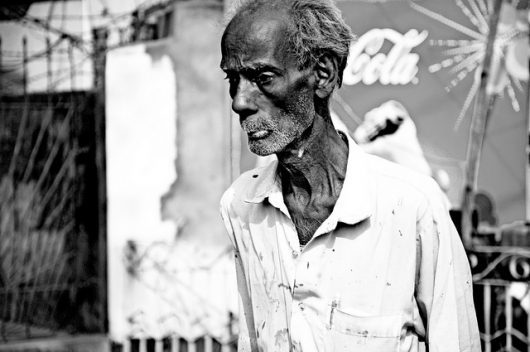
Top 10 Facts About Hunger in India

top 10 facts about hunger
India has struggled with inadequate food and water access over the last few decades. The country’s rapidly growing population has drawn the attention of the world, and several states and organizations have answered the call to address hunger. Following are 10 facts about hunger in India:

Top 10 Facts About Hunger in India

  1. About 15 percent of India is undernourished. This statistic may not initially seem significant, but 15% of 1.34 billion people is roughly 199 million people. To put this in perspective, 199 million people is more than half of the United States. Currently, organizations such as the Fight Hunger Foundation have begun to battle the issue, but it remains prevalent.
  2. One-third of food gets lost or wasted. According to the Indian Food Bank, 40 percent of vegetables and 30 percent of cereals produced are lost due to inefficiencies in the supply chain. New agricultural methods and the overall industrialization of India have sought to increase efficiency.
  3. Women account for 60 percent of India’s hungry population. For the last 65 years, CARE India has emerged as a leader in addressing the issue of hunger in developing areas by focusing on women’s health, education, and access to necessities. The NGO has impacted 24.1 million people directly and 85.8 million indirectly.
  4. 3,000 children die every day from hunger. Those that survive have a high chance of living with hardships in the future. Organizations like Save the Children have turned to India to help decrease this number through aid in the form of food, hygiene, and education.
  5. Around 30 percent of newborns die from lack of nutrition. The Healthy Newborn Network has started to raise awareness regarding the issue because not enough is being done to address this specific aspect of hunger. Improving prenatal care is crucial in sustaining a healthy, growing population.
  6. 21 percent of the population lives on less than $1.90 per day. $1.90 is not nearly enough to live on sustainably. Programs set up by organizations such as Global Aware allow individuals in privileged areas to help solve the problem.
  7. India ranks 97th in addressing hunger. The country’s condition is worse than many believe. Despite being an economic powerhouse, India lacks the resources to properly fix its hunger issue. Foreign aid from other nations has helped in remedying part of the problem.
  8. India is not poor, yet hunger remains an issue. India’s GDP has significantly increased over the last two decades to 2.246 trillion USD. The misplacement of resources and predetermined cultural norms, such as the caste system, have prevented the state from moving forward.
  9. The government, on many levels, has been inefficient in improving the issue. Politics have hindered progress through a lack of effective programs. Inadequate funding has resulted in significant hurdles to solve the issue, and India’s political system must be mended before any real progress can be made toward addressing hunger issues.
  10. The situation has improved. Since 2008, India has climbed five spots in the world ranking from 102 to 97. While there is still substantial room for improvement, the data show that progress is underway. The country’s ranking on the Global Hunger Index has decreased in the last two decades and could improve more given the increase in aid provided by private organizations.

These facts about hunger in India underscore the necessity of policies and programs to improve the living conditions of many of the country’s citizens. Although the country is in dire conditions, progress is being made toward a better life for India’s population.

– Mrinal Singh
Photo: Flickr

September 21, 2018
https://borgenproject.org/wp-content/uploads/borgen-project-logo.svg 0 0 Borgen Project https://borgenproject.org/wp-content/uploads/borgen-project-logo.svg Borgen Project2018-09-21 01:30:282024-05-27 23:53:41Top 10 Facts About Hunger in India
Hunger

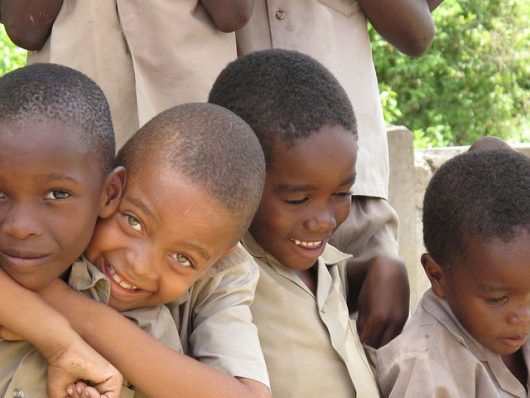
Top 10 Facts About Hunger in Jamaica

Top 10 Facts About Hunger in Jamaica
Jamaica, the fourth largest island country in the Caribbean, is hungry. The root of hunger is based on inequality and racism. Grassroots projects and programs are developed to alleviate an empty tummy. Here are the top 10 facts about hunger in Jamaica:

  1. Jamaica is highly focused on the United Nations’ Millennium Development Goals (MDG), especially the ones that address the eradication of extreme poverty and hunger across the globe. After the devastating global recession, Jamaica is keen that their strategies for poverty reduction are financially supported.
  2. Jamaica is not all poverty yet lines of marginalization are obvious. Not far from the country’s wealthy communities live the Jamaicans that have limited access to clean water, food supply, health care and education.
  3. Hunger in Jamaica is largely a reflection of racial inequality. With a heritage rooted in slavery, descendants of black slaves hold a much larger probability of residing amongst the poorest classes of Jamaica. Meanwhile, descendants of the white race and mixed-race plantation owners tend to be much better off.
  4. Most Jamaicans in poverty spend more than half of their income on food. Due to Jamaica’s extreme inflation and reliance on imports, hunger in Jamaica is greatly exacerbated. Despite governmental food subsidy programs, Jamaica’s poor have to spend a large portion of their small incomes on the basics just to survive.
  5. The main cause of nutritional problems in Jamaica still appears to be the lack of economic access to food. With almost 20 percent of the national population living below the poverty line (and many additionally living in rural lands, an unfortunate compounding factor), access to socio-economic infrastructures is nearly impossible.
  6. The rural land doesn’t encapsulate all of Jamaica’s poverty, as high levels of malnutrition in the cities have been observed as well. The urban sectors exemplify an unfortunately high level of unemployment and a decreasing percentage of mothers that are breastfeeding their newborns, ultimately depriving young children of essential nutrients.
  7. Teachers and school staff in Jamaica see hunger as a painful challenge in the everyday lives of students. Inattentive, moody and exhibiting behavioral problems, hungry children struggle to reap the benefits of their education due to malnutrition.
  8. Food For The Poor, a charity organization, is spearheading self-sustaining agriculture projects at schools in order to provide healthy foods for daily meals and combat hunger in Jamaica. At-risk students gain hands-on experience in agriculture and learn methods of self-sustainability. School staff notes that the rate of student attendance has greatly improved as a result of these projects.
  9. The National Infant and Young Child Feeding Policy is an advancement introduced to reduce rates of morbidity and mortality among children. In a nutshell, the policy advocates for the promotion of both breastfeeding and adequate weaning practices. From ages six months to two years old, the policy seeks to encourage breastfeeding and, subsequently, adequate solid foods. According to both the WHO and UNICEF, the mental development of children who are exclusively breastfed is better than those who are not.
  10. Executed by an NGO, The Roving Caregivers Programme (RCP) focuses on providing child-rearing knowledge and practices to parents of children younger than four. Through home visits with trained personnel, families are given ideas for income-generating activities and are provided a heavy focus on the health and nutrition of the children.

The above-mentioned facts about hunger in Jamaica reflect the need for a global shift in the widening gap of global income inequality. To be hungry and experience malnutrition is largely a result of lacking an adequate income to feed a household as well as little to no access to healthy and nourishing foods. Luckily, the presence of grassroots programs and education are turning the tides and allowing for a self-sustainable community, and these facts are just the beginning of instilling awareness among the masses.

– Mary Grace Miller
Photo: Pixabay

September 20, 2018
https://borgenproject.org/wp-content/uploads/borgen-project-logo.svg 0 0 Borgen Project https://borgenproject.org/wp-content/uploads/borgen-project-logo.svg Borgen Project2018-09-20 12:29:302024-12-13 17:58:55Top 10 Facts About Hunger in Jamaica
Hunger

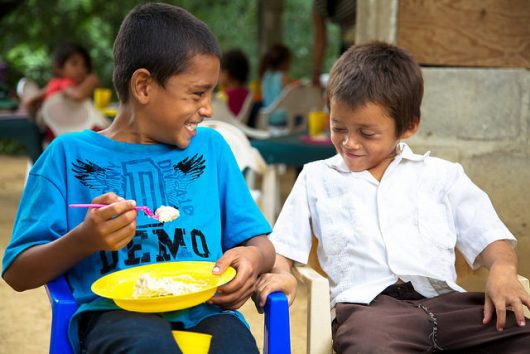
Top 10 Facts About Hunger in Nicaragua

Nicaragua
Nicaragua is one of the poorest countries in Central America and has the lowest GDP per capita. The country’s economy has grown in recent years, but 40 percent of the population remains in poverty. As a result, hunger in Nicaragua is a major problem. Here are the top 10 facts about hunger in Nicaragua.

Top 10 Facts About Hunger in Nicaragua

  1. Of children under five in Nicaragua, 17 percent are chronically malnourished. A lack of access to consistent, quality food leads to issues like stunting in children. In order to counter these results, children need to live in homes without food insecurity so they can grow and live to their full potential.
  2. Rates of malnourishment are higher in rural areas of Nicaragua. In some regions, the amount of chronically undernourished children can reach up to 29 percent. These areas are typically more affected by poverty and have limited access to food supplies beyond through agricultural means.
  3. Stunting and below-average height in children under three in Nicaragua are higher than the national average. Issues like stunting are impossible to avoid in a country with high rates of food insecurity; Nicaragua is one of many low-income countries whose children suffer from undernourishment and stunting.
  4. Hunger in Nicaragua is influenced by the country’s geographic location. Nicaragua is susceptible to unpredictable natural disasters like droughts, floods and earthquakes that limit agricultural production. Without a reliable source of food, Nicaraguans are more prone to food insecurity.
  5. Around 70 percent of the population works in agriculture. Since farming is so reliant on weather patterns, people can often be stripped of their means to live instantly by a natural disaster. The country’s dependence on agriculture combined with its erratic weather leads to higher rates of poverty and hunger.
  6. The World Food Program (WFP) has worked in Nicaragua since 1971. The WFP tries to end the cycle of hunger by promoting health and education programs. They aim to create resilience among families that are living with poverty and hunger.
  7. Around 300,000 people in Nicaragua need food assistance. With many people’s livelihoods tied to the unpredictability of the weather, there are a significant number in need of help. Nonprofits like the WFP provide critical relief to the people most in need.
  8. Nicaragua ranks fourth on the Long-Term World Climate Risk Index. This Index is a ranking of countries that are the most vulnerable to climate events based on geographic location and socio-economic information. Nicaragua ranks behind Honduras, Haiti and Myanmar — two of which are located in the same unstable region in Central America.  
  9. Sustainable development is key to fighting hunger in Nicaragua. The WFP works to connect farmers with markets to sell their products, and expands farmers’ production capacity and in turn, their incomes.
  10. The Nicaraguan government uses a School Feeding Program to fight undernourishment in children. Providing school meals massively helps hunger in children, but there are still many children not attending school that are unreached. Programs like this are essential in fighting malnourishment in Nicaragua.

Fight Against Hunger

These top 10 facts about hunger in Nicaragua underscore the need for more sustainable agricultural practices. Thankfully, organizations like the WFP are active and can join the fight against hunger.

– Amelia Merchant
Photo: Flickr

September 17, 2018
https://borgenproject.org/wp-content/uploads/borgen-project-logo.svg 0 0 Borgen Project https://borgenproject.org/wp-content/uploads/borgen-project-logo.svg Borgen Project2018-09-17 01:30:222019-12-18 11:14:00Top 10 Facts About Hunger in Nicaragua
Hunger

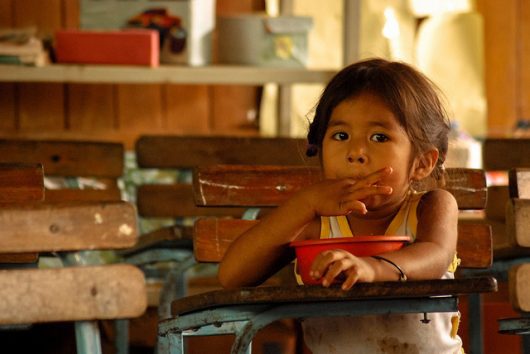
Top 10 Facts About Hunger in Guatemala

Top 10 Facts About Hunger in GuatemalaAmid beautiful landscapes, active volcanoes and a diverse Indigenous population, Guatemala suffers from malnutrition and hunger. Many factors including climate threats, poverty, lack of education and low sanitation have contributed to this crisis over time. With Guatemala’s population growth rate among the highest in Latin America, combating hunger has never been more important. The top 10 facts about hunger in Guatemala below demonstrate the need for help from the global community and the actions taken so far.

Top 10 Facts About Hunger in Guatemala

  1. Two-thirds of the Guatemalan population live on less than $2 per day. Due to this poverty, many cannot afford the most basic food items, causing Guatemala to have the highest rate of stunted growth in children under the age of 5 in Latin America and one of the highest rates in the world. Overall, the stunting rate is just under half of the young population (46.5%) but reaches up to 90% of children in certain areas.
  2. At 47%, this nation has the sixth-highest prevalence of chronic malnutrition in the world. In indigenous areas, however, the malnutrition rate can reach up to 70%.
  3. Hunger is exacerbated by the problem of inequality in Guatemala. The World Food Programme (WFP) finds Guatemala to have the third highest gender inequality index in Latin America, making Guatemalan women unable to support the nutrition of their children. Furthermore, the indigenous population is particularly impacted by conditions in the country—80% experience poverty. Hunger, malnutrition, poor health and little education are some of the everyday challenges facing Indigenous people.
  4. Natural disasters and climate change intensify the effects of poverty in Guatemala. In the Dry Corridor, for example, periods of excessive rain along with prolonged droughts have threatened the livelihood of subsistence farmers in the region. As food security and agricultural profits plummet, Guatemalans have been forced into eating far less nutritious meals, fallen into debt, and even fled the region.
  5. Food insecurity has followed a worrying trend in Guatemala. In 2023, lack of access to adequate nutrition reached its highest and most prevalent point throughout the nation as a result of climate change’s effects on farming.
  6. The legacy of the Guatemalan Civil War continues in the form of land inequality and the dependence of many Guatemalans, especially indigenous ones, on crops produced by others. With much of their land taken during the war to be used for cash crop plantation farming, Indigenous Guatemalans are especially susceptible to hunger in response to disruptions in the food supply chain.
  7. One of the factors contributing to stunting and hunger in children is the age at which females are having children in Guatemala. Most child rearing starts during adolescence and over 40% of girls have given birth by the time they are 19. Because younger girls tend to be more malnourished than older Guatemalan women, a cycle has been created where the children of these young girls end up malnourished and stunted as well.
  8. Guatemala’s government has taken action to prevent malnutrition. It implemented a plan to increase the yearly budget for nutrition and food by 2.5% and launched its Great National Crusade for Nutrition to reduce malnutrition through an emphasis on maternal care, disease prevention, and an expansion of health care throughout the nation. In addition, Indigenous Guatemalans have secured seats in government councils on nutrition and food security so that particularly hard-hit, indigenous areas receive the treatment and prevention tactics they deserve.
  9. USAID has also taken action to end hunger in Guatemala. Food for Peace offers cash transfers to Guatemalan households living in poverty. Furthermore, the organization shows special attention to women’s financial success and promotes nutritional education.
  10. The World Food Programme (WFP) is ending hunger in Guatemala in several ways. One program works with the government to offer nutritious food to infants and students, prepare the nation for natural disasters interrupting the food supply, and facilitate cash-for-training programs to allow families to buy food. It also supports small farms and provides humanitarian assistance during disasters.

While hunger persists in Guatemala today, there is hope that increased awareness of the top 10 facts about hunger, combined with efforts from multiple governments and organizations, will lead to significant results in the years to come.

– Alexandra Eppenauer and Cole Zickwolff
Photo: Flickr
Updated: October 17, 2024

September 17, 2018
https://borgenproject.org/wp-content/uploads/borgen-project-logo.svg 0 0 Borgen Project https://borgenproject.org/wp-content/uploads/borgen-project-logo.svg Borgen Project2018-09-17 01:30:162024-10-18 05:41:53Top 10 Facts About Hunger in Guatemala
Hunger

10 Eye-Opening Facts About Hunger in Nigeria

NigeriaNigeria is one of many food-deficient countries in Africa, and its alarming hunger statistics are tied with high levels of conflict that have plagued the region surrounding Nigeria for years. A food crisis such as Nigeria’s causes distressing levels of stunting in children and is correlated with high rates of poverty. The following are the top 10 facts about hunger in Nigeria.

10 Eye-Opening Facts About Hunger in Nigeria

  1. One-third of children under five are stunted. This statistic is particularly concerning because it is twice the rate of Thailand and three times the rate of Tunisia. Stunting in children is a common symptom of undernourishment and can only be alleviated with a steady supply of adequate food.
  2. The insurgency in the country has led to a large number of displaced people without access to food. The reign of the extremist group, Boko Haram, has left 8.5 million people in need of humanitarian assistance in Nigeria.
  3. On top of the rates of displacement, 5.1 million Nigerians are malnourished. Being on the move makes food sources even less reliable. Countries with high rates of political conflict typically have hunger issues that coincide.
  4. The amount of food insecure households is highest in the rural region of Borno in Nigeria. In Borno State, 64.2 percent of households are food insecure. In late July of 2017, the government of Nigeria declared a state of food and nutrition emergency in Borno.
  5. In the states of Adamawa, Borno and Yobe there were 400,000 children under 5 at risk of severe acute malnutrition in 2016. Approximately 244,000 of these cases are in Borno alone. Food insecurity especially affects children as they are dependent on nourishment for growth and development.
  6. Action Against Hunger (AAH) is active in Nigeria and has completed an assessment of risk levels in the state of Borno. AAH found levels of global acute malnutrition at 28 percent and severe malnutrition at 8 percent in Borno. These levels are especially alarming because both are almost double the international emergency threshold.
  7. Households headed by females are more inclined to have high rates of food insecurity. In the states of Adamawa, Borno and Yobe, 55 percent of female-headed households are food insecure. Women in low-income countries often have less opportunity to gain employment that would allow them to feed their families, leading to increased levels of food deficiency.
  8. Action Against Hunger has provided clinics to aid with hunger in Nigeria. These clinics provide assistance for malnourished children, nursing mothers and pregnant women. Establishments like these save countless lives every year.
  9. The International Committee of the Red Cross has been active in fighting hunger in Nigeria. In 2017, the ICRC reached over 1 million Nigerians and provided relief and livelihood training and assistance. They also provided 450,000 people in the north-east and Middle Belt regions with food for three months.
  10. Of the 17 million people living in regions affected by Boko Haram, 11 million are in need of humanitarian aid, food, water and shelter. These numbers delineate the effects of political strife on low-income countries. Dangerous and unreliable living conditions are not conducive to access to an adequate food supply.

Fighting Food Insecurity

Levels of hunger in Nigeria are alarming, but the work of organizations like AAF and ICRC have been able to begin the fight against food insecurity. Without the aid of humanitarian workers, a higher number of lives would be lost each year to malnourishment and hunger.

– Amelia Merchant

Photo: Flickr

September 17, 2018
https://borgenproject.org/wp-content/uploads/borgen-project-logo.svg 0 0 Borgen Project https://borgenproject.org/wp-content/uploads/borgen-project-logo.svg Borgen Project2018-09-17 01:30:072024-05-29 22:53:3310 Eye-Opening Facts About Hunger in Nigeria
Global Poverty, Hunger, Nonprofit Organizations and NGOs, Poverty Reduction

Top 10 Hunger Nonprofits

Top 10 hunger nonprofitsAccording to the World Food Programme, some 815 million people in the world do not have enough food to lead a healthy and active life, with a vast majority of the world’s hungry people living in developing countries. With many governments struggling to provide aid to their citizens and a calculated $3.2 billion needed per year to start reaching children across the world, many individuals have banded together to bring about change on their own. These top 10 hunger nonprofits have started making a change in the world in the hopes of ending world hunger once and for all.

List of Top 10 Hunger Nonprofits

  1. A Growing Culture: This organization works to boost farmer independence by providing them with the means to adapt to change. It also helps farmers in having a say in the system, something that they currently lack because of industrial farming. A Growing Culture has been working on creating a farmer networking program to connect agriculture enthusiasts from around the world to boost innovative ideas and creating a lasting food system for all.
  2. Bioversity International: This research nonprofit works on saving agricultural and tree biodiversity in order to improve nutrition security as well as to fight climate change. The Bioversity International is a part of an international food security research partnership and works with low-income countries to work on food management practices and new policies to protect biodiversity within their nation.
  3. Community Alliance with Family Farmers: This organization focuses on farming and food systems through many grassroots programs. It tackles current challenges to the food system and supports family farmers and those who live in low-income populations. As an organization, the Community Alliance with Family Farmers tries its best to uphold sustainability within food and farming systems.
  4. Agricultural Biodiversity Community: Made up of more than 100 individuals and organizations, the Agricultural Biodiversity Community shares the idea that agricultural biodiversity can save the world. By utilizing conservation techniques and the development of food security in many regions, this organization seeks to enhance food security on a global scale.
  5. Green Shoots Foundation: Based in six different countries in Asia, the Green Shoots Foundation aims to improve healthcare and education through a program called the Food and Agriculture and Social Entrepreneurship program. These programs combine agriculture, peer education and community building to help communities in Asia create a better future for all.
  6. Groundswell International: As one of the top 10 hunger nonprofits, Groundswell International is unique in that it is a global partnership consisting of multiple nonprofits, local organizations and communities that all work to combat food insecurity. It also works to improve and start healthy food systems in many low-income countries and teaches new farming techniques to help improve community health.
  7. Heifer International: This global nonprofit aims to erase poverty through community development. It helps train families in sustainable food practices and its goal is to increase self-reliance among families. From teaching environmentally friendly farming techniques to helping families improve their lives, Heifer International is an effective organization.
  8. IFOAM Organics International: At the center of the organic movement worldwide is the IFOAM organization. IFOAM’s goal is to improve transparency with organic standards and balance local adaption and food diversity. Operating in over 100 countries worldwide, IFOAM is a force to be reckoned with.
  9. INGA Foundation: The Inga alley cropping is an alternative to the slash and burn agriculture practice that the INGA Foundation teaches to farmers and communities globally. This practice restores degraded land and protects rainforests from destruction. Soil fertility is retained and trees also benefit from this method of agriculture.
  10. Kiss the Ground: With the mission statement “We can do this!”, Kiss the Ground tries to balance climate using technology and science and its goal is to recreate the food system. Every initiative this organization starts is based on a message of a hopeful future.

The top 10 hunger nonprofits all have a similar goal: to end world hunger. Stopping world hunger isn’t easy but these organizations have taken on the challenge and work tirelessly for a better future. We need more individuals and organizations to do the same.

– Michael Huang
Photo: Flickr

September 13, 2018
https://borgenproject.org/wp-content/uploads/borgen-project-logo.svg 0 0 Borgen Project https://borgenproject.org/wp-content/uploads/borgen-project-logo.svg Borgen Project2018-09-13 13:08:512024-06-08 03:59:23Top 10 Hunger Nonprofits
Global Poverty, Hunger

10 Facts About Hunger in Bangladesh

10 Facts About Hunger In BangladeshBangladesh is one of the world’s most densely populated countries; as home to over 160 million people in an area the size of Illinois. Since the country first garnered international attention, it has made great progress in human development, namely in the areas of literacy and life expectancy. But economic inequality has increased and approximately 32 percent, i.e. 50 million people still live in extreme poverty.

Compounded by inadequate arable land and recurrent natural disasters, Bangladesh has struggled immensely with food insecurity. Despite tripling its rice production, decreasing infant mortality rates, and programs combating malnutrition, 60 million people are still hungry even today. 

List of Top 10 Facts About Hunger in Bangladesh

  1. Bangladesh has the highest rate of underweight children in South Asia. One in two children below 5 years are chronically undernourished or stunted, and 14 percent suffer from acute undernutrition or wasting. WHO estimates that two in three deaths under the age of five are caused by undernutrition.
  2. Out of the 50 million people who lack food security in Bangladesh, less than half have access to food safety net programs. Food programs have a successful impact, however, poor coverage, targeting and administration have impacted effectiveness.
  3. Food insecurity and malnutrition among the vulnerable populations are high. These are further impacted by seasonality and the price of available foods. The two lean seasons in Bangladesh worsen food insecurity, reduce food availability as well as employment opportunities particularly for the rural poor.
  4. Food insecurity in Bangladesh stems from extreme poverty due to underemployment and unemployment, inadequate land access for cultivation, social exclusion and natural disasters. In these vulnerable, poor populations, women and children are most affected by malnutrition and undernutrition.
  5. Approximately 24 percent of women are underweight and 13 percent are short in stature, significantly increasing the likelihood that their children will be stunted.
  6. About 25 percent of children’s diets meet dietary variety standards where a minimum of four out of seven food groups are consumed on a daily basis.
  7. Sacrifices in food consumption for the sake of feeding children, particularly in times of scarcity, is highly gender biased. In most cases, it is an adult woman who must make a sacrifice. Disproportionate poverty faced by women and children comes as a result of discrimination and traditions of exclusion, thereby leaving them the most vulnerable.
  8. In wealthy households, 26 percent of children below 5 years are stunted and 12 percent are wasted. Undernutrition then is not just a symptom of poverty. Poverty has declined remarkably since the year 2010, dropping from 49 percent to roughly 25 percent in 2016. Yet hunger still persists.
  9. Micronutrient deficiencies lead to ‘hidden hunger’. Of note, 50 percent of the salt produced in Bangladesh is not adequately iodized, rice dominates the diet and its low nutrient density likely contributes to the high rates of zinc deficiency.
  10. Environmental disasters if ignored could increase food insecurity. In addition to natural disasters that flood farms and cause rural unemployment, the lack of education and training in sustainable agricultural methods have caused soil degradation that impacts rice production.

Since the year 2000, hunger has been cut by nearly half in Bangladesh. Experts site economic growth, improved agricultural productivity, access to markets for farmers and social safety nets for the most vulnerable as ways to end hunger. Bangladesh’s success in these areas, especially rice production, has helped cut hunger in half.

Yet these 10 facts about hunger in Bangladesh illustrate how several key challenges still remain as millions continue to battle undernutrition, transient food insecurity and hidden hunger every single day.

– Joseph Ventura
Photo: Flickr

September 12, 2018
https://borgenproject.org/wp-content/uploads/borgen-project-logo.svg 0 0 Borgen Project https://borgenproject.org/wp-content/uploads/borgen-project-logo.svg Borgen Project2018-09-12 17:02:122024-05-29 22:53:1110 Facts About Hunger in Bangladesh
Food & Hunger, Global Poverty, Hunger

Uncovering 10 Facts About Hunger in Cuba

Top Ten Facts About Hunger in Cuba
The Republic of Cuba is home to nearly 11.5 million people and has lasted through a communist regime for more than 50 years. U.S. sanctions were designed to dislodge the leader, Fidel Castro, and his regime; surprisingly, the island of Cuba has survived long after the collapse of its biggest supporter, the Soviet Union.

During the last 50 years, the government of Cuba has worked to eliminate poverty and hunger; however, many analysts argue that the economic system envisioned by Fidel Castro has not lived up to its plans. The Revolution was centered around the idea of eliminating a class structure, yet, the country has been left poor.

Nevertheless, the government of Cuba has continued its support of Castro’s ideology and is now working to eradicate issues such as hunger. To learn more about the country’s shortcomings and successes, here are the top 10 facts about hunger in Cuba.

Facts About Hunger in Cuba

  1. Social protection programs implemented within the last 50 years have greatly helped Cuba reduce hunger. The government of Cuba provides monthly food baskets, mother-and-child health care and school feeding programs. These programs are reliant on food imports and are dependent on the national budget.
  2. Guided by the government’s commitment to leave no Cuban unprotected, the leadership of Cuba reformed its economic model. This process began in 2011 and had the goals to reduce costs, increase the viability of social programs and boost overall efficiency. Food scarcity was recognized as one of the nation’s top priorities.
  3. In 2015, about 3.5 million people visited Cuba, causing a surge in the demand for food. Food scarcity was in part due to the U.S. embargo, as well as poor planning by the Cuban government. The foods that many families relied on went instead to restaurants that catered to the increase in tourism. The prices of essential food have risen exuberantly, leaving the average Cuban at a big loss.
  4. The typical Cuban family has poor nutrition as there is often very little food diversity, and Cubans traditionally eat very few vegetables. In 2011, the government began its attempts to implement its National Plan for the Prevention and Control of Anemia. Children under the age of five are specifically targeted in this effort; however, by the end of 2015, it was reported that 31.6 percent of children aged two, and as many as 39.6 percent of children six months or younger, suffer from anemia.
  5. There are still periods of food shortage in Cuba. Maria Julia, a single mother from Santiago de Cuba, described the food shortages that occurred in December 2014 and January 2015. She and countless other Cuban families had no access to chicken — the main protein in Cuban cuisine. Schools could not provide lunch or snacks for the children during these periods, further challenging struggling parents.
  6. The Cuban government covers half of an individual’s nutritional needs at a very low cost. The United Nations Food and Agriculture Organization recently honored Cuba for its low levels of malnutrition and hunger. Although unable to provide an average Cuban with all their nutritional needs, the government has managed to provide supplements and extra rationed items for the elderly, children and those suffering from chronic illnesses.
  7. Food scarcity has caused families to struggle to create main meals; often by the end of the month, most Cuban families have usually already eaten their ration. This results in difficulty finding sustainable meals, and families tend to rely on social networks to acquire their essential food items.
  8. In dealing with food scarcity, Cubans had to adapt to different food than their traditional preferences. Many refuse to accept available food as viable, yet, they continue to consume the food out of necessity. The food available through the government does not reach cultural standards, so the Cuban people’s disdain is a sort of symbolic rejection.
  9. Nitza Villapol, one of the main Cuban food authorities, has encouraged the change in the traditional Cuban diet through cookbooks aimed at the average Cuban. The cookbooks and state-approved television shows teach Cubans to cook without staple foods. Food scarcity made traditional ingredients like pork, milk, butter and bread extremely difficult to attain.
  10. After the crash of the Soviet Union in 1991, Cuba’s sugar economy plummeted for nearly a decade. The government ordered the shutdown of 71 out of 156 sugar refineries in Cuba. Farming land that was once used for sugar is now used to supplement the monthly rations given by the state. Farmers generate cooperatives so that locals can survive off state-sponsored food in conjunction with local farming.

Independence and Eliminating Hunger

Currently, the small island of Cuba imports 60-80 percent of its food. State officials are encouraging the continuation of cooperative farming to avoid dependency on other nations. Additionally, urban farming started in the 1990s and is regarded by the government as an acceptable mean to supplement the monthly rations.

The island of Cuba is working very hard to eliminate hunger. These top ten facts about hunger in Cuba demonstrate both the areas in which the goals of the regime have fallen short, as well as the successes of Castro’s vision.

– Stefanie Babb
Photo: Unsplash

September 7, 2018
https://borgenproject.org/wp-content/uploads/borgen-project-logo.svg 0 0 Borgen Project https://borgenproject.org/wp-content/uploads/borgen-project-logo.svg Borgen Project2018-09-07 01:30:052024-05-29 22:52:45Uncovering 10 Facts About Hunger in Cuba
Food & Hunger, Food Aid, Global Poverty, Hunger

Fighting Hunger in India

Fighting Hunger in India
In the week of June 22, 2018, three girls died in Delhi’s Mandawali area due to starvation. The eldest of the three was only 8 years old. Starvation and malnutrition in India have been an underlying epidemic for some time, and last month’s incident only goes to highlight the severity of the country’s problem. Fighting hunger in India is crucial for its development.

Facts About Hunger in India

India has the fastest growing economy in the world and has all the signs of a country under major improvements in the economy, produce and material production, healthcare and an increase in wealth. Despite this, poverty and hunger in India are very high, and often ignored.

The country has a staggeringly large population at 1.3 billion people. But out of that, 190.7 million people are undernourished—meaning that over 14.5 percent of India’s whole population is suffering from hunger. In fact, 3,000 children throughout India die of malnutrition every day. Action Against Hunger, a nonprofit working to end world hunger, calculated that one-fourth of the entire world’s population of undernourished people live in India.

Poverty and Fighting Hunger in India

Fighting hunger in India is necessary due to poverty, the rapid growth of population, exhausted governance, inadequate health systems and unreliable national indicators.

Though the country has seen a major economic progress, the poorest areas of India are comparable to the environments of some of the poorest countries around the world. Those in the more impoverished states of India, such as Rajasthan and Madhya Pradesh, see 20-35 percent of children suffer from severe undernutrition. Moreover, according to India’s 2011 government data, 65 million people live in areas that lack basic facilities, which puts them under the risk of various diseases alongside hunger, which is often life-threatening.

India has, in the last decade, seen a significant increase—almost twice—in its produce and grain production. In fact, India produces a sufficient amount of food for its population but is unable to distribute and provide access to the food for most of its population, mainly women and children. This is why one out of four children in India will experience hunger which often results in malnutrition. Moreover, this insufficiency perpetuates poverty and does little—next to nothing—to rid the country of an endless cycle of poor growth and premature deaths. These premature deaths, like the three young girls who made the headlines in the summer of 2018, bring to light the severity of and the necessity for fighting hunger in India.

The Way Forward

There are a series of organizations and nonprofits who have focused their efforts on India’s most solvable issue. For instance, Action Against Hunger has been instrumental in saving lives in India in the past decade by taking a hands-on, direct approach. This organization has implemented nutrition programs, worked on health systems in India with various government officials and has even worked with healthcare providers in recognizing and subsequently treating the signs of malnutrition. All of their efforts have been in India’s most impoverished areas, in hopes that wealthier states take note.

Improvements have been seen and the continued efforts to fight hunger in India has resulted in lower hunger rates since 1990. There is still a very long way to go. It remains to be seen in the coming years how successful nonprofits will be in fighting hunger in India.

– Isabella Agostini
Photo: Pixabay

September 3, 2018
https://borgenproject.org/wp-content/uploads/borgen-project-logo.svg 0 0 Borgen Project https://borgenproject.org/wp-content/uploads/borgen-project-logo.svg Borgen Project2018-09-03 18:25:472024-05-27 23:53:41Fighting Hunger in India
Hunger

Top 10 Facts about Poverty in France

France
France may be known as a fabulous tourist destination that attracts around 89 million tourists per year, but many people who vacation there turn a blind eye to the 14.1 percent of the population (nearly 9 million people) that live below the poverty line. Here are the top 10 facts about poverty in France:

10 Facts About Poverty in France

  1. The definition of poverty in France follows that of the European Union. The poverty line in Europe is “60 percent of the populations median income” and is based on living conditions and employment levels. This means that more than 8 million people in France live on less than 954 euros a month.
  2. There is a considerable gap between the rich and the poor in France. The bottom 20 percent of the population earn almost five times less than the top 20 percent. This inequality is more obvious in the French city of Paris. Even though the overall poverty rate in the city of Paris is 14 percent, which is close to the national average, when you look at the underprivileged neighborhoods, the rate jumps to nearly 40 percent.
  3. In 2004, the poverty rate in France was at its lowest at 12.6 percent. However, that number has gone up. In 2015, 14.2 percent of the French population was living below the poverty line.
  4. France’s most vulnerable groups are among the most impoverished. According to a report published by the charity Secours Catholique, single women, children and foreigners are at the greatest risk of being impoverished. In 2016, Secours Catholique passed a comprehensive nine-year National Plan to address the issue of poverty in France with a focus on the higher risk population.
  5. There are several misconceptions about poverty in France. Seven out of 10 people in France believe it is easy to receive welfare. In actuality, of those who apply for unemployment, around 68 percent of those eligible for benefits will not receive them. Furthermore, up to 100 documents can be required in the application process.
  6. France is known to work to protect the rights of its citizens. It puts aside over one-third of its GDP to providing welfare protection. This is more than any other country in Europe.
  7. A new French law will require retailers to donate their unsold clothes to charity. Last February, a photo posted to Facebook showing a French clothing store destroying many unsold clothing items. This caused a great backlash from the public with many people commenting on how wasteful this was and that these clothes could benefit those in France who cannot afford to clothe themselves or their families. A French organization, Emmaus, which focuses on ending homelessness and poverty, worked with French officials to find a solution. French Prime Minister, Edouard Philippe, has introduced a law to take effect in 2019 that would ban retailers from throwing away unsold clothing and require the retailers to donate them to charity instead.
  8. France is home to many poverty-fighting organizations. The Restos du Coeur is one of the largest French organizations that helps with poverty alleviation. Their volunteers distribute thousands of hot meals every day. In fact, in 2015, 128.5 million meals were given out throughout France. Another organization, SOS Children’s Villages, is an international organization that has been very active in France. Parents who cannot take care of their children can seek the help of SOS Children’s Villages to offer support systems within the community to help provide a stable environment for the children in an effort to keep families together.  There are two SOS Social Centres in France, one in the north of France and one near Paris.
  9. French supermarkets must give away their unsold, expired food. Food waste is a global problem. After a unanimous vote by French Members of Parliament in 2015, supermarkets must now give away unsold food that has reached its sell-by date and are banned from destroying older food products. These unsold food products go to associations that collect and distribute the food to those in need. About 5,000 charities receive the unsold food throughout France. This law helps save up to 66 pounds of food per person every year.
  10. The 2018 World Cup brought hope to impoverished, immigrant, suburban French youth. Nineteen-year-old Kylian Mbappe is one of the newest stars on the French Soccer Team. Mbappe, and many other French teammates, are from mainly non-white suburbs that surround major cities in France. Mbappe is from Bondy, which is less than ten miles away from Paris, yet seems almost like a different world. The mayor of Bondy says that Mbappe’s success is “marvelous because so often people talk about suburbs in negative terms.” Other French soccer players are from suburban areas as well, like midfielder Paul Pogba, from the Lagny-Sur-Marne in the eastern suburbs of Paris.

These 10 facts about poverty in France shed light on the growing poverty problem in a place that seems as perfect as a postcard. Even first-world countries, including France, The United States, and Japan, can have poverty issues that the media does not focus on. However, with the work of the governments, charity organizations and the community, there is hope to alleviate poverty.

– Ariane Komyati

Photo: Flickr

September 2, 2018
https://borgenproject.org/wp-content/uploads/borgen-project-logo.svg 0 0 Kim Thelwell https://borgenproject.org/wp-content/uploads/borgen-project-logo.svg Kim Thelwell2018-09-02 07:30:442024-05-29 22:52:53Top 10 Facts about Poverty in France
Page 40 of 71«‹3839404142›»

Get Smarter

  • Global Poverty 101
  • Global Poverty… The Good News
  • Global Poverty & U.S. Jobs
  • Global Poverty and National Security
  • Innovative Solutions to Poverty
  • Global Poverty & Aid FAQ’s
Search Search

Take Action

  • Call Congress
  • Email Congress
  • Donate
  • 30 Ways to Help
  • Volunteer Ops
  • Internships
  • Courses & Certificates
  • The Podcast
Borgen Project

“The Borgen Project is an incredible nonprofit organization that is addressing poverty and hunger and working towards ending them.”

-The Huffington Post

Inside The Borgen Project

  • Contact
  • About
  • Financials
  • President
  • Board of Directors
  • Board of Advisors

International Links

  • UK Email Parliament
  • UK Donate
  • Canada Email Parliament

Get Smarter

  • Global Poverty 101
  • Global Poverty… The Good News
  • Global Poverty & U.S. Jobs
  • Global Poverty and National Security
  • Innovative Solutions to Poverty
  • Global Poverty & Aid FAQ’s

Ways to Help

  • Call Congress
  • Email Congress
  • Donate
  • 30 Ways to Help
  • Volunteer Ops
  • Internships
  • Courses & Certificates
  • The Podcast
Scroll to top Scroll to top Scroll to top