• Link to X
  • Link to Facebook
  • Link to Instagram
  • Link to TikTok
  • Link to Youtube
  • About
    • About Us
      • President
      • Board of Directors
      • Board of Advisors
      • Financials
      • Our Methodology
      • Success Tracker
      • Contact
  • Act Now
    • 30 Ways to Help
      • Email Congress
      • Call Congress
      • Volunteer
      • Courses & Certificates
      • Be a Donor
    • Internships
      • In-Office Internships
      • Remote Internships
    • Legislation
      • Politics 101
  • The Blog
  • The Podcast
  • Magazine
  • Donate
  • Click to open the search input field Click to open the search input field Search
  • Menu Menu

Archive for category: Hunger

COVID-19, Global Poverty, Hunger

Poverty, Policy and Pandemic with Johan Swinnen

Poverty Policy and Pandemic
The Borgen Project has published this article and podcast episode, “Poverty, Policy and Pandemic with Johan Swinnen,” with permission from The World Food Program (WFP) USA. “Hacking Hunger” is the organization’s podcast that features stories of people around the world who are struggling with hunger and thought-provoking conversations with humanitarians who are working to solve it.


When it comes to ending global hunger, policy plays a powerful role. It shapes the operation and strategy of humanitarian organizations and influences their ability to make an impact. Smart policies enable WFP, for example, to reach even more people with the lifesaving support they need.

That’s why organizations like International Food Policy Research Institute – known as IFPRI – are critical to advancing the fight against hunger. IFPRI provides research-based policy solutions to sustainably reduce poverty and end hunger and malnutrition in developing countries. Its solutions have influenced government and NGO policies across the globe.

As COVID-19 threatens to increase rates of global hunger and poverty, IFPRI’s insights are more critical than ever as governments desperately seek to lessen the virus’ economic impact.

On today’s episode of Hacking Hunger, we caught up with Johan Swinnen, IFPRI’s director general, to get the inside scoop on his predictions of the virus’ impacts, challenges and potential effects, and solutions that might protect vulnerable people from it now and in the future.

Click the link below to listen to what Johan Swinnen’s predictions are regarding the pandemic.


World Food Program USA · Episode 47: Poverty, Policy and Pandemic with Johan Swinnen

Photo: Flickr

August 7, 2020
https://borgenproject.org/wp-content/uploads/borgen-project-logo.svg 0 0 Jennifer Philipp https://borgenproject.org/wp-content/uploads/borgen-project-logo.svg Jennifer Philipp2020-08-07 09:13:122020-08-07 09:13:48Poverty, Policy and Pandemic with Johan Swinnen
Global Poverty, Hunger

Hunger in Bosnia and Herzegovina

Hunger in Bosnia and HerzegovinaDuring the Bosnian War, a bloody conflict centered in the Bosnian capital city of Sarajevo from 1992 to 1995 and thousands of people experienced immense hunger in the country. Sarajevo did not have a connection to the rest of the world, resulting in immediate shortages of food, medicine, water and electricity. Lacking these basic necessities and in constant danger of violence, nearly 12,000 civilians died by the end of the war. Unable to survive on what remained in the country, United Nations humanitarian aid efforts saved many by bringing in 160,000 tons of food, medicine and other essential goods.
Postwar Challenges

The end of the war in 1995 brought necessary relief, as well as a new set of challenges as the nation recovered. In 2014, with an unemployment rate of 27.5%, frustrated people in Sarajevo rioted in response to the government insisting that there was no hunger in Bosnia and Herzegovina. This statement angered citizens, and it led to the closure of several factories that had laid off many workers. They responded by setting fire to multiple government buildings, a scene reminiscent of the Bosnian War just years before.

In 2020, the European Union, in partnership with the United Nations Development Program, allocated 20 million euros to the development and modernization of the agri-food sector in Bosnia and Herzegovina. Although the program was positioned to independently assist countries in implementing the U.N.’s Sustainable Development Goals, strong partnerships with entities such as the European Union were considered to be crucial for the goals’ success.

Nevertheless, by 2021, the prevalence of moderate or severe food insecurity in Bosnia and Herzegovina was 13.4%, the highest it had been in the previous decade and almost 5% higher than its 2017 low point. 

In May of 2021, the Council of Ministers of BiH and the United Nations Country Team signed a four-year Sustainable Development Cooperation Framework (2021-2025) that included reference to future accession to the European Union. One of the commitment’s four strategic priorities was “quality, accessible and inclusive education, health and social protection,” and one of the many stated related human rights was the right to adequate food, with food safety noted as an intended cooperation outcome.

Targeted Food Insecurity

Then, with the  February 2022 Russian invasion of Ukraine, came a further impact on both income and food security for those who were already vulnerable. 

A UNDP December 2022 Assessment Report for BiH reported sufficient availability of food but also noted that vulnerable groups did not have enough money for a regular diet because of inflation. The majority (80%) of humanitarian organizations managing soup kitchens felt that they had insufficient funds and that the inadequacy of social protection affected their ability to reduce hunger. At that time, BiH was a net importer of foodstuffs and agricultural products. 

A small, 2022-2023 UNDP rapid countrywide assessment, published in May 2023, found a third of those surveyed defined themselves as food insecure, the most insecure being the elderly and single parents. The General Food Insecurity Index labeled almost 78% of those surveyed to be at risk of food insecurity and food deprivation.

The 2023 Global Health Index identified BiH as one of 20 countries with a GHI score in the Low category, but that was because there was insufficient data to calculate a score. Nevertheless, the trend for BiH indicator values has been low since 2000, based on the indicators of the percentage of the population undernourished, and the percentage of children younger than 5 who suffered from child wasting, child stunting and child mortality. 

Early 2023 saw inflation grow to over 14%, causing extreme challenges in the agricultural sector. The price of foodstuffs, for example, was affected by an increase of up to 200% for some raw materials. This reduced those in greatest poverty to being able to buy fruits and vegetables only by the piece.

With an SDG Index Score of 73.99 (out of 100), BiH now ranks 50 of the 166 countries ranked on the U.N.’s Sustainable Development Goals in the 2024 Sustainable Development Report. This is the country’s overall progress toward meeting the 17 goals. On SDG 2, Zero Hunger, BiH is seen as making moderate improvement, but with significant challenges remaining. Although improvement has been made in tackling undernourishment and wasting in children under 5 years old, the most significant remaining challenge is the prevalence of obesity. 

A Multisectoral Approach

Hunger can also be tackled in a multi-pronged approach that simultaneously addresses other social issues. U.N. Women and the Food and Agriculture Organization (FAO), with support from Sweden, have held a series of workshops pairing “gender-sensitive credit solutions” with climate-resilient agriculture. While BiH’s agricultural sector includes women entrepreneurs, only 8% of the country’s agricultural assets are women-owned. In June 2024, 12 workshops were planned across the country, with the ultimate aim being to include a gender perspective in “agricultural and rural development policies, enhancing the resilience and inclusivity of these sectors in light of climate vulnerabilities.” In other words, the plan is to address climate-resilient agriculture, rural economic sustainability, financing and gender equality at the same time. In August 2024, 23 “commitment makers” pledged to focus on gender equality activities.

– Staff Reports
Photo: Flickr
Updated: September 1, 2024

August 6, 2020
https://borgenproject.org/wp-content/uploads/borgen-project-logo.svg 0 0 Kim Thelwell https://borgenproject.org/wp-content/uploads/borgen-project-logo.svg Kim Thelwell2020-08-06 07:35:412024-09-02 15:59:36Hunger in Bosnia and Herzegovina
Global Poverty, Hunger

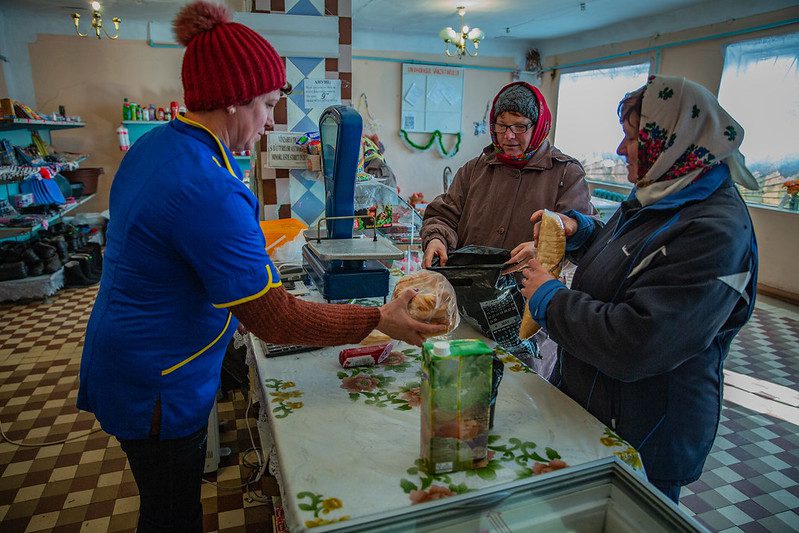
Hunger in Moldova: What You Need to Know

Hunger in MoldovaThe Republic of Moldova is a small (almost 3.6 million population) landlocked country in Eastern Europe that gained independence from the Soviet Union in 1991. It is surrounded by Ukraine and Romania. An upper-middle-income economy, Moldova’s average economic growth rate is over 5% annually and it has experienced continued decreases in the rate of poverty since the early 2000s to virtually zero according to the International Poverty Line. 

The Global Hunger Index 2024 ranked Moldova 26 out of the 126 countries ranked. Its score has dropped 68% since its first ranking 20 years ago, moving it from the Moderate to Low hunger category. All of the component indicators for the index were under 10%, with the highest being children under five who are stunted (6.6%). The percent of the population undernourished is less than 2.5%. 

At the same time, food security varies among target groups. As noted by the World Food Programme, the Moldova 2022 Social Cohesion and Reconciliation Survey reported that 43% of women surveyed said that they could not meet household nutritional needs, with 24% saying they didn’t have money for food. This was particularly true for women older than 65, women survivors of domestic abuse, and women in the north of the country. Other at-risk groups included rural citizens, the disabled, those with less education, the unemployed, single-person households and households with five or more children. 

Key Challenges to Food Security in Moldova

  • War and Refugees. The war in Ukraine has had a significant impact on Moldova, which is characterized as the highest per capita host of Ukrainian refugees—almost a million as of February 2024, or the equivalent of 27% of its population. These displaced persons comprise primarily the elderly, women and children, and those with disabilities. In addition, the war has led to a rise in energy and food prices and an increase in poverty.  Interestingly, the 2022 social cohesion survey found that positive attitudes toward refugees increased with food security.
  • Climate and Its Impact on Agriculture. Agriculture contributes about 12% to Moldova’s GNP and employs almost a third of the population—25% of the formal workforce and over 60% of the informal workforce. Approximately 70% of the rural population is dependent upon agriculture; most of these are smallholder farmers who contribute over 62% of agricultural produce. Climate vulnerabilities include increasing droughts, extreme fluctuations in temperature, unpredictable precipitation and flash floods and landslides. Agriculture, including its dependence on infrastructure, is particularly susceptible to global climate change. 
  • Additional Factors. In addition, there are shortcomings including cyclical crop seasons that affect the consistency of supply. In addition, shortcomings in irrigation infrastructure, including threats from Russia; labor shortages; and dependence on foreign remittances.

Three Responses to Moldova’s Food Security Challenges

As of 1993, there has been a legal basis for ensuring “the right to adequate food” enshrined in the Constitution of the Republic of Moldova.

  1. In 2022, Moldova published a medium-term public policy planning document, the Food Security Strategy, for 2023-2030. Various national ministries and agencies have responsibility for implementing the strategy, along with NGOs and international development partners. The goals of the strategy are to “increase the population’s access to sufficient, safe and nutritious food, improve the quality of food, increase the purchasing power of the population and reduce the gaps related to food access for different categories of people.”  
  2. In 2023, the Food and Agriculture Organization of the United Nations developed a Rapid response plan, March – December 2023, to address the impact of both the Ukraine war and climate conditions. The program provided cash, grants, supplies, and technical assistance. This included livestock feed and nutrients, training and “knowledge-sharing opportunities” and subsidies. 
  3. The Government of Japan is financing a half-million 2024-2025 project to increase “agri-food resilience to intensifying external and climate shocks” in at least seven towns in Moldova. The goal is to prepare the country for future food crises. This effort is seen as moving to the achievement of commitments made under the Sendai Framework for Disaster Risk Reduction 2015-2030. 

– Staff Reports
Photo: Flickr
Updated: November 2, 2024

August 5, 2020
https://borgenproject.org/wp-content/uploads/borgen-project-logo.svg 0 0 Kim Thelwell https://borgenproject.org/wp-content/uploads/borgen-project-logo.svg Kim Thelwell2020-08-05 18:15:372024-11-02 09:22:29Hunger in Moldova: What You Need to Know
Global Poverty, Hunger

Hunger in Namibia: What You Need to Know

Hunger in NamibiaAlthough Namibia is an upper-middle-income country, it still struggles with a high rate of poverty and undernourishment. According to the World Food Program, 26.9% of the country’s population lives in poverty. In addition, according to the U.N., 430,000 people are in desperate need of food. Namibia, since its independence, has seen good economic growth. The country’s GDP grew from $3.8 billion in 2000 to $12.3 billion in 2019. However, hunger in Namibia remains a growing issue.

Over the past years, the agriculture economy in Namibia has suffered from droughts. The reduction of produce from the food industry is causing hunger in Namibia as families struggle to grow enough food to feed their families. Hunger in Namibia is leaving many children and families malnourished which significantly affects the progress of the nation. Still, both the government and its partners are working to address hunger in Namibia.

Who Is Affected?

Over the past decade, Namibia has faced a lot of droughts leaving low-income-earners struggling to make a living. With a population of approximately 2.4 million people in 2018, 18% (430,000) of the country’s people face severe acute food insecurity and need humanitarian aid.

According to a government report, the country’s agriculture sector, which is partially powered by smallholder farmers, provides for most of the country’s population. Many families who are low income find it difficult to buy food because of increasing food prices.

Malnutrition in Namibia is also affecting children. According to the World Food Program, approximately 23% of children in Namibia are stunted in their growth because they do not eat enough nutritious food. Stunting can have a dangerous effect on the development of children and can even influence their behaviors as they grow older.

Causes of Hunger in Namibia.

In 2019, because of the lack of rain, Namibia food production, both its crops and livestock, fell. Namibia lost 60,000 tons of crops and 60,000 livestock. The two main crops that are planted are maize, which declined in production by 26% between 2018 and 2019, and millet, which declined by 89%. The lack of rain in Namibia hit cereal production the hardest.

The most affected regions of the country are Northwestern parts and the Southern provinces. Due to losses in sales from their livestock, some farmer’s households are finding it difficult to purchase food from markets. Currently, families in 14 regions in Namibia spend more than 50% of their income on food. The cause of drought in Namibia has been attributed to climate change, which is said to be only getting worse.

What Is Being Done?

To help fight against the hunger crisis, the government incorporated the Hunger Initiative in the Harambee Prosperity Plan in August 2016, a plan which is in action through 2020. The plan focuses on 5 different pillars: Effective governance, economic advancement, social progression, infrastructure development, international relations and cooperation. The fight against hunger falls into the Social Progression sector. According to a government report in 2019, Namibia’s government is addressing the country’s hunger crisis by making food banks available in 7 different regions in the country. These food banks reach 17,260 food-insecure households. To deliver food the government relies on unemployed youth who are part of Street Committees.

Government aid provided to people who are food-insecure varies. For example, between 2016 and 2017 the government spent $304 million on its drought program but only $5 million in 2017-2018 because the impact of the drought was lower. To provide malnourished children with food, the government uses a program called the School Feeding Programme. In 2017 they fed 377,521 students. According to the government, providing students with food helps limit the school dropout rate among students who live in poverty. The World Food Program is also helping the government fight malnutrition in children by providing Namibia with technical assistance; the group also helps the country with both policy and strategic guidance.

Furthermore, to help farmers, the government work also extends to provide them with 162 tractors to aid in the cost of plowing for communal farmers.

Although Namibia faces the constant threat of drought, the government and its partners are dedicated to providing nutritious food to many families in need.

– Joshua Meribole
Photo: Flickr

August 5, 2020
https://borgenproject.org/wp-content/uploads/borgen-project-logo.svg 0 0 Kim Thelwell https://borgenproject.org/wp-content/uploads/borgen-project-logo.svg Kim Thelwell2020-08-05 11:00:012020-08-07 07:00:44Hunger in Namibia: What You Need to Know
Global Poverty, Hunger

Hunger in the Syrian Arab Republic

Hunger in the Syrian Arab Republic
The Syrian Arab Republic is a country in the Middle East that has a rich and unique history going as far back as 10,000 years ago. More recently, political instability led to the Syrian civil war which has created a humanitarian crisis that extends far beyond its borders. It has been nearly a decade since the Syrian civil war first began in 2011. The U.N. approximated that over 13 million people in Syria were in need of some type of humanitarian assistance. Over 5 million people seek asylum in the surrounding countries of Egypt, Iraq, Jordan, Lebanon and Turkey. In the wake of the COVID-19 pandemic, hunger in the Syrian Arab Republic soared to the forefront of the humanitarian crisis.

Nearly one-third of Syria’s population is dealing with food insecurity partly due to an increase in food prices. The COVID-19 lockdown measures and the collapse of the Lebanese economy have caused food prices to increase by 200%. This makes them 20 times higher than they were before the civil war. Additionally, Syria’s local currency has been devalued by two-thirds. Consequently, people cannot afford to buy available food.

Efforts to Alleviate Hunger in the Syrian Arab Republic

  • Turkish Exports: In May 2020, the U.N. placed restrictions on exports as a way to combat the spread of COVID-19. Shortly after, the U.N. authorize Turkish exports to alleviate hunger in the Syrian Arab Republic. This aid from Turkey is a crucial survival source for 2.8 million people in the northwestern part of Syria.
  • Extending the Lifeline: The U.N.’s Emergency Relief is working to extend intraregional aid deliveries. The U.N. has authorized aid deliveries to the Syrian people in several resolutions since April 2012. The latest resolution, resolution 2504, was to expire in July 2020. On May 14, 2020, the U.N. Secretary-General António Guterres requested that the Security Council extend the authorization of this cross-border aid for another 12 months. In Guterres’ report, he noted that this U.N. cross-border operation helped an average of 2 million Syrians each month in 2019.
  • Large and Small-scale Efforts: Many formerly displaced people have returned to their land. However, many people are facing issues resuming food production. As of June 2020, the Food and Agriculture Organization of the United Nations (FAO) introduced several programs to help more than 300,000 households at risk of food insecurity. About 155,000 households will directly benefit from livestock production support which includes vaccinations and anti-parasite treatments. On a smaller scale, about 3,000 households will benefit from better nutrition that local school food gardens provide.
  • Creative Solutions: Since 2012, USAID’s Office of Food for Peace (FFP) has provided more than $3 billion in emergency food relief. In January 2020, USAID committed to providing emergency food assistance through two specific methods. Firstly, USAID is providing emergency food aid to newly displaced peoples through ready-to-eat rations, food vouchers and locally or regionally procured food baskets. Secondly, they are continuing to support local bakery inventions to help with the production of bread. The FFP has helped over 4 million people in Syria and over 1 million Syrian refugees since 2012. 

It is evident that hunger in the Syrian Arab Republic is the result of a combination of factors following the eruption of the civil war. International organizations and NGOs dedicated their resources to help the Syrian people, especially as COVID-19 threatens much of the progress that the country has previously made.

– Camryn Anthony
Photo: Flickr

August 4, 2020
https://borgenproject.org/wp-content/uploads/borgen-project-logo.svg 0 0 Jennifer Philipp https://borgenproject.org/wp-content/uploads/borgen-project-logo.svg Jennifer Philipp2020-08-04 11:33:042024-05-29 23:22:27Hunger in the Syrian Arab Republic
Global Poverty, Hunger

5 Facts About Hunger in the Dominican Republic

The Dominican Republic has a population of more than 11 million. Hunger remains a pressing issue for many in this region, as the country ranks 46th on the Global Hunger Index. The COVID-19 outbreak exacerbated the situation, with the number of people living with food insecurity reaching 1.5 million.

5 Facts About Hunger in the Dominican Republic

  1. Percentage of the population suffering from poverty – Around 2.5 million people in the Dominican Republic suffer from poverty. This results in a national poverty rate of 22.8%, which is relatively high for upper-middle-income countries. Out of this population, 3% live in extreme poverty, and poverty is directly linked to hunger. While poverty has decreased in recent years, more efforts are needed to address this issue.
  2. Effects on children – The limited access to nutrient-diverse food that some families experience in the Dominican Republic has affected children in the form of anemia and malnutrition. Almost a third of children under 5 are suffering from anemia, while over 7% of children are currently experiencing malnutrition. The most common type of anemia is Iron Deficiency Anemia, which is caused by a shortage of iron in the body, according to the Mayo Clinic. This type of anemia is often caused by a diet lacking iron-rich foods. While the rate of children with anemia is still high, the World Food Programme and the government of the Dominican Republic have been able to drastically reduce this rate in the last few years. 
  3. High risk of natural disasters – The Germanwatch Climate Risk Index ranks the country 12th in vulnerability to climate disasters. From 1980 to 2008, almost a quarter of the population was affected by natural disasters. In the latter part of 2023, thousands of people were displaced in the Dominican Republic due to floods and landslides, leading to increased hunger and poverty as the livelihoods of many were affected. The country needs more focused approaches to develop plans for combating the effects of natural disasters. This is important not only to reduce hunger and poverty but also to improve the country’s economy.  
  4. Helping through education – While hunger in the Dominican Republic is a serious issue, numerous organizations are working to help solve it. For example, Food for the Hungry sponsors children through donations to ensure they have enough to eat. The organization is also working to reduce disparities by improving the quality of education and providing equal opportunities for all. The newly launched transformative program, Edulabs, aims to provide quality technological education and skills to 90,000 marginalized youth and adults. Food for the Hungry aims to reduce poverty and hunger in the country through such initiatives. 
  5. Fostering self-reliance – Food for the Poor is dedicated to fighting hunger and poverty. It provides essential aid such as food supplies, financial assistance for housing, education, and sustainable income sources. Additionally, it offers resources and training to help individuals establish small businesses. This helps foster self-reliance and builds resilience in the community. 

Final Remarks

Addressing hunger in the Dominican Republic requires focused humanitarian efforts. While hunger has long been a challenge, history has demonstrated that it can be alleviated through targeted action. The impact of hunger is particularly severe on the region’s children, who are most vulnerable to the effects of malnutrition. By prioritizing the issue of hunger and malnutrition today, we can pave the way for a more promising future for the Dominican Republic in the post-COVID-19 era.

– Sophia Gardner
Photo: Flickr
Updated: September 27, 2024

August 2, 2020
https://borgenproject.org/wp-content/uploads/borgen-project-logo.svg 0 0 Kim Thelwell https://borgenproject.org/wp-content/uploads/borgen-project-logo.svg Kim Thelwell2020-08-02 13:30:212024-09-28 08:11:495 Facts About Hunger in the Dominican Republic
Global Poverty, Hunger

The Current State of Hunger in Honduras

Hunger in Honduras
Located in the Northern Triangle, Honduras is one of the poorest countries in Latin America. In 2023, 64.1% of the country’s population was reported to be multi-dimensionally poor – a staggering rate higher than that reported during the pandemic. As such, millions of Hondurans are currently suffering from food insecurity and are in vital need of humanitarian aid. Fortunately, organizations such as the World Food Programme have developed several initiatives designed to successfully mitigate hunger in lasting, impactful ways.

Food Insecurity

High poverty rates directly contribute to the persistence of hunger in Honduras. An estimated 1.8 million Hondurans experienced acute food insecurity between December 2023 and February 2024. This rate is expected to worsen in the coming months in line with the seasonal hunger period, capturing a projected 1.9 million people by the end of 2024.

Malnutrition, particularly among children, is an indisputable consequence of the prevalence of food insecurity. According to the 2024 Global Hunger Index (GHI), approximately 20.4% of the population in Honduras were reported to be malnourished. Around 18.7% of children under 5 show signs of stunted growth, which is higher than the average for the Latin American and Caribbean region. 

Child malnutrition disproportionately affects young and adolescent girls. With a birth rate of 101 births for every 1,000 girls between the ages of 15 and 19, Honduras has one of the highest rates of adolescent pregnancy in Central America. Malnutrition in childhood and pregnancy has numerous health-related repercussions for infants, such as low birth weight. Despite these risks, Honduras has made no progress towards alleviating this issue – today, over 10.9% of the country’s infants are underweight at birth.

Climate Change

Climate change is one of the main drivers of food insecurity in Honduras. The southern and western regions of the country – commonly referred to as the Dry Corridor – are especially vulnerable to climate-related hazards such as tropical storms, hurricanes, droughts and landslides. These predominantly rural areas are at high risk of environmental degradation yet are home to a large population of smallholder farmers who are responsible for sustaining the food supply in their respective areas. Located in northwest Honduras, the Indigenous Tolupan community is especially struggling to produce adequate harvests due to their region’s susceptibility to droughts. In 2023, crop failures for staple foods created significant disruptions to agricultural output. With 93% of the Tolupan people barely able to cover the costs of the basic food basket, many have been forced to migrate to other countries in an effort to seek affordable and accessible sustenance. 

Historically, variations in rainfall and extreme weather events have severely impacted crop yields in Honduras and have resulted in damage to crucial infrastructure. However, without impactful strategies to strengthen the country’s resilience to climate change, the scale of destruction to the agricultural sector is expected to increase over time. According to the International Trade Administration, Honduras’s annual mean temperature is projected to increase by a maximum of 2.5 degrees Celsius by 2050. Agriculture-related losses that are predicted to accompany this increase include crop disease, a reduction in arable land and overall decreased crop quality. 

Mitigating Hunger: World Food Programme (WFP)

Today, one of the most active humanitarian organizations focusing on mitigating hunger in Honduras is the World Food Programme. In 2023, WFP provided direct food-related assistance to 1.3 million Hondurans, 53% of whom were women. Working with the state, the organization has introduced several initiatives designed to eradicate the root causes of food insecurity and malnutrition, including the approval of parametric microinsurance for subsistence and smallholder farmers and cash-based transfers (CBT) to Indigenous and Afro-descendant groups. In an effort to improve agricultural production for rural communities, WFP has also connected smallholder farmer organizations to procurement opportunities in the public and private sectors, strengthening their connections with local markets. 

Looking ahead, WFP intends to maximize its relationship with the Government of Honduras in developing more diverse and resilient food systems. The organization’s Country Strategic Plan of 2023 emphasizes the need to engage national and local partners in building a support system for all Hondurans to be able to access vital care and resources. In recognition of the country’s vulnerability to climate change, WFP will continue to provide farmers in the Dry Corridor with conditional transfers and technical assistance to increase and diversify their produce, promoting long-term resilience and adaptation.

Moving Forward

Honduras currently faces numerous challenges to human development. Factors such as climate variability perpetually create risks to the country’s agricultural productivity, resulting in the marginalization of groups such as Indigenous peoples. However, organizations such as the World Food Programme are  striving to improve these conditions by providing monetary and resource-based assistance to those in need. Moving forward, it is essential that WFP and the government of Honduras continue to make food security a priority, contributing to more resilient and prosperous communities in the years to come.

– Zoe Chao, Moon Jung Kim
Photo: Flickr

Updated: October 22, 2024

August 2, 2020
https://borgenproject.org/wp-content/uploads/borgen-project-logo.svg 0 0 Lynsey Alexander https://borgenproject.org/wp-content/uploads/borgen-project-logo.svg Lynsey Alexander2020-08-02 07:24:412024-10-22 12:21:58The Current State of Hunger in Honduras
COVID-19, Global Poverty, Hunger

Barron Segar on Navigating a Global Crisis

Navigating a Global Crisis
The Borgen Project has published this article and podcast episode, ““Everything Changed Overnight.” WFP USA CEO Barron Segar on Navigating a Global Crisis,” with permission from The World Food Program (WFP) USA. “Hacking Hunger” is the organization’s podcast that features stories of people around the world who are struggling with hunger and thought-provoking conversations with humanitarians who are working to solve it.


Three months after Barron Segar joined WFP USA as president and CEO, disaster struck. COVID-19 hit and uprooted life as we knew, forcing Barron and WFP USA leadership to reimagine many of their plans. Barron is no stranger to crisis – he has decades of experience navigating uncertain times, including fundraising during the Great Recession. His experience has shown through as he leads WFP USA through this current crisis, so we wanted to ask him just a little bit more on how he does it. We sat down with Barron to ask about his background, goals and leading in the time of COVID-19.

Click below to listen to Barron Segar give his thoughts about navigating a global crisis.


World Food Program USA · “Everything Changed Overnight.” WFP USA CEO on Navigating a Global Crisis

Photo: Flickr

July 31, 2020
https://borgenproject.org/wp-content/uploads/borgen-project-logo.svg 0 0 Jennifer Philipp https://borgenproject.org/wp-content/uploads/borgen-project-logo.svg Jennifer Philipp2020-07-31 06:53:262020-07-31 06:53:26Barron Segar on Navigating a Global Crisis
Children, Global Poverty, Health, Hunger

7 Facts About Hunger in Côte d’Ivoire

Hunger in Côte d'IvoireThe West African nation of Côte d’Ivoire, also known as the Ivory Coast, is located on the Gulf of Guinea and the Atlantic Ocean, bordered by five other countries: Liberia, Guinea, Mali, Burkina Faso and Ghana. It is a country of almost 30 million people. Following the conclusion of a civil war in 2011, Côte d’Ivoire experienced economic growth rates averaging almost 7% per year—6.5% in 2023. Despite this growth, however, the country still struggles with endemic poverty and hunger. It ranks 166 out of 193 countries in the U.N.’s Human Development Index which ranks achievement of a long and healthy life, access to knowledge and a decent standard of living. This HDI rank of 166 is “Low,” but Côte d’Ivoire has been steadily, if slowly, improving over the past three decades. 

Under President Alassane Ouattara, Côte d’Ivoire has focused on the economy and the middle class, launching its ambitious first National Development Plan (2016-2020) in December 2015 in order to transform the country into a middle-income economy by 2020. The 2021-2025 plan aims to achieve upper middle-income status, with attention to the U.N.’s Sustainable Development Goals, regional and international development priorities and the African Union’s 2063 vision. As with other countries, Russia’s invasion of Ukraine and COVID-19 slowed progress.

7 Facts About Hunger in Côte d’Ivoire

  1. Côte d’Ivoire’s Global Hunger Index is “Serious.” Côte d’Ivoire ranks 86 out of the 125 countries with sufficient data for the GHI’s peer-reviewed assessment, based on population undernourishment, child (under age 5) stunting, child wasting and child mortality. This is a 42.8% improvement in its ranking over the past 15 years, moving it out of the “Alarming” classification to “Serious.” The most serious indicator is child stunting at over 20%, but that has declined from almost 40% during the same time period. All the other indicators are currently under 10%. 
  2. GRFC sees acute food insecurity. For the first time in its history, the 2024 Global Report on Food Crises classified Côte d’Ivoire as a major food crisis because of food access being hindered by the high cost of living. While a high level of food insecurity was not projected, it was estimated that more than a million people would be so classified, although good harvests were expected to improve the situation. 
  3. Hunger in Côte d’Ivoire is significantly impacted by the fact that 37.5% of people in Côte d’Ivoire live below the National Poverty Line; almost 10% are below the International Poverty Line of $2.15/day (2021). Extreme poverty, reflected by the International Poverty Line was expected to have risen to 11% in 2023 but to stabilize in 2024 at 10.2%, continuing to fall to 9.6% by 2026. Economic growth and increased employment are countered by inflation in affecting the extent of poverty.
  4. The Sahel region crises have impacted Côte d’Ivoire. Armed violence, human rights violations, and climate change have led to significant displacements in the region that includes Burkina Faso, Mali and Niger. The crisis escalated in early 2023, with over 61,000 asylum seekers estimated to have migrated to northern Côte d’Ivoire. Over half are children and over half are women. Needless to say, this has had a significant impact on communities that were already vulnerable. 
  5. The World Food Programme (WFP) has worked with the Ivoirian government and partners since 1968. WFP has concentrated its support in Côte d’Ivoire’s north, west and northeast rural areas identified as having more food insecure and vulnerable people. WFP activities include attention to malnutrition, school feeding and food system improvements. 
  6. Action Against Hunger has worked in Côte d’Ivoire since 2002. Action Against Hunger estimates that there are over three million people facing hunger in Côte d’Ivoire and that they helped 325,778 last year. Food scarcity, especially during the “lean season,” is impacted by conflict disruptions, trade embargoes, crop deficits and widespread poverty. Action Against Hunger’s approach is to prevent, detect and treat hunger, which they have done by partnering with local community members to provide and strengthen health services and the health system. The organization’s work with young people includes a mobile application to facilitate access to information and care in sexual and reproductive health, as well as mental health support. 
  7. Climate resilience can lead to agricultural improvements. Côte d’Ivoire is the largest producer of cocoa in the world, and a successful harvest is vital for Ivoirians to feed their families. Since 2022, the U.N.’s Food and Agricultural Organization, financed by the Green Climate Fund, has worked with Côte d’Ivoire to implement project PROMIRE, Promoting Deforestation-Free Cocoa Production to Reduce Emissions. PROMIRE has restored forest areas and converted conventional cocoa plots to agroecosystems or agroforestry. The European Union, which imports half of the country’s cocoa, will put deforestation regulations in place at the end of the year, so these improvements are critical to the country’s economy. 

– Staff Reports
Photo: Flickr
Updated: September 23, 2024

July 30, 2020
https://borgenproject.org/wp-content/uploads/borgen-project-logo.svg 0 0 Kim Thelwell https://borgenproject.org/wp-content/uploads/borgen-project-logo.svg Kim Thelwell2020-07-30 01:31:122024-09-23 07:01:367 Facts About Hunger in Côte d’Ivoire
Children, Global Poverty, Hunger

Reducing Hunger in Sri Lanka


Hunger in Sri Lanka
Sri Lanka has experienced notable progress in several developmental areas. The country has achieved improvements to primary education, a reduction in childbirth rate and decreasing poverty levels. However, food insecurity remains a consistent problem. Hunger in Sri Lanka is a major obstacle to the nation’s socio-economic development. According to the
2019 Global Hunger Index, Sri Lanka scores 17.1, ranking 66 among 117 qualifying countries.

The Numbers

According to a UN report, more than 800 million people worldwide were estimated to be chronically undernourished as of 2017. Over 90 million children under five are underweight. Sri Lanka ranked poorly on the Global Hunger Index (GHI) and global food security index, two major indicators of food security in any country. A Food and Agriculture Organization report from 2014 to 2016 found an average calorie deficit in Sri Lanka of 192 kcal per capita per day. In South Asia, only Afghanistan (36.6%) and Pakistan (30.5%) had higher rates of food inadequacy.

A study by the Asian Human Rights Commission (AHRC) revealed that more than 13% of minors in Sri Lanka were malnourished between the period of 2006-2010. The survey found that 23% of children between six and 59 months of age were stunted, 18% wasted and 29% underweight.

AHRC also found that remote and underdeveloped areas suffer more from hunger than larger cities. Although Sri Lanka has moderate percentages of food accessibility (54.5%), availability (52.8%), quality and safety (49.5 %), it is still struggling to achieve the United Nation’s goal for zero hunger by 2030.

Causes of Persistent Hunger

A food-insecure family lacks access to an optimum quantity of affordable and nutritious food. The immediate and obvious impact of food insecurity can be observed in physical health. Children struggle to concentrate in school and adults find it hard to perform well in their job. The household hunger scale (HHS) measures food insecurity in Sri Lanka on the basis of three factors: lacking access to food, sleeping hungry because of not having enough to eat and household members spending the whole day and night without eating anything.

There are several drivers behind hunger in Sri Lanka. Stagnant growth in crops in recent years has created a shortage of essential food. As the population continues to grow, this problem worsens. Furthermore, 35% of crops end up being wasted, never reaching hungry people. Rising food prices are also a concern in Sri Lanka. Changes in import duties and non-tariff barriers have caused increases in food prices as well.

Unemployment is also a major factor behind food insecurity and hunger in Sri Lanka. Many families have one or more members unemployed. One report shows that around 30% of the households depend on casual wage labor for their livelihood and food security. Around 90% percent of households in the city of Jaffna and 75% in the Vavuniya District were unemployed around 2012.

Initiatives to Address Hunger

Agriculture is one of the key ways to combat hunger and malnutrition. Different policies are intended to help fulfill Sri Lanka’s food requirement, including the National Climate Change Policy and the National Adaptation Plan for Climate Change Impact. A climate-smart agriculture system is working on increasing climate-resilient crops, rainwater harvesting, crop diversification and use of technology.

Under the National Nutrition Policy, every Sri Lankan citizen has the right to access adequate and appropriate food — irrespective of geographical location or socio-economic status. In addition to these efforts, global agencies like the World Food Program are working to combat hunger in Sri Lanka. UNICEF is also working to improve child and maternal nutrition.

Additional Ways to Combat Hunger

Socially vulnerable groups — like the elderly or female-headed families — are more prone to food insecurity. Sri Lanka’s government and other organizations should supply food vouchers to these vulnerable groups.

Because livestock production in Sri Lanka offers vast opportunity, the government should also encourage training and veterinary services to promote livestock production. In addition to this, privatizing the fish industry could help generate employment.


Moving forward, the government and other humanitarian organizations need to make reducing hunger in Sri Lanka a priority. Policies like the ones listed above are crucial for reaching the U.N.’s goal of zero hunger.

– Anuja Kumari
Photo: Flickr

July 29, 2020
https://borgenproject.org/wp-content/uploads/borgen-project-logo.svg 0 0 Lynsey Alexander https://borgenproject.org/wp-content/uploads/borgen-project-logo.svg Lynsey Alexander2020-07-29 13:30:402020-07-29 13:20:58Reducing Hunger in Sri Lanka
Page 29 of 71«‹2728293031›»

Get Smarter

  • Global Poverty 101
  • Global Poverty… The Good News
  • Global Poverty & U.S. Jobs
  • Global Poverty and National Security
  • Innovative Solutions to Poverty
  • Global Poverty & Aid FAQ’s
Search Search

Take Action

  • Call Congress
  • Email Congress
  • Donate
  • 30 Ways to Help
  • Volunteer Ops
  • Internships
  • Courses & Certificates
  • The Podcast
Borgen Project

“The Borgen Project is an incredible nonprofit organization that is addressing poverty and hunger and working towards ending them.”

-The Huffington Post

Inside The Borgen Project

  • Contact
  • About
  • Financials
  • President
  • Board of Directors
  • Board of Advisors

International Links

  • UK Email Parliament
  • UK Donate
  • Canada Email Parliament

Get Smarter

  • Global Poverty 101
  • Global Poverty… The Good News
  • Global Poverty & U.S. Jobs
  • Global Poverty and National Security
  • Innovative Solutions to Poverty
  • Global Poverty & Aid FAQ’s

Ways to Help

  • Call Congress
  • Email Congress
  • Donate
  • 30 Ways to Help
  • Volunteer Ops
  • Internships
  • Courses & Certificates
  • The Podcast
Scroll to top Scroll to top Scroll to top