• Link to X
  • Link to Facebook
  • Link to Instagram
  • Link to TikTok
  • Link to Youtube
  • About
    • About Us
      • President
      • Board of Directors
      • Board of Advisors
      • Financials
      • Our Methodology
      • Success Tracker
      • Contact
  • Act Now
    • 30 Ways to Help
      • Email Congress
      • Call Congress
      • Volunteer
      • Courses & Certificates
      • Be a Donor
    • Internships
      • In-Office Internships
      • Remote Internships
    • Legislation
      • Politics 101
  • The Blog
  • The Podcast
  • Magazine
  • Donate
  • Click to open the search input field Click to open the search input field Search
  • Menu Menu

Archive for category: Hunger

Global Poverty, Hunger

Mercy Bakery: Combating Yemeni Hunger

Combating Yemeni Hunger
The United Nations (U.N.) declared the Republic of Yemen home to the largest humanitarian crisis in the world. Yemen may also soon become the most impoverished country in the world. The U.N. Development Programme anticipates this change by 2022 if the five-year-long conflict continues. As a result of this conflict, many people in Yemen face hunger. Humanity for Relief and Development is an organization working on combating Yemeni hunger through its project Mercy Bakery.

The Situation in Yemen

About 80% of the population, 24 million Yemenis, are in need of humanitarian assistance due to hunger and disease. More than half of Yemen’s population comprises of young children, who are the most at risk during the conflict. With limited access to education and health care, 2 million children are out of school and an additional 2 million children under the age of 5 are suffering from acute malnutrition with little-to-no access to treatments.

More than 40% of Yemeni families lost their primary source of income and are unable to purchase food, according to The World Bank. The loss of income pairs with an increase in poverty, which now affects three-quarters of the population. The World Bank also estimated that 17.8 million Yemenis live without safe water and sanitization, which has caused outbreaks of preventable diseases, such as cholera.

The COVID-19 pandemic further complicated Yemen’s situation. As of August 17, 2020, Yemen reported 1,873 cases of the virus. In addition to the challenges present within the country, COVID-19 information and testing are limited. According to an article by The Economist, doctors have received threats for sharing information about the outbreak. One aid agency said that due to the number of deaths, gravediggers are working overtime to keep up.

Combating Yemeni Hunger

Mercy Bakery is a project that volunteers from Humanity for Relief and Development founded and is based in New York and Yemen. The project’s main aim is to provide bread as a free form of sustenance. The first branch of the bakery opened in Sana’a, the capital of Yemen in 2018. The organization aims to provide at least 4,000 loaves of bread a day, which adds up to 120,000 loaves per month.

Nagi Alsubai, executive assistant for Humanity for Relief and Development told The Borgen Project that when a family enters the bakery, they receive a card registered to them. The family then receives a bag of bread. Volunteers, many of which are Yemeni orphans, deliver bread to families who cannot go to the bakery. Persons with disabilities, the elderly and beneficiaries who wish to remain anonymous for safety reasons can receive bread deliveries.

The project has three bakeries and two kitchens in Sana’a, Alsubai said. Two bakeries and one kitchen are open in Alhodaidah, a city in western Yemen. Alsubai said the organization is discussing expanding to other areas of Yemen. The kitchens provide hot, nutritious meals for hundreds of families every day. The project also has 10 full-time staff members, who are also locals, who dedicate their time to making sure that the projects run smoothly in the field and in the office, Alsubai said.

“Our staff works tirelessly to ensure the people in their community do not go without bread or meals,” Alsubai said. “Overall, we work hard to provide the food to the poor while trying to empower more members of the community to aid those in need.”

Humanity for Relief and Development began after the Founder and CEO, Maeen Ali, lost his brother in the crossfire, leaving behind a wife and children, Alsubai said. Maeen decided to secure the livelihood of his late brother’s family and eventually expanded to help others suffering as a result of the war and famine.

According to the website, “Through the Mercy Bakery project, we could quickly see the issues surrounding regular food for families around Sana’a, and while we knew the bread service was helping, we also wanted to do more. The Mercy Kitchen initiative helps us do that, fulfilling a need that we identified and improving life for hundreds of families.”

United Mission for Relief and Development

United Mission for Relief and Development (UMR) formerly partnered with Mercy Bakery on staple food delivery. UMR developed its own similar project, Charity Bakery, in Aden. The bakery employs Yemenis from the local community, many of whom are vulnerable, food insecure, widowed or elderly. Like Mercy Bakery, families receive vouchers that they can use in exchange for bread. All ingredients are local to support Yemenis, as security concerns have limited international organizations from distributing aid in the past. UMR uses on-the-ground contacts to sustain families struggling to survive. 

Despite the critical humanitarian situation in Yemen, international groups have partnered with locals to sustain Yemeni families. While 80% of the population is still in need, Mercy Bakery and UMR are aiding in combating Yemeni hunger. These organizations are helping Yemen one loaf of bread at a time.

– Grethel Aguila
Photo: Flickr

August 17, 2020
https://borgenproject.org/wp-content/uploads/borgen-project-logo.svg 0 0 Jennifer Philipp https://borgenproject.org/wp-content/uploads/borgen-project-logo.svg Jennifer Philipp2020-08-17 13:30:512024-06-06 00:38:16Mercy Bakery: Combating Yemeni Hunger
Global Poverty, Hunger

The Fight Against Hunger in Germany

Hunger in Germany
Germany plays an enormous role in the battle against global poverty, from its sweeping refugee integration efforts to its special initiatives against world hunger. It was also one of the three largest UNICEF contributors in 2019, alongside the United States and the United Kingdom. Given the country’s position, it may come as a surprise that hunger persists in Germany. However, as of 2015, nearly 20% of children were at risk of poverty. The majority of the population has a high standard of living, but around 4% experienced moderate to severe food insecurity between 2016 and 2018.

Poverty in Germany

According to Ulrich Schneider, the chief executive of Germany’s Equal Welfare Organization, the gap between rich and poor German states has increased since the reunification in 1990. Poverty is heavily concentrated in areas such as North Rhine-Westphalia, Germany, Lower Saxony, Germany and some Eastern German states. Lack of access to nutritious food has affected the health of the German population. The prevalence of obesity was 26% in 2016, with an average risk of premature death due to non-communicable diseases (NCDs) at 12%.

Unemployment in Germany

Although unemployment rates have fluctuated during the past 30 years, low-paying employment among low- and middle-skill workers and women is a driving factor of poverty and hunger. Unemployment surged past 12% in 2005, and the current rate is 6.4%. Since the rapid influx of refugees began in 2015, Germany has seen lower unemployment rates and higher economic growth. The majority of asylum seekers are working in low-skilled, low-paying jobs, but the long-term trends are encouraging. As of 2019, around one-third of refugees have a job, but many individuals rely on social welfare and federal expenditures in order to feed their families. Unemployment and underemployment among parents in Germany is the main factor in putting families at risk of poverty.

Delivering Aid

The federal government provides a variety of programs and subsidies to make up for disadvantages resulting from poverty and a lack of societal integration. German municipalities and states are primarily responsible for this task, but many other actors also work to resolve poverty and food insecurity. Thankfully, Tafel Deutschland food banks are widely accessible throughout the country. There are more than 940 nonprofit Tafel locations, which together serve more than 1.5 million people. Nearly one-third of them are children and youth. Many locations temporarily closed due to COVID-19 risks, but numerous new volunteers have gotten involved to deliver needed assistance in various regions.

Private organizations and religious communities play an increasingly important role as well. They complement the work of food banks and often extend the reach of aid to residents facing food insecurity in Germany. For vulnerable groups such as women, children and the elderly, the solidarity and tolerance these organizations provide has been paramount.

Hunger may not be as prevalent in Germany as in other parts of the world, but the work of private and nonprofit organizations helps mitigate food insecurity across the country. Ensuring that no one goes hungry is a complicated task, but the current course in Germany is positive.

– Rachel Moloney
Photo: Flickr

August 17, 2020
https://borgenproject.org/wp-content/uploads/borgen-project-logo.svg 0 0 Kim Thelwell https://borgenproject.org/wp-content/uploads/borgen-project-logo.svg Kim Thelwell2020-08-17 12:27:052024-06-04 01:03:18The Fight Against Hunger in Germany
Global Poverty, Hunger

How ECHO is Fighting Global Hunger and Poverty

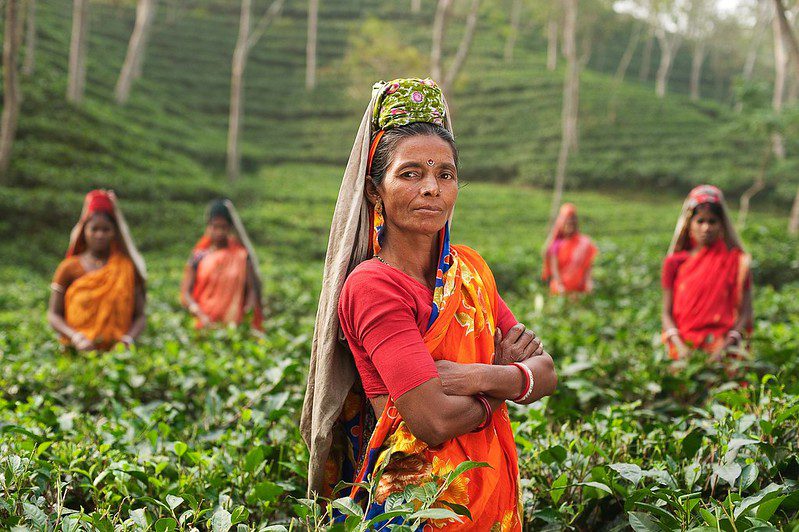
ECHOTucked away in North Fort Myers, Fla., just minutes away from a bustling downtown and warm sunny beaches, sits the Educational Concerns for Haiti Organization global farm. ECHO, as it is more commonly known, was founded in the early 1970s primarily to provide solutions directly for Haiti, particularly those that would improve the nation’s agricultural development. By 1981, ECHO began developing agricultural solutions for multiple nations and continues to carry on that mission today as it is working to fight global hunger and poverty. With better agricultural solutions, ECHO is helping farmers across the globe increase their agricultural output and understanding of more sustainable farming practices. This, in turn, helps improve the farmers’ standard of living.

Areas of Impact

Southwest Florida’s unique climate allowed ECHO, in 2001, to develop six different areas of tropical climate zones on the global farm. This allows researchers and farmers to test different growing methods and food production for different nations. Today, the farm includes tropical lowlands, tropical highlands, monsoon, semi-arid, rainforest clearing, community garden and urban garden as its areas of focus. ECHO spreads the technology it has developed through its Regional Impact Centers in Thailand, Tanzania and Burkina Faso, delivering information and improved farming practices to Asia, East Africa and West Africa, respectively.

The Importance of Seeds

Seed development and protection is a primary focus of ECHO. A heavy rain season can harm seeds for future planting and can set farmers back on producing a bountiful crop. Also, without diversifying the types of crops they grow, farmers are at risk of losing food and money without having the right seeds. ECHO in Florida is home to a seed bank that provides up to 300 different types of seeds to farmers around the world. These seeds are adaptable to different climates and terrains and help farmers diversify their crop production, allowing them to grow crops that are best suited for their environment.

Another problem that farmers face is keeping seeds dry and ready for the growing season — a difficult goal to achieve with humid climates and high temperatures. ECHO Regional Impact Center in Thailand is utilizing earthbags in its seed banks, which can keep seeds up to 16.5°C cooler than the surrounding environment. Seed drying cabinets also keep seeds dry by using heat and air circulation to keep seeds in a low humid environment so that they can be stored for a year or more.

Successful Practices

ECHO’s agricultural developments have been successfully used in communities around the world. In Togo, farmers are using resources provided by ECHO’s West Africa Regional Impact Center for the System of Rice Intensification, or SRI. SRI “reduces the need for water by half, requires only 10% of the seeds traditionally needed, and can increase yield by 20-100%.” This leads to farmers earning more than they would by using traditional farming methods. SRI is a practice that initially requires more labor and teaching to fully understand. However, with ECHO’s Regional Impact Centers, the organization is spreading the technology to help fight global hunger and poverty.

ECHO’s vital impact rests on teaching methods that farmers can share with each other. When one farmer has a successful crop, he is more likely to share the new methods he used with other farmers so that they can also have strong crop yields. This provides communities with more food, which helps to fight global hunger, and with more crops to sell, which helps lift farmers out of extreme poverty. By teaching farmers better practices that are sustainable and easily accomplished, ECHO is helping people around the world become more efficient and self-sustaining.

– Julia Canzano
Photo: Pixabay

August 17, 2020
https://borgenproject.org/wp-content/uploads/borgen-project-logo.svg 0 0 Kim Thelwell https://borgenproject.org/wp-content/uploads/borgen-project-logo.svg Kim Thelwell2020-08-17 12:00:042024-05-29 23:22:05How ECHO is Fighting Global Hunger and Poverty
Global Poverty, Hunger, World Hunger

5 Businesses that Support Ending World Hunger

Five Businesses that Support Ending World Hunger
Many people in developed countries take things for granted, whether a clear blue sky or a cheeseburger from McDonald’s. However, across the world, approximately 805 million people around the world are undernourished, consuming well under the recommended number of calories per day. Those suffering from poverty often do not have the money to purchase food or land on which to produce it, resulting in global suffering. Some businesses are aware of this issue and want to help make a change, using their influence to make an impact on world hunger.

5 Businesses that Support Ending World Hunger

  1. Walmart: Walmart’s philanthropy revolves around addressing hunger, health and how to make sustainable food a reality. In 2018, the Walmart Foundation announced a five-year commitment plan to give $25 million in grants to smallholder farmers in India. These funds will give farmers access to better agriculture technology, more sustainable techniques and skill-building.
  2. Panera Bread: Panera Bread has previously partnered with the World Central Kitchen to provide meals to those suffering from food scarcity. Amid the COVID-19 pandemic, Panera Bread has partnered with Chef José to continued their philanthropy by providing meals nationwide – beginning with cities in the most critical situations. Panera Bread is not only donating but also offering their kitchens and resources, and partnering with vendors and supply chains to donate excess food.
  3. General Mills: General Mills is one of the founding members of the Global FoodBanking Network, an international nonprofit organization that aims to create a hunger-free world. General Mills and Global FoodBanking Network understand the importance of food waste and are working with food banks to reduce hunger and malnutrition. Through this partnership, General Mills has been able to provide 201 million meals to those in need since 2010.
  4. Kraft Heinz Company: The Kraft Heinz Company Micronutrient Campaign was created to provide access to nutritional supplements and ensure the healthy development of those in other countries. This campaign distributes micronutrient powders rich in vitamins, minerals and supplemental iron to mix into children’s food. The Kraft Heinz Company has effectively treated and prevented iron deficiency, anemia, and other vitamin deficiencies through these efforts.
  5. Western Digital: Through partnerships with Rise Against Hunger and Latet, Western Digital, a computer and data storage company, packaged over six million meals for those in need in 2019. Western Digital is passionate about the health of the body and mind and believes that to achieve a healthy lifestyle, nutritious meals are a necessity. By providing these packaged meals, Western Digital hopes to improve student health, promote education and stimulate economic growth.

World hunger is a problem that will not be solved overnight. Companies such as those listed above understand the importance of aiding those who struggle to obtain proper sustenance every day. These five businesses that support ending world hunger have partnered with incredible organizations devoted to providing children and their families with nutritional food and vitamins needed for healthy growth. Through their efforts, they are making a large impact on world hunger.

– Ciara Pagels
Photo: Flickr

August 17, 2020
https://borgenproject.org/wp-content/uploads/borgen-project-logo.svg 0 0 Kim Thelwell https://borgenproject.org/wp-content/uploads/borgen-project-logo.svg Kim Thelwell2020-08-17 01:30:282020-08-17 05:51:265 Businesses that Support Ending World Hunger
Food Insecurity, Global Poverty, Hunger

6 Facts About Hunger in Liberia

Hunger in Liberia
Liberia is a country on the West African coast. Neighboring the Ivory Coast, Guinea and Sierra Leone, it spans just under 100,000 square kilometers of land. A long civil war, consistent disease outbreaks and widespread economic instability have led to prevalent hunger and malnutrition. Here are six facts about hunger in Liberia.

6 Facts About Hunger in Liberia

  1. Human Development Index: Liberia ranks 176th out of 189 countries on the Human Development Index. The country is one of 14 African countries ranking within the lowest 15 on the index. This is largely because the country’s life expectancy at birth is quite low, being less than 64 years.
  2. Global Hunger Index: The country ranks 112th out of 117 countries on the 2019 Global Hunger Index (GHI). The index consists of a range of scores, 0.0-50.0, where Liberia holds a score of 34.9. The score indicates the country’s hunger levels are ‘serious’ and on the brink of becoming ‘alarming.’ According to the previous index scores, however, Liberia has consistently improved their conditions and lowered their GHI score by 13.7 points throughout a course of 19 years, from 48.6 in 2000 to 34.9 in 2019.
  3. Malnourishment: Approximately 45% of Liberia’s population is chronically or acutely malnourished. According to several experts and NGOs, the country’s destitute circumstances are due in part to the Ministry of Health undermining the severity of the situation. Additionally, in the country’s impoverished capital, Monrovia, 45% of deaths of children under the age of five are due to a lack of food and being underweight.
  4. Sustainable Development Goals: Liberia ranks 154th out of 157 countries on track to meet the Sustainable Development Goals. The country’s economic and social development has been stunted for a long period of time. The 14-year civil war, which formally ended in 2003, contributed to the country’s leading issues today: widespread economic instability and insecurity, destroyed infrastructure, poverty and poor living conditions. According to Famine Early Warning Systems Network, 32% of the country’s population is classified as having moderate or severe chronic food insecurity. This affects more than 1.55 million people.
  5. Economic Collapse: The country’s continued engagement in several internal and external conflicts led to a 90% drop in the GDP between 1987 and 1995. Liberia’s plummeting economic situation is amongst the biggest economic collapses ever recorded. The weak economy has continually increased the prices of products and decreased income, making it hard for families to sustain their basic needs. The rising cost of food has resulted in increased chronic food insecurity throughout Liberia. On average, 1 in 5 households in the country is food insecure. Moreover, 2 in 5 households are marginally food insecure. While the country has been successful in decreasing their chronic malnutrition rates from ‘critical’ to ‘serious’ levels according to the WHO classifications, food insecurity continues to remain an important issue.
  6. Child Hunger and Mortality: One in 11 Liberian children dies before the age of five. In 2007, an average Liberian woman had more than five children. This number decreased to just under five in 2013. While poor water sanitation and an alarming rate of food insecurity consistently claim the lives of approximately 10% of children under five, 60% of girls that survive tend to begin childbearing at the age of 19. These malnourished adolescent girls tend to give birth to malnourished babies with low birth weights. And as a result, the babies have an increased risk of illnesses and premature death.

Fighting Hunger in Liberia

While hunger, malnutrition and poverty are persistent issues, many humanitarian organizations such as the WHO, UNICEF and the Action Against Hunger are working toward improving Liberia’s living conditions. Action Against Hunger, for example, recently assisted more than 90,000 people and helped the country’s government implement policies to make progress in alleviating Liberia’s hunger.

Action Against Hunger started Liberian programs in 1990 and has continually improved the lives of hundreds of thousands in the country. One of the prominent programs started by the organization involved training of mother-to-mother support groups to ensure healthy child-feeding practices. With widespread malnutrition, Action Against Hunger also worked with Liberia’s Ministry of Health to implement clean water, sanitation and hygiene improvement programs.

Moving Forward

Hunger in Liberia, while affecting millions every day, is on the path of improvement. With the help of numerous humanitarian organizations, hunger in Liberia will hopefully decrease. The United Nations aims to end hunger and diminish food insecurity in Liberia within the next ten years. Accomplishing this will require a continued focus on decreasing hunger in the nation.

– Omer Syed
Photo: Flickr

August 16, 2020
https://borgenproject.org/wp-content/uploads/borgen-project-logo.svg 0 0 Kim Thelwell https://borgenproject.org/wp-content/uploads/borgen-project-logo.svg Kim Thelwell2020-08-16 10:00:552024-05-29 23:18:476 Facts About Hunger in Liberia
Food Insecurity, Global Poverty, Hunger

Hunger in Nigeria: A Crisis Impacted by COVID-19

hunger in NigeriaYahabba Adam, 30, smiled in the Maiduguri city center in Nigeria. Her four children would eat that day. She searched the market, and the $47 (NGN 17,000) provided by the World Food Programme’s (WFP) cash assistance program filled her wallet and heart with hope. Adam is one of 5.1 million Nigerians who are food insecure and in need of assistance. Conflict in the Northeast has heightened food insecurity and hunger in Nigeria, with another 7.7 million people now in need of humanitarian assistance.

The Boko Haram Insurgency and Crisis in the Northeast

In northeastern Nigeria, Boko Haram insurgency attacks and other conflicts have displaced two million people. With assistance from Benin, Chad, Niger and Cameroon, the Nigerian military has expelled the group from several northeastern provinces. Boko Haram still holds control over villages and other small territories. It continues to launch deadly attacks, often against women and children.

These attacks have contributed to a decline in agricultural production through the destruction of productive equipment and the displacement of farmers. In 2017, two senior politicians in Nigeria’s Borno state, which is the epicenter of the insurgency, sent a message to Boko Haram. Kashim Shettima and Olusegun Obasanjo donated 36 metric tons of maize, cowpea and rice seed and hundreds of new tractors to farmers. The officials saw an opportunity for the region to move forward in agriculture despite the conflict.

The northeast region of the country has a history of chronic food insecurity. Unfortunately, it is now in what the Famine Early Warning System Network describes as the crisis or emergency stages of acute food insecurity. Almost three million people in the region are food insecure, according to the WFP.

In November 2019, Cadre Harmonisé, a regional group that aims to diminish hunger in Nigeria, released a monthly report. It estimated that 2.6 million people in the Adamawa, Borno and Yobe states were severely food insecure. Without continued humanitarian support, the report projected the number would rise to 3.6 million by mid-2020.

COVID-19 Impact

There have been 35,454 confirmed cases of COVID-19 in Nigeria and 772 deaths, according to Johns Hopkins University. The pandemic is affecting every aspect of Nigeria’s economy.

“Countries like Nigeria are large food importers but are now being doubly hit – by COVID-19 and by plunging oil prices, the country’s main source of revenue, decimating the government’s budget and making food and other imports even more expensive,” said Julie Howard, a senior adviser on global food security at the Center for Strategic and International Studies (CSIS). 

COVID-19 is threatening the already fragile state of hunger in Nigeria. Citizens across the country are going against pandemic regulations to sell small items or beg for food on the streets. In Lagos, Nigeria’s commercial capital, the federal government and humanitarian organizations distribute free food to people whose food supply has been cut off by pandemic safety measures. However, many risk stampedes to get the food and some leave empty-handed. 

“We were scrambling for food when my sister with a young baby on her back was pushed away, and she had to give up,” said Folashade Samuel, a resident of the Lagos slums. “The situation is very, very tough. It is very dangerous to scramble for food because you can fall and get trampled on.”

Additionally, lockdowns and border closures within the nation pose a danger to the agricultural sector, which forms the base of the Nigerian economy. For most Nigerians, agriculture serves as the primary source of livelihood, with the sector employing 36.5% of the entire labor force. More than 30 million naira (about $77,500) had been lost as of May 2020 in the yam markets alone because of the pandemic lockdowns.

In order to combat the pandemic’s adverse effects on agriculture, the Nigerian government created a task force. This task force is creating ID cards to allow agricultural workers to move freely. The agriculture ministry and central bank are working to provide support through locally produced fertilizers and financial expansion for farmers.

What is Being Done?

This June, the Nigerian government launched a seed support initiative in partnership with a group of agricultural research institutes and programs. The initiative worked to deliver improved seeds to farmers in 13 states in order to lessen the harmful impact of the pandemic on hunger in Nigeria.

In Adam’s home city, Maiduguri, the United Nations Humanitarian Air Service (UNHAS) received presidential clearance to continue emergency operations, which include delivering food. The WFP manages the UNHAS. While its operations are limited, this humanitarian aid provides support similar to the $47 Adam carried that day in the market.

Along with managing UNHAS, the WFP distributed food and cash assistance to 1.2 million Nigerians in 2017 and 2018. During the pandemic, the WFP has continued its outreach and efforts to curb hunger in Nigeria, assisting 632,500 people with food and nutritional needs. Because schools often provide a much-needed source of food for children, the WFP is also supporting the government in adjusting the national home-grown school feeding programme to reach nine million children while schools are closed.

Many people in Nigeria face hunger and are in need of help. The Boko Haram Insurgency and the COVID-19 pandemic have exacerbated the problem of food insecurity in the country. As a result, the government and outside organizations are stepping in to help those in need and work to decrease hunger in Nigeria. 

– Olivia du Bois
Photo: Flickr

August 14, 2020
https://borgenproject.org/wp-content/uploads/borgen-project-logo.svg 0 0 Jennifer Philipp https://borgenproject.org/wp-content/uploads/borgen-project-logo.svg Jennifer Philipp2020-08-14 15:37:122024-12-13 18:02:06Hunger in Nigeria: A Crisis Impacted by COVID-19
Global Poverty, Health, Hunger

Hunger in Eswatini Remains Severe

Hunger in Eswatini
The Kingdom of Eswatini (referred to as Swaziland until 2019) is a small country in the southern tip of Africa, bordering South Africa and Mozambique. The country has a dense population of around 1.14 million, and it is estimated that 63% live below the poverty line. Eswatini is currently ranked 74 out of 117 countries on the Global Hunger Index and received a GHI score of 20.9, putting them at a “serious” hunger level. The 2019 Eswatini Vulnerability Assessment and Analysis (VAA) estimated that as much as 25% of the rural population — around 232,000 people — experience severe hunger and food insecurity during the lean season.

Little to no rain across Eswatini poses a huge threat for the harvest season. Many farmers choose not to plant their usual amount of crops in anticipation of severe drought, and crop production is projected to decrease by 30% in the coming years. Labor opportunities on farms also decrease, as a result depriving some people of their source of income for the season. Decreased crop yield leads to a huge spike in prices, which limits food access for those already living in poverty.

Hunger Leads to Increased Sickness and Disease

Sickness and disease are typically more prevalent in tight-knit communities that face hunger and poverty daily. Often, sickness in impoverished countries is a direct result of prolonged deficiencies of essential nutrients and inadequate caloric intake. Eswatini has a high prevalence of HIV/AIDS, with an estimated 25% of the population being infected. HIV is a disease that harms the immune system, meaning many Swazi citizens experiencing HIV are at a heightened risk for other infections.

The under-five mortality rate for children in Eswatini is 54 out of 1,000 live births, the lowest value on record as of 2018. In terms of maternal health in Swazi women, there is not enough data on their specific nutrition and diet habits. However, it is important to note that approximately one-third of women of childbearing age experience HIV, compared to only 19% of men. The high prevalence of HIV in pregnant and nursing mothers increases the likelihood that their children will experience nutrient deficiencies as a result. Fortunately, HIV can be prevented with proper sexual practices and an increase in condom usage.

Factors Increasing Hunger in Eswatini

Citizens have attempted to import maize from the neighboring country of South Africa, but much of it is confiscated by border control due to strict limitations on the amount of foreign products allowed into the country. Government officials claim that these regulations help protect domestic vendors and farmers, but many citizens are unable to afford the local prices. With limited access to imported goods and steep domestic rates, many Eswatini people are left helpless and hungry.

Since the onset of the COVID-19 pandemic, nearly all the residents of the Kwaluseni township have lost their jobs, forcing people to stay home and avoid going to their place of work. Already impoverished citizens, now with no source of income, have resorted to scavenging for food. Some have even been sighted consuming weeds for sustenance. Local soup kitchens and schools were also forced to shut their doors due to coronavirus concerns, leaving more than 11,000 children without daily access to meals. Before, children received two meals a day provided by the government and various international donors. Now, the Swazi government has offered little to no aid to combat the exacerbated hunger crisis, especially in its larger cities.

Foreign Assistance Has Begun, But It’s Not Enough

Many foreign aid organizations have helped fund the World Food Programme (WFP) in Eswatini, reaching over 55,000 people in vulnerable areas this past year. WFP also provides support to many orphans and vulnerable children by establishing Neighbourhood Care Points for food and social services across the country. While much is being done to help the people of Eswatini, more resources are needed to cover a growing funding gap.

The hunger crisis in the Kingdom of Eswatini is an immense threat to the livelihoods and wellbeing of Swazi people. As a result, organizations such as the WFP are stepping in to help those in need. Along with the help of outside organizations, understanding hunger in Eswatini is an important step toward finding a long-lasting, successful solution.

– Mya Longacre
Photo: Flickr

August 14, 2020
https://borgenproject.org/wp-content/uploads/borgen-project-logo.svg 0 0 Kim Thelwell https://borgenproject.org/wp-content/uploads/borgen-project-logo.svg Kim Thelwell2020-08-14 15:11:542024-05-29 23:18:55Hunger in Eswatini Remains Severe
Children, Food Security, Hunger

5 Ways to Fight Hunger in Nicaragua

Nicaragua, although having made tremendous progress in recent years, is still one of the poorest and least developed countries in Latin America. According to the World Bank, 24.9% of Nicaraguans lived in poverty as of 2016. Of those people, 200,000 lived in extreme poverty making less than $1.90 a day. As a result of poverty and harsh climate conditions, hunger in Nicaragua is a prominent issue. Even though approximately 70% of the population works in agriculture, 300,000 people still require food aid. Located in what’s known as the Dry Corridor, Nicaragua faces erratic weather patterns prone to climate shocks that are consistent threats to stable food production. However, in spite of the unfavorable conditions, many organizations and programs are on the ground working to fight hunger in Nicaragua.

5 Initiatives to Fight Hunger in Nicaragua

  1. The World Food Program (WFP) offers various programs and services to alleviate hunger in Nicaragua. Since 1971, WFP has implemented strategies to improve food security. By supporting the National School Meal Program, the organization helped provide meals to more than 182,000 schoolchildren in April of 2020. Following a five-year plan that spans from 2019 to 2023, WFP aims to find long-term solutions to hunger in Nicaragua. Along with direct food assistance, WFP promotes creating efficient and sustainable agricultural practices by providing technical assistance in implementing weather-resilient farming methods, improving degraded ecosystems and developing technology for accurate climate information.
  2. The organization Food for the Hungry believes that chickens can be a catalyst for solving hunger. Food for the Hungry stated that chickens rank close to the top of its annual gift catalog because of their uses in decreasing hunger. The nonprofit sponsored a program in El Porvenir, Nicaragua called “Happy Chicks”. This initiative taught the locals skills related to running a poultry farm, which is a creative and sustainable way to provide daily meals to the community and, especially, children. These skills help communities learn to operate self-sufficiently.
  3. Indigenous women have a history of banding together to develop more sustainable agricultural practices. Slow Food is an organization that values the protection of food culture and understands the importance of responsible food production. The organization partnered with communities of indigenous women in Nicaragua to encourage cooperation in improving the quality of agricultural systems. Women in the organization shared ideas about planting and harvesting crops, while also promoting economic autonomy through marketing and commercializing excess products.
  4. The Caribbean Coast Food Security Project (PAIPSAN) is collaborating with communities on the Caribbean coast of Nicaragua to fight hunger. The organization provides assistance to those who would normally not have access to adequate technology or resources to engage in sustainable agricultural practices. PAIPSAN encourages farmers to utilize climate-resistant seeds and organic fertilizers, while also promoting innovative and environmentally friendly pest and disease control practices. The program also provides educational services to increase awareness of improving nutrition.
  5. Food assistance programs are a popular way of directly fighting hunger in Nicaragua. Food assistance programs generally provide a stable source of food for those in need. Hope Road Nicaragua works alongside other organizations, such as the Orphan Network and Rise Against Hunger, to provide 3,000 children with meals that include vitamin-dense rice and soy packs, beans, vegetables, chicken and tortillas.  The Rainbow Network is another food assistance program. It has set up 489 feeding centers, reaching approximately 13,581 people. The Rainbow Network also works with The American Nicaraguan Foundation to train community members on how to cook and operate the feeding centers. The American Nicaraguan Foundation itself is an organization that has provided more than 297.3 million meals to Nicaragua’s most vulnerable in the past 25 years. Along with its network of more than 700 partners, the foundation coordinates a variety of programs and allocates resources dedicated to poverty relief.

Nicaragua has made progress in recent years. However, vulnerable groups still need assistance with fighting hunger, a direct result of poverty in the country. In order to address this, many organizations are working to foster the idea of food sovereignty and fight hunger in Nicaragua. 

–Melanie McCrackin
Photo: Flickr

August 14, 2020
https://borgenproject.org/wp-content/uploads/borgen-project-logo.svg 0 0 Jennifer Philipp https://borgenproject.org/wp-content/uploads/borgen-project-logo.svg Jennifer Philipp2020-08-14 12:51:052024-05-29 23:18:535 Ways to Fight Hunger in Nicaragua
Global Poverty, Hunger

Hunger in The Gambia: A Continuous Fight

Hunger in the Gambia
The Gambia is a country located in Western Africa near the country of Senegal. Over the past 5 years, The Gambia has been dealing with an increase in food insecurity. This increase is largely due to the 2018 drought which caused a decrease in food production. In 2019, The Gambia only produced 50% of the food supply needed, leaving many to go hungry. As food insecurity continues to rise, from 5% to 8% in recent years, many organizations are stepping in to help decrease hunger in The Gambia.  

The Fight Against Hunger in The Gambia

The World Food Programme (WFP) is an organization that has been committed to helping individuals in The Gambia since 1970. WFP has created a campaign designed to bringing food to households and schools in The Gambia. It is estimated that 10,000 households have been affected by hunger. The main focus is to send money and food to certain areas in The Gambia, specifically households that may need more support during the food crisis. More vulnerable populations include women, persons with disabilities and people suffering from diseases such as HIV. Through the WFP’s school program, the organization has helped 115,000 children throughout primary and pre-schools.

UNICEF, WFP, and the Food and Agriculture Organization of the United Nations (FAO) worked with The Gambia’s government in 2017 to launch the ‘Post-Crisis Response to Food and Nutrition Insecurity in The Gambia.’ The program aims to help decrease hunger in The Gambia. Not only will it help to fund and bring food to the country, but it also aims to help farmers produce sustainable agriculture.

Malnutrition in The Gambia

Malnutrition largely affects individuals in rural areas of The Gambia. Underfunding, lack of resources, such as foods high in vitamins, and limited knowledge of nutrition are all factors in the problem of malnutrition. Though malnutrition in children has decreased from 23% in 2010 to 19% in 2018, there is still more work to be done. In 2016 UNICEF worked closely with The Gambia’s government to help address malnutrition. UNICEF is urging the officials to have better funding within the healthcare system in regard to nutrition.

Small Victories

The ‘Post-Crisis Response to Food and Nutrition Insecurity in The Gambia’ was also able to donate nearly 3,000 metric tons of nutritious foods, in the hopes of bringing down malnutrition rates. The European Commission has also funded additional programs that not only help supply nutritional food resources, but also educational promotions about nutrition as it relates to infant and child feeding. These programs help to bring resources to rural areas of The Gambia while also informing youth about how to address the issues of hunger and malnutrition.

Over the past few years, The Gambia has been facing increased food insecurity. Providing resources to the public on malnutrition and hunger is more important than ever, as 48% of Gambians are still living in poverty. Programs such as the ones organized by UNICEF and WFP are working to decrease hunger in the coming years. 

– Olivia Eaker
Photo: Flickr

August 13, 2020
https://borgenproject.org/wp-content/uploads/borgen-project-logo.svg 0 0 Lynsey Alexander https://borgenproject.org/wp-content/uploads/borgen-project-logo.svg Lynsey Alexander2020-08-13 12:32:042020-08-13 12:32:04Hunger in The Gambia: A Continuous Fight
Global Poverty, Hunger

Hunger in Dominica: 5 Fast Facts

Hunger in DominicaDominica is a “small island developing state” of fewer than 75,000 people, located just north of Venezuela in the Caribbean Sea. Dominica, frequently referred to as the Nature Isle of the Caribbean, is known for its breathtaking views and tropical climate. Its Human Development Index—which ranks countries on a long and healthy life, access to knowledge and a decent standard of living—is High, 97 out of 193 countries ranked. At the same time, Dominica is not immune to economic challenges, climate disasters and attendant issues such as food insecurity.

Hunger in Dominica: 5 Fast Facts

  1. Health and Hunger Indicators: The Food and Agriculture Organization reports the following three-year averages (2021-2023) for Dominica: Undernourishment 13.4%; prevalence of moderate or severe food insecurity 34.4%. Also, anemia among women of reproductive age, 20.8% in 2019, a decrease of 5% since 2000; and prevalence of adult obesity, 31.3% in 2022, an increase of 14% since 2000. 
  2. Effects of Climate Change: Because of its location in the Caribbean, Dominica is susceptible to various natural disasters, most notably hurricanes. Category 5 hurricanes Irma and Maria, in the fall of 2017, destroyed or damaged agricultural infrastructure, including croplands, roads and facilities. Over 70,000 people were affected, with 90% of buildings destroyed. This led to both an increase in food prices and well as a significant increase in food imports. This past year, 2023, saw the reverse—decreased rainfall as a result of extreme heat, with a similar negative effect on agriculture.
  3. Impact of COVID-19:  The COVID-19 pandemic, emerging in 2020, added to the disastrous impact of the hurricanes, especially by halting tourism, which supports about a third of employment and makes a similar contribution to GDP. The U.N.’s Office for the Coordination of Humanitarian Affairs (OCHA) reported a poverty rate in Dominica of almost 29% by mid-2021, with 58% of those surveyed reporting food price increases. OCHA noted that over 40% of the population was vulnerable to food insecurity, particularly the working poor, including fisherfolk and farmers, as well as indigenous peoples. 
  4. Enhancing Agriculture: Dominica is one of four Caribbean countries participating in the five-year Sustainable Agriculture in the Caribbean (SAC) project implemented by the World University Service of Canada in 2021. SAC promotes climate-resilient agriculture targeting economic prosperity for youth and women. It aims to improve food productivity and food security, which includes increasing the country’s agricultural self-reliance. 
  5. Decreasing Dependency on Food Imports: The FAO has reported a steady increase in the volume of food Dominica imports over its total merchandise exports (%) from 57% (2000-2002) to 261% (2020-2022). Dominica’s participation in the Caribbean Community is one way to address this.

Dominica has been one of 15 Member States of CARICOM for over 50 years. CARICOM comprises mostly small, developing island countries, whose objectives include sustained economic development along with increased production and productivity. Among its many initiatives, in 2010 CARICOM established the Caribbean Agricultural Health and Food Safety Agency to assure the highest standards for trade in agricultural products. Dominica joined the 25% by 2025 initiative, where participating governments are working to reduce the region’s food import bill by 25% by 2025. This effort is linked to CARICOM’s Agri-Food Systems Strategy whereby special attention is given to priority crops and products, e.g., rice, “niche” vegetables, meat, poultry, corn and soya—all products heavily imported in the region.

– Staff Reports
Photo: Flickr
Updated: September 25, 2024

August 8, 2020
https://borgenproject.org/wp-content/uploads/borgen-project-logo.svg 0 0 Kim Thelwell https://borgenproject.org/wp-content/uploads/borgen-project-logo.svg Kim Thelwell2020-08-08 01:31:112024-12-13 18:02:08Hunger in Dominica: 5 Fast Facts
Page 28 of 71«‹2627282930›»

Get Smarter

  • Global Poverty 101
  • Global Poverty… The Good News
  • Global Poverty & U.S. Jobs
  • Global Poverty and National Security
  • Innovative Solutions to Poverty
  • Global Poverty & Aid FAQ’s
Search Search

Take Action

  • Call Congress
  • Email Congress
  • Donate
  • 30 Ways to Help
  • Volunteer Ops
  • Internships
  • Courses & Certificates
  • The Podcast
Borgen Project

“The Borgen Project is an incredible nonprofit organization that is addressing poverty and hunger and working towards ending them.”

-The Huffington Post

Inside The Borgen Project

  • Contact
  • About
  • Financials
  • President
  • Board of Directors
  • Board of Advisors

International Links

  • UK Email Parliament
  • UK Donate
  • Canada Email Parliament

Get Smarter

  • Global Poverty 101
  • Global Poverty… The Good News
  • Global Poverty & U.S. Jobs
  • Global Poverty and National Security
  • Innovative Solutions to Poverty
  • Global Poverty & Aid FAQ’s

Ways to Help

  • Call Congress
  • Email Congress
  • Donate
  • 30 Ways to Help
  • Volunteer Ops
  • Internships
  • Courses & Certificates
  • The Podcast
Scroll to top Scroll to top Scroll to top