Hunger in Dominica: 5 Fast Facts
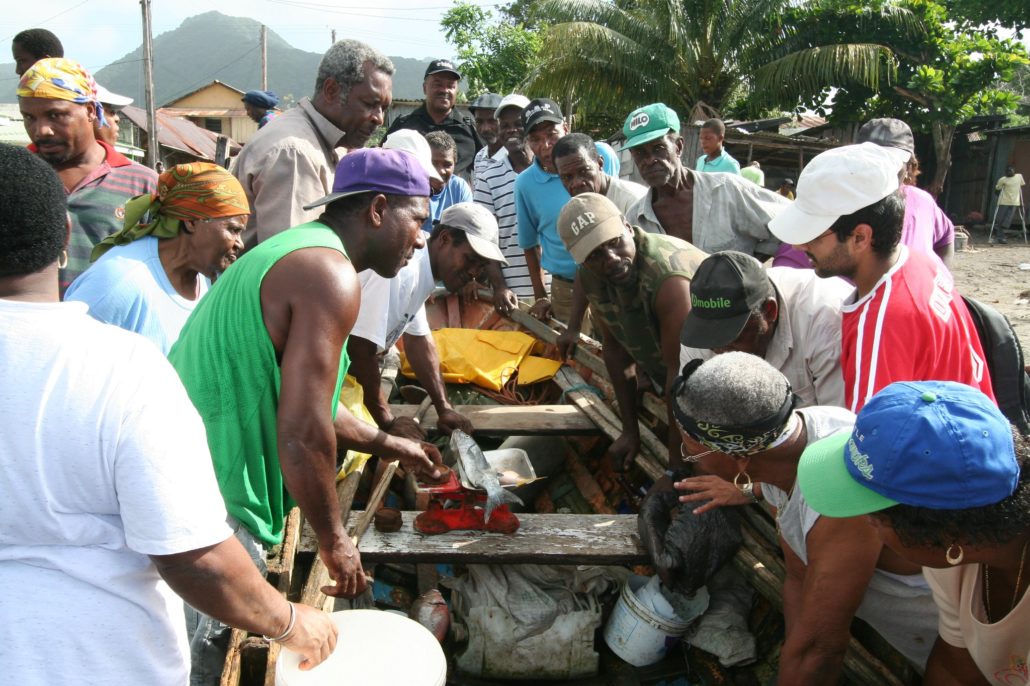 Dominica is a “small island developing state” of fewer than 75,000 people, located just north of Venezuela in the Caribbean Sea. Dominica, frequently referred to as the Nature Isle of the Caribbean, is known for its breathtaking views and tropical climate. Its Human Development Index—which ranks countries on a long and healthy life, access to knowledge and a decent standard of living—is High, 97 out of 193 countries ranked. At the same time, Dominica is not immune to economic challenges, climate disasters and attendant issues such as food insecurity.
Hunger in Dominica: 5 Fast Facts
- Health and Hunger Indicators: The Food and Agriculture Organization reports the following three-year averages (2021-2023) for Dominica: Undernourishment 13.4%; prevalence of moderate or severe food insecurity 34.4%. Also, anemia among women of reproductive age, 20.8% in 2019, a decrease of 5% since 2000; and prevalence of adult obesity, 31.3% in 2022, an increase of 14% since 2000.
- Effects of Climate Change: Because of its location in the Caribbean, Dominica is susceptible to various natural disasters, most notably hurricanes. Category 5 hurricanes Irma and Maria, in the fall of 2017, destroyed or damaged agricultural infrastructure, including croplands, roads and facilities. Over 70,000 people were affected, with 90% of buildings destroyed. This led to both an increase in food prices and well as a significant increase in food imports. This past year, 2023, saw the reverse—decreased rainfall as a result of extreme heat, with a similar negative effect on agriculture.
- Impact of COVID-19: The COVID-19 pandemic, emerging in 2020, added to the disastrous impact of the hurricanes, especially by halting tourism, which supports about a third of employment and makes a similar contribution to GDP. The U.N.’s Office for the Coordination of Humanitarian Affairs (OCHA) reported a poverty rate in Dominica of almost 29% by mid-2021, with 58% of those surveyed reporting food price increases. OCHA noted that over 40% of the population was vulnerable to food insecurity, particularly the working poor, including fisherfolk and farmers, as well as indigenous peoples.
- Enhancing Agriculture: Dominica is one of four Caribbean countries participating in the five-year Sustainable Agriculture in the Caribbean (SAC) project implemented by the World University Service of Canada in 2021. SAC promotes climate-resilient agriculture targeting economic prosperity for youth and women. It aims to improve food productivity and food security, which includes increasing the country’s agricultural self-reliance.
- Decreasing Dependency on Food Imports: The FAO has reported a steady increase in the volume of food Dominica imports over its total merchandise exports (%) from 57% (2000-2002) to 261% (2020-2022). Dominica’s participation in the Caribbean Community is one way to address this.
Dominica has been one of 15 Member States of CARICOM for over 50 years. CARICOM comprises mostly small, developing island countries, whose objectives include sustained economic development along with increased production and productivity. Among its many initiatives, in 2010 CARICOM established the Caribbean Agricultural Health and Food Safety Agency to assure the highest standards for trade in agricultural products. Dominica joined the 25% by 2025 initiative, where participating governments are working to reduce the region’s food import bill by 25% by 2025. This effort is linked to CARICOM’s Agri-Food Systems Strategy whereby special attention is given to priority crops and products, e.g., rice, “niche” vegetables, meat, poultry, corn and soya—all products heavily imported in the region.
– Staff Reports
Photo: Flickr
Updated: September 25, 2024
