• Link to X
  • Link to Facebook
  • Link to Instagram
  • Link to TikTok
  • Link to Youtube
  • About
    • About Us
      • President
      • Board of Directors
      • Board of Advisors
      • Financials
      • Our Methodology
      • Success Tracker
      • Contact
  • Act Now
    • 30 Ways to Help
      • Email Congress
      • Call Congress
      • Volunteer
      • Courses & Certificates
      • Be a Donor
    • Internships
      • In-Office Internships
      • Remote Internships
    • Legislation
      • Politics 101
  • The Blog
  • The Podcast
  • Magazine
  • Donate
  • Click to open the search input field Click to open the search input field Search
  • Menu Menu

Archive for category: Hunger

Food Insecurity, Global Poverty, Hunger, Poverty

Hunger in the Marshall Islands

Hunger in the Marshall Islands
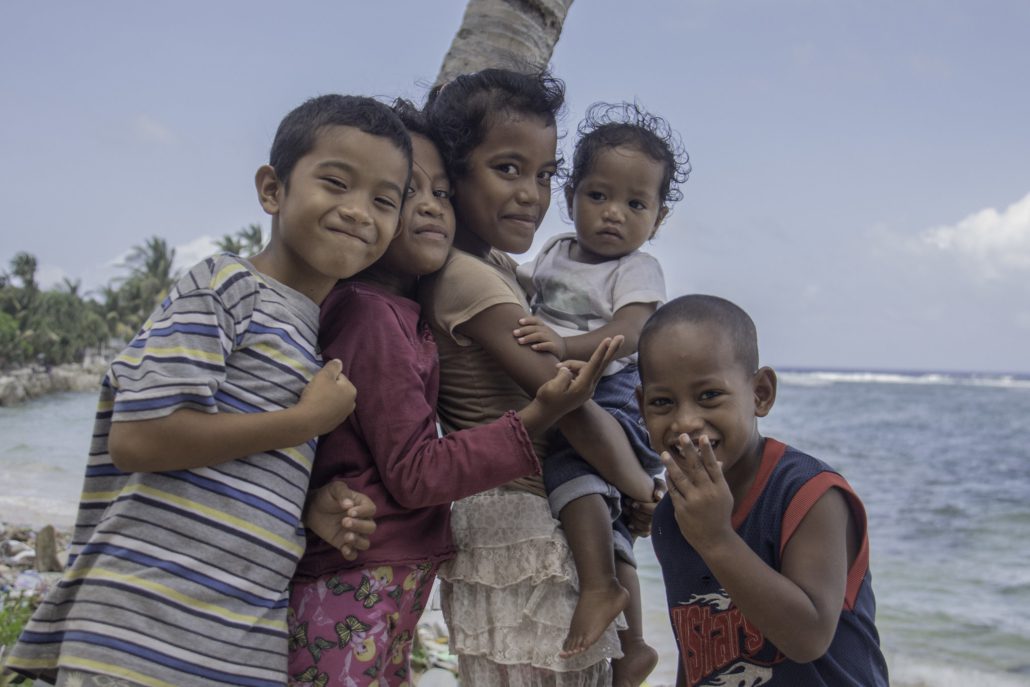
The Marshall Islands is an island country in the Pacific Ocean near the equator. The nation is part of the island group Micronesia. Meanwhile, Wake Island lies to the north with Kiribati and Nauru to the south and the Federated States of Micronesia to the west. The Marshall Islands’ fragile ecosystem and densely populated areas present unique challenges for the country. These environmental and social factors have led to food insecurity and hunger in the Marshall Islands.

At the moment, there are limited statistics regarding hunger and food insecurity in the Marshall Islands. However, estimates determine that 21.5% of women and 20.8% of men living on the Marshall Islands have diabetes. Though this is not necessarily a direct relation, studies show that high rates of diabetes may correlate with food insecurity.

The Reasons for Hunger in the Marshall Islands

  1. The Marshall Islands have experienced rapid urbanization. The nation’s urban population has increased from 58% of the total population in 1980 to 77% in 2019. As a result, the people of the Marshall Islands are transitioning from traditional diets of fish and fruit to imported diets of rice, flour and meat. Consequently, there is an increased reliance on imported food items. This is quite risky as the price of imported food depends largely on global commodity prices. The fluctuation in these prices results in unreliable access to imported foods in the Marshall Islands. This reliance on imported food makes finding food more difficult for citizens of the Marshall Islands, especially those living in poverty.
  2. Rising sea levels have contributed to the loss of cultivable land. Most of the Marshall Islands are less than six feet above sea level. Farmers like Kakiana Ebot have reported that their crops have rotted and died due to saltwater soaking the soil. Ebot says that she has lost about $30 a day due to the death of her breadfruit tree.
  3. El Niño, a period of warm ocean temperatures in the Pacific, puts the Marshall Islands at greater risk of drought. During times of drought, fish become scarce. This is concerning because fish is one of the main non-imported food sources in the Marshall Islands. Additionally, ocean warming and acidification harm the coral reefs surrounding the Marshall Islands, further threatening the existence of local fish.

Multinational Efforts to Address Hunger in the Marshall Islands

The Marshall Islands, in collaboration with other nations, has taken action towards establishing food security and eradicating hunger. One such initiative is the Readiness for El Nino project (RENI), a measure that the European Union funded and the Pacific Community (SPC) implemented. This project is a response to the severe 2016 El Niño drought. Dr. Colin Tukuitonga, Director-General of the SPC, stated that the project’s goal is to “enhance the resilience of the Marshallese communities in preparation for future droughts, and serve as a model for mitigation efforts across the region.”

The implementation of the RENI project started in June 2017 and will proceed through October 2020. During the implementation phase, project leaders consult local communities including women and other marginalized groups. The consultations determine each community’s exposure and sensitivity to environmental challenges, as well as their ability to adapt.

In addition to preparing communities for drought, the RENI project also teaches home gardening and provides training in food preservation methods. All of these strategies seek to establish food security and decrease reliance on imported foods. This project will directly benefit 1,059 people and indirectly benefit 1,605 people.

So far, the RENI project has returned preliminary reports from the Ailuk Atoll, a northern atoll of the Marshall Islands. The consultation phase of the project has concluded and the RENI project has drafted a disaster management plan with the community.

Pacific Island Countries Addressing Hunger Together

Other island countries, like Taiwan, have also partnered with the Marshall Islands to increase food security. Taiwan’s International Cooperation and Development Fund established a hydroponics demonstration farm to help introduce innovative farming techniques to the Marshall Islands. This farm opened in January 2020.

Hydroponics farming is a method of growing plants using nutrient solutions in water solvent instead of soil. It is helpful in countries that lack fertile soil like the Marshall Islands. This farming technique will help diversify local fruit and vegetable production.

Like the RENI project, Taiwan’s hydroponic project has an educational component that will share vital knowledge about crop management and nutrition. In the next five years, this project hopes to increase vegetable and fruit production by around 100 kilograms per month.

Over time, with cooperation between the Marshall Islands and other nations, the country may be able to eradicate hunger.

 – Antoinette Fang
Photo: Flickr

July 29, 2020
https://borgenproject.org/wp-content/uploads/borgen-project-logo.svg 0 0 Borgen Project https://borgenproject.org/wp-content/uploads/borgen-project-logo.svg Borgen Project2020-07-29 07:30:332024-05-28 00:15:55Hunger in the Marshall Islands
Developing Countries, Global Poverty, Hunger

Hidden Hunger in Georgia

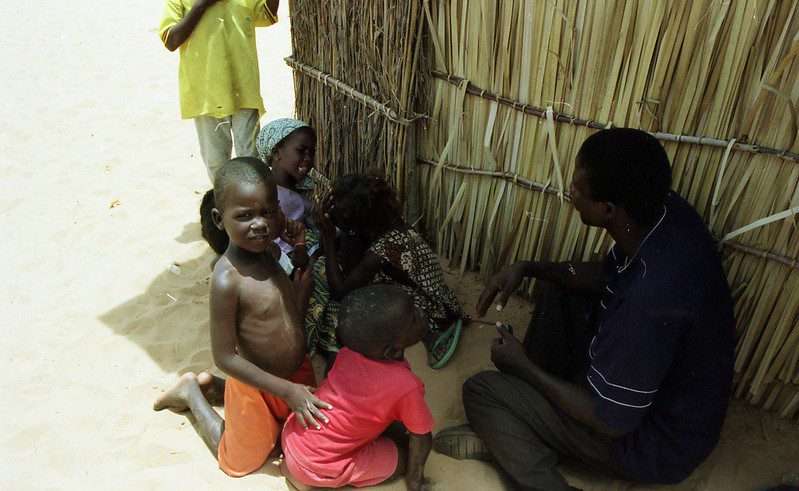
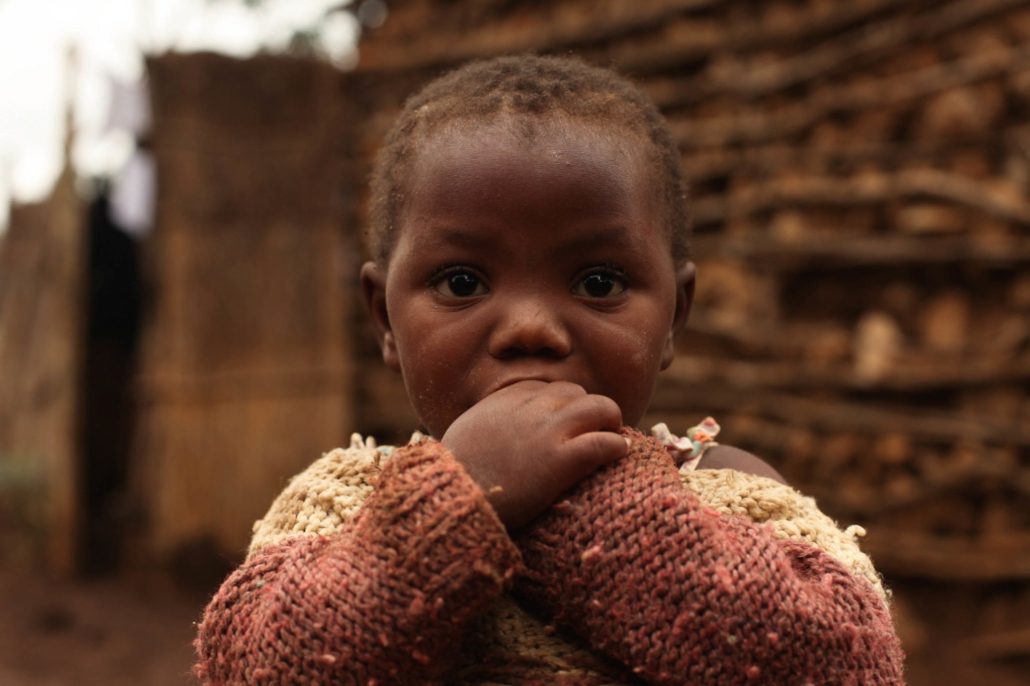
Hidden Hunger in GeorgiaLocated in the Caucasus Mountains of Eastern Europe, Georgia is a transcontinental country in Asia and Europe, where 15.6% of the population lives below the poverty line. While the people of Georgia receive enough food, some suffer from stunted growth and undernourishment due to the quality of their diet, leading to hidden hunger in Georgia.

Background

Hidden hunger in Georgia results from a lack of essential vitamins and minerals in its accessible food. It occurs when people do not consume enough protein, iron and vitamin A consistently, which can cause tangible issues. For example, half a million Georgians are malnourished and infant mortality is twice the EU average. Additionally, a significant number of children under 5 years old are anemic.

Most of the foods that Georgians eat are high in starch and have little nutritional value. The two most popular dishes in rural Georgia are fried potatoes and lobio, which are made of boiled beans. Overreliance on these types of foods has made cardiovascular disease the most common chronic disease in the country. Currently, it accounts for 69% of Georgia’s mortality.

The leading cause of the dietary insufficiencies in Georgia is a lack of access to meat and meat-based products. Unfortunately, these products are relatively expensive in local markets. The average household income is just $6 per day (⅓ of the population earns only $2.5 per day), so meat consumption is impractical for most people.

Furthermore, the gross domestic product of Georgia was just $16.21 billion in 2018, with a per capita GDP of $4,723. For comparison, the 2018 GDP per capita for the European Union was $35,616.

Although the country’s GDP is growing overall, economic downturns, such as the 2008 Russo-Georgian War, the 2015 stagnation, the 2020 pandemic and the Russia-Ukraine war, have reduced the value of the Georgian Lari. These shifts can create vulnerable conditions for Georgia’s population and reduce food security.

The Impact of COVID-19 and the Russia-Ukraine War

Amid the global pandemic, widespread lockdowns and food shortages significantly impacted local markets in Georgia. While the country has subsistence farmers, most of the population relies on purchasing food from street markets or bazaars. The combination of lockdowns and supply chain disruptions posed a severe risk of food insecurity for the population. However, the government took prompt action to mitigate this risk by implementing the following measures

  • Provision of subsidies to local farmers
  • Government procurement of food from private companies to prevent shortages.
  • Subsidizing the import of food items such as pasta, oil, wheat, milk powder, and sugar.

Georgia relies on neighboring countries Russia and Ukraine for its wheat, sunflower oil, milk and dairy products. The disruption of the supply chain has reduced imports and increased food prices in the country, leading to an inflation rate of “17.9% in 2022”. 

Solutions

Fortunately, governmental and nonprofit organizations worldwide are taking steps to improve dietary standards and combat hunger in Georgia. Action Against Hunger has had a Food Security Program in the country since 1994, established shortly after the dissolution of the USSR and the collapse of collective farming in the region. It helped 5,937 people in 2018.

BRIDGE is a Georgia-based NGO that publishes comprehensive studies detailing Georgians’ dietary habits. It also publishes policy recommendations, ranging from developing the Georgian diet monitoring systems to embedding nutrition into the Ministry of Education’s agenda.

The Georgian Agricultural and Rural Development Alliance (GAARD), of which BRIDGE is a member, registered a “Food Security Bill” in Parliament in 2017. This bill aims to reduce Georgia’s reliance on imported food and improve the country’s nutrition self-sustainably.

Hidden hunger manifests in various symptoms and diseases in Georgia, including obesity and cardiovascular issues. Cardiovascular disease represents 69% of Georgia’s mortality, and rising food prices could worsen this situation. While Georgia grapples with hidden hunger, organizations such as Action Against Hunger, BRIDGE and GAARD are actively working to enhance food quality in the country and make a positive impact.

– Christopher Bresnahan
Photo: Flickr
Updated: October 9, 2024

July 28, 2020
https://borgenproject.org/wp-content/uploads/borgen-project-logo.svg 0 0 Kim Thelwell https://borgenproject.org/wp-content/uploads/borgen-project-logo.svg Kim Thelwell2020-07-28 13:30:592024-10-09 09:14:43Hidden Hunger in Georgia
Global Poverty, Hunger

6 Facts About Hunger in Senegal

Hunger in Senegal
The Republic of Senegal, located just off the West African coast, has one of the most stable economies in the region, but there are surprisingly high unemployment and poverty rates. With a population of 15.85 million, 39% of Senegal’s citizens are living in poverty. Senegal is one of many nations that rely solely on rain seasons for resources and goods to sell – when the rain does not come, crops cannot be harvested, sold or traded. Lack of rain can also start brush fires that destroy crops and shock rural towns into food insecurity. All of these factors contribute to a system of poverty and hunger that must be addressed. Here are 6 facts about hunger in Senegal.

6 Facts About Hunger in Senegal

  1. In 2014, the Malabo Declaration was signed at the Summit of the African Union. It planned to end food insecurity in Senegal by the year 2025, with a focus on malnutrition among children. The World Food Program is also partnering with local organizations to monitor and analyze food and nutrition insecurity.
  2. The United Nations Sustainable Development Goal #2 was proposed at the same Summit of the African Union. Its goal is to eliminate hunger in all forms by 2030. This will be achieved by setting in place sustainable solutions such as high-quality farming equipment that allows farmers to sell goods for higher prices at markets. Prices often fluctuate due to the quality of the crops being sold, so better equipment allows for consistently better quality goods, bringing more income to rural towns.
  3. Special food distributions are being delivered to the elderly and disabled in all 14 regions of Senegal by the World Food Program. The program is also actively working toward expanding rural developments and safety net programs that cover all citizens considered food or income insecure. This will greatly benefit the fight against hunger in Senegal.
  4. Organization Action Against Hunger provided nearly 14,000 people in Senegal with access to clean water and nearly 23,000 people with food security and safety net livelihood programs following a significant drought in 2018. Action Against Hunger sent out emergency response teams to distribute as many resources to affected areas as possible. This will ultimately aid over 62,000 people in Senegal.
  5. As larger cities begin to urbanize, poverty-ridden rural towns are often left behind. The most particularly affected by this shift in modernization are women, children and elderly people living in these small rural towns. They are the most vulnerable to food insecurity and further complications.
  6. In Tambacounda, an app was developed for farmers by Senegal’s government and international partners. The app allows them to track the weather and prepare to protect crops from any incoming storms. Additionally, it provides insight into animal health and personal nutrition.

Hunger in Senegal has been an increasingly pressing issue over the last two decades. Currently, Senegal is one of seven African countries that have succeeded in reducing food insecurity and malnutrition; since the year 2000, malnutrition in the nation has been lowered by 56%. Reduction of hunger and malnutrition remains Senegal’s main priority; analysis has shown that the education of farmers in nutrition and efficient farming practices has contributed towards this goal. There is still much work to be done, but great strides have been made.

– Kim Elsey
Photo: Flickr

July 28, 2020
https://borgenproject.org/wp-content/uploads/borgen-project-logo.svg 0 0 Kim Thelwell https://borgenproject.org/wp-content/uploads/borgen-project-logo.svg Kim Thelwell2020-07-28 12:28:562020-07-28 12:28:566 Facts About Hunger in Senegal
Children, Education, Global Poverty, Hunger

The Remedy for Hunger Pain

Remedy for Hunger Pain
Today, people wear masks. These masks hide people’s faces and protect them from a disease they cannot see, but not all masks are visible. Some masks are invisible. One of these masks is glue and some use it to silence the stomach’s growl. In many developing countries, teenagers use glue as an inhalant drug to quell the cries of their stomach, a remedy for hunger pain. Unfortunately, there is little statistical data readily available on this topic, making any hope of reform nearly impossible. However, research from the National Institute of Health (NIH) has made the effects of sniffing glue evident.

According to NIH, inhalants can cause the following damage to the brain: distorted speech, poor bodily coordination, euphoria and dizziness. The brain is not the only part of the body that sniffing glue negatively affects. Long-term use can result in damage to the liver, kidney and bone marrow. Loss of physical coordination and delayed behavioral development can also occur.

A Prevalent Issue

Kimberly Solórzano, who works at a Honduran orphan care center, spoke with The Borgen Project about how sniffing glue impacts the long-term health of children and adolescents. Solórzano said, “They are just sniffing glue, and that is very common among teens coming out of these kinds of shack communities. They are sniffing glue to stay warm and to feel full when they’re hungry…just kind of becoming oblivious to the world around them due to their addiction.” Solórzano made The Borgen Project aware that many children who find themselves addicted to inhalants are uneducated about the long-term effects.

Unfortunately, this is an issue that touches all four corners of the world. In Kenya, estimates determine that 250,000 children sniff glue. In Nepal, a research study found that 88.46% of street children sniff glue and 89.13% were unaware of the effects of the inhalant. These alarmingly high statistics seem to hide the good news. However, there is hope for reform.

Educational Reform

Hope is spelled “education.” Through proper education on the effects of inhalant use and methods for combating food shortages and world hunger, there is hope for drastic change. One organization that fights for educational reform in the area of global hunger is Bread for the World. Bread for the World focuses on sustainable progress, which it defines as “progress that is intended to be, and is capable of being, enduring- depends on addressing all of the issues in an interconnected manner.” Education on various food storage methods echoes sustainable progress. Specifically, Bread takes time to teach farmers in India how to properly contain vegetables, like corn.

Another goal of Bread is to witness the Sustainable Development Goals come to life. Bread states that “Universal secondary education, which is included in the Sustainable Development Goals, would no doubt lead to swifter progress in ending hunger and malnutrition.” Through secondary education for all, the remedy for hunger pain would no longer be inhalants but nutritious food. Education is key and Bread is fully aware of this fact.

Thankfully, Bread is one of many United States nonprofits working to end global hunger. Together, these organizations make a lasting impact by bringing educational and congressional reform on the topic of global hunger, provide nutritious food as a remedy for hunger pain and create a lasting impact from generation to generation.

– Chatham Kennedy
Photo: Flickr

July 28, 2020
https://borgenproject.org/wp-content/uploads/borgen-project-logo.svg 0 0 Kim Thelwell https://borgenproject.org/wp-content/uploads/borgen-project-logo.svg Kim Thelwell2020-07-28 07:14:482024-06-06 00:38:15The Remedy for Hunger Pain
Global Poverty, Hunger

5 Facts About Hunger in Guyana

Hunger in Guyana

Guyana is a country located on the northern coast of South America. Despite the country’s rapidly growing economy, hunger in Guyana has increased in recent years, disproportionately impacting rural and remote populations. As such, the state has adopted several measures to protect vulnerable families and increase food production capabilities. 

Reflecting this dynamic are five facts about hunger in Guyana.

5 Facts About Hunger in Guyana

  1. A considerable number of Guyanese children suffer from malnourishment. According to the Global Nutrition Report, Guyana has made no progress towards improving child wasting rates, with 6.4% of children under 5 years of age currently affected. The persistence of child malnutrition in Guyana stems from food poverty – 20% of children in Guyana are fed less than two food groups per day and predominantly lack nutrient-rich foods in their diet such as fruits and vegetables. Accordingly, those suffering from reduced dietary diversity are deprived of the nutrition necessary for developmental growth. Children exposed to severe food poverty are especially susceptible to health issues such as wasting and stunting.
  2. Food prices are continuing to increase. Food prices for all food categories in Guyana increased by 3.2% during the first six months of 2024. This has been largely attributed to the country’s worsening inflation rate, which has been spurred by external factors such as geopolitical tensions and climate change that have created challenges to food production. Despite the government’s ongoing efforts to contain rising prices, Guyana’s inflation rate is expected to increase by 2.9% between 2024 and 2029, resulting in unaffordable food prices throughout the country. As a result, many are likely to turn to negative coping strategies such as skipping meals or overwhelming consumption of processed foods, further heightening malnutrition rates.
  3. Food insecurity disproportionately affects Indigenous communities. Guyana’s Indigenous population, widely known as Amerindians, constitute an estimated 10.5% of the country’s total population. Due to their geographical isolation along the coastal plain and in the hinterlands, many lack resources necessary to combat a dwindling water supply and climate-related disruptions to land cultivation. Across the hilly and riverine terrains of the country, Indigenous communities are struggling to store water as a result of reduced rainfall. Prior traditional methods of maintaining water supply such as rainwater harvesting are inadequate in collecting enough to sustain their livelihoods. Without modern infrastructure to combat their changing environments, Indigenous communities face debilitating reductions to their produce and livestock – namely, cassava and cattle.
  4. Climate change is exacerbating hunger. Extreme temperatures directly contribute to declining crop yields, which threatens food security. As the majority of Guyana’s population depends on agricultural productivity to sustain their livelihoods, this phenomenon poses a serious risk for the Guyanese. Carbon dioxide concentrations are projected to double between 2020 and 2040 and triple between 2080 and 2100, resulting in severe storms and rising sea levels. Currently, Guyana is most vulnerable to floods and droughts, which has historically destroyed vital infrastructure needed to sustain staple crops such as cassava and corn.
  5. The state is taking several steps to address food insecurity. Guyana is a major supporter of the Caribbean Community (CARICOM) food security initiative and has launched several programs to combat hunger. In 2023, the government increased the state’s budgetary allocation to the agriculture sector by 150%, with an aim to expand domestic cultivation and exports. The Guyanese government has simultaneously adopted agricultural projects to increase the production of staples and cash crops such as black eyed peas, wheat, honey and coconut. Working alongside humanitarian organizations such as the United Nations and the World Food Programme, Guyana hopes to enhance the affordability and accessibility of food while lessening the effects of climate change.

Despite earning a low score in the 2024 Global Hunger Index (GHI), current child malnutrition rates show that Guyana continues to suffer from  acute food insecurity. However, counteractive measures such as increasing agricultural productivity may help lessen the number of affected people. Joint efforts by the state and organizations such as the United Nations are crucial in strengthening food systems and improving socioeconomic welfare in Guyana for the years to come.

– Ayesha Asad, Moon Jung Kim
Photo: Flickr

Updated: October 15, 2024

July 28, 2020
https://borgenproject.org/wp-content/uploads/borgen-project-logo.svg 0 0 Lynsey Alexander https://borgenproject.org/wp-content/uploads/borgen-project-logo.svg Lynsey Alexander2020-07-28 01:30:522024-10-15 14:57:025 Facts About Hunger in Guyana
Food Insecurity, Global Poverty, Hunger

Why Food Insecurity and Hunger Persist in Afghanistan

hunger in AfghanistanAmidst a country recovering from drought and conflict, COVID-19 threatens to increase the severity of food insecurity in Afghanistan. Food insecurity and hunger persist in Afghanistan; many people do not have the resources or access to consistently obtain enough nutritious food to live a healthy life. Many causes of this issue have accumulated over the years, such as a lack of education, underemployment, conflict, natural disasters and the poverty that accompanies food insecurity. Currently, more than 50% of Afghanistan’s population—over 17 million people—live under the national poverty line.

A lack of income results in less purchasing power and thus a decreased access to food, especially nutritious food. In Afghanistan, around 11 million people live with severe food insecurity; kids aged five and under account for two million of those living with food insecurity. Without access to proper nutritious food, starvation and malnutrition can stunt children’s growth, hindering brain development and causing growth and developmental impairments.

Three Main Reasons for Hunger in Afghanistan

  1. Drought: In 2018-2019, Afghanistan faced such a severe drought that the country is still struggling to recover from. This drought affected 22 out of the 34 Afghan provinces, causing major population displacement because people could not feed themselves. The majority of Afghans typically rely on subsistence agriculture. However, the drought destroyed crops, and markets can be hard to access. Ordinarily, 12% of the population cannot easily reach markets. This influx of people, as well as halting agricultural livelihoods, placed pressure on the cities people fled to.
  2. Floods: Floods are a common disaster during the rainy season and are a reason food insecurity and hunger persist in Afghanistan. Since March 2020, flash floods have caused damage to infrastructure and contributed to the loss of lives across 18 provinces, affecting around 15,300 people. The flooding destroyed thousands of houses and decimated thousands of crops; displaced families lost their livelihoods and precious possessions all at once. Close communities usually host those displaced while waiting for the rain to cease. However, given the current circumstances with COVID-19, this allows for an easier transmission of the virus. With farmland and crops destroyed, people still recovering from an intense drought now have even less to live off of.
  3. Conflict: A war spanning nearly two decades has also contributed to mass hunger in Afghanistan. Since 2001, the conflict between the Taliban and the United States, allied with the Afghan Northern Alliance, has killed tens of thousands of civilians and intensified problems of food insecurity, poverty and poor sanitation. As a result of the war, Afghanistan became isolated, unable to really participate in the global economy, meaning agriculture remained the main source of livelihoods—nearly 70% of Afghans depend on agriculture. However, agriculture alone is not reliable. War, along with drought and floods, have destroyed farmland and obstructed markets, leaving people without income and nourishment.

Added Pressure of COVID-19 Causes Hunger in Afghanistan to Worsen

COVID-19 makes the hunger problem much worse, exacerbating an already grim situation. Because of the virus, the price of food is rising. Due to heavy demands and little supply, prices for items like wheat flour and cooking oil increased by 23%. Additionally, the cost of rice and sugar increased by 12% more than it was previously valued. With a lockdown in place, most of those who work in Afghanistan’s large informal sector are not getting paid, so they have no way to purchase food, especially with the inflated prices.

Additionally, more than 115,000 Afghan migrant workers also returned from Iran due to lockdowns to rejoin their communities. These returning workers could potentially carry COVID-19, but also add even more strain to those trying to bring relief to the hunger problem.

Amidst the fight for food security, The World Health Organization (WHO) is sending aid to Afghanistan. The organization operate sites where people can collect food or cash, up to $40, to cover their food needs for two months at a time. Without a way to earn money, this gives people a reprieve from worrying about how to feed families.

The World Bank is also working with the Afghan government to create a warning system to recognize droughts in order to deal with the impending water shortage beforehand. An early response will allow people to prepare instead of struggling to survive during the crisis.

Since 2017, the government’s Citizen’s Charter Program has created community grain banks to help prevent food insecurity during the winter. The grain banks are located in 4,000 villages across the country.

Food insecurity and hunger persist in Afghanistan. Droughts, flooding, and conflict only exacerbate the problem, and the COVID-19 pandemic only threatens to worsen the situation. While there is still work to be done, organizations like The WHO and the World Bank, as well as Afganistan’s Citizen Charter Program, are working to help those facing hunger in the country. 

– Zoe Padelopoulos 
Photo: Pixabay

July 27, 2020
https://borgenproject.org/wp-content/uploads/borgen-project-logo.svg 0 0 Lynsey Alexander https://borgenproject.org/wp-content/uploads/borgen-project-logo.svg Lynsey Alexander2020-07-27 15:18:182020-07-27 15:18:18Why Food Insecurity and Hunger Persist in Afghanistan
Global Poverty, Hunger

The Continued Fight Against Hunger in Myanmar

Hunger in Myanmar
Myanmar, also known as Burma, is a nation with a diverse population of approximately 53 million people of at least 135 different ethnic groups. While it is the second-largest country in Southeast Asia, Myanmar remains one of the least developed nations in the world.

Progress in the fight against hunger in Myanmar

The country of Myanmar has made significant progress in the fight against hunger in the past few decades. The rate of under-five overweight children fell from 2.6% in 2009 to 1.5% in 2016. Myanmar’s low birth-weight prevalence also decreased slightly from 13.9% in 2000 to 12.3% in 2015.

The proportion of undernourished people in the population also declined remarkably. In 2019, around 1 in 10 Burmese were undernourished, which shows significant progress compared to 2000 where almost half of the population was undernourished.

Myanmar is also performing well among developing countries in reducing wasting in children. Wasting in children means having a low weight for height ratio, which is a strong predictor of under-five child mortality. Compared to the average developing country rate at 8.9%, Myanmar’s national under-five wasting prevalence stood at 6.6%.

Despite these achievements, more than a third of Myanmar’s population who live in poverty spend a significant amount of their limited income on food, and they are still struggling with malnutrition.

Malnutrition burden

Malnutrition among the under-five population is a serious factor when it comes to the state of hunger in Myanmar, as it hinders the children’s growth and development. This issue also exposes these children to various illnesses.

Approximately 29.4% of the children under five were stunted in 2016. While this percentage is indeed an improvement from the national prevalence of 35.1% in 2009, it is still significantly high when compared to an average of 25% in other developing countries. In some states or regions, the prevalence could be upwards of 41%, indicating that 4 in 10 children will not be able to reach their full potential in life.

Malnutrition also disproportionately affects children from the poorest households. While the rate of stunting in children from the wealthiest group is 16%, the rate is more than doubled for the poorest group of children, with 38% of them stunted.

Malnutrition due to poor diets not only negatively affects the children, but is also a great burden to the adult population in Myanmar. A staggering 46.3% of women of reproductive age have anemia, while 7.9% of adult women and 6.9% of adult men are diabetic. Meanwhile, 4% of men and 7.3% of women are obese, leaving them at risk of different cardiovascular diseases and other serious health consequences.

Rohingya crisis

The Rohingya people are among those who are the most at risk of poverty and hunger in Myanmar, a predominantly Buddist nation. The Rohingya population, a large majority of whom are Muslims, has long been experiencing discrimination, restrictions from basic services and denial of citizenship by local authorities despite condemnation from the international community.

In 2017, after attacks from the Rohingya insurgents killed several members of Myanmar security forces, the Myanmar military ferociously retaliated by massacring and destroying villages in the western Rakhine state. This forced nearly 700,000 Rohingya Muslims to flee to Bangladesh. After the army crackdown, the World Food Programme (WFP) estimated that more than 80,000 children under 5 years old living in parts of western Myanmar were wasting and may need treatment for malnutrition.

Withholding food supply or forced starvation are other strategies being used against the Rohingya Muslims to drive them away from their homes. The Rohingya refugees interviewed by Amnesty International reported that soldiers blocked them from accessing rice paddies and other food resources, stole their harvests, and gave their food and livestock to non-Rohingya neighbors. Sometimes they would have to go for several days without food.

Hundreds of thousands of Rohingya Muslims who have been displaced due to violence in previous years must live in makeshift shelters with appalling living conditions and under direct threat of dangers caused by monsoon rains. Surveys show that 38% of children living in these camps are stunted, and at least 12% are suffering from severe malnutrition.

Assistance from the international community

High exposure to natural disasters, armed conflicts or inter-communal clashes are just some of the numerous challenges that Myanmar faces. These factors combined leave a large proportion of Myanmar’s population suffering from poverty and hunger. It is estimated that nearly 1 million people are in need of humanitarian assistance.

Since 1994, Action Against Hunger has worked to fight hunger in Myanmar by improving nutrition, food security, water quality, sanitation and hygiene in vulnerable communities where ethnic minorities reside. In 2018, the organization’s nutrition and health programs reached 26,751 people. Another 19,461 people benefited from the water, sanitation, and hygiene programs, while 23,790 people were helped by the food security and livelihood programs. In just 2018 alone, Action Against Hunger has reached 76,312 in vulnerable communities across Myanmar.

The organization also works to respond to the urgent needs of the displaced Rohingya people who fled from violence in Myanmar. In just one year, Action Against Hunger has helped more than 700,000 displaced people with food security and livelihoods, mental support and care practices, water quality and access, and hygiene and sanitation.


Despite the challenges, Myanmar has achieved the 2015 Millennium Development Goal of halving hunger and reached the status of a lower-middle-income country in the past decades. Many organizations are working hard alongside the government to alleviate poverty and hunger in Myanmar. However, with the conflicts between Myanmar’s authorities and the Rohingya Muslims remains ongoing inside the nation, there is still a lot of work to be done.

– Minh-Ha La
Photo: Flickr

July 27, 2020
https://borgenproject.org/wp-content/uploads/borgen-project-logo.svg 0 0 Kim Thelwell https://borgenproject.org/wp-content/uploads/borgen-project-logo.svg Kim Thelwell2020-07-27 13:30:152024-05-29 22:57:49The Continued Fight Against Hunger in Myanmar
Food & Hunger, Food Security, Hunger, Malnourishment

Hunger in Benin

Hunger in BeninThe Republic of Benin, a former French colony, is a coastal West African country with a 2024 population of over 14 million, equally distributed between urban and rural areas. Just under two-thirds of the population is under the age of 25. 

Benin’s most recent poverty rate measured by the international poverty line ($3.65) is only 12.7%, but as measured by the national poverty line, over a third (36.2%) of the population is considered to be poor. The urban-rural poverty gap saw a 10% difference (40.6%-30.8%) at the last assessment, with significant regional, gender, age and sociodemographic disparities. 

Background

Benin ranks 91 out of the 125 countries in the 2023 Global Hunger Index, its score of 22.6 putting it in the “Serious” category. This score is an improvement from 33.9 in 2000. The measured indicators of undernourishment, child mortality and child wasting are now all at or below 10%, but child stunting remains over 30%. Child stunting measures the proportion of children under five with low height for their age, which reflects chronic undernutrition. 

Benin exemplifies some of the successes that international organizations and state governments have had in collaborating with Benin’s leadership to create positive change. Key players in Benin’s fight against hunger include the nonprofit The Hunger Project, the U.N.’s World Food Programme and the World Bank.

The Hunger Project in Benin

The Hunger Project (THP) has been working in Benin since 1997 to fight hunger and poverty. THP’s approach to rural development is the “Epicenter Strategy,” where they partner with individuals and communities to achieve sustainable self-reliance. In Benin, THP established 18 epicenters in eight of the country’s twelve departments, sixteen of which have already declared self-sufficiency. The strategy begins by empowering women as change agents, mobilizing people to build individual capacity, leadership and confidence, and then creating partnerships with local government. Nutrition programs achieve synergy with farming and food security and multiple other programs, including health, water and sanitation, education, adult literacy and microfinance. 

In 2023, THP initiated four new projects in Benin’s central and northern regions as part of a vision for 2027 to improve nutritional and food security. THP’s mission to empower youth, women and other vulnerable groups is targeting the 450,000 residents in rural Benin. 

WFP’s Role in Alleviating Hunger in Benin

The U.N.’s World Food Programme reports high food insecurity in Benin, noting that almost 83% of households cannot afford a healthy diet. WFP began its support in Benin in 2017 by initiating integrated school feeding programs in 75% of Benin’s public primary schools. The Government of Benin is committed to full coverage, allocating $200 million for a five-year program cycle.

At its November 2023 Executive Board session, WFP approved a three-year country strategic plan for Benin (2024-2027), based on Benin’s own 2021-2026 national action plan. Continuing the national school feeding program, along with policy advisory work and technical assistance, three outcomes are WFP’s focus: Meeting urgent food and nutrition needs by people affected by global, regional and climate shocks; enhanced nutrition, health and education for communities and school-age children through access to basic social services and affordable, nutritious diets; and increased capacity of targeted systems and institutions to implement programs that promote food security and nutrition. It is intended that the strategic plan will contribute to the achievement of multiple Strategic Development Goals, including SDG  1 (No Poverty) and SDG 2 (Zero Hunger). 

World Bank Group Support in Benin

The World Bank Group established a Country Partnership Framework with Benin covering 2018-2023, with a new CPF to begin this year (2024-2028). The World Bank Group’s commitment of $2.7 billion finances seven regional and 19 national projects. COVID-19 responses included activation of the Emergency Response Component of the Early Childhood Nutrition and Development Project.  

In June 2024, the World Bank approved $150 million in additional International Development Association support to improve Benin’s food security and productivity through increased production of market garden produce and rice, as well as support for various agricultural supplies, production technologies and advisory services. The World Bank country manager for Benin reports that two-thirds of Benin’s population is employed in agriculture so investment in this sector is “an important pillar for food security and a key driver of fragility prevention mechanisms.” 

– Staff Reports
Photo: Flickr
Updated: August 24, 2024

July 27, 2020
https://borgenproject.org/wp-content/uploads/borgen-project-logo.svg 0 0 Borgen Project https://borgenproject.org/wp-content/uploads/borgen-project-logo.svg Borgen Project2020-07-27 12:40:442024-08-25 12:37:19Hunger in Benin
Global Poverty, Hunger

Locusts’ Effect on Economy and Starvation in Somalia


Somalia faces a constant struggle for enough resources to feed the entire population. Millions of citizens throughout Somalia suffer from hunger and poverty. Somalia is located in an area that suffers from extreme droughts and experienced one in late 2019. Droughts throughout Somalia leave millions of people without proper resources, as animals and crops go without proper nutrition to ensure food for citizens. However, Somalia, and Africa as a whole, are dealing with a more destructive problem this year. Locusts are impacting both the economy and the issue of starvation in Somalia, with millions and maybe even billions of insects flying across the continent. For a country that is currently dealing with hunger and poverty issues, locusts and their growth could be extremely detrimental to Somalia.

The Second Wave of Locusts in Somalia

According to recent studies and developments, there is currently a second wave of locusts swarming throughout Somalia and Africa. The second wave has the potential to be more harmful to the economy of Somalia because it is occurring during harvest season. The harvesting of crops is a positive thing for the citizens who continue to lack food and resources. Millions of locusts can cause enough damage to crops to equate to feeding a small population city. Furthermore, Somalia has not experienced a plague of locusts as strong as this one in about 25 years.

Additionally, COVID-19 is making this plague more damaging for Somalia and the citizens. The combination of both events will cause over 25 million Africans to not have proper food resources throughout the remainder of the year.

All Hands-on Deck Approach to Locusts in Somalia

To ensure that the effect on locusts on the economy and starvation in Somalia is minimal, the government has decided to join with the organization Food and Agriculture Organization of the United Nations (FAO). This partnership includes efforts to control and stop the growth and spread of locusts around Somalia and Africa. The control of this plague ensures that Somalia does not take a dramatic and harmful hit to the economy. It would also protect citizens from food shortages.

The Somalian government depends on communities to assist with controlling the spread as well. These efforts include using ground and air vehicles to spray pesticides on developing eggs and locusts flying throughout affected areas. Thirty ground vehicles are being used to control spread and growth. These vehicles can destroy eggs and developing locusts which are not able to fly. Additionally, in May, two helicopters were brought in to help control flying locusts and cover widely affected areas. So far, FAO has covered over 197,000 acres of land throughout Somalia and plans to cover over 444,000 acres by the end of 2020. Going forward, FAO will conduct similar control efforts. This plan also has the possibility to take care of any future swarms of locusts that may occur.

Looking Forward

Somalia, and Africa, continue to struggle with locusts swarming and developing. The locusts have had a negative effect on the economy and starvation in Somalia. The country already has millions of citizens who lack the proper amount of daily food resources. Additionally, Somalia has experienced droughts that have changed the economic outlook of the country in recent years. Adding the plague of locusts into the equation will only continue to damage food resources in Somalia, especially since they are arriving during harvest season. However, the Somalian government has decided to address this problem by working with the Food and Agriculture Organization of the United Nations (FAO). This organization created control efforts to stop the growth and development of locusts. FAO has covered massive amounts of Somalian land with control efforts and plans to continue covering more land throughout 2020.

– Jamal Patterson 
Photo: Flickr

July 26, 2020
https://borgenproject.org/wp-content/uploads/borgen-project-logo.svg 0 0 Jennifer Philipp https://borgenproject.org/wp-content/uploads/borgen-project-logo.svg Jennifer Philipp2020-07-26 13:30:532020-07-20 22:40:33Locusts’ Effect on Economy and Starvation in Somalia
Global Poverty, Hunger

6 Facts About Hunger in Japan

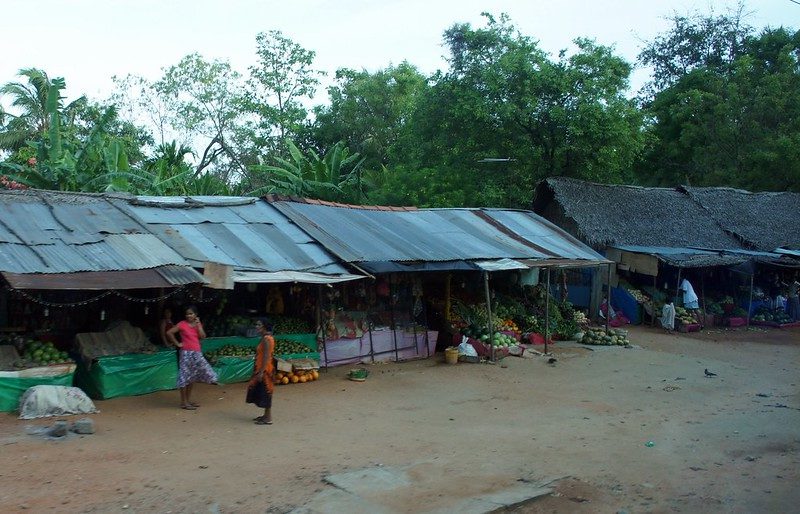
hunger in JapanJapan, a small island nation located off the coasts of Vietnam and Korea, is commonly known for its culture and way of life; many know the nation for its fashion industry and international business hubs. Yet, hunger in Japan is a bigger issue than what the surface shows. It is not often considered that there are so many people living in absolute poverty (the equivalent of making less than $1.25 per day). Japan has a population of 126,466,402 citizens. Although they have the third-largest economy in the world, it is accompanied by a poverty rate of 15%. That means 18,969,960 people in Japan are living below the poverty line. The main causes of food insecurity in Japan include unemployment and disability, but there are other factors as well. These are six facts about hunger in Japan.

6 Facts About Hunger in Japan

  1. Because Japan is a developed nation, there is an issue with food waste in some areas and not enough access to food in others. In New York City alone, there are over 1,000 locations that provide food and services for those who cannot afford to eat; Japan, in contrast, has only 50 locations nationwide that provide free food services.
  2. In 2000, the Second Harvest Japan project was started by volunteers. Their goal was to establish the first food safety net in Japan. They have set up food pantry systems that visit restaurants and shops to pick up leftover food that is past its sell date but still edible. The food is then distributed to pantries via the SHJ project.
  3. In 2010, a survey was conducted posing the question: “In the last 12 months, how often have you or your family: Gone without enough food to eat?” Of people aged 29 and under, 7.1% answered “often” or “sometimes.” To attempt to remedy this, Japan’s Ministry of Agriculture researched overseas and domestic food allocations to document and analyze the barriers and limitations of the food services they are able to provide.
  4. When food is thrown out while still being good to eat, it is considered food loss. In the year 2015, the total food loss for the entire nation was 6.46 million tons. The Distribution Economics Institute for Japan started a task force to reduce the food loss percentages and analyze businesses to better the procedure for recycling leftover food at the end of each day.
  5. In 2018, new food loss reduction educational campaigns were presented and advertised throughout Japan by the Ministry of Agriculture and Environment. Trials were executed to test the response of the public by placing materials and pamphlets in stores and to raise the awareness of patrons and employees of food establishments. This also allowed prices to be discounted on items that may have expired past the sell date but can still be eaten.
  6. In the city of Ashiya, a non-profit organization called Food Bank Kansai was launched to collect food products from restaurants and supermarkets that would otherwise be discarded. The food was then distributed and delivered for free to families in need throughout the local communities. In addition to delivering directly to the homes and neighborhoods of those in need, FBK also delivered to local food banks with the help of partners and volunteers.

The amount of food wasted each year in Japan is the equivalent of the amount of rice produced each year. Since 1985, hunger in Japan has been recognized and prioritized. Volunteers and organizations have worked tirelessly to reduce food waste and redistribute it to those who need it most. There are now over 80 hunger projects that function to redistribute food to communities that are food insecure due to illness, disability or unemployment.

– Kim Elsey
Photo: Flickr

July 26, 2020
https://borgenproject.org/wp-content/uploads/borgen-project-logo.svg 0 0 Kim Thelwell https://borgenproject.org/wp-content/uploads/borgen-project-logo.svg Kim Thelwell2020-07-26 01:30:462024-05-29 23:18:506 Facts About Hunger in Japan
Page 30 of 71«‹2829303132›»

Get Smarter

  • Global Poverty 101
  • Global Poverty… The Good News
  • Global Poverty & U.S. Jobs
  • Global Poverty and National Security
  • Innovative Solutions to Poverty
  • Global Poverty & Aid FAQ’s
Search Search

Take Action

  • Call Congress
  • Email Congress
  • Donate
  • 30 Ways to Help
  • Volunteer Ops
  • Internships
  • Courses & Certificates
  • The Podcast
Borgen Project

“The Borgen Project is an incredible nonprofit organization that is addressing poverty and hunger and working towards ending them.”

-The Huffington Post

Inside The Borgen Project

  • Contact
  • About
  • Financials
  • President
  • Board of Directors
  • Board of Advisors

International Links

  • UK Email Parliament
  • UK Donate
  • Canada Email Parliament

Get Smarter

  • Global Poverty 101
  • Global Poverty… The Good News
  • Global Poverty & U.S. Jobs
  • Global Poverty and National Security
  • Innovative Solutions to Poverty
  • Global Poverty & Aid FAQ’s

Ways to Help

  • Call Congress
  • Email Congress
  • Donate
  • 30 Ways to Help
  • Volunteer Ops
  • Internships
  • Courses & Certificates
  • The Podcast
Scroll to top Scroll to top Scroll to top