• Link to X
  • Link to Facebook
  • Link to Instagram
  • Link to TikTok
  • Link to Youtube
  • About
    • About Us
      • President
      • Board of Directors
      • Board of Advisors
      • Financials
      • Our Methodology
      • Success Tracker
      • Contact
  • Act Now
    • 30 Ways to Help
      • Email Congress
      • Call Congress
      • Volunteer
      • Courses & Certificates
      • Be a Donor
    • Internships
      • In-Office Internships
      • Remote Internships
    • Legislation
      • Politics 101
  • The Blog
  • The Podcast
  • Magazine
  • Donate
  • Click to open the search input field Click to open the search input field Search
  • Menu Menu

Archive for category: Hunger

Global Poverty, Hunger

6 Facts About Hunger in Tanzania

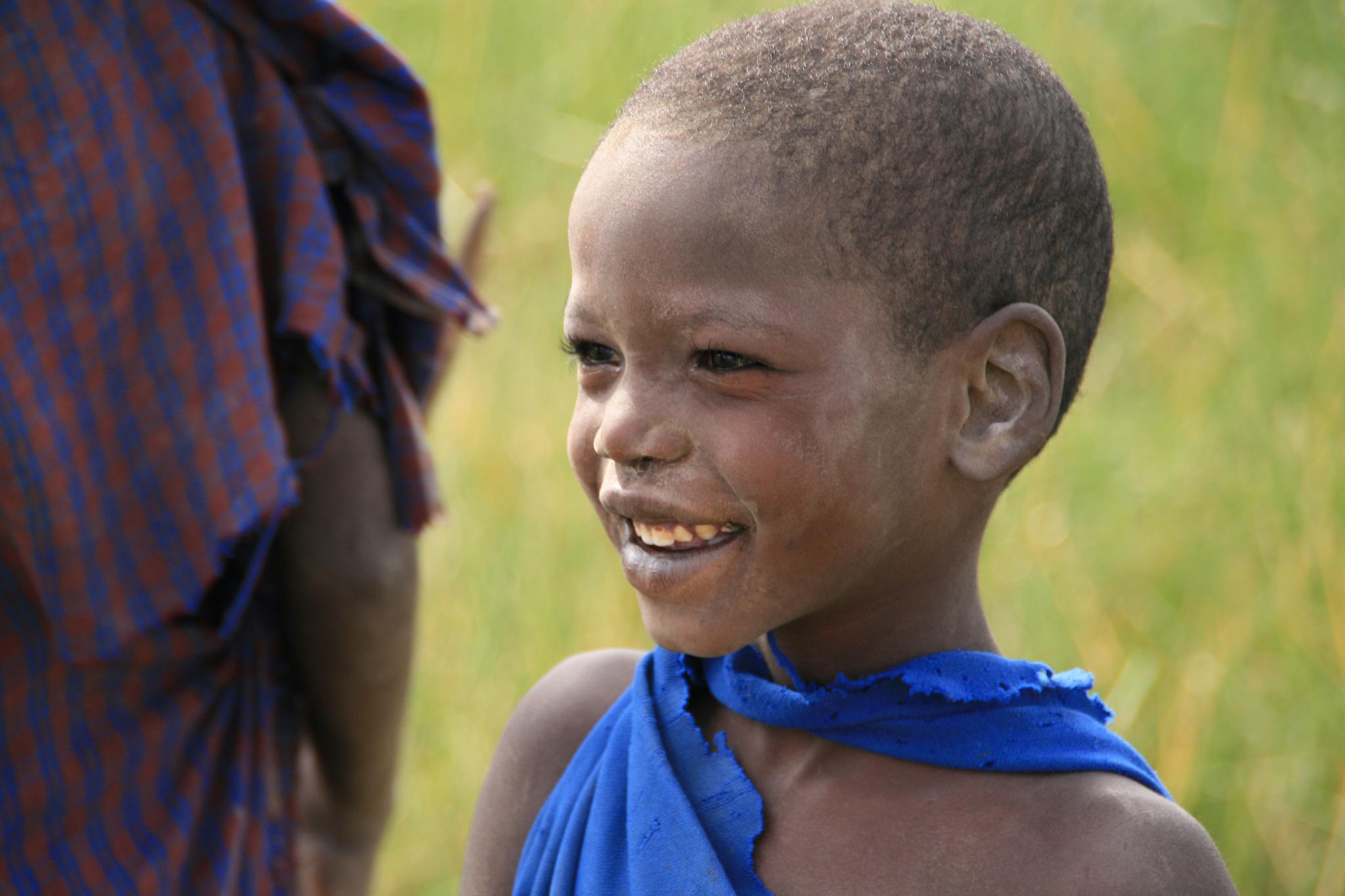
Six Facts about Hunger in TanzaniaHunger is a worldwide issue that claims the lives of 25,000 people every single day. Lack of access to food, inflation of food cost and food security are just a few things that continue to make hunger a global issue. In Tanzania, there are 14 million citizens considered poor, and 26.4% living in poverty. In 2014, there were approximately 5 million people who were food insecure and that number is expected to almost triple by 2024. With this many people living in poverty, going hungry is sometimes the only option. To better understand this crisis, here are six facts about hunger in Tanzania:

6 Facts About Hunger in Tanzania

  1. The lack of access to food is the biggest issue of hunger in Tanzania. In 2015, it was reported that more than 40% of citizens experience a shortage of food. These shortages happen for several reasons including drought, insufficient farming tools and poor soil. In Tanzania, 80% of their population lives in more rural areas. These areas are impacted the most because they rely so much on rain to fuel agriculture.
  2. Tanzania has what it calls a hunger season. This consists of the months from June to October where rainfall is essentially non-existent. Dr. Borda is a woman who lived in Tanzania for nearly 30 years. She says, “When the rains are late or excessive, the harvest fails . . . People here can really suffer from hunger at any time of the year — but especially in July, August and September.” During this dry spell, families often run out of food entirely. One-third of children under the age of five die because of malnutrition, a common result of this hunger season.
  3. In November of 2019, the price of food in Tanzania had inflated 6.7% from just 2% in 2018. Dr. Phillip Mpango, a Minister of Finance and Planning, says the increase is in connection with “transport challenges, marketing infrastructure, warehousing and the supply chain of food products in certain areas.” He also states that neighboring countries who are experiencing food shortages too have become the main destination for Tanzanian exports. Therefore, the cost of food becomes inflated.
  4. Stunting, caused by extreme hunger, is an outcome many children battle. According to the World Health Organization (WHO), stunting is defined as “the impaired growth and development that children experience from poor nutrition, repeated infection, and inadequate psychosocial stimulation.” In Tanzania, stunting affects 34% of children today. Luckily, Tanzania has begun taking steps to address child hunger. These have included collecting data from inside the home, making nutritional information widely available and educating health officials on how to better teach patients and their families.
  5. Along with stunting, malnourishment is another danger for children. Children who are malnourished not only face the physical consequences but also mental consequences. Studies show that malnourishment can weaken a child’s capacity to learn, increase instances of anxiety, lowers their IQ’s and increases troubles socializing for children.
  6. Food security is heavily correlated with sufficient food nutrition and consumption in Tanzania. Unfortunately, food security is low. According to the United Nations World Food Program, a mere 15% of families living in rural areas are food insecure, and another 15% are at great risk of becoming food insecure. Some reasons for the high food insecurity rate can be linked to poor economic growth, lack of education and minimal health care.

Resolutions

Despite these challenges faced by Tanzania, measures have been put in place to help mitigate some of these problems. One such solution is Plumpy’Nut which was invented by a French doctor for the treatment of malnourishment in babies and young children. This product is a peanut butter paste which includes other ingredients such as dried milk, oil, sugar as well as minerals and vitamins necessary for growth. Plumpy’Nut is easily accessible to families living in poverty as it does not require water or heat to cook it.

One organization that is doing its part to reduce hunger in Tanzania is Action Against Hunger. This NGO is a part of a 2016-2021 plan, called National Multisectoral Nutrition Action Plan (NMNAP) that aims to reduce malnourishment. They have partnered with the local governments and have been able to train healthcare workers and providers. They also providing the technical support necessary to screen and treat children suffering from malnourishment.

Although Tanzania is not out of the woods yet, they are finally receiving much needed aid at fighting hunger and saving lives.

– Stacey Krzych
Photo: Flickr

July 24, 2020
https://borgenproject.org/wp-content/uploads/borgen-project-logo.svg 0 0 Jennifer Philipp https://borgenproject.org/wp-content/uploads/borgen-project-logo.svg Jennifer Philipp2020-07-24 15:00:542024-06-06 00:38:126 Facts About Hunger in Tanzania
Food Insecurity, Global Poverty, Hunger

5 Organizations Battling Hunger in the Philippines

Hunger in Philippines
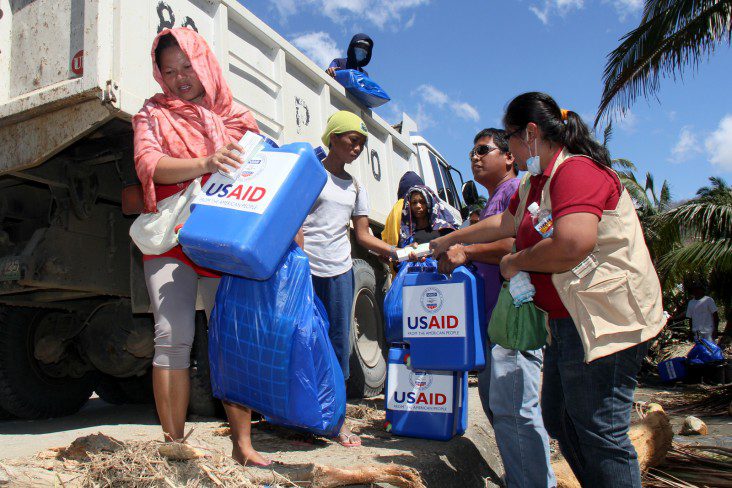
According to the Philippine Statistics Authority, the estimated poverty rate was 16.6% in 2018 and 17.6 million people faced extreme poverty. Hunger is one of the critical problems stemming from poverty in the Philippines, with 64% of the population suffering from chronic food insecurity.

According to the World Food Programme, factors such as climate issues and political challenges have contributed to the food insecurity that Filipinos continuously face. The Mindanao region has endured four decades of armed conflict that resulted in more than 40% of families displaced between 2000 and 2010, thus deteriorating food security. Natural disasters like typhoons are a typical experience in the Philippines, at a rate of about 20 per year. In fact, the country ranks third out of 171 countries in the 2015 World Risk Index and fourth out of 188 countries in the 2016 Global Climate Risk Index.

In response, many organizations have shown interest in improving the conditions in the Philippines through various programs and projects. Here are five organizations that have stepped up to address hunger in the Philippines.

Action Against Hunger

Action Against Hunger is an organization that has worked in the Philippines since 2000. Since then, it has aided a total of 302,014 Filipinos in poverty to improve various aspects of their daily lives.

In particular, the organization has reached 2,000 people with nutrition and health, 221,820 people with water and sanitation and 73,207 people with food security and livelihood programs. Action Against Hunger also focuses on community-led initiatives within the areas affected by armed conflicts and natural disasters.

World Food Programme

World Food Programme (WFP) tackles hunger in the Philippines with an emphasis on rebuilding communities. For example, its food and cash assistance programs provide aid in exchange for participation in vocational skill training and asset creation activities.

One major program of the WFP is Fill the Nutrient Gap, which aims to address malnutrition among children which can cause health issues like stunted growth. In the Philippines, 33% of children aged 5 or younger, which amounts to 4 million children, are less likely to reach their full mental and physical potential due to stunted growth. To address these issues, Fill the Nutrient Gap has helped identify and prioritize certain policies and program packages. Its goal is to improve nutrient intake for target groups through increased availability of nutritious food. The program resulted in various recommendations on health, social welfare and food processing policies for the country.

The organization also provides school meals to more than 60,000 children in the areas of Maguindanao, Lanao del Norte and Lanao del Sur in the Philippines. In addition, WFP deals with early childhood nutrition. WFP encourages certain products like micronutrient powder for children aged 6 months to 23 months and fortified food for those under 3 years old.

Feed the Children

Feed the Children has battled hunger in the Philippines since 1984. Its programs have positively influenced more than 283,000 people in 38 communities. Through the use of Child-Focused Community Development (CFCD), the organization helps children overcome both short-term and long-term hunger issues.

The CFCD approach works with vulnerable and at-risk children as well as their caregivers and communities. Through this program, Feed the Children has provided caregivers with necessary training and resource provisions required to feed families, build clean communities and increase access to education.  As a result, it was able to achieve the goal of cultivating appropriate conditions required for thriving, specifically in terms of food and nutrition security.

FEED aids Filipinos in many areas, such as improving childhood nutrition and development or training on water and sanitation. It also utilizes the idea of child-managed savings groups to teach financial management to children and allow them to develop savings for food and family use.

Rise Against Hunger Philippines

Rise Against Hunger Philippines is an international organization focused on the distribution of food and relief aid. Its primary goal is to provide packaged meals and facilitate shipments of donated products like medical supplies, water and food. Numerous volunteers contribute by packaging meals that contain an array of micronutrients vital for human growth and sustainability. So far, the organization was able to supply 20.75 million meals to the Philippines, saving 1.4 million lives.

Rise Against Hunger Philippines also provides relief aid for natural disasters and political conflicts through vast networks that work to address various needs. Additionally, it has created safety net programs that provide nutrition and vocational skill training for the poor to transition out of poverty.

Food for the Hungry

Food for the Hungry (FH) has been active in the Philippines since 1978. Beginning with helping refugees, the organization has expanded its efforts to other developmental programs which include the issue of hunger. It has reached 23 different communities and sponsored 6,565 children in the Philippines.

With a significant portion of the Filipino population under the poverty line, FH has focused on long-term developmental programs. These are to create opportunities for improved nutrition and poverty reduction. To create foundations for self-sufficiency, FH employs a four-phase community development plan in Filipino communities.

Phase One begins with discovering the risks and needs of the people, especially in regards to the children. Phase Two is where local government and community leaders come together with FH. From there, they develop action plans that would create livelihood programs and training for future leaders. Subsequently, Phase Three promotes these development projects, handles solutions for health and reduces disaster-related risks. The main goal in this phase is to reduce food insecurity in the event of natural disasters or political conflicts. Finally, Phase Four evaluates how people’s needs were properly addressed and how the community gained a sense of independence in food provision.

These five organizations are just a glimpse of the work that some are doing to help reduce hunger in the Philippines. They have implemented a wide variety of plans to help reduce poverty and provide nutritional meals to the poor. Furthermore, there have been additional efforts in helping people maintain a healthy lifestyle. Nonetheless, even with the progress, more aid would help combat the ever-imminent issue of hunger in the Philippines.

– Kiana Powers
Photo: USAID

July 24, 2020
https://borgenproject.org/wp-content/uploads/borgen-project-logo.svg 0 0 Jennifer Philipp https://borgenproject.org/wp-content/uploads/borgen-project-logo.svg Jennifer Philipp2020-07-24 15:00:542024-05-29 23:17:595 Organizations Battling Hunger in the Philippines
Global Poverty, Hunger

Innovative Ways to Solve Hunger During a Pandemic

Solve Hunger During a Pandemic
The Borgen Project has published this article and podcast episode, “How Innovation Can Help Solve Hunger During a Pandemic,” with permission from The World Food Program (WFP) USA. “Hacking Hunger” is the organization’s podcast that features stories of people around the world who are struggling with hunger and thought-provoking conversations with humanitarians who are working to solve it.


As COVID-19 spreads across the globe, it brings more than the threat of disease, it also brings the threat of hunger. Currently, 135 million people suffer from severe hunger, and it’s estimated that the pandemic will double that number by year’s end. WFP is ramping up to meet the rapidly increasing need.

Technology and innovation have always been a key part of WFP’s emergency response, but now, during a global pandemic, they are perhaps more critical than ever before. That’s why it should come as no surprise that WFP tapped its Innovation Accelerator program to aid in its COVID-19 response.

The WFP Innovation Accelerator sources, supports and scales high-potential solutions to hunger worldwide. Each year, it hosts several bootcamps where technology starts ups hone their innovative ideas help solve  global hunger. So far, more than 60 innovations have been deployed within WFP’s operations and have been making a critical difference.

Since the Coronavirus hit, the Innovation Accelerator has adjusted its plans and operations, but it hasn’t slowed down. In fact, it’s now doing even more. We dialed up Bernhard Kowatsch, Head of WFP’s Innovation Accelerator, to learn more about how it’s helping WFP overcome challenges they face in this unprecedented time.

Click the link below to listen to Bernhard Kowatsch talk about innovative ways to deal with hunger during COVID-19.


World Food Program USA · Episode 45: How Innovation Can Help Solve Hunger During a Pandemic

Photo: Flickr

July 24, 2020
https://borgenproject.org/wp-content/uploads/borgen-project-logo.svg 0 0 Jennifer Philipp https://borgenproject.org/wp-content/uploads/borgen-project-logo.svg Jennifer Philipp2020-07-24 07:53:522020-07-24 07:53:52Innovative Ways to Solve Hunger During a Pandemic
Global Poverty, Homeless, Hunger, Volunteer

How Volunteerism in India is Saving Lives

volunteerism in IndiaAs the effort to contain the spread of COVID-19 continues globally and conditions remain unclear for many people throughout India, what started out as a 21-day lockdown has since been extended for high infection areas until June 30th. The country has slowly started re-opening a variety of businesses and organizations by the Ministry of Health Affairs despite a spike of 68,566 reported cases from May 25 to June 3. The vulnerability of poor and homeless people throughout India poses an additional threat to the already fragile hunger crisis underway. Luckily, volunteerism in India is saving lives.

Migrant Workers and Homelessness

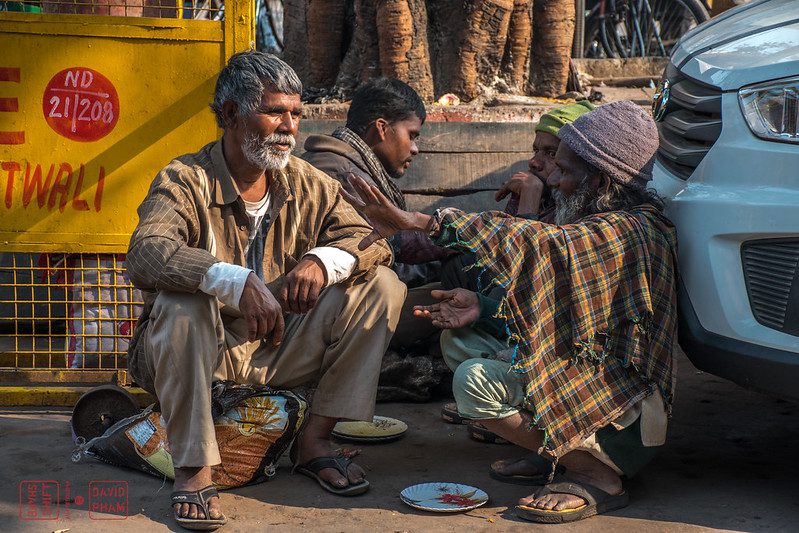
There are currently more than 1.7 million homeless people living in India. During a nation-wide lockdown, this is extremely problematic with lacking resources and little capacity at homeless shelters. Previous to the lockdown, an estimated 250 million Indian people were living underfed or malnourished. According to statistics gathered over the course of the last three months, these numbers have increased by 22.2 million. Many migrant workers trying to return home were forced to isolate in conditions that put their health and livelihood at risk. In many of these places, following social distancing guidelines is extremely difficult if not impossible.

Homeless shelters in India are working to get as many people off of the street as possible; however, this comes at a price. When the country went under strict order and work was quickly put to a halt, migrant workers had no choice but to begin their journey home. Many shelters houses more than 10,000 migrant workers and homeless people. This results in limited masks and sanitizers becomes an added issue on top of limited food and space. For nothing more than “a ladle of poorly cooked food poured roughly into a plate or plastic envelope”, masses of people would stand in line for hours, uncertain of when their next meal may come.

How Volunteerism in India is Saving Lives

Once lockdown restrictions began to lift, the community of India wasted no time giving back to those most vulnerable. The reliance on government programs during crisis can be taxing, specifically when there is not near enough meals to cover the amount of people in need. Many charities and organizations saw this need and teamed up with locals to shine a light on the issue. Together, they urged the government to provide aid as soon as possible. Here are a few stories of how volunteerism in India is saving lives.

Project Mumbai

Khaana Chahiye, created by Project Mumbai, in an initiative that continues to work tirelessly to provide meals for thousands of migrant workers and displaced people during the lockdown and pandemic. The initiative does not discriminate against who receives the meals; however, the focal point of this initiative is to feed as many homeless and migrant workers as possible. During this time, the organization averages an output of 70,000 meals per day to the poor. Luckily, the consistency of this output has sustained the lives of thousands. The organization also offers ways for civilians to bring attention to areas in need not being reached.

How An Individual Has Made a Difference

Local Tagore Government Arts and Science College Principal Sasi Kanta Dash, PhD, has always dreamt of helping his community. Dr. Dash knew that the lockdown could go on for a number of months and saw the need for positive change. At the beginning of the lockdown, he gathered a group of volunteers and started by feeding 250 people on the very first day, and the “immense satisfaction at the end of the first day catalyzed the actions on the future”. Over the course of 40 days, Dr. Dash has served more than 10,000 meals to the elderly, sick and poor across India.

The reality for thousands of people in India means limited access to preventative measures for the coronavirus, extreme food scarcity and the uncertainty of what tomorrow will bring. Although this can be daunting, with the help of local heroes like Dr. Dash and Project Mumbai, the goal of sustenance for all becomes that much closer.

– Katie Mote-Preuss 
Photo: Flickr

July 23, 2020
https://borgenproject.org/wp-content/uploads/borgen-project-logo.svg 0 0 Lynsey Alexander https://borgenproject.org/wp-content/uploads/borgen-project-logo.svg Lynsey Alexander2020-07-23 10:43:482020-07-23 10:43:48How Volunteerism in India is Saving Lives
Global Poverty, Hunger

6 Facts About Hunger in Ghana 

6 Facts About Hunger in Ghana The Republic of Ghana is located on the West African Gulf of Guinea. Ghana is known for being a well-developed nation that is progressing more toward modernism every day. With a population of 28.8 million people, 24.2% or nearly 7 million people live below the poverty line. These are six facts about hunger in Ghana.

6 Facts About Hunger in Ghana

  1. Over the last 2 decades, Ghana has reduced hunger and poverty within its population. Poverty affects farmers in rural cities. In addition, most are living without clean water or access to healthcare. About 90% of families or 25.9 million citizens in Ghana rely solely on agriculture.
  2. Rural poverty is easily attributed to insufficient food systems. This is mostly due to Ghana being reliant on the rainy seasons. The south of Ghana gets two rainy seasons and the north only gets one. As a result of this, the north is often lacking in agricultural resources and goods more so than the south.
  3. Farmers in North Ghana tend to have unsustainable farming equipment. The equipment does not last from season to season. Poverty-stricken areas obviously struggle to sustain secure food supplies and often experience shortages, given all of the variables. Because of the food shortages, prices go up and the impoverished are in a harder spot than before to sell and purchase goods.
  4. The World Food Program (WFP) has been working to fight poverty and food insecurity in Ghana since 1963. Education, food security and sustainability training have been the main focuses of the WFP. Working alongside the Ministry of Agriculture, 1,500 farmers in small-scale areas have been able to participate in the Purchase for Progress program. Additionally, The Purchase for Progress program builds a sustainable future for rural farmers by building stronger markets. The program also brings communities out of poverty and contributing to the sustainability goals that will keep fewer people impoverished.
  5. While the numbers may seem grim, 4% of Ghanaians are at risk of being food insecure or undernourished. However, things seem more positive when you compare this to the entire African region, where 20% of citizens are at risk. In 2018, Feed the Future provided $9.3 million of loans to small businesses and farmers for quality equipment and supplies. Also, this keeps businesses from being unable to operate due to a lack of resources and funds.
  6. In 2018, Feed the Future supported the newly developed Ministry of Sanitation and Water Resources. This allows the delivery services of the aforementioned goods to reach the small and rural communities that needed it most. Clean water and sanitation resources were distributed to 110,000 households in 1,800 rural communities.

While hunger in Ghana has been a struggle, that will not always be the case. Over the last 20 years, Ghana has progressed past mass food insecurity and malnourishment. Sustainability and persistent progress have allowed for the capital, Accra, to become metropolitan. The modernized version of Ghana includes less impoverished families and less food insecure communities.

– Kim Elsey
Photo: Flickr

July 21, 2020
https://borgenproject.org/wp-content/uploads/borgen-project-logo.svg 0 0 Lynsey Alexander https://borgenproject.org/wp-content/uploads/borgen-project-logo.svg Lynsey Alexander2020-07-21 01:30:132020-07-21 04:44:066 Facts About Hunger in Ghana 
Global Poverty, Hunger

5 Facts about Hunger in the Bahamas

Hunger in the BahamasThe Bahamas is a group of islands in the North Atlantic Ocean known for its tourism and beautiful beaches. However, despite being a relatively wealthy country due to tourism, hunger in the Bahamas remains a prominent concern.

The Bahamas also face frequent natural disasters such as hurricanes which further aggravate the issue. The recent outbreak of COVID-19 has also left many Bahamians without access to food. Furthermore, these disasters also increase the price and decrease the availability of food in the country. Here are five facts about hunger in the Bahamas.

5 Facts About Hunger in the Bahamas

  1. Prevalence: According to Hands for Hunger, one in every 10 people in the Bahamas experience extreme food insecurity and have less than $4 to spend on food a day. This prevalence is significant because only 10% of the food consumed is produced in the Bahamas. A study by The Caribbean Agro-Economic Society concluded 41% of the households were food insecure and factors such as age, education and gender all played a factor. Around 20% of households required assistance from the government to provide adequate food to their families. It also concluded that people take an active role in producing at least one aspect of their food, revealing a reported 45 % caught their own fish. To combat this issue and encourage more active participation in acquiring food, the government is pushing for more local farming by encouraging farmer’s markets and community gardens.
  2. Agriculture: The soil in the Bahamans is unsuitable for commercial farming due to its high pH levels. This leads to a greater need for the importation of many crops. This increases the selling price and contributes to greater food insecurity. Additionally, farmers struggle to produce enough food to reach wholesalers, forcing them to discard most of their crops. The Ministry of and the Food and Agriculture Organization of the United Nations are working to teach farmers more sustainable farming. The Ministry is also working to create a Food and Nutrition Security Policy and Action Plan to help the Bahamas become more independent in producing food by using new farming techniques.
  3. Impact on Education:  School-aged children in the Bahamas are largely affected by hunger. Food insecurity impacts a child’s ability to comprehend and learn information effectively because they are constantly concerned about where their next meal will come from. Research shows a correlation between food insecurity and poor academic performance, which can lead to dropping out. The Bahamas has a National Lunch Program in effect and is researching ways to expand the program and provide food to children over weekends and school breaks. Researchers found that while most students on the island of Eleuthera consume breakfast, around 65 % of their schools do not have an option for breakfast. School administrators also reported children coming to school hungry and only consuming unhealthy junk food such as chips and soda. Researchers suggest more education about healthy eating habits with both parents and children as well as a National Breakfast plan should be implemented. These changes would improve children’s school performance and overall wellbeing.
  4. COVID-19’s effect: COVID-19 has revealed the extent of hunger in the Bahamas. Importing food has become more difficult with less overall production and travel restrictions causing citizens to panic. However, it has brought the issue to the forefront of the government’s mind and forced them to act. The government is considering how to gain greater accessible land and more ways to help small farmers get started. The pandemic served as a true wake up call for the government to address the problem head-on.
  5. Progress: A non-profit organization, Hands for Hunger, is dedicated to solving the hunger crisis in the Bahamas. Since its founding in 2008, they have provided Bahamians more than one million pounds of redistributed food. Hands for Hunger works to ensure a larger number of food-secure Bahamians; the group redistributes food from restaurants, hotels, etc., and provides it to families in need. Furthermore, Hands for Hunger is helping reduce CO2 emissions because less food is going to landfills. Hands for Hunger continues to expand its network and is leading the Bahamas to a brighter future.

Change is needed and coming into the food production system in the Bahamas. With improved access for citizens to independently produce more food, the Bahamas will have less obesity, greater academic accomplishments, improved economy, and better quality of life for its citizens. Organizations such as Hands for Hunger are at the forefront of this change. These changes will allow the Bahamas to be known to the world as more than just a beautiful vacation spot.

– Allison Caso
Photo: Flickr

July 18, 2020
https://borgenproject.org/wp-content/uploads/borgen-project-logo.svg 0 0 Kim Thelwell https://borgenproject.org/wp-content/uploads/borgen-project-logo.svg Kim Thelwell2020-07-18 01:30:382020-07-18 04:50:115 Facts about Hunger in the Bahamas
Global Poverty, Hunger

6 Facts about Hunger in the Russian Federation

hunger in the russian federationUnder the reign of the Soviet Union, countless Russians suffered and died from starvation. Russia has an extensive history of famine and starvation; these have plagued the country for much of the last century. The oppressive regime misled the world and hid the harsh reality the people of Russia faced. Fortunately, the future is bright for the people of the Russian Federation because the rate of hunger has consistently declined in recent decades.

6 Facts About Hunger in the Russian Federation

  1. Poverty in Russia today: Although Russians do not face extreme poverty as they previously endured under the Soviet regime, 12.9% of Russians now live in poverty. The current poverty rate marks a significant achievement considering the poverty rate was as high as 24.6% in 2002. In the past two decades, the Russian economy embraced the privatization of industries. As a result, the economy substantially grew after it nearly collapsed following the demise of the previous Soviet regime. The rapid economic growth and reduction of poverty effectively addressed the problem of hunger in the Russian Federation.
  2. Improvements: As of 2000, approximately 5% of Russians were undernourished. Since the Russian Federation modernized and improved its economy, the rate of undernourishment was halved to 2.5% by 2005. The improved economy led to a rise in industry that provided more food and led to a decrease in hunger in the Russian Federation. Rapid economic development relatively eliminated the threat of food insecurity and hunger in the Russian Federation.
  3. Access to food: Access to food significantly improved when the government opened its markets to the rest of the world. This subsequently reduced the problem of hunger in the Russian Federation. The daily per capita caloric supply is 3,361 kcal per citizen per day, marking a substantial improvement from 2,877 kcal in 2000. After Russia’s economy struggled throughout the 90s following the collapse of the Soviet Union, the new leadership allowed the privatization of agricultural land and opened the economy to welcome new business. Due to a series of tax reforms and rapid economic growth, the Russian Federation’s daily caloric supply is higher than some wealthy nations such as Spain, Sweden, Japan and China.
  4. Diet and health: Although fewer Russians face hunger than ever before, many Russians needlessly suffer from non-communicable diseases due to unhealthy diets. The vast majority of Russian people consume enough food, but the quality of food decreased when the economy shifted away from agriculture.  The typical diet in Russia meets the necessary caloric needs, yet substantially lacks enough fruits and vegetables. These food are required for a healthy diet, and Russian diets often include too much unsaturated fat and sodium instead. The country’s frigid climate and permafrost are unsuitable for diverse agriculture. Due to the fact that 70% of Russia is in a permafrost zone, the country must import what it cannot grow. The country addressed the problem in 2010 when it signed the Food Security Doctrine and focused its efforts on independent domestic production. Russia renewed the doctrine in 2020 to include more fruits and vegetables.
  5. Obesity: Russia significantly tackled the problem of hunger and currently suffers the health consequences that are associated with obesity. Due to the country’s agriculture limitations, unhealthy diets fostered a nationwide rise in obesity. As of 2016, 23.1% of Russian adults were considered obese, which leads to higher rates of non-communicable diseases. To address the problem, the Russian Ministry of Health has earmarked $56 million dollars to promote healthy exercise habits and reduce smoking and drinking.
  6. Life expectancy: Despite the rise in obesity, life expectancy at birth rose from 65 years in 2000 to 72.6 years as of 2018. In the past two decades, the life expectancy in Russia rose at an unprecedented and consistent rate. During the period of recent economic growth, life expectancy in the Russian Federation reached a record high.

At the turn of the century, the Russian Federation modernized the economy and opened the doors for businesses to thrive. After the collapse of the Soviet Union, the Russian Federation faced financial peril but rapidly improved its economy from a GDP of $259 billion in 2000 to $1.65 trillion in 2018. The country recovered quickly, considering the collapse of the previous government, and the standard of living subsequently improved for the Russian people. The Russian Federation effectively addressed the problem of hunger and halved the poverty rate. Although the country still faces health issues stemming from obesity and a lack of fresh produce, the past two decades are a success story in the fight against hunger in the Russian Federation.

– Noah Kleinert
Photo: CIA.gov

July 18, 2020
https://borgenproject.org/wp-content/uploads/borgen-project-logo.svg 0 0 Kim Thelwell https://borgenproject.org/wp-content/uploads/borgen-project-logo.svg Kim Thelwell2020-07-18 01:30:172024-05-29 23:18:046 Facts about Hunger in the Russian Federation
Global Poverty, Hunger

Hunger in Guinea Remains High

Hunger in GuineaGuinea, a lower middle-income nation on the west coast of Africa, has a population of 13.85 million people, 62% in rural areas. It has a poverty rate that grew to 50% in 2022 and it ranks 182:191 countries in the Human Development Index (2021-2022). The HDI measures health (life expectancy at birth), education (mean and expected years of schooling) and standard of living (gross national income per capita).

A Hunger Crisis

Guinea is 95 out of the 127 countries ranked in the 2024 Global Hunger Index, with a Serious level of hunger. This represents a downward trend since 2000 when its situation was ranked Alarming, likely because almost half of the population was considered undernourished at that time. The four contributing factors to this score are percent of the population undernourished (currently 10.3%), child (under five years old) stunting (26.1%), child mortality (9.6%) and child wasting (6.4%). Its GHI score puts it in the middle of the 16 West Africa region countries ranked.  

USAID reports the country’s Global Food Security Index as 45.1 (out of 100; higher is better), based on affordability, availability, quality and safety and sustainability and adaptation, about the same as the average for the region. The International Monetary Fund reported Guinea as one of the countries worst affected by the increase in food and fertilizer prices after the outbreak of war in Ukraine in early 2022, with 1.2 million people (11% of the population) dealing with acute food insecurity. 

WFP Food and Nutrition Strategy for Guinea

In July 2024, the World Food Programme, active in Guinea for 60 years, indicated that it was continuing to implement its Interim Country Strategic Plan (2019-2024) with a new five-year (2024-2029) strategic plan. Requiring $143.5 million, the plan specifically targets vulnerable rural people, within its overall mission to improve food and nutrition security and to enhance sustainable agricultural development. 

The new plan’s five Strategic Results comprise seven activities: 

  • Food and nutrition assistance, primarily to populations in crisis
  • Nutritious school meals, along with nutrition and health interventions
  • Community-level nutrition prevention package and services for at-risk populations
  • Support for the development of climate-resilient and nutrition-sensitive value chains
  • National capacity strengthening for the development and implementation of food security, nutrition, emergency preparedness and response and social protection management systems
  • Air transport services and technical assistance
  • On-demand services and technical assistance

Climate and Guinea’s Natural Resources

Guinea is rich in natural resources and has a climate capable of supporting a variety of crops. Its economy relies heavily on agriculture and mining. According to the World Bank, in 2024, agriculture employed more than half of Guinea’s population (53%) and accounted for 27.8% of the national GNP. But this is primarily subsistence agriculture, with low productivity and minimal contribution to exports. Mining-driven growth is seen possibly to foster Dutch-disease dynamics, whereby the successful development of one sector (e.g., mining) may lead to a decline in competitiveness in other sectors (e.g., agriculture). However, this can be avoided in part by attention to the other sectors.

The World Bank sees “significant untapped potential” for sustainable growth in agriculture, but this will depend on the country’s ability to address climate-induced shocks that affect crop production, livestock and fisheries. These shocks include expected periods of intense heat, shorter and more intense rainy seasons, and flooding and landslides from more frequent intense storms, as well as a projected rise in sea level. Adverse climate could impact up to 40% of productivity, which could decline up to 35% in the long term, with an attendant impact on growth and food security.

Climate change—especially global warming and the increasing variability of rainfall—contribute to the ND-GAIN Country Index ranking Guinea as the 24th most vulnerable country and the 148th most ready country. Notre Dame’s Global Adaptation Initiative Index assesses a country’s vulnerability to climate change and its ability to adapt to this change via its economic, governance and social readiness. The factors considered are food, water, health, ecosystem services, human habitat and infrastructure. 

The World Bank Group’s September 2024 Economic Update for Guinea is focused on natural resource management, with climate-proofed agriculture a key player because of its potential for job creation and diversification. While inputs have improved, water management practices. including improved irrigation infrastructure are a challenge. Key recommendations include policy reform and investment in agriculture, input subsidies and sustainable forestry practices.

First Steps

Food security, particularly moving food systems and agriculture from a subsistence orientation to a market orientation, is seen as an urgent priority. An April 2024 meeting between Guinea’s Ministers of Environment and Education and the World Food Programme’s Country Director targeted on accelerating the Adaptation Fund Program and its goal to address climate change and sustainable development through innovative agroforestry and energy solutions. A first step is to implement a National School Canteens program to increase the WFP’s coverage beyond its current 10% of rural schools. 

– Staff Reports
Photo: Wikimedia
Updated: October 25, 2024

July 17, 2020
https://borgenproject.org/wp-content/uploads/borgen-project-logo.svg 0 0 Jennifer Philipp https://borgenproject.org/wp-content/uploads/borgen-project-logo.svg Jennifer Philipp2020-07-17 11:06:122024-10-25 07:09:00Hunger in Guinea Remains High
Global Health, Global Poverty, Hunger

Hunger in Ecuador during the COVID-19 Pandemic

Hunger in Ecuador during the COVID-19 pandemicEcuador is a mostly Spanish-speaking nation in South America with a population of about 17 million people. Despite its recent successes in decreasing poverty levels, parts of Ecuador still struggle with the effects of low-income living. One of the country’s greatest challenges is malnutrition, especially during the COVID-19 pandemic. Fortunately, there are ways to reduce hunger in Ecuador in the time of the coronavirus. 

Present-day Challenges

Since the enactment of a lockdown, hunger in Ecuador is increasing for many reasons. Namely, the price of domestic food products has increased due to the shortage of goods being grown and produced. Therefore, access to adequate food supply has decreased. As a result, many Ecuadorians lack food security and are struggling to adhere to healthy diets. People with disabilities face additional challenges. They can receive emergency food vouchers provided by the government, but the vouchers do not last more than a few days. The vouchers are also not being provided to over 20% of the population with disabilities. Many Ecuadorians with disabilities and Ecuadorians in general, continue working despite the risk of contracting COVID-19 because that is their only form of income. Those who are unable to work face starvation.

Additionally, a report by the Economic Commission for Latin America and the Caribbean (ECLAC) details concerns about hunger in Ecuador and other Latin American countries in relation to the pandemic. Major concerns for these countries include increased unemployment rates, which could negatively impact families that already struggle with food insecurity. Additionally, these unemployment rates are predicted to force 16 million of all Latin Americans into extreme poverty. Those who were able to afford nutritious meals before the pandemic will have to resort to less nutritious food: if they are able to find food at all. Alicia Bárcena, ECLAC’s executive secretary, worries that the pandemic will cause a food crisis if interventions aren’t implemented quickly and successfully. 

The Good News

Despite COVID-19’s significant impact on hunger in Ecuador, there is some positive news regarding overall poverty in Ecuador. Although Ecuador is a hotspot for natural disasters, which can destroy crops, the World Food Programme (WFP) works with the Ecuadorian government to prepare citizens for natural disasters before they happen. Specifically, Ecuador’s Secretariat of Risk Management and National Decentralized Risk Management System work with the WFP to calculate how natural disasters have affected food supply so they can learn from past crises. Vulnerable Ecuadorians can attend workshops to learn about emergency preparedness and how to protect their crops. The workshops also provide training sessions about better eating habits on a low budget. With these calculations and workshops, Ecuador can be more prepared for the next crisis. 

Another hunger-relief organization is Banco de Alimento Diakonía, a food bank that works solely to reduce hunger in Ecuador. Its slogan is “Barrigas contentas, corazones llenos,” which translates to “Happy bellies, full hearts.” The food bank’s threefold mission is to reduce hunger, improve nutrition and decrease food waste; the food bank accepts donations in the forms of money and non-perishable foods. Since 2015, Banco de Alimento Diakonía has been a certified member of the Global FoodBanking Network, and it has helped an estimated 16,200 people get access to nutritious food. Fortunately, the food bank is continuing to provide aid during the COVID-19 pandemic.

Looking Forward

The COVID-19 pandemic has changed economies and ways of life in every country around the globe. It will undoubtedly have long-lasting effects on poverty, such as the prevalence of hunger in Ecuador. However, citizens and governments can be more prepared for the next time a crisis comes along. With food banks, workshops and the right preparations, nations like Ecuador can recover from disasters and emerge with new tools to overcome the next challenge.  


– Levi Reyes
Photo: Unsplash

July 14, 2020
https://borgenproject.org/wp-content/uploads/borgen-project-logo.svg 0 0 Lynsey Alexander https://borgenproject.org/wp-content/uploads/borgen-project-logo.svg Lynsey Alexander2020-07-14 01:31:012024-05-29 23:18:16Hunger in Ecuador during the COVID-19 Pandemic
Global Poverty, Health, Hunger

5 Facts About Hunger in Sierra Leone

Hunger in Sierra LeoneOf Sierra Leone’s population of 7 million people, more than half are living below the poverty line. In 2019, the U.N. Development Programme Index ranked this West African country 181st out of 185 countries based on “average achievement in three dimensions of human development—a long and healthy life, knowledge and a decent standard of living.” Such a ranking is significantly influenced by the fact that millions of Sierra Leoneans are affected by food insecurity and many children are malnourished. Here are five facts about hunger in Sierra Leone. 

5 Facts About Hunger in Sierra Leone

  1. More than 3 million Sierra Leoneans lack reliable access to adequate food. In total, over 40% of Sierra Leone’s population is food insecure. Over 50% of Sierra Leone’s population lives on less than $1.25 per day, so many people struggle to buy sufficient and nutritious food. According to the 2019 Global Hunger Index, about one out of every four people in the country are undernourished.
  2. Nearly 40% of children suffer from stunted or impaired growth as a result of chronic malnutrition. This can permanently impact health and cognitive development. Families living in poverty are less capable of providing their children with an adequate variety of nutrients in their diets. In 2018, the rate of mortality for children under 5 years old was 10.5%; about half of these deaths are attributable to malnutrition.
  3. Sierra Leone ended an eleven-year war in 2002, and was hit by the 2014 Ebola pandemic; these have greatly exacerbated rates of poverty and hunger in Sierra Leone. The long-term conflict dismantled national infrastructure in both rural and urban areas, resulting in a lack of effective basic social services  Beginning in May 2014, the Ebola crisis resulted in almost 4,000 deaths and a serious economic downturn in Sierra Leone. The country is still dealing with the aftermath of these events.
  4. Irregular rainfall has significantly reduced rice production in recent years. Rice is a staple food in Sierra Leone, but local agricultural production is no longer sufficient to meet the needs of the population. In 2018, the majority of rice-growing households produced only half as much rice as they expected. Therefore, instead of exporting rice, which would improve economic growth, the government has spent hundreds of millions of dollars importing the staple.
  5. The COVID-19 pandemic is putting more people at risk of acute hunger and starvation. According to the United Nations’ World Food Programme (WFP), without sufficient aid, countries with high levels of food insecurity may face “mega-famines.” The WFP has also reported that food insecurity could double worldwide in 2020, affecting 130 million more people.

Solutions

Many organizations have taken action to address food insecurity and malnutrition in Sierra Leone. In 2018, Action Against Hunger aided 8,000 people with food security programs that reduced malnutrition among children and increased dietary diversity. The WFP, UNICEF and Sierra Leone’s government are distributing nutrient-dense food to young children and mothers to reduce child malnutrition.

The WFP also provides food to children in schools and supports smallholder farmers. In May 2020, the WFP assisted more than 17,000 people by distributing over 47 metric tons of food assistance, transporting 900 metric tons of improved seed rice to smallholder farms, and providing cash payments to more than 1,000 farming households. 

The World Bank has provided Sierra Leone’s government with $100 million to deal with economic challenges during the pandemic and reduce poverty. The U.N. is attempting to coordinate a global response to the pandemic that would require $4.7 billion to “protect millions of lives and stem the spread of coronavirus in fragile countries,” including Sierra Leone. 

Conclusion

These facts about hunger in Sierra Leone show that this issue is widespread and likely worsening during the COVID-19 pandemic. However, with multiple NGOs and members of the international community working to address this problem with food assistance and aid for farmers, there is hope for improvement; Sierra Leoneans may experience lower rates of hunger and malnutrition in the near future. 

– Rachel Powell
Photo: Flickr

July 11, 2020
https://borgenproject.org/wp-content/uploads/borgen-project-logo.svg 0 0 Kim Thelwell https://borgenproject.org/wp-content/uploads/borgen-project-logo.svg Kim Thelwell2020-07-11 01:30:052020-07-11 11:27:175 Facts About Hunger in Sierra Leone
Page 31 of 71«‹2930313233›»

Get Smarter

  • Global Poverty 101
  • Global Poverty… The Good News
  • Global Poverty & U.S. Jobs
  • Global Poverty and National Security
  • Innovative Solutions to Poverty
  • Global Poverty & Aid FAQ’s
Search Search

Take Action

  • Call Congress
  • Email Congress
  • Donate
  • 30 Ways to Help
  • Volunteer Ops
  • Internships
  • Courses & Certificates
  • The Podcast
Borgen Project

“The Borgen Project is an incredible nonprofit organization that is addressing poverty and hunger and working towards ending them.”

-The Huffington Post

Inside The Borgen Project

  • Contact
  • About
  • Financials
  • President
  • Board of Directors
  • Board of Advisors

International Links

  • UK Email Parliament
  • UK Donate
  • Canada Email Parliament

Get Smarter

  • Global Poverty 101
  • Global Poverty… The Good News
  • Global Poverty & U.S. Jobs
  • Global Poverty and National Security
  • Innovative Solutions to Poverty
  • Global Poverty & Aid FAQ’s

Ways to Help

  • Call Congress
  • Email Congress
  • Donate
  • 30 Ways to Help
  • Volunteer Ops
  • Internships
  • Courses & Certificates
  • The Podcast
Scroll to top Scroll to top Scroll to top