• Link to X
  • Link to Facebook
  • Link to Instagram
  • Link to TikTok
  • Link to Youtube
  • About
    • About Us
      • President
      • Board of Directors
      • Board of Advisors
      • Financials
      • Our Methodology
      • Success Tracker
      • Contact
  • Act Now
    • 30 Ways to Help
      • Email Congress
      • Call Congress
      • Volunteer
      • Courses & Certificates
      • Be a Donor
    • Internships
      • In-Office Internships
      • Remote Internships
    • Legislation
      • Politics 101
  • The Blog
  • The Podcast
  • Magazine
  • Donate
  • Click to open the search input field Click to open the search input field Search
  • Menu Menu

Archive for category: Humanitarian Aid

Global Poverty, Humanitarian Aid

Poverty Reduction in Sudan

Poverty Reduction in Sudan
Sudan is a Northeast African nation that looks to the Red Sea, with a population that now stands at 45 million. Sudan as a nation has faced extreme adversity throughout its past, as the occupation of Sudan by Britain and Egypt until 1956 manifested a series of civil wars that have ravaged the nation. Today sees Sudan in a dire situation, an ongoing humanitarian crisis has now resulted in a state of turmoil – with poverty reduction in Sudan now representing one of the global priorities for humanitarian institutions to tackle.

Poverty in Sudan

Poverty reduction in Sudan today, represents one of the most challenging obstacles for the nation, as well as global aid institutions to tackle. The current situation in Sudan is a multifaceted issue, according to UNICEF: “COVID-19, flooding, rising food prices, conflict and disease outbreaks have left 13.4 million people – more than a quarter of Sudanese – in need of life-saving aid.” As of 2020, roughly 77% of the population of Sudan was living under the poverty line.

Several factors represent the causes of the current situation in Sudan. Firstly, a prominent history of civil war and conflict in the nation has caused untold bloodshed across the span of decades. Secondly, the impact of the COVID-19 pandemic would have a detrimental effect on the people of Sudan, as economically, the pandemic would further escalate the outstanding issues of low-wage income across the nation. Thirdly, after South Sudan gained its independence in 2011, a substantial number of Sudanese and South Sudanese were displaced as a result of the conflict.

Efforts to Reduce Poverty in Sudan

Humanitarian efforts in Sudan to tackle the ongoing and escalating crisis have remained one of the leading priorities in recent times. Leading financial global institutions such as The World Bank, have aided Sudan’s situation in setting up initiatives and projects that provide relief. The Sustainable Natural Resources Management Project, for example, which concludes in 2023, has provided invaluable assistance in promoting sustainable agriculture to provide much-needed water access to communities.

UNICEF has also played a vital role in poverty reduction in Sudan. According to data from the 2014 Household Budget and Poverty Survey, child poverty rates rose to 85% in 2020. To combat the extremely high rate of child poverty within Sudan, UNICEF introduced the Mother and Child Cash Transfer Plus initiative. This program helps to provide the most basic necessities to newborns and mothers, providing financial support, “health care, nutrition, water and sanitation, and child protection.”

In 2021, UNICEF released a Humanitarian Relief Statement highlighting the effectiveness of the important assistance provided. Among the most notable successes were increased access to education, improved sanitation and reduction in malnutrition.

The Future

Due to the unstable political situation that has enveloped Sudan over the past couple of years, the means of supplying humanitarian aid to Sudan has intensified. However, with growing hope that the situation has a solution, humanitarian efforts appear to represent the most viable option for poverty reduction in Sudan.

The United Nations Office for the Coordination of Humanitarian Affairs (OCHA) is currently in the process of attaining funds for its Humanitarian Response Plan. As of September 2022, the plan requires a further 68.5% of funding to meet its $1.9 billion total. The plan consists of 233 projects and will aim to reach 10.9 million people in 68 localities. As outlined in the plan, the three primary strategic objectives are to provide life-saving assistance and prevent mortality, to provide a greater service of basic amenities to vulnerable people and through humanitarian action, to lessen protection risks and needs.

– Jamie Garwood
Photo: Flickr
September 15, 2022
https://borgenproject.org/wp-content/uploads/borgen-project-logo.svg 0 0 Naida Jahic https://borgenproject.org/wp-content/uploads/borgen-project-logo.svg Naida Jahic2022-09-15 01:30:112022-09-13 12:32:33Poverty Reduction in Sudan
Foreign Aid, Global Poverty, Humanitarian Aid

The History of Poland’s Foreign Aid

Poland's Foreign Aid
In a matter of decades, Poland has gone from being a recipient of foreign aid to a strong presence within the international donor community. Poland is not the only country to do this. China, India, Japan, Korea and Thailand have all undergone a similar recipient-to-donor transition. Just how did Poland and other former aid recipients transform into emerging or full-fledged aid donors? This article will provide a short history of Poland’s foreign aid in the hopes of shedding some light on the answer.

 The 1950s-1970s: A Soviet Donor Under Comecon

One of Poland’s earliest exercises in providing international aid was through the Council for Mutual Economic Assistance, popularly known as Comecon. Founded in 1949, Comecon’s purpose was to strengthen economic cooperation and development among Eastern European countries. Alongside Poland, the Soviet Union, Czechoslovakia, Hungary, Bulgaria, Romania and Albania made up Comecon’s membership.

As far as general principles were concerned, Comecon’s preamble emphasized the idea of mutual economic assistance in favor of maintaining the stronghold of communism and socialism in the Eastern bloc. It was through Comecon that Poland first assumed its role as a donor and Poland’s foreign aid began.

The 1980s: Economic Crises and the Fall of the USSR

During the 1980s, an unprecedented economic and political crisis struck Poland. The causes of the country’s crisis had deep roots in its system of a planned economy and policy of forced industrialization.

By the end of 1981, Poland had accumulated a foreign debt of $27 billion. Polish standards of living continued to fall rapidly as the country’s economic struggles worsened until 1989 when the Soviet Union collapsed.

The few years after the fall of the USSR between 1990 and 1994 was when Poland could be said to have fully made the switch from Soviet donor to the beneficiary of the West. During this time, the G-24 and international financial institutions sent $36 billion in aid to Poland. The United States separately committed another $719 million in grant assistance.

The 1990s-2000s: Poland’s Recovery and Accession to the EU and OECD

Poland used its foreign assistance to restabilize and restructure its economy. Over the decades, it has even become one of the fastest-growing economies in Europe. Poland’s process of accession to the European Union, which officially occurred in 2004, marked the beginning of its transition from that of a recipient to a donor.

Polish NGOs began to enter other parts of Eastern Europe to help their Western counterparts communicate with the local communities, according to a University of Cambridge Summary Paper. Polish NGOs then shifted from doing this to starting their own initiatives and establishing the national ODA (Official Development Assistance) structures.

Decades Later, Poland Gives Back

Poland has since become an active participant in global development cooperation.“Polish Aid” is one of Poland’s most prominent development and humanitarian assistance programs today. Directed by the Ministry of Foreign Affairs (MFA), Polish Aid’s mission is to contribute to building a more sustainable world for present and future generations by providing humanitarian aid, development aid and global education.

 The program underwent implementation in forms specified in Article 4 of the Development Cooperation Act of September 16, 2011. In 2019, the grant equivalent of Poland’s ODA was nearly PLN 3 billion.

Over the years, Poland has prioritized post-Soviet countries in their aid allocation. Ukraine, Belarus, Turkey, Tanzania, India, Mongolia, China, Kenya, Iraq, Georgia, Moldova and Lebanon were key recipients of Polish bilateral assistance in 2019.

Poland’s bilateral assistance has gone primarily to helping former Communist countries transition to democracy, improve the economy and support civil society.

In effect, Poland’s aid allocation has raised levels of economic, social and political freedom in states that previously struggled to offer these liberties. Ukraine is one such state that has developed rapidly under the auspices of Poland, according to the Carnegie Endowment for International Peace. Since gaining its independence in 1991, Ukraine now boasts a strong civil society, well-organized political parties and a diverse and pluralistic polity with multiple centers of power.

Poland is just one of a plethora of countries that have evolved from beneficiary to donor in a few short decades. The history of Poland’s foreign aid should serve as an important reminder of the reasons for how effective and worthwhile providing aid to a struggling country is. It might be that the initial leg-up is all a country needs to get a position where they too can help others.

– Lauren Hyomin Kim
Photo: Flickr

August 4, 2022
https://borgenproject.org/wp-content/uploads/borgen-project-logo.svg 0 0 Jennifer Philipp https://borgenproject.org/wp-content/uploads/borgen-project-logo.svg Jennifer Philipp2022-08-04 07:30:332024-05-30 22:29:54The History of Poland’s Foreign Aid
Charity, Global Poverty, Humanitarian Aid

5 Charities Operating in Afghanistan

Operating in Afghanistan
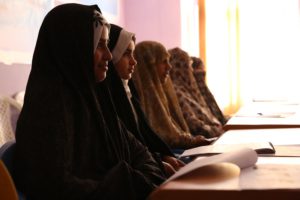
After years of war and conflict, Afghanistan is facing a major humanitarian crisis. The country’s economy has almost completely collapsed following the takeover of the Taliban in 2021. The Taliban’s involvement in Afghanistan’s economic system has left the nation nearly isolated after the withdrawal of support from major players, such as the United States. Approximately 95% of Afghanistan homes that the World Food Programme (WFP) surveyed have been experiencing food insecurity since September 2021. Households are losing income and numbers are deteriorating quickly. Here are five charities operating in Afghanistan to provide relief.

The UN World Food Programme (WFP)

The U.N. World Food Programme has been one of the major charities operating in Afghanistan, providing food to Afghans for six decades. Due to years of conflict and instability, the majority of the population in Afghanistan is food insecure and malnutrition has doubled among children, according to Save the Children. The organization is responsible for record levels of food provision, serving 16 million Afghans since August 2021.

CARE USA

CARE USA is a nonprofit dedicated to providing humanitarian and economic support to countries experiencing crises globally with a special focus on the wellbeing of women and children. The organization has introduced three programs in Afghanistan. These include women and girls’ empowerment, resiliency and humanitarian relief efforts.  In 2021, CARE reached more than 1.1 million people to provide food, water, health care and education. Many of these programs work to promote sustainable progress in women’s health, inclusive governance and stability for the people of Afghanistan.

International Rescue Committee (IRC)

The International Rescue Committee is a global humanitarian charity operating in Afghanistan since the 1980s. The nonprofit provides cash assistance and other basic necessities while supporting health center operations and safe learning spaces for Afghan children. The International Rescue Committee also promotes sustainability in its poverty reduction efforts. It works with local communities to help them create and manage their own projects. In fact, more than 99% of the International Rescue Committee’s staff in the country are Afghan citizens.

The Central Asia Institute (CAI)

The Central Asia Institute is an organization focused on improving access to quality education in central Asian countries. The nonprofit created 15 schools in the Kunar province of Afghanistan, securing access to education for 452 students. The CAI also provides scholarships to primarily women educators to finish their schooling and secure paid teaching jobs. CAI provides emergency aid to displaced women and families.

Doctors Without Borders

Medical assistance is critical during the humanitarian crisis in Afghanistan. Doctors Without Borders works to establish medical facilities and provide free, safe health care to the people of Afghanistan. The majority of its work consists of maternal and neonatal health care provisions, and it provided approximately 112,000 emergency consultations in 2020 while assisting in almost 40,000 births.

Looking Ahead

Support from the international community is crucial to the survival of the people of Afghanistan. While policy action is necessary for sustainable rebuilding, people on the ground cannot wait for support to meet their basic needs. These global organizations are providing immediate assistance to millions, and their work will continue to prove invaluable.

– Hannah Yonas
Photo: Flickr

August 2, 2022
https://borgenproject.org/wp-content/uploads/borgen-project-logo.svg 0 0 Jennifer Philipp https://borgenproject.org/wp-content/uploads/borgen-project-logo.svg Jennifer Philipp2022-08-02 07:30:462022-07-30 11:07:185 Charities Operating in Afghanistan
Children, Development, Global Poverty, Human Trafficking, Humanitarian Aid

Reducing Human Trafficking in Ireland

Human Trafficking in Ireland
Human trafficking in Ireland is higher than the official statistics report. In fact, Ireland stands as a Tier 2 Watch List country for a second year in relation to efforts to eliminate human trafficking, according to the U.S. Department of State. The U.S. Department of State compiles annual Trafficking in Persons Reports that rank governments in their efforts to end human trafficking.

The Tier 2 Watchlist country ranking means the government is not meeting the minimum standards of the Trafficking Victims Protection Act of 2000 (TVPA) but is actively working to meet those standards. The TVPA establishes “methods of prosecuting traffickers, preventing human trafficking and protecting victims and survivors of trafficking.”

Why is Ireland a Tier 2 Watch List Country?

The Ireland government has made many efforts to align with the TVPA, such as “designating an independent human trafficking national rapporteur and establishing a formal national anti-trafficking forum” and starting a “national anti-trafficking public awareness campaign.” The Irish government has also extended monetary support for victim assistance, awareness efforts and anti-trafficking training.

Despite these efforts, Ireland did not demonstrate an overall increase in growth from the previous 2020 Trafficking in Persons Report (TIP). The government continued to struggle with victim identification and assistance and lacked support services for victims. The 2021 TIP Report specifies that the Irish government “investigated and prosecuted fewer suspected traffickers, did not prosecute any labor traffickers and victim identification decreased for the fourth year in a row.”

Ireland’s Response to the 2021 TIP Report

“While there have been some positive efforts, including the appointment of the Commission as rapporteur, and in recent weeks, the first trafficking conviction since 2013, the reality today is that Ireland continues to fall below minimum standards compared to other developed nations,” Chief Commissioner of the Irish Human Rights and Equality Commission Sinéad Gibney said in July 2021.

“It was very disappointing that the U.S. State Department did not acknowledge the significant progress made by Ireland over the past 12 months as sufficient to upgrade our ranking in the latest Trafficking in Persons Report, I am confident that the work we are doing should be reflected in the next TIP Report and that Ireland’s ranking should be upgraded accordingly,” Minister of State at the Department of Justice Hildegarde Naughton said in a September 2021 parliamentary discussion.

Is Human Trafficking in Ireland Improving?

From 2017 to 2019, Ireland detected 181 trafficking victims, while from 2019 to 2021, Ireland detected 124 victims, which equals about a 30% decrease. This decrease may link to the global COVID-19 travel restrictions.

The 2021 TIP Report said that authorities identified 38 victims in 2020, the lowest number of identified victims since 2013.

Overall, human trafficking in Ireland is reducing according to the numbers, but the 2021 TIP Report says that there are even more victims than official statistics say and does not provide conclusive insight as to why. The 2021 TIP Report stated that an “independent and comprehensive 2021 study found that from 2014-2019, the true number of trafficking victims was approximately 38[%] higher than the official national statistics.”

The 2021 TIP Report does indicate that traffickers traffic victims from other regions such as Africa, Asia, Eastern Europe and South America, and recently, countries including Brazil, Indonesia, Nigeria, Pakistan and Romania.

Organizations Working to End Human Trafficking in Ireland

Ruhama is an Irish non-governmental organization that emerged in 1989 to provide “support to women impacted by prostitution, sex trafficking and other forms of commercial sexual exploitation.” Ruhama offers free services that differ depending on each woman’s circumstances and experiences, including a care plan, counseling and therapy, education and development programs, legal support, housing support, health and wellness support and more. In 2021, Ruhama helped 369 women, with 136 women victims of sex trafficking.

Doras is an anti-trafficking organization that has been helping those affected by human trafficking in Mid-West Ireland since 2011. Its priorities in anti-trafficking advocacy include rehabilitation programs for victims, improved identification and assisting of victims, “increased penalties and custodial sentences” for those benefiting from prostitution, “safe and appropriate gender-specific accommodation” for survivors and more.

As of now, the total victim count for human trafficking in Ireland is decreasing and the government and other organizations are continuing to accelerate efforts to reduce the prevalence of human trafficking in Ireland, prevent it and educate on it, while helping survivors, and identifying victims and accurately reporting information.

– Dylan Olive
Photo: Flickr

June 6, 2022
https://borgenproject.org/wp-content/uploads/borgen-project-logo.svg 0 0 Kim Thelwell https://borgenproject.org/wp-content/uploads/borgen-project-logo.svg Kim Thelwell2022-06-06 07:30:442024-05-30 22:26:02Reducing Human Trafficking in Ireland
Global Poverty, Humanitarian Aid

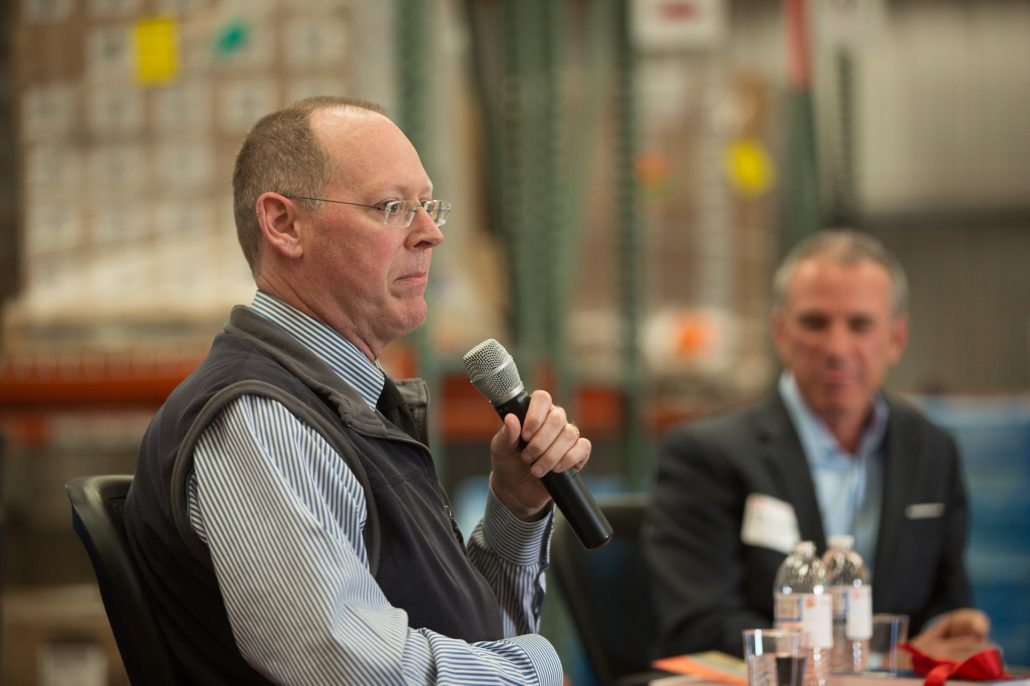
Paul Farmer: A Legacy in Global Health

Legacy in Global Health
In February 2022, the world parted with one of its most valued physicians and advocates. Dr. Paul Farmer was a man who dedicated his life, career and effort to provide medical care to developing countries struggling with poverty. At the end of his life, Dr. Farmer received various awards for his work, published a variety of books regarding global health and co-founded Partners in Health, a nonprofit organization to provide modern medicine to those in need. Those in humanitarian work and aid may only speculate what more Dr. Farmer would have accomplished if he did not lose his life so suddenly and hope that Farmer’s work can be a legacy in global health for future humanitarians.

Paul Farmer’s Start to Global Health

Dr. Farmer started with a passion for humanitarian work. After graduating from Duke University in 1982 with honors, Farmer achieved an M.D. and Ph.D. in anthropology at Harvard in 1990. Prior to achieving his Master’s degree and Doctorate, Farmer protested U.S. immigration policies that discriminated against Haitian refugees. Farmer also extended his effort to Haiti where he helped establish a community-based health project in 1983.

In 1987, Dr. Farmer co-founded Partners in Health (PIH), aiding clinics, education and training in developing countries. Since its founding, PIH has contributed to a multitude of initiatives and movements to support global health. In 1998, the organization launched the HIV Equity Initiative, a program that administers antiretroviral therapy to Haitian HIV-positive patients. The initiative would be a steppingstone for other major organizations, such as the World Health Organization (WHO) to fund efforts against HIV. In 2003, the organization co-founded OpenMRS, a source to open medical records designed for use in developing countries.

Today, there are 15.8 million active patients using the platform in 40 countries. Following the Haitian earthquake in 2010, PIH organized a vaccination campaign for the growing threat of cholera in 2012. This effort would protect 50,000 people from the deadly sickness. PIH is only one Farmer legacy in global health and the organization will only continue to grow.

Farmer’s Work with MDR TB

One of Dr. Farmer’s notable efforts in global health was in 1999 when WHO appointed Farmer and PIH co-founder Jim Yong Kim to launch global treatment programs and effective antibiotic delivery to patients suffering from multidrug-resistant tuberculosis (MDR TB). The Bill & Melinda Gates Foundation funded a grant of $44.7 million to PIH and Harvard Medical School for MDR TB research and with this fund Farmer was able to develop “individualized drug-therapy programs for patients in Haiti, Peru and Russia.”

Peru still benefits from the work that Dr. Farmer and other humanitarians have done for the international community. The World Bank recorded that in 2000, a year after Farmer began his work, the rate of tuberculosis incidences was 183 per 100,000 people. More than 20 years after Farmer’s initial work, tuberculosis incident rates went down to 116 per 100,000 people.

Haiti’s National Teaching Hospital

Farmer’s legacy in global health will live on in PIH and in the many people he helped. After the devastation that a 7.0 magnitude earthquake brought to Port-au-Prince, Haiti, killing thousands, Farmer and PIH provided emergency care and medical relief to Haitians who experienced the disaster.

The disaster caused the loss of 70% of public health buildings and 20% of the public health system’s clinical staff. Despite the odds against the aid workers and Farmer during the crisis, Farmer was able to coordinate the building of a new and larger national teaching hospital. In 2013, the creation of Build Health International (BHI) and the Hôpital Universitaire de Mirebalais (HUM) further expanded the hospital. Containing six operating rooms and with designs to hold 600 outpatients and emergency patients daily, the newly built hospital would help more than 1,500 patients daily by its second year. Today, that legacy in global health continues on as the hospital continues to grow and save lives.

Nearing the end of Farmer’s life during the pandemic, PIH launched initiatives in response to COVID-19 globally. While the world is still battling the pandemic, PIH and other organizations, people and groups can lead in Farmer’s example with his legacy in global health. With Farmer’s various achievements and efforts, Farmer’s work will continue to live on and help many more lives in the future.

– Michelanie Allcock
Photo: Flickr

March 31, 2022
https://borgenproject.org/wp-content/uploads/borgen-project-logo.svg 0 0 Jennifer Philipp https://borgenproject.org/wp-content/uploads/borgen-project-logo.svg Jennifer Philipp2022-03-31 01:30:352022-03-23 11:54:13Paul Farmer: A Legacy in Global Health
Global Poverty, Humanitarian Aid

3 Organizations Providing Aid to Ukraine

Aid to Ukraine
Tensions mounted between the Russian and Ukrainian governments for years following the fall of the Soviet Union. But, in the latter half of 2021, Russia drew immediate international attention to the region when it built up a military presence along the Russia-Ukraine border. The aggressive action received immediate criticism from the international community, and on Feb. 24, 2022, the United Nations Security Council convened to discourage further conflict. Amid the meeting, Russia launched a full-scale invasion of Ukraine. Countries, international organizations and non-governmental organizations (NGOs) are providing aid to Ukraine in response to the invasion.

The Humanitarian Consequences

Since the invasion in February 2022, Ukraine has noted more than 1,500 casualties. As of March 11, 2022, more than 3 million refugees have fled to neighboring countries and experts predict that the conflict will have broader ramifications for international security. Russian military attacks crippled hospitals and residential areas, and against this backdrop of violence, Ukrainians both in and out of the country lack important resources. Vulnerable populations, including women, children and those below the poverty line, particularly need help as they lack basic medical services and necessities like food, water and shelter.

3 Organizations Providing Aid to Ukraine

Amid the protests and violence, several countries and organizations expressed their support for the Ukrainian people by providing aid to Ukraine.

  1. CARE. As an international humanitarian organization founded in 1945 to fight global poverty, CARE provides aid to Ukraine and other conflict-ridden countries. Following the crisis in Ukraine, the organization began initiatives to assist the people most in need, especially women, children and the elderly. The organization “aims to reach 4 million people” through its Ukraine Crisis Fund and partnership with fellow organization People in Need to “distribute urgently needed emergency supplies such as food, water, hygiene kits and cash to cover daily needs.” On March 3, 2022, these necessities arrived in Lviv, Ukraine, through trucks filled with “food, diapers and sleeping bags.” In the meantime, People in Need is handing out food in heated tents to civilians along the Slovak-Ukrainian border.
  2. Project HOPE. This NGO tackles the need for medical supplies and mental health resources. Response teams on the ground coordinate with local groups to assist refugees and provide assistance to hospitals in Ukraine. On March 14, 2022, Project HOPE  shipped “22 pallets of antibiotics and surgical supplies to Lviv.” The organization is also helping hospitals maintain some normal functions while assisting displaced people with otherwise limited access to health care services. Additionally, Project HOPE provided mental health resources to refugees in Romania by supporting local NGOs, noting that “mental health needs are the most urgent health concerns for refugees at this time” as Ukrainians enter countries where they have no social network or support system.
  3. Ukraine Humanitarian Fund. The United Nations Emergency Relief Coordinator developed the Ukraine Humanitarian Fund to direct money toward relevant, effective organizations, including the Red Cross, vetted international and national NGOs and United Nations agencies. The fund lets individuals indirectly allocate aid to Ukraine. Though the pooled fund underwent establishment in 2019, the effort is more important than before as ReliefWeb notes that, since Feb. 24, 2022, “Ukraine’s security and humanitarian situation is deteriorating rapidly.” The fund provides the necessary money for “health care, food aid, clean water, shelter and other humanitarian assistance” throughout Ukraine. As the crisis worsens, the United Nations can ensure funding “reaches the people most in need when they need it.” Like CARE and Project HOPE, this fund accepts donations straight from ordinary citizens to achieve humanitarian objectives.

Looking Ahead

Though it may seem difficult to imagine an end to the years-long conflict, individuals, organizations and countries across the world are directing their attention to hurt and displaced Ukrainian populations and there are ways for ordinary citizens to help. As the crisis unfolds, it is more important than ever for ongoing relief efforts to both receive and provide aid to Ukraine to protect vulnerable populations.

– Lauren Sung
Photo: Flickr

March 17, 2022
https://borgenproject.org/wp-content/uploads/borgen-project-logo.svg 0 0 Kim Thelwell https://borgenproject.org/wp-content/uploads/borgen-project-logo.svg Kim Thelwell2022-03-17 03:01:282022-03-17 07:33:463 Organizations Providing Aid to Ukraine
Advocacy, Global Poverty, Humanitarian Aid

The Work of Audrey Hepburn’s Granddaughter

Audrey Hepburn’s Granddaughter
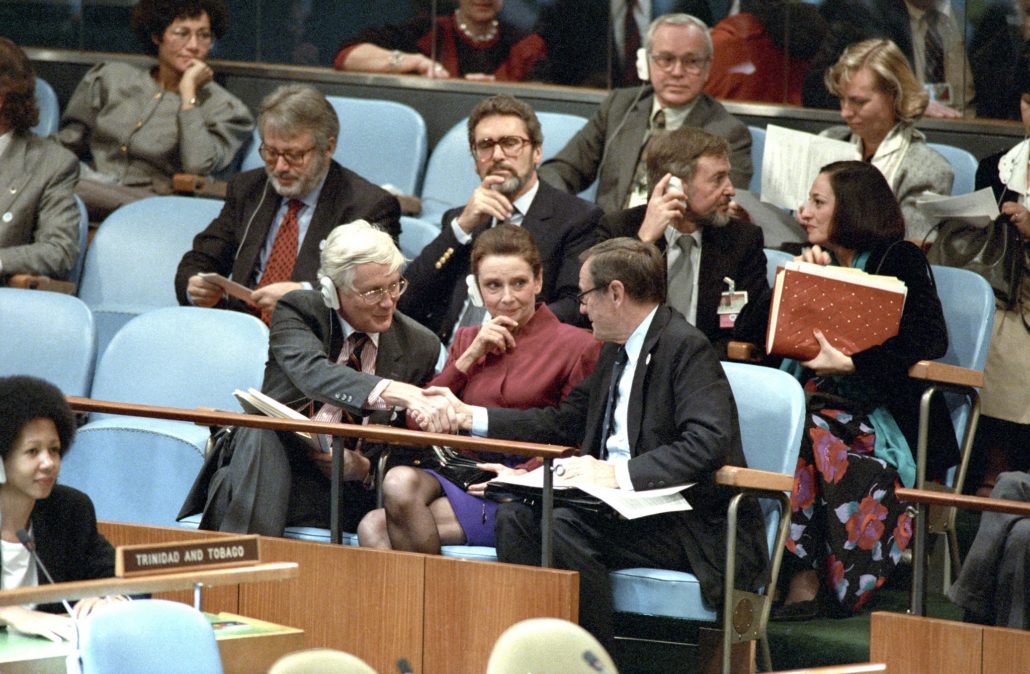
Decades after the late actress Audrey Hepburn’s passing, her granddaughter, Emma Ferrer, took on her grandmother’s legacy, becoming involved in international advocacy projects. Ferrer is a national ambassador for the United Nations High Commissioner for Refugees USA and a spokesperson for UNICEF. Here is some information about Audrey Hepburn’s granddaughter as well as some background on Hepburn’s work with UNICEF.

Audrey Hepburn’s Work with UNICEF

Late actress Audrey Hepburn’s humanitarian efforts made a significant difference in the lives of countless children. Hepburn was a Goodwill Ambassador for UNICEF. UNICEF operates in more than 190 nations and regions to ensure that every child’s rights are protected. Her commitment to the organization began after a journey to Ethiopia in the late 1980s where she sought to assist individuals in areas impacted by a severe drought that brought famine to the nation. She subsequently communicated with journalists about the work occurring in Ethiopia, and as a result of her international fame, media interest and attention grew dramatically.

In the years thereafter, Hepburn made multiple philanthropic trips, aiding in areas such as Turkey, Venezuela, Ecuador, Honduras, Guatemala, El Salvador, Bangladesh, Thailand, Vietnam and Sudan. Hepburn was a staunch advocate of UNICEF. She conducted new studies, organized ceremonies and enabled the organization to gain widespread media coverage. In 1992, she received the “Presidential Medal of Freedom,” the highest civilian honor. Despite her cancer diagnosis, Hepburn continued to work for UNICEF, traveling globally on the organization’s behalf. Hepburn died in 1993 after focusing the latter years of her life on humanitarian efforts. However, her granddaughter continues her legacy.

Emma Ferrer’s Work

Though Hepburn’s granddaughter Emma Ferrer never met Hepburn, Ferrer learned much about her grandmother through her grandmother’s legacy, which ultimately influenced her desire to follow Hepburn’s lead. Ferrer was inspired that such a high-profile celebrity would ally herself with humanitarian causes. Ferrer feels a sense of connection to her grandmother through Ferrer’s own work with UNICEF. Additionally, Ferrer is a fervent advocate of UNICEF’s work and the good that these efforts can achieve in the form of significant decreases in child fatalities, illnesses and malnutrition.

Ferrer’s passion for humanitarian endeavors began when she saw photos of lifeless children washing up on an international shore as a result of war. These heart-rending images prompted her to create artwork based on the images. In her free time, Ferrer writes on the well-being of youth in nations rife with conflict and violence. Her writing comes from extensive research and comprehension. She incorporates her understanding of the realities of disadvantaged people into her artwork.

Ferrer donated artwork proceeds to the UNHCR after her first exhibition as an art curator in 2018. She has collaborated extensively with nonprofit groups and her philanthropic activities and artwork serve to continue Hepburn’s legacy.

Ferrer reflects her grandmother’s values and fights valiantly to continue Hepburn’s legacy, notably campaigning to preserve children’s rights across the world. “I think it’s so important to have a history and a legacy that you want to carry on in your family, whether you’re famous or not,” Ferrer tells UNICEF.

– Tiffany Lewallyn
Photo: Flickr

February 3, 2022
https://borgenproject.org/wp-content/uploads/borgen-project-logo.svg 0 0 Jennifer Philipp https://borgenproject.org/wp-content/uploads/borgen-project-logo.svg Jennifer Philipp2022-02-03 01:30:392024-05-30 22:25:40The Work of Audrey Hepburn’s Granddaughter
Aid, Global Poverty, Humanitarian Aid, Refugees

Irish Aid For Afghans

Irish Aid
Colm Brophy, Minister for Overseas Development Aid and Diaspora, announced an additional €2 million in Irish Aid support less than two months after the initial €1 million, crediting the severity of the “rapidly deteriorating humanitarian [need] in Afghanistan” as the reason for the additional support. In children under the age of 5 years old, there is a high level of food insecurity and the risk of malnutrition. Minister Brophy stated in the press release that “One in three Afghans is facing crisis levels of food insecurity and more than half of all children under five are at risk of acute malnutrition.”

Ireland Aid Can Make International Changes

The aid that Ireland is providing has the potential to save lives and serve as a model for other countries to follow. Showing the actual impact of aid on Afghan refugees can also spark a positive reflection on the Afghan community, rather than the negative connection from recent conflicts.

Only a month prior, Minister of Foreign Affairs Simon Coveney announced €1 million in Irish aid for humanitarian needs in Afghanistan. This initial assistance was in addition to the €2 million that the HALO Trust, Afghanistan Humanitarian Fund (AFH) and Concern Worldwide received at the start of 2021.

The funds will go to UNICEF and the Afghanistan Humanitarian Fund (AFH). The AFH assists with the health, education and nutrition of the Afghan people.

Changing Visa Policies

On top of the Irish Aid support, Ireland has extended its refugee visas policy for up to another 150 Afghan people under the Irish Refugee Protection Program (IRPP). Ireland strongly condemns the violent action against the people of Afghanistan, especially the attacks against women and children.

It has called for safe and reliable access to humanitarian needs in Afghanistan for Aghani citizens and those who work with U.N. agencies and humanitarian partners, without exemptions. This means that even those across conflict lines must get the humanitarian access they need for safety.

Refugee Visas to Make a Difference

Ireland, which many know for its strong advocacy for women and girls, is attempting to play a role in relocating some Afghan women and girls to Ireland. There will be a priority for those who work in human rights issues and those who work with NGOs, including European and international organizations. Family reunification is also at the top of Ireland’s list in regard to the 150 refugee visas.

This is not the only way for Afghans to obtain refugee visas. There are a few protocols in place that help Afghans obtain refugee visas as long as they meet or find a way to meet the criteria. According to the 2015 International Protection Act, if an Afghani person already knows someone in Ireland who can handle their international protection application or if they have someone who will meet them at the border, they are exempt from the application fee. Deportation has also experienced less strict enforcement since COVID-19. Given the current state of Afghanistan, there is no clear answer to whether someone would experience deportation.

At the end of the day, Ireland is doing everything it can to assist with the humanitarian need in Afghanistan. In this time of crisis, it uses funds, policies and aid to do what it can. By expanding its visa list to accept more refugees, Ireland demonstrates that it will do everything possible to assist another country’s crisis.

– Veronica G. Rosas
Photo: Unsplash

November 4, 2021
https://borgenproject.org/wp-content/uploads/borgen-project-logo.svg 0 0 Kim Thelwell https://borgenproject.org/wp-content/uploads/borgen-project-logo.svg Kim Thelwell2021-11-04 07:30:422021-11-03 11:48:11Irish Aid For Afghans
Global Poverty, Humanitarian Aid, Refugees

The Reality of Life as a Refugee


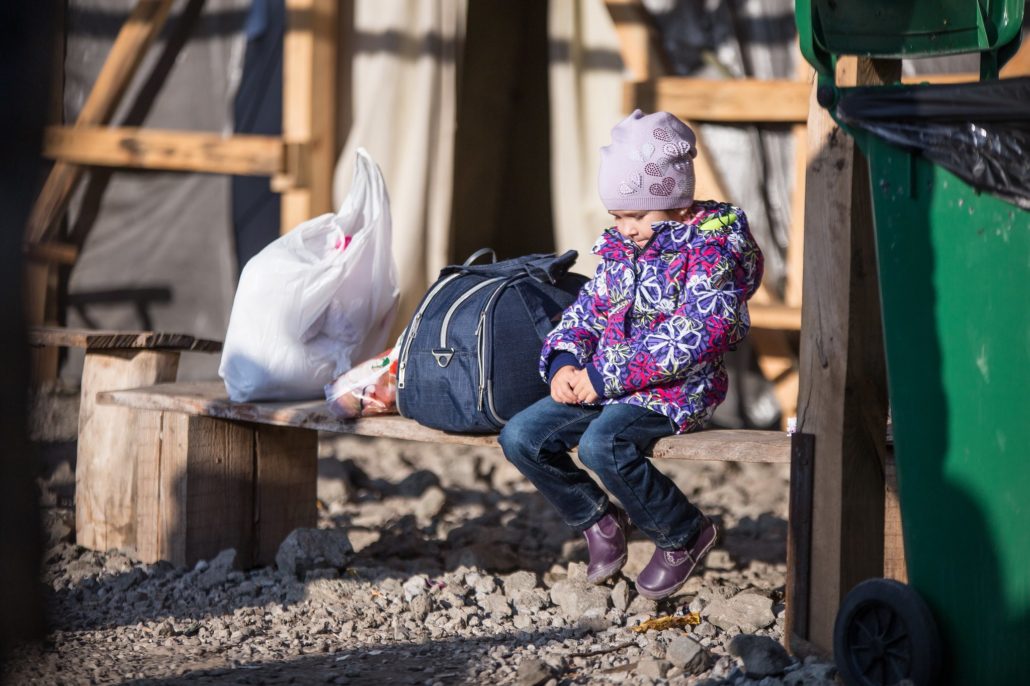
The number of people thrown into life as a refugee has increased from 21.3 million people in 2015 to 26.4 million refugees in 2020. While there is no current worldwide count for 2021, the Taliban takeover in Afghanistan is predicted to increase the number of refugees forcibly displaced by at least 515,000 people.

What is Life as a Refugee Like?

Refugees often stay in refugee camps, which provide a haven from the violence or disaster they were facing at home; however, the conditions in these camps are far from comfortably livable. Life as a refugee often includes overcrowding, a lack of food and water and a lack of sanitary methods of eliminating human waste. Refugees may be displaced for 10-26 years on average. In 2016, Brookings reported that “only 2.5% of refugees were able to return to their home countries” and only .001% became naturalized citizens in their countries of asylum.

On average, one out of three refugees suffers from mental health challenges such as post-traumatic stress disorder, depression and anxiety. These mental health challenges cause some to turn to drug use and fosters a dangerous environment in which sexual abuse and assault are rife. A 2017 UNICEF study of the Central Mediterranean refugee crisis highlights that “nearly half of women reported sexual violence and abuse throughout their journeys.” Given the nature of the topic and the fact that not all refugees worldwide had input, this statistic is not entirely representative of the refugee population but does give an idea as to some of the dangers of life as a refugee.

Action to Aid Refugees

Groups such as the U.N. Refugee Agency and the International Rescue Committee work to ensure that refugees get essential assistance by providing access to food, clean water, sanitation, healthcare and shelter. The U.N. Refugee Agency employs more than 17,878 personnel working in 132 countries and had more than 20 million refugees under its mandate as of 2019. Its budget in its first year was $300,000 which has since grown to $8.6 billion in 2019. Furthermore, the International Rescue Committee has made a vast impact in the Syrian region (Syria, Iraq, Jordan and Lebanon) and Afghanistan in particular. In the Syrian region, the committee has more than 2,000 aid workers and volunteers working to provide access to healthcare, clean water, education and the protection of women and children. Similarly, Afghanistan provides aid to more than 4 million people in approximately 4,000 communities. The organization’s work here promotes healthcare and sanitation in addition to reconstruction projects and education. Turkey, Jordan, Lebanon and Pakistan are among the top countries regarding how many refugees they host.

Additionally, with the number of Afghan refugees that could arise as a result of the Taliban’s take-over, President Biden approved up to $500 million on August 16, 2021, from the Emergency Refugee and Migration Assistance Fund to aid in evacuation and finding refuge. Additionally, in July 2021, Congress passed $1 billion of aid to Afghans for evacuations and visas. Some Democrats in Congress want to add to this amount and “are discussing putting money to help resettle Afghan refugees in the $3.5 trillion tax and spending package.”

How Refugees Affect Poverty in Countries of  Asylum

Some citizens in host countries feel that refugees drain host state resources, overexert healthcare facilities, crowd schools and deplete the host state economy. The money host countries spend to aid refugees is high, but the benefit of adding refugees to the economy as refugees recover and rebuild a life in their host countries can far outweigh this. An economic impact study of three Congolese refugee camps in Rwanda in 2015, published by Proceedings of the National Academy of Sciences makes this clear, stating that “an additional adult refugee receiving cash aid increases annual real income in the local economy by $205 to $253, significantly more than the $120-$126 in aid each refugee receives.”

The Connection Between Poverty and Refugees

Refugees face life-threatening poverty in which they lack access to proper food, sanitation, healthcare and many other necessities. The reality of life as a refugee fosters conditions for extreme poverty as refugees are often forced to flee their homes rather quickly with few or no personal belongings. Host countries that are still developing often take in refugees. While this puts a strain on host countries and temporarily increases poverty, when refugees receive the right tools to succeed, they return more money to the economy than they cost. Thus, in order to break this cycle of poverty within refugee communities organizations like the U.N. Refugee Agency and the International Rescue Committee are working to provide the support refugees need to assimilate into life in the places they seek asylum.

– Lily Vassalo
Photo: Flickr

October 6, 2021
https://borgenproject.org/wp-content/uploads/borgen-project-logo.svg 0 0 Jennifer Philipp https://borgenproject.org/wp-content/uploads/borgen-project-logo.svg Jennifer Philipp2021-10-06 07:30:332024-05-30 22:25:09The Reality of Life as a Refugee
Children, Developing Countries, Global Poverty, Humanitarian Aid

World Vision’s Every Last One Campaign

Every Last One CampaignWorld Vision is a humanitarian organization established in 1950 to help vulnerable people “reach their full potential by tackling the causes of poverty and injustice.” Since its start, World Vision has assisted in several crises throughout the world such as the Ethiopian famine in the 1980s and the HIV/AIDS epidemic in Africa in the 1990s. In 2015, World Vision launched a campaign known as Every Last One. The campaign spans eight years and amounts to $1 billion. Overall, its goal is to provide relief, assistance and opportunities to approximately 60 million vulnerable people worldwide by 2023. The aid seeks to empower people “to lift themselves out of poverty.”

Campaign Context and Details

World Vision notes that around 689 million people all over the world live in extreme poverty. This specifically translates into subsisting on less than $1.90 a day. The COVID-19 epidemic has introduced additional challenges to vulnerable people across the globe. According to the World Bank, the COVID-19 pandemic could potentially thrust 150 million people into extreme poverty by the close of 2021. In fact, the COVID-19 pandemic threatens to reverse decades of poverty reduction progress globally as well as strides made in education and health.

For this reason, the humanitarian organization has framed its Every Last One campaign in terms of “life, hope and a future.” The life aspect involves providing people with “access to clean water and essential healthcare” services. Hope refers to training and equipping teachers, parents and pastors with the skills and resources needed to “protect children from violence” and supply emergency relief aid to people facing natural disasters and other humanitarian crises.

Finally, the concept of a future focuses on economically empowering people to create “improved and resilient livelihoods” through education initiatives, books and training as well as recovery loans for those affected by the pandemic. In all its work, World Vision strives for gender equality, acknowledging that empowering girls and women is essential for reducing global poverty. To date, the call for donations and investments continues.

Financial Transparency and Accountability

World Vision has provided evidence that the Every Last One campaign is economically viable. On its website, the humanitarian organization has posted its financial reports and financial highlights of 2020 as a gesture of accountability. These highlights indicate that the organization has dedicated 88% of its operating expenses toward initiatives that help “children, families and communities in need,” with the remaining 12% set aside for management and fundraising efforts.

Moreover, the organization’s financial reports indicate that it received a grand total of $1,233 million in revenue in 2020, the majority of which came in through “private cash contributions.” It has also worked on decreasing overhead expenses by 3% from 2019 through improved stewardship practices. These figures indicate that World Vision has a sustainable system in place to make the most impact and ensure that disadvantaged people receive the most benefit.

Contributing to the Sustainable Development Goals

World’s Vision’s Every Last One campaign may prove instrumental in assisting the United Nations’ 2030 Agenda for Sustainable Development. The U.N.’s target to end global poverty by 2030 is the first among the 17 Sustainable Development Goals (SDGs) indicated in the United Nations’ Agenda. The Agenda itself recognizes that meeting such a goal within the given time frame would require massive global mobilization and collaboration among various groups and organizations. Therefore, World Vision’s own initiative may play a significant role in realizing the U.N. SDGs.

– Jared Faircloth
Photo: Flickr

September 13, 2021
https://borgenproject.org/wp-content/uploads/borgen-project-logo.svg 0 0 Lynsey Alexander https://borgenproject.org/wp-content/uploads/borgen-project-logo.svg Lynsey Alexander2021-09-13 01:30:232024-05-29 22:26:45World Vision’s Every Last One Campaign
Page 13 of 35«‹1112131415›»

Get Smarter

  • Global Poverty 101
  • Global Poverty… The Good News
  • Global Poverty & U.S. Jobs
  • Global Poverty and National Security
  • Innovative Solutions to Poverty
  • Global Poverty & Aid FAQ’s
Search Search

Take Action

  • Call Congress
  • Email Congress
  • Donate
  • 30 Ways to Help
  • Volunteer Ops
  • Internships
  • Courses & Certificates
  • The Podcast
Borgen Project

“The Borgen Project is an incredible nonprofit organization that is addressing poverty and hunger and working towards ending them.”

-The Huffington Post

Inside The Borgen Project

  • Contact
  • About
  • Financials
  • President
  • Board of Directors
  • Board of Advisors

International Links

  • UK Email Parliament
  • UK Donate
  • Canada Email Parliament

Get Smarter

  • Global Poverty 101
  • Global Poverty… The Good News
  • Global Poverty & U.S. Jobs
  • Global Poverty and National Security
  • Innovative Solutions to Poverty
  • Global Poverty & Aid FAQ’s

Ways to Help

  • Call Congress
  • Email Congress
  • Donate
  • 30 Ways to Help
  • Volunteer Ops
  • Internships
  • Courses & Certificates
  • The Podcast
Scroll to top Scroll to top Scroll to top