UNICEF’s HAC Appeal: Myanmar Stays Resilient
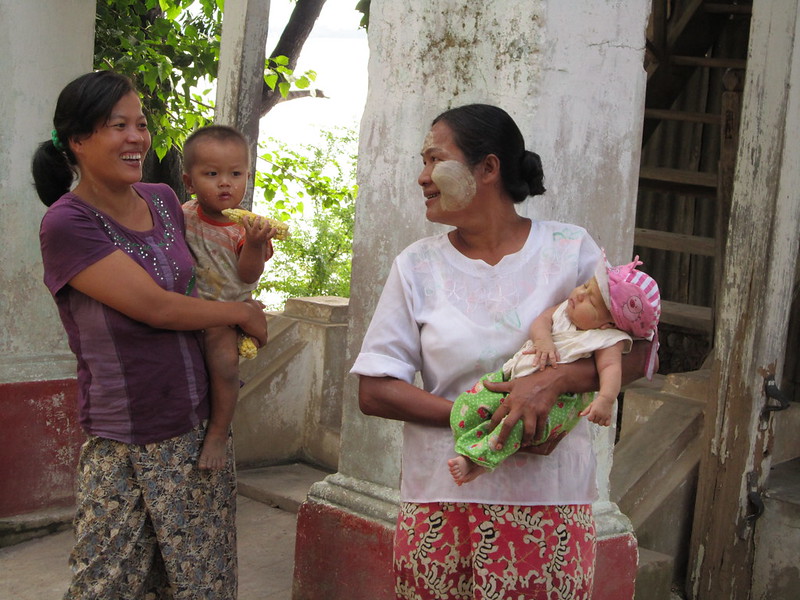 Since gaining independence in 1948, Myanmar has faced growing challenges involving its economy, internal conflict and public health. The International Rescue Committee (IRC) included Myanmar on its 2025 Emergency Watchlist, ranking it third among countries with the most significant risk of humanitarian disaster. International organizations such as UNICEF have supported the country for more than 70 years. Military juntas have governed Myanmar for most of its post-independence history. The first coup, led by General Ne Win in 1962, contributed to prolonged economic stagnation and persistent conflict between military leadership and opposition movements.
Escalating Conflict and Health Crisis Since 2021
Following the 2021 military coup by the Tatmadaw, escalating violence placed millions at risk. As of early 2025, more than 1.7 million people have been displaced. Limited access to vaccines and basic health care has contributed to Myanmar having the highest under-five mortality rate in Southeast Asia. Security conditions continue to deteriorate. Recent attacks include the arrest of opposition activists and airstrikes that have resulted in child casualties. Ground assaults have destroyed hospitals, further threatening access to health services.
Humanitarian Response by UNICEF and IRC
Organizations such as UNICEF and the IRC have worked to mitigate the crisis through long-term aid programs. UNICEF’s I.C.A.R.E. initiative combines cash assistance with rehabilitation services for children with disabilities. The agency also leads five inter-agency response priorities in Myanmar: WASH (water, sanitation and hygiene), education, nutrition, child protection and mine action.
In December 2024, UNICEF Regional Director for East Asia and the Pacific June Kunugi visited a daycare and physiotherapy center in Dala, Myanmar. Her visit included meetings with affected families and home visits to observe the program’s impact.
A beneficiary, six-year-old Wint Yamone Oo, receives support from the program, including cash transfers and mobility assistance. Wint attends therapy sessions and uses a walker provided through the initiative. The center continues to deliver services to children with disabilities and families facing displacement.
By the end of 2024, UNICEF’s HAC (Humanitarian Action for Children) appeal was launched, estimating that $208 million would be required to deliver critical services to 3.1 million vulnerable people across Myanmar.
Local Partnerships and Service Expansion
To ensure aid reaches marginalized populations, UNICEF partners with civil society organizations, nongovernmental organizations and other United Nations (U.N.) agencies. These partnerships help extend access to health and social protections and incorporate community feedback into service delivery.
UNICEF emphasizes the importance of collaboration with local-based actors to enhance program reach and responsiveness. This approach helps tailor support based on regional needs and reinforces long-term community engagement.
While UNICEF’s 2023 HAC appeal remained underfunded, ongoing efforts aim to secure greater donor support for 2024. UNICEF continues to advocate for sustainable funding to ensure continued assistance for children and families affected by conflict in Myanmar.
Looking Ahead
Ongoing support from international organizations remains vital as Myanmar continues to navigate its humanitarian crisis. Strengthening partnerships with local actors and expanding access to essential services could help protect vulnerable populations and lay the groundwork for long-term recovery.
– Rachael Wexler
Rachael is based in Chicago, IL, USA and focuses on Global Health for The Borgen Project.
Photo: Flickr
