Urgent Humanitarian Aid for Africa’s Flooding Crisis
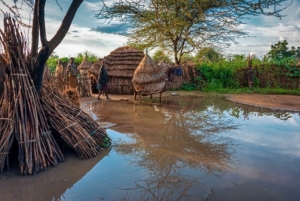 Severe floods are damaging communities across Africa, displacing families, submerging entire villages and damaging critical infrastructure. The 2024 rainy season has caused Africa’s flooding crisis and countries like Chad, Niger, Nigeria and South Sudan endure some of the worst impacts, with communities suffering from destroyed homes, lost livelihoods and rising food insecurity. In response, several nongovernmental organizations (NGOs) are working swiftly to deliver life-saving resources such as food, shelter and medical care.
The Scope of the Crisis
The United Nations Office for the Coordination of Humanitarian Affairs (OCHA) reports that floods in 2024 have affected 7.1 million people across the Sahel region. The death toll and number of injuries from Africa’s flooding crisis have risen sharply, with 1,526 people reported dead and 4,499 others injured so far this year.
The relentless rainfall has destroyed more than 639,000 homes, affecting 645 schools and 169 health facilities across the region. In South Sudan alone, nearly 380,000 people have been forced to flee as floods submerge entire villages, leaving families without shelter or basic resources. Chad remains the worst-hit country, with 1.9 million people affected by the flooding.
Economic and Health Impacts
Agriculture, a vital economic driver in many African regions, has been severely impacted by the flooding. In Chad, the natural disaster has wiped out 880,000 acres of farmland and killed nearly 70,000 cattle. This has intensified hunger risks in a country where 3.4 million people already face acute food insecurity. Nigeria has also suffered catastrophic losses, with more than 300,000 acres of farmland destroyed. The loss of crops exacerbates food insecurity and undermines economic stability in regions heavily reliant on agriculture as a primary source of income.
The floods have also triggered hazardous health conditions, especially in displacement camps where overcrowding and inadequate sanitation are contributing to the spread of waterborne diseases. In July 2024, the World Health Organization (WHO) reported 1,094 cases of cholera in Nigeria alone. Meanwhile, in South Sudan, by September 2024, up to 400 children per week were being hospitalized for severe malaria. The scale of the crisis underscores the urgent need for coordinated aid efforts to help displaced communities and rebuild essential health infrastructure, restoring stability to affected regions.
IFRC
The International Federation of Red Cross and Red Crescent Societies (IFRC) is actively supporting flood-stricken communities in Chad, Niger, Nigeria and South Sudan. Red Cross teams are distributing essential aid, including shelter, food and sanitation facilities, to those affected by the floods. The organization has also launched a relief fund to help flood victims, providing essential supplies and tackling disease risks in overcrowded camps. Efforts include distributing mosquito nets and hygiene kits to prevent malaria and cholera outbreaks. This protects vulnerable communities from additional health threats caused by the floods.
UNICEF’s WASH Programs
UNICEF is ramping up its Water, Sanitation and Hygiene (WASH) programs across Africa, delivering crucial support to flood-affected communities. In Chad, UNICEF responded swiftly within the first 48 hours of the floods by constructing latrines for 2,200 people and restoring water points for 3,000 individuals. Additionally, the team distributed essential household items to 1,000 people. It also offered therapeutic food to children younger than 5 years old to address immediate nutrition needs.
In Nigeria, UNICEF is partnering with local authorities to register 5,000 households for emergency cash distributions to support those in urgent need. Teams are distributing water purification tablets, setting up portable toilets and running hygiene campaigns to keep families safe from waterborne diseases.
The World Food Programme
After floods submerged 50% of Maiduguri, Nigeria, the World Food Programme (WFP) swiftly set up food kitchens in four camps. These kitchens provide flood-affected families with nutritious meals, including rice and beans, as they seek refuge from their homes. WFP is also delivering emergency food and cash support to Chad and Niger. This critical aid helps families meet their urgent food and nutrition needs while they work to rebuild their lives.
Building Resilience for Long-Term Recovery
Africa’s flooding crisis highlights an urgent call for both immediate aid and sustainable recovery initiatives that can help communities withstand future disasters. As Bob Kitchen, Vice President for Emergencies at the International Rescue Committee (IRC), explains, “Anticipatory action is crucial to how we respond to climate shocks. It enables us to provide earlier and targeted assistance to help populations caught up in the vicious cycle of poverty, conflict and displacement challenges” heightened by climate instability.
While immediate aid response is essential, long-term recovery plans are equally crucial for sustainable change. In partnership with the WFP in Nigeria, the African Development Bank has proposed a $1 billion infrastructure recovery plan for Africa, prioritizing flood-resistant roads and reinforced housing to withstand future disasters. Indeed, these recovery efforts prioritize sustainable agriculture and stronger health care systems to help communities fully recover and better withstand future flooding. Ultimately, these resilience measures are vital to reducing the long-term impact of natural disasters in impoverished African communities.
– Nour Mostafa
Nour is based in Gloucester, UK and focuses on Good News and Global Health for The Borgen Project.
Photo: Flickr
