• Link to X
  • Link to Facebook
  • Link to Instagram
  • Link to TikTok
  • Link to Youtube
  • About
    • About Us
      • President
      • Board of Directors
      • Board of Advisors
      • Financials
      • Our Methodology
      • Success Tracker
      • Contact
  • Act Now
    • 30 Ways to Help
      • Email Congress
      • Call Congress
      • Volunteer
      • Courses & Certificates
      • Be a Donor
    • Internships
      • In-Office Internships
      • Remote Internships
    • Legislation
      • Politics 101
  • The Blog
  • The Podcast
  • Magazine
  • Donate
  • Click to open the search input field Click to open the search input field Search
  • Menu Menu

Archive for category: Human Trafficking

Developing Countries, Global Poverty, Human Trafficking

Addressing Human Trafficking in Burundi

Human Trafficking in Burundi
Burundi is a landlocked East African country bordering Tanzania and Rwanda. The majority of its population faces extreme poverty, with 65% of Burundians falling below the poverty line. In Bujumbura, the country’s capital, agricultural workers earn an average wage of 3,000 francs ($1.82) per day. In rural areas, the minimum wage is a third of the capital city’s, forcing rural workers to make ends meet on less than a dollar a day. Many Burundians lack access to clean water and basic sanitation and less than 5% have electricity. In addition to a high rate of extreme poverty, political instability and widespread violence have led to an increase in human trafficking in Burundi.

Trafficking in Supply Chains and “Cash Crops”

The Education Policy Data Center found that, as of 2014, 62% of Burundians aged 15-24 never complete primary education. Child labor is common, especially in agriculture. The International Labour Organization (ILO) and the Government of Burundi found, in a collaborative study, that child labor was commonly used to harvest “cash crops” such as coffee. Forced labor also occurs, sometimes because of human trafficking.

Gold mining is another Burundian industry plagued by human trafficking. According to the U.S. State Department, children and young adults often fall victim to forced labor in the gold mines surrounding the city of Cibitoke. The U.S. State Department also finds that traffickers try to recruit people they know into forced labor.

Children are the most common victims since they are easier to mislead and exploit for monetary gain. Burundi’s primary catalysts for human trafficking are its major industries. Implementing anti-trafficking protocols within these industries and refusing to buy exports produced using forced labor and trafficking would go a long way toward ending human trafficking in Burundi.

The Impact of Human Trafficking on Burundian Families

Young women and children are especially vulnerable to human trafficking. Many leave their families because of traffickers’ false promises of “good jobs,” which women and children see as their only chance to escape poverty. Human trafficking also causes emotional trauma for families with members who have been trafficked. NGOs working in the area believe that between 500 and 3,000 young women from Burundi became trafficking victims in the Middle East between 2015 and 2016.

OLCT, a Burundian NGO that stops transnational crime, reported that at least 527 girls and women arrived in Middle Eastern countries in 2017 as a result of human trafficking. Additionally, more than 250 girls and women arrived in the Middle East in 2018. According to the chairman of OLCT, Qatar is the most common place internationally trafficked Burundian girls end up in due to preparations for the 2022 World Cup.

Human trafficking in Burundi and the exploitation of young girls for monetary gain is a major problem in Burundi. However, ending human trafficking is possible with the proper prevention programs. Burundians stand to benefit both emotionally and economically from greater support from both the African and international communities in preventing human trafficking and keeping families together.

Ending Human Trafficking in Burundi

In April 2021, the Ugandan police intercepted a human trafficking caravan in transit to another nation. The police saved 29 Burundian girls and arrested and charged five human trafficking racket suspects. According to a Ugandan police spokesperson, the girls’ destination was likely the sex trade. Uganda is a cut-through country for traffickers bringing girls into other countries. Human trafficking in Burundi and Africa as a whole will end only if bordering nations cooperate with each other. Uganda’s rescue of 29 young girls displays what can happen when nations work together.

The Burundi Counter-Trafficking Project

Gaston Sindimwo, the vice president of Burundi as of 2019, says that fighting human trafficking requires universal respect for human rights and the understanding that human trafficking is a global issue. In 2019, the International Organization for Migration (IOM) partnered with the Burundian Government to launch Burundi Counter-Trafficking, a project to strengthen the government’s capacity to fight human trafficking.

The Netherlands has fully funded the $3 million project, which will run until the end of 2022. Caecilia Wijgers, the Netherlands’ ambassador to Burundi as of 2019, stressed the need to protect people suffering exploitation and deception. Funding from the Netherlands has limited the number of trafficking rackets in the past few years and has allowed Burundi to work with its neighbors to stop trafficking throughout the continent.

The Burundi Counter-Trafficking project is helping reduce human trafficking in Burundi. However, much work still lies ahead in order to end the exploitation of Burundians and ensure no more families suffer as a result of human trafficking.

– Curtis McGonigle
Photo: Flickr

July 13, 2021
https://borgenproject.org/wp-content/uploads/borgen-project-logo.svg 0 0 Kim Thelwell https://borgenproject.org/wp-content/uploads/borgen-project-logo.svg Kim Thelwell2021-07-13 11:31:312024-05-30 22:23:56Addressing Human Trafficking in Burundi
Human Rights, Human Trafficking

How Human Trafficking in Saudi Arabia Moved to the Online Black Market

Human trafficking in Saudi ArabiaThe nation of Saudi Arabia is working to address a modernized form of human trafficking — apps that allow for the quick purchase of a domestic worker. According to the United States Department of State, during the 2019 reporting period, Saudi Arabia investigated 79 human trafficking cases and prosecuted 42. While this represented a significant decrease from the previous year, it still demonstrates the large scope of forced labor operations and human trafficking in Saudi Arabia.

The Transaction of Human Trafficking

The digital world has changed the transaction process of many dealings. Unfortunately, this is also the case for human trafficking. Following the investigation of an undercover BBC News Arabic team, it is understood that modern slavery has moved to the online black market. Now, a buyer can purchase a domestic worker by downloading an app, such as Haraja or 4sale, and picking from a catalog of domestic laborers, ranging from maids to construction workers. Each person has a short description attached with comments on their character and work ethic. The apps also allow users to filter findings based on race. In one instance, a listing reads, “African worker, clean and smiley.”

Laborers are often bought for $2,000 to $3,000. When someone buys a laborer in the Middle East, a legal framework called the Kafala system places the worker under the control of their employer, who is responsible for their visa and legal status. The laborer cannot quit or leave the country without the permission of their buyer, and workers have no rights under the host country’s labor laws. The Kafala system is a program meant to monitor migrant workers in Gulf nations like Saudi Arabia and Kuwait. However, because employers can abuse and exploit their workers, the system inevitably creates a lucrative human trafficking market.

An employer can also sell their laborer for a profit. Whoever will pay the most will acquire the worker. Moreover, popular apps now power this negative cycle of buying and selling workers. Although this form of extortion is illegal in Saudi Arabia, the magnitude of immigrant workers and the corruption in law enforcement make it difficult to stop.

Who are the Laborers?

The laborers who end up in Saudi Arabia often come from surrounding developing nations like Ghana and Guinea. Unfortunately, Saudi Arabia is not the only nation facing this kind of online human trafficking. For example, people buy and sell laborers through apps in Kuwait in the same manner.

In 2019, the undercover BBC News Arabic team went to Kuwait to discover how easy it was to buy another person online through these human trafficking apps. The journalists posed as a married couple interested in buying a maid. They searched the websites and apps in hopes of talking to one of the laborers. Eventually, a seller offered them a 16-year-old maid. Having an underage worker is both illegal in Saudi Arabia and Kuwait and is also in violation of international human rights laws. The journalists took their information to the police. Within a few days, they found the girl a new home with an adopted family in Guinea. Unfortunately, many laborers cannot escape the cycle of human trafficking because of the Kafala system and continue to experience extreme abuse and dehumanization. 

Government Efforts

The nation of Saudi Arabia has been labeled a Tier 2 on the U.S. Department of State watch list for human trafficking in 2020. According to the U.S. government, “The Government of Saudi Arabia does not fully meet the minimum standards for eliminating trafficking but is making significant efforts to do so.”

In 2020, Saudi Arabia moved from a Tier 3 to a Tier 2. This is because of the implementation of the National Referral Mechanism (NRM). The plan is to help victims of extortion by establishing prevention measures and protective resources. This program hopes to stop or reduce the amount of slavery and human trafficking in Saudi Arabia.

The NRM works alongside the United Nations Office on Drugs and Crime (UNODC) and the International Organization of Migration (IOM) to end human trafficking. The NRM has many facets to reach this goal. It provides help phone lines, data collection and training to spot and stop human trafficking. The program uses the combined efforts of education and policy to reduce and eventually end human trafficking in Saudi Arabia. Although the issue is still prevalent, efforts to stop human trafficking in Saudi Arabia are moving in the right direction.

– Rachel Wolf
Photo: Flickr

July 12, 2021
https://borgenproject.org/wp-content/uploads/borgen-project-logo.svg 0 0 Jennifer Philipp https://borgenproject.org/wp-content/uploads/borgen-project-logo.svg Jennifer Philipp2021-07-12 07:30:552021-07-08 11:15:00How Human Trafficking in Saudi Arabia Moved to the Online Black Market
Global Poverty, Human Trafficking

10 Facts About Human Trafficking in Nicaragua

Human Trafficking in Nicaragua
Human trafficking became a topic of global concern in the 1990s. However, governments, international organizations and nonprofits are continuing to research the issue and come up with new ways to prevent it. Less research exists on human trafficking in Latin America and the Caribbean in comparison with Asia and Europe. However, the available information highlights a few key aspects of human trafficking in Nicaragua.

10 Facts About Human Trafficking in Nicaragua

  1. Nicaragua’s Location: Nicaragua is a country in Central America. It is between Honduras to the north and Costa Rica to the south. This makes it a common transit country for migrants traveling between South America and North America. Migrants are one of the groups facing the highest risk of human trafficking and exploitation.
  2. Nicaraguan Migrants: Many of the Nicaraguan migrants who become trapped in human trafficking end up in Costa Rica. This corresponds with migration flows. Since 2018, more than 72,000 Nicaraguan migrants have fled to Costa Rica. Nicaraguan migrants are also victims of human trafficking in other Central American countries, Mexico, the United States and Spain.
  3. Women and Children: In addition to migrants, women and children face the highest risk of human trafficking in Nicaragua. In 2018, girls and women represented 79% of trafficking victims in Central America and the Caribbean. Traffickers utilize the majority of victims in Central America for the purpose of sexual exploitation.
  4. Human Trafficking Numbers: Walk Free’s Global Slavery Index estimated that 18,000 people in Nicaragua were living in modern slavery in 2018. Modern slavery encompasses a range of exploitative situations, including forced labor and debt bondage. It also includes human trafficking.
  5. Nicaragua’s Trafficking Status: In the 2020 Trafficking in Persons Report, the U.S. Department of State downgraded Nicaragua from a Tier 2 to a Tier 3 country. This means that Nicaragua does not meet the established standards for achieving the elimination of human trafficking. It also means that the Nicaraguan government is not making a significant effort to meet those standards.
  6. The Vulnerability of the Impoverished: Poverty increases the vulnerability of people to trafficking and exploitation. Human traffickers often target vulnerable individuals. Poverty can also drive family members to sell children to traffickers or become traffickers themselves. According to the World Food Programme (WFP), 30% of Nicaraguans live in poverty and 8% live in extreme poverty.
  7. Illiteracy and Unemployment: In addition to poverty, illiteracy and unemployment also increase the risk of human trafficking in Nicaragua. In 2015, 83% of Nicaraguans ages 15 and above were literate. Illiteracy and unemployment increase individuals’ vulnerability and make it more difficult for trafficked persons to escape traffickers and avoid future dangerous situations.
  8. Anti-trafficking Treaties and Protocols: Nicaragua is a party to multiple international anti-trafficking treaties and protocols. Some examples include the U.N. Protocol to Prevent, Suppress and Punish Trafficking in Persons and the International Labour Organization Convention 105 on the Abolition of Forced Labor. By being a party to these treaties and protocols, the Nicaraguan government recognizes human trafficking as illegal and states that it will work to prevent human trafficking.
  9. The U.S. Government: The U.S. government has paid increasing attention to preventing human trafficking in Latin America and the Caribbean. In 2016, the government dedicated $11 million to anti-trafficking efforts in Latin America. The funds go toward a variety of anti-trafficking projects, including working with governments in Latin America to solve specific challenges in preventing human trafficking that those governments are facing.
  10. Casa Alianza Nicaragua: One of the many nonprofit organizations fighting human trafficking in Nicaragua is Casa Alianza Nicaragua. Casa Alianza, or Covenant House in English, provides housing and support for children trafficking victims and teenage mothers who were trafficking victims. It can hold up to 70 children each night. It also offers courses in sewing, baking, jewelry-making and small business administration to the residents of its shelters. This helps to combat poverty and decreases vulnerability to future trafficking. Casa Alianza partners with other nonprofits to improve victim identification, build local capacity and provide help to suspected trafficking victims. The nonprofit has contributed to decreased gang activity in the area and increased school attendance among children.

Hope for the Future

Although the Nicaraguan government has decreased its efforts to combat human trafficking, many other countries and organizations continue to work to prevent human trafficking in Nicaragua. Casa Alianza is just one example of the existing anti-trafficking work in Nicaragua. Research on human trafficking in Latin America and the Caribbean is growing, and this will enable governments and NGOs to more effectively prevent human trafficking and support victims.

– Camden Eckler
Photo: Flickr

July 9, 2021
https://borgenproject.org/wp-content/uploads/borgen-project-logo.svg 0 0 Kim Thelwell https://borgenproject.org/wp-content/uploads/borgen-project-logo.svg Kim Thelwell2021-07-09 07:30:582021-07-06 12:11:1410 Facts About Human Trafficking in Nicaragua
Child Labor, Children, Global Poverty, Human Trafficking

Understanding Human Trafficking in Bhutan 

Human Trafficking in Bhutan Forced labor and commercial sexual exploitation of children are forms of human trafficking occurring around the world, including Bhutan. Limited research means precise statistics on human trafficking in Bhutan are hard to find. The Royal Government of Bhutan has not accepted the United Nations Convention against Transnational Organized Crime, a treaty that 147 states signed and enforced in 2003. This often leads to Bhutanese courts dismissing charges that meet the international definition of human trafficking.

The Definition of Human Trafficking

The international definition of human trafficking is “the recruitment, transportation, transfer, harboring or receipt of persons by improper means (such as force, abduction, fraud or coercion) for an improper purpose.” Bhutan’s definition is an individual who “recruits, transports, sells or buys, harbors or receives a person through the use or threat of force or deception within, into or outside of Bhutan for any illegal purpose.”

Human Trafficking in Bhutan

According to the U.S. Department of State, “Bhutan does not fully meet the minimum standards for the elimination of trafficking but is making significant efforts to do so.” The U.S. Department of State upgraded Bhutan to its Tier 2 Watch List because of several positive signs of progress. For instance, Bhutan convicted one person under the human trafficking statute and appealed dismissed trafficking charges in another case. Furthermore, Bhutan investigated “reports of labor exploitation” and worked to implement “anti-trafficking training and public awareness events.”

Bhutan is on the Tier 2 Watch List, which means that the country does not completely comply with the Trafficking Victims Protection Act. However, it is making an effort to meet the standards set. Bhutan has this designation because there is not enough evidence supporting the successes of the government’s actions to combat trafficking and estimates determine that the number of victims is significant or increasing.

Tier 1 refers to countries that fully comply with the Trafficking Victims Protection Act of 2000 and Tier 3 includes countries that do not comply and are not making an effort to improve. Bhutan was designated as a Tier 3 country in 2019 and ranked as a Tier 2 country from 2013 to 2017. Bhutan has been on the Watch List as of 2018. While it appears the Royal Government of Bhutan is making strides, evidence is scarce regarding the success of its anti-trafficking measures.

Protecting and Assisting Victims

Project hope was founded in 2004 by Queen Mother Sangay Choden Wangchuck. In 2019, Project Hope changed to Respect, Educate, Nurture and Empower Women (RENEW). Project Hope formerly protected children from labor exploitation by providing shelters. However, the program expanded to RENEW, which not only gives shelter to both women and children but also provides counseling and rehabilitation to victims. Women and children are often the victims of human trafficking, necessitating a program with a special focus on them. From January 2020 to December 2020, the program provided counseling services to 39 people affected by human trafficking.

Meanwhile, the U.S. Department of State’s Trafficking in Persons Office funded a $750,000 program to help the Bhutanese police investigate human trafficking in Bhutan. The UNODC is responsible for implementing the program. The program helps enforce the Standard Operating Procedure for Multi-Sectoral Response to Address Trafficking in Persons in Bhutan. So far, the program has provided training for 16 journalists, 82 police officers and 95 prosecutors. The program also includes training so that people know how to protect themselves from human trafficking when working overseas.

Communication Through Task Forces

Organization is essential for efficiency and the Child Labor Task Force focuses on organizing efforts from multiple agencies and ministries. Government officials, international organizations, civil society organizations and the private sector make up the Task Force. However, a lack of research on its activities means its efficiency is unclear.

Monitoring trends of human trafficking in Bhutan, advising policies to implement and organizing anti-trafficking efforts are some of the main responsibilities of the Trafficking in Persons Special Task Force. The Department of Law and Order leads it but other government agencies and civil society organizations help the task force.

Eliminating Human Trafficking in Bhutan

Continued improvements and diligence are essential to eliminating human trafficking in Bhutan. Fortunately, the U.S. Department of State recommends several possible and plausible solutions. These include:

  • Use the international definition of human trafficking
  • Train and educate people to improve proactive victim identification
  • Create and publish an assessment of any and all forms of human trafficking in Bhutan
  • Increase funding to projects helping victims
  • Educate labor inspectors to identify cases of forced labor
  • Increase investigations and prosecutions of traffickers and increase sentencing
  • Eliminate recruitment fees for workers and investigate contract switching or cases of not paying wages

Human trafficking in Bhutan can decrease even further with solutions created by organizations and programs already in place. Cooperation, organization, enforcement and education can and are undergoing improvement, especially in the last few years. However, more clear evidence is necessary to fully understand the full picture.

– Alex Alfano
Photo: Flickr

July 9, 2021
https://borgenproject.org/wp-content/uploads/borgen-project-logo.svg 0 0 Jennifer Philipp https://borgenproject.org/wp-content/uploads/borgen-project-logo.svg Jennifer Philipp2021-07-09 01:30:532021-07-12 00:50:27Understanding Human Trafficking in Bhutan 
Global Poverty, Human Trafficking, Women's Rights

5 Ways to Combat Human Trafficking in Azerbaijan

Human Trafficking in Azerbaijan
An Azerbaijani woman called Gulnara took a job in Turkey to support her daughter and her sick father. Upon her arrival, Gulnara’s contact in Turkey took her passport and forced her into prostitution. After a year, Gulnara was able to escape and return to Azerbaijan. The Azerbaijani Government Department on Combating Trafficking in Persons referred her to a shelter for human trafficking survivors. The IOM-implemented shelter is part of an initiative that the United States Agency for International Development (USAID) funds. Azerbaijan has been working tirelessly to combat human trafficking to ensure vulnerable people like Gulnara receive protection.

5 Ways to Combat Human Trafficking in Azerbaijan

  1. Decrease the Gender Gap. Azerbaijan has one of the highest gender inequality gaps of the countries that left the Soviet Union. Women lack the economic opportunities that men have. The women’s workforce participation rate in 2018 was 68.7% in contrast to 73.9% for men, a statistic that has barely changed since 2012. Further, females form 96.6% of people who do not work due to household and caregiving responsibilities. Minimal economic prospects can lead to people being lured into sexual exploitation and human trafficking. Providing women with more and improved economic opportunities could help prevent these situations.
  2. Provide Long-term Assistance. In 2018, the Anti-Trafficking Review published a study in which it interviewed 22 Azerbaijani survivors of human trafficking. The survivors believed that long-term help, including assistance with “job placement and family reunification,” could better help them rebuild their lives. Only nine of the 22 interviewees had full-time paid jobs at the time, while nine others had no paid jobs at all. Secure employment provides a steady income flow to economically empower women.
  3. Reunite Survivors and Families. Victims of human trafficking in Azerbaijan often end up disconnected from their families. By reconnecting with their families, victims can return to some semblance of normalcy. However, there is a stigma surrounding sex work that can impact familial relations. If organizations work to combat this stigma, survivors can repair relationships and gain much-needed emotional familial support that will reduce the chance of victims falling prey to human trafficking again.
  4. Address the Root Causes. People struggling economically, like Gulnara, are prime targets for human trafficking. Using foreign aid to create more programs to combat poverty could decrease human trafficking in Azerbaijan. In a 2020 report, the U.S. Department of State noted that Azerbaijan had increased the funds allocated for victim protection and shelters from $86,760 to $114,530. This is an important increase, but it only helps after the fact. Greater funds could go toward helping people living below the poverty line before traffickers lure them into human trafficking.
  5. Prosecute Human Trafficking in Azerbaijan. The U.S. Department of State encourages Azerbaijan to convict more traffickers and issue harsher sentences as many Azerbaijani judges issue suspended sentences. In 2018, 20 traffickers received suspended sentences. The Azerbaijan government can create a powerful deterrent by more effectively convicting human traffickers.

Azerbaijan’s Progress

In 2020, Azerbaijan remained on the Tier 2 Watch List of the U.S. Department of State. This designation means the country “does not fully meet the minimum standards for the elimination of trafficking but is making significant efforts to do so.” From 2020 through 2024, the government of Azerbaijan’s National Action Plan on Combating Trafficking in Human Beings will target and address the root causes of human trafficking while improving support services for victims.

USAID Assistance

Since 2015, USAID has supported three shelters in Azerbaijan. These shelters “provided direct assistance to more than 100 confirmed and presumed victims of trafficking” between 2015 and 2018. The shelters also helped more than 1,000 people who were vulnerable to trafficking. The shelters provide “psychological, medical and legal support” services.

Azerbaijan created a human trafficking hotline center to provide information on services and relay necessary information to law enforcement officials. As of 2021, the hotline aims to incorporate an online system to allow workers to screen calls in a more efficient and detailed manner.

Human trafficking in Azerbaijan is progressing in the right direction. With commitment and continuity, Azerbaijan can improve its human trafficking tier ranking, protecting thousands of vulnerable people in the process.

– Alessandra Heitmann
Photo: Wikimedia Commons

July 8, 2021
https://borgenproject.org/wp-content/uploads/borgen-project-logo.svg 0 0 Kim Thelwell https://borgenproject.org/wp-content/uploads/borgen-project-logo.svg Kim Thelwell2021-07-08 07:30:362024-05-30 22:23:485 Ways to Combat Human Trafficking in Azerbaijan
Children, Developing Countries, Human Trafficking, Women, Women & Children

The Fight Against Human Trafficking in India

Problems and Solutions with Human Trafficking in India
With its current population of 1.3 billion people, India is the second-largest country in the world. However, with its size comes a myriad of human rights issues. With so many people in one country, many of them can easily fall under the radar. Human trafficking in India is one of the most prominent human rights issues within the country.

In India, kidnappings for labor and sexual needs have been constant. In 2020, a U.S. Department of State report identified India as a Tier 2 country. In spite of many genuine efforts, the country remains hindered by its inadequate solutions to alleviate the problem and the department feels that India did not sufficiently ensure the mitigation of the issue. Enslavement has also been a common issue. In 2016, the Global Slavery Index found that 18 million people out of 46 million people are enslaved in India.

Trafficking of Women

Within the system of human trafficking in India, most of those victimized are either women or minors. In 2016, The National Crime Records Bureau estimated that 33,855 people in India have been victims of kidnapping for the purpose of marriage. Half of this percentage consisted of individuals under 18 years of age. Kidnappers most commonly force women into commercial sex and indentured servitude.

Bride trafficking has also been a consistent commodity due to skewed sex ratios in certain areas. There has been a lack of women for the larger male population to marry, so many buy their partners. A UNODC report in 2013 found that of the 92 villages of the Indian state of Haryana, nine out of 10 households bought wives from poor villages in other parts of the country. The report also mentioned that most of the women experienced abuse and rape as well as working like slaves.

Child Kidnappings

Alongside the trade of women, many child kidnappings occur. Kidnappers force many of the victims into servitude within industries of agriculture and manufacturing. In 2016, the Central Bureau of Investigation estimated that 135,000 children become victims of human trafficking in India annually. Many of the Indian train stations, such as Sealdah in the city of Kolkata, have had reports of youth kidnapping. Due to the frantic environment of the station, most of these disappearances go unnoticed. A lot of these children either live near the station due to poverty and abuse at home or travel out to work despite the danger and illegality of child labor. Children have also experienced kidnapping during natural disasters. During an earthquake in Nepal, traffickers targeted children whose parents had lost their lives. Wherever traffickers send these children, they work in brutal conditions and receive little pay or nothing at all.

Action in Legislation

Despite the magnitude of the issue and the bleakness it presents, there are glimmers of hope. The government and the public have pushed to mitigate these problems. Prosecution and the tracking of victims are becoming a focus of legislation creation. The Ministry of Women and Child Development has worked to develop a new law to combat the issue. The draft law will include measures to make placement agencies compulsory and rules to monitor where workers are from and where they are going. The 2020 Department of Justice report recommended that increased prosecutions and legislation are necessary to combat the issues.

There are also Non-Governmental Organizations (NGOs) that can give outside assistance in helping trapped women escape. One such group is Chetanalaya, which is the social action group of the Archdiocese of Delhi. Started in 1970, the organization focuses on mobilizing volunteer groups and state and union governments to assist in its efforts. The group has managed to liberate more than 800 enslaved domestic workers in the past two decades.

Helping Faceless

With the rise of technology in India, many have looked to use new innovations to assist in their cause. An example of this is the app Helping Faceless. Created in 2013, it helps fight child kidnapping and trafficking through the use of search engines that use facial recognition to help find wandering youth. To assist in helping women, the website is available for anonymous documentation of sexual assaults and other horrific experiences. By 2015, 5,000 downloads had occurred and the app continues to grow with attempts to improve the technology. Moreover, some are proposing to bring it to other countries that have similar human rights issues.

Going Forward

While the current issues regarding human trafficking in India are immense, the information and technology available can help alleviate the problem. Looking into a problem is one of the best steps in creating a good future and, while it may take a while, there is reason to hope. With the large population in the country, there are many individuals who have survived these experiences and are ready to fight to ensure that others will not endure them.

– John Dunkerley
Photo: Flickr

July 7, 2021
https://borgenproject.org/wp-content/uploads/borgen-project-logo.svg 0 0 Jennifer Philipp https://borgenproject.org/wp-content/uploads/borgen-project-logo.svg Jennifer Philipp2021-07-07 10:19:522021-07-07 10:19:52The Fight Against Human Trafficking in India
Human Trafficking, Slavery

5 Books About Human Trafficking

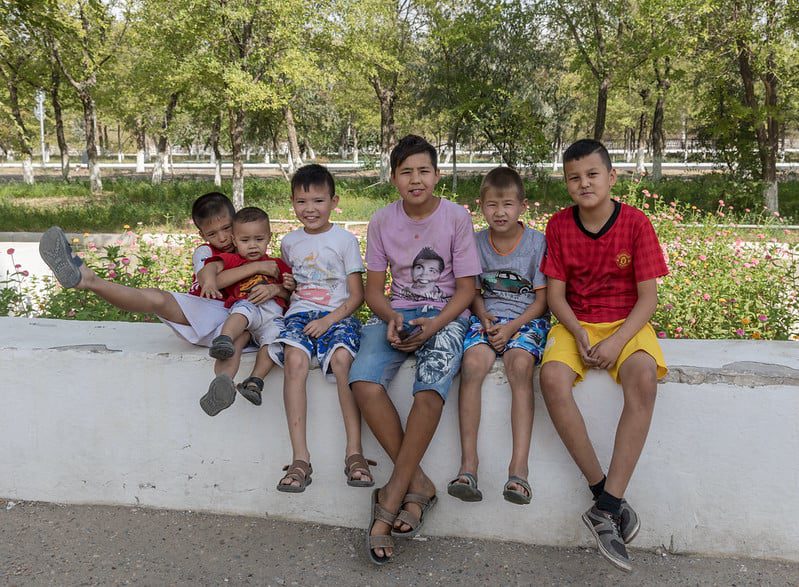
Book About Human TraffickingIt is always a good time to start a new book. Reading improves memory and empathy and books are important gateways to learning something unfamiliar. Books can also provide intimate accounts of harrowing experiences such as human trafficking. In 2016, an estimated 24.9 million people were subject to forced labor. Of these people, “16 million were in the private economy, another 4.8 million were in forced sexual exploitation and 4.1 million were in forced labor imposed by state authorities.” Several nonfiction books about human trafficking aim to bring global awareness to the issue.
6 Books on Human Trafficking

  1. “A Long Way Gone: Memoirs of a Boy Soldier” (2007). This memoir recounts Ishmael Beah’s time as a child soldier during the civil war in Sierra Leone. After the destruction of his village, 12-year-old Beah flees and wanders the war-devastated land. Later, the military captures Beah. At the age of 13, the military forces him to become a child soldier. Beah was eventually released by the military and rehabilitated by UNICEF. His story discusses the horrific effects of war from the eyes and mind of a child. It also explores the difficulties of adjusting to a normal life after being freed from a forced life in the military.
  2. “I Am Nujood, Age 10 and Divorced” (2009). In 2008, at the age of 10, Nujood Ali was forced to marry a man three times older than her. After enduring months of abuse, she planned her escape. Through local advocacy and support from the press, Ali was able to gain her freedom. Ali became the first child bride in Yemen to be granted a divorce. The memoir recounts the end of her childhood in a tale of survival, persistence and female empowerment.
  3. “Sex Trafficking: Inside the Business of Modern Slavery” (2009). In this book, Siddharth Kara uses an economic lens to understand the world of human trafficking. Kara “initially encountered the horrors of slavery in a Bosnian refugee camp in 1995.” After, he traveled to several countries across four continents to investigate and uncover the horrors of human trafficking. The book recounts more than 400 stories from both victims and traffickers. Using his history in business, economics and law, Kara breaks down the business of sex trafficking, the most devastating form of slavery today. In contrast to other books about human trafficking, Kara utilizes a technical analysis to educate the reader and offer an explanation as to why and how human trafficking is still happening in the modern world.
  4. “The Natashas: Inside the New Global Sex Trade” (2003). In this exposé, Victor Malarek goes inside the world of sex trafficking in Israel where women and girls from across the Eastern Bloc are lured into a life of prostitution with false promises of better jobs and better lives. Instead, traffickers force women into prostitution, strip them of their identities and give them the name Natasha. Oftentimes, their abusers are the very people meant to protect them. Malarek offers a damning account of the horrors of the sex trade and the corrupt systems keeping these women imprisoned.
  5. “God in a Brothel: An Undercover Journey into Sex Trafficking and Rescue” (2011). This nonfiction story describes Daniel Walker’s investigation into the global sex industry. He writes the tales of rescuers from inside trafficking rings. The book discusses the terrifying stories of those saved from sex trafficking, the torment they experienced and their return to society. It also tells the heartbreaking tale of those who continue living in these circumstances. In this book, Walker gives the reader an extremely close and personal look inside the world of sex trafficking.

In order to bring awareness to a global issue, it is important to remain educated and empathetic. These books about human trafficking shed light on modern-day slavery so that the world can do more to address the issue.

– Claire Olmstead
Photo: Flickr

June 29, 2021
https://borgenproject.org/wp-content/uploads/borgen-project-logo.svg 0 0 Kim Thelwell https://borgenproject.org/wp-content/uploads/borgen-project-logo.svg Kim Thelwell2021-06-29 07:30:052022-03-28 07:59:065 Books About Human Trafficking
Global Poverty, Human Trafficking

Human Trafficking in Kazakhstan Targets Migrants

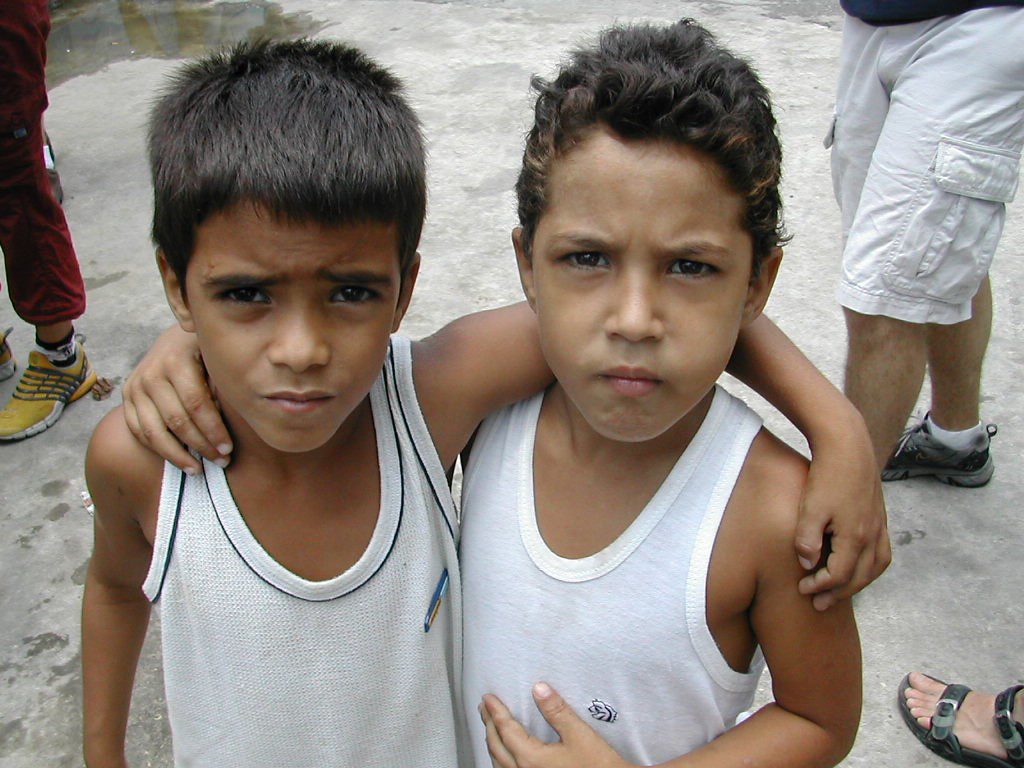
Human Trafficking in KazakhstanIn 2018, a migrant named E.Sh.M. lost his documents while trying to cross the border into Kazakhstan. Upon arrival at the nearest market, human traffickers kidnapped him and sold him into forced labor on a farm. There, he was illegally detained and subjected to inhumane working conditions where his employer would regularly abuse him. On one extreme occasion, E.Sh.M.’s legs were beaten with an ax, and his finger was cut off. E.Sh.M. serves as just one example of the treatment that migrants who become victims of human trafficking in Kazakhstan endure.

The Influx of Foreign Migrants

Kazakhstan used to be a land of emigration and transit to Russia. However, this changed at the start of the new millennium when the country’s economy improved. The influx of migrants increased even more after the Russian financial crisis in 2014 as Kazakhstan became more financially accessible to citizens from Central Asian countries like Uzbekistan, Tajikistan and Kyrgyzstan, who now make up the bulk of the migrant population. In 2015, the U.N. estimated that 20% of Kazakhstan’s population were migrants.

What Leads to Migrant Vulnerability

The case of E.Sh.M. is not an anomaly. Rather, it is emblematic of the larger issue of human trafficking in Kazakhstan, which has registered more than 1,100 crimes in the last three years. Labor exploitation, especially of male migrants coming from Central Asia, is just as dominant as sexual exploitation in the country. Trafficked migrants are forced into construction and agricultural work. They are lured with the promise of a high income. Instead, they are illegally detained and forced into labor. Therefore, the poor economic conditions of the migrant’s native country combined with the common recruitment tactic of a deceptive income are factors responsible for the exacerbation of human trafficking in Kazakhstan.

Although E.Sh.M. lost his documents, a more sinister approach for human traffickers in Kazakhstan is forcefully taking away documents and leveling violent threats against migrants. Rodnik is an NGO that helps survivors of human trafficking in Kazakhstan. Diana Bakyt, a lawyer who works for Rodnik, reiterated this point in an interview with The Borgen Project. Bakyt stated, “the main risk factor for getting into a situation of human trafficking is the lack of identity documents.” If a migrant emigrates for work without proper documentation stating their relationship with their employer, they risk trafficking.

The Impact of COVID-19

With borders closing at the beginning of the pandemic, hundreds of Central Asian migrants were left stranded at the Russian-Kazakh border. However, as restrictions eased, the plight of the migrants did not. Migrants lost income during the lockdown, and they were also subjected to a migrant phobia media onslaught. Rhetoric, such as “hotbeds for infections” and “breeding grounds for the virus,” has stigmatized migrants. Migrants stranded at the border became “congestions.” These notions further worsen the vulnerability of migrants and increase the risk of human trafficking.

Rodnik has Solutions

Nina Balabayeva founded Kazakhstan’s first shelter, Rodnik, in 2006. The nongovernmental organization has since become the leading mitigator of human trafficking in the country and has provided assistance to more than 16,000 people.

Taking on the plight of the migrants, Diana Bakyt stated that Rodnik has assisted with documentation, securing of legal fees and the return of trafficked migrants to their homeland. The organization is also responsible for combating the migrant phobia supplied by the media and is working to reduce the risk of COVID-19 exposure to migrants. E.Sh.M.’s story could only have a platform today because Rodnik assisted in his return back to Kyrgyzstan in 2021.

Based in Almaty, Rodnik lies in a pivotal location. Almaty is the primary destination for migrant workers in Kazakhstan. In collaboration with USAID, UNICEF, Winrock International and the Eurasia Foundation, Rodnik has successfully implemented several campaigns and projects, including multiple information drives. During one of these drives, migrant workers on the streets of Almaty received booklets. In a single day, more than 500 people learned about the risks of the human trafficking of migrants in Kazakhstan.

Owing to their founder’s degree in psychology, Bakyt stated that the organization also prioritizes providing psychological help to victims. Other institutions that Rodnik works with include governments, schools, healthcare institutions, militaries, social workers, migration officers and law enforcement.

What Lies Ahead for Kazakhstan

While stories about migrants like E.Sh.M. are heartbreaking, his fight inspires others to stand against human trafficking. Kazakhstan has recently seen an increase of new migrants as a byproduct of the pandemic. However, the tireless efforts of organizations like Rodnik show that trafficking can be overcome.

– Iris Anne Lobo
Photo: Flickr

June 24, 2021
https://borgenproject.org/wp-content/uploads/borgen-project-logo.svg 0 0 Jennifer Philipp https://borgenproject.org/wp-content/uploads/borgen-project-logo.svg Jennifer Philipp2021-06-24 01:31:132021-06-23 14:19:56Human Trafficking in Kazakhstan Targets Migrants
Human Trafficking

Addressing Human Trafficking in Cuba

Human Trafficking in Cuba
Human trafficking in Cuba is a very present and ongoing issue. It has been on the rise for years, especially in regards to forced labor and government-sponsored labor export programs. Studies have revealed that the government forced and bribed as many as 30,000 Cuban doctors and medical professionals into human trafficking situations in over 50 countries. Traffickers frequently exploit Cuban victims abroad in South America and the Caribbean as well as the United States. They also exploit domestic and foreign victims in Cuba making the claim that it is to pay off travel debts.

The Problem

The Cuban government has instigated international medical missions that many refer to as a contemporary form of slavery. These have been a source of income for the Castro regime for years, with the Cuban government collecting income on each medical professional’s services. As a result, medical professionals in Cuba typically receive only a small portion of their money, which goes into accounts that they do not have control over. Research has shown that participants frequently do not receive adequate information about the conditions of their contracts before entering into them. The government even withholds some of their documents as a form of blackmail. The participants of these labor export programs often work long hours with no rest in dangerous living conditions.

Government involvement in human trafficking in Cuba has become apparent. This is due to the government’s lack of interest in addressing or eliminating these programs. The Cuban government is not making significant efforts to eliminate these practices. Because of this, it has received Tier 3 status in the U.S. Department of State’s Trafficking in Persons report due to how little it has done to eliminate human trafficking. However, efforts are in progress to eradicate these practices. Law enforcement criminalized some forms of labor trafficking and began prosecuting human traffickers. Additionally, international trafficking relating to forced labor or similar activities is now a punishable offense, potentially leading to the penalty of imprisonment from seven to 15 years. This is a deterrent to traffickers as statistics have shown a decline in prosecutions over the past few years.

Solutions

Some NGOs have identified trafficking victims to state authorities and provided them with psychological treatment. They also provided healthcare and other resources. Some of these NGOs include the Federation of Cuban Women (FMC), the Cuban Commission of Human Rights and National Reconciliation, the Prevention and Social Assistance Commission and the Committees for the Defense of the Revolution.

The FMC began in 1960, involving itself in the human trafficking situation in Cuba shortly after. The Cuban Commission of Human Rights and Reconciliation revealed in an interview in 2017 that it had actively become involved in monitoring arrests of traffickers, and even suggested that specific healthcare and education benefits can help reduce trafficking victims. It began in 1960 and has responded to internal and external threats with the goal of unifying the people.

The Cuban government funded protection and guidance centers for families who human traffickers had victimized. There are at least seven global anti-trafficking organizations working to provide relief to victims of forced labor and modern-day slavery in Cuba and other countries worldwide. Although very small numbers of forced labor victims actually seek help, these organizations offer different policies and programs to offer support or benefits and help survivors resist re-traumatization. Cuban law authorized courts to allow restitution to trafficking victims.

US Involvement

In another attempt to address forced labor and human trafficking in Cuba, some U.S. Senators sent a letter to the Secretary of State expressing their concern about the forced labor and human trafficking situation in Cuba. They suggested ideas such as directing U.S. Embassies to different countries to advise and inform them on Cuba’s forced labor programs.

The Cuban government involves people in forced labor and labor export programs. However, some human traffickers are now experiencing prosecution for their crimes. In addition, help became readily available to victims of human trafficking and U.S. officials have increased their involvement.

– Annamarie Perez
Photo: Flickr

June 12, 2021
https://borgenproject.org/wp-content/uploads/borgen-project-logo.svg 0 0 Borgen Project https://borgenproject.org/wp-content/uploads/borgen-project-logo.svg Borgen Project2021-06-12 01:22:032024-12-13 17:52:17Addressing Human Trafficking in Cuba
Global Poverty, Human Trafficking

Human Trafficking in Mexico

Human Trafficking in Mexico
Human trafficking in Mexico has been a problem for years. Traffickers exploit both domestic and foreign victims. As a common tourist destination, it is important that human trafficking in Mexico is curbed.

What is Human Trafficking?

According to the U.S. Department of Homeland Security, human trafficking “involves the use of force, fraud, or coercion to obtain some type of labor or commercial sex act.” Yearly, there are millions of individuals who are trafficked. Many instances involve Mexico, either as a transportation hub or a point of origin for trafficking victims. Traffickers will coerce individuals to lure them into labor or any sexual exploitation. There are still many gray areas regarding trafficking so it is very important to recognize indicators to protect potential victims. In addition to this, reporting any suspected trafficking is critical to keeping people safe.

Human Trafficking in Mexico

Mexico is not unfamiliar with this issue, with growing increments of human trafficking in the country. Due to corruption and disparities, both social and economic, certain groups in Mexico are considered more vulnerable to trafficking. These groups include women, children, indigenous people, individuals with disabilities and migrants.

Those suffering from poverty are also more vulnerable to trafficking. Individuals who are desperately in need of financial support will take up risky jobs in order to provide for their families, sometimes leading to human trafficking. Additionally, the undereducated are at an increased risk. Traffickers target girls that lack education, most likely due to economic reasons, to sell them into marriage. Human trafficking in Mexico is a result of socio-economic disparities, harmful social norms and economic inequity, all of which fuel the trafficking.

Government Efforts

Due to a lack of awareness and education, Mexico has struggled to reduce human trafficking. Legal solutions, such as the anti-trafficking law passed in 2004, are only the first step to effectively stopping human trafficking in the country. Currently, the Mexican government is reviewing the “failing” anti-human trafficking policy and working to provide better support for victims.

This review has shown that a direct financial approach by the government itself would be more beneficial to those who needed it the most. Investing in systems operations and rehabilitation would help more than corruptible laws. Furthermore, the government is acknowledging its shortcomings in data and analysis when it comes to trafficking. In order to correct this, it is working to create a better, more reliable system.

Receiving a mixed response, the Mexican government also announced the discontinuation of supporting anti-trafficking NGOs. The country intends to establish its own shelters and relief centers for victims in Mexico. Despite some criticism, this shift will hopefully have a positive impact on trafficking victims in the country.

Moving forward, it is crucial that the government and humanitarian organizations continue to make addressing human trafficking a priority. You can learn more about human trafficking in Mexico here.

– Nicole Sung
Photo: Flickr

June 11, 2021
https://borgenproject.org/wp-content/uploads/borgen-project-logo.svg 0 0 Lynsey Alexander https://borgenproject.org/wp-content/uploads/borgen-project-logo.svg Lynsey Alexander2021-06-11 01:31:192021-06-11 07:20:49Human Trafficking in Mexico
Page 11 of 31«‹910111213›»

Get Smarter

  • Global Poverty 101
  • Global Poverty… The Good News
  • Global Poverty & U.S. Jobs
  • Global Poverty and National Security
  • Innovative Solutions to Poverty
  • Global Poverty & Aid FAQ’s
Search Search

Take Action

  • Call Congress
  • Email Congress
  • Donate
  • 30 Ways to Help
  • Volunteer Ops
  • Internships
  • Courses & Certificates
  • The Podcast
Borgen Project

“The Borgen Project is an incredible nonprofit organization that is addressing poverty and hunger and working towards ending them.”

-The Huffington Post

Inside The Borgen Project

  • Contact
  • About
  • Financials
  • President
  • Board of Directors
  • Board of Advisors

International Links

  • UK Email Parliament
  • UK Donate
  • Canada Email Parliament

Get Smarter

  • Global Poverty 101
  • Global Poverty… The Good News
  • Global Poverty & U.S. Jobs
  • Global Poverty and National Security
  • Innovative Solutions to Poverty
  • Global Poverty & Aid FAQ’s

Ways to Help

  • Call Congress
  • Email Congress
  • Donate
  • 30 Ways to Help
  • Volunteer Ops
  • Internships
  • Courses & Certificates
  • The Podcast
Scroll to top Scroll to top Scroll to top