• Link to X
  • Link to Facebook
  • Link to Instagram
  • Link to TikTok
  • Link to Youtube
  • About
    • About Us
      • President
      • Board of Directors
      • Board of Advisors
      • Financials
      • Our Methodology
      • Success Tracker
      • Contact
  • Act Now
    • 30 Ways to Help
      • Email Congress
      • Call Congress
      • Volunteer
      • Courses & Certificates
      • Be a Donor
    • Internships
      • In-Office Internships
      • Remote Internships
    • Legislation
      • Politics 101
  • The Blog
  • The Podcast
  • Magazine
  • Donate
  • Click to open the search input field Click to open the search input field Search
  • Menu Menu

Archive for category: Human Trafficking

Global Poverty, Human Trafficking

Understanding Human Trafficking in the Solomon Islands

Human Trafficking in the Solomon Islands
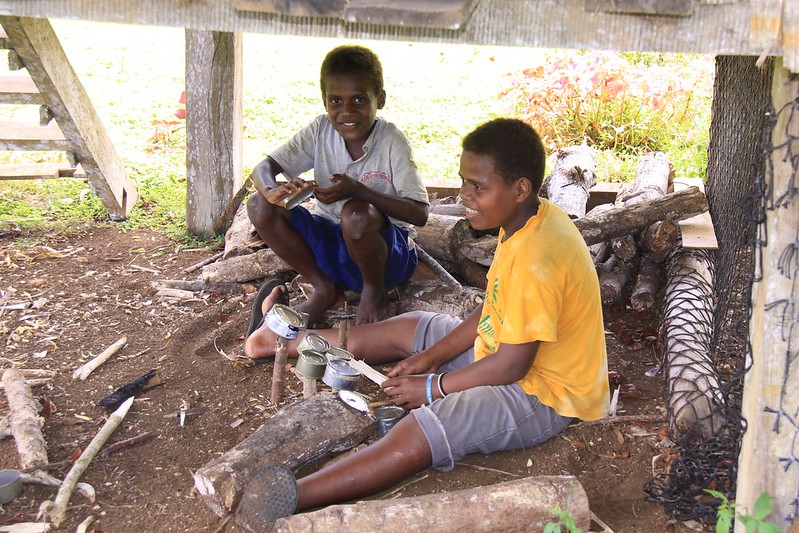
The Solomon Islands is a country in Oceania located to the east of Papua New Guinea. Trends show that human trafficking in the Solomon Islands occurs mostly in logging camps and fishing sectors, but some are implementing significant efforts to eliminate it.

Background

Human trafficking in the Solomon Islands is most common in the logging camps and fishing boats, which are two primary sources of income for the country. Trafficking in these areas mostly revolves around the sexual exploitation of women and girls. Another concern of the U.S Department of State is child sex tourism.

According to the 2021 Trafficking in Persons (TIP) report, which ranks countries as belonging to one of four tiers in their efforts to combat trafficking, the Solomon Islands are a Tier 2 country. This rating means that while the government is making significant efforts to comply with the standards set in place by the Trafficking Victims Protection Act (TVPA), it is not fully meeting the standards.

In September 2010, the American Bar Association set out to prevent and reduce human trafficking in the Solomon Islands with the help of the Department of State. The program aims for these five goals:

  1. Raise people’s awareness of human trafficking and provide education on how to prevent it.
  2. Improve protection for both witnesses and victims.
  3. Increase access to better support services for human trafficking survivors.
  4. Develop laws or policies to deter human trafficking.
  5. Find lawyers to serve as human trafficking experts within the Solomon Islands.

Prevention Efforts

The pandemic did not hinder the efforts toward ending human trafficking in the Solomon Islands. In fact, the Anti-Human Trafficking Advisory Committee (AHTAC), consisting of government agencies and citizens, met frequently despite the challenges that the pandemic presented.

Prime Minister Manasseh Sogavare raised concern about human trafficking in a national address. Sogavare was concerned with trafficking in the fishing sector and announced that his government, along with international organizations, would be working on creating policies that aimed to erase sexual exploitation and modern slavery on fishing vessels operating in the Solomon Islands’ waters. According to an international organization, this address was the first time many Solomon Island citizens heard the term “human trafficking.” In the address, Sogavare also announced the completion of the National Security Strategy and National Border Strategy, which focused on migration, transnational crime, labor, trade, employment and investment, and their relationship to trafficking.

The Department of Immigration (DOI), together with the Solomon Islands Forestry Association, conducts campaigns to raise awareness about human trafficking near logging and mining sites. The campaigns focus on the consequences for those involved in human trafficking and the country’s trafficking laws.

Progress in Protection

Over the course of the pandemic, law enforcement individuals are still receiving training on victim identification and support. In 2018, authorities identified 39 potential trafficking victims and five in 2019 compared with four identified victims in 2020. One of the four victims was a foreigner living in the Solomon Islands and the other three were Solomon Islands citizens that were out of the country. Although internal sex trafficking is reportedly common, authorities did not identify any cases of sex trafficking.

In 2019, the Solomon Islands government gave $50,000 of its yearly budget to human trafficking victim care and shelter services. Despite problems and restraints caused by the pandemic, the government was still able to give $49,130 towards victim care, protection, investigation efforts and public education about human trafficking in the Solomon Islands in 2020.

The Royal Solomon Islands Police chose the capital, Honiara, as the site for a domestic violence shelter that provides aid to women and children that were sex trafficking victims. However, the government failed to provide support for adult male victims or victims of labor trafficking. Due to the location of the shelter, the protection services are difficult to access because most trafficking victims come from the provinces. The deficiencies in protection services for victims of human trafficking in the Solomon Islands likely led to fewer victims coming forward, and therefore, fewer prosecutions.

Looking Forward

In recent years, the Solomon Islands government has worked to bring an end to human trafficking within its borders. Although work still needs to occur, policies and programs are in place to bring the country closer to eliminating human trafficking.

– Trystin Baker
Photo: Flickr

October 1, 2021
https://borgenproject.org/wp-content/uploads/borgen-project-logo.svg 0 0 Jennifer Philipp https://borgenproject.org/wp-content/uploads/borgen-project-logo.svg Jennifer Philipp2021-10-01 07:30:412021-09-29 09:10:46Understanding Human Trafficking in the Solomon Islands
Global Poverty, Human Trafficking

Tackling Human Trafficking in Bolivia

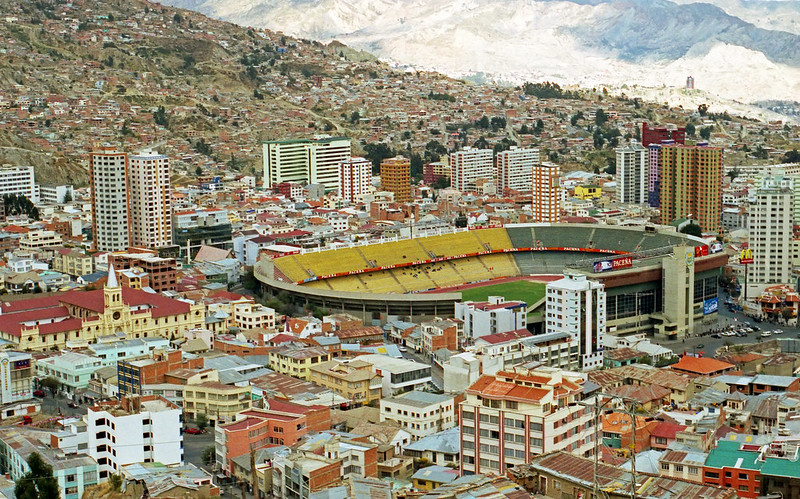
Tackling Human Trafficking in BoliviaHuman trafficking in Bolivia is a serious problem in need of progress. The battle to end human trafficking is underway with many countries making significant changes to help bring an end to the illicit trade. Many of the changes made by governments are internal, such as creating harsher sentencing for those caught involved in the trade. However, other actions are external, like the creation of programs to aid victims of trafficking. Criminalization of and aid for those involved are both heavy blows to the trade, yet many governments, like Bolivia’s, still lag behind most of the world in terms of concrete actions taken toward ending the trade within their borders.
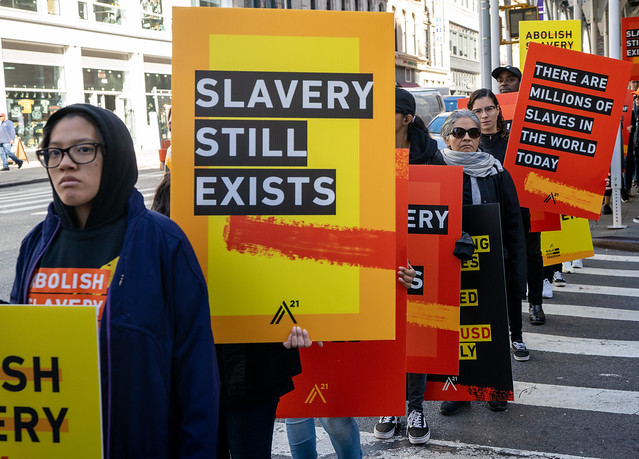
Human Trafficking in Bolivia

The United States’s Trafficking report ranked Bolivia as a Tier 2 country. This indicates that its government falls short of the baseline level of effort of fighting trafficking. Despite having a population of more than 11 million people, the Bolivian government only prosecuted five people for the crime in 2019. In addition to a government that doesn’t take the problem seriously enough, efforts to end human trafficking in Bolivia face another challenge: poverty.

Trafficking is Tied to Poverty

Like in other countries, human trafficking in Bolivia is a problem that partially stems from the socioeconomic status of the country. Poverty is a root cause and result of human trafficking. Extreme poverty makes people vulnerable to trade for a variety of reasons. In addition, impoverished parents are more likely to neglect children because they can’t provide for them. Furthermore, people lack economic security and take seemingly promising jobs only to enter into the forced labor market.

Young girls are sold to be married to bring an income to families. An estimated 15.4 million of the world’s human trafficking victims are women in forced marriages. Young victims of human trafficking often become perpetrators of it when they become adults as a way of escaping the system and gaining security. In total more than 30% of Bolivians live in poverty, leaving a significant portion of the population vulnerable to human trafficking.

Nonprofits Fill in the Gaps the Government Leaves Open

Although the government is not taking enough steps to address human trafficking in Bolivia, nonprofits are stepping in to fill the gaps. For example, nonprofits like Save The Children aim to lift vulnerable children out of poverty and prevent their abuse. A key way the nonprofit aims to help children is through education, which both aids in preventing their abuse and sets them up for success in the future. Additionally, the nonprofit enables children to have access to pre-schools that provide a robust education.

Furthermore, Save The Children provides children with many programs and opportunities that provide education about human trafficking. They equip children with the knowledge necessary to avoid entering the trade. Programs like these have protected 7,000 children from harm and lifted 9,000 out of poverty.

As nonprofits and Bolivia’s government work to tackle the economic and social problems that proliferate human trafficking, many are hopeful that Bolivia will soon be able to improve its Tier 2 status in human trafficking.

– Cole Izquierdo
Photo: Flickr

September 25, 2021
https://borgenproject.org/wp-content/uploads/borgen-project-logo.svg 0 0 Kim Thelwell https://borgenproject.org/wp-content/uploads/borgen-project-logo.svg Kim Thelwell2021-09-25 07:30:502021-09-22 18:05:17Tackling Human Trafficking in Bolivia
Global Poverty, Human Trafficking, NGOs

Empowering Survivors of Human Trafficking in Cambodia

Human Trafficking in CambodiaHuman trafficking in Cambodia is growing and in need of action. In 2016, 40 million men, women and children were victims of human trafficking globally. Of these 40 million victims, 71% were women and girls and 29% were men. In this same year, modern slavery involved 15 million forced marriages and more than 25 million people in forced labor. Overall, the illegal sale of human beings generates more than $33 billion annually. In 2005, Chab Dai, a nonprofit, committed to aiding the recovery of survivors of human trafficking in Cambodia. Because human trafficking is the second-largest illegal trade network in the globe, Chab Dai’s work is vital. Chab Dai helps to grow the anti-trafficking movement and help survivors reintegrate into society while combating stigma.

Human Trafficking in Cambodia

At this time, Cambodia is backsliding in its progress in the fight against human trafficking. According to the U.S. Department of State’s 2021 Trafficking in Persons Report, Cambodia ranks as a Tier 2 Watch List country because it “does not fully meet the minimum standards for the elimination of trafficking but is making significant efforts to do so.” However, Cambodia has remained on this ranking for three years in a row, indicating stagnation in human trafficking progress. On top of “insufficient government oversight and accountability measures,” the main inhibitors of progress are the lack of investigations by officials, inadequate government protection services and ineffective judicial monitoring, among other issues. Ultimately, the systems in place tend to enable traffickers rather than punish them.

The Work of Chab Dai in Cambodia

Over the past 15 years, Chab Dai has worked to combat human trafficking in Cambodia by bolstering education initiatives about sexual abuse and human trafficking. The organization also trains authorities and healthcare officials on how to respect and support survivors. Additionally, Chab Dai advocates directly for policy changes in the Cambodian government and provides free legal support to survivors of human trafficking in Cambodia. The nonprofit helps to bring trafficked people back to their home countries and provides counseling as victims try to return to their normal lives. Furthermore, Chab Dai has a strong focus on helping survivors make a living, form healthy relationships in their personal lives and heal from their trauma.

The Butterfly Project

As part of its reintegration work, Chab Dai conducts research based on interviews with survivors of human trafficking in Cambodia. All of the collected anti-trafficking research forms part of The Butterfly Project, which began in 2010. The organization publishes routine reports on how to successfully heal, recover and return to society after being sex trafficked. Moreover, the project guides experts, law enforcement, doctors and other nonprofits on how to best help survivors.

The research includes two to three interviews a year with 128 survivors of human trafficking in Cambodia. The 128 interviewees are 80% women and 20% men. Additionally, the interviewees come from many different development programs all run through Chab Dai.

The study promotes holistic care, cultural tolerance in the healing process and religious freedom. So, one of the most prominent findings is the benefits of diverse religious practices. Chab Dai empowers survivors to ask challenging questions of different faiths. This is a proven form of suicide prevention, increased emotional stability and community building as survivors seek a new normal. Because of this, Chab Dai is working to fight religious intolerance among other NGOs working to support survivors.

Looking Forward

Ultimately, Chab Dai’s successes in The Butterfly Project empower survivors to speak up. The research aids consultation with other NGOs on how best to address the unique needs of survivors in the reintegration process. By listening to victims, Chab Dai is able to cater its initiatives to the specific needs of survivors of human trafficking in Cambodia.

– Jaya Patten
Photo: Flickr

September 16, 2021
https://borgenproject.org/wp-content/uploads/borgen-project-logo.svg 0 0 Lynsey Alexander https://borgenproject.org/wp-content/uploads/borgen-project-logo.svg Lynsey Alexander2021-09-16 01:30:582024-05-30 22:25:02Empowering Survivors of Human Trafficking in Cambodia
Global Poverty, Human Trafficking

Human Trafficking in Hungary

Human Trafficking in HungaryHuman trafficking is an urgent and pressing issue in the Central European nation of Hungary. The U.S. Department of State ranks Hungary as a Tier 2 country, as it is making an effort to rid itself of human trafficking but has yet to meet the baseline requirements. With new legislation and an anti-trafficking strategy in place, Hungary is working toward a future that is free of human trafficking.
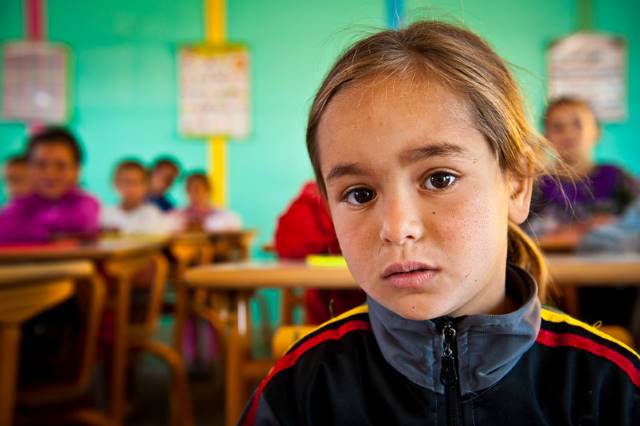
Root Causes of Human Trafficking in Hungary

One can trace human trafficking back to three root causes. These include significant unemployment rates, inequity in employment opportunities and poverty. These persisting issues leave people vulnerable to human trafficking ploys as people are often desperate to improve their economic situations.

Hungary is a major source country, which means it provides a supply of traffic victims. Traffickers then transport these victims to other countries, typically located in Western Europe. One out of every five human trafficking victims in Europe is Hungarian. Oftentimes, young girls and women are the victims of sex trafficking in Hungary.

Traffickers sometimes offer victims promises of a relationship with an improved lifestyle. This, however, can turn out to be a marriage scam resulting in traffickers forcing the girls into sex work. Additionally, traffickers exploit men and women alike for cheap labor. This includes construction, agriculture and factory work.

Adults who lack proper education and live in poverty or previously resided in youth detention centers are more prone to become victims of trafficking. Traffickers consider individuals with these backgrounds as “easy pickings.” Traffickers “recruit” their victims based upon an individual’s economic or personal situation and capitalize on those who are vulnerable.

The Role of Social Media

Social media draws many Hungarians into human trafficking via social media. Traffickers post jobs or other opportunities on Facebook and lure at-risk Hungarians into responding to these adverts in hope of a better life. An example of labor exploitation through social media is the story of a Hungarian man named Mahai. He noticed an advert on Facebook for a job in a factory. In reality, this seemingly legitimate factory job involved harvesting vegetables for incredibly low pay and insufficient housing while facing intimidation through threats of murder.

Fighting Human Trafficking in Hungary

More recently, Hungary implemented various measures with the intention of eradicating human trafficking. For example, Hungary is taking action by increasing the number of traffickers indicted and sentencing convicted traffickers to longer terms of imprisonment. Furthermore, the National Police is calling on the expertise of investigators specializing in trafficking.

Along with these improvements, the Hungarian national government created a “national anti-trafficking strategy for 2020-2023” to fight the issue. It distributed $1.8 million toward this plan in 2021 in order to set the strategy into motion. This initiative aims to introduce improved legislation regarding human trafficking in order to make it a more serious crime for perpetrators and to eliminate the criminal repercussions for the victims. Because this strategy is new, however, it is difficult to measure its success at this point.

Hungary is also making efforts to raise awareness for human trafficking and inform the population on how to avoid such situations. For example, several NGOs are launching a “prevention program” exemplifying the harsh realities for the victims of human trafficking in order to make others aware of this crisis.

Hungary still falls short of the United States requirements for the elimination of human trafficking. However, the country is working toward safeguarding Hungarians from becoming victims of this crime. If this trend continues, Hungary will improve its ranking and continue to reduce cases of human trafficking occurring within the country.

– River Simpson
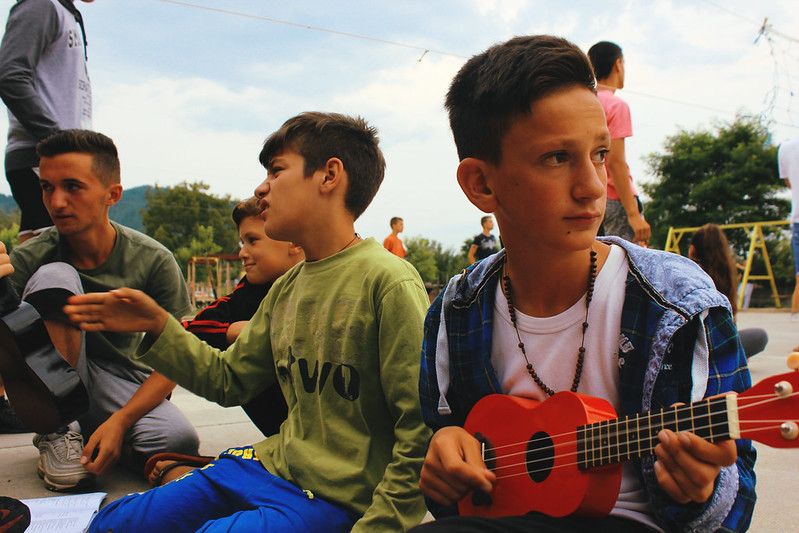
Photo: Flickr

September 10, 2021
https://borgenproject.org/wp-content/uploads/borgen-project-logo.svg 0 0 Jennifer Philipp https://borgenproject.org/wp-content/uploads/borgen-project-logo.svg Jennifer Philipp2021-09-10 07:04:442024-05-30 22:25:13Human Trafficking in Hungary
Global Poverty, Human Trafficking

The Road to Eliminate Human Trafficking in Morocco

Human Trafficking in MoroccoWhile human trafficking in Morocco persists, this small North African country is working to end it. The U.S. Department of State identifies Morocco as a Tier 2 country, meaning it has taken steps to eliminate human trafficking but it does not yet meet minimum standards. In 2016, Morocco enacted an anti-trafficking law, laying the groundwork to tackle this issue. Morocco addresses human trafficking in a variety of ways, including partnering with organizations that spread awareness, providing resources to victims and preventing future trafficking.
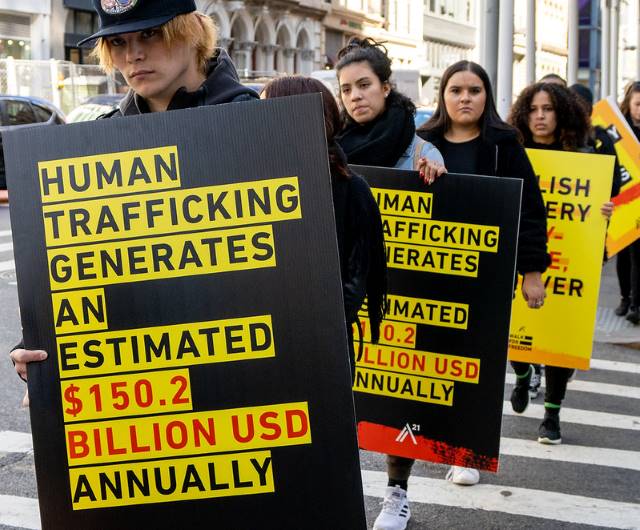
Types of Human Trafficking in Morocco

Human trafficking in Morocco includes unpaid domestic labor, forced begging and sexual exploitation. Children can become victims when their families, usually from low-income backgrounds, send them away to work. Boys often become agricultural laborers or work in trades such as carpentry or mechanics. Meanwhile, girls typically work as domestic servants or experience exploitation through sex trafficking. Despite Morocco’s child labor law and a 2018 law that specifically protects domestic workers, employers frequently pay these children far below minimum wage and abuse them. Traffickers also force migrants into sex work and other types of labor. Morocco’s major cities are destinations for “sex tourists” from Europe and the Middle East who take advantage of trafficked women and children.

Who are the Victims?

The U.S. Department of State reported that, in 2020, Morocco identified 441 trafficking victims and referred them to care. Of these reported victims, 245 were female, 196 were male, 398 were adults and 43 were children. The majority (426) were Moroccan citizens, although migrants from sub-Saharan Africa and South Asia were also vulnerable. Some migrant human trafficking victims may have gone unidentified.

Families who are struggling economically contribute to trafficking by taking children out of school and sending them to work, where they often experience exploitation. Traffickers also frequently target migrants, some of whom are undocumented and are passing through Morocco en route to Europe. The U.S. Department of State reported that traffickers who abuse migrants often come from the same countries as their victims. Traffickers may use physical and emotional abuse or withhold migrants’ passports to keep them in servitude.

How Morocco is Addressing Human Trafficking

In 2016, Morocco enacted Law No. 27.14. This law defines human trafficking victims as well as human trafficking crimes and their penalties. Under this law, the government provides victims with medical and psychological assistance as well as free legal aid. Morocco’s anti-trafficking law also created a national commission to stop human trafficking and prevent future cases from occurring.

In addition to policy changes, Morocco addresses human trafficking by working with organizations locally and abroad. SAVE, which stands for Soutien à l’identification et l’accompagnement des Victimes de Traite des êtres Humains, is a three-year project that aims to identify and support trafficking victims in Morocco. In 2019, the French nonprofit CCEM founded SAVE, which the European Union funds. SAVE partners with the Moroccan government and several Moroccan nonprofits. The goals of the project include receiving at least 500 trafficking reports and identifying a minimum of 100 victims by 2022. It also hopes to share best practices with other nations in the region.

Moving Forward

While Morocco has made progress in ending human trafficking, more work is necessary. According to the U.S. Department of State, Morocco’s efforts in prosecuting and convicting human trafficking cases have decreased. Additionally, migrant trafficking victims still receive unfair punishment for crimes, such as immigration violations and prostitution, that traffickers forced them to commit. The U.S. Department of State’s recommendations include establishing systemized procedures to identify victims, especially migrants, separating data on human trafficking and migrant smuggling crimes and providing training on Morocco’s anti-trafficking law.

In an interview with U.N. Women, Amina Oufroukhi, president of the International Judicial Cooperation Department, noted that victims are often afraid to seek help, making identifying human trafficking difficult. To address this problem, Oufroukhi has helped create a network of prosecutors who have training in victim identification and established a Moroccan public awareness campaign. She is also working on a guide that will help prosecutors better apply Morocco’s anti-trafficking law. Oufroukhi further hopes the government and organizations will continue to build trust with those affected and that more research on human trafficking and migration in Morocco will occur.

Human trafficking continues to plague Morocco. However, efforts by the government as well as organizations working on the ground have made great strides in protecting the rights of victims and preventing future exploitation and abuse. As Morocco addresses human trafficking with a diverse set of invested stakeholders, there is hope that its most vulnerable populations will eventually live in freedom.

– Annie Prafcke
Photo: Flickr

September 9, 2021
https://borgenproject.org/wp-content/uploads/borgen-project-logo.svg 0 0 Jennifer Philipp https://borgenproject.org/wp-content/uploads/borgen-project-logo.svg Jennifer Philipp2021-09-09 09:39:212024-06-06 01:05:39The Road to Eliminate Human Trafficking in Morocco
COVID-19, Global Poverty, Human Trafficking, Women and Children

Efforts to Eliminate Human Trafficking in Poland

Human Trafficking in PolandThe Republic of Poland, located within central Europe, is one of the many European countries that human trafficking has affected. Human trafficking is a complex global issue that is extremely difficult to eliminate as it is often invisible and difficult for authorities to track. In Poland, children and women are common targets for traffickers. Victims often come from low-income areas and have little legal protection, making it easier for traffickers to transport victims to and from Poland. In order to eliminate human trafficking in Poland, the country must address underlying issues, such as poverty.

Underlying Problems

Women and children are the most common victims of human trafficking globally. Approximately 70% of trafficking victims are women and 50% of trafficking victims are children. Additionally, estimates have stated that traffickers traffick 84% of victims globally for the purpose of sexually exploiting them. Sexual exploitation is also the most common form of human trafficking in Poland. Trafficking victims may have limited education, may not be aware of signs of trafficking and may be in positions where they are desperate to help their families monetarily. As a result, they may be vulnerable to traffickers.

Poverty has a significant connection to trafficking. As of 2020, approximately 5% of Polish citizens were living in a state of extreme poverty. Individuals and families who live in extreme poverty are the most susceptible to becoming victims of human trafficking in Poland. They are often desperate for additional sources of income and traffickers often take advantage of this desperation. Traffickers frequently make false promises in order to lure in these vulnerable groups, such as saying they have a place of work for them that pays a substantial amount of money.

COVID-19’s Influence on Human Trafficking

Economic disparities due to the COVID-19 pandemic have significantly impacted Poland. The Polish unemployment rate average was approximately 6% from 2020 to 2021, reflecting a large increase from Poland’s average unemployment rate of 3.2% prior to the COVID-19 pandemic in 2019. Due to the fact that human trafficking is invisible and underreported, the exact numbers of global victims are difficult to determine. However, estimates have indicated that there are 109,216 trafficking victims globally. The COVID-19 pandemic may have influenced underreporting due to a lack of access to resources to inform the reports.

Additionally, the economic desperation of the COVID-19 pandemic has indirectly influenced an increase in the dangers of human trafficking. Traffickers are more likely to put their victims in more dangerous and violent situations so they can make a profit. Additionally, the fact that lockdowns have confined families to the home has made it difficult for people to notice and report potential cases of abuse and trafficking. As a result, victims are more vulnerable than before as lockdowns have made it easier for traffickers to veil their already hidden crimes.

Poland’s Efforts to Reduce Human Trafficking

The Polish government has actively taken measures to reduce human trafficking in Poland in recent years. This has involved passing laws that criminalize human trafficking as well as implementing various strategies that act against trafficking. Examples of such strategies include applying more effort to identify victims and traffickers and providing more in-depth training to authorities so that they can learn the signs of trafficking. Additionally, the Polish government has implemented national anti-trafficking projects countrywide. These projects aim to educate vulnerable individuals, especially Polish children, on the signs of human trafficking and what to do if they enter a threatening situation.

Non-governmental organizations within Poland have worked toward establishing consulting and intervention centers to help trafficking victims. La Strada Foundation against Trafficking and Slavery and Association Po MOC are two prominent organizations that have carried out the work of Poland’s National Consulting and Intervention Centre for Victims of Trafficking. These organizations have successfully established two shelters for female trafficking victims and intervention assistance for physical, mental and legal matters. Combined, these organizations have helped 630 Polish citizens and 746 foreigners from 2011 to 2017.

The Polish government has actively worked toward ending human trafficking in Poland through the establishment of organizations that help victims, laws that criminalize human trafficking and the implementation of anti-trafficking projects. Through these efforts of shedding awareness on the prevalence of human trafficking, individuals can become more aware of the warning signs and dangers of human trafficking in Poland and across the world.

– Francesca Giuliano
Photo: Flickr

September 7, 2021
https://borgenproject.org/wp-content/uploads/borgen-project-logo.svg 0 0 Kim Thelwell https://borgenproject.org/wp-content/uploads/borgen-project-logo.svg Kim Thelwell2021-09-07 07:30:542024-06-06 01:05:39Efforts to Eliminate Human Trafficking in Poland
Child Labor, Global Poverty, Human Trafficking

5 Facts About Human Trafficking in Timor Leste

Human Trafficking in Timor LesteHuman trafficking is the exploitation of a human being through the use of force or coercion in order to obtain labor or sexual acts. While human trafficking is a global issue with a large connection to poverty, it is important to recognize that trafficking may look different from country to country. Timor-Leste, also known as East Timor, is a Southeast nation occupying half of the island of Timor and has a significant problem with human trafficking that involves both foreign and domestic victims. According to a trafficking report by the U.S. Department of State, “poor economic conditions and limited educational opportunities create trafficking vulnerabilities for Timorese nationals.” Here are five facts to help explain human trafficking in Timor-Leste.

5 Facts About Human Trafficking in Timor-Leste

  1. Timor-Leste is listed under the Tier 2 Watch List. The tiers, mandated from the Trafficking Victims Protection Act, are based on the size of a country’s human trafficking problem along with government efforts to combat human trafficking. To grow in the rankings, a country has to increase anti-trafficking efforts and maintain acceptable progress. The Tier 2 Watch List is the third listed in the four overall tiers and is similar to Tier 2 except for the fact that the government has failed to show progress in combating forms of trafficking in comparison to previous years. Progress includes investigations, prosecution, and convictions into human trafficking cases. Timor-Leste only fell to the Tier 2 Watch List recently in 2020. From 2016-2019, Timor-Leste was listed under Tier 2 but did not report trafficking convictions; the only identification of a trafficking victim came from a non-governmental organization. It was in the fifth year when the government failed to increase their efforts to report trafficking convictions, that Timor-Leste fell to the Tier 2 Watch List.
  2. Timor-Leste is a destination country for human trafficking. A destination country is a country where there is a large demand for human trafficking. Most of these demands come from large cities. In Timor-Leste, many young men and women are lured to the capital through the promise of job prospects and educational opportunities, and end up in situations of forced labor and prostitution. According to the International Organization for Migration (IOM), “victims trafficked to Timor-Leste have originated from China, Indonesia, Thailand, Myanmar, and the Philippines.”
  3. Timor-Leste is also an origin country. An origin country provides the supply of trafficked persons. The main outgoings of trafficking victims, according to the IOM, “is associated with labor migration out of East Nusa Tenggara Province in Indonesia.” Most of the victims sent to Indonesia are women and girls forced into domestic servitude.
  4. Children are among the victims of human trafficking. The children of Timor-Leste are among the many victims of human trafficking, often taken for sexual exploitation and dangerous agricultural tasks. According to a report from the U.S. Department of Labor, data coming from all 13 municipalities in Timor-Leste show that 55.5% of children in child labor engage in dangerous, hazardous work. It was found that families will place children in household and agricultural labor both in Timor-Leste and in other countries in order to pay off debts.
  5. The majority of victims are women and girls. Many women and girls are vulnerable due to the lack of legal protection, starting from the time they are in school. Research strongly shows that while there are no laws that prohibit pregnant girls from attending school, there are also no laws on providing education for pregnant girls. As a result, many principals will deny the girls access to the school. Obtaining transfer documentation becomes a problem too, as principles control access to documents. The lack of education and access to proper education facilities leaves many women and girls particularly vulnerable to human traffickers.

Looking Ahead

While Timor-Leste has not significantly progressed in its efforts to fight human trafficking, there is still hope for the future. The government of Timor-Leste has used an anti-trafficking curriculum created by a foreign government in order to better inform and train its judicial and legal sections. Organizations and persons that have received training include the national police, judges, prosecutors, and defense attorneys. The government of Timor-Leste is also making efforts to criminalize human trafficking, though many of these plans still stay in a drafted status. One such plan comes from the Ministry of Justice, which drafted a national action plan in 2018 that has not yet been presented to the Council of Ministers. Another drafted policy comes from the Ministry of Education. This policy would encourage girls to return to school after giving birth, though it has remained in draft form for years. Through increased government intervention, through enforcing the policies already made and increasing protection for the vulnerable, the tide can turn in the fight against human trafficking in Timor-Leste.

– Grace Ingles

Photo: Flickr

September 2, 2021
https://borgenproject.org/wp-content/uploads/borgen-project-logo.svg 0 0 Lynsey Alexander https://borgenproject.org/wp-content/uploads/borgen-project-logo.svg Lynsey Alexander2021-09-02 17:30:092021-09-19 03:23:595 Facts About Human Trafficking in Timor Leste
Global Poverty, Human Trafficking

Human Trafficking in Sierra Leone

Human Trafficking in Sierra LeoneSierra Leone is a small country off the west coast of Africa where human trafficking is rife due to a concept called “Temple Run.” The phrase “Temple Run” refers to operations that traffickers run to lure young men and women into paying large sums of money to embark on risky journeys that victims believe will lead them to employment or educational opportunities, allowing them to escape poverty. Here is some information about human trafficking in Sierra Leone.

Human Trafficking in Sierra Leone

Authorities did not address human trafficking in Sierra Leone up until 2005 when Sierra Leone’s government instated the 2005 anti-trafficking law. “The 2005 anti-trafficking law criminalized sex trafficking and labor trafficking,” making the punishment “up to 10 years’ imprisonment, a fine or both.” This law is a step in the right direction but is not without flaws. The law allows for perpetrators to avoid jail time by paying a fine instead — a provision that received backlash from citizens seeking justice.

Even though there was finally a law against human trafficking in Sierra Leone, the ability to pay a fine in place of facing jail time makes trafficking a less punishable offense than rape. Sierra Leone decided to make a change. On August 28, 2012, Sierra Leone passed the Sexual Offenses Act. This act criminalized sex trafficking under its “forced prostitution” and “child prostitution” provisions and prescribed penalties of up to 15 years of imprisonment. This amendment made the crime of sex trafficking equal to the punishment for rape in Sierra Leone. Sierra Leone decided to update the law again in 2019  to legislate harsher punishments for sexual offenses, including sex trafficking.

First Human Trafficking Convictions

Even with the 2005 Anti-Trafficking Law and Sexual Offenses Act in place, it was not until February 11, 2020, that the Sierra Leone High Court finally convicted perpetrators for human trafficking. One Sierra Leonean woman received a 20-year sentence and another woman faced an eight-year-long sentence for money laundering and human trafficking charges — the first two human trafficking convictions in Sierra Leone’s history. Sierra Leone is also currently working to replace the 2005 anti-trafficking law to increase penalties, improve victim protection and remove the option of paying a fine as an alternative to imprisonment, but this still remains as a pending draft to date.

How IOM Assists

The International Organization of Migration (IOM), an organization with links to the United Nations, is taking significant steps to help reduce human trafficking in Sierra Leone. In April 2019, the IOM launched a project called Reducing the Risk of Irregular Migration through Promotion of Youth Employment and Entrepreneurship Support for the Youths. This project’s goal is to prevent human trafficking by reducing the struggles within the country that would influence migration out of the country. For example, in March 2021, the IOM held a $4.3 million vocational training program to help prepare “2,000 unemployed young men and women to meet the domestic demand for skilled jobs.” With more job opportunities, fewer citizens may be lured into human trafficking. The IOM is also trying to raise awareness about ‘Temple Run” lures and the dangers victims potentially face.

With these efforts, human trafficking in Sierra Leone should reduce as the overall quality of life in Sierra Leone improves.

– Ethan Douglas
Photo: Flickr

August 30, 2021
https://borgenproject.org/wp-content/uploads/borgen-project-logo.svg 0 0 Jennifer Philipp https://borgenproject.org/wp-content/uploads/borgen-project-logo.svg Jennifer Philipp2021-08-30 04:35:202024-06-06 01:05:41Human Trafficking in Sierra Leone
Global Poverty, Human Trafficking

Ending Human Trafficking in Iraq

Human Trafficking in Iraq
The media has brought attention to violence, war and terror in Iraq. Unfortunately, there are other effects of the ongoing conflict and instability in Iraq, particularly human trafficking. Human trafficking in Iraq prevailed under the Sadam era, but in the years following the end of his regime, the issue continued to worsen. As a result, the 2020 Trafficking in Persons Report from the U.S. Department of State ranked Iraq as a Tier 2 country. A Tier 2 status means that the Iraqi government has implemented measures to combat human trafficking but has not been successful so far.

These measures included identifying 70 victims of trafficking; however, some have acknowledged that the number is far greater than this because of the lack of functional infrastructure to accurately report and combat human trafficking. For example, the report from the Department of State determined that “as of February 2020, the KRG reported 2,893 Yezidis — including men, women and children — remain missing. Some reports have indicated that the missing women and girls remain with ISIS in Eastern Syria and Turkey or have been exploited in other parts of the region, Europe or Asia.” Yezidis are particularly vulnerable to human trafficking in Iraq.

The Link Between ISIS and Human Trafficking

More than seven years of war and the emergence of terrorist organizations, such as ISIS, wreaked havoc on Iraqi public and political infrastructures, leaving organizations such as the Ministry of the Interior under-resourced and lacking in accountability measures for its anti-trafficking department. Additionally, cultural stigmas have made Iraqi, Iranian and Syrian women and girls particularly vulnerable to trafficking. These stigmas include customs such as temporary marriages or traditions in some areas that a woman should marry her rapist.

Officially, Iraq declared victory over ISIS in December 2017. However, during the height of ISIS’s power, ISIS trafficked tens of thousands of women and children as sex slaves and many more children as child soldiers. ISIS trafficked an estimated 1,100 child soldiers from Iraq and Syria after taking control of large regions of the nation in June 2014.

The terrorist organization continues to have a presence in Iraq, leaving many victims vulnerable. This is especially true because victims often do not have a support network after escaping their traffickers. In this context, it is important to understand the measures that the Iraqi government can take to improve its anti-trafficking efforts on a systemic level.

There are clear steps that the government can take to address human trafficking in Iraq that will hopefully act as a framework to guide other nations struggling after the presence of war and terrorism. The U.S. Department of State published a 2020 Trafficking in Persons Report that provides suggestions on how to best combat this issue.

Investigating Traffickers

Authorities do not hold military officials in the armed forces accountable for complicity in human trafficking in Iraq. Unfortunately, reports determined that corrupt officials are working in trafficking networks themselves without repercussions due to a lack of internal accountability. Additionally, due to a lack of education, military officials who are in charge of preventing trafficking and punishing traffickers easily fall prey to bribes and schemes that blame victims for crimes that traffickers commit. Investigating, prosecuting, convicting and sentencing all complicit traffickers indiscriminately and disregarding their positions in the government or military has the potential to make a significant impact toward ending trafficking.

Regulating Trafficking and the Iraqi Government

Since Iraq has been struggling with its infrastructure, it has had challenges bringing traffickers to justice because there is a lack of framework and regulations for this cause. One important suggestion from the Trafficking in Persons Report is for officials to receive education on regulations so that they can implement the regulations better. As a consequence of a lack of education, victims of trafficking frequently experience punishment for crimes traffickers forced them to commit, such as prostitution and child soldiering.

In some cases, traffickers accuse their victims of petty crime in retaliation due to the victim reporting them. As a result, authorities arrest the victims and return them to the traffickers’ custody. Therefore, it is crucial to educate officials to better recognize trafficking and ensure they have the training necessary to respond to trafficking instances appropriately.

The anti-trafficking programs that are in place, while lacking, are a promising start. The Iraqi government prosecuted and identified more traffickers in the year 2020 than in 2019, additionally providing shelter for a limited number of victims in Baghdad. The Kurdistan Regional Government (KRG) also allowed an NGO to build a shelter for victims of trafficking for the first time and helped liberate hundreds of Yezidi individuals from ISIS. These efforts show that the Iraqi government is moving in the right direction to combat human trafficking in Iraq.

Supporting Victims of Trafficking

Ending human trafficking in Iraq is the ultimate goal, but it is also important to think about care for those who are victims. Currently, it is against the law in Iraq for an NGO to build a shelter for victims of human trafficking. Additionally, victims are unable to move or work freely during a trial prosecuting their traffickers and need better protection services during trials. Increased access to basic needs and services such as medical care, long-term housing help and counseling services for their trauma are important first steps toward providing crucial support for victims. The Iraqi anti-trafficking framework is currently lacking in victim resources. Therefore, more focus on the direct wellbeing of victims could provide noticeable and tangible results for those affected.

Unfortunately, there are at least 27 known human trafficking networks in the Iraq and Kurdistan region. This is an ongoing and urgent issue, but while Iraq has many barriers to face, there are also clear pathways that the Iraqi government can take to rebuild the nation’s infrastructure and systems of governance.

– Abigail Meyer
Photo: Flickr

August 29, 2021
https://borgenproject.org/wp-content/uploads/borgen-project-logo.svg 0 0 Jennifer Philipp https://borgenproject.org/wp-content/uploads/borgen-project-logo.svg Jennifer Philipp2021-08-29 07:30:132021-08-31 14:33:18Ending Human Trafficking in Iraq
Global Poverty, Human Trafficking

Marvel’s “Black Widow” Sheds Light on Human Trafficking

Marvel's Black WidowMany years since her first appearance in the cinematic universe, Natasha Romanoff or Marvel’s Black Widow, made her solo debut in the film “Black Widow.” The film debuted in theaters and on Disney+ on July 9, 2021, a groundbreaking film featuring a prominent ensemble of superwomen. However, the film is stirring the most conversation due to its powerful opening credit sequence.

The scene presents a series of video clips, images and allusions meant to represent the sexual and labor exploitation of women across the globe. More specifically, the opening credit sequence and the movie as a whole point to the fate of trafficked children.

This theme of human trafficking pivots off of Black Widow’s superhero backstory, in which the fictional underground Soviet agency known as the Red Room trafficked Natasha as a young girl. The organization abducted young girls across Eastern Europe and indoctrinated and exploited the girls to do the organization’s bidding.

The Importance of the Opening Credit Sequence

In the opening credit sequence, the audience sees the camera focus on the terrified faces of young girls lined up after traffickers kidnapped them. The opening credits also showcase ominous audio of screaming girls playing in the background of a young Natasha being separated from her younger sister Yelena and subsequent clips show older men manipulating and touching the girls.

Following the scenes, images of forced labor and indoctrination emerge, all of which are too common in the world, not just in Black Widow’s universe. The images and videos culminate in a line spoken near the end of the film by the leader of the Red Room. A man named Dreykov states that the Red Room “[uses] the only natural resource that the world has too much of, girls.”

According to the United Nations Office on Drugs and Crime (UNODC), one in three females who are trafficking victims globally are children. The production team behind “Black Widow” was keenly aware of this statistic and wanted to make their movie more impactful. “Black Widow” director, Cate Shortland, intended for themes of human trafficking to come through the film.

Shortland wanted to “intersect [Marvel] with reality,” as the trafficking that defines Natasha Romanoff is based on real events that happen to thousands of young girls every year. Shortland felt that to ignore the blatant trafficking schemes of the Red Room and the atrocities that young girls similar to Natasha faced, notably forced hysterectomies, would be out-of-touch and a disservice to the impact that the film could make on audiences globally.

Human Trafficking in Russia

Russia, the location of the Red Room, comprises human trafficking for the purpose of labor and sex. This fact is on display in the film as there are numerous references to Russian culture and constant use of the Russian language throughout. As a Tier 3 country, the United States Department of State has reported that Russia has made little to no effort to combat trafficking. For example, the Russian government only investigated six trafficking or slavery cases between 2019 and 2020.

The Importance and Impact of Recognition

The UNODC has stressed that any form of awareness that one can cultivate and spread about human trafficking and gender-based violence is essential to alleviating the burdens of victims and preventing trafficking in the future. Marvel’s “Black Widow” raises awareness through the three-minute-long opening credit sequence. Meanwhile, Shortland and the rest of the cast and crew advocate for the forgotten women and those who are victims of violence and exploitation, similar to Marvel’s Black Widow, Natasha herself. Shortland then ends the film with Natasha and Yelena releasing the remaining women and girls from the Red Room in an empowering scene where the women are finally free from their abuse.

– Rebecca Fontana
Photo: Flickr

August 29, 2021
https://borgenproject.org/wp-content/uploads/borgen-project-logo.svg 0 0 Kim Thelwell https://borgenproject.org/wp-content/uploads/borgen-project-logo.svg Kim Thelwell2021-08-29 01:30:092021-08-30 00:22:47Marvel’s “Black Widow” Sheds Light on Human Trafficking
Page 9 of 31«‹7891011›»

Get Smarter

  • Global Poverty 101
  • Global Poverty… The Good News
  • Global Poverty & U.S. Jobs
  • Global Poverty and National Security
  • Innovative Solutions to Poverty
  • Global Poverty & Aid FAQ’s
Search Search

Take Action

  • Call Congress
  • Email Congress
  • Donate
  • 30 Ways to Help
  • Volunteer Ops
  • Internships
  • Courses & Certificates
  • The Podcast
Borgen Project

“The Borgen Project is an incredible nonprofit organization that is addressing poverty and hunger and working towards ending them.”

-The Huffington Post

Inside The Borgen Project

  • Contact
  • About
  • Financials
  • President
  • Board of Directors
  • Board of Advisors

International Links

  • UK Email Parliament
  • UK Donate
  • Canada Email Parliament

Get Smarter

  • Global Poverty 101
  • Global Poverty… The Good News
  • Global Poverty & U.S. Jobs
  • Global Poverty and National Security
  • Innovative Solutions to Poverty
  • Global Poverty & Aid FAQ’s

Ways to Help

  • Call Congress
  • Email Congress
  • Donate
  • 30 Ways to Help
  • Volunteer Ops
  • Internships
  • Courses & Certificates
  • The Podcast
Scroll to top Scroll to top Scroll to top