• Link to X
  • Link to Facebook
  • Link to Instagram
  • Link to TikTok
  • Link to Youtube
  • About
    • About Us
      • President
      • Board of Directors
      • Board of Advisors
      • Financials
      • Our Methodology
      • Success Tracker
      • Contact
  • Act Now
    • 30 Ways to Help
      • Email Congress
      • Call Congress
      • Volunteer
      • Courses & Certificates
      • Be a Donor
    • Internships
      • In-Office Internships
      • Remote Internships
    • Legislation
      • Politics 101
  • The Blog
  • The Podcast
  • Magazine
  • Donate
  • Click to open the search input field Click to open the search input field Search
  • Menu Menu

Archive for category: Human Trafficking

Global Poverty, Human Trafficking, Refugees

The Nazarene Fund’s Rescue Stories

Rescue Stories from the Nazarene Fund
The Nazarene Fund is an organization that focuses on rescuing people in captivity. This includes victims of sex slavery, the labor trade, organ harvesting and trafficking. The Nazarene Fund trains operators to lead these missions. These operators travel to the Middle East, Africa, Haiti and other regions of the world to rescue people. Here are some of The Nazarene Fund’s rescue stories.

Sonia’s Story

ISIS captured Sonia and her entire family when she was only 4 years old. Her family lived in Wardya, a village in Sinjar. ISIS abducted them from their home in 2014. Sonia became separated from her siblings. Later, traffickers imprisoned her in Mosul. Additionally, a family bought Sonia in Mosul nine months later. This family treated her as a slave during the five years they held her captive. The family and Sonia disappeared after ISIS’s defeat in Mosul. Thus, the Nazarene Fund launched a search mission for Sonia. Eventually, the organization found her in an orphanage in Mosul and reunited her with her already rescued family.

Halima’s Story

The second of The Nazarene Fund’s rescue stories has to do with Halima, a 22-year-old Yazidi woman. Traffickers abducted Halima in Turkey. She spent six years in captivity until The Nazarene Fund rescued her in July 2020. ISIS fighters kidnapped Halima and 18 relatives from her village in northern Iraq. Halima was only 16 years old. She was then enslaved and suffered from violence, abuse and exploitation for five years. ISIS made its last territorial stand in Baghuz, Syria in 2019. Moreover, Halima resided there along with other Yazidi women and children. Later, traffickers planned to sell her as a slave or harvest her organs. Fortunately, The Nazarene Fund intervened and reunited her with her family.

Mayada’s Story

Mayada Abo Chehwan is a 50-year-old Syrian woman born in the District of Hama. Her husband is a pharmacist and she has two daughters. However, everything changed when ISIS attacked. Bombs destroyed Mayada’s home and her husband’s pharmacy. As a result, they fled their home and sold their belongings to survive. The family spent months in neighboring towns and in Lebanon. They eventually returned home. However, the shelling of the town forced the family to flee again. Thus, they sought refuge in Iraq.

One of her daughters was diagnosed with diabetes and the other with severe anxiety. Meanwhile, her husband became partially paralyzed from heart disease. The daughters experienced sexual harassment and threats that others would sell them sex slavery while they searched for jobs. Mayada was becoming desperate. Thankfully, The Nazarene Fund operatives successfully relocated the family to housing in a safe area and provided them with the care and assistance they needed. The Nazarene Fund operatives continue to support the family and are helping them immigrate to Australia.

These are just a few of The Nazarene Fund’s rescue stories. The organization strives to help people who are in desperate need of assistance. Its goal is to rescue people who cannot help themselves and assist them in maintaining a safe, healthy life.

– Marcella Teresi
Photo: Flickr

April 20, 2021
https://borgenproject.org/wp-content/uploads/borgen-project-logo.svg 0 0 Kim Thelwell https://borgenproject.org/wp-content/uploads/borgen-project-logo.svg Kim Thelwell2021-04-20 07:31:122021-04-17 22:11:02The Nazarene Fund’s Rescue Stories
Global Poverty, Human Trafficking

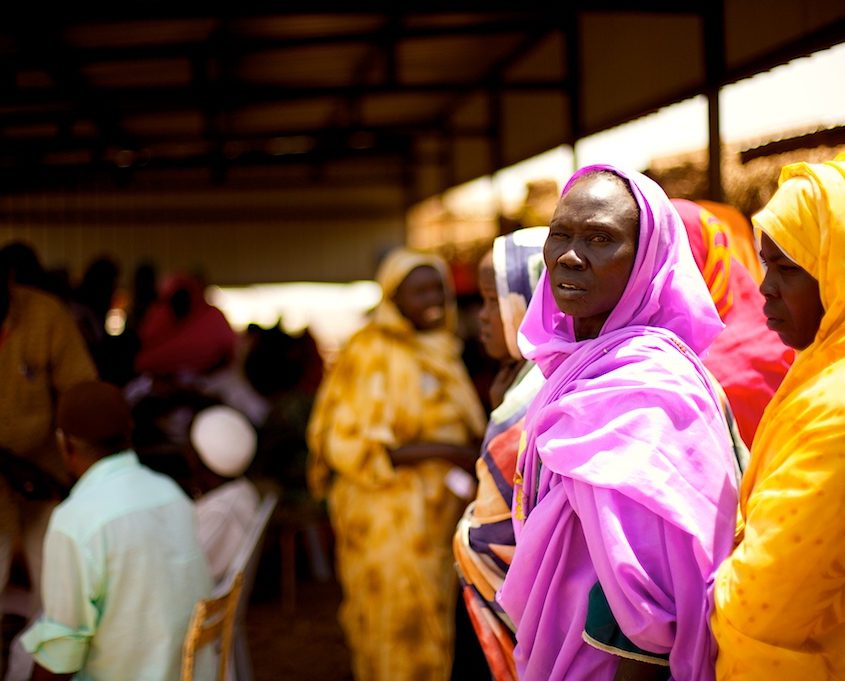
Addressing Human Trafficking in Sudan

Addressing Human Trafficking in Sudan
Even with recent efforts to eradicate human trafficking in the impoverished country of Sudan, progress is still necessary. The nation still receives several cases of child smuggling reports every year. To fully comprehend the severity of this issue, one must first look at the recorded history of human trafficking in Sudan.

History of Trafficking in Sudan

Human trafficking in Sudan has been a major issue since the 1980s, and the country has since developed into a human trafficking hub. From child trafficking and trading to women’s sexual slavery, it has become increasingly difficult to combat the issue. Not only do traffickers traffick individuals at a concerning frequency in Sudan, but there is also a concerning number of underground trafficking operations.

Unfortunately, many cases in Sudan slip between the cracks of the more generalized definition of human trafficking. As of recently, an increasing number of cases involving the luring of victims under false pretenses has occurred. For example, several human smuggling cases specifically have reported that younger victims received promises of false employment opportunities. In reality, the smugglers were transporting the children for child labor.

Human Trafficking and Poverty

Domestic slavery, as well as sexual slavery featuring Sudanese women and migrants, is another form of human trafficking. This greatly contributes to the current socio-economic environment of Sudan. In efforts to deflate the national currency, traffickers sell and trade these people, predominantly women and children, for ransom. Most of these cases also occur within the country’s borders, and many often witness their existence. Because of the frequency at which cases of human trafficking in Sudan occur, the general public shows signs of becoming desensitized.

Speculation has emerged that one may attribute the disparity between the number of human trafficking cases that occur versus the number of cases being reported to internal issues. The corruption of the Sudanese government, as well as the current economic state of the country, only increases the severity of the issue. Approximately 47% of the Sudanese population lives in poverty, which is an additional motive behind the traffickers asking for ransom.

Taking Action

As of 2014, however, the Sudanese parliament passed its first-ever act to recognize human trafficking: the Combating of Human Trafficking Act. In 2019, the country developed strategies to address and prevent human trafficking. The protection of victims, as well as the influx of resources going toward the National Committee to Combat Human Trafficking (NCCHT), has greatly improved the status of Sudan. According to the U.S. State Department, “Sudanese Armed Forces (SAF) officials launched a unit to lead the government’s child protection efforts in conflict areas and provided training to more than 5,000 members of its military on child protection issues, including child soldiering.”

This act working to prevent human trafficking has greatly benefited the overall development of the impoverished country of Sudan. Additionally, bringing awareness to the urgency of this problem is one of the first steps toward bringing Sudan out of extreme poverty.

– Caroline Kratz
Photo: Flickr

April 17, 2021
https://borgenproject.org/wp-content/uploads/borgen-project-logo.svg 0 0 Kim Thelwell https://borgenproject.org/wp-content/uploads/borgen-project-logo.svg Kim Thelwell2021-04-17 01:31:352021-04-13 07:18:50Addressing Human Trafficking in Sudan
Education, Global Poverty, Human Trafficking

5 Common Misconceptions of Human Trafficking

Misconceptions of Human Trafficking
An estimated 25 million individuals are trafficked globally on any given day. About 5.4 people per every 1,000 people in the world were victims in 2016. Additionally, one in four of these victims were children and three in four were women or girls. Approximately 89 million people have experienced some form of human trafficking within the last five years. Some victims suffer for a few days while others suffer for several years. Human trafficking is widespread and pervasive, and it is imperative that people understand the problem before addressing it. There are several common misconceptions of human trafficking that can make it difficult to identify and provide relief to victims. Here are five of these misconceptions.

5 Common Misconceptions of Human Trafficking

  1. Human Trafficking is Always Violent and Involves the Use of Force: Human trafficking is more than just kidnapping. The United States Trafficking Victims Protection Act of 2000 defines human trafficking as “the recruitment, harboring, transportation, provision or obtaining of a person for labor or services through the use of force, fraud or coercion for the purpose of subjection to involuntary servitude, peonage, debt bondage or slavery.” Human trafficking also includes any commercial sex act induced by force, fraud, coercion in minors, as well as organ harvesting and the use of child soldiers. Kidnappings and abductions are not the only factors in classifying human trafficking, as people typically traffic victims through fraud or coercion. Many victims may lack the personal documents or financial resources to escape. They may also fear for their safety.
  2. Human Trafficking Only Involves Commercial Sex: Sex trafficking is the most sensationalized form of human trafficking in the news. However, experts believe that there are more instances of labor trafficking worldwide. It is difficult to measure the scope of labor trafficking because sex trafficking cases receive more attention from the media and law enforcement. Labor trafficking receives less awareness largely due to this misconception of human trafficking.
  3. Human Trafficking Only Happens in Illegal Industries: Illicit and legal industries both report cases of human trafficking. Trafficked individuals often work alongside free employees. Some of the many legitimate industries in which trafficked individuals might work include restaurants, hotels, cleaning services, agriculture, construction and factories. However, people can also be exploited for criminal activity such as in street-level drug distribution businesses and cross-border drug smuggling schemes. Gang and drug dealing activity often occurs alongside sex trafficking business models as well.
  4. Human Trafficking Only Happens in Developing Nations: Both developed and developing nations experience human trafficking. Depending on their vulnerabilities, certain individuals are at a higher risk of being trafficked. Rachel Parker, the Program Manager of the Anti-Human Trafficking Division at World Relief Triad, told The Borgen Project these vulnerabilities include poverty, lack of education, violence and gang activity. She highlighted that native populations are an especially vulnerable demographic. Additionally, Parker noted familial factors, including having “too many mouths to feed” or parent-child separation as a result of immigrating in search of work. Lastly, she cited institutional variables such as a “lack of appropriate government support” as risk factors.
  5. Individuals Being Trafficked Always Want To “Get Out”: Victims of human trafficking do not always identify themselves as victims. Every trafficking situation is complicated and unique. Perpetrators often manipulate victims into human trafficking. In addition, some experience shame, guilt, fear and even feelings of loyalty towards their trafficker. These circumstances can prevent a victim from seeking help. Parker states, “Even if they don’t see [trafficking] as the worst thing to happen to them, we still have to respond.” She says they often see this in cases with minors who have experienced other traumas such as sexual assault. They might see their trafficking situation as the lesser of two evils. Parker emphasized that this is one of the largest misconceptions of human trafficking: the question of “Why didn’t they leave?”

Parker stated the one thing she wishes she could tell everyone about human trafficking is that “it is a crime of egregious exploitation, and if unaddressed in partnership throughout the world, it will continue to grow.” Furthermore, she emphasized that people should not fight by themselves, but that “the community and world need to take responsibility.” For example, governments can work with local providers to disseminate information, attend to gang violence and develop service infrastructure for survivors.

Human trafficking is a global problem that requires global solutions. First, however, education and awareness must eradicate misconceptions of human trafficking. Only then, can this widespread issue be adequately addressed.

– Margot Seidel
Photo: Flickr

April 7, 2021
https://borgenproject.org/wp-content/uploads/borgen-project-logo.svg 0 0 Kim Thelwell https://borgenproject.org/wp-content/uploads/borgen-project-logo.svg Kim Thelwell2021-04-07 07:30:192021-04-05 13:56:485 Common Misconceptions of Human Trafficking
Global Poverty, Human Trafficking, Women's Empowerment

Supporting Women in Barbados Combats Trafficking

Women in BarbadosHuman trafficking is prevalent in the Caribbean, including the island of Barbados. Trafficking is the act of transporting a person with the intention of forced or coerced labor. Research conducted by the Criminal Justice Research and Planning Unit (CJRPU) indicates that women’s involvement in drug trafficking is more prevalent among those who are uneducated and live in circumstances of poverty with little economic opportunity. The financial rewards of drug trafficking are appealing to women dealing with extreme economic hardship and poverty. Women are involved in trafficking more often than men. Specifically, mothers fall victim to trafficking to take care of their children and help their families out of poverty. Anti-trafficking efforts support women in Barbados and other Caribbean islands.

Caribbean Institute for Women in Leadership

The Caribbean Institute for Women in Leadership (CIWiL), together with several partners, works to create a more favorable environment for female leadership. The CIWiL is a multi-partisan organization without political affiliations that strengthens female leaders’ decision-making in Barbados. Its work is primarily achieved through building initiatives. Currently, webinars are accessible through the CIWiL website. The webinars are about leadership, politics and socio-economic subjects. The website has other political and economic resources such as initiatives for Young Women in Leadership (YWiL) in the Caribbean. One of these initiatives took place in October 2020 in Antigua and Barbuda. This program worked on building personal development skills for women ages 18 to 25 who are actively passionate about public leadership.

Efforts to Support Entrepreneurship

In July 2011, the CIWiL began its activity in Barbados to support events and initiatives that empower female entrepreneurs. In February of the same year, the Barbados government’s Bureau of Gender Affairs held a workshop to celebrate the Day of Women of the Americas for Leaders. The workshop hosted women in the Caribbean who are actively aspiring political or public leaders, helping them learn and build on their leadership skills. The Bureau is confident that supporting entrepreneurship will aid women in Barbados and be an efficient way to combat human trafficking. Developing the country’s economy helps decrease poverty in the country. Providing outlets for businesses to grow also creates significant opportunities for women to explore healthier income avenues.

HIV/AIDS Prevention

The Caribbean is leading at number two for the highest HIV/AIDs prevalence rate in the world. USAID launched a five-year initiative in 2015 to support the Caribbean’s efforts to combat the virus. The Bureau of Gender Affairs declares women’s health a pertinent issue, that if addressed, will support women trafficked in Barbados. From July to September 2011, the Bureau conducted a series of workshops addressing HIV/AIDS. The workshops discussed women’s susceptibility to HIV/AIDS and how to create more awareness and understanding of the topic. The event successfully implemented supportive measures for women in Barbados, including educational tools.

Barbados-United States Partnership

The U.S. Embassy Bridgetown Public Affairs Section (PAS) is trying to implement a new fixed grant system for Barbados. There are about 24 grants awarded for up to $24,000 each. These grants hope to strengthen the Barbados relationship with the U.S. Department of State. The more economically beneficial relationships Barbados has, the greater the opportunity to decrease poverty. Providing women trafficked in Barbados with more options for quality work is imperative to stop the lure of trafficking.

Commitment to Anti-Human Trafficking

Barbados will continue to be successful with its measures to support women and stop human trafficking. The Bureau of Gender Affairs is putting stress on expanding women’s economic status through productive initiatives that provide more opportunities for women in Barbados vulnerable to human trafficking. These anti-human trafficking efforts are the start of increased female empowerment in Barbados and the rest of the Caribbean.

– Libby Keefe
Photo: Flickr

March 31, 2021
https://borgenproject.org/wp-content/uploads/borgen-project-logo.svg 0 0 Kim Thelwell https://borgenproject.org/wp-content/uploads/borgen-project-logo.svg Kim Thelwell2021-03-31 01:27:382024-05-30 22:23:08Supporting Women in Barbados Combats Trafficking
Global Poverty, Human Trafficking, Migration

Fighting Human Trafficking in Guatemala

Human Trafficking in Guatemala
Human trafficking is a large and lucrative industry, generating approximately $31.6 billion in international markets annually. Of that $31.6 billion, about $1.3 billion, or just over 4%, is dependent on trafficking from Latin America. Of all the countries within Latin America, human trafficking has impacted Guatemala especially heavily, with an overwhelming number of victims being girls between the ages of 14 and 17. In fact, Guatemala currently ranks as a Tier 2 country according to the Trafficking in Persons 2020 report. This means that it does “not yet meet minimum standards for the elimination of trafficking … but [is] showing great strides to do so.” Guatemala has dealt with a number of hardships in the past decade, from massive tax fraud by a former president that reignited political instability to a low-growing economy that the COVID-19 pandemic is now challenging.

Human Trafficking in Guatemala

The lack of stability, both economic and political, creates the ideal situation for human traffickers to thrive. Economically, Guatemala falls very low on the region’s GDP chart ranking 131 among 187 countries in the world in 2016 and representing one of the lowest GDPs on the continent. This economic instability makes living in Guatemala more difficult and more dangerous. According to The World Bank, even though Guatemala’s economy has increased marginally in recent years, the hope of continued newly emerging economic stability has not translated into a decrease in poverty or inequality. The lack of legitimate opportunities present in Guatemala, which is increasing because of COVID-19, is forcing many families to consider other options.

According to Polaris, an NGO devoted to preventing human trafficking and supporting victims of trafficking, the “single biggest factor contributing to trafficking vulnerability [in Latin American cases] is migration.” Additionally, for the Northern Triangle, which includes Honduras, Guatemala and El Salvador, and is “one of the most violent regions in the world,” migration rates are steep. The actual number of trafficking cases is hard to measure; traffickers are transporting some victims, who are not necessarily Guatemalan, through Guatemala. With the help of the 2009 anti-sex trafficking law that the Guatemalan government passed, however, the number of investigated cases is rising. Over the past four years, over 100 prosecutions successfully convicted traffickers and Guatemala is making continued efforts every year.

Solutions

Despite all of this, a number of NGOs are doing what they can to support Latin Americans and Guatemalans. Combatting human trafficking in Guatemala starts with providing struggling families with a sense of stability and hope. Four NGOs, WingsGuate, Ninos De Guatemala, Common Hope and Safe Passage are leading the way on that front; each of them is building programs to assist their impacted communities, focusing especially on their younger and more vulnerable populations. For Guatemalan families, WingsGuate is offering reproductive health courses as well as regular appointments for cervical cancer screenings; the organization has provided over 62,000 screenings since its founding. Ninos De Guatemala, Common Hope and Safe Passage all focus on providing children with resources in the form of immediate access to food items and quality education for children.

Combined, these organizations reach more than 15,000 children and families a year, providing elementary school programs to children and high school level classes to parents. Less than 45% of Guatemalan children go above elementary level education, but 90%-95% of children participating in these programs move forward in their education. For parents, the direct impact of these education programs is a tripled income and the ability to provide more resources to their children.

By providing minors with safe spaces where they can meet their most immediate needs and their families the opportunity to increase education and employment, NGOs like these help break the cycles of abuse. All of these NGOs provide the critical foundations necessary to keep families in place, lessening their chances of migration and greatly reducing their chances of becoming victims of human trafficking.

Looking Ahead

Although Guatemala has not yet been moved from Tier 2 regarding human trafficking, it is making efforts to reduce it. As the government of Guatemala continues to pursue this goal, organizations like WingsGuate, Ninos De Guatemala, Common Hope and Safe Passage are rekindling hopes for the younger generations of Guatemala.

– Grace Parker
Photo: Flickr
March 30, 2021
https://borgenproject.org/wp-content/uploads/borgen-project-logo.svg 0 0 Jennifer Philipp https://borgenproject.org/wp-content/uploads/borgen-project-logo.svg Jennifer Philipp2021-03-30 07:30:032024-05-30 22:23:02Fighting Human Trafficking in Guatemala
Global Poverty, Human Trafficking, Migration

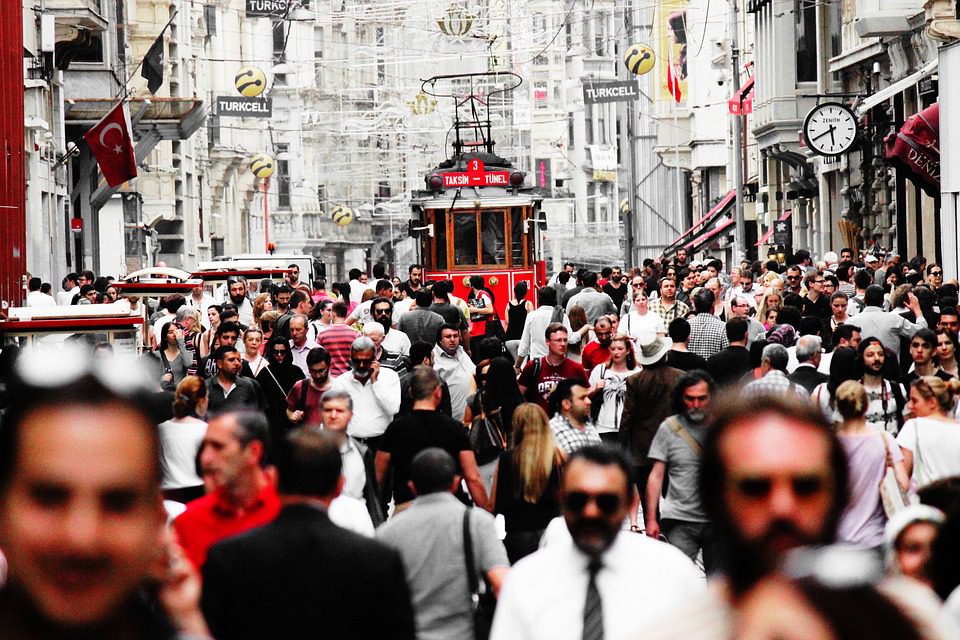
Tackling Human Trafficking in Turkey

Human Trafficking in Turkey
Human trafficking is “the recruitment, transportation, transfer, harboring, or receipt of persons by improper means (such as force, abduction, fraud, or coercion) for an improper purpose including forced labor or sexual exploitation” according to the United Nations. People from all different backgrounds and children of all ages can become victims of human trafficking and this crime exists in every region of the world. The Trafficking in Person Report (TIP Report) determined Turkey was a Tier 2 country in 2020. In the last years, the country’s government has demonstrated overall positive efforts toward eliminating human trafficking in Turkey but its tier ranking has remained the same since 2013. The government did not meet requirements in several areas as prosecutors and judges frequently lack experience, cases often undergo dismissal and victims and witnesses often do not participate in court.

Victims of Human Trafficking in Turkey

Victims of human trafficking in Turkey are mainly from Central and South Asia, Eastern Europe, Azerbaijan, Indonesia, Morocco and Syria. In recent years, the government of Turkey has faced problems regarding displaced Syrians ending up as trafficking victims due to vulnerability. Syrian refugees, including children, participate in the labor market which involves street begging.

Turkey’s Measures to Fight Human Trafficking

In 2002, the Turkish government established The National Task Force on Fight against Human Trafficking to effectively and strategically combat the issue. From 2002 on, The National Task Force prepared two National Action Plans in the fight against human trafficking in Turkey. The National Action Plans aimed to achieve appropriate international standards in the fight against human trafficking, erase human trafficking in Turkey and strengthen the relationship between government authorities and the local community.

On the other hand, Turkey signed the Convention against Transnational Organized Crime and its Supplementary Protocol to Prevent, Suppress and Punish Trafficking in Persons, Especially Women and Children in March 2003. The Convention against Transnational Organized Crime is the central international instrument in the action against organized crime. The purpose of this convention is to develop cooperation between countries and combat organized crime effectively. The objective of the Protocol to Prevent, Suppress and Punish Trafficking in Persons, Especially Women and Children is:

  1. “To prevent and combat trafficking in persons, paying particular attention to women and children
  2. To protect and assist the victims of such trafficking, with full respect for their human rights and
  3. To promote cooperation among States Parties in order to meet those objectives”

Additionally, Turkey, being a transit and a destination country, became a signatory to the Council of Europe Convention on Action against Trafficking in Human Beings in March 2009. The primary purpose of this convection is to fight against human trafficking while guaranteeing gender equality and the protection of human rights. Turkey adopted its efforts to international standards and performs actions against human trafficking in four main areas: prevention, protection, prosecution and cooperation.

Prevention

To prevent human trafficking in Turkey, the Turkish government created the Prevention of Human Trafficking Act 2014 and established cooperation between the public sector and private sectors. In 2019, 3,001 selected staff participated in training focusing on the issue. Also, a documentary about the victims of human trafficking broadcasted on national channels in 2018. The authorities have declared that Turkey has a high level of cooperation with NGOs and public institutions regarding this matter.

Protection

Identifying and defining a human trafficking victim is the first step in the field of protection. In Turkey, specially trained individuals execute identification procedures. Turkish authorities interviewed 4,500 potential victims of human trafficking; it identified 134 as victims in 2019. Based on the regulations, foreign citizens who suffered from human trafficking in Turkey must stay in special shelters. However, Turkish citizens and child victims must be under the protection of the Ministry of Family, Labor and Social Services.

Another important factor of protection is the voluntary and safe return program. The country can only return the victim to his/her country of origin in the scope of the voluntary and return program. Turkey is carrying out the program in cooperation with the International Organization for Migration (IOM).

Prosecution and Cooperation

The prosecution is one of the most decisive procedures regarding fighting against human trafficking. Article 80 of the Turkish Penal Code criminalizes the trafficking of human beings and envisages a criminal penalty from eight to 12 years of imprisonment and up to 10,000 days of judicial fines.

On the other hand, Turkey signed bilateral agreements with Belarus, Georgia, Kyrgyzstan, Moldova and Ukraine to tackle human trafficking on the regional and international level. Also, Turkey has established security cooperation agreements with more than 100 countries. All of these agreements include articles about the development of cooperation against illegal migration and human trafficking.

Conclusion

Due to the geographical location and regional conflicts, human trafficking in Turkey remains a problem. However, it is important to mention that Turkey is taking the necessary measures to fight against it. Moreover, because of the scope of the crime, it is hard to see instant results. Turkey is trying to follow regulations and is prioritizing the Convention that it ratified in 2003.

– Tofig Ismayilzada
Photo: Pixabay

March 29, 2021
https://borgenproject.org/wp-content/uploads/borgen-project-logo.svg 0 0 Jennifer Philipp https://borgenproject.org/wp-content/uploads/borgen-project-logo.svg Jennifer Philipp2021-03-29 01:31:322024-05-30 22:22:59Tackling Human Trafficking in Turkey
Global Poverty, Human Trafficking

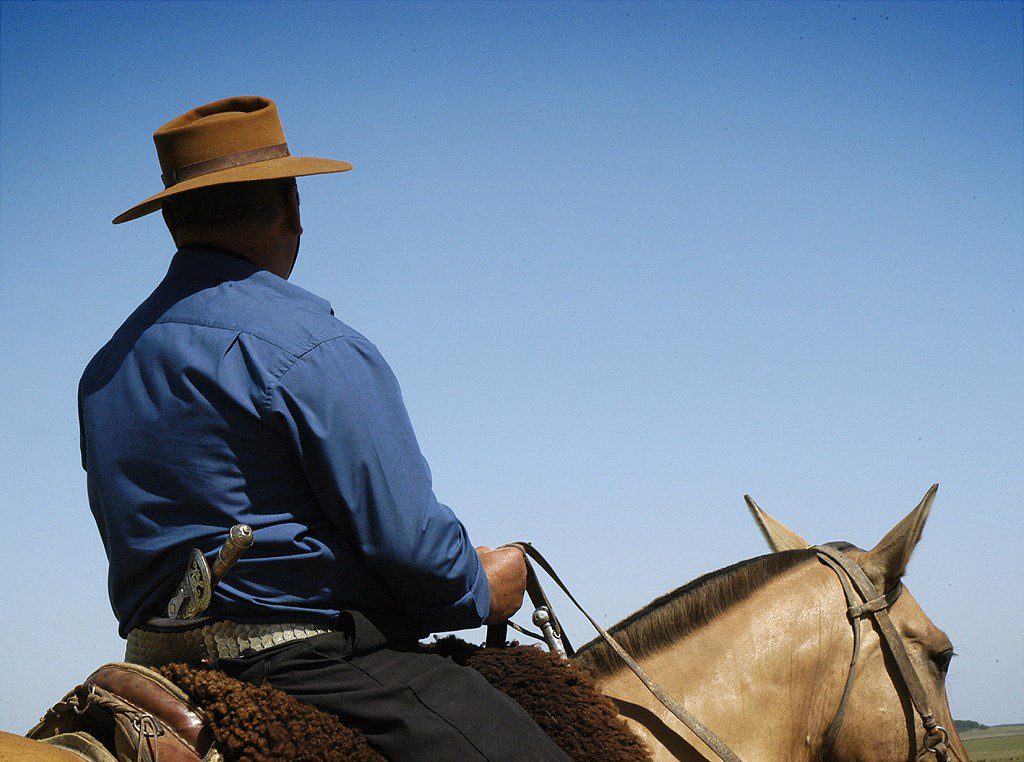
Combatting Human Trafficking in Uruguay

Human Trafficking in Uruguay
Uruguay has recently increased its national response to violent and organized crime after seeing an increase has included the smuggling of drugs, weapons and people. To help end human trafficking in Uruguay, the government is taking steps to increase awareness and identification about the practice and its victims.

The United Nations defines human trafficking as the transfer of persons through the use of force or coercion for the purpose of exploitation, often involving forced labor or sex work. Around 10% of human trafficking occurs in Latin America, accounting for over $1 billion of the money traffickers make throughout the world.

Where Uruguay Stands

A small country of over 3.4 million bordering Brazil and Argentina, Uruguay has historically had one of the lower crime rates in South America. Despite this, the 2020 Trafficking in Persons Report categorizes Uruguay as a Tier 2 country, which it has been for the last five years. The report, which the U.S. State Department publishes, consists of three primary tiers. The first denotes that a country is making sufficient effort to end human trafficking and the third signals that a country is making little to no effort.

In 2019, Uruguay identified 83 new victims of human trafficking; this number is down from the 95 victims it identified in 2018. Shelters and other services are available for victims, however, most resources like these are only in the capital of Montevideo. Victims identified in other areas of the country face additional challenges because of this.

Most victims of human trafficking are women and girls, who are often from vulnerable communities. Poverty is one of the leading risk factors that experts associate with human trafficking, meaning that in addition to direct responses to human trafficking, reducing poverty can also be a form of prevention.

What Uruguay is Doing

As a Tier 2 country, Uruguay still has room to improve its handling of human trafficking but is making significant efforts to advance the quality of its response and resources for victims. Primary among these is the country’s National Action Plan in 2018, which involved the creation of a committee focused on ending human trafficking in Uruguay.

Besides raising public awareness about the issue, Uruguay is also training law enforcement and other officials on how to recognize human trafficking when it occurs and provide help. A national hotline is also now available 24 hours a day. Uruguay is also providing access to shelters and services for victims outside of Montevideo as an ongoing effort to end human trafficking in the country.

Civil society and the public have also made their voices heard on the topic, including former victims. In the summer of 2019, Sandra Ferrini, who experienced trafficking as a teenager, made a powerful statement as she led the country’s first march against human trafficking.

Potential Improvements

The efforts that Uruguay is enacting to prevent and educate about human trafficking have improved the country’s situation, but it still needs to do more work. The Trafficking in Persons report made several recommendations for Uruguay to continue improving its efforts.

One area the recommendations focused on was improving the long-term support for victims. Suggestions included more funding for shelters, particularly in areas outside of the capital Montevideo. Programs for social reintegration are also a promising form of support, including those that focus on vocational training.

The report also recommended that Uruguay pursue more prosecutions of the people running human trafficking. Cases against traffickers have increased in the last few years, with 18 cases undergoing prosecution in 2019 compared to just 10 a few years before. Increasing prosecution can further hold perpetrators accountable and decrease trafficking in Uruguay.

With further engagement on the issue from both the government and the public, Uruguay can improve services for victims and significantly reduce human trafficking within its borders.

– Nicole Ronchetti
Photo: Wikipedia Commons

March 28, 2021
https://borgenproject.org/wp-content/uploads/borgen-project-logo.svg 0 0 Jennifer Philipp https://borgenproject.org/wp-content/uploads/borgen-project-logo.svg Jennifer Philipp2021-03-28 07:30:062024-05-30 22:22:59Combatting Human Trafficking in Uruguay
Global Poverty, Human Trafficking, Migration

The Role Poverty Plays in Human Trafficking in Aruba

The Role Poverty Plays in Human Trafficking in Aruba
Aruba currently ranks on the Tier 2 watchlist for human trafficking according to the United States Department of State. The Tier 2 rank means that a nation’s government does not fully comply with the Trafficking Victims Protection Act’s minimum standards of human trafficking prevention, although the nation in question is making substantial efforts to comply with these standards.

Countries typically end up on a watch list if the U.S. Department of State suspects they have severe or increasing levels of sex trafficking, or if they fail to provide substantial evidence of the work they are doing to prevent trafficking; the latter is a particular problem Aruba’s government faces. Aruba is attempting to make a difference in the way it attacks human trafficking. However, poverty is playing a considerable role in a way that Aruba’s current tactics are not prepared to handle.

The Causes of Sex Trafficking

In order to properly look at how sex trafficking is affecting people in Aruba, it is important to first acknowledge some of the root causes of trafficking. One of the main causes of sex trafficking is poverty. Sex traffickers will exploit low-income families struggling to provide for themselves by offering them false opportunities or offering to buy off their children. Poverty also affects other contributing factors such as lack of education or limited employment opportunities and leads to vulnerable people migrating to new places in search of a better life.

Another important factor to remember is that sex trafficking is able to thrive because an open market exists for it that thrives on traffickers’ fearlessness regarding law enforcement. If sex traffickers believe they can get away with their business, and people continue to contribute to the business, sex trafficking becomes a classic case of supply and demand. This is why education is also so critical to not only the victims but also government and law enforcement officials. If victims fear punishment from law enforcement, they may be less likely to try and reach out for help.

Sex Trafficking in Aruba

In Caribbean countries such as Aruba, women have had to become the primary source of income for their families, which leaves children alone and unsupervised. In some cases, these children may even take up jobs to provide support. Oftentimes, the “support” these children are providing is through sex trafficking.

Migrants in Aruba

Many of the victims of human trafficking in Aruba are foreign and predominantly Venezuelan. Due to political turmoil and socio-economic insecurity, millions of people are migrating out of Venezuela, many of whom are coming to Aruba on visas and remaining past the visa’s expiration. These foreign victims are more at risk due to their situation. As illegal migrants, fear of deportation to the country they fled from can be a powerful motive to do anything to stay. Traffickers frequently exploit people in these positions, believing law enforcement will not protect them.

Traffickers often lure foreign visitors or migrants with false promises. Some of these examples include “a weekend of free entertainment,” opportunities to learn English and openings at modeling agencies or other job-like positions. Another reason these people get sucked into sex trafficking is that they are drowning in debt. These innocent victims looking to make a better life for themselves end up getting trapped in trafficking schemes with seemingly no way out. The “unknown” of the world around them also affects the trust the victims have. Often, the fact that many of these victims are immigrants results in them having trouble placing their trust in officials trying to save them. The victims have had traffickers shatter their ability to trust, so they struggle to place this same trust in officials. For many victims, leaving human trafficking means no source of income and potential for deportation as well. As a result, human trafficking victims hold onto a sense of security in the system for fear of the unknown on the outside.

Aruba’s Measures to Prevent Human Trafficking

With a lack of support, the impoverished victims of human trafficking in Aruba are frequently reluctant to seek help. Aruba has several programs in place to aid in the fight against human trafficking.

  1. Aruba has different committees in place to end human trafficking. These include a Laws and Regulations Committee, Publicity and Awareness Committee, Victim Assistance Committee and Prostitution Policy Committee. Together, they attack the different roots of human trafficking in Aruba.
  2. Much of Aruba’s effort went toward protecting victims of sex trafficking through several different programs to ensure their safety. One particularly useful practice for Aruba has been relocating victims to another island. Options such as these can provide security to victims fearful of retribution. Other efforts in place to help victims included a referral mechanism to guide officials to recognize victims seeking assistance, as well as a hotline, a plan for the construction of a victim shelter and immigration relief. Alternative shelter accommodations underwent negotiation with local NGOs, and risk assessments occurred in order to ensure the safety of the victims within the shelters. This ensures that victims will have a place to turn to once they experience rescue, which may be a substantial need for impoverished victims in particular.
  3. Because many victims of sex trafficking in Aruba are migrants, Aruba also allocates resources and support to non-citizens. One example of this is a residence permit with which non-residents can register with the Census bureau and can receive government assistance normally only accessible to citizens such as healthcare and free legal assistance. This is especially good news for illegal Venezuelans who fear deportation as a result of seeking assistance.
  4. The taskforce’s preventative efforts include organizing campaigns and seminars to help the people of Aruba recognize human trafficking. These seminars go over being aware of the issues, informed about what the government is doing about human trafficking and know what actions to take if they see or experience it. Because of Aruba’s small size, newspaper publications covered the entire public outreach campaign. Social media posts, posters and flyers in four different languages also underwent utilization to spread important information about human trafficking in Aruba. Because of Aruba’s small size, newspaper publications covered the entire public outreach campaign. A local TV station in 2018 also produced a documentary on sex trafficking, an important tool that the government used to train local officials.

These efforts strongly contribute to fighting human trafficking on the educational front. By making people more aware of what trafficking situations they could find themselves in, as well as how to safely get out of them, Aruba is attacking human trafficking at its core. This weakens the power traffickers have over potential victims.

Looking Ahead

Although several programs are supporting victims of human trafficking in Aruba, much more support is necessary. Aruba must allocate more resources to areas like immigration structures and mechanisms, the regulation of prostitution and the escort business and overall human and financial resources in order to best employ its budget to stop human trafficking.

– Samantha Fazio
Photo: Flickr

March 24, 2021
https://borgenproject.org/wp-content/uploads/borgen-project-logo.svg 0 0 Jennifer Philipp https://borgenproject.org/wp-content/uploads/borgen-project-logo.svg Jennifer Philipp2021-03-24 13:42:512024-05-30 07:56:52The Role Poverty Plays in Human Trafficking in Aruba
Global Poverty, Human Trafficking

Human Trafficking in Uganda 

Human Trafficking in Uganda
Uganda is a country in East Africa that resides primarily on a central plateau that the rainforest mainly covers. Uganda is home to approximately 43 million people and a very young population, with an average age of 15.9 years old. Because of Uganda’s prominent position in Africa, it is an important destination for international tourism and trade. With large economic inequality and limited access to employment opportunities, Uganda’s population has grown economically vulnerable. This economic insecurity has lead to high rates of human trafficking in Uganda, as black market traffickers exploit vulnerable populations.

The Situation

Human trafficking is the crime of using “force, fraud or coercion” on people with the aim of exploiting them for profit. The exploitation typically comes in the form of physical labor, acts of service or sexual favors. Traffickers use varied tactics to lure their victims, including violent force, manipulation, romance and promises of well-paying jobs.

Human trafficking has become a major problem in Uganda. According to the Trafficking in Persons Report from 2020, estimates determined that traffickers are currently exploiting 7,000 to 12,000 children through sex trafficking in Uganda. The report also outlines how human trafficking in Uganda primarily takes the form of forced physical labor and sexual exploitation.

Uganda lacks employment opportunities, quality education and social welfare systems to aid the nation’s young population. The lack of opportunities and access to resources has left young Ugandans who live in rural and underserved areas vulnerable to exploitation. Most young Ugandans emigrants go to the Gulf States to work as laborers, security officers, construction workers and other forms of untrained labor, putting them at risk of human trafficking syndicates. The criminal justice system in Uganda is not adequately prepared to handle international crimes of this scope and nature. Special expertise and the cooperation of the international community are necessary to apprehend and bring to justice human traffickers and their accomplices.

The Fight Against Trafficking

Currently, Uganda has not met the minimum requirements to eliminate human trafficking but has made significant efforts to do so. Necessary measures for Uganda to eliminate human trafficking are varied. They include greater scale and intensity of federal investigations into human trafficking and a focus on prosecuting traffickers on the judicial side. Outside of criminal justice, assisting survivors of human trafficking and allocating resources to NGOs that provide protective services to populations vulnerable to trafficking are both crucial to ameliorate the damage that human trafficking has done. To successfully combat the menace of human trafficking, the Ugandan government must prioritize both survivor resources and relentless prosecution of human traffickers.

Despite its difficulties, the Ugandan government has taken the initiative to combat human trafficking. The Human Trafficking Institute, which emerged in 2015, has dedicated itself to combating modern slavery by empowering law enforcement to stop traffickers. The Institute has met with Ugandan leaders and planned the creation of specially-trained anti-trafficking units dedicated exclusively to combating human traffickers and the criminal infrastructure that enables them. The Institute is currently working with the Ugandan government to conduct trafficking investigations and prosecutions of traffickers. In 2017, the Institute led the training of 175 judges, police and prosecutors in Kampala, Uganda. Working with the Institute, the Ugandan government approved a specialized Human Trafficking Department in the Ugandan police force. The Human Trafficking Department now has approximately 250 staff members across Uganda.

Progress & Future Efforts

In 2009, the Prevention of Trafficking in Persons Act became law in Uganda. Under the law, which prohibits sex trafficking of any kind and protects the rights of sex trafficking survivors, prosecution and conviction of traffickers have escalated considerably. In 2009, only a single human trafficker received a conviction in Uganda out of three prosecutions. In contrast, 2017 saw 50 prosecutions and 24 convictions of human traffickers and their accomplices in Uganda.

Nonprofits and advocacy groups have also played a role in the fight against human trafficking. Willow International is a nonprofit organization that Kelly Morgan founded in 2015, dedicated to fighting human trafficking in Uganda. After she visited the country and witnessed human trafficking firsthand, Morgan made it her mission to end slavery in Uganda. Willow International combats human trafficking in Uganda through advocacy, aftercare, partnerships, prevention and rescue. Hundreds of trafficking victims and survivors have benefited from Willow’s work, with an estimated 55,000 lives positively impacted through rescue, education and prevention efforts in Uganda.

These efforts by the Ugandan government and advocates from the world are promising and important initiatives. Legal reform and resources for vulnerable communities have helped Uganda’s underdeveloped rural population stand up to traffickers. Simultaneously, the Ugandan government has reaffirmed its dedication to fighting trafficking and cooperated with international organizations to implement its new initiatives. But Uganda continues to be an area with prevalent human trafficking, and as long as modern slavery continues in the country, the fight against exploited labor will and must continue.

– Jose Ahumada
Photo: Flickr

March 24, 2021
https://borgenproject.org/wp-content/uploads/borgen-project-logo.svg 0 0 Jennifer Philipp https://borgenproject.org/wp-content/uploads/borgen-project-logo.svg Jennifer Philipp2021-03-24 07:30:092024-05-30 22:23:00Human Trafficking in Uganda 
Global Poverty, Human Trafficking

Combatting Human Trafficking in Jordan

Human Trafficking in Jordan
On Wednesday, March 3, 2021, Jordan’s Lower House of Parliament approved a draft law to make amendments to the nation’s Anti-Human-Trafficking Law. The newly adjusted law aims to reduce human trafficking in Jordan by increasing the penalties for human traffickers, while also providing further support to victims and persons these crimes affect. Additionally, the Lower House established a special fund that compensates trafficking victims for the harm they received. According to Jordan’s Minister of State, Mahmoud Kharabsheh, “the draft law protects young beggars who are exploited and protects people from bonded labor.”

The Situation

This initiative aptly responds to the 2020 U.S. Trafficking in Person’s Report on Jordan, which declared that the country did not meet the requirements for the elimination of trafficking. The report designated Jordan as a Tier 2 country, meaning that although the country has not met the standards for reducing human trafficking, it is making significant efforts to do so.

In 2020, the Jordanian government made several efforts to prevent human trafficking, including distributing relevant cautionary information to all foreign migrant workers. However, the in Person’s report also mentioned that the government did not make any efforts to decrease commercial sex acts and the prostitution of minors. For this reason among others, it is evident from the 2020 report that Jordan’s government still has a long way to go in implementing anti-human-trafficking legislation. The country’s new Anti-Human-Trafficking Law passed on Wednesday, March 3, 2021, is a timely step in the right direction.

Trafficking Victims in Jordan

The victims of human trafficking in Jordan are primarily migrant workers from South and Southeast Asia, East Africa, Egypt and Syria. Foreign migrant workers are the most vulnerable to human trafficking due to a variety of reasons. Oftentimes these people have left their home country to escape dangerous conditions or abuse, or in the hope of earning more money. Syrian refugees in Jordan are a prominent example of a vulnerable population not only in search of safe living conditions but requiring jobs as well. Because many of Jordan’s foreign workers are undocumented, their illegal status makes them unlikely to complain about their employers or leave in fear of experiencing deportation. The many disadvantages that foreign migrant workers in Jordan face make them especially vulnerable to human trafficking.

Although it is difficult to quantify human trafficking in Jordan, some relevant statistics exist that help to illustrate the scope of the issue. A study that the Jordanian Women’s Union in 2020 published found that “the number of human trafficking cases in Jordan that the police had dealt with between 2009 and 2019 was 224.” Of these cases, “forced domestic labor topped the figures with 55.8 percent… while sexual exploitation cases represented 6.3 percent, followed by exploitation of prostitution cases with 5.8 percent.” Considering that 800,000 undocumented foreign workers had employment in Jordan in 2016 alone, the number of human trafficking cases that the police dealt with is disproportionately small.

In conjunction with the study’s findings, Muhannad Dweikat, one of the experts who prepared the JWU’s study, emphasized the need for more anti-trafficking legislation in Jordan. He remarked, “Based on the figures… it is important to create a national mechanism for human trafficking cases, which would be considered as a reliable reference when dealing with such cases.”

Looking Ahead

Human trafficking in Jordan is a big problem that requires more national attention in order for the country to move out of the Tier 2 Watch list. The majority of human trafficking victims in Jordan are foreign migrant workers, however, an upwards trend has taken place seeing that, “in 2019, the government identified nine trafficking victims, which represented a significant decrease from the 40 identified victims in 2018.” This data, along with the solidification of new anti-human trafficking legislation in Jordan, illustrates that the humanitarian crisis has gained more prominence within the country. Jordan is taking strides to end human trafficking, and its recent successes prove it.

– Eliza Kirk
Photo: Flickr

March 24, 2021
https://borgenproject.org/wp-content/uploads/borgen-project-logo.svg 0 0 Jennifer Philipp https://borgenproject.org/wp-content/uploads/borgen-project-logo.svg Jennifer Philipp2021-03-24 01:31:382021-03-21 10:24:11Combatting Human Trafficking in Jordan
Page 13 of 31«‹1112131415›»

Get Smarter

  • Global Poverty 101
  • Global Poverty… The Good News
  • Global Poverty & U.S. Jobs
  • Global Poverty and National Security
  • Innovative Solutions to Poverty
  • Global Poverty & Aid FAQ’s
Search Search

Take Action

  • Call Congress
  • Email Congress
  • Donate
  • 30 Ways to Help
  • Volunteer Ops
  • Internships
  • Courses & Certificates
  • The Podcast
Borgen Project

“The Borgen Project is an incredible nonprofit organization that is addressing poverty and hunger and working towards ending them.”

-The Huffington Post

Inside The Borgen Project

  • Contact
  • About
  • Financials
  • President
  • Board of Directors
  • Board of Advisors

International Links

  • UK Email Parliament
  • UK Donate
  • Canada Email Parliament

Get Smarter

  • Global Poverty 101
  • Global Poverty… The Good News
  • Global Poverty & U.S. Jobs
  • Global Poverty and National Security
  • Innovative Solutions to Poverty
  • Global Poverty & Aid FAQ’s

Ways to Help

  • Call Congress
  • Email Congress
  • Donate
  • 30 Ways to Help
  • Volunteer Ops
  • Internships
  • Courses & Certificates
  • The Podcast
Scroll to top Scroll to top Scroll to top