The Link Between Poverty and Heart Disease
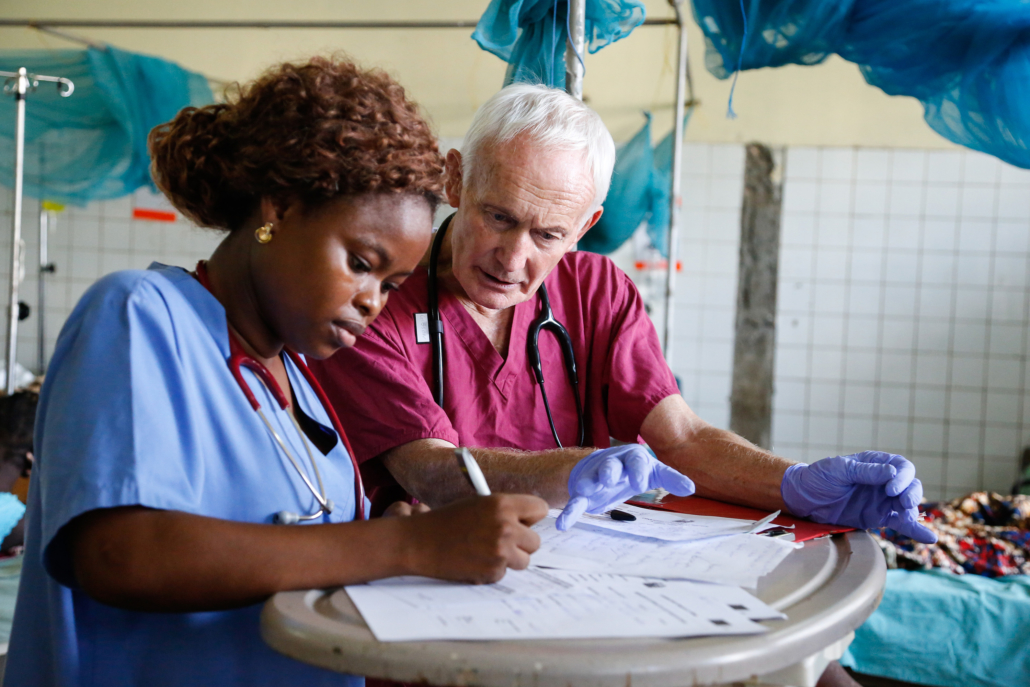
Heart disease has a reputation as a “first-world problem,” the inevitable result of a fatty diet and little to no exercise. Despite this common correlation, the link between poverty and heart disease is becoming increasingly visible. As of 2015, 80% of global deaths from cardiovascular disease were in low to middle-income countries (LMIC). According to The World Health Organization, 37% of premature deaths (<70 years old) in LMIC’s caused by non-communicable diseases are attributable to cardiovascular disease.
Heart Disease and Poverty
Prior to 1990, most deaths in LMIC’s were caused by communicable diseases like HIV, malaria and ebola, or complications from malnutrition. As urban areas grow in developing nations, lower physical activity and access to mass-produced and nutritionally-poor food contribute to the rise in heart disease-related deaths.
Heart disease is often the result of atherosclerosis, a build-up of plaque in the arteries of the cardiovascular system, or thickening that narrows the space for blood to flow. Heart attacks, stroke, arrhythmias and physiological deformities of the heart result from these blockages and can be fatal.
Major factors leading to heart disease include a poor diet, tobacco use, high blood pressure and high blood sugar. Additionally, a lack of diagnostic tools in LMIC may contribute to increased mortality from cardiovascular disease. A delayed diagnosis can result in irreparable cumulative damage and adverse cardiovascular events. Similarly, distributing affordable medications for managing heart disease in LMIC’s (ACE inhibitors, statins, beta-channel blockers and aspirin) is an ongoing challenge.
Non-communicable diseases like heart disease are often contributing factors to continued or extreme poverty due to lost wages, incapacitation and the generational effects of losing caregivers and wage earners. Patients in LMIC’s who survive heart attacks and strokes may need years of costly follow-up care and medication. The increases the likelihood that the dual burden of poverty and heart disease will prove fatal.
A New Baseline
Establishing effective preventative care in LMIC’s is one of the biggest obstacles to reducing cardiovascular disease. Lifestyle changes such as smoking cessation, dietary guidance and increased exercise can make a significant difference. Health professionals should recommend these changes to those screened as at-risk or suffering from high blood pressure.
The World Health Organization (WHO) has programs designed to treat and prevent cardiovascular disease globally. The WHO launched the Global Hearts Initiative in 2016 to provide support to governments in their efforts to prevent heart disease. The approach is multi-faceted and includes improvements to the health care sector, the nutritional quality of food and more.
The World Heart Federation (WHF) is an NGO focused on global cardiovascular care and outreach. Founded in 1978, it is internationally recognized as an authority on preventing, treating and diagnosing cardiovascular disease in children. The WHF provides training and networking opportunities to public health officials and caregivers worldwide, emphasizing practical methods of prevention and treatment.
Moving forward into a world where most people live in cities, vital infrastructure and basic medical services are necessary to improve the quality of life in developing nations and impoverished communities globally. Combating the rising incidence of heart disease is a major battle inequitably affecting the world’s poor. Cardiovascular screening, patient education and dietary guidance are all important steps in the right direction.
– Katrina Hall
Photo: Flickr
