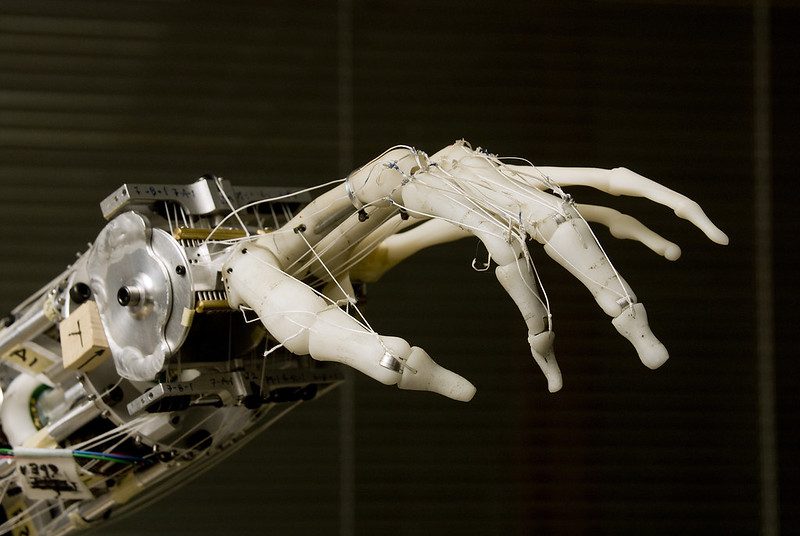
A McKinsey report states that prosthetic innovation will improve global health by 2040. Innovative 3D-printed, robotic prosthetic limbs provide African amputees with an affordable and high-quality alternative in comparison to conventional prostheses.
The most common prostheses are artificial limbs. Only a small fraction of amputees living in low and middle-income countries have access to suitable prosthetic services. Thus, prosthetic innovation is particularly important in impoverished areas.
In 2017, there were 16 million amputees in Africa, making up 24.6% of global amputees. Expectations have determined that these numbers will increase due to a rise in illnesses and diseases. Furthermore, deteriorating roads and increased urbanization will lead to more traffic accidents.
Devastating Effects of Losing a Limb
It is difficult for amputees to work and prosper without proper medical assistance. Additionally, amputees are more vulnerable to accidents, infections, diabetes, poor medical care and injury due to war or natural disasters. Furthermore, prostheses and rehabilitation services typically cost thousands of dollars. In many lower-income communities, prostheses are simply unaffordable.
Amputees are unable to use poorly fitted prostheses due to pain. Specially trained prosthetists need to assess patients before fitting them. Also, patients need to visit a clinic several times for physical therapy before effectively using prosthetic limbs.
Providing Prosthetic Services
Governments in lower-income nations do not invest in prosthetics due to the lack of data and economic benefit. International and local NGOs provide most prosthetic services in impoverished countries. Without government and donor support in prosthetic innovation, access to these services will remain low.
The 3D Revolution in Prosthetics
Within the last decade, 3D printing has entered the prostheses market in Africa. Now, 3D designs are free, editable and available online for beginners to maneuver. Furthermore, a 3D-printed hand costs around $50. In recent years, the World Health Organization (WHO), governments and other organizations have spurred prosthetic innovation throughout Africa.
Nigerian Tech Lovers Launch 3D Lab for Victims of Violence
Muhammed Jafar is a 25-year-old member of a vigilante group in northeastern Nigeria. He lost his left hand while helping rescue a teenager who a gang had kidnapped. Now he is working as a tailor with a 3D-printed prosthetic arm he received from the Northeastern Humanitarian and Innovation Lab. The Nigerian government helped a group of tech enthusiasts launch a tech hub in 2018. Furthermore, the Northeastern Humanitarian and Innovation Lab print limbs and add robotics to improve functionality. Also, the cost of the 3D limbs is significantly less than conventionally manufactured prostheses. The Northeastern Humanitarian and Innovation Lab is a great example of how government investment in local volunteer groups can change the lives of those in need.
South African Post-Grads Launch Robotic Prosthetics Company
In 2017, Drew Van der Riet created the world’s most advanced low-cost “Touch Hand” prosthetic hand with his engineering team. This new prosthetic hand provides unique sensory feedback so that users can pick up delicate and irregular objects. Van Der Riet was shocked to discover that most hand amputees had to use basic “claws.” Furthermore, robotic hands similar to the “Touch Hand” are 10 times more expensive.
Van der Riet launched Touch Prosthetics in Durban in an attempt to keep prosthetic innovation on top. Additionally, the organization aims to develop simple, affordable upgrades for amputees. Fortunately, Touch Prosthetics was able to secure government and business support and has already developed Touch Hand II. However, Van der Riet notes that often strong university projects do not make it to market due to a lack of capital and marketing savvy.
As the Northeast Humanitarian and Innovation Lab in Nigeria and Touch Prosthetics in South Africa exemplified, the 3D revolution has inspired African prosthetic innovation to improve the lives of amputees. By amplifying aid for these efforts, more African amputees will be able to support themselves with ease.
– Shelly Saltzman
Photo: Flickr
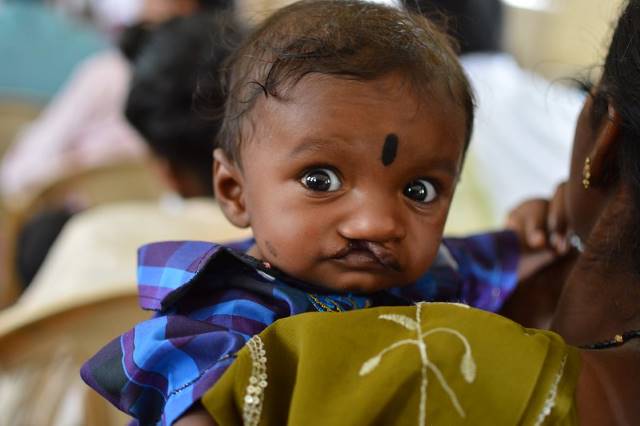 More than 170,000 children in developing countries are born with cleft lips or palates. Children born with clefts in developing countries often go untreated due to a lack of trained surgeons and facilities as well as the high cost of corrective surgery. Without surgery, children struggle to eat, breathe, hear and speak. Smile Train is a nonprofit that works to provide life-enhancing services to children with clefts in developing countries.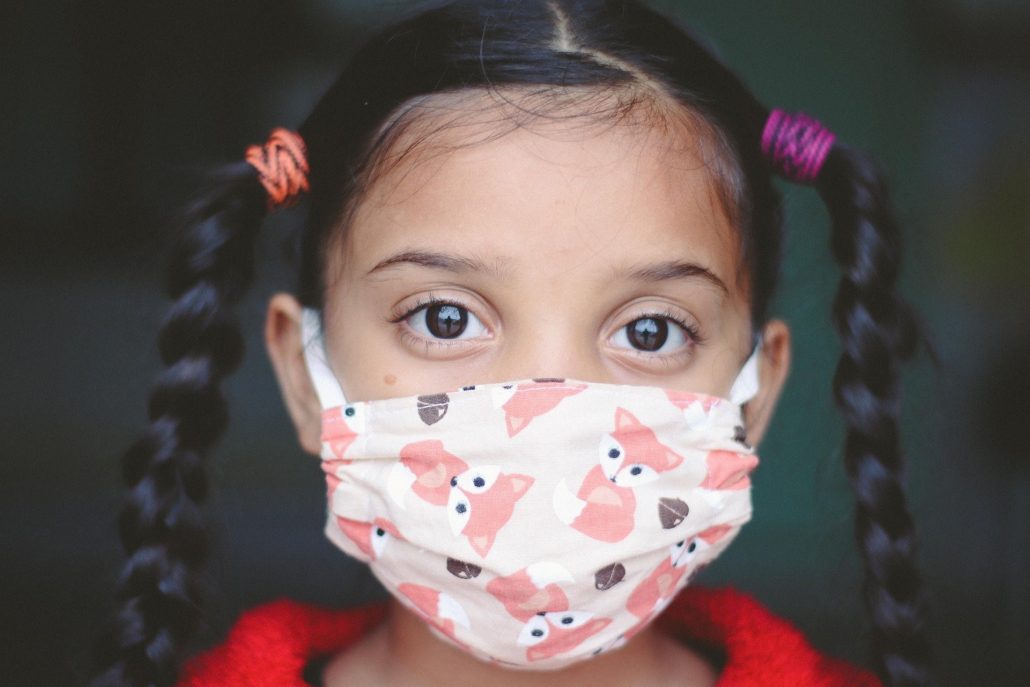

 Malaria is one of the main diseases that has claimed the lives of many Nigerians. Due to population, social and climate conditions,
 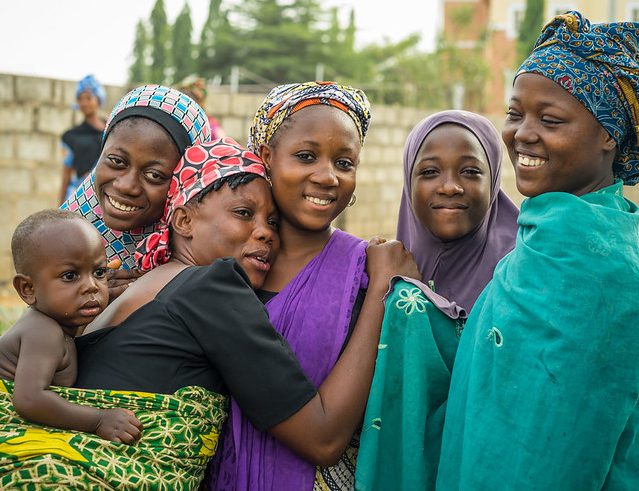 Despite the United Nations’ global commitment to improve the health of pregnant mothers and reduce maternal death, the loss of women’s lives as a result of complications during pregnancy has been on the increase in most sub-Saharan African countries. In Nigeria, there are
 The world currently has