• Link to X
  • Link to Facebook
  • Link to Instagram
  • Link to TikTok
  • Link to Youtube
  • About
    • About Us
      • President
      • Board of Directors
      • Board of Advisors
      • Financials
      • Our Methodology
      • Success Tracker
      • Contact
  • Act Now
    • 30 Ways to Help
      • Email Congress
      • Call Congress
      • Volunteer
      • Courses & Certificates
      • Be a Donor
    • Internships
      • In-Office Internships
      • Remote Internships
    • Legislation
      • Politics 101
  • The Blog
  • The Podcast
  • Magazine
  • Donate
  • Click to open the search input field Click to open the search input field Search
  • Menu Menu

Archive for category: Health

Information and stories on health topics.

Disease, Global Poverty, Health, Malaria

5 Things You Didn’t Know About Malaria

Five-Things-You-Didn't-Know-About-Malaria
Malaria is a disease caused by Plasmodium parasites, which are carried by Anopheles mosquitos. The mosquitos thrive in high temperatures, making malaria more common in tropical and subtropical regions. According to the Center for Disease Control, common symptoms include fever and flu-like illness, along with other issues, depending on the strain. The disease can also cause anemia and jaundice. Without treatment, malaria can lead to more severe issues and can be fatal. The following are some lesser known facts about the disease.

1. The United States was not considered free of malaria until 1951.

While many picture malaria being concentrated in more tropical areas, malaria was once prevalent across the globe. Malaria has been eliminated from several mild-weathered developed countries. In order to be considered officially free of a disease, a country needs to have no new cases of the disease for three years. The United States did not completely eliminate malaria until 1951, according to the Gates Foundation.

2. There are five species of Plasmodium parasites that cause malaria in humans.

P. falciparum, the deadliest of the species, can be found in tropical and subtropical areas around the world and is especially predominant in sub-Saharan Africa.

Another species, P. vivax, is the most prevalent of the five species and is found mostly throughout Asia, Latin America and some parts of Africa. Meanwhile, P. ovale is found predominantly in West Africa. P. vivax and P. ovale are both dormant for several months or years before they activate within an infected human being.

While these three species have a two-day replication cycle, P. malariae has a three-day cycle. Without treatment, this species can create a chronic infection that can last throughout one’s lifetime.

Finally, P. knowlesi is a species found in Southeast Asia that was recently shown to be a cause of zoonotic malaria. This species has a one-day replication cycle.

3. Malaria can either be categorized as uncomplicated or severe.

Uncomplicated malaria attacks tend to last between 6-10 hours and generally involve a cold stage, a hot stage and a sweating stage. Meanwhile, severe malaria is much more likely to be fatal. It involves infections of organs or the blood and can lead to abnormal neurological behavior, kidney failure, severe anemia, seizures or other effects.

4. The treatment used in the 17th Century is still used widely today.

In the early 17th century, indigenous tribes in Peru taught Jesuit missionaries about the cinchona tree’s medicinal bark and its effectiveness in treating fevers. The medicine from the bark is known as quinine, which has been seen as one of the most effective drugs in treating malaria. It is still one of the major antimalarial drugs used to treat the disease today.

5. There is a positive correlation between malaria and poverty.

While it is argued that both conditions feed into one another, it is clear that poor countries, who are most severely affected, have the least access to effective treatment and services for malaria. Malaria does not only affect both the physical and economic health of individuals, but it also affects the health of nations who need to deal with malaria systematically. According to the World Health Organization, Africa spends roughly $12 million annually addressing problems related to malaria, and economic growth in malarious African nations is therefore slowed by up to 1.3 percent annually.

– Arin Kerstein

Sources: CDC, Earth Institute, Gates Foundation, World Health Organization 1, World Health Organization 2
Photo: Centers for Disease Control and Prevention

July 6, 2015
https://borgenproject.org/wp-content/uploads/borgen-project-logo.svg 0 0 Borgen Project https://borgenproject.org/wp-content/uploads/borgen-project-logo.svg Borgen Project2015-07-06 15:15:112024-12-13 17:51:315 Things You Didn’t Know About Malaria
Food & Hunger, Global Poverty, Health

Fighting Malnutrition and Strengthening Communities in Ghana

ghana
In countries with historically high rates of malnutrition, new technologies and partnerships are improving access to nutritious foods, empowering community members and helping children become higher achievers. Through support from the World Food Project, World Bank and Bill and Melinda Gates Foundation, countries such as Ghana are stepping up efforts to improve in-school feeding ventures that use produce from local farmers. One program, known as Home Grown School Feeding (HGSF), feeds an estimated 386 million children each day. Through providing children with free meals during school, this venture improves their chances of staying and succeeding in school. This supports local farmers as well in that it creates a reliable, constant market to which growers can sell their produce. The effects of such an initiative reach further along the food supply chain, securing jobs and welfare for local caterers who have begun signing contracts with governments and growers alike.

One of the 20 African countries implementing the HGSF program, Ghana provides meals to 1.7 million children each day, but continues to face malnutrition issues. To address this, the Partnership for Child Development at Imperial College London and the Dubai Cares Foundation has begun collaboration with the Ghanian government to implement an approach that educates communities on good nutrition. The Partnership has released a simple tool, the School Meals Planner, that allows users to create and price meals that are made from local produce. This Planner uses simple graphics to show how nutritious a meal is based on health standards set in place by the World Health Organzation. Further, the planner uses “handy measurements”- tools such as buckets and spoons- that allow families to cook using household appliances rather than expensive equipment. The simplicity of this initiative and its availability both on- and off-line makes it accessible to school budget planners, caterers and families.

The Partnership has also started training community members in health and nutrition to extend the reach of HGSF to entire households. Through community meetings, posters and radio advertisements, more and more people are becoming educated on how to eat right and give their families the nutrients they need. Mercy Awonor, a mother of two from Accra, the capital of Ghana, says the initiative has helped her distinguish between healthy and unhealthy foods when cooking for her family. “My children also know what is good for them,” she says. “If I return from the market without fruit for them they will complain or cry until I get some for them. I tell them they are spoilt but really I’m pleased because I know they will grow strong and healthy.” Through programs like Home Grown School Feeding in collaboration with School Meals Planner, Ghana has implemented low-cost plans that optimize community benefit and engagement through educating people on healthy eating, employing crop growers and caterers and ensuring children are receiving the nutrition they need to prosper in their schools and homes.

– Jenna Wheeler

Sources: HGSF 1, Schools and Health, Impatient Optimists, HGSF 2
Photo: Schools and Health

July 6, 2015
https://borgenproject.org/wp-content/uploads/borgen-project-logo.svg 0 0 Borgen Project https://borgenproject.org/wp-content/uploads/borgen-project-logo.svg Borgen Project2015-07-06 10:06:462024-12-13 17:51:31Fighting Malnutrition and Strengthening Communities in Ghana
Development, Health

Lingering Health Issues in the BRICS

BRICS
In the coming years, the global economy is predicted to change on a scale not seen since the Industrial Revolution over 200 years ago. For the first time in history, the global middle class will soon enough outnumber the impoverished. By many estimates, humanity will reach this milestone within the next two decades, as the middle class expands from 2 billion to nearly 5 billion by 2030.

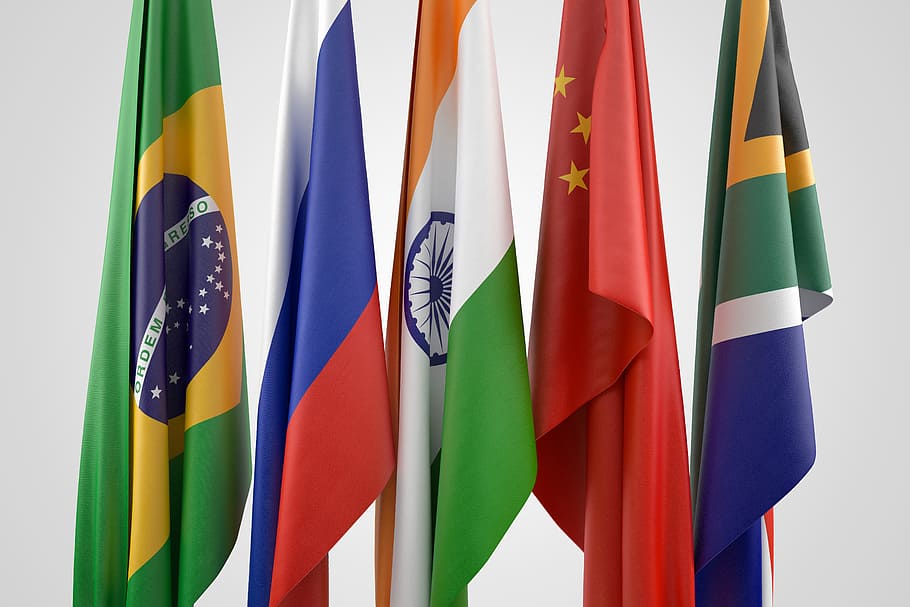
The 21st century’s economic revolution no longer springs from Europe and North America as it once did in the 19th and 20th centuries. This time around, the major players in this new game are Brazil, Russia, India, South Africa, and China, also known as the BRICS. All four have experienced rapid growth in recent years — the highest of which is China, which has experienced a 10% annual growth in GDP from 1990 to 2009. Among them, they produce approximately a quarter of the world’s GDP while also hosting a quarter of the world’s population.

Yet these countries still have progress to make, especially in regards to health issues. The BRICS contain a majority of the world’s medical-drug-resistant tuberculosis cases and a significant portion of the world’s tuberculosis instances. They also bear the burden of high rates of neglected tropical diseases such as trachoma, lymphatic filariasis and soil-transmitted helminths.

In fact, according to a World Health Organization report, “BRICS account for more than 30 percent of the world’s children at risk with soil-transmitted helminths,” while India “alone accounts for nearly half the world’s population at risk of lymphatic filariasis.” Debilitating diseases such as these heavily contribute to poverty as they keep children out of school and parents out of work.

Where there is big growth, there is also ample capacity for innovative solutions. While afflicted by these illnesses, the BRICS have also made effective progress in treating and eradicating them. In 2012, Brazil initiated a tropical disease program tied to its anti-poverty program after finding strong links between occurrences of tropical diseases and poverty among its population.

India, which bears the burden for 35% of the global incidents of neglected tropical diseases, has also made important strides. Recently, it launched the world’s largest initiative aimed at researching lymphatic filariasis.

China has joined the fight against tuberculosis, which plagues its rural and migrant populations. In the past, China struggled to obtain sufficient data on this disease, often due to the domestic migrations of male workers and the inadequacy of rural health resources. To confront these issues, China recently reformed their health care system in order to reduce the costs of tuberculosis treatments. They also have established a network that helps to identify tuberculosis victims early on in an attempt to provide timely treatment.

Progress on health issues in the BRICs has happened on more than just the domestic scale. As they share similar problems, the BRICs have often cooperated in joint efforts to research, treat and eradicate similar diseases. In fact, the BRICS gather annually at conferences to pool their resources and research in order to meet their 2020 objectives for fighting neglected diseases.

One such example of these recent collaborations is the Delhi Communiqué, which was designed as a joint effort to combat tuberculosis. The communiqué uses each country’s expertise — drug manufacturing in Brazil, pharmaceutical research and development in China, and medical technologies in Russia — to combine their overall efforts.

While bound for economic prosperity, the BRICS have other less desirable commonalities, such as high incidences of tropical diseases and tuberculosis. Yet these flaws have also united them and spurred innovation. With hope, their ambitions in the world of public health will be as successful as their economic achievements.

– Andrew Logan

Sources: Christian Science Monitor,Global Sherpa,NCBI,PRB,Reuters,UNESCO,WHO
Photo:
Al Jazeera

July 6, 2015
https://borgenproject.org/wp-content/uploads/borgen-project-logo.svg 0 0 Borgen Project https://borgenproject.org/wp-content/uploads/borgen-project-logo.svg Borgen Project2015-07-06 07:29:342024-06-04 03:53:03Lingering Health Issues in the BRICS
Health, Women and Female Empowerment

Baobab Fruit Can Save Women’s Lives

baobab_fruit
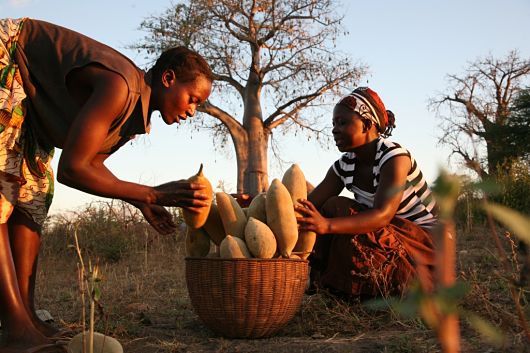
In The Little Prince by Antoine de Saint-Exupéry, the baobab tree questions the prince’s discipline and represents the unpleasantness of nature. In Ghana, however, the baobab tree brings health and hope to women. Its fruit has the potential to change millions of lives.

Baobab trees grow in dry, remote areas in over 30 African countries. In many of the rural households, the crop already grows nearby yet the fruit goes to waste because of the lack of demand for and knowledge of the fruit. This is where Aduna comes in. Aduna is an African inspired health and beauty brand that uses baobab as a key ingredient.

Aduna’s goal is to create a demand for this under-utilized natural resource and empower women in business. Aduna already sources for their products from 1,000 women baobab producers in Ghana’s poverty-stricken Upper East Region, increasing their annual income from £12 ($18.88) to £120 ($188.81) as a result.

The baobab fruit is a win-win situation: it helps the people and helps the market. Baobab fruit is rich in vitamin C, calcium, potassium and iron. Many pregnant women consume baobab fruit as a source of calcium. It can be used to make jams and juices or stirred into stews and sauces. Aside from the fruit itself, the leaves and roots are known to lower fevers and help treat diseases.

They are not only versatile and healthy to consume but are also the ideal trade product for villagers: the fruit is light to transport, easily dried and readily accessible. The baobab market gives women the opportunity to harvest and sell their own product, and to actually have ownership in their own business.

Traditionally, women are in charge of the baobab trees. Because of this, Aduna focuses on womanpower to spark global interest in baobab fruit. Aduna is marketing to the superfood consumers, to the well off and to first-world health nuts in order to generate interest in baobab fruit.

Their campaign is to #makebaobabfamous. It is a combination of supporting women all over the world, supporting small businesses and promoting healthy eating. They hope to create a market that will help over 10 million households across Africa. Baobab fruits have the capability to connect the Third World with the First through the new superfood trend.

– Hannah Resnick

Sources: Aduna, Marie Claire Mother Nature Network, Powbab Seed
Photo: jacabswellappeal

July 3, 2015
https://borgenproject.org/wp-content/uploads/borgen-project-logo.svg 0 0 Borgen Project https://borgenproject.org/wp-content/uploads/borgen-project-logo.svg Borgen Project2015-07-03 06:30:072024-12-13 17:51:39Baobab Fruit Can Save Women’s Lives
Children, Education, Health

How the SHEVA Company is Helping Girls Stay in School

How the SHEVA Company is Helping Girls Stay in School
In developing countries, girls often miss school or drop out entirely when they begin menstruating. Many are reluctant to tackle this issue because of the taboo that still surrounds menstruation, but it is a widespread problem that affects the education of millions of girls worldwide. In India, girls’ schools often lack functioning toilets, and in Burkina Faso and Niger, there are usually no places at schools for girls to change sanitary pads or dispose of waste. In Ghana, inadequate sanitation facilities, lack of access to sanitary products and physical discomforts related to menstruation, such as cramps, cause girls to miss an average of five days of school over the course of any given month.

Girls who drop out of school continue to struggle throughout their lives. They are more likely to marry and engage in sexual activity earlier. Because they are also less likely to use contraception, they typically have more children than girls who complete their schooling. This can trap them in the cycle of poverty. When girls miss school because of menstruation, they are held back from many opportunities by a completely natural physical process that should never have to interfere with their education.

That’s why SHEVA, a company launched in October 2014 by Marisabel Ruiz, is currently working in Guatemala to provide girls with sanitary hygiene products. Ruiz, who was born in Guatemala, decided to start these efforts in her native country because she already had connections there that could help SHEVA to reach more girls. Women can go to SHEVA’s website to purchase a variety of products, such as pads from familiar brands like Kotex and Playtex, or other items related to sexual health like condoms and pregnancy tests. With every purchase, SHEVA donates a month’s supply of sanitary pads to a girl in need.

SHEVA has also partnered with the organization Abriendo Oportunidades to provide health education to girls. They have created a two-year program that primarily focuses on what menstruation is, personal hygiene and women’s rights.

So far, SHEVA has provided sanitary pads to 300 girls, and 25 girls have enrolled in the educational program. A total of 5 million people have accessed free educational information on their website. Their next goal is to teach girls to make sanitary pads on their own, using biodegradable, locally available materials such as banana fibers.

Currently, only people in the U.S. can order from SHEVA’s website, but they plan to expand both their shipping and on-the-ground services to other countries in order to help as many girls as possible. SHEVA’s support for girls has helped them continue pursuing their education and has taught many that menstruation is nothing to be ashamed of.

– Jane Harkness

Sources: Girl Effect, Mashable, Menstrual Hygiene Day, SHEVA

July 2, 2015
https://borgenproject.org/wp-content/uploads/borgen-project-logo.svg 0 0 Borgen Project https://borgenproject.org/wp-content/uploads/borgen-project-logo.svg Borgen Project2015-07-02 15:52:442024-05-27 09:25:23How the SHEVA Company is Helping Girls Stay in School
Global Poverty, Health

Effects of Open Defecation in India

Effects of Open Defecation in IndiaThe extent of open defecation in India presents a major health and safety issue. Worldwide, there are one billion people who do not have a toilet, and Indians make up 60 percent of this number. Of this 60 percent, the majority comes from rural areas. Activists and the government have advocated for the building of shared community toilets as a solution to the problem, but ingrained social norms and attitudes stop people from using them.

The government launched the Swachh Bharat Mission last year, which promises 110 million toilets built in the next five years in an effort to make India an “open defecation free country.” In an added bonus, the waste collected would be converted to fertilizer and other forms of energy. Lauded as a “sacred mission” that would coincide with the 150th anniversary of Mahatma Gandhi’s birth, this mission has gained approval from almost all sections of the government and society.

But most people from rural areas have shown an unwillingness to discontinue their habits of open defecation even if they are given toilets. Many people who already have toilets in their house forgo its use in favor of defecating in the open. In 40 percent of households that had a toilet, at least one member chose not to use it at all. They believe that defecating in the open is more natural and healthy, and that building a latrine in the house brings impurity to it. The two-thousand-year-old Hindu text, called the “Laws of Manu,” encourages open defecation.

Community toilets also have the added problem of being—by nature—shared, and people from different castes, religions and economic status are not willing to use the same toilet, even if they come from the same village.

However, open defecation practices remain a huge health and safety risk, and issues will only increase as India’s population grows. There have been hundreds of cases of women being raped as they leave their homes after dark. In one notorious case, two women from Utter Pradesh were raped, murdered and hung on trees after they were defecating in an open field.

India’s dense population also means that even in rural areas, human feces are not easily kept away from fields, wells and food. Bacteria and worms in feces are often accidentally ingested. This results in a range of health problems from diarrhea to enteropathy, a chronic sickness that prevents the absorption of calories and nutrients. Many specialists believe that the problems open defecation causes are the reason 50 percent of Indian children are malnourished.

A government study comparing Muslim and Hindu households supports these conjectures. The study found that 25 percent fewer Muslim families defecated in the open and also had lower child mortality rates than Hindu families—even though Muslims in India are poorer and less educated than their Hindu counterparts. In the few areas where more Muslims defecated in the open than Hindus, they had higher child mortality rates.

Social norms and habits need to be changed if open defecation is to be successfully fought. Simply building more toilets will not do the job. The government has already taken some steps to educate people about the dangers of open defecation and reward those who use latrines. In Haryana for instance, it launched the “No Toilet, No Bride” campaign that urged women to only marry men whose home had a toilet.

– Radhika Singh

Sources: Scroll, Government of India, The Economist, BBC,
Photo: Flickr


July 2, 2015
https://borgenproject.org/wp-content/uploads/borgen-project-logo.svg 0 0 Borgen Project https://borgenproject.org/wp-content/uploads/borgen-project-logo.svg Borgen Project2015-07-02 15:17:482024-06-05 03:46:36Effects of Open Defecation in India
Global Poverty, Health

Oral Health Care in Poor Countries

Oral-Health-Care-in-Poor-CountriesOral health care is an indicator of a body’s overall health, but for many of the world’s poor, oral health care is one of the most neglected areas of medical care available. Thankfully though, in some regions, oral health care is improving.

The World Health Organization (WHO) says that “worldwide, 60-90 percent of school children and nearly 100 percent of adults have dental cavities.” Oral health care also includes, in part, gum care, mouth pain, oral infections and tooth loss.

What is even worse, is that “oral disease in children and adults is higher among poor and disadvantaged population groups” (WHO).

In parts of the world, access to dental care can be completely lacking. The American Dental Association (ADA) has given a warning for U.S. travelers: “If you are planning a trip out of the country it may be helpful to schedule a dental checkup before you leave, especially if you’ll be traveling in developing countries or remote areas without access to good dental care.”

Such a warning for U. S. citizens shows a need for better universal access to oral health professionals in developing countries. This is especially true for those living in poverty.

There are two studies in particular that highlight the connection between poverty and poor dental health. One comes from an Argentinian study that looked at parental income and education, as well as access to oral health care. The study found that there is a direct correlation between higher dental care and higher poverty indicators.

In another study, WHO reports that in Mexico, 60-70 percent of elderly people have few to no teeth. The report also finds that upwards to 90 percent of Mexicans have untreated cavities. As with the Argentinian study, the higher the poverty the worse oral care was. Their findings are similar to those in poverty all around the world.

What can be done? The situation seems dire and difficult.

One of the best ways to help fight cavities, and other noncommunicable oral diseases, is to promote proper dental care. Schools in the Philippines have made hand washing and tooth brushing part of their everyday curriculum. Dental care has been a consistent reason for children to miss school, but UNICEF has found that for the school children, “tooth-brushing can result in reductions of up to 27 per cent in absenteeism.”

The WHO Global Oral Health Programme is also working to reduce diseases caused by poor oral health care. The focus is not only on proper tooth brushing but also on proper diet, the reduction of tobacco and excessive alcohol use. All areas need to be looked at to help prevent tooth loss, gum disease and some forms of oral cancers.

Much still needs to be done to help maintain proper oral health, especially for those people living in poverty. Access to proper dental care when cavities or oral infections do occur is still lacking.

Thankfully there are programs in place that are thriving, such as the ones in the Philippine schools that are proving to be successful. Hopefully, their model will be used in other regions so that oral health care will improve the world over.

– Megan Ivy

Sources: Mouth Healthy, National Center for Biotechnology Information, UNICEF, WHO 1, WHO 2, WHO 3
Photo: Projects Abroad

July 2, 2015
https://borgenproject.org/wp-content/uploads/borgen-project-logo.svg 0 0 Borgen Project https://borgenproject.org/wp-content/uploads/borgen-project-logo.svg Borgen Project2015-07-02 10:07:392024-05-27 09:25:27Oral Health Care in Poor Countries
Global Health, Global Poverty, Health

Health Crisis in Yemen Escalates

Health-Crisis-in-Yemen

On June 15, 2015, United Nations Secretary-General Ban Ki-Moon urged the international community to work towards brokering lasting peace in Yemen, a country caught in a proxy war between Saudi Arabia and Iran.

Mr. Ban told reporters, “The region simply cannot sustain another open wound like Syria and Libya. We must find a way to end the suffering and begin the long road to peace.” The conflict has ravaged the poorest gulf nation and displaced more than one million people. The U.N. relief arm has therefore called for over US $1B in aid to support the country from completely collapsing.

One of the side effects of the devastating civil war in Yemen is the escalating health crisis. According to the World Health Organization (WHO), 15 million Yemenis are in dire need of health services. Those services become even harder to provide due to at least 53 health facilities being damaged – including 17 hospitals, as well as the Operations Room of the Ministry of Health in Sana’a, which manages all the emergency operations in Yemen.

The lack of adequate medical treatment, combined with terrified fleeing civilians leaving behind uncovered drinking water, has led to outbreaks of many diseases including malaria, pneumonia, diarrheal diseases, and dengue fever. Al-Khedhar Nasser Laswar, director of the Aden province’s Ministry of Health Office, stated that since the start of the conflict, over 4000 people have contracted dengue fever and over 140 people have died.

Dengue fever is endemic with annual spikes in the summer months. According to the latest WHO situation report of Yemen, last year’s dengue fever trended 55 cases by week 20. This year, over 300 cases had been reported in the same time frame. As the political situation worsens, those numbers have significantly increased with 38 new cases in week 24 (June 2015) of this year alone.

Unfortunately, providing adequate treatment is not the most daunting challenge health workers face. Aref Ahmed Ali, a coordinator of Yemen’s malaria control program said, “We do not know whether these fevers are coronavirus or something else.” The lack of medical equipment has made proper disease diagnosis currently unmanageable.

As patients enter the hospital, the inability to properly diagnose them has led to cases where some individuals have died within 24 hours of contracting acute fevers. This is on top of those suffering from dengue fever and typhoid. Such has caused alarming concern to spread among healthcare workers and patients alike.

The current health crisis in Yemen is a disaster and will continue to decline unless more aid is sent. Healthcare workers are in urgent need of trauma kits, vaccines, medical and surgical supplies, and fuel to run hospitals. The main concern of these workers is the well-being of their patients, who are also suffering from acute food shortages, crippling their natural ability to fight diseases.

Currently, WHO has revised its humanitarian response plan for June 2015 and requested a total of US $152M to meet the needs of the 15 million Yemenis they hope to serve. WHO’s response to the health crisis in Yemen has been supported by the governments of Japan, Russia, Finland and the Central Emergency Response Fund.

The United States must also answer the call and send foreign aid to help fight the escalating health crisis in Yemen. If the U.S. does not respond, the international community will have to be ready to deal with another full blown humanitarian crisis, perhaps worse than Syria and Libya as Mr. Ban has warned.

– Adnan Khalid

Sources: Al Jazeera, Reuters, UN 1, UN 2, World Health Organization 1, World Health Organization 2
Photo: Malaysian insider

July 2, 2015
https://borgenproject.org/wp-content/uploads/borgen-project-logo.svg 0 0 Borgen Project https://borgenproject.org/wp-content/uploads/borgen-project-logo.svg Borgen Project2015-07-02 09:59:312024-12-13 17:54:00Health Crisis in Yemen Escalates
Global Health, Global Poverty, Health

Global Warming and Global Health

global_warming
A new study published in The Lancet claims that climate change and global warming could erode as much as 50 years of global health advances. The study confirms what many health and climate change experts have been predicting for years but had unfortunately, for the most part, not been taken seriously.

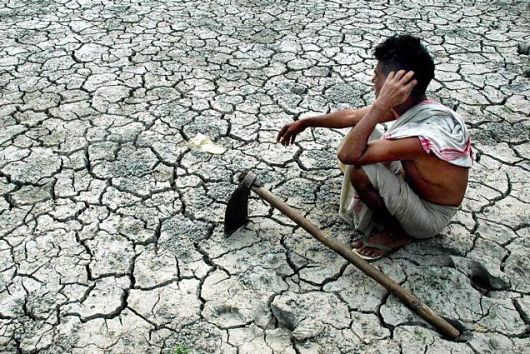
As we have seen in recent months with intense heat waves in India and Pakistan, dramatic changes in climate have disastrous effects on public health. The heat waves bring storms, droughts and floods, which in turn brings about changes in water quality, pollution, land use and ecological differences. These changes translate to large swings in the social dynamics of a country. As the demographics rapidly change, so do health status, socioeconomic status and infrastructure. As a nations health is undermined, social capital declines, as do social and political institutions decline so drastically that years of work in development can be eroded. As the institutions that bind us are broken down, the opportunities for conflict rise, and opportunities for meaningful economic contribution decrease. The biggest calls for concern are the long-term effects that these problems cause that primarily stem from the heat waves, epidemics, storms, sea level rise and large-scale migration. Climate is often seen as an “X Factor” in globalization and development models because it is so unpredictable. Climate change makes the “X Factor” even more volatile but even more important in global leaders consideration and negotiation of major international moves.

Global warming has both direct and indirect effects on global health. Immediately, intense heat waves cause a significant amount of preventable deaths annually. Also, the types of natural disasters that we can expect to see in coming years are predicted to be even more chaotic and destructive. As these storms wipe out communities across the globe and force others to migrate elsewhere, demographic and population shifts will effect the general health and wellbeing of generations to come. These storms also contribute to the prevalence of mental illness, malnutrition, allergies, cardiovascular diseases, infectious diseases, injuries and respiratory diseases.

The most vulnerable countries are the countries that need to focus on immediate development rather than sustaining current development levels. Developed or industrialized countries have the means to make changes now to alleviate future complications by climate change. Developing countries often do not have the flexibility to up-haul current industrial practices or to enact nationwide preparedness protocols for natural disasters on the large scale that it is expected.

With climate change, much of the damage has been done, and immediate action is essential to maintaining the health of the world, let alone improving it. But on the bright side, nearly all of the ways that we can mitigate the risks that climate change creates also contribute to better individual and public health. Investing in reversing climate change is an investment in the environment, in the economy and in health.

– Emma Dowd

Sources: The Economist, PRI, Time, US News, Washington Post
Photo: India Water Portal

July 2, 2015
https://borgenproject.org/wp-content/uploads/borgen-project-logo.svg 0 0 Borgen Project https://borgenproject.org/wp-content/uploads/borgen-project-logo.svg Borgen Project2015-07-02 01:20:512024-05-27 09:25:23Global Warming and Global Health
Activism, Children, Global Poverty, Health

Fetal Alcohol Syndrome: A Global Issue

fetal_alcohol_syndrome
In the United States, alcohol is required to have a warning label informing pregnant mothers that alcohol consumption can cause birth defects to their unborn children. Even so, children are still born with Fetal Alcohol Syndrome (FAS). Globally, FAS is also an issue, especially in areas where there is a lack in education and a strong cultural tie to alcohol consumption.

FAS is caused when a mother drinks alcohol during her pregnancy. The alcohol passes through the umbilical cord, acting as a solvent on the developing child’s brain. The Center for Disease Control and Prevention warns that “Drinking alcohol during pregnancy can cause miscarriage, stillbirth, and a range of lifelong physical, behavioral, and intellectual disabilities.” There is no amount of alcohol that is safe to drink while pregnant, nor is there an appropriate time frame to consume alcohol during a pregnancy.

There are several physical and cognitive conditions that a person with FAS can suffer from, including having a hard time with school and learning, poor judgment and reasoning, a lack of empathy, shorter height or lower body weight than average and hyperactivity, to name just a few.

FAS is one of the most prevalent cognitive conditions to affect children, yet it is also the easiest to prevent. Quite simply, a woman should not drink any alcohol if she is pregnant, trying to become pregnant, or not properly preventing pregnancy.

Moreover, FAS has no cure. Once a child is diagnosed, the only treatment is psychological and/or physical therapy to help the person live with the disability.

FAS does not discriminate — children can be born with FAS along every socioeconomic, racial and educational strata. The prevalence of drinking among the poor, usually as a cultural event or tradition, distinguishes FAS as a poverty-related issue.

South Africa is one nation that understands the urgent need for education about FAS. According to the World Health Organization (WHO), “Fetal alcohol spectrum disorder is the most common birth defect in South Africa, by far more common than Down syndrome and neural-tube defects combined.” While the issue is a national one, rural communities in South Africa have a cultural history of alcohol consumption, especially in the wine-making regions.

Nongovernmental organizations (NGOs) have made great strides in trying to eliminate FAS from affecting future generations in South Africa. NGOs such as FASfacts and the Foundation for Alcohol Related Research (FARR) have created educational training to help those most at risk in their country. This is especially important, since FARR estimates that up to “Twenty percent of the [South African] population [was] affected by alcohol exposure during pregnancy.”

Australia has undertaken a similar effort to help their aboriginal communities. Those involved in the movement remind readers that, “as in many disadvantaged communities around the world, alcohol abuse was common half a decade ago. The high consumption of alcohol resulted in high numbers of alcohol-related deaths and suicides, and widespread violence and crime” (WHO).

Alcohol abuse resulted in many children being born with FAS in the aboriginal communities. These children are at risk to continue with the same choices their parents made, with the greater disadvantage of having the lower judgment skills associated with FAS.

The Lililwan Project has been created to help the aboriginal community treat people with FAS and provide educational information regarding alcohol consumption.

In short, FAS does not have to be a chronic generational disorder. Thanks to various educational programs around the globe, more and more people are understanding the dangerous implications that are associated with alcohol consumption during pregnancy. Future generations do not need to be affected by a cognitive disorder that is completely preventable.

– Megan Ivy

Sources: CDC, FARR, FASfacts, WHO 1, WHO 2
Photo: Ruth Shafer Photography

July 1, 2015
https://borgenproject.org/wp-content/uploads/borgen-project-logo.svg 0 0 Borgen Project https://borgenproject.org/wp-content/uploads/borgen-project-logo.svg Borgen Project2015-07-01 10:00:562024-05-27 09:25:14Fetal Alcohol Syndrome: A Global Issue
Page 180 of 214«‹178179180181182›»

Get Smarter

  • Global Poverty 101
  • Global Poverty… The Good News
  • Global Poverty & U.S. Jobs
  • Global Poverty and National Security
  • Innovative Solutions to Poverty
  • Global Poverty & Aid FAQ’s
Search Search

Take Action

  • Call Congress
  • Email Congress
  • Donate
  • 30 Ways to Help
  • Volunteer Ops
  • Internships
  • Courses & Certificates
  • The Podcast
Borgen Project

“The Borgen Project is an incredible nonprofit organization that is addressing poverty and hunger and working towards ending them.”

-The Huffington Post

Inside The Borgen Project

  • Contact
  • About
  • Financials
  • President
  • Board of Directors
  • Board of Advisors

International Links

  • UK Email Parliament
  • UK Donate
  • Canada Email Parliament

Get Smarter

  • Global Poverty 101
  • Global Poverty… The Good News
  • Global Poverty & U.S. Jobs
  • Global Poverty and National Security
  • Innovative Solutions to Poverty
  • Global Poverty & Aid FAQ’s

Ways to Help

  • Call Congress
  • Email Congress
  • Donate
  • 30 Ways to Help
  • Volunteer Ops
  • Internships
  • Courses & Certificates
  • The Podcast
Scroll to top Scroll to top Scroll to top