Effects of Open Defecation in India
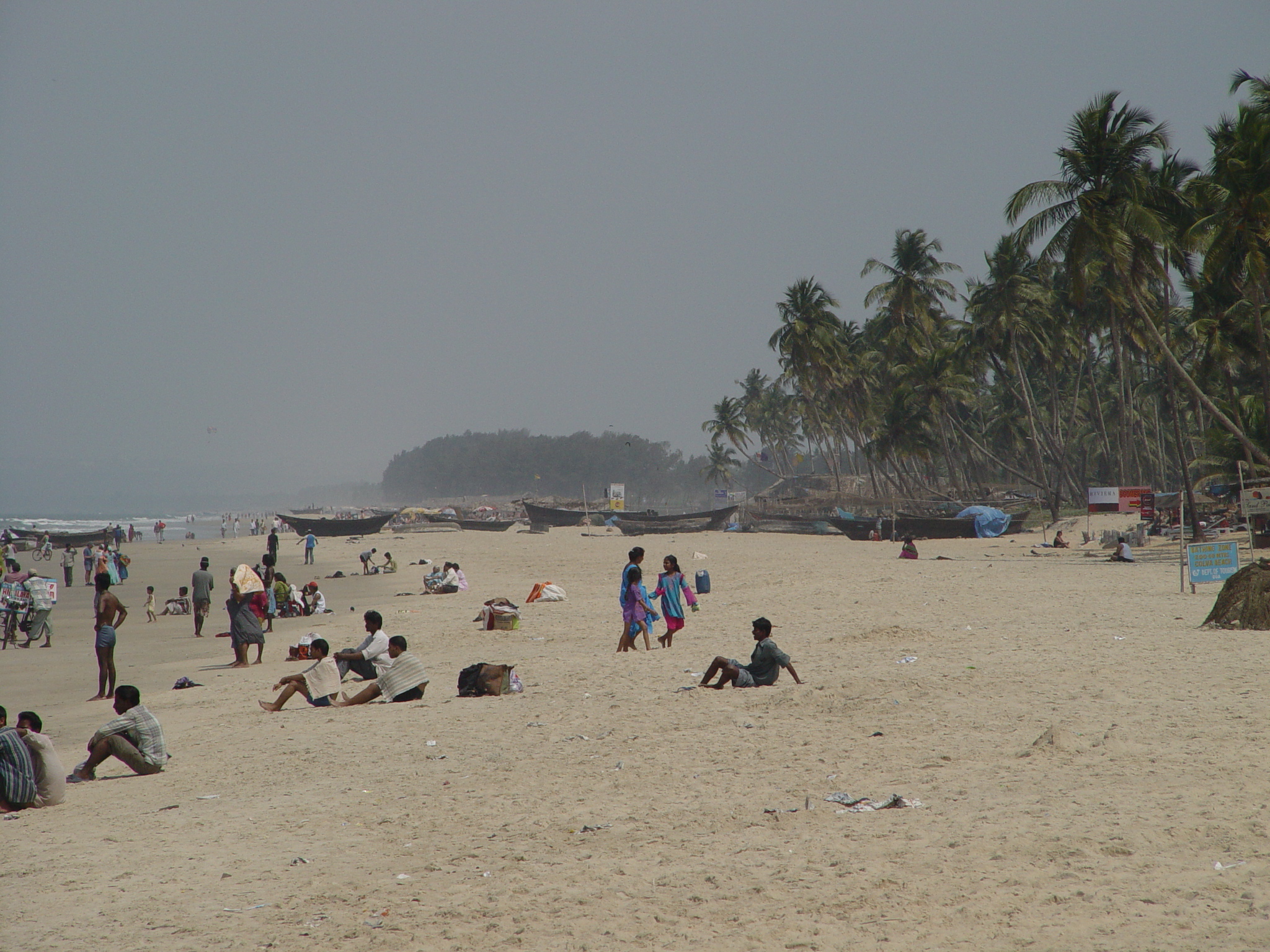 The extent of open defecation in India presents a major health and safety issue. Worldwide, there are one billion people who do not have a toilet, and Indians make up 60 percent of this number. Of this 60 percent, the majority comes from rural areas. Activists and the government have advocated for the building of shared community toilets as a solution to the problem, but ingrained social norms and attitudes stop people from using them.
The government launched the Swachh Bharat Mission last year, which promises 110 million toilets built in the next five years in an effort to make India an “open defecation free country.” In an added bonus, the waste collected would be converted to fertilizer and other forms of energy. Lauded as a “sacred mission” that would coincide with the 150th anniversary of Mahatma Gandhi’s birth, this mission has gained approval from almost all sections of the government and society.
But most people from rural areas have shown an unwillingness to discontinue their habits of open defecation even if they are given toilets. Many people who already have toilets in their house forgo its use in favor of defecating in the open. In 40 percent of households that had a toilet, at least one member chose not to use it at all. They believe that defecating in the open is more natural and healthy, and that building a latrine in the house brings impurity to it. The two-thousand-year-old Hindu text, called the “Laws of Manu,” encourages open defecation.
Community toilets also have the added problem of being—by nature—shared, and people from different castes, religions and economic status are not willing to use the same toilet, even if they come from the same village.
However, open defecation practices remain a huge health and safety risk, and issues will only increase as India’s population grows. There have been hundreds of cases of women being raped as they leave their homes after dark. In one notorious case, two women from Utter Pradesh were raped, murdered and hung on trees after they were defecating in an open field.
India’s dense population also means that even in rural areas, human feces are not easily kept away from fields, wells and food. Bacteria and worms in feces are often accidentally ingested. This results in a range of health problems from diarrhea to enteropathy, a chronic sickness that prevents the absorption of calories and nutrients. Many specialists believe that the problems open defecation causes are the reason 50 percent of Indian children are malnourished.
A government study comparing Muslim and Hindu households supports these conjectures. The study found that 25 percent fewer Muslim families defecated in the open and also had lower child mortality rates than Hindu families—even though Muslims in India are poorer and less educated than their Hindu counterparts. In the few areas where more Muslims defecated in the open than Hindus, they had higher child mortality rates.
Social norms and habits need to be changed if open defecation is to be successfully fought. Simply building more toilets will not do the job. The government has already taken some steps to educate people about the dangers of open defecation and reward those who use latrines. In Haryana for instance, it launched the “No Toilet, No Bride” campaign that urged women to only marry men whose home had a toilet.
– Radhika Singh
Sources: Scroll, Government of India, The Economist, BBC,
Photo: Flickr
