Lingering Health Issues in the BRICS
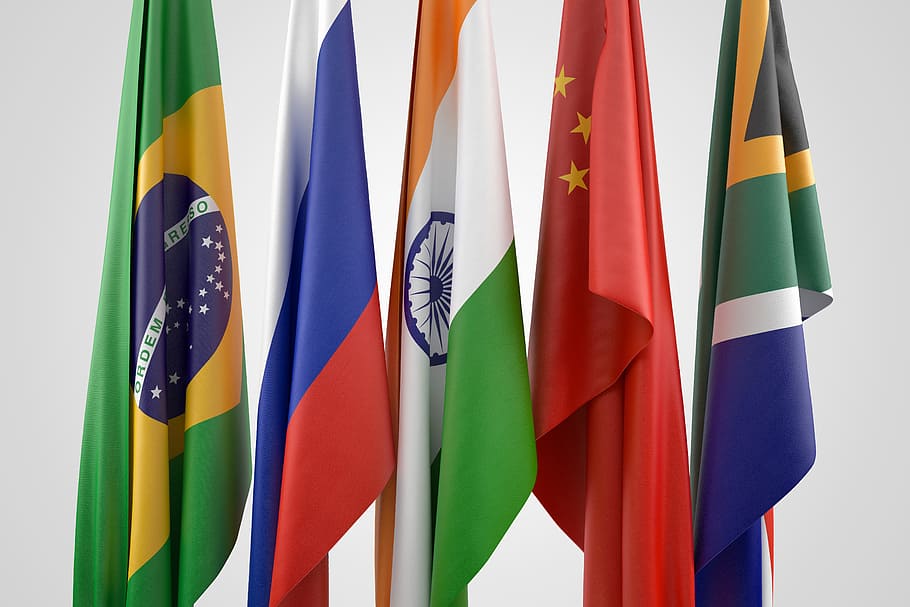
In the coming years, the global economy is predicted to change on a scale not seen since the Industrial Revolution over 200 years ago. For the first time in history, the global middle class will soon enough outnumber the impoverished. By many estimates, humanity will reach this milestone within the next two decades, as the middle class expands from 2 billion to nearly 5 billion by 2030.
The 21st century’s economic revolution no longer springs from Europe and North America as it once did in the 19th and 20th centuries. This time around, the major players in this new game are Brazil, Russia, India, South Africa, and China, also known as the BRICS. All four have experienced rapid growth in recent years — the highest of which is China, which has experienced a 10% annual growth in GDP from 1990 to 2009. Among them, they produce approximately a quarter of the world’s GDP while also hosting a quarter of the world’s population.
Yet these countries still have progress to make, especially in regards to health issues. The BRICS contain a majority of the world’s medical-drug-resistant tuberculosis cases and a significant portion of the world’s tuberculosis instances. They also bear the burden of high rates of neglected tropical diseases such as trachoma, lymphatic filariasis and soil-transmitted helminths.
In fact, according to a World Health Organization report, “BRICS account for more than 30 percent of the world’s children at risk with soil-transmitted helminths,” while India “alone accounts for nearly half the world’s population at risk of lymphatic filariasis.” Debilitating diseases such as these heavily contribute to poverty as they keep children out of school and parents out of work.
Where there is big growth, there is also ample capacity for innovative solutions. While afflicted by these illnesses, the BRICS have also made effective progress in treating and eradicating them. In 2012, Brazil initiated a tropical disease program tied to its anti-poverty program after finding strong links between occurrences of tropical diseases and poverty among its population.
India, which bears the burden for 35% of the global incidents of neglected tropical diseases, has also made important strides. Recently, it launched the world’s largest initiative aimed at researching lymphatic filariasis.
China has joined the fight against tuberculosis, which plagues its rural and migrant populations. In the past, China struggled to obtain sufficient data on this disease, often due to the domestic migrations of male workers and the inadequacy of rural health resources. To confront these issues, China recently reformed their health care system in order to reduce the costs of tuberculosis treatments. They also have established a network that helps to identify tuberculosis victims early on in an attempt to provide timely treatment.
Progress on health issues in the BRICs has happened on more than just the domestic scale. As they share similar problems, the BRICs have often cooperated in joint efforts to research, treat and eradicate similar diseases. In fact, the BRICS gather annually at conferences to pool their resources and research in order to meet their 2020 objectives for fighting neglected diseases.
One such example of these recent collaborations is the Delhi Communiqué, which was designed as a joint effort to combat tuberculosis. The communiqué uses each country’s expertise — drug manufacturing in Brazil, pharmaceutical research and development in China, and medical technologies in Russia — to combine their overall efforts.
While bound for economic prosperity, the BRICS have other less desirable commonalities, such as high incidences of tropical diseases and tuberculosis. Yet these flaws have also united them and spurred innovation. With hope, their ambitions in the world of public health will be as successful as their economic achievements.
– Andrew Logan
Sources: Christian Science Monitor,Global Sherpa,NCBI,PRB,Reuters,UNESCO,WHO
Photo: Al Jazeera
