• Link to X
  • Link to Facebook
  • Link to Instagram
  • Link to TikTok
  • Link to Youtube
  • About
    • About Us
      • President
      • Board of Directors
      • Board of Advisors
      • Financials
      • Our Methodology
      • Success Tracker
      • Contact
  • Act Now
    • 30 Ways to Help
      • Email Congress
      • Call Congress
      • Volunteer
      • Courses & Certificates
      • Be a Donor
    • Internships
      • In-Office Internships
      • Remote Internships
    • Legislation
      • Politics 101
  • The Blog
  • The Podcast
  • Magazine
  • Donate
  • Click to open the search input field Click to open the search input field Search
  • Menu Menu

Archive for category: Health

Information and stories on health topics.

Global Health, Health

Measles Eradication Progress Stalled

Measles Eradication
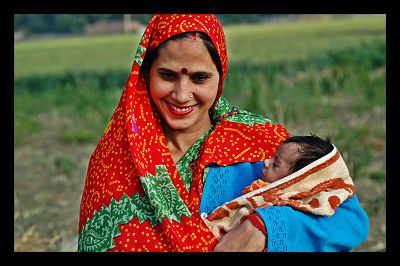
The World Health Organization recently announced that progress toward eradicating measles has stalled. Since 2012, measles-related deaths have increased from 122,000 to almost 148,000 worldwide. According to the WHO, this means that 2015 eradication targets will not be met.

Overall, the number of measles deaths in 2013 shows a 75 percent decrease since the year 2000. However, this is significantly lower than the Millennium Development Goal of a 95 percent decrease between 2000 and 2015.

Global coverage of initial measles vaccines expanded to 83 percent by 2009, but this number has since remained stagnant.

Failed efforts to vaccinate children from measles make them prone to serious health issues including pneumonia, encephalitis, diarrhea and blindness. Developing countries currently account for the highest percentage of measles-related deaths. The latest statistics from 2013 report that 70 percent of measles deaths took place in just 6 countries including India, Nigeria, Pakistan, Ethiopia, Indonesia and the Democratic Republic of Congo.

The last decade has seen impressive advancements toward eradicating measles, and approximately 15.6 million deaths have been avoided from 2000 to 2013. Still, reports show that these leaps in progress have lately been diminishing.

Recent increases in measles cases were due in part to considerable outbreaks in China, the Democratic Republic of Congo and Nigeria. Many countries around Europe have also seen a re-emergence in disease diagnoses including Georgia, Turkey and Ukraine. These regions are burdened by poor healthcare systems, conflict and population displacement, causing forestallments to vaccination efforts.

In addition, many countries are now experiencing reduced funding for measles eradication campaigns. This lack of support has hindered progress in eliminating the disease, causing measles cases to rise.

“The net effect of reduced global funding by governments and partners has caused postponed and suboptimal immunization campaigns, resulting in large outbreaks that threaten our hard earned gains,” said UNICEF’s Senior Health Advisor, Robert Kezaala.

Members of the Measles & Rubella Initiative state that in order to recommence progress in eliminating the disease, organizations must promote measles awareness and the dangers surrounding the disease.

Additionally, obstacles that are preventing vaccination advancements must be addressed.

Dr. Peter Strebel of the Department of Immunization, Vaccines and Biologicals urges countries to take action against measles. “Countries urgently need to prioritize maintaining and improving immunization coverage. Failure to reverse this alarming trend could jeopardize the momentum generated by a decade of achievements in reducing measles mortality,” says Strebel.

– Meagan Douches

Sources: Think Progress, Reuters, Measles Rubella Initiative, WHO
Photo: Karmavision

November 29, 2014
https://borgenproject.org/wp-content/uploads/borgen-project-logo.svg 0 0 Borgen Project https://borgenproject.org/wp-content/uploads/borgen-project-logo.svg Borgen Project2014-11-29 04:00:072024-06-05 01:58:19Measles Eradication Progress Stalled
Health

Combatting Malnutrition in Bolivia

Combatting Malnutrition Bolivia
Malnutrition is devastating Bolivia, with over 75 percent of households lacking access to basic food items. Conditions are much worse in the indigenous and rural communities, especially among children and pregnant women. Almost a quarter of Bolivian children suffer from hunger, while one in three children under the age of five suffers from stunting — a result of chronic malnutrition. Bolivia has the second-highest stunting rates in Latin America and the Caribbean, indicating the urgent need for food security solutions.

Furthermore, among women of childbearing age, nearly 27 percent are considered so anemic that they are at risk of passing iron deficiency to their unborn children. Anemia is often the result of poor dieting, which in certain parts of Bolivia is based on cheap carbohydrates such as rice and other starchy foods high in fat.

In response to this long-standing reality, the Government of Bolivia established a National Zero Malnutrition program in 2006 to combat severe malnutrition among the most vulnerable populations. The nonprofit organization Action Against Hunger has taken on parts of the plan and has aimed to provide long-term food security and agricultural support while strengthening the healthcare system to better serve children who are chronically malnourished.

By working closely with local communities, Action Against Hunger is able to propose alternative methods to deal with seasonal hunger, including diversifying livelihood options, promoting diet diversification and ensuring affordability of more nutritious foods.

In addition, the organization has provided sustainable solutions for Bolivia’s ongoing drought problem. In 2010, the country was facing a severe drought that caused widespread water scarcity and staple crop damage. Action Against Hunger immediately secured water supplies for over 50 communities, while also helping over 4,000 farmers retool their destroyed harvests. Moreover, the team is working on community-based agricultural projects in Rio Grande’s lower basin, and other areas prone to drought, by promoting techniques that maintain soil moisture and avoid soil destruction. Some methods include demonstrating proper crop rotation techniques and teaching ways to overcome livestock overgrazing. These projects are already making great strides in combating malnutrition in Bolivia and are paving the way to a healthier and more prosperous country.

– Leeda Jewayni

Sources: FSD International, IADB, Action Against Hunger
Photo: BCPS

November 26, 2014
https://borgenproject.org/wp-content/uploads/borgen-project-logo.svg 0 0 Borgen Project https://borgenproject.org/wp-content/uploads/borgen-project-logo.svg Borgen Project2014-11-26 04:00:562024-06-05 01:58:18Combatting Malnutrition in Bolivia
Activism, Health

Denmark: The Happiest Country in the World

Denmark
Denmark has been ranked as the happiest country in the world. This ranking is based on a multitude of factors ranging from healthcare to riding a bike. According to a Huffington Post article, Denmark ranks as the leader of the happiest countries for six key reasons. Here is a list:

  1. Denmark supports parents: Parents are given a combined total of 52 weeks of leave after a child is born. Comparatively, the U.S. offers only 10 weeks on average to American parents. Child care is also much cheaper and more easily accessed by all parents in Denmark.
  2. Health care is a right: Another difference between Denmark and Americans is their attention to healthcare. Danish citizens will see their primary physician on average seven times a year. Danish citizens see only one doctor. Healthcare is not only a right in Denmark, but it is a continuous, dependable right.
  3. Biking: More than half of commutes are via biking in Denmark. This statistic contributes to a more fit country, a country with a longer life expectancy and also a wealthier country.
  4. Gender equality: Women contribute six to 10 percent more to household incomes in Denmark than in the U.S. In fact they have had female prime ministers and were one of the first countries to allow women to vote.
  5. Culture: Hygge is utilized in this chilly environment. It is a tactic to fight the cold weather of Denmark and to create a cozy, united environment.
  6. Volunteerism: Social responsibility is valued in Danish culture. Over 40 percent of citizens volunteer.

According to DailyFinance, Denmark ranks as the happiest country in the world for more black and white reasons as well. For example, the country has one of the lowest percentages of long workdays and a life expectancy of almost 80 years old.

Denmark’s happiness sheds light on the positive effects a stable economy can have on the overall wellbeing of a country’s citizens.

– Kathleen Lee

Sources: Huffington Post, Daily Finance
Photo: Flickr

November 4, 2014
https://borgenproject.org/wp-content/uploads/borgen-project-logo.svg 0 0 Borgen Project https://borgenproject.org/wp-content/uploads/borgen-project-logo.svg Borgen Project2014-11-04 04:00:572020-08-21 20:48:32Denmark: The Happiest Country in the World
Aid Effectiveness & Reform, Health

Ebola Outbreak Sparks Debate on Aid

debate_on_aid
The Ebola outbreak in West Africa made apparent the brewing issues on healthcare aid in the region. Over the last ten years, aid traditionally allocated to West African governments transitioned toward the private sector. This has left Africa helpless in independently addressing these wide-scale problems at an institutional level, many experts say.

Private vs. Public Healthcare

The billions in aid dollars directed toward philanthropy programs and global campaigns steadily decreased disease in Africa over the last ten years. These programs typically work more on a case-by-case basis, leaving the countries battling widespread Ebola weak in their capability to respond.

This private vs. public sector debate on aid is an age-old one. Politics professor from Georgetown University, Carol Lancaster, discussed addressing global health problems in an interview with The Economist in 2009.

“Does anybody believe that the many millions of HIV/AIDS-afflicted Africans now receiving aid-funded antiretrovirals would be alive today in the absence of public aid funding the delivery of those drugs?” she asked. “Neither charities nor entrepreneurs could or would undertake such ambitious efforts to help those both poor and sick.”

On the other hand, some argue operating aid through governments results in wasted resources. Philanthropic initiatives pegged with the term “philanthrocapitalism,” has been argued to be more efficient and encourage innovation.

Philanthrocapitalism and Aid

“Coming from the business and financial world they, rather than bureaucrats, understand what it takes to build strong businesses,” said co-author of the book “Philanthrocapitalism: How the Rich Can Save the World,” Michael Green.

President of the African Development Bank, Donald Kaberuka, acknowledged the benefits of specific disease-based aid: “It was like the sweet spot, easy to sell and the results are there,” he said.

However, he argued that ultimately this strategy neglected to establish district and community hospitals or help educate local health officials, and it left countries more dependent on outside help. Aid dollars working directly through government programs will better enable these countries to coordinate an effective response, Kaberuka added.

“In a situation like this there are so many little things happening but somebody has to tie it together and that can only be a government,” he said.

Aid for the Long Term

President of the World Bank, Jim Yong Kim, agrees that there are problematic gaps in aid work. “If the outbreak had happened in Rwanda my own sense is that because they built district hospitals and community hospitals and have community health workers connected to the whole system, that we would have gotten this thing under control very quickly,” said Kim.

U.N. Secretary-General Ban Ki-Moon encouraged a 20-fold increase in international aid toward countries facing Ebola outbreaks, which he refers to as an “unforgiving” disease.

Kaberuka encourages this increased aid but warns of reverting to old strategies that funnel it away from long term solutions. It is clear, according to him, that the countries don’t just need additional funds, they need aid reform.

– Ellie Sennett

Sources: Reuters 1, Reuters 2, Al Jazeera U.S. News The Economist
Photo: Flickr

October 26, 2014
https://borgenproject.org/wp-content/uploads/borgen-project-logo.svg 0 0 Borgen Project https://borgenproject.org/wp-content/uploads/borgen-project-logo.svg Borgen Project2014-10-26 12:00:182024-05-27 09:22:56Ebola Outbreak Sparks Debate on Aid
Global Poverty, Health

What is Health Diplomacy?

health_diplomacy
The United States government has led the world as one of the largest supporters of global health efforts, with foreign assistance investments in over 80 countries. Health Diplomacy is vital in maintaining strong relationships with the international community and is crucial in advancing foreign policy.

But what is health diplomacy exactly? Although defined in many different ways, in essence, it is a multi-level process that involves international stakeholders and local organizations that are aimed at improving healthcare delivery by exporting medical equipment, expertise and human resources to those who need it most.

As an interconnected global community, health diplomacy is demonstrated to help out the allies of the United States in creating sustainable health programs to meet the needs of the people. The U.S. Department of State’s Office of Global Health Diplomacy uses diplomatic outreach to promote shared responsibility for the well-being of the world’s citizens.

In cases where diplomatic efforts may be strained or negotiations are hard to come by, health diplomacy can open doors to foster new dialogue and create more partnerships on a non-political level.

On the other hand, the U.S. Department of Health and Human Services brings in much needed technical expertise and scientific research to the interrelated fields of public health and international development. By exchanging scientific and evidence-based knowledge with leaders and health educators abroad, the United States continues to maximize its objectives in security, development and health.

One of the greatest examples of health diplomacy is the Global Fund to Fight AIDS, Tuberculosis and Malaria. Started in 2002, this international financing institution spurred a multitude of partnerships between foreign governments, civil societies and non-profit organizations to fight these three pandemics. From 2002 to 2016, 56 donor governments have pledged an astounding $42 million to the fund, with the U.S. being the largest donor. These donations will allow local experts to tackle the infectious disease issue whether it is by distributing mosquito nets to protect people from malaria, training health personnel or providing medical equipment for the diagnosis of tuberculosis.

– Leeda Jewayni

Sources: Global Health Diplomacy Net, Global Health, U.S. Department of State, The Global Fund
Photo: Flickr

October 26, 2014
https://borgenproject.org/wp-content/uploads/borgen-project-logo.svg 0 0 Borgen Project https://borgenproject.org/wp-content/uploads/borgen-project-logo.svg Borgen Project2014-10-26 04:00:272024-12-13 17:51:16What is Health Diplomacy?
Global Poverty, Health

mHero and Mobile Phones Help Stop Ebola

mHero
With more and more people in danger of contracting Ebola, officials believe that information is key to preventing the spread of the disease. Mobile phones and new technologies such as mHero (Health Worker Electronic Response and Outreach) are now playing a big role in the fight against Ebola.

Even in some of the poorest regions, many people have access to mobile phones. Because of the presence of mobile phone users, data scientists believe that this may be the easiest and most efficient way to distribute health information to people in West Africa. Officials are now using phones to collect activity data from citizens in disease-prone areas.

Mobile data allows organizations like the CDC to determine where citizens are making the most health service calls and therefore the best locations to assemble treatment centers. The data has also helped officials with traveler screening in order to prevent the spread of Ebola.

Additionally, user data has played a large role in helping to track population movements and foresee how the virus might spread. In the past, analysts only had access to on-the-ground surveys and police and hospital reports to determine the movement of diseases. However, mobile data has been a tremendous help in tracking Ebola and predicting its movement. Many believe that this is the most effective way to keep Ebola contained.

mHero is a new form of communication for Ministry of Health personnel that uses mobile phones to send important information to healthcare workers. The system works by releasing text message reports on Ebola diagnosis, treatment and prevention in addition to caretaker safety information. mHero also allows those working on the frontline and in remote areas to stay in contact and receive important Ebola updates.

mHero provides instantaneous access to health workforce data such as mobile phone numbers. “Officials can use mHero to conduct real-time monitoring, complex multi-path surveys and detailed analyses,” says IntraHealth Technical Advisor, Amanda Puckett. mHero launched in Liberia last month and currently has over 8,000 Ministry of Health members connected through its system.

Healthcare workers are also beginning to use mobile phones for interactive voice response technology. Systems such as these allow for higher user content limits and also provide solutions for literacy and language barriers that many healthcare workers face in foreign nations.

Mobile phones and technology are extremely beneficial tools that have been helping citizens and healthcare workers in the fight against Ebola. Researchers hope that this technology combined with other current methods will help to prohibit the spread of the virus and to provide infected patients with necessary care.

– Meagan Douches

Sources: The Guardian, VITAL, BBC

October 24, 2014
https://borgenproject.org/wp-content/uploads/borgen-project-logo.svg 0 0 Borgen Project https://borgenproject.org/wp-content/uploads/borgen-project-logo.svg Borgen Project2014-10-24 04:00:022020-07-10 13:22:40mHero and Mobile Phones Help Stop Ebola
Food & Hunger, Food Security, Global Poverty, Health, Malnourishment

Infant Death from Malnutrition

infant_death
Malnutrition can originate from all sorts of sources: lack of funds, lack of access to food or even negligence. According to the World Health Organization, 45 percent of infant deaths are caused by a lack of nutrition. And malnutrition may not always be the direct cause of death in these children. Often they may pass from things like malaria, pneumonia and diarrhea, all of which stem from a lack of nutrition.

In areas like South Africa, malnutrition is an issue affecting 64 percent of infants. UNICEF has made significant efforts to pervade the country and educate mothers on the benefits of breastfeeding. It seems the primary source of a lack of nutrition has been mixed-feeding practices. In these cases, supplemental food is certainly less than enough from a nutritional standpoint. Nevertheless, 53 percent of infants in South Africa under six months of age are mix-fed.

UNICEF has taken initiative by directly corresponding with the Department of Health in South Africa in order to improve policies and education. They have also taken the approach to focus malnutrition on HIV transmission. With babies more severely undernourished, they are much more apt to receive HIV from their mothers because they are weak and unable to grow.

Deaths under the age of five occur in very specific regions, precisely sub-Saharan Africa and Southern India. The good news is that the rest of the world has seen a drop from 1990 from 32 percent to 18 percent in the percentage of infant deaths under the age of five.

While infants in certain parts of the world suffer from malnutrition due to a lack of finance or education, it seems almost everywhere in the world malnutrition can happen as a result of negligence. For example in 2010 a baby died in South Korea after only a three months of life at a mere 5.5 pounds. CNN reported that the couple was too engaged in online gaming to have paid attention to their newborn. Ironically the game they were playing involved raising a virtual child.

In northern France this year, an infant died of malnourishment at 11 months of age. Parents magazine reported that the vegan couple was only breastfeeding the infant. At this age babies should be introduced to more solid foods, and especially in the case of a vegan couple. Because the infant’s mother was not receiving enough protein, she died with both a Vitamin A and B12 deficiency.

Regardless of what may cause malnutrition in infants, it is something that clearly needs to be monitored. It gives us hope that certain statistics are falling, but the world needs to send its focus more so to the problem areas. We can give our donations, but best of all we can give our wisdom and our health knowledge to prevent more infants from unnecessarily leaving this earth.

– Kathleen Lee

Sources: WHO, Parenting, CNN, UNICEF 
Photo: Flickr

October 22, 2014
https://borgenproject.org/wp-content/uploads/borgen-project-logo.svg 0 0 Borgen Project https://borgenproject.org/wp-content/uploads/borgen-project-logo.svg Borgen Project2014-10-22 04:00:572024-12-13 17:51:16Infant Death from Malnutrition
Global Poverty, Health

Astellas Pharma Donates $2 Million

Astellas Pharma
About 75 percent of women with obstetric fistula have gone through labor that has lasted three days or more. Obstetric fistula affects mostly the poorest women who live in the poorest countries of the world because they do not have access to proper medical help. When a woman’s labor is obstructed she most likely could have intense pain for days before she actually has the baby.

So what exactly is an obstetric fistula?

“The soft tissues between the baby’s head and the pelvic bone are compressed and do not receive adequate blood flow … Her baby likely dies and she is often left with obstetric fistula, a small hole created by constant pressure from the fetus, which renders her incontinent.”

An estimated one million women get obstetric fistula and only 20,000 of those get treated a year. The surgery that these women would need takes under an hour and costs around $450. The need is there for these women to receive medical help and that is why Astellas Pharma EMEA decided to dedicate $2 million to help the cause.

Over the course of three years, Astellas will be partnered with the Fistula Foundation and put that $2 million to work. This is believed to be the largest and most focused effort ever against fistula according to Kate Grant, CEO of the Fistula Foundation.

The money will allow 1,200 women to get surgery in Kenya for this life-changing condition. As part of Astellas heritage, one of the key things that this organization wants to bring to communities is hope.

“Astellas knows the difference good medicines make to peoples’ lives. That‘s why we focus on providing treatments that are a genuine advance on the current standards of care – particularly in disease areas where options are limited.”

Here in the United States, the obstetric fistula was a common term that most people knew about, until the early 20th century. Since the U.S. has the resources for great medical care, there are procedures like a cesarean section, that we can use to prevent fistula. Kenya doesn’t have what the U.S. does, so companies like Fistula Foundation and Astellas are doing something about it.

– Brooke Smith

Sources: ONE, Astellas, Fistula Foundaiton
Photo: Flickr

October 8, 2014
https://borgenproject.org/wp-content/uploads/borgen-project-logo.svg 0 0 Borgen Project https://borgenproject.org/wp-content/uploads/borgen-project-logo.svg Borgen Project2014-10-08 11:00:042024-05-27 09:22:49Astellas Pharma Donates $2 Million
Global Poverty, Health, Poverty Reduction

Poverty in Cuba

poverty in CubaThe largest island of the West Indies, Cuba, has often been scrutinized for its turbulent political history. A variety of factors have come into play to make the island nation one of the poorest countries in the world, with a significant portion of the population living in poverty. Such a statistic goes hand-in-hand with Cuba’s unfortunate reputation of struggling to provide housing, healthcare and other necessities. Here are the top five facts about how many people are adapting to living in poverty in Cuba.

1. Agriculture and Climate: Much of Cuba’s economy has heavily depended on the farming of specific crops such as sugarcane, one of the main export products used in trade. In addition, a significant portion of industrial work goes into processing much of these crops for commercial use, such as turning sugarcane into sugar crystals. In total, agriculture and industrial production of these goods make up nearly 30% of Cuba’s GDP. Unfortunately, this dependence on agriculture imposes limitations on Cuba’s ability to make great advances in infrastructure and maintain economic stability. The situation is only made worse due to the tropical climate and prevalence of hurricanes during the rainy season, which can cause widespread damage, suffering and loss of life. When Hurricane Irma struck in 2017, the cost of damages reached well over 13.6 billion pesos (more than $628 million). Over 7,400 acres of plantation farmland were destroyed, causing a brief food shortage and exacerbating poverty in Cuba.

2. The United States Embargo: After the rise of Fidel Castro in 1961, the United States placed an embargo that suddenly deprived Cuban exporters of a significant majority of their exports. Since that point, the embargo continues to restrict trade and access to American products. As a consequence, many people experience a lack of daily necessities from electronics to food. The embargo even includes sanctions against other nations trading with Cuba. The economic restrictions imposed by the embargo have disastrous consequences for those living in poverty in Cuba as they lack daily resources. As of now, there doesn’t seem to be any immediate action towards removing the embargo, but an increase in tourism (especially from Americans) can provide the first step in easing relations between the two countries.

3. Jobs and Employment: Cuba has a very low unemployment rate compared to other nations of similar economic standing, resting at 1.7%. However, a significant portion of working families in Cuba are at risk of income poverty, with an individual having a 41.7% chance of having income problems. These people work in jobs for an average salary lower than that of the national average. Given that the typical family consists of about three people, this results in nearly four million individuals who live in households at risk of income poverty. Moreover, the workforce of Cuba is further destabilized due to the rampant rise of an aging population. Over 20% of the Cuban population is above the age of 60, which also means that fertility rates are low due to these demographic imbalances. So for the average family living in poverty in Cuba, finding work can be difficult. On the bright side, charities like the Caribbean Movement Trust can aid such families in becoming more self-sufficient and maintaining a steady income through education, training and healthcare projects.

4. Housing and Energy: The Cuban government closely oversees transactions and logistics involving real estate and homeownership. It is incredibly difficult to change one’s place of residence as the government imposed a system of enforced home exchanges where homeownership is typically seen as collective ownership, which is controlled by the state. The situation is worse for those living in poverty in Cuba, as they cannot afford constant change and are often living without clean water, gas and electricity. However, international charities such as the Nextenergy Foundation are working toward providing renewable energy to contribute to poverty alleviation in many countries, including Cuba.

5. Healthcare and Education: Despite the many difficulties in their lives, Cubans are able to enjoy free health care and education at all levels. The government controls the distribution of goods such as foodstuffs and medications and has mandated that physical education and sports be integrated into Cuban education in order to promote healthy living. Even for those who live in poverty in Cuba, primary education for children between ages six and 11 is compulsory. As a result, a significant majority of the Cuban population is literate. In addition, women are guaranteed equal educational opportunities and account for more than half of all university graduates.

Cuba’s environment, trade restrictions and general lack of everyday necessities place many of its citizens in poverty. Thankfully, many organizations are working to spread awareness and to donate money and resources to those living in Cuba. Over time and through the efforts of many people, it is possible to speed up the process of development to help this country in need of aid.

– Aditya Daita
Photo: Pixabay

October 2, 2014
https://borgenproject.org/wp-content/uploads/borgen-project-logo.svg 0 0 Borgen Project https://borgenproject.org/wp-content/uploads/borgen-project-logo.svg Borgen Project2014-10-02 04:25:322020-09-04 11:36:14Poverty in Cuba
Development, Education, Health

GEFI Makes Progress in India

GEFI
The five year Global Education First Initiative (GEFI) was launched in September of 2012. Its goal is to provide all people with an education. The GEFI has three main objectives: putting every child in school, improving the quality of learning and fostering global citizenship. The GEFI doesn’t do everything alone, it has a team of partners behind it to aid in the achievement of the three goals. UNDP, UNICEF, U.N. Women and World Bank are just a few of its partners.

The global community pledged to achieve universal primary education by 2015. The U.N. Country Team in India is supportive of the global initiative and this September has proven to be an important month for India.

India is focusing its joint advocacy and communications on the GEFI and has made some priorities of its own. Elementary school is a fundamental right in India and there has been a lot of focus on increasing school locations and ensuring that these schools have plenty of drinking water. The main priorities for India are universal access to education with equity, quality basic education and global citizenship education.

India plans on providing everyone access to education by focusing on equality, especially as it pertains to girls. The number of schools in India providing a separate toilet facility for girls has increased by 37 percent. This means that around 89 million girls have access to toilets; unfortunately,  seven million girls are still denied access.

The second priority for India is improving the quality of basic education. In this one priority there are four sub categories that are imperative to its achievement. Learning the basics, having a child friendly school and system, pupil to teacher ratio and teacher training are all things that are being worked on in India.

Lastly, global citizenship education is important because it will lead to a better environment for all. Currently, about 65 percent of India’s population are under the age of 35. Soon, India will become the youngest country in the world and India has deemed it important to educate its people on social responsibility. The purpose of global citizenship education is to equip each generation with values, knowledge and skills. These are all taught with a foundation meant to respect human rights, social justice, diversity, gender equality and environmental sustainability. These are all meant to empower those who are learning to be responsible and educated global citizens.

– Brooke Smith

Sources: United Nations in India, Global Education First Initiative UNESCO
Photo: Flickr

September 29, 2014
https://borgenproject.org/wp-content/uploads/borgen-project-logo.svg 0 0 Borgen Project https://borgenproject.org/wp-content/uploads/borgen-project-logo.svg Borgen Project2014-09-29 12:00:502024-06-04 03:52:56GEFI Makes Progress in India
Page 182 of 212«‹180181182183184›»

Get Smarter

  • Global Poverty 101
  • Global Poverty… The Good News
  • Global Poverty & U.S. Jobs
  • Global Poverty and National Security
  • Innovative Solutions to Poverty
  • Global Poverty & Aid FAQ’s
Search Search

Take Action

  • Call Congress
  • Email Congress
  • Donate
  • 30 Ways to Help
  • Volunteer Ops
  • Internships
  • Courses & Certificates
  • The Podcast
Borgen Project

“The Borgen Project is an incredible nonprofit organization that is addressing poverty and hunger and working towards ending them.”

-The Huffington Post

Inside The Borgen Project

  • Contact
  • About
  • Financials
  • President
  • Board of Directors
  • Board of Advisors

International Links

  • UK Email Parliament
  • UK Donate
  • Canada Email Parliament

Get Smarter

  • Global Poverty 101
  • Global Poverty… The Good News
  • Global Poverty & U.S. Jobs
  • Global Poverty and National Security
  • Innovative Solutions to Poverty
  • Global Poverty & Aid FAQ’s

Ways to Help

  • Call Congress
  • Email Congress
  • Donate
  • 30 Ways to Help
  • Volunteer Ops
  • Internships
  • Courses & Certificates
  • The Podcast
Scroll to top Scroll to top Scroll to top