 Estonia is a northeastern European country of about 1.2 million people. It is bordered by Russia to the east, Latvia to the south and is a short distance across the Baltic sea from Finland, to the north. Formerly part of the Soviet Union, Estonia is now a member of NATO and the EU. Also a part of the United Nations, Estonia is subject to the U.N.’s annual Sustainable Development Goals (SDGs). There are 17 goals, such as no poverty and zero hunger. SDG Goal 11 is Sustainable Cities and Communities. It calls on countries to “make cities and human settlements inclusive, safe, resilient and sustainable.” The country is currently making commendable progress in creating and maintaining sustainable cities and communities, such as providing free public transportation in Estonia. However, challenges do remain.
Updates on SDG 11 in Estonia
- The annual mean concentration of particulate matter of fewer than 2.5 microns in diameter (PM2.5): This is the first of the four progress markers for SDG Goal 11. PM2.5 essentially measures the level of air pollution that can cause significant respiratory or other health issues. The long-term SDG objective is to lower this value to 6.3. Over the past decade, Estonia has made great progress in curtailing air pollution. It is remarkably close to the SDG goal, most recently clocking in at just over 6.7. According to the World Health Organization, Estonia is one of the six nations with the cleanest air in the world.
- Access to an improved water source piped: Nearly the entire Estonian population has access to an immediate source of improved piped drinking water. According to the SDG report, an ‘improved’ drinking-water source will protect the source from outside contamination. Although most industrialized nations provide widespread access to clean drinking water, Estonia’s progress is still positive. Its neighbors, Latvia and Russia are both hovering around 97% access. This puts them at a lower SDG classification than Estonia who is between 99-100%.
- Free public transportation in Estonia: Of the surveyed Estonian population, 67.4% report being ‘satisfied’ with their local public transportation systems. The SDG report has Estonia on track to eventually reach the desired percentage to 82.6%. Public transport is the area that needs the most improvement in SDG Goal 11. Estonia’s capital city of Tallinn is notable for being the first capital in history to offer free public transportation to its residents. Non-residents and international travelers still have to pay. Though Tallinn loses almost all of its revenue from bus fares, public transportation has improved and the city’s population is growing. As a result, this boosts local tax revenue. Additionally, fewer cars on the streets cut down on air pollution, contributing to success in that category. Free public transportation in Estonia is an idea that is catching on in places like Luxembourg. Now, it is the first nation to offer free public transportation to everyone (citizens and foreigners alike).
- Population with rent overburden: The SDG report classifies this as the “percentage of the population living in households where the total housing costs represent more than 40% of disposable income.” Just 4.7% of Estonian households spend more than 40% of their income on rent. Estonia is only a tenth of a percentage point higher from reaching the SDG goal of 4.6%. In reducing rent overburden, Estonia helps stimulate its economy. Citizens with more money to spend and the desire to do so are one of the principal factors behind economic growth. As of 2019, Estonia has the fourth-highest GDP growth rate in the EU.
- Sustainable cities and communities: Even in public transport, where there is the most work to do, Estonians are showing a commitment to developing better ideas and solutions. Ridango and Singleton, two Estonian businesses, are teaming up to improve transport-related technology such as mobile apps for ticketing. Free public transportation in Estonia is currently a reality for 11 of its 15 counties. However, residents still have to fork over a whole two euros for a travel card that they never have to buy again. There is still a ways to go. Free public transportation in Estonia is a great example of a creatively developing sustainable cities and communities.
Estonia is making a great effort to create a sustainable city and fulfill the SDG Goal 11 of Sustainable Cities and Communities with clean air and improved water source piped. The government is also helping citizens with overburdened rent and the private sectors are helping to improve transportation.
– Spencer Jacobs
Photo: Flickr
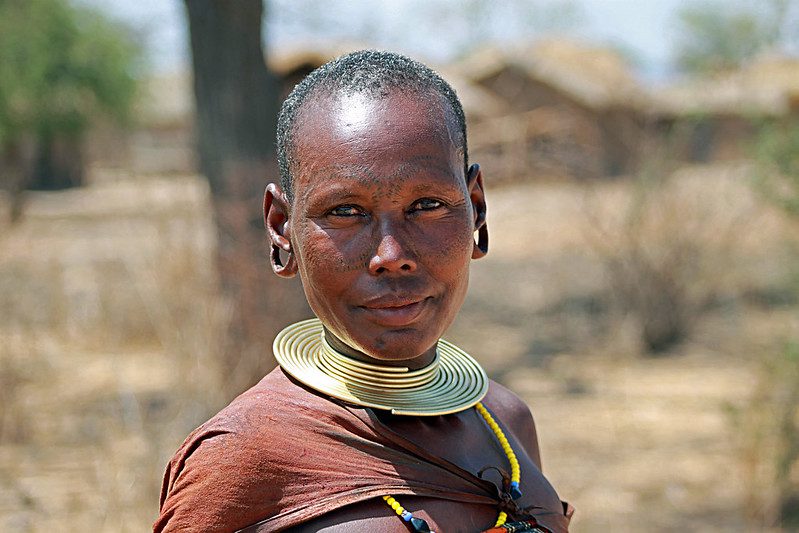 Accusations of witchcraft are not just a thing of the past: in Tanzania, older women are frequently attacked and accused due to this label. For example, an 80-year-old woman named Mirondo describes how a group of men entered her hut in the middle of the night, blindfolded her, bound her and beat her. They destroyed her crops and burned down her home. They even said, “we have shown you mercy and are not killing you today, but you have 24 hours to leave the village or else we will come back and kill you.” Despite its horror, this type of story is not uncommon. Accusations of witchcraft continue to threaten women’s rights in Tanzania.
 Poverty in Nigeria is extreme compared to developed nations. For example,
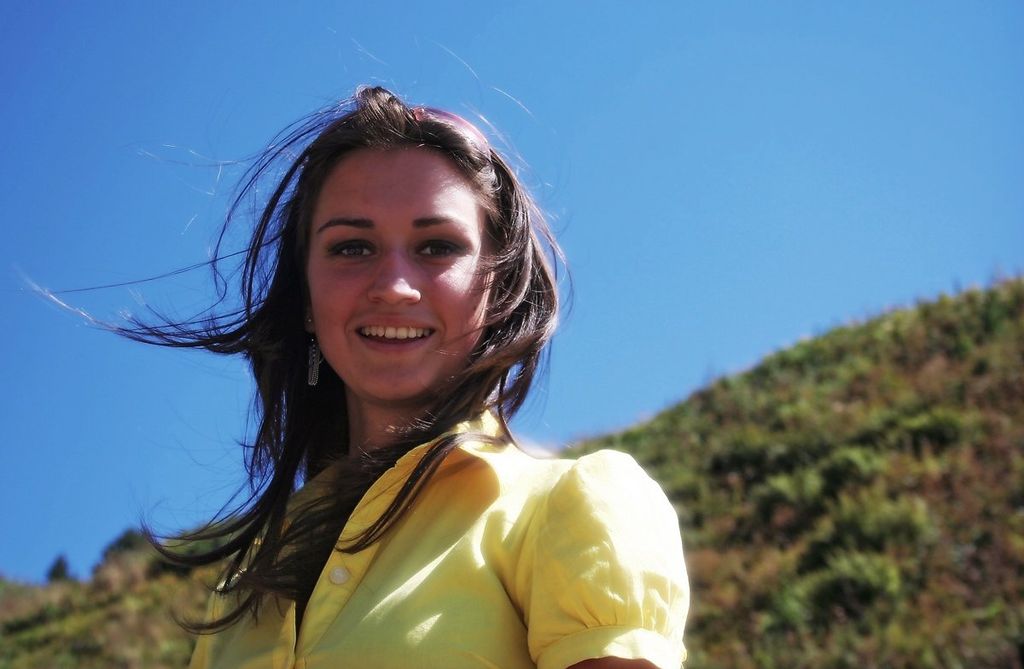 For years, women have struggled to obtain equality in the developing European country, Albania. Recently, however, this topic has received greater publicity as it becomes an increasingly pressing issue for thousands of citizens. Here are five facts about women’s rights in Albania that illustrate Albanians’ struggles. Moreover, these facts highlight organizations and initiatives that are inspiring positive change.
 Women in Indonesia are working hard and fighting for their rights. Recently, Indonesia ranked second in the most dangerous countries for women in the Asia-Pacific. Violence against women can happen anywhere from the slums to the richest neighborhoods. However, this has not stopped the women of Indonesia, as they continue to march — closing the inequality gap. Importantly, women’s rights in Indonesia have fierce advocates.
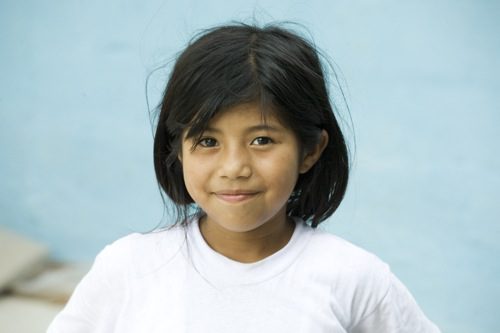
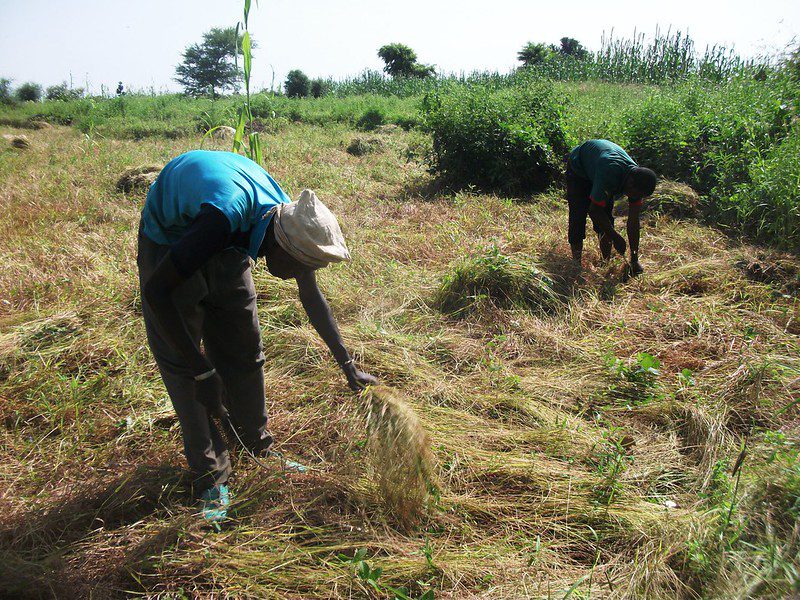
 The United Kingdom (U.K.), which includes England, Scotland, Wales and Northern Ireland, is home to 32 recognized UNESCO World Heritage Sites, like Stonehenge. In addition, the British Library in London is the largest library in the world. However, the United Kingdom struggles with high levels of hunger and food insecurity compared to its European neighbors. In 2018 and 2019 alone,