• Link to X
  • Link to Facebook
  • Link to Instagram
  • Link to TikTok
  • Link to Youtube
  • About
    • About Us
      • President
      • Board of Directors
      • Board of Advisors
      • Financials
      • Our Methodology
      • Success Tracker
      • Contact
  • Act Now
    • 30 Ways to Help
      • Email Congress
      • Call Congress
      • Volunteer
      • Courses & Certificates
      • Be a Donor
    • Internships
      • In-Office Internships
      • Remote Internships
    • Legislation
      • Politics 101
  • The Blog
  • The Podcast
  • Magazine
  • Donate
  • Click to open the search input field Click to open the search input field Search
  • Menu Menu

Archive for category: Global Poverty

Key articles and information on global poverty.

COVID-19, Global Poverty

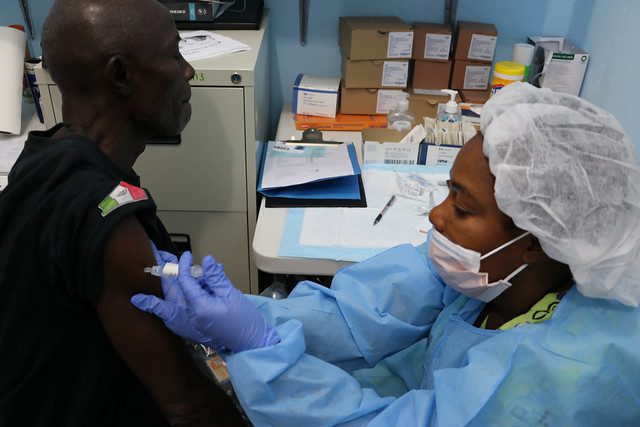
The History of Vaccines and COVID-19

history of Vaccines
The history of vaccines starts centuries ago, with some accounts dating back to 2000 B.C. In the 1500s, smallpox inoculations took place in India and China. In the 17th century, Buddist monks drank snake venom for immunity as an early form of vaccination. Smallpox Inoculation meant cutting up smallpox scabs and blowing them into the nostrils, the left nostril for the girls and right nostril for the boys. Even though Emperor K’ang Hsi had his children inoculated, these practices did not spread to the rest of the country and the smallpox epidemic continued for 200 years.

Most virologists cite 1796 as the history of vaccines’ beginning. Edward Jenner was a country doctor living in England when he performed the first vaccination in history. He took pus from a cowpox wound and injecting it into James Phillips, an 8-year-old boy. Six weeks later Jenner visited the two spots with smallpox on Phillips’s arm to find he was not affected. In addition, Jenner did 12 more experiments and 16 case studies before publishing “Inquiry Into the Causes and Effects of the Variolae Vaccines.” Cow-pox protects humans from the infection of smallpox created the foundation for vaccinology.

Advancements in Vaccines

Until 1885 after the invention of a rabies vaccine, the word “ vaccine” had only referred to smallpox inoculation. The history of vaccines continued with French physicians Albert Calmette and Camille Guerin creating the tuberculosis vaccine by weakening the bacteria over 230 versions. Furthermore, the first influenza vaccine emerged in the 1940s, 10 years after the discovery of the virus. The U.S. Army sponsored the flu vaccine and used fertilized chicken eggs, something still used today.

In 1952, the U.S. reached 57,879 polio cases resulting in 3,145 deaths. Survivors ended up in wheelchairs or crutches, severely paralyzed or having to use an iron lung to breathe. Moreover, Jonas Salk created the Polio Virus vaccine in 1955. Consequently, Salk became one of the most celebrated scientists in the world. Between 1955 and 1962, more than 400 million vaccines were distributed under leading drug manufacturers and polio cases were reduced by 90%.

Vaccine Safety Worldwide

In 1901, the U.S. Congress passed The Biologics Control Act which regulated the selling of serums, toxins and analogic products. This was the first legislation in the history of vaccines for managing vaccines and drugs. Additionally, the act established the Hygienic Laboratory of the U.S. Public Health Service, now known as the National Institution of Health.

Since then, other countries have taken many steps to ensure vaccine safety. China currently has a three-level moderating system for monitoring vaccines. The country’s vaccine industry is able to produce over 1 billion doses per year for preventing 30+ diseases. Moreover, vaccine efforts have made significant progress in Bangladesh. The country has established two production facilities for vaccines. In addition, Bangladesh has increased the monitoring of Adverse Events following Immunization (AEFI).

COVID-19 Vaccine

While vaccine development has advanced since Edward Jenner’s invention of vaccinology, citizens all around the world are waiting for a new event in vaccine history: the coronavirus vaccine. With 22.4 million cases worldwide, 778,000 deaths and countries re-entering lockdown, it’s no exaggeration to say a COVID-19 vaccine is necessary to end the pandemic. The good news is that over 165 vaccines have undergone development around the world. About 35 of the vaccines are in the human trial stage and two vaccines have received approval for early or limited use.

The U.S. is running an experimental vaccine, mRNA-1273, in the phase one trial. The Washington Health Research Institute, being led by Lisa Jackson, began the initial trial in March with 45 participants from 18 to 55 years old. In April 2020, the trial expanded to add citizens over the age of 55 and 120 participants. After no serious side effects occurred, phase two began in late May 2020 and Phase 3 launched in early July 2020.

A Chinese company Cansino Biologics partnered with the Academy of Military Medical Sciences to create the Ad5 vaccine. In May, phase one was completed with promise. In July, the company concluded that phase two produced “a strong immune response.” In addition, the military approved the vaccine after just two trial runs on June 25 as a needed drug. The third trial will take place in Saudi Arabia and negotiations with other countries are taking place.

The failures and successes of the coronavirus vaccine all add to the history of vaccines. The quality of life has drastically increased thanks to Jenner’s first vaccine trials in 1796. With the help of vaccines, polio measles and smallpox cases are incredibly rare in the 21st century. Using the history of vaccines and the invention of new technology, a COVID-19 vaccine is right on the horizon.

– Breanna Bonner
Photo: Flickr

October 3, 2020
https://borgenproject.org/wp-content/uploads/borgen-project-logo.svg 0 0 Kim Thelwell https://borgenproject.org/wp-content/uploads/borgen-project-logo.svg Kim Thelwell2020-10-03 01:30:432024-05-29 23:23:38The History of Vaccines and COVID-19
Global Poverty

How Kerala Tackled the Nipah Virus Outbreak in 2018

The Nipah Virus
The first documented outbreak of the Nipah virus (NiV) took place in a Malaysian village called Sungai Nipah in the year 1999. Since then, there have been outbreaks reported in Bangladesh, India and Singapore. Contact with infected animals such as pigs and fruit bats and consuming contaminated fruit lead to contracting the virus. Then, the virus is transmitted from person to person. It can also cause acute respiratory illness and encephalitis or be asymptomatic.

In Kozhikode city in the South Indian state of Kerala, an outbreak of the Nipah virus occurred in May 2018. The virus originated from infected fruit bats. In early May, an index patient was admitted to a local hospital. Within weeks, 18 cases were confirmed and 17 patients succumbed. By July 2018, the outbreak was contained.

Contact Tracing and Quarantine

Infected patients were confined and treated in isolation wards. Exhaustive contact tracing efforts helped identify over 2,000 individuals who may have come in contact with those who were infected. They were quarantined and periodically checked on throughout the maximum incubation period.

At the onset of the outbreak, the government issued health and travel advisories for the citizens and visitors to the affected areas. Members of the response team also visited houses to inform citizens about the required precautions. They encouraged people to wear masks since the virus was transmitted via droplets of body fluids. They were also advised to avoid consuming fruits due to the possibility of contamination.

Field Visits and Collaborative Efforts

Officials visited the homes and localities of the infected patients. They collected information from family members and inspected the surrounding areas to uncover the source of the virus. In a sealed well in the home of an infected patient, health officials discovered dead bats.

The World Health Organization (WHO) describes the early response to the outbreak as improvised. However, a centralized, efforts from top state government officials and health experts helped create an organized approach to managing and curbing the crisis. Their efforts collaborated with support and guidance from the Central Government as well. Furthermore, several heroes in the fight against the NiV outbreak were praised, including Lini Puthussery. Puthussery was a nurse to patients diagnosed with the virus, and she later caught the disease.

Quick Response Measures for Future Outbreaks

In anticipation of NiV outbreaks in the future, the Kerala government established a network that includes public and private hospitals to enable testing. These hospitals quickly identify index patients as well. In June 2019, this allowed a swift response to a possible outbreak, and there were no fatalities. There are plans to upgrade existing Virology Institutes in the State. Additionally, there are efforts toward overcoming challenges from previous outbreaks. One of the challenges is ensuring the sufficient stock of PPE equipment. These challenges also include proper management of bio-medical waste and decontamination of ambulances and treatment centers.

The experience garnered from the NiV outbreaks helped facilitate the Kerala Governments’ response to the COVID-19 pandemic. The State has adopted a people-centric approach to the coronavirus pandemic. It has also implemented a vigorous, centralized effort for contact tracing and quarantine and the sustenance of vulnerable groups.

There is neither a known vaccine nor a cure for the Nipah virus. The disease has an estimated fatality rate of 40% to 75%. However, Kerala’s success in containing the NiV outbreak in 2018 and possible outbreaks in the following year has established an admirable model for a global response to combat it.

– Amy Olassa
Photo: Flickr

October 3, 2020
https://borgenproject.org/wp-content/uploads/borgen-project-logo.svg 0 0 Kim Thelwell https://borgenproject.org/wp-content/uploads/borgen-project-logo.svg Kim Thelwell2020-10-03 01:30:292020-10-01 12:25:00How Kerala Tackled the Nipah Virus Outbreak in 2018
Global Poverty

How Ricult is Fighting Rural Poverty in Thailand

Rural Poverty in Thailand
Although modern civilization could not exist without it, agriculture persists as one of the most impoverished industries in the world today. While many continue to make significant strides towards reducing global poverty as a whole, recent data has revealed that rural communities feel its most severe economic and social pressures. One can observe evidence of this trend across multiple continents, but some of the clearest illustrations of this phenomenon are Central and Southeast Asia, where rapid regional growth has noticeably failed to translate into a substantial decrease in rural poverty. In places like India, Pakistan, Thailand and other Asian countries where significant proportions of the labor force continue to work in agriculture, many producers and communities have seen inconsistent poverty reduction despite the decreasing of overall poverty rates. For some, the solution to this problem is technological, with companies like Ricult Inc. dedicated to alleviating rural poverty in Thailand and Pakistan by providing farmers with the modern tools to work smarter rather than harder.

Ricult’s Vision

Four MIT graduates founded Ricult in 2016 to bring the benefits of modern technology to farmers and smallholders in Pakistan and Thailand. Since then, the company has worked to develop mobile technologies designed to aid farmers in developing countries through remote satellite monitoring of crops and analytics which allow them to sow, fertilize and irrigate crops more efficiently. Farmers can also use Ricult’s system to track weather patterns and even for financial services such as loan applications. These and other features not only empower farmers with powerful data but also facilitate more transparent and efficient relationships between producers, creditors and suppliers. The entire suite of services is easily accessible via the Google Play Store and Ricult reported crossing the 150,000 users threshold earlier in 2020.

Rural Poverty in Thailand

Over the past 20 years, Thailand has been successful in lowering its national poverty rate with the introduction of new industries, but much of this growth has not trickled down to the bottom of the economic ladder. Instead, conditions have worsened for the country’s agricultural sector since 2013 due to growing investment in the competing manufacturing and service industries. In addition to these trends, Thailand’s current lack of modern agricultural infrastructure has made many farmers vulnerable to drought and other natural phenomena. With nearly 35 million people still dependent on agriculture for their livelihoods, technological development in the sector is paramount for keeping many communities above the poverty line.

Digitizing Thailand’s Agricultural Sector

As CEO of Ricult Thailand and co-founder of the company, Aukrit Unahalekhaka has set out to combine the agricultural advancements of developed economies to smallholders across the country. In 2018, Ricult reported a nearly 40% increase in profitability among farms and smallholdings which use its platform, resulting from a 50% increase in yields. In a 2018 statement to MIT News, Unahalekhaka stressed the importance that such growth can have on small farmers and their families, explaining that it may have the potential to provide rural children with quality education and health care.

Recently the Thailand branch of the company reached a seed funding milestone by partnering with several of Thailand’s major banks, securing $5 million which it plans to use to expand its operations across the country and continue to digitize farming operations. In addition to this domestic growth, Ricult has also announced future intentions to expand into the nearby countries of Indonesia, Laos and Vietnam. In keeping with the company’s guiding mantra “those who feed us, need us,” Ricult continues to offer its platform free of charge to smallholders and producers in order to alleviate rural poverty in Thailand.

– Matthew Otey
Photo: Flickr

October 2, 2020
https://borgenproject.org/wp-content/uploads/borgen-project-logo.svg 0 0 Kim Thelwell https://borgenproject.org/wp-content/uploads/borgen-project-logo.svg Kim Thelwell2020-10-02 18:32:552020-12-09 18:33:09How Ricult is Fighting Rural Poverty in Thailand
Global Poverty

The US’ Role in the Fight Against Global Poverty

Fight Against Global Poverty
While every country in the world is diverse and faces a number of different problems, the struggle to fight against global poverty is something all nations can relate to. According to the World Bank, 10% of the world lives on less than $1.90 a day.

Evidently, all nations must find a way that fits their specific needs when addressing poverty. However, there are some governments that lack the resources and therefore the ability to reduce poverty in their respective nations. Because of this lack of resources, the rates of poverty in these undeveloped countries are only getting worse. In fact, according to the Human Development Report, 54 countries in the world are poorer now than they were in 1990. As a result of this recurring issue, the governments of many developed countries have taken on the burden of addressing poverty not only in their own country but in the aforementioned developing countries as well. Specifically, the United States has done a lot of work to fight against global poverty.

The United States’ Role in Fighting Global Poverty

The United States has the world’s largest national economy and is a highly industrialized nation. Therefore, it makes sense that the country has taken on the responsibility of helping to fight against global poverty. The United States has been a major player in the fight against global poverty for a very long time. President John F. Kennedy’s inauguration speech largely addressed the United States’ role in diminishing global poverty and his pledge to help do so.

There are a number of ways the United States has contributed to eradicating worldwide poverty. One major way the United States has helped feed the world is by feeding farmers and their families. Farmers of the world are vital to the world’s economy as well as the world food supply. However, these small plot farmers that the world’s agricultural system depends on often struggle to feed themselves and their families. The U.S. program Feed the Future has helped close to 7 million farmers boost their harvests and keep their families fed.

The United States has also worked to fight against global poverty by encouraging banks to loan to “risky borrowers” through its work with Feed the Future. Being able to borrow money allows farming families the ability to make investments that will help them grow. For instance, the U.S. government worked with Feed the Farmers to help about 17,000 farmers and small entrepreneurs benefit from rural loans and grants in Senegal which led to access to better seeds and modern equipment, as well as weather-indexed crop insurance and helped negotiate favorable contracts with commercial mills.

Criticisms Over the United States’ Handling of Global Poverty

On the other hand, the United States has received some criticisms claiming that it can do much more to help fight against global poverty. Many Americans incorrectly estimate that about 20% of the United States’ federal budget goes to combating global poverty when in reality, less than 1% of the budget goes towards this cause. Consequently, the U.S. government receives a lot of criticism for not making the fight against global poverty a greater priority since it seemingly has the resources to do so. In fact, according to the Baltimore Sun, the United States has the ability to prevent 25,000 children from dying each day and should make efforts to do so.

How the US Could Provide Energy

There are many ways poverty experts believe the United States could be doing more to reduce global poverty rates. For instance, the United States has become the world’s largest producer of energy, producing 12.16 barrels of oil every 24 hours. This could provide an opportunity to help fight global poverty. For example, in 2019, over 1 billion people did not have access to electricity worldwide and life expectancy for those without electricity was 20 years less than those who did have electricity. Since the United States has become a leader in energy production, many citizens take having electricity for granted not realizing that access to electricity connects to so many other aspects of a human’s well-being such as child and maternity mortality, public health, economic growth and education, etc.

With technological advancements, the United States is increasing its reserves of energy resources faster than it is depleting them, and therefore, has the power to bring great numbers of people out of poverty worldwide. Over 3.8 million people die every year from indoor pollution due to burning wood, kerosene and/or animal dung for cooking or heating homes. Half a million people die each year from contaminated water and even more die each year from preventable illnesses that emerge due to a lack of heat in the winter.  If the U.S. were to export its excess supply of energy sources, all of these numbers would likely decrease along with rates of global poverty.

Looking Forward

It is clear that as a leading world power, the United States has a responsibility to help in the world’s efforts to decrease rates of global poverty. While many praise all that the United States has already done to combat this issue over the country’s history, there are many people who criticize the government’s lack of funding towards lowering rates of global poverty. This leaves the United States with the option to use proposed ideas, such as using its abundant energy sources to lower rates of global poverty, to increase its efforts to reduce global poverty or to disregard their critics and continue to help in the manner that they have been for years.

– Danielle Wallman
Photo: Flickr

October 2, 2020
https://borgenproject.org/wp-content/uploads/borgen-project-logo.svg 0 0 Kim Thelwell https://borgenproject.org/wp-content/uploads/borgen-project-logo.svg Kim Thelwell2020-10-02 18:16:002020-12-10 18:16:14The US’ Role in the Fight Against Global Poverty
Food Insecurity, Global Poverty, Hunger

Combating Hunger in the Central African Republic

Hunger in the Central African Republic
The Central African Republic (CAR), a landlocked country in Central Africa, has one of the highest rates of hunger in the world. In fact, it ranks second-to-last on the 2019 Human Development Index. After gaining independence from France in 1960, the country has struggled with weak markets, low productivity, gender inequality and hunger following years of political instability and conflict.

Hunger in the Central African Republic has become a more drastic concern as a result of a 2013 coup, which ousted President François Bozizé and led to a 36% reduction in the country’s GDP. The country’s ongoing civil war, with renewed violence starting in 2017, has displaced people from their homes and has led to rising food prices due to weakened food production. While much of the country is self-sufficient in food crops like cassava, peanuts and millet, the tsetse fly has hindered livestock development.

Natural Impacts on Agriculture

In the Central African Republic, the tsetse fly has contributed to a disease called animal trypanosomiasis, a fatal disease that impacts cattle and wild animals. The tsetse fly is responsible for killing off a significant portion of CAR’s livestock. Tsetse flies also cause sleeping sickness in humans. This can lead to seizures, central nervous system failure, fever and weight loss. With little food or clean water, people with sleeping sickness are often unable to recover from these symptoms.

According to researcher Paterne Mombe in a Wilson Center interview, the government of CAR enacted agricultural policies over the last 50 years that shifted focus towards importing food instead of growing it themselves. This has resulted in underperforming agricultural output. As a result of poor agricultural practices, Mombe stated that this has led to conflict against the government, the destruction of farmland and lack of policy reform. From 2012 to 2016, agricultural production of the country dropped to 65%.

Of the country’s 4.8 million people, 79% live in poverty, caused by not only displacement and conflict but also a below-average agricultural season and COVID-19 prevention measures. Although the rainfall level in 2020 has been generally average, the vegetation index is slightly in deficit due to the low rainfall that occurred between January and February 2020, subsequently leading to increasing prices for agricultural goods. The CDC has deemed the COVID-19 risk in CAR as high, meaning that movement restrictions have contributed to sharp increases in the price of essential food items, diminishing the ability of poor households to purchase food. The IPC predicts that COVID-19 will “have a drastic impact” on the economy and food supply chains.

Internally Displaced Persons (IDPs) in the Central African Republic

According to USAID, there were more than 697,000 IDPs in CAR in March 2020, as well as 616,000 Central African refugees in neighboring countries. Although the Government and 14 armed groups in the country signed a Peace Agreement in 2019, escalating conflict in the northeast of the country displaced another approximately 27,000 people between December 2019 and March 2020. As much of the population relies heavily on farming for their food, those who have experienced displacement have struggled to adjust to new climates or geographies; others have fled to areas prone to high food prices, poor access to clean water and few employment opportunities.

Concerning hunger in the Central African Republic, the latest Integrated Food Security Phase Classification (IPC) report found that 750,000 people are in a food insecurity emergency (which is a phase below famine), while 1.6 million are in a food insecurity crisis (which is a stage below emergency). Around February 2013, estimates determined that slightly over 20% of the country’s population were in urgent need of assistance, as opposed to over 40% in 2020.

CAR Ranks Unhealthiest Country in the World

The United Nations reported that an estimated 1.3 million people in CAR will require assistance to prevent and treat malnutrition in 2020, which includes nearly 50,000 children under 5 years of age suffering from severe malnutrition. A study by researchers at the University of Seattle in 2016 found that CAR ranks first in unhealthiest countries, due to malnutrition, AIDS and lack of resources. The UN World Food Programme has also noted that around 40% of children aged between 6 months and 5 years are stunted due to a lack of nutrients in their diet. The IPC has projected that some households in northwestern, southeastern and southwestern CAR will require emergency food assistance in the coming months to avoid emergency levels of acute food insecurity.

Response to the Central African Republic’s Hunger Crisis

In response to heightened food insecurity in CAR, the World Food Programme (WFP) and non-governmental organizations, have worked to prevent and treat malnutrition with funding from USAID’s Office of Food for Peace. In collaboration with the European Commission and countries like Germany and South Korea, WFP has provided emergency food and nutrition assistance to conflict-affected people throughout the country. These efforts reached over 920,000 people in 2018.

The WFP has recently scaled up its general food distributions and has conducted a food security program for children under 5 and pregnant and nursing mothers. It has also helped strengthen CAR’s Zero Hunger policies, including doubling producer incomes and adapting food systems to eliminate waste. The WFP also offers rehabilitation programs like Food Assistance for Assets, which provides people with work like repairing roads and bridges. Another program is Purchase for Progress, which helps poor farmers gain access to reliable markets to sell crops at a surplus.

Started in 2007, the organization ACTED provides emergency relief to the most vulnerable and displaced populations. It also works to strengthen the resilience of populations and local authorities. ACTED currently has teams in Ouham Pendé, Ouaka, Basse Kotto, Mbomou, Haut Mbomou and the capital Bangui. Meanwhile, other organizations like Concern Worldwide, Mercy Corps and Oxfam International are helping combat food insecurity through food-for-assets activities, food vouchers and local agriculture initiatives.

However, as COVID-19 continues to negatively impact the lives of thousands of civilians in CAR, hunger in the Central African Republic needs increased attention and aid to battle the rise of acute malnutrition in the midst of a civil war. The IPC advises that organizations implement urgent actions targeted at the most critical regions to facilitate access to food, put in place measures to prevent and combat COVID-19’s spread and improve food utilization by facilitating the access of populations to drinking water sources and awareness of hygiene and sanitation protocols.

– Noah Sheidlower
Photo: Flickr

October 2, 2020
https://borgenproject.org/wp-content/uploads/borgen-project-logo.svg 0 0 Jennifer Philipp https://borgenproject.org/wp-content/uploads/borgen-project-logo.svg Jennifer Philipp2020-10-02 17:59:142024-05-30 07:52:40Combating Hunger in the Central African Republic
Children, COVID-19, Food & Hunger, Food Insecurity, Global Poverty

But God Ministries Sustains Haiti


BGMIn March 2020, the world entered a time of pause. For some people, the earth seemed to echo a sigh of relief. But stomachs continued to grumble, rain steadily beat down upon roofs made of mud or junkyard scraps and pill bottles drained empty. Galette Chambon and Thoman, two Haitian communities, were no exception to the landslide caused by COVID-19. Thankfully, these two poverty-ridden places’ retaining wall halted the landslide. For nearly ten years, But God Ministries (BGM) has provided Galette Chambon and Thoman with sustainable resources. These resources include water wells, medical and dental clinics, schools, housing and various job opportunities to support the local community. Unfortunately, since the onset of the COVID-19 pandemic, many of these resources have not been readily available.

Food Insecurity in Haiti

One of the major needs plaguing the six million Haitians who live below the poverty line is a lack of food. During the school year, BGM feeds 16,000 children each day. Once schools shut down, food was no longer accessible to these children. Additionally, the country was in a state of civil unrest and facing a drought, worsening the situation. Since 2015, Haiti has faced the onset of economic blows including a decrease in foreign aid, depreciation of the national currency and the natural disaster of Hurricane Matthew. However, the cherry on top was the closure of local markets due to the pandemic, which heightened the crisis. Rather than sit back and watch the nation plummet, BGM took action by conducting a Food For Life campaign. Stan Buckley, the founder of But God Ministries, spoke with The Borgen Project about the campaign’s success. He said, “We raised $90,000 in a week. So far, we have given away $75,000 in food distributions.”

But God Ministries’ Response to the Pandemic

A major source of revenue for But God Ministries came from American teams who partnered with the ministry. Without funding from visiting groups, BGM had to cut back on the salaries of their Haitian employees. A positive outcome, according to Buckley, is the number of houses BGM has the opportunity to build in the community during this time. A portion of the people who planned on spending part of their summer in Haiti chose to donate the money they would have spent on travel to the organization’s housing fund. Buckley said, “We have the funds in place for 16 houses, and we have built around five so far.” He also noted that the civil unrest has died down due to the coronavirus. If this trend continues, the country will be on an uphill climb toward a successful economic and sustainable future.

Haitian Economy

Self-sufficiency is contingent upon the physical state of the nation. Unfortunately, over 96% of Haitians experience natural disasters. In 2010, Haiti’s economic and concrete landscape was shaken to the ground by an earthquake. Many countries forgave Haiti of its debt. However, the country’s clean slate quickly became tainted. By 2017, Haiti had accumulated $2.6 billion in debt. In concordance with the national debt, Haiti’s clothing export rose to new heights. As of 2016, the apparel register accounted for more than 90% of Haiti’s exports, further sustaining the nation.

Sustainability is But God Ministries’ overarching goal. “One of our goals is to have Haitians leading in every area …, and that’s a process. We have a Haitian preacher, Haitian principals and teachers, Haitian builders …, and the list goes on,” said Buckley. Right now, Thoman produces electricity through sustainable solar panels, which happened through a partnership with Georgia Tech. Hopefully, Galette Chambon will follow this precedent. Electricity is a major barrier standing in the way of Haiti’s progression. According to the CIA, investing in Haiti is difficult due to the lack of electrical reliability and weak infrastructure.

Without financial and resourceful investment from neighboring countries, it will be exceedingly difficult for Haiti to enter a state of self-sufficiency. However, the work of organizations like But God Ministries provides an example for others who wish to help the country emerge from the pandemic better than it was before.

– Chatham Rayne Kennedy
Photo: Flickr

October 2, 2020
https://borgenproject.org/wp-content/uploads/borgen-project-logo.svg 0 0 Kim Thelwell https://borgenproject.org/wp-content/uploads/borgen-project-logo.svg Kim Thelwell2020-10-02 15:50:282024-05-25 00:00:05But God Ministries Sustains Haiti
Children, Education, Global Poverty

Innovations in Poverty Eradication in Costa Rica

Innovation in Poverty Eradication in Costa RicaCosta Rica, a country in Central America known for its beautiful Caribbean beaches and biodiversity, has the lowest rate of poverty in Central America. However, rural areas still struggle somewhat with poverty. About 20% of Costa Ricans are currently living under the poverty line, making less than $155 a month. Thankfully, there are many innovations in poverty eradication in Costa Rica helping those most affected. New technologies, for example, are helping with education both remotely and in school. Here are a few innovations in poverty eradication in Costa Rica.

Education in Costa Rica

Academically, Latin America falls behind in mathematics. Children at a young age need to learn math to get a good start in school. But without resources, children in Costa Rica struggle to get a quality education. This not only affects their test scores but also their mindsets.

High-level education is also a problem in Costa Rica. As a small country, Costa Rica lacks the required resources to provide high-quality education for all of its students. About 4% of the country’s population 15 or older currently doesn’t know how to read and write. Poor early education often leads to illiteracy in teenagers. With preschool starting at the age of four, it is important that kids get a good start right away. Thankfully, there are innovations in poverty eradication in Costa Rica working to improve education in Costa Rica.

Tech Innovation in Costa Rica

To solve this issue, researchers and the country’s education ministry have implemented a pilot program focused on math and programming skills for preschool students. The Pensalo program offers a highly intelligent robot named “Albert” to assist students. This robot scans a series of flashcards, helps with sharpening memory and shows instructions that use mathematical and numerical concepts. This innovation in poverty eradication in Costa Rica has impacted 392 schools in four different provinces. So far, this robot has given children a great start to education.

Albert’s Impact

SK Telecom designed Albert after an agreement with the Inter-American Development Bank (IDB) to figure out a solution so that kids can have more opportunities to grow and learn in Costa Rica. With IDB being a good source of development in financing for Latin America, it was able to provide 1,500 robots for schools. Not only does this help education in Costa Rica, but it can also set a good influence in different countries. Albert shows that Costa Rica is able to create a sustainable level of quality education.

This is one of many innovations in poverty eradication in Costa Rica that have helped provide a good education to young students. Thanks to the Albert robot, children can now get a strong start to their education. This will have a ripple effect in the future, as education is a significant obstacle for children to overcome to escape poverty.

– Rachel Hernandez
Photo: Pixabay

October 2, 2020
https://borgenproject.org/wp-content/uploads/borgen-project-logo.svg 0 0 Kim Thelwell https://borgenproject.org/wp-content/uploads/borgen-project-logo.svg Kim Thelwell2020-10-02 15:09:282020-10-02 15:09:28Innovations in Poverty Eradication in Costa Rica
Global Poverty, Women's Rights

The Status of Women’s Rights in Rwanda 

Women’s Rights in Rwanda
Rwanda, a nation rebuilt after a tragic genocide in 1994, has progressed in terms of gender equality rights and become one of the leading nations in terms of women’s equality. However, many gender-based issues still persist that limit women. Women’s rights in Rwanda are notably among the most progressive, but Rwandan women are still invisible in many senses.

Women in Government

Rwanda was the first country to have a majority of women in its government. In fact, women hold 64% of the Rwandan government seats, whereas men hold 36% of the seats. On paper, women’s rights in Rwanda seem to flourish and represent a standard for other countries. Following the genocide and the diaspora of a majority of the population, women made up more than 60% of the remaining population and became responsible for the workplace.

President Paul Kagame, who rebuilt Rwanda after the genocide, leads this nation of 12.3 million people. He created a new constitution mandating a reservation of 30% of the parliament seats for women. Since this new amendment from 2003, the Rwandan government has consisted of a mostly equal balance of men and women.

Gender Equality in Rwanda

Paul Kagame also implemented the Vision 2020 plan which consists of a transformation to a knowledge-based middle economy country, however without gender equality in the field of information and communication technologies, this vision will not become reality. Currently, 34% of higher education ICT graduates are women. To aid this gender inequality, the Rwandan Government has implemented strategies that will benefit women in ICT. It is also investing in programs to increase the number of women in the field.

This nation ranks fifth in the World Economic Forum’s Global Gender Gap Index from 2016. The United States currently ranks 45th, so Rwanda is seemingly much more equal. The World Economic Forum measures the gender gap index by how far countries have gone in closing the gender gap across a different range of measures. The Gender Gap Report specifically highlights equality in health, education, economy and politics.

The World Economic Forum highlights women’s rights in Rwanda in two categories, economic and political. Women hold 86% of the labor force participation and the wage gap is 88 cents for women in comparison to only 74 cents for women in the United States. These statistics are notable, however, one can attribute much of this labor force participation to the lack of men able to work during the genocide and the number of women forced into the workplace.

Sexual Violence in Rwanda

While Rwanda is a standard of gender equality because of the high rates of women in the economy and politics, the prevalence of sexual violence still persists at an astonishing rate. During the genocide, others used women as weapons of war and they experienced rape to increase fear in the country. Even years after the genocide, thousands of Rwandan women are victims of sexual violence and can take little no legal action. One can attribute the majority of this to the lack of representation of women in police and judicial positions.

In an attempt to alleviate sexual violence, The Rwanda Men’s Resource Center implemented a program to put at-risk men and women in each other’s shoes. The Men’s Resource Center, created by nine men, attempts to address masculine behaviors and gender inequalities while promoting healthy family lifestyles. This program has yet to be successful in reaching and solving many Rwandan women’s struggles, but it is a step in the right direction to address gender violence.

This African country looks equal on paper,  but many of its citizens would disagree that male and female gender roles are actually proportionate. Gender equality has progressed greatly since the 1994 genocide, but the authoritarian system still limits women and they face disproportionate amounts of sexual violence with little legal or medical assistance. Rwandan women have made immense strides and are some of the leading forces for change in the nation.

– Caroline Pierce
Photo: Flickr

October 2, 2020
https://borgenproject.org/wp-content/uploads/borgen-project-logo.svg 0 0 Jennifer Philipp https://borgenproject.org/wp-content/uploads/borgen-project-logo.svg Jennifer Philipp2020-10-02 14:34:592024-05-29 23:23:21The Status of Women’s Rights in Rwanda 
Global Poverty, Slums, United Nations

The Housing Crisis in Sub-Saharan African Slums

Sub-Saharan African SlumsSub-Saharan Africa is experiencing a housing crisis. While around one billion people live in slums around the globe, 200 million of those live in sub-Saharan African slums. This number represents “61.7% of the region’s urban population,” making sub-Saharan Africa the highest in the world for urban poverty.

Sub-Saharan African Slums and Urban Poverty

Singumbe Muyeba, assistant professor of African Studies at the University of Denver, spoke with The Borgen Project about development intervention and sub-Saharan African slums. Muyeba’s expertise in these areas stems from his academic work but also from his work for the United Nations’ High Commission for Refugees and Development Program.

According to Muyeba, sub-Saharan African slums began when African countries gained independence from colonialist rule from the 1960s through the ‘80s. Since colonialists always reserved major cities for themselves, Africans everywhere migrated from rural to urban areas after independence. However, that meant infant governments had to keep up with increasing urban populations. They were unable to do so due to the skyrocketing rates of urbanization.

With housing rapidly diminishing as Africans moved into cities, they began settling onto common land, eventually creating the sprawling slums that still exist today. Even now, the sub-Saharan African urban population is annually growing at 4%. A projection from the U.N. reveals that “the world’s 10 fastest growing cities, between 2018 and 2035, will all be in Africa.” In addition, there is a backlog of 51 million housing units in Africa. The region’s supply of housing is “about nine years behind current demand,” according to Muyeba.

Slum Upgrading Programs

The World Bank has funded slum upgrading programs to combat rising urban poverty in sub-Saharan Africa. These programs assigned property rights and provided access to services in hopes to empower slum residents with their own land. However, as Muyeba explained, these programs were largely “self-help” models. The World Bank simply gave impoverished individuals property rights and no means to build their own housing.

Since “about 97% to 99% of people in sub-Saharan Africa do not have access to formal financing” that allows them to build or buy a home, people haphazardly build their own informal housing or remain in slums. Formal and sustainable housing only accounts for 10% of all urban African housing. While handing out free titles and property rights looks good on paper, this “slum upgrading” has not improved slums.

Ongoing Problems in Slums

While sub-Saharan Africa housing conditions improved by 11% from 2000-2015,  this improvement was “twice as likely in the wealthiest households” and “80% more likely among more educated households.” The reality is that 80-90% of Africans work in the informal sector, and the majority of people living in sub-Saharan African cities live in slums. Therefore, this housing improvement did not occur in the slums, which many people cannot escape.

George Compound, a slum in Lusaka, Zambia, serves as a perfect example of a poorly executed upgrade program. It is a major slum with 400,000 inhabitants, but it does not have adequate running water. The water it does have from makeshift wells is contaminated with nearby ground toilets.

In Muyeba’s opinion, government involvement is necessary to fix the African housing crisis. While he is not against privatization, he believes the neoliberal model is not working to improve sub-Saharan African slums.

Can Governments Fix the Housing Crisis?

However, even if African governments want to get involved in building housing, they cannot. This is because of the World Bank’s international economic rulings on aid and upgrade programs. “The system is set up in such a way that the World Bank advocates for less involvement of the government following the Structural Adjustment Programs implemented in the 80s and 90s,” stated Muyeba.

In order to receive aid through the World Bank’s structural adjustment programs, governments often have to delegate building to the private sector. However, the private sector cannot make a real profit from low-income housing because so many Africans and slum-dwellers are part of the informal sector. People in poverty cannot get mortgages because they lack access to credit or insurance. This prevents the private sector from serving poor Africans.

Muyeba firmly believes “there are wins everywhere” if governments (with the help of communities and the private sector) build housing. The construction sector can benefit from large-scale projects, while infrastructure creates jobs. Individuals in slums can focus their attention on making income rather than worrying about basic housing needs.

Muyeba offered Kenya as an example of combined state, private and community partnerships to combat urban poverty. Currently, the country has implemented its own kind of slum upgrading program in which the government builds housing and guarantees mortgages.

Organizations Helping People in Sub-Saharan African Slums

Outside organizations and NGOs are actively working to help housing poverty in sub-Saharan African slums. Habitat for Humanity completed a six-year program in 2018 called “Building Assets, Unlocking Access.” This program worked in Uganda and Kenya to offer technical help and “develop housing microfinance products and services.” Habitat for Humanity’s approach allowed Africans to progressively build their own housing, access small-scale loans and set up small payments.

More than 42,000 individuals accessed microfinance loans through the program, which impacted more than 210,000 people in total. In addition, 32.9% of loan recipients built entire houses for themselves and their families.

A report from the project found that recipients also upgraded their housing with improved roofing, walls, sanitation and electricity. Additionally, the program caused trickle-down effects in health. Fewer people reported common ailments like “sore throats, shortness of breath, itchy eyes, blocked noses, vomiting and rashes” due to healthier housing. The most improved group was children under six.

Hopefully, all African cities struggling with urban poverty can create domestic housing projects or find new, inventive ways to help the housing crisis. All in all, the solution to sub-Saharan African slums is housing. According to Muyeba, “It’s a no brainer.”

– Grace Ganz
Photo: Flickr

October 2, 2020
https://borgenproject.org/wp-content/uploads/borgen-project-logo.svg 0 0 Kim Thelwell https://borgenproject.org/wp-content/uploads/borgen-project-logo.svg Kim Thelwell2020-10-02 14:34:522020-10-02 14:34:52The Housing Crisis in Sub-Saharan African Slums
Education, Global Poverty

Elimu Africa: Promoting Education in Tanzania

Promoting Education in Tanzania
Globally, nine out of 10 children attend school. In terms of global progress, this is a cause for celebration. However, along with uptakes in enrollment rates, keeping students in school has proved increasingly difficult, especially in countries such as Tanzania. Luckily, Elimu Africa is an organization promoting education in Tanzania.

Tanzania’s Barriers to Staying in School

According to UNESCO, 81% of primary-school-age children attend school in Tanzania. Attendance rates drop to 28% in lower secondary and even lower in upper secondary school at only 3%. One can attribute this significant drop to the transition from Swahili to English as the language of instruction between the primary and secondary levels at public schools. Primary level public education in Tanzania is tuition-free, and with more children enrolling in school, the ratio of students to teachers remains high, averaging at about 43:1 in primary schools, and even higher in rural schools. Even with free tuition, many families struggle to afford the costs of attending school including uniforms, transportation, books and loss of labor. Between the switch in the language of instruction, crowded classrooms and school costs, finishing school is not practical for many Tanzanian families.

Elimu Africa & Social Entrepreneurship

Through its social entrepreneurship model, Elimu Africa is promoting education in Tanzania by providing Tanzanian students with the annual scholarships they need to stay in school since 2007.

In a recent interview with The Borgen Project, Richard McMorrow, one of the founders of Elimu Africa, explained the nonprofit’s mission: “We want to provide the finances so that kids can get the best quality education they can get, without worrying about the financial part… Once we commit to a kid, we commit to that kid until they are done with school.”

Elimu Africa works with students’ families to provide scholarship amounts tailored to the family’s needs. This usually amounts to about 75% of the students’ tuition. Families are also able to choose where to send their children, whether it be public (fees totaling between $200-275) or private school (tuition fees between $500-600).

Elimu Africa’s social entrepreneurship model generates renewable scholarships. McMorrow explained that “We knew that the “raise money, and give away,” [model] was not going to be sustainable. So as we continued to look at different models, I had this notion of social entrepreneurship… We purchase a dala dala, the common transport van that runs routes around different cities in Tanzania, and we use the proceeds to support our mission. We [also] hire a manager, driver, and conductor. Then we make money each month, pay all those people for their services, and we take the profit. Half of it goes to our mission and half of it goes back to Elimu Africa for our initial investment. In 2019 we bought a second dala dala. That’s the idea, that you can continue to have a greater impact without having to continually raise money. And you’re supporting people who are working.”

The Impact

Through the proceeds of its two dala dalas, Elimu Africa is currently sponsoring 32 students in the Kilimanjaro region of Tanzania. A few of its past students have graduated from secondary school and continued on to university.

Moving forward, Elimu Africa is looking to continue promoting education in Tanzania by reaching more students. McMorrow shared that “We got to the point where we didn’t need to raise money and give it away, but I still think that we could do a better job of telling our story and inviting others to join us in our mission.”

– Tricia Castro
Photo: Flickr

October 2, 2020
https://borgenproject.org/wp-content/uploads/borgen-project-logo.svg 0 0 Jennifer Philipp https://borgenproject.org/wp-content/uploads/borgen-project-logo.svg Jennifer Philipp2020-10-02 13:42:252024-05-30 07:52:40Elimu Africa: Promoting Education in Tanzania
Page 950 of 2161«‹948949950951952›»

Get Smarter

  • Global Poverty 101
  • Global Poverty… The Good News
  • Global Poverty & U.S. Jobs
  • Global Poverty and National Security
  • Innovative Solutions to Poverty
  • Global Poverty & Aid FAQ’s
Search Search

Take Action

  • Call Congress
  • Email Congress
  • Donate
  • 30 Ways to Help
  • Volunteer Ops
  • Internships
  • Courses & Certificates
  • The Podcast
Borgen Project

“The Borgen Project is an incredible nonprofit organization that is addressing poverty and hunger and working towards ending them.”

-The Huffington Post

Inside The Borgen Project

  • Contact
  • About
  • Financials
  • President
  • Board of Directors
  • Board of Advisors

International Links

  • UK Email Parliament
  • UK Donate
  • Canada Email Parliament

Get Smarter

  • Global Poverty 101
  • Global Poverty… The Good News
  • Global Poverty & U.S. Jobs
  • Global Poverty and National Security
  • Innovative Solutions to Poverty
  • Global Poverty & Aid FAQ’s

Ways to Help

  • Call Congress
  • Email Congress
  • Donate
  • 30 Ways to Help
  • Volunteer Ops
  • Internships
  • Courses & Certificates
  • The Podcast
Scroll to top Scroll to top Scroll to top