• Link to X
  • Link to Facebook
  • Link to Instagram
  • Link to TikTok
  • Link to Youtube
  • About
    • About Us
      • President
      • Board of Directors
      • Board of Advisors
      • Financials
      • Our Methodology
      • Success Tracker
      • Contact
  • Act Now
    • 30 Ways to Help
      • Email Congress
      • Call Congress
      • Volunteer
      • Courses & Certificates
      • Be a Donor
    • Internships
      • In-Office Internships
      • Remote Internships
    • Legislation
      • Politics 101
  • The Blog
  • The Podcast
  • Magazine
  • Donate
  • Click to open the search input field Click to open the search input field Search
  • Menu Menu

Archive for category: Global Poverty

Key articles and information on global poverty.

Gender Equality, Gender Wage Inequality, Global Poverty

Closing the Gender Wage Gap in Uzbekistan

Gender Wage Gap in UzbekistanWith a population of around 37.2 million people, Uzbekistan is a country located in Central Asia which covers around 448,000 square kilometers. As one of Central Asia’s fastest-growing economies, the country is transforming how it educates, employs and empowers its citizens. Among its most ambitious goals is advancing gender equality and closing the gender wage gap in Uzbekistan.

On average, women in Uzbekistan earn about one-third less than their male counterparts, a disparity that occupational divides, cultural expectations and limited access to higher-paying sectors have largely shaped. These reasons largely demonstrate the complexities faced when trying to close the gender wage gap, even in a country determined to move forward.

Over the past few years, the government has taken significant steps to strengthen women’s participation in the workforce and promote fair pay. Legal changes, like the 2022 labor code, mark an important milestone in Uzbekistan’s journey towards a more inclusive economy, one that values skill over gender.

Education as a Foundation for Change

In classrooms, Uzbekistan’s gender story looks like a success; with literacy and school enrolment rates to be nearing almost level between the genders.  More young women are enrolling in universities and vocational programs than ever before, many entering fields that men once dominated. Government scholarships and training initiatives are encouraging women to pursue studies in science, technology and engineering, which are sectors critical to Uzbekistan’s growing economy. With programs like Technovation Girls Uzbekistan and the UniSat International Education Program for Girls, women from 8-24 are receiving encouragement to participate in things like skills workshops and social entrepreneurship, and they are promoting the breaking of gender stereotypes within STEM. Starting with a cohort of around 250 girls, the career ladder for young girls is increasingly expanding.

Yet, as more women graduate, ensuring this education translates into equal earnings remains a challenge. Women are heavily represented in the teaching and health care sectors, professions that are socially valued but financially undervalued. But, the shift is underway: women are increasingly going into more leadership roles in STEM.

Reform To Open Doors

Legal and policy reforms are driving the country’s shift to close the gap. In 2022, the country adopted a new labor code that explicitly prohibits wage discrimination and removes many outdated job restrictions. Alongside this, around 66.7% of Uzbek legal frameworks aim to focus on working towards achieving gender equality under the SDG indicator (including a focus on reducing violence towards women).

Uzbekistan’s National Gender Strategy aims to boost women’s economic participation and ensure their pay and promotion is based on merit. It is based in legal and institutional reform to instigate concrete actions. Uzbekistan created a national commission on gender equality in parliament with a separate ‘gender expertise’ requirement to ensure new policies are regulated to have a positive gender impact. Similarly, gender-responsive budgeting and quota restrictions aim to integrate gender-responsive budgeting into national and local planning while also setting targets for women to undergo successful employment. It is reported that the share of women in leadership roles has increased to 27% from just 7% in 2016, proof that Uzbekistan’s strategies to close the gender wage gap are working.

Partnerships with organizations like the World Bank or the UNDP aim to create pathways for women through entrepreneurship programs and public leadership. With more companies adopting these initiatives, conversations about closing the gap have entered mainstream public life. A partnership between the UNDP and the Hamroh company created the Women’s Entrepreneurship Support Programme. Additionally, financial support via preferential loans and bank-driven programs have supported more than 130,000 Uzbek women with their entrepreneurial initiatives, showing Uzbekistan’s commitment to improving gender equality and reducing the gender wage gap in the job sector in Uzbekistan.

Shifting Social Attitudes

While policy opens doors, social change is integral to keeping them open. With attitudes towards women’s work and leadership evolving across Uzbekistan; professionals are now challenging traditional gender roles. The government has also launched campaigns to spread the benefits of gender equality, not just for women but for the economy as a whole. According to the World Bank, closing the pay gap and increasing women’s labor participation could lift more than 700,000 people out of poverty and raise national income by nearly 30%. Not only would this change be good for women, but for Uzbekistan’s future.

While cultural expectations still influence women’s career paths, specifically in rural areas, women are continually balancing their professional ambitions with domestic duties. It is predicted that Uzbek women spend 22% of their time on household duties versus 9% in the case of men. If Uzbekistan continues to close its gender wage gap and lessen the domestic burden on women, earned income can increase while poverty reduces. As Uzbekistan continues to help relieve women of these pressures, women can continue to stay and thrive in the workplace.

Looking Forward

Uzbekistan’s journey towards closing the gap is still a work in progress, but the direction is clear. The foundations have been laid in education, reforms and societal growth, but Uzbekistan’s main challenge is now to turn equality on paper into practice. Bridging the gap will take time, but doing so could unleash the potential of half the country’s workforce, redefining what progress means for the nation.

– Megan Burrows

Megan is based in Birmingham, UK and focuses on Good News and Politics for The Borgen Project.

Photo: Unsplash

October 25, 2025
https://borgenproject.org/wp-content/uploads/borgen-project-logo.svg 0 0 Jennifer Philipp https://borgenproject.org/wp-content/uploads/borgen-project-logo.svg Jennifer Philipp2025-10-25 01:30:172025-10-25 01:36:59Closing the Gender Wage Gap in Uzbekistan
Development, Education, Global Poverty

Improving Higher Education in Mauritius

Higher Education in MauritiusMauritius’ first National Higher Education strategy marks an important moment in Mauritian history, aimed at increasing the number of those enrolled in higher education in Mauritius and establishing itself among other Commonwealth nations. 

The Higher Education Commission (HEC) of Mauritius and the Commonwealth of Learning (COL) support the government’s commitment to improving higher education in Mauritius. By co-developing a national policy, they aim to indirectly reduce poverty, as experts see higher education is a key driver of socio-economic progress. Development began in June 2025 and is expected to reach completion by the end of the year. It is part of a 10-year plan to transform Mauritius into a knowledge hub. 

Educational Landscape of Mauritius

Improving higher education in Mauritius has a strong link to poverty reduction, as higher education has links to significantly lower poverty rates. Mauritius has made significant progress in reducing extreme poverty, but the disparity between those living below the national relative poverty line and those who are not depends heavily on the individual’s education. 

In 2023, the national relative poverty rate fell from 9.6% in 2017 to 7.3%. Higher education is crucial for a skilled workforce in a knowledge-based economy. A more educated workforce can lead to higher incomes and lower poverty rates. In Mauritius, the poverty rate in 2023 was about 11% for households with primary education compared to around 2% for those with upper secondary education.

Mauritius has also seen a positive reduction in the number of higher education-aged people out of education. In 2022, 50,566 Mauritians were in higher education. Although this rate exceeds that in many Commonwealth states, just over half of people aged 20-24 do not pursue higher education, largely due to socio-economic factors. This situation limits Mauritius’ chance to progress beyond other Commonwealth countries. Government leaders and organizations hope that the National Higher Education Strategy will be the push needed to change this imbalance. 

Developing Strategy

Dr. Kaviraj Sharma Sukon, the Minister of Tertiary Education, Science and Research, participated in a workshop in July 2025 as part of the development process for the National Higher Education Strategy. The focus of the two-day event was on locating and developing key areas of higher education, including access to learning, teaching quality and industry engagement. 

In a speech, Dr. Sharma Sukon shared his hopes that the National Higher Education strategy gives Mauritian people a ‘comprehensive roadmap,’ helping ‘catapult’ Mauritius into an ‘educational powerhouse’ of Commonwealth states.

Dr. Sharma Sukon said “The future starts today. The transformation begins now.”

Positive Impact of Political Visibility

Research from the University of Cambridge found that “visible high-level political commitment,” like Dr. Sharma Sukon’s, helps improve access to learning. Countries that set their own targets show greater ownership and more responsibility for success.

In this case, the National Higher Education Strategy enables the Mauritian government to advocate for its own needs and join alliances that support its interests. For example, the National Higher Education Strategy aligns with United Nations Sustainable Development Goal 4 (SDG 4), an external benchmark that countries can opt to follow. It aims to secure inclusive, quality education and learning opportunities for everyone.

SDG 4 provides a new way for countries to monitor progress toward their national educational commitments by 2030. India, the United Kingdom and 162 United Nations countries use SDG 4.

Education in the Commonwealth

In 2017, 137 million primary and secondary school children in Commonwealth countries, many from rural areas, were out of school, with little chance of ever completing higher education.

COL helps Commonwealth countries access education and development skills by breaking barriers to entry, such as gender and geographical location. 

By promoting distance learning and open schooling opportunities, COL and HEC are improving higher education in Mauritius. Mauritians will have better employment opportunities and a reduced number of people living in poverty due to a lack of education.

– Larisa Corr

Larisa is based in Oxford, UK and focuses on Good News for The Borgen Project.

Photo: Pexels

October 24, 2025
https://borgenproject.org/wp-content/uploads/borgen-project-logo.svg 0 0 Jennifer Philipp https://borgenproject.org/wp-content/uploads/borgen-project-logo.svg Jennifer Philipp2025-10-24 03:00:392025-10-24 02:43:36Improving Higher Education in Mauritius
Child Marriage, Child Poverty, Global Poverty

Behind the Paradise: The Scourge of Child Marriage in Fiji

Child Marriage in FijiFiji, a Pacific island nation celebrated for its magnificent volcanic scenery and idyllic beaches, presents a stark contrast between its natural beauty and a dark social reality. One of the most pressing issues shadowing its paradise image is the practice of child marriage in Fiji, where minors are wed before developing the capacity to understand the commitment. This burden falls disproportionately on girls, who families in Fiji often traditionally view as a commodity to marry off as early as possible to alleviate their burdens. A complex interplay of social, cultural and political factors has heavily influenced the persistence of this practice.

The Drivers Perpetuating the Practice: Patriarchal Society

For years, the legal framework itself enabled this crisis. Until 2009, the Marriage Act of Fiji stated the legal age of consent for marriage as 16 years old for girls and 18 years old for boys. The distinction between the legal consent age between girls and boys speaks about the patriarchal nature of society in Fiji. The largely male dominant society has resulted in an alarming rate of girls entering child marriage, which is about 12%. Additionally, it is also a deeply cultural and religious society that values the concept of arranged marriage. In these arranged unions, couples may have little to no prior acquaintance, often meeting for the first time on their wedding day. Traditional customs like bulubulu further compound this practice. It is a formal apology ritual, which can lead to underage pregnant girls cohabiting as common-law wives with the fathers of their children.

Exploitation

A particularly alarming form of exploitation involves young girls marrying men outside of Fiji under the guise of providing labor or a better life. These transnational arrangements often leave them vulnerable to abuse and servitude. Tragically, for those who manage to escape these fraudulent marriages and return home, reintegration is fraught with difficulty. They often face profound social ostracization and stigma within their traditional communities, leaving them doubly victimized.

Poverty

A central driver of child marriage is the relentless fight against global poverty. Indeed, this link is tragically evident in Fiji where many economically strained families see marrying off a daughter as a necessary strategy to reduce their financial burden. In some cases, these unions become transactional, providing an immediate, albeit often small, benefit to the family. This decision, born of economic desperation, comes at the devastating cost of the child’s future, forcing her into a life for which she is profoundly unprepared. The data underscores this economic link: in Fiji, 4.4% of girls living in the poorest homes married before 18 years old, compared to 3.9% from the richest households.

The Lifelong Impact on Children and Society

The consequences of child marriage in Fiji create a devastating ripple effect across society and for the individual. A primary outcome is unintended adolescent pregnancy, where girls, under pressure to prove their fertility soon after marriage, face the dangerous health scenario of a child giving birth to a child. These young brides, thrust into adulthood prematurely, face heightened risks of sexual violence and life-threatening complications during pregnancy and childbirth. Furthermore, the practice almost universally forces children to abandon their education, severely limiting their future economic opportunities and perpetuating the very cycle of poverty that often drives child marriage in Fiji. This creates a demographic marked by profound and persistent vulnerability.

The Bright Side

The Fijian government has committed to eliminating child marriage in Fiji by 2030, aligning with the global Sustainable Development Goals (SDGs). Fiji has amended the earlier mentioned Marriage Act of Fiji and made 18 the legal marriage age for both boys and girls. The amendment also removed the provision allowing minors to marry with parental consent. To support this national commitment, the Spotlight Initiative’s Pacific Regional Programme began in October 2020. It is working with 16 Pacific Island countries to address early marriage, sexual harassment and domestic and intimate partner violence. The initiative is coordinated through a collaborative model, which the UN Resident Coordinator’s Office in Fiji manages, and it is partnered with UN agencies like UN Women, UNICEF, IOM, UNFPA and UNDP.

Conclusion

The grim reality of child marriage has fractured Fiji’s idyllic facade. While the government has outlawed the practice, its persistence, fueled by poverty and patriarchal norms, continues to rob children of their futures. Closing the gap between law and local custom is the critical challenge. The future of the nation depends on transforming these deep-seated traditions to ensure every Fijian child can truly thrive.

– Vaidehi Ratudi

Vaidehi is based in Hamilton, ON, Canada and focuses on Politics for The Borgen Project.

Photo: Unsplash

October 24, 2025
https://borgenproject.org/wp-content/uploads/borgen-project-logo.svg 0 0 Jennifer Philipp https://borgenproject.org/wp-content/uploads/borgen-project-logo.svg Jennifer Philipp2025-10-24 01:30:082025-10-23 00:32:36Behind the Paradise: The Scourge of Child Marriage in Fiji
Global Poverty, Health, HIV/AIDS

Progress and Possibility Behind HIV/AIDS in Guatemala

HIV/AIDS in GuatemalaGuatemala has made significant progress in its fight against HIV/AIDS. While it may not make headlines every day, Guatemala’s advancements are persistent and deeply human. The country is steadily moving towards the UNAIDS target of 95% of people knowing their virus status, 95% of people on treatment and 95% achieving viral suppression. Tucked between mountain roads and the Caribbean coast and once overwhelmed by stigma, unequal health care infrastructure and limited access to treatment, Guatemalans now have expanded access to treatment, information and community. The trajectory of meeting these 95–95–95 targets is palpable.

At a time, those numbers felt out of reach. Today, however, the change is measurable. Approximately 33,000 Guatemalans are living with HIV, with an adult prevalence rate of just 0.2–0.3%, among the lowest in Latin America. Since 2010, AIDS-related deaths have fallen by nearly 40%, thanks to wider access to antiretroviral therapy (ART) and strong community-driven advocacy. About 78% of people with HIV are now receiving treatment, and two-thirds have achieved viral suppression, signaling significant and lasting progress in care accessibility. Yet, this progress also underscores how deeply health outcomes are tied to economic inequality. Poverty continues to limit access to testing and treatment, especially in rural areas where clinics and transportation remain scarce. The progress of HIV/AIDS in Guatemala reflects not only medical advancement but also the broader effort to close the gap between health and opportunity.

Confronting Stigma With Inclusion

Progress rarely comes without resistance, a major barrier for Guatemala’s HIV response being stigma. It lingers in small towns, classrooms and suppressed conversation. In a national survey, 57% of adults said they would not buy food from someone with HIV, and only 22% of youth accurately understood prevention methods. Lurking behind those numbers is a deep cultural fear. Still, the response has been just as powerful. 

Local organizations and youth-led campaigns now promote inclusive education, normalize testing and support open conversations around sexual health. Across Guatemala, people are bringing HIV education to light, and what once kept people in the shadows out of fear of judgment is slowly being replaced with visibility and open dialogue.

Although ART is free through Guatemala’s public health system, discrimination once kept many people from seeking it out. A study found that only 35% of those living with HIV were engaged in care, and just 16% achieved viral suppression at that time. In response, Guatemala has expanded mobile testing, integrated HIV services into community health centers and strengthened privacy protections for patients. While these changes may sound procedural, local testing means local recovery and accessibility. These reforms are especially important for low-income communities, where poverty and stigma often intersect.

Local Activism Leading the Fight Against HIV/AIDS in Guatemala

Change often begins with one voice. Guatemalan advocate Alma de León from the International Treatment Preparedness Coalition–Latin America and the Caribbean has shown how activism can drive national reform. Her coalition helped lower the price of dolutegravir, a key HIV medication, from $240 to $7 per patient, while also simplifying treatment options from more than 200 combinations to fewer than 65. These changes make treatment affordable and sustainable, and allow the fight against the stigma of HIV/AIDS in Guatemala to reach communities and families facing economic hardship who may otherwise lack access to consistent health care.

Multi-month ART refills have also redefined accessibility for rural workers who may have once spent an entire day traveling to refill their prescriptions. This approach, paired with peer-led outreach and telehealth mentoring for rural doctors, is creating practical changes to create a flexible, efficient and human health care system.

A Future Built on Collaboration

This progress is not happening in isolation. Partnerships with international groups like the U.S. Centers for Disease Control and Prevention (CDC) have strengthened infrastructure through programs like Project ECHO, which links local clinicians to specialists for real-time mentoring. Other initiatives like the multi-month prescriptions and pharmacy fast-track refills are easing that daily burden on patients.  

These strategies altogether create a true ripple effect to better training, fewer barriers and stronger communities. Efforts show that treatment is not a sole indicator of success, but proof of a shared effort over time.

Hope on the Horizon

Guatemala’s HIV response is a story of persistence and partnership. Deaths are falling, access is expanding and education and empathy are replacing stigma. Emerging outcomes are indicators of collaboration, local activism, global outreach and most importantly, communities refusing to be defined by fear. The fight against HIV/AIDS in Guatemala has deep ties to the nation’s fight against poverty. By improving access to care and breaking down economic barriers, Guatemala is showing how public health progress can also strengthen economic resilience.

Continued investment in local leadership, youth empowerment and international cooperation will ensure this fight not only meets but exceeds global goals. Guatemala is proving that ending HIV is not just possible, it’s already happening.

– Ella Bogdan

Ella is based in Denver, CO, USA and focuses on Global Health for The Borgen Project.

Photo: Unsplash

October 23, 2025
https://borgenproject.org/wp-content/uploads/borgen-project-logo.svg 0 0 Jennifer Philipp https://borgenproject.org/wp-content/uploads/borgen-project-logo.svg Jennifer Philipp2025-10-23 07:30:342025-10-23 00:39:31Progress and Possibility Behind HIV/AIDS in Guatemala
Children, Global Poverty, Health

$28 Billion Pledge Boosts Childhood Anemia Prevention

Childhood Anemia PreventionIron deficiency anemia is the most prevalent, yet preventable, nutrient deficiency-related disease in the world. According to the World Health Organization (WHO), 269 million children younger than 5 are affected, primarily those in low-income countries. At the 2025 Nutrition for Growth (N4G) Summit, global leaders addressed childhood anemia prevention, pledging nearly $28 billion to address the crisis. This investment could change millions of lives; however, the challenge is turning commitments into actions that reach children who need it the most.

Childhood Anemia: Effects on Health, Education and Poverty

Iron deficiency anemia is primarily caused by inadequate nutrient intake. Children in poverty-stricken countries are most at risk as food insecurity prevents balanced meals. Excessive blood loss associated with malaria, a disease currently found in 83 countries, is also a compounding factor of anemia in children. The link between poverty and anemia highlights why it is essential to understand its impact on children’s health, education and future potential.

Anemia causes fatigue, weakness, compromised immunity and, if left untreated, heart problems. Beyond health issues, affected children struggle with attention and memory problems, impacting learning as well as social interactions. The result is poor school performance and increased absenteeism, which affects their access to future educational and career opportunities, further perpetuating the cycle of poverty.

Why Previous Efforts Fell Short

Previous N4G Summits prioritized malnutrition and childhood anemia prevention. Global leaders pledged $23 billion in 2013 to address global malnutrition and $27 billion in 2021 to invest in anemia and food fortification. Sadly, these pledges fell short as a result of weak monitoring, insufficient funding and implementation delays. COVID-19 disruptions additionally prevented 2021 programs from fully reaching target communities.

Based on previous tracking reports, the 2025 Summit has new priorities. With a historic investment of $28 billion, the WHO and global leaders aim to turn commitments into tangible results. The efforts emphasize accountability, targeted interventions and measurable outcomes, supported by data systems to track progress. These changes set the stage for this initiative to make a real difference.

How $28 Billion Supports Childhood Anemia Prevention

Building from previous frameworks, the WHO, in partnership with UNICEF and the Anemia Action Alliance, has developed a comprehensive strategy to address childhood anemia. Their four primary areas for intervention include:

  • Addressing root causes: Programs are being implemented to address the nutritional and infectious causes of anemia. Comprehensive care tackling iron deficiency, malaria and parasitic infections is paramount in reducing the prevalence of childhood anemia.
  • Supplement distribution: In collaboration with national ministries and outreach programs, the WHO and UNICEF will increase women and children’s access to iron and folic acid tablets.
  • Food fortification: Countries are enacting policies mandating the fortification of staple foods such as wheat, rice and salt, which make up the bulk of diets in low-income countries. Fortification with iron helps address the widespread deficiency that contributes to childhood anemia.
  • Health system improvements: The WHO and UNICEF are working with ministries of health to integrate anemia testing into routine health services, provide training to health workers and improve the delivery of supplies.

These efforts aim to create lasting systems that prevent childhood anemia rather than only treating it. When sustained, such progress improves health and boosts education, productivity and economic stability, helping break the cycle of poverty.

Turning Promises Into Progress: Why Transparency Matters

The impacts of anemia go beyond health; it impacts national growth, too. According to the World Bank, anemia in children reduces productivity and learning potential, costing low-income countries up to 4% of their GDP each year. To truly make a difference and reduce poverty across generations, commitments to improving health need to become actions.

That’s why the 2025 N4G Summit emphasizes trust and transparency. Past pledges faltered due to weak data collection and limited accountability. Organizations such as the U.N. and Global Nutrition Report are calling for stronger monitoring systems to ensure this doesn’t happen again. New tracking dashboards are in place to measure outcomes and ensure real progress is being made.

If governments and partners uphold their commitments, this unprecedented $28 billion pledge for childhood anemia prevention could finally create lasting change. It offers a once-in-a-generation opportunity to break the cycle of malnutrition and poverty for generations to come.

– Tina Kusal

Tina is based in Montrose, CA, USA and focuses on Good News for The Borgen Project.

Photo: Pexels

October 23, 2025
https://borgenproject.org/wp-content/uploads/borgen-project-logo.svg 0 0 Lynsey 2 https://borgenproject.org/wp-content/uploads/borgen-project-logo.svg Lynsey 22025-10-23 07:30:302025-10-23 00:43:31$28 Billion Pledge Boosts Childhood Anemia Prevention
Child Marriage, Children, Global Poverty

Everything To Know About Child Marriage in Nicaragua

Child Marriage in NicaraguaThe Nicaraguan government and local organizations have worked to reduce and eliminate child marriage and early unions. Their efforts have achieved a 50% decrease in the number of girls married before the age of 18, falling from 1987 to 35% in 2012. However, Latin America remains the only region in the world that has not shown a clear decline in child marriage over the last three decades. Nicaragua has the highest rates within the region and ranks 14th globally with 10% of girls marrying or entering a union before age 15. Among boys, 19% marry or enter a union before the age of 18. Here are the main reasons for child marriage in Nicaragua:

Poverty

Poverty continues to affect a large portion of Nicaragua’s population. The United Nations reports that 48% of people live below the poverty line. Continual climate disruptions devastate the environment and worsen economic conditions. High levels of organized crime and human trafficking also contribute to insecurity. Many families marry off their children to ease financial hardship and improve their economic situation, resulting in increased levels of child marriage in Nicaragua

Furthermore, Nicaraguan society continues to enforce cultural and gender norms that pressure girls to marry young and bear children. These expectations limit and restrict their opportunities.

Lack of Education

A lack of access to education is both a cause and result of child marriage in Nicaragua. Families often pressure girls to leave school after marriage. Communities with poor access to education have higher levels of child marriage.

When families remove girls from education to marry, they face a greater risk of teenage pregnancy. Reports show that 30% of girls who marry or enter a union become pregnant within the first year. A 2019 UNFPA study highlighted the high correlation between early unions/marriage and pregnancy among girls in Nicaragua. Not only this, but teenage pregnancies pose a serious health risk for young mothers with increased maternal mortality rates.

Solutions in Place

The Nicaraguan government has implemented several measures to reduce child marriage and aims to end early and forced marriage by 2030. The government co-sponsored the 2013 and 2014 United Nations General Assembly resolutions on child, early and forced marriage. In 2013, as a member of the United Nations Economic Commission for Latin America and the Caribbean, Nicaragua adopted the Montevideo Consensus on Population and Development, which recognized the need to address the high levels of adolescent pregnancy and its associations with forced marriages.

The government also updated legislation under the Follow-up Mechanism to the Belem do Para Convention to ensure the minimum age of marriage was 18 for both men and women. During its 2019 Universal Periodic Review, the government agreed to review recommendations to combat all harmful practices against women and girls, including child marriage in Nicaragua.

Beyond legal reforms, the government and international organizations have focused on education and advocacy. Several non-governmental organizations (NGOs) and educational initiatives work to keep girls in education. For example, SOS Children’s Village, a charity dedicated to improving the lives of children living in poverty, has provided education to more than 2,630 children. Other global charities, such as UNAIDS, have partnered with UN Women, UNICEF and the World Health Organization in a joint initiative to eliminate child marriage and to ensure that governments meet the needs of women and girls in Latin American and the Caribbean. Due to the work of these initiatives and awareness brought to these issues, a number of communities now acknowledge the harm that child marriage in Nicaragua caused.

The Path Forward

There is still much more work to be done. There are still barriers to reform that need to be addressed and tackled with global organizations calling for stricter and better enforced policies, more access to education for girls, a change in cultural gender norms and continuing efforts to end poverty. However, the continued successes of government initiatives and charity organizations suggests a real progress for the improvement of women and girl’s rights and opportunities and for the reduction of child marriage in Nicaragua.

– Alys Gaze

Alys is based in Wales, UK and focuses on Good News and Politics for The Borgen Project.

Photo: Unsplash

October 23, 2025
https://borgenproject.org/wp-content/uploads/borgen-project-logo.svg 0 0 Jennifer Philipp https://borgenproject.org/wp-content/uploads/borgen-project-logo.svg Jennifer Philipp2025-10-23 03:00:272025-10-23 00:23:15Everything To Know About Child Marriage in Nicaragua
Children, Education, Global Poverty

5 Charities Operating in Mauritania 

Charities Operating in MauritaniaMauritania, a largely desert country in West Africa bordering Senegal, Mali and Western Sahara, faces urgent challenges, including poverty, limited health care and barriers to education. The population relies heavily on agriculture, even though only 0.4% of the territory is arable. The country also experiences recurrent droughts and floods. In 2024, political instability in Mali caused a rise in refugees in Mauritania. Today, more than 288,000 refugees and asylum seekers live in the southeastern region of Hodh Chargui.

Five charities operating in Mauritania have helped improve access to education, health care and food assistance for vulnerable populations. International organizations such as the World Food Programme (WFP) provide food distribution and malnutrition services. The U.N. High Commissioner for Refugees (UNHCR) implements protection and inclusion programs for Malian refugees.

Progress in Mauritania comes from international and local organizations working together to improve health care, education and livelihoods. Both local and international charities operating in the country have positively impacted its development. Here is information about five charities operating in Mauritania. 

1. World Vision Mauritania

World Vision is a global Christian humanitarian organization that began operating in Mauritania in 1983. The NGO originated in Nouakchott and focuses on improving the well-being of children and families in vulnerable communities. Its mission is to reduce poverty and improve access to education, health care, clean water and livelihoods through sustainable, community-driven programs. World Vision Mauritania has supported more than 230,000 children enrolled in various educational programs and established more than 300 preschool structures to promote early childhood learning. The charity has improved access to clean water by constructing 619 drinking water systems and 302 wells, benefiting more than 114,000 people. World Vision established 894 savings and loan groups with more than 17,000 participants, 98% of whom are women. Through its comprehensive and measurable initiatives, World Vision Mauritania continues to create lasting change by empowering communities and fostering sustainable development.

2. Médecins Sans Frontières (MSF) 

Among the five charities operating in Mauritania, MSF began its operations in the country in 1992. In 2024, MSF returned to the Hodh El Chargui region in response to the increasing influx of refugees from Mali. The international organization provides basic health care, mental health support, sexual and reproductive care and treatment for malnutrition. MSF set up mobile clinics in many villages in Bassikounou to provide care to people arriving from Mali. It also collaborated with local organizations to improve emergency rescue efforts. MSF trained local officials in mass-rescue operations and first aid. In December 2024, it assisted migrants at the disembarkation point in Nouadhibou and supported three disembarkations and two land interceptions. Its work resulted in 2,590 outpatient consultations and 50 children admitted to outpatient feeding programs. By delivering essential health care and support services to vulnerable populations, MSF directly addresses critical gaps in Mauritania’s health care system.

3. Oxfam 

Oxfam has been active in Mauritania since 1983, mainly in Brakna, Gorgol and Hodh el Gharbi. Between 2005 and 2006, Oxfam GB also spent about £616,641 on disaster response in Mauritania.

Between 2010 and 2012, Oxfam’s small-scale irrigation project in Boghé, implemented with the Mauritanian Red Crescent and Spanish Red Cross, benefited 957 farmers in 20 cooperatives and indirectly improved food access for more than 12,000 people.

From 2022 to 2023, Oxfam supported education projects through Education Out Loud, investing $196,511 USD to strengthen 20 member organizations in 15 regions to improve education inclusion and monitoring of SDG 4. Its programs strengthen resilience in communities facing food insecurity, limited land access and educational challenges, helping people build sustainable livelihoods.

4. Youth and Hope 

Among the five charities operating in Mauritania, Houleye Thiam founded Youth and Hope in 2011. According to the organization, its mission is to eliminate barriers to education for young people in four targeted villages in rural areas of Mauritania. Youth and Hope delivers school sets to students twice a year, providing six notebooks and 12 pens. The sets are delivered by hand and the organization asks school teachers to confirm that the students have the basic supply needed to study. The local organization also operates in other villages that host former refugee populations returned from Senegal in 2011, like Gawdal, Diolly and Houdalaye. Youth and Hope’s work highlights the role of local initiatives in supporting vulnerable communities. 

5. Care and Relief for the Young (CRY) 

Since 1992, CRY has been an international charity that supports children and women in developing countries by providing education, shelter, feeding programs and micro-grants. Its work also includes helping orphans and street children through the provision of food, medicine, clothing and school fees, aiming to empower vulnerable groups through partnerships with local organizations. In Mauritania, where education access remains a major challenge, especially for children in rural and refugee communities, CRY’s work fills a crucial gap. In 2025, they launched the Child Development Centre in Mauritania, which supports more than 100 children and funds three feeding programs. The project provides direct assistance to orphans and street children and focuses on improving access to education, nutrition and health care.

The Bigger Picture

The work of these five charities operating in Mauritania makes a significant difference in the lives of Mauritanian people. The joint efforts of both local and international organizations support the most vulnerable groups, including children, women and refugees. Their programs provide direct assistance, such as food provisions, as well as grants and educational resources. Their mission is to help communities achieve sustainable livelihoods and build a better future for the country. 

– Angela D’Avino

Angela is based in Preston, UK and focuses on Good News and Global Health for The Borgen Project.

Photo: Flickr
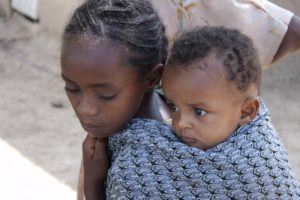
October 23, 2025
https://borgenproject.org/wp-content/uploads/borgen-project-logo.svg 0 0 Jennifer Philipp https://borgenproject.org/wp-content/uploads/borgen-project-logo.svg Jennifer Philipp2025-10-23 01:30:432025-10-23 00:19:405 Charities Operating in Mauritania 
Gender Equality, Gender Wage Inequality, Global Poverty

The Gender Wage Gap in Guyana: Can It Improve?

Gender Wage Gap in GuyanaGuyana is a developing country with many impoverished citizens and women make up a large number of the impoverished population. This is due to the gender wage gap in Guyana, which multiple factors, such as gender role expectations and gender bias, lead to. While there remains room for improvement, the country has put actions in place to address the gender wage gap in Guyana, and conditions are slowly starting to get better.

The Gender Wage Gap in Guyana Exists

According to an Environmental Impact Assessment which was done for a government project, employment is less likely for women than it is for men. As of 2021, labor force participation was 64.9% for men and 38.7% for women. The employment-to-population ratio was 43.2%, with 56.3% being the rate for men and 31.3% being the rate for women. Additionally, as per the World Bank, women rank higher in education than men, yet labor market outcomes does not reflect this. This indicates that women face discrimination when it comes to employment. When women have employment, they do not receive as much pay as their male counterparts, regardless of working in similar positions.

The Reasons

The gender wage gap in Guyana exists due to gender role expectations and gender bias. 

  • Gender Roles: Women in Guyana often take on traditional gender roles, such as getting married, having children and being stay-at-home mothers, and many of them fall into those roles, whether it is by their choice or not. As there is an expectation for men to be the breadwinners of the family, it is harder for women to make careers for themselves after taking on these roles. Additionally, many girls in Guyana get married before the age of 18, and have children sooner in life. This makes it even more difficult for them to get jobs.
  • Gender Bias: Gender biases make it more difficult for women to attain higher paying jobs, such as those in STEM. Instead, they are more likely to take on lower-paying jobs. As previously mentioned, they continue to receive less pay than men do even if they do manage to obtain higher paying occupations. 

Benefits of Eliminating the Gender Wage Gap in Guyana   

Of course, the elimination of the gender wage gap could lead to more gender equality, and ensure that women receive fair treatment and avoid lack of financial power and poverty for women. If women receive less pay and are unable to work, this increases poverty rates for the country as a whole. According to the World Bank, “Guyana’s poverty rate was among the highest in the Latin America and Caribbean (LAC) region.”

Improvements

While there is still room for improvement, a lot of progress has occurred in terms of gender equality in Guyana. Sources indicate that women in Guyana have started to have equal voices in political forums, and that Guyana has been improving significantly in terms of economic opportunities for women.

Additionally, the National Gender Equality and Social Inclusion Policy has been implemented. The goal of this policy is to provide women with equal rights and social inclusion, including within the workforce. Women’s participation in the workforce has increased since the activation of this policy. The country has also put other laws in place that prohibit gender discrimination and violence (in the workplace and in general), along with those that prohibit discrimination against women during pregnancy and after birth in the workforce.

While improvements have occurred, there is still room for more. Workplaces should continue to implement these laws and policies, and more steps are essential to addressing gender roles and biases in order to further reduce the gender wage gap in Guyana. 

– Renata Hirmiz

Renata is based in San Diego, CA, USA and focuses on Politics for The Borgen Project.

Photo: Wikimedia Commons

October 23, 2025
https://borgenproject.org/wp-content/uploads/borgen-project-logo.svg 0 0 Jennifer Philipp https://borgenproject.org/wp-content/uploads/borgen-project-logo.svg Jennifer Philipp2025-10-23 01:30:212025-10-23 00:16:12The Gender Wage Gap in Guyana: Can It Improve?
Electricity and Power, environment, Global Poverty

Renewable Energy in Benin

Renewable Energy in BeninBenin, a small West African country, is making significant strides towards a sustainable, energy-secure future. With only 57% of its population currently having access to electricity, Benin ranks low in energy consumption among African nations. The country is at a critical point in its energy development and transition; strategies implemented now will determine whether the country can progress sustainably and guarantee nearly half of its citizens a way out of energy poverty. Fortunately, Benin has demonstrated considerable progress and commitment to utilizing renewable energy resources, particularly through solar power.

A National Investment in Solar Power

Renewable energy in Benin is rapidly expanding with the government aiming to increase its share of renewables in the energy mix to 31% by 2030 and achieve 100% energy independence by 2050. Currently, much of the population’s energy is imported from neighboring nations such as Ghana and Nigeria in the form of fossil fuels. As these imports become more of a cost burden, the government is investing in locally generated energy sources. Benin’s recently enacted National Renewable Energy Development Policy (PONADER) supports various projects and strategies aimed at increasing energy security through renewable resources and reducing dependence on fossil fuels. This includes new investments in the private solar energy sector with Axian Energy and Sika Capital currently developing four large-scale solar power plants. These plants will fuel Benin’s centralized power grid; as a result, project developers expect 50,000 urban households to gain access to decarbonized power.

Electrifying Rural Areas

Rural populations often face numerous challenges that keep them in a cycle of impoverishment. However, energy security addresses many of these issues. Initiatives to increase energy access help communities build capacity by powering schools, health facilities, homes and businesses. In turn, this positively impacts educational, health and economic outcomes, all important determinants of poverty.

Bringing decentralized energy to Benin’s underserved rural areas, where only 17.4% of the population has access to electricity, has become a main focus in local government policy. Grid extensions and importing energy sources remain expensive, making local energy production more economically viable. Renewable energy in Benin expands further on the potential of solar power with the government establishing the Africa Minigrids Program. Implemented in partnership with the United Nations Development Programme (UNDP) and the Global Environment Facility, this program aims to bring clean energy to communities not connected to the central power grid using solar mini-grids. Such a program will help reduce existing energy inequalities in Benin, with current large disparities between urban and rural populations.

This program reinforces the work that private solar energy providers are already doing in rural Benin. The company ENGIE Energy Access, in partnership with the Beninese government, implemented Benin’s first solar mini-grid in 2024 and is in the process of building several more across the country. This project is anticipated to bring electricity to 30,000 people living in rural areas. ENGIE is also one of the main providers of in-home solar systems in West Africa, providing households with affordable and reliable access to electricity. Without this resource, people are currently depending on biomass to power their homes, a technique that is inefficient and produces pollutants.

Job Creation

Job creation and reducing underemployment will play a large role in poverty reduction in Benin. The World Bank found that in 2022, 72% of Benin’s workforce struggled with underemployment, while 90.1% worked jobs in the informal economy. Those who work in the informal sector or have inconsistent employment often see lower wages at irregular intervals, making job security difficult to achieve. These factors contribute to monetary poverty and a lack of access to basic necessities, highlighting a need for increased job opportunities. 

Energy access is highly associated with economic growth and prosperity, empowering individuals to start businesses, diversify incomes and increase productivity. While electricity access enables individuals to engage in new income-generating activities, they will also be able to build upon existing ones. In developing countries like Benin, many rely on subsistence agriculture as a main source of income and to meet personal needs. With improved energy security, Benin’s farmers and the agricultural sector will benefit from more efficient farming practices.

Solar Electric Light Fund

Many communities are already seeing these benefits, with the nonprofit Solar Electric Light Fund establishing solar gardens across 10 villages in rural Benin. These gardens use solar power to operate water pumps and drip irrigation, making food production possible even during the long dry seasons. With a reliable harvest, these farmers generate consistent incomes and increase food security, contributing to their well-being and that of their families and communities.

An Increase in Green Jobs

There is also a rapidly growing demand for green jobs in Benin, as well as for the rest of Africa. These demands are beginning to be met in Benin through newly emerging programs that provide training and mentorship in renewable energy fields. Operating under the Economic Community of West African States (ECOWAS) and financed by the World Bank, the Regional Off-Grid Electricity Access Project (ROGEAP) is facilitating the growth of small-scale solar energy businesses and entrepreneurs in West Africa. Participants receive training in solar PV installation, maintenance and technology development, equipping them with the technical skills necessary to join the formal solar energy workforce. They are also trained in financial management and business strategies, helping them create startups and contribute to ongoing solar projects. ROGEAP also focuses on supporting youth and women-led enterprises, addressing gender inequality in the region.

A Future To Look Forward to in Benin

Renewable energy in Benin offers hope for its populations still living in energy poverty. Indeed, through the implementation of programs designed to increase energy security and strategic partnerships between the Beninese government and private solar power providers, the future for Benin’s energy sector looks bright. Building upon the capabilities of solar power will aid in the country’s prospective transition to energy independence and reduction of fossil fuel use. 

– Quinlan Bohannon

Quinlan is based in Portland, OR, USA and focuses on Good News and Technology for The Borgen Project.

Photo: Unsplash

October 22, 2025
https://borgenproject.org/wp-content/uploads/borgen-project-logo.svg 0 0 Jennifer Philipp https://borgenproject.org/wp-content/uploads/borgen-project-logo.svg Jennifer Philipp2025-10-22 07:30:392025-10-22 03:15:52Renewable Energy in Benin
Employment, Global Poverty, Migration

Migration to Austria: Social Initiatives Making a Difference

Migration to AustriaSince as early as the 16th century, Austria has drawn in migrants from Europe and around the world. Being situated in the center of Europe and sharing seven international borders, Austria has been both a country that migrants pass through and a country that offers economic stability for those who make it their new home. With a significant 19% of its population being foreign nationals in 2023, migration shapes the country.

Migration to Austria in the Second Half of the 20th Century

In the second half of the 20th century, Austria welcomed refugees from Europe and beyond, including those cast away from conflict in Uganda, Chile and Indochina amongst others. It has also offered a safe haven for persecuted groups.

Increased focus on guest-working programs that distributed manual labor amongst migrants coupled with conflicts in the Balkan region and Kosovo saw a rise in migration across the country in the second half of the century. Such initiatives saw potential for skill development in migrants who were severely limited due to poverty, lack of education and lack of access to basic human necessities. In line with the United Nation’s 2030 Sustainable Development Goals (SDGs), Austria has recognized how such migration benefits the development of the country as a whole and unlocked migrants’ potential by offering them employment and relieving them from poverty.

Thanks to its central location in Europe, stable economy and sympathetic attitude to refugees, it is easy to see why Austria is an obvious choice for many leaving their disadvantaged origins to create new lives abroad. 

Attitudes to Migration to Austria Today

It is no secret that attitudes towards migration have soured Europe-wide, and Austria is certainly not immune. According to a 2016 integration barometer study, 60% more of participants judged the migration of Muslim persons and communities as a negative thing. 

That is not to say that people view it negatively everywhere. The great metropolis of Vienna is predictably more welcoming to refugees and migrants. One empirical study conducted in 2023 revealed that Viennese people have a lot of social contact with people from migrant countries, with many also having family members from abroad. The city generally recognizes the positive impact of migrants on its economy, workforce and varied social landscape.

However, Vienna is somewhat its own microorganism. A study in October 2017 discovered that many Austrians lacked education surrounding issues of migration. Even if they were educating themselves about such issues, studies suggested biased news coverage that called for tougher border controls created unfounded fears and anti-migrant rhetoric.

Initiatives Fighting for Migrants’ Rights

Despite the rise of nationalist rhetoric across the country, social initiatives are still fighting for the lawful right of migration to Austria while also providing migrants with a framework that allows them to live and work in the country legally.

Megaphon, a street magazine based in Austria’s second-biggest city, Graz, just celebrated its 30th birthday. With it, it marked three decades of standing for social equality and migratory rights. Megaphon works specifically with migrants and asylum seekers from West Africa and Eastern Europe, offering them an empowering alternative to begging on the street by giving them the chance to sell the street magazine for double the amount they bought it for. 

Many of the Megaphon vendors have unfortunately slipped through the cracks of the bureaucratic system in Austria, meaning that they often face work permit restrictions. Megaphon makes it possible for vendors to be self-employed without having the necessary documentation.

Social Initiatives Are the Future

Megaphon is just one example of an organization pushing back against the anti-migrant rhetoric that is gaining prevalence across the country. Such initiatives are more important than ever to fight for those on the fringes of society and ensure they do not end up in a life of poverty. 

– Saroj Spickett

Saroj is based in Graz, Austria and focuses on Good News and Global Health for The Borgen Project.

Photo: Pixabay

October 22, 2025
https://borgenproject.org/wp-content/uploads/borgen-project-logo.svg 0 0 Jennifer Philipp https://borgenproject.org/wp-content/uploads/borgen-project-logo.svg Jennifer Philipp2025-10-22 07:30:242025-10-22 03:13:28Migration to Austria: Social Initiatives Making a Difference
Page 88 of 2163«‹8687888990›»

Get Smarter

  • Global Poverty 101
  • Global Poverty… The Good News
  • Global Poverty & U.S. Jobs
  • Global Poverty and National Security
  • Innovative Solutions to Poverty
  • Global Poverty & Aid FAQ’s
Search Search

Take Action

  • Call Congress
  • Email Congress
  • Donate
  • 30 Ways to Help
  • Volunteer Ops
  • Internships
  • Courses & Certificates
  • The Podcast
Borgen Project

“The Borgen Project is an incredible nonprofit organization that is addressing poverty and hunger and working towards ending them.”

-The Huffington Post

Inside The Borgen Project

  • Contact
  • About
  • Financials
  • President
  • Board of Directors
  • Board of Advisors

International Links

  • UK Email Parliament
  • UK Donate
  • Canada Email Parliament

Get Smarter

  • Global Poverty 101
  • Global Poverty… The Good News
  • Global Poverty & U.S. Jobs
  • Global Poverty and National Security
  • Innovative Solutions to Poverty
  • Global Poverty & Aid FAQ’s

Ways to Help

  • Call Congress
  • Email Congress
  • Donate
  • 30 Ways to Help
  • Volunteer Ops
  • Internships
  • Courses & Certificates
  • The Podcast
Scroll to top Scroll to top Scroll to top