 The HIV epidemic in the Philippines is the fastest-growing in the Asia and Pacific region. According to UNAIDS data, HIV prevalence in the Philippines increased by 207% from 2010 to 2019. AIDS-related deaths rose by 338% in the same period. In 2019, an estimated 97,000 people were living with HIV in the Philippines. Of those, 73% knew their status and 44% were receiving antiretroviral treatment.
Although these statistics indicate some progress, the Philippines still falls far below the 90-90-90 target set by UNAIDS. Aimed at ending the HIV epidemic by 2020, the program wanted to ensure that 90% of people living with HIV would know their HIV status. It also strove to give 90% of people with a diagnosed HIV antiretroviral therapy and induce viral suppression in 90% of those receiving treatment. Unfortunately, the world is not on track to meet these goals, and new targets are being developed for 2025.
Populations Most Affected
The prevalence rate of HIV in the Philippines among adults ages 15 to 49 was 0.2% in 2019. This national rate, however, masks alarmingly high prevalence rates among specific populations. The groups most affected by the HIV epidemic in the Philippines often face social stigma, isolation and legally sanctioned discrimination. These populations include people who inject drugs (PWID), men who have sex with men (MSM), sex workers and transgender people. However, new technologies, programs and initiatives are working to lessen the burden of disease and stigma on these populations.
People Who Inject Drugs
According to UNAIDS, the HIV prevalence rate among people who inject drugs in the Philippines is 29%. Among PWID, only 26.9% have been tested and are aware of their status. Key factors fueling the HIV epidemic in the Philippines among PWID include hostile public opinion and brutal law enforcement. These constitute major barriers to HIV testing and awareness. While official statistics released in 2018 revealed that over 4,500 drug users were victims of extrajudicial killings, civil society estimated the true toll to be as high as 20,000.
Progress in HIV testing is crucial to reduce HIV prevalence among PWID, who struggle to access services due to their criminalized status. Various alternative testing methods, such as rapid finger-prick testing, can reduce barriers to testing for PWID. In particular, self-testing kits, which allow people to test in private, have attracted a large proportion of first-time testers in Thailand and have achieved impressive success in China.
Men Who Have Sex With Men
The HIV prevalence rate among men who have sex with men is 5%, the second-highest among key affected populations. MSM who fear social stigma and discrimination often do not participate in HIV prevention programs. As a result, the participation rate for these programs is 14.6%, and the majority of MSM lack awareness about HIV. Condom use in this population is also low at 40.1%. However, condom distribution and sex education programs would benefit MSM, many of whom reported not using condoms because they were “not available.” Fighting the HIV epidemic in the Philippines means tailoring help to MSM.
Sex Workers
Female sex workers in the Asia and Pacific region are 29 times more likely to be living with HIV than other adult women of reproductive age. The HIV prevalence rate among sex workers in the Philippines is now 0.6%. This group has the highest rates among affected populations for coverage in prevention programs and condom use, which are 71.8% and 85.3%, respectively. Many important national HIV prevention programs raise awareness about HIV and encourage condom use among sex workers. These programs include the 100% Condom Use Program, the HIV Counseling and Testing Service, and programs led by the Philippine National AIDS Council.
Transgender People
Transgender people are one of the populations most affected by the HIV epidemic in the Philippines, with a prevalence rate of 3.9%. However, there is little information or research about the effects of HIV on the transgender community in the Philippines. A key problem is the lack of transgender visibility due to social exclusion and widespread stigma. This challenges efforts to obtain health data and develop targeted programs to support transgender individuals. To raise awareness about gender identities and transgender acceptance, sexual health education and gender studies programs must be more inclusive. This would help reduce the stigma and barriers to healthcare for transgender people in the Philippines and engage them in HIV prevention and treatment programs.
The Effect of COVID-19
Lockdowns in the Philippines due to COVID-19 have blocked access to essential services for HIV patients, including treatment and testing. Eamonn Murphy, UNAIDS regional director for Asia and the Pacific, stressed that the Philippines needs to do more to convince those in high-risk populations to seek out HIV-related services.
Continued attention to these key affected populations is necessary to reduce HIV prevalence rates and make progress toward HIV eradication. In this way, focused programs can work toward lessening the severity of the HIV epidemic in the Philippines.
– Alice Nguyen
Photo: Flickr
 Born to an unmarried teenage mother in 1954 and raised on a farm in Milwaukee, Mississippi, by her grandmother, Oprah Winfrey’s childhood is the epitome of early life adversities. Winfrey’s experience with sexual abuse, racism and poverty forced her to recognize that she needed to change her perspective on life. She decided to positively transform her life and make the most of it. Winfrey is most known for her talk show, The Oprah Winfrey Show. However, this was only one of the philanthropist’s many successes that led her to become the first female African American billionaire in North America. Below are a few inspirational quotes by humanitarian Oprah Winfrey.
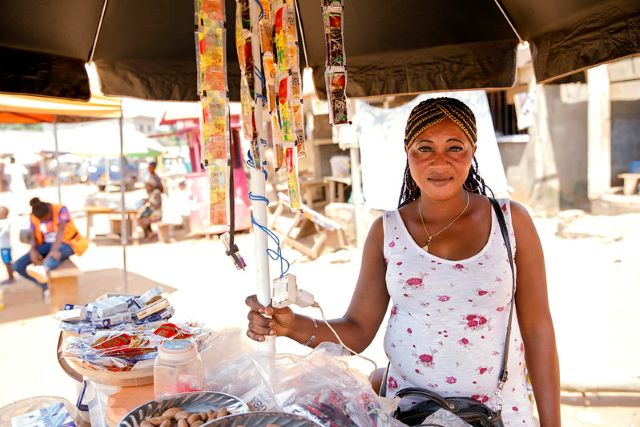 The ongoing COVID-19 pandemic is affecting nations around the world, including the nations of Africa. Many African nations responded to the pandemic with strict lockdowns and social distancing initiatives, often stronger than that of European nations. However, the people of Africa face a much more severe economic impact. Although poverty reduction measures have been met with success across the continent, roughly
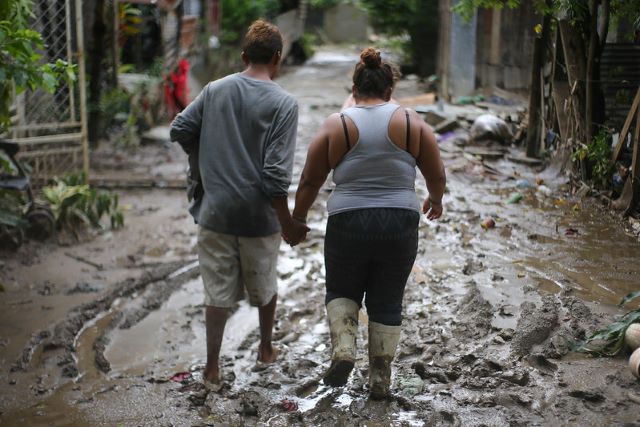 On November 2, 2020,
  The poverty rate in Egypt rose to 32.5%, or 32 million people, in 2018. Energy use is rising in Egypt by 6.5% per year, but a disproportionate reliance on finite gas and other conventional energy resources has placed the future of Egyptian energy sustainability and environmental goals at risk. Under the
  With its formal recognition as a country in 2011, South Sudan stands as the youngest country on Earth. With a population of more than 10 million people, all eyes are focused on how the country will develop. Born out of civil war and gruesome conflict, the first nine years of South Sudan’s existence have presented numerous humanitarian issues. Widespread hunger, unsanitized water, crumbling infrastructure and underfunded education plague the youngest country in the world. If the new nation wants to grow into a fruitful nation, it must address the widespread poverty and the issues that come along with it.
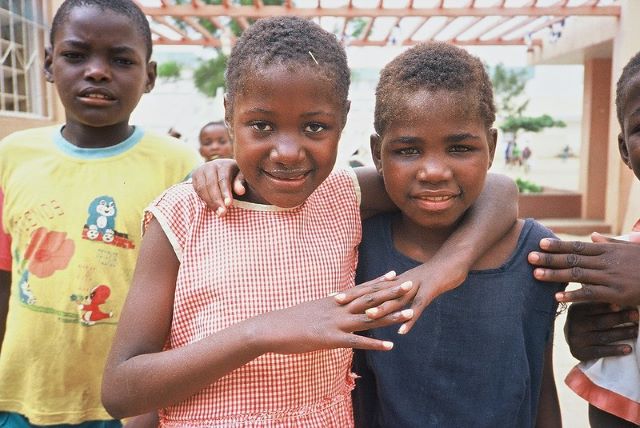 A whole 54% of Angola’s population of 30 million are multidimensionally poor or suffering from multiple deprivations in four categories: health, education, quality of life and employment. Angolan children under the age of 10 experience even more pronounced poverty and 90% of rural Angolan populations are multidimensionally poor. The overall poverty rate is 41% and the rural poverty rate at 57% is nearly double that of urban areas. Poverty in Angola is a significant issue especially within the context of the rural-urban divide.
 In 2006, the Duke of Sussex partnered with Prince Seeiso of Lesotho to form Sentebale, a charity focused on providing psychosocial support for children and young adults living with HIV in southern Africa. It partners with grassroots organizations in Botswana, Lesotho and Malawi and works to improve adherence to HIV medication programs.
 Pakistan and India are battling a rice war, as India is attempting to gain exclusive
  In Greece, the financial crisis has significantly impacted the health and well-being of the population. With limited access to resources and high unemployment rates, many people face poverty. Due to the economic crisis, 27% of the population found themselves unemployed. The inability to cope with the loss of wages and benefits caused the rates of depression and suicide to rise among Greek people. In 2013, more than 12.3% of the population suffered from depression. In 2017, the National School of Public Health surveyed 2,005 adults and found that more than half had mental health struggles. Various organizations are working to improve mental health care in Greece.