Higher Education for Refugees: A Scholarship for Women
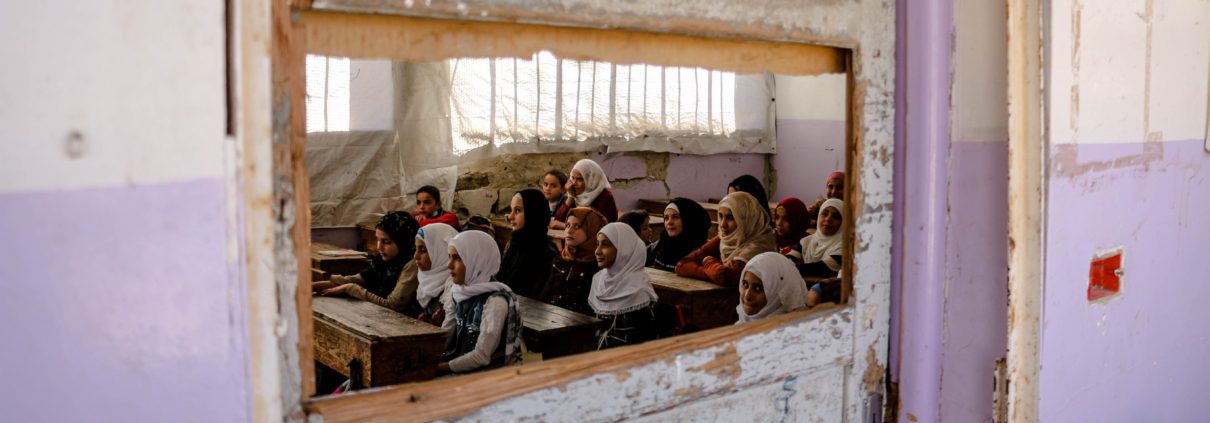 A refugee child is far less likely than almost any other young person to set foot in a university lecture hall, and a refugee young woman is least likely of all. Globally, just 9% of refugee youth are enrolled in higher education, compared with a global average of about 42%. One program has spent more than three decades expanding higher education for refugees, and it is now reaching more women than at any point in its history.
A Narrow Door to University
The barriers to higher education for refugees stack quickly: prohibitive tuition, legal restrictions, language obstacles and the simple cost of survival taking priority over study. Women face an additional layer. For every 10 refugee boys enrolled in secondary school, only seven girls are enrolled, which narrows the pool that can reach university at all.
The result is a sharp loss of potential. Refugee girls who leave school early are more likely to marry young, less able to support themselves and their families and less able to take part in rebuilding their communities. Higher education offers a route in the other direction, toward employment, self-reliance and leadership, but only for those who can reach it.
The Scholarship Built for Refugees
The Albert Einstein German Academic Refugee Initiative, known by its German acronym DAFI (Deutsche Akademische Flüchtlingsinitiative Albert Einstein), exists to widen access to higher education for refugees. Funded primarily by the German government and administered by the United Nations High Commissioner for Refugees (UNHCR) since 1992, it provides full university scholarships to refugees in their countries of asylum, covering not only tuition and fees but also books, transport, accommodation and health care. Since its founding, the program has supported more than 27,200 refugee students across 59 host countries.
DAFI does more than pay fees. Scholars receive academic tutoring, language support, mentoring and networking, and many graduates return to guide the next cohort. In Burundi, for example, former scholars run the DAFI Women Power Club, a mentoring initiative led by refugee women determined to help younger women into higher education. Grace, a public health graduate from the Democratic Republic of Congo (DRC) who served as president of the club, frames the mission plainly: “We still have to fight the idea that an educated woman will not make a good wife. But we keep moving forward and mentoring younger refugee girls and women who come after us so that they can become leaders and have some impact in this world.” That model of women lifting women is now central to the program’s approach.
A Record Year for Women
The focus on women is producing measurable results. In 2024, women made up 45% of all DAFI scholars, the highest share in the program’s history, up from 42% the year before, and 60% of newly awarded scholarships went to women, a sharp rise from 40% the previous year. The gains came from targeted outreach in places with the widest gender gaps. In Ethiopia, female enrollment rose by 14%, with women making up more than 75% of new scholars, supported by tutoring, outreach and financial aid for girls still in secondary school.
Kenya shows both the need and the model at work. The country hosts more than 774,000 refugees and asylum seekers, with the camps at Kakuma and Dadaab home to tens of thousands of school-aged children. There, the DAFI program is run on UNHCR’s behalf by Windle International Kenya, which prioritizes girls and women in its scholarship awards to address the gender gap directly. Yet the access gap remains stark. Across refugee settings, fewer than one in 10 eligible young people reaches higher education at all, and in camps like Kakuma and Dadaab the share has long been smaller still.
Progress Against a Funding Headwind
DAFI is the largest and longest-running source of higher education for refugees. That reach now faces a serious threat. In 2024, the number of DAFI scholars fell to 7,890, down from a record 9,312 in 2023, the first decline since the COVID-19 pandemic, driven by shrinking global humanitarian funding. Demand has not fallen with it. In 2024, around 5,000 applicants competed for just 879 new scholarships, meaning fewer than one in five was accepted.
New efforts are trying to hold the line. In 2025, USA for UNHCR launched the Building Better Futures campaign, which aims to raise $15 million by 2028 to fund 1,000 scholarships for refugee women and had already secured $3.1 million in lead gifts.
Keeping the Door Open
DAFI alone cannot close the refugee education gap, and the funding pressures are real. Even so, refugee enrollment in higher education has climbed from 1% in 2019 to 9% in 2025, and DAFI remains one of the few avenues through which a refugee woman can earn a degree at all. When a young woman in a camp like Kakuma reaches a university lecture hall, the effect reaches further than her own life, into her family and the community she will one day help rebuild. Sustained investment is what will keep it open for the next young woman in line.
– Amna Al Harrazi
Amna is based in Dubai, UAE and focuses on Good News for The Borgen Project.
Photo: Pexels
