Resilience in Haiti with FADEKA
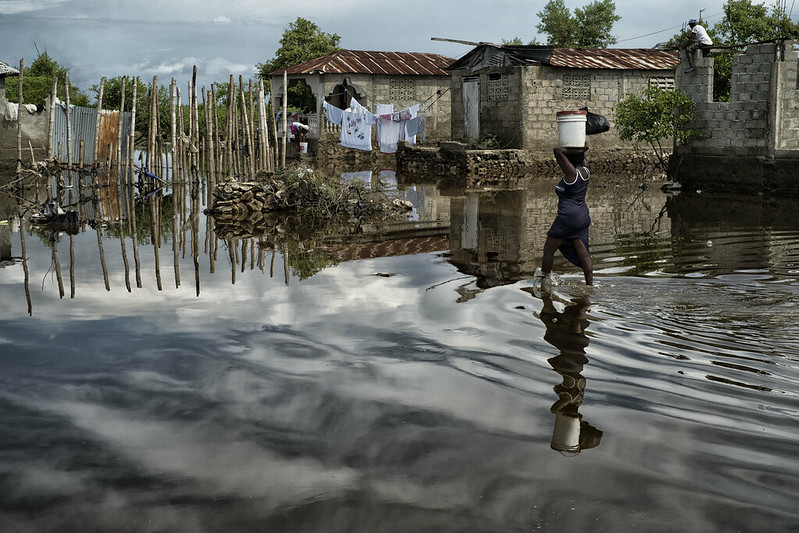 It has been almost five years since a catastrophic earthquake hit Haiti, leaving behind a tremendous amount of damage. The 7.2 magnitude earthquake killed 2,247 people, injured more than 12,700, and destroyed more than 53,000 homes. 1,060 schools were damaged, compromising the education of thousands of children. This event helped start an initiative to enhance the economic status and community standing of women and their resilience in Haiti.
After this event, an initiative to enhance the economic status and community standing of women was formed for women as a resilience in Haiti.
FADEKA Project
The original initiative, Fanm nan Agrikilti se Devlopman Ekonomi Ayiti (FADEKA), meaning Economic Empowerment of Women in the South Department of Haiti, was active from 2018 to 2021. U.N. Women developed the project in partnership with the Government of Norway, releasing a final report in December 2022. Despite the success of the project, Haitian agriculture and women are still struggling with ongoing insecurity and poor infrastructure, and need another FADEKA Project.
For supporters of this topic to want to push for a second initiative, they need to hear about the success of the first one. An independent firm dissected the FADEKA Project in Haiti and the resiliencies made throughout the program, expressing the positives of the project, and providing a guide for a second one.
Success of FADEKA
During the FADEKA Project in Haiti, focus was solely on improving the livelihoods of female farmers through agriculture, fishing, and small-scale processing through catalytic investments and capacity-building for female producer organizations, according to the December 2022 report.
The female agricultural workforce makes up 44.2%, with only a third of Haitian farms managed by women. Agriculture is the primary source of employment in Haiti, with 40% of households involved in activities and around 75% of rural households engaged in a form of agriculture, such as fishing or beekeeping.
Training farmers on extreme weather patterns was also a part of the FADEKA project. A total of 8.7% beneficiaries surveyed said that they had taken training on weather challenges and 7.3% on nursery management within the context of the project. According to the discussion group participants, this training built their technical capacity on weather patterns and resilience.
Improving the Atmosphere Between Men and Women
The report found that 100% of women, when asked about their participation in household expenditure, contributed to it. Along with 65.3% said that household management income is managed equally between men and women, according to the December 2022 report. Overall, women’s voices in their households were strengthened, they had higher participation, more leadership in decision making, and strengthened farmers’ and agricultural entrepreneurs’ preparedness for shocks of weather patterns.
Out of 34 planned activities, the program implemented 26 (76%). The failure of the eight projects could be due to the instability of Haiti’s government. If a second project goes through, the evaluation gave ideas on how to make it more successful.
According to the evaluation report, if a second phase gets the approval, “the focus should be on consolidating the project’s achievements and on capacity-building for local authorities and the beneficiary communities.”
The need for that second project has grown more and more over the past years, with the rise of gang violence, displacement, food insecurity, and the collapse of livelihoods.
Need for a Second Project
Ever since the end of the first project, Haiti has fallen into critical conditions with mass displacement of people, widespread, acute food insecurity and the domination of gang control of Port-au-Prince. Numerous cases of kidnappings, murders, rapes, gang confrontations and other acts of violence against individuals have contributed to a sense of general insecurity in the country.
In order to improve the socio-economic situation and government of Haiti, there are many different approaches, including strengthening local governance to restore resilience and fostering economic independence through agricultural investment.
The Future
With a successful first project, the U.N. Women, along with leaders in Norway, can make the second project more effective.
The FADEKA Project in Haiti is highly relevant but requires an additional period to strengthen its exit strategy. Many beneficiaries found themselves left to their own devices. This argues in favour of a second phase of the project, which could be consolidating the project’s achievements and capacity-building for local authorities and beneficiary communities. These efforts would help many people, and not go in vain.
– Elizabeth Fryer
Elizabeth is based in Philadelphia, PA, USA and focuses on Good News and Global Health for The Borgen Project.
Photo: Flickr
