Outbreak of Ebola in the DRC Poses Major Health Risk
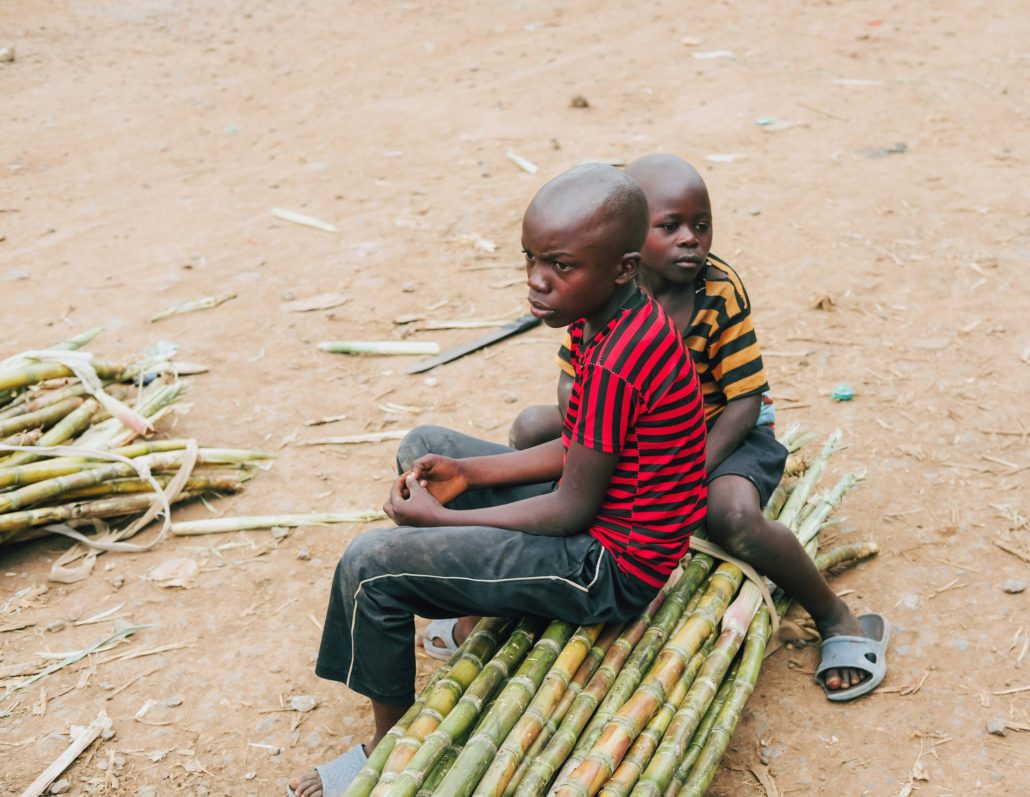 A recent Ebola outbreak in the Democratic Republic of Congo (DRC), concentrated in two of the region’s major provinces, poses a major health risk for citizens and aid workers who are striving to contain the virus and combat the spread of the disease. The outbreak threatens to become one of the worst the country has seen, as limited resources, a lack of funding, community resistance and food crises hamper treatment efforts.
What Have Ebola Outbreaks Looked Like for the DRC in the Past?
Ebola was first recognized in the Democratic Republic of Congo in 1976 after an outbreak in the Équateur province– 318 cases were reported, with the majority occurring within 70 km of Yambuku village. The DRC has experienced numerous, periodic outbreaks of the different strains of the Ebola virus. Some strains have a fatality rate of 90%. The current outbreak is the 16th that has plagued the country since it initially arose. The absence of approved medical countermeasures, international aid and lack of robust social services and health care exacerbate the outbreaks.
The outbreak comes as the country faces a humanitarian crisis as 26.5 million people nationwide experience food insecurity, which internal conflict and displacement mainly drive. Indeed, data that the Food and Agriculture Organization of the United Nations (FAO) and the United Nations World Food Programme (WFP) collected shows that the country holds the most individuals facing food insecurity– malnutrition and food gaps run rampant, and the issue is worsened with economic insecurity, conflict and internal displacement. Flooding and the impacts of lean season (September to November) and reduced international aid push vulnerable populations to higher stages of risk. Populations in the country are far more susceptible to contracting the disease in malnourished states.
How Did the Outbreak Start?
The Congolese Health Ministry declared an outbreak of the disease on May 15, and within just under a month, the number of those infected rivals that of some of the largest Ebola outbreaks in the country’s history. The Health Ministry has confirmed more than 1,200 cases. The current death toll stands at 360.
Experts believe that the outbreak started in Mongbwalu, which is a small mining town in the Ituri province. This is due to the high presence of fruit bats, a natural carrier of the disease. Health officials on the ground warn that without urgent intervention, the virus may become the worst outbreak the country has seen.
What Does Treatment on the Ground Look Like?
Individuals in the DRC who suspect they have the virus must wait days for test results to come back from the regional capital, Bunia, as kits are difficult to come by. Many symptoms match those of other more common diseases such as malaria and typhoid, which has been further exacerbating the issue. Hospitals are underprepared to deal with the outbreak at the rate it’s been spreading. Despite warnings and knowledge of the severity of the virus and its contagiousness, caring relatives, neighbors and friends, who are striving to support and save their loved ones, frequent hospitals.
Temporary shelters and structures have emerged in North Kivu and Ituri, the two northeastern provinces where the outbreak has been most concentrated. Despite the fact that the DRC has seen an abundance of Ebola outbreaks in its history, the nature of this particular strain has made the virus extremely difficult to identify and combat. Many locals are infuriated with the way the DRC has handled treatment and have been pushing officials and hospital personnel to act faster and do more to stave off the effects of the illness.
What Has Been the International Response?
Multiple countries and world organizations, such as the United States, South Africa and the European Union Commission, have pledged millions of dollars to work to support the DRC and stop the outbreak, sending equipment, supplies, doctors and health experts. After the initial outbreak, the World Health Organization (WHO) delivered more than 11 tons of medical supplies and equipment to the country. Meanwhile, the United Nations Organization Stabilization Mission in the Democratic Republic of the Congo (MONUSCO) established an air bridge to send supplies from the capital Bunia to the Ituri province.
This Bundibugyo strain of Ebola does not have a cure or vaccine. The Center for Disease Control and Prevention (CDC) considers the risk of the virus spreading to the United States as low at this time. However, multiple countries have established a travel ban to the region. The United States has heavily urged individuals to stop travel to the DRC and neighboring Uganda and South Sudan, with Canada enforcing a 90 day ban.
– Ella Goulet
Ella is based in Seattle, WA, USA and focuses on Global Health for The Borgen Project.
Photo: Unsplash
