Everything You Need to Know About Poverty in Zambia
Poverty in Zambia remains a serious challenge, affecting both rural and urban communities across the country. Although Zambia has long struggled with high levels of poverty, initiatives aimed at reducing poverty are offering a basis of hope for the future.
An Overview of Poverty in Zambia
Poverty remains one of the most significant challenges facing Zambia. In 2025, an estimated 70.4% of Zambia’s population lived below the international poverty line of $3 per person per day, measured in 2021 purchasing-power terms. For many, poverty is not simply a lack of income, but also the inability to access basic necessities such as clean water, adequate hygiene, quality education, health care and sustainable livelihoods. The scale of deprivation is evident by 63% of households lacking basic sanitation and 82% lacking basic hygiene facilities. The divide between rural and urban poverty is especially stark, with rural areas experiencing significantly higher poverty rates. Despite the severity of poverty in both rural and urban areas, grassroots efforts and measures that Zambia’s 2026 national budget sets out offer grounds for cautious optimism.
Rural Poverty in Zambia
In 2022, 78.8% of Zambia’s rural population lived below the national poverty line. Rural poverty persists as many small-scale farmers struggle to afford agricultural supplies and remain exposed to low-productivity agriculture and recurrent exposure to climate shocks. For example, the drought in 2024 that began as a climate event, destroying maize crops across 982,765 hectares, quickly escalated into a humanitarian crisis, revealing how deeply vulnerable Zambia’s rural communities are. With more than 80% of the rural population depending on rainfall rather than irrigation for their crops, the drought had far-reaching effects. As groundwater availability decreased, food shortages and rising food prices worsened, which heightened the risk of malnutrition and waterborne diseases. Rural communities in Zambia are particularly vulnerable to factors that deepen poverty, including poor harvests, climate disasters, limited access to basic services and fewer economic opportunities.
Urban Poverty in Zambia
Poverty in Zambia is not just a rural phenomenon. Although poverty rates are higher in rural areas, people living in towns also face hardship, with the national-poverty-line rate in urban communities rising to 31.9% in 2022. Many urban households rely on informal work or insecure employment, in conjunction with the cost of urban living, which makes it extremely difficult to achieve financial stability. In cities such as Lusaka, people face food insecurity, poor housing quality and difficulties accessing sufficient sanitation, health care and education. These problems reinforce each other, making poverty in urban areas also difficult to escape.
Bread and Water for Africa
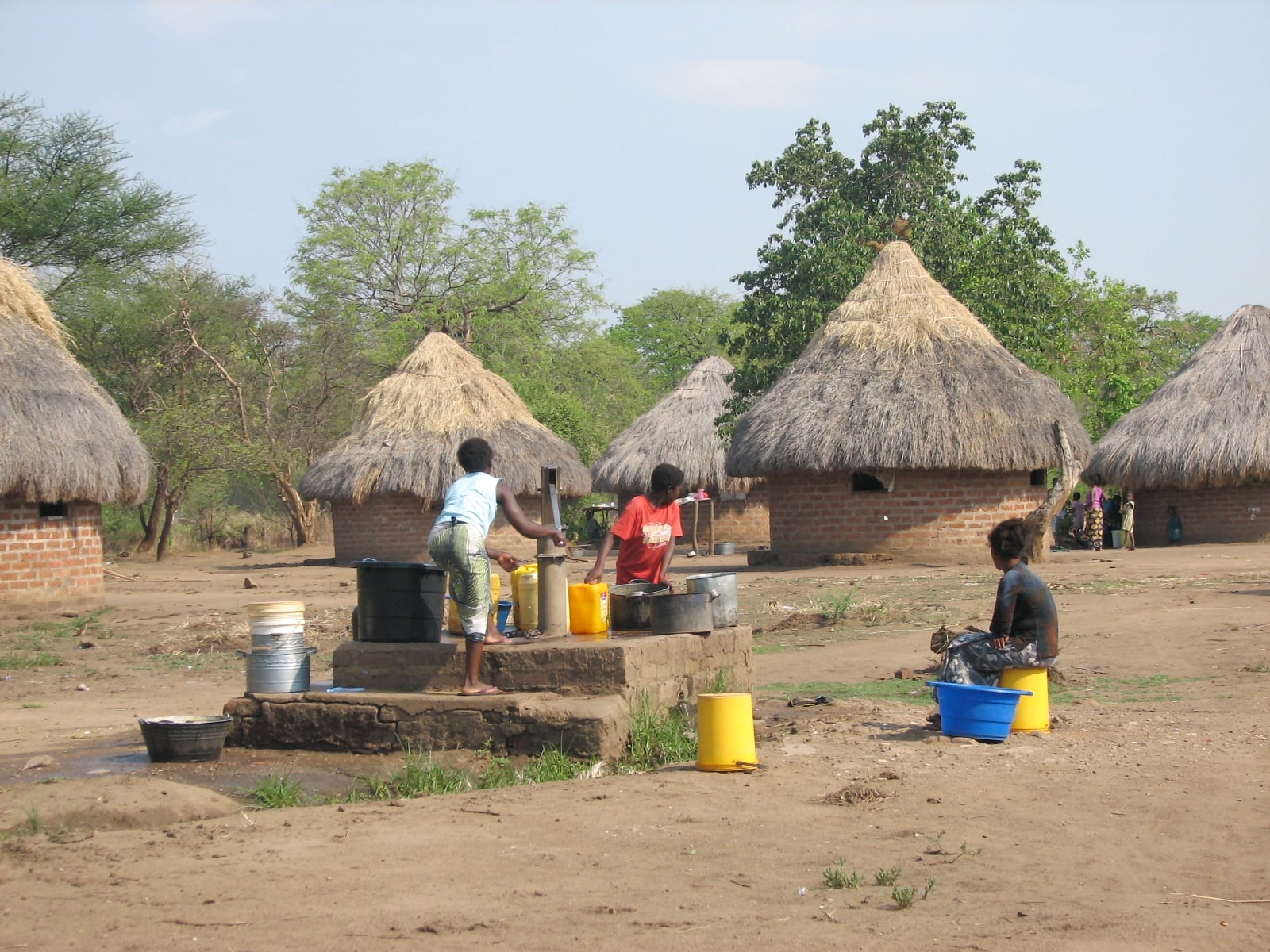
Grassroots organizations play an important role in poverty reduction by advocating for sustainable, community-led development to help build a healthier future. In 2023, Bread and Water for Africa partnered with Village Water Zambia to fund nine boreholes in the Kalabo district that delivered clean and safe drinking water. This success triggered other villages to seek similar support. So in spring 2025, the partnership funded a further 11 boreholes across rural villages, reaching 5,640 people, including 1,521 children.
Bread and Water for Africa reports that the boreholes improved health, saved time spent collecting water, helped children attend school and allowed families to focus on their livelihoods and earning an income. While these projects cannot eradicate poverty or instantly solve Zambia’s water hygiene problems, they demonstrate how grassroots organizations can make gradual and lasting progress in the right direction, offering hope that sustained action can help lay the foundations for a brighter future.
Zambia’s National Budget
Alongside grassroots initiatives, the Zambian government has also introduced policies aimed at tackling poverty. Zambia’s 2026 national budget signals a push for stability and growth, providing the opportunity to protect economic stability, accelerate recovery from the drought and ensure social gains reach every household. The Social Cash Transfer program plans to extend regular financial assistance to 1.5 million households, helping families meet their basic needs and reduce extreme poverty.
The Zambian government is taking a greater degree of national ownership and contributing 88% of its funding. However, the budget analysis reports a 3% decline in overall social-protection allocations. The Permanent Secretary of Budget and Economic Affairs stated that the budget is the tool to deliver “the kind of development that they want to see in terms of improvements to their livelihoods.” However, the challenge is turning these commitments into lasting improvements. While these measures represent a positive step toward poverty reduction, their ultimate success depends on effective implementation, sufficient resources and ensuring that support reaches the most vulnerable households.
Hope for the Future
Government commitments and grassroots organizations present progress in both rural and urban communities. Although financial support alone cannot address the deeper causes of poverty, consistent investment together with community-led efforts create a promising foundation, represent a step in the right direction and offer hope for a future with less poverty and greater opportunity for all.
– Lauren Dickson
Lauren is based in Beverley, East Yorkshire, England and focuses on Good News and Politics for The Borgen Project.
Photo: Wikimedia Commons

