Dyslexia in Bali: An Organization Working Toward Change
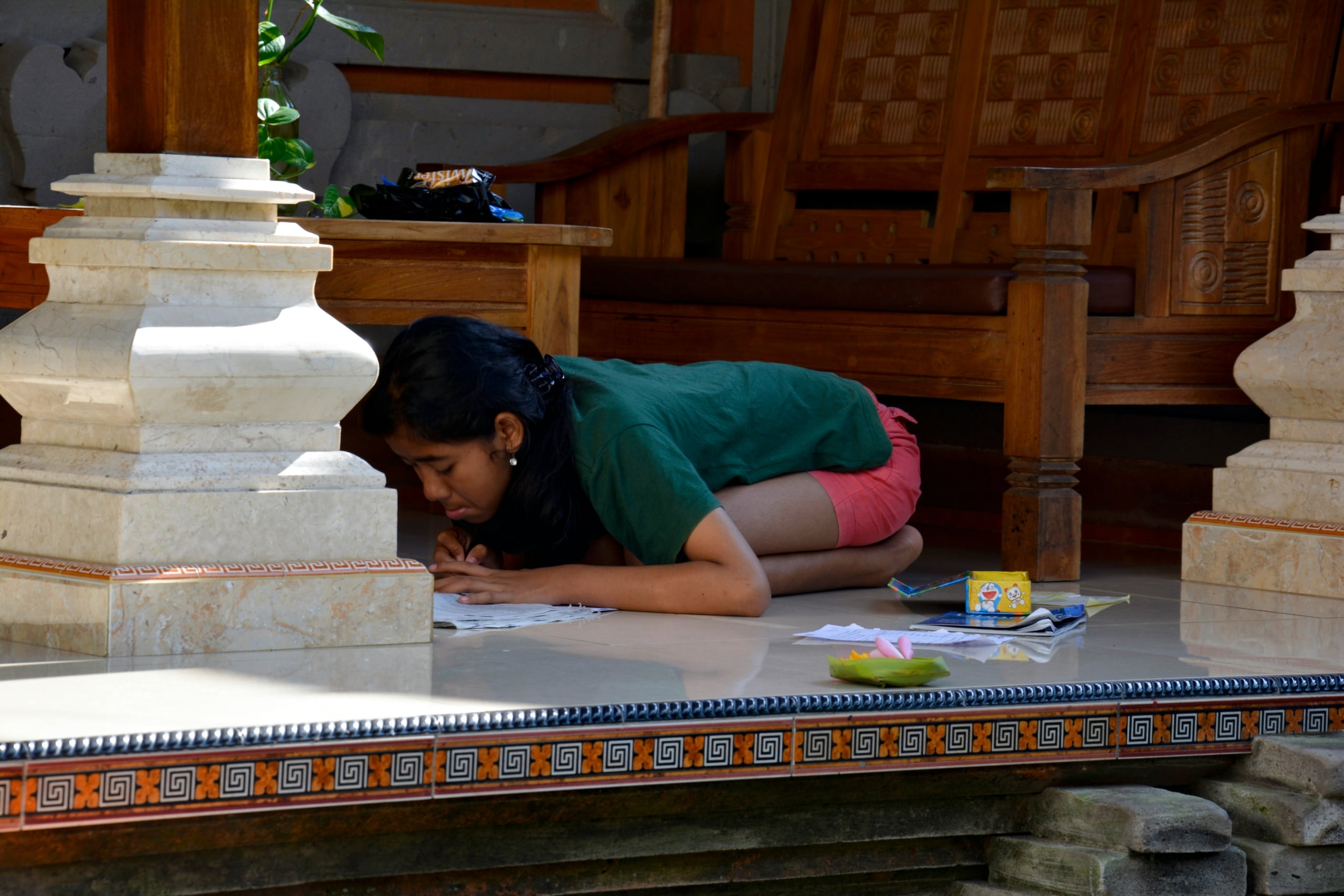
Dyslexia is a neurobiological, lifelong learning difficulty that primarily impacts reading, writing and spelling, affecting up to 10% of the world’s population. It is not related to a person’s intelligence, and many individuals with dyslexia demonstrate strengths in creative thinking and problem-solving. Instead, it affects how the brain decodes speech sounds into letters and words, leading to struggles with reading fluency, comprehension and writing. Common signs include reading and writing slowly, inconsistent spelling and reversing letters or numbers, such as confusing “b” with “d” or “6” with “9.” Because symptoms are often mistaken for a lack of effort or a temporary delay that children will outgrow, those affected frequently experience frustration and academic struggles long before they receive any help. In Bali and broader Indonesia, the reality of dyslexia is worsened by a lack of research and limited diagnostic infrastructure.
About Dyslexia in Bali
In rural communities like North Bali, families often lack access to affordable early childhood services capable of identifying learning differences early on. Without formal screening, children may miss opportunities for early intervention that are more accessible in urban centers. Despite these gaps, targeted local initiatives have demonstrated the scale of the need. For instance, according to the Bali Dyslexia Foundation (BDF), its screening program has reached 8,560 children across North Bali, helping identify learning differences and support early intervention.
Children with dyslexia in Bali face significant social and systemic barriers to accessing quality education. A widespread lack of awareness means dyslexia has historically been mischaracterized as a mental condition rather than a learning difference. Consequently, students carry damaging stigmas, routinely being labeled as “lazy,” “stupid” or “slow learners” by teachers and peers. In mainstream classrooms, children from disadvantaged economic backgrounds who struggle with learning differences are often marginalized and excluded from meaningful educational opportunities. This absence of early understanding and institutional support creates a difficult cycle where children fall behind academically while dealing with the emotional burden of unrecognized learning needs.
The Bali Dyslexia Foundation
One organization working to address this gap is the Bali Dyslexia Foundation. Dr. Andrea Carroll, who has dyslexia herself, established the organization in 2019 following her educational research in Bali, which revealed a lack of primary data and formal support systems for dyslexic students, who were frequently misunderstood and mislabeled. Carroll has also shared that her son and father have dyslexia. Based in Lovina, Buleleng, North Bali, BDF is Bali’s first free dyslexia service dedicated to supporting children, parents and teachers.
On its website, accessed Oct. 23, 2026, BDF reports that it has trained 1,987 local teachers across 225 government schools in North Bali in inclusive, multisensory learning techniques. The organization has also reached 8,560 children through its screening initiatives, offering free evidence-based diagnostic testing and assessments for children ages 7-16. In addition, BDF provides direct intervention through its creative workspace classroom in Lovina, which offers specialized tutoring, intervention programs supporting disadvantaged youth and higher education scholarships. BDF reports an average literacy improvement of 45% among participating students.
The North Bali School of the Arts
Co-founded by Dr. Andrea Carroll and partly funded by BDF Ambassador Mark Stoddart, the North Bali School of the Arts (NBSA) was described in an April 2024 interview as an alternative vocational school for creative learners ages 16-19. According to an April 2024 interview with Carroll, its teaching philosophy combines U.K.-standard teacher training with Humanistic Learning Theory and five core principles: Happiness, Creativity, Critical Thinking, Self-Development and Well-being. At the time of the interview, the school offered a two-year program described as an accredited International Standard Diploma at Levels 1 and 2, plus an optional third-year apprenticeship or work placement. Subjects included Artificial Intelligence, Digital Marketing, Fashion Design and Textiles, Coding and Programming, Virtual Reality Performing Arts and Fine Arts. Carroll also described plans to expand NBSA into an eco-friendly, carbon-neutral institution focused on art, technology and environmental stewardship.
Steps Needed to Move Forward
In an April 2024 interview with Indonesia Expat, Dr. Andrea Carroll outlined several approaches to improving support for people with dyslexia. One pivotal area is early identification, allowing children to receive support before they face significant academic and social pressure. Carroll also recommended that mainstream schools adopt Universal Design for Learning principles and assistive technologies, such as multisensory teaching tools (visual, tactile and auditory) and text-to-speech or audiobook tools. These measures could make education more inclusive while helping teachers better support children in public and private schools. She also emphasized the importance of formal Individualized Education Plans tailored to each student’s strengths through close collaboration among parents, teachers and specialists.
For disadvantaged students, access to these forms of support remains particularly important. BDF offers free dyslexia services, school-based interventions and scholarships, while Carroll described NBSA in 2024 as an alternative vocational learning pathway for creative students. Expanding awareness of these opportunities and helping families understand how to access them could make existing support more accessible to local communities.
Carroll also called for policy changes and collaboration to improve educational support. Collaboration between NGOs and government bodies could help schools adopt more inclusive classroom practices and allocate resources to students with learning differences. In addition, public awareness and education need to improve through campaigns that challenge assumptions and stigma surrounding dyslexia in Bali while highlighting the creative and problem-solving strengths of neurodivergent minds.
– Georgina Harrison
Georgina is based in London and focuses on Good News, Technology and Solutions, and Global Health for The Borgen Project.
Photo: Unsplash
