Poverty in Eritrea: Rural Livelihoods and Essential Services
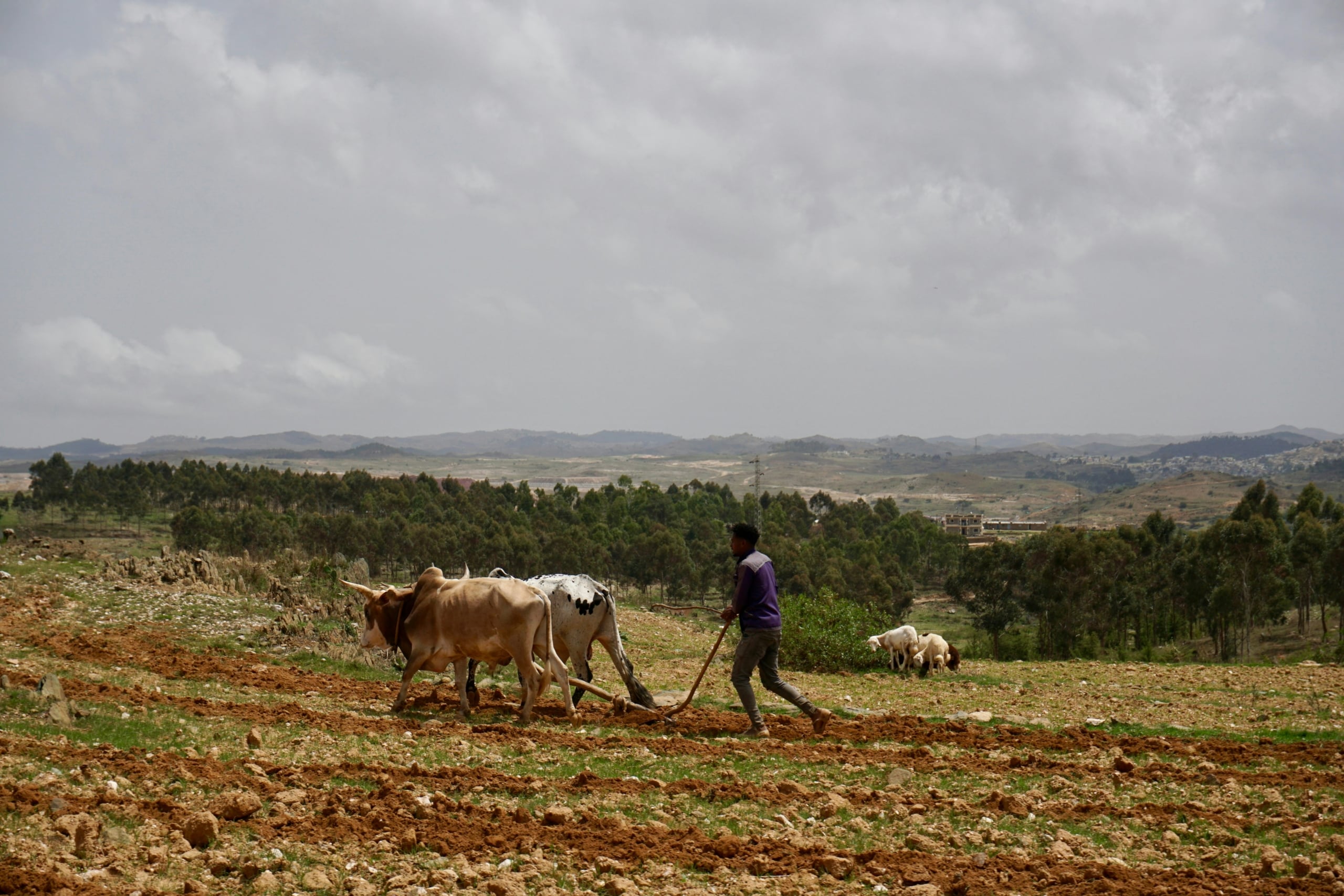
Poverty in Eritrea reflects connected challenges, including uncertain harvests and limited opportunities to earn a reliable income. Rural households face particular risks because many depend on agriculture. International organizations and government ministries have responded with programs that support farming, improve water supplies and expand nutrition services.
Understanding the Poverty Data
The World Bank’s country overview cites a 70% poverty rate from a 1996–97 household survey. That historical figure does not describe poverty today. Limited recent household data prevent a reliable assessment of the current national rate, and program beneficiary totals cannot establish how much it has changed.
Why Rural Livelihoods Matter
The International Fund for Agricultural Development (IFAD) reports that farming, livestock herding and fishing support the livelihoods of more than 75% of Eritrea’s population. It also estimates that rural communities account for about 80% of people experiencing poverty.
Many farmers depend on rainfall rather than reliable irrigation. Irregular rain, limited soil fertility and difficulties obtaining agricultural supplies constrain production. Poor harvests threaten both the food families grow for themselves and the income they earn from selling crops.
IFAD addresses these barriers through support for irrigation, veterinary services and farming methods that conserve soil and water. Its strategy also promotes higher-value crops and helps women and young people develop skills in fishing, processing and marketing. These investments aim to strengthen earnings while helping rural communities withstand environmental shocks.
Barriers to Economic Opportunity
Restrictions on private businesses and difficulties accessing development finance complicate Eritrea’s economic prospects. The World Bank also reports that overdue repayments have halted its lending activities in the country, limiting an important source of development funding.
Political conditions also affect working lives. Human Rights Watch’s 2025 report describes the government’s continued use of national service without a fixed end date. These obligations can restrict people’s ability to choose employment and establish independent livelihoods.
Treating and Preventing Malnutrition
UNICEF provides Eritrea’s Ministry of Health with funding and technical assistance for nutrition services. In 2024, these services admitted 18,340 children younger than five for severe acute malnutrition treatment and another 22,232 for moderate acute malnutrition treatment. These figures count admissions, not recoveries.
Prevention accompanied treatment. UNICEF-supported services counseled 143,604 mothers and caregivers of children younger than two on feeding practices. Combining clinical care with practical guidance helps address immediate nutritional needs while supporting children’s diets at home.
More recent results demonstrate progress in treatment. The U.N.’s 2025 Eritrea report records more than 38,000 recoveries among children who required therapeutic nutrition care, with recovery rates meeting international standards. National institutions delivered these services with U.N. support.
Expanding Reliable Water Services
Government-led efforts with U.N. support helped approximately 250,000 people access more reliable water systems using solar power in 2025. The investment addressed a basic household need through infrastructure that combines water provision with renewable energy.
This work builds on earlier cooperation. In 2024, UNICEF supported Eritrea’s Ministry of Land, Water and Environment in improving water access for 35,637 people through supplies designed to withstand climate pressures.
Protecting Pastoralist Households
Livestock assistance tackles another source of rural vulnerability. During 2025, vaccination campaigns and emergency animal feed support helped around 90,000 pastoralist households protect their livelihoods. The programs sought to safeguard animals that families depend on for food and earnings.
Protecting livestock complements efforts to improve crop production. Together, animal health services, emergency feed and agricultural investment address the resources rural families need to maintain their livelihoods through difficult conditions.
Helping Girls Continue Their Education
UNICEF and Eritrea’s Ministry of Education provided cash incentives to 2,250 middle school girls from nomadic and semi-nomadic communities in 2024. The initiative aimed to help girls progress to secondary education and reached its planned beneficiary total. That result measures participation in the incentive program rather than school completion.
Sustaining Progress
Nutrition treatment, water infrastructure and livestock assistance show how development partnerships can address immediate needs while protecting rural livelihoods. However, the U.N.’s 2025 report identifies insufficient financing and regional instability as continuing challenges.
A lasting response to poverty in Eritrea requires sustained investment in essential services alongside opportunities to earn dependable incomes. Existing programs provide practical foundations: healthier children, more reliable water supplies and support for the livestock that sustain rural households. Maintaining and extending that work remains central to improving families’ economic security.
– Aliza Iqbal
Aliza is based in Birmingham, UK and focuses on Good News, Celebs for The Borgen Project.
Photo: Unsplash
