• Link to X
  • Link to Facebook
  • Link to Instagram
  • Link to TikTok
  • Link to Youtube
  • About
    • About Us
      • President
      • Board of Directors
      • Board of Advisors
      • Financials
      • Our Methodology
      • Success Tracker
      • Contact
  • Act Now
    • 30 Ways to Help
      • Email Congress
      • Call Congress
      • Volunteer
      • Courses & Certificates
      • Be a Donor
    • Internships
      • In-Office Internships
      • Remote Internships
    • Legislation
      • Politics 101
  • The Blog
  • The Podcast
  • Magazine
  • Donate
  • Click to open the search input field Click to open the search input field Search
  • Menu Menu

Archive for category: Global Poverty

Key articles and information on global poverty.

Global Poverty, Hunger, Technology

Solar-Powered Fridges are Fighting Hunger in India

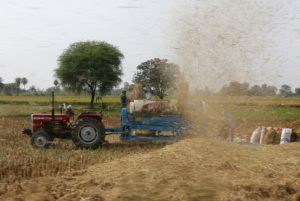
Fighting Hunger in IndiaFood loss and waste drive hunger and poverty across the world. Each year, people lose or waste 1.3 billion tons of food, reducing incomes and leaving families without reliable nutrition. India illustrates this crisis clearly. In 2019, India lost or wasted 56 million tons of food worth about $10 billion, largely because producers lacked cold storage.

Perishable foods such as milk, fruits, vegetables, meat and fish spoil quickly without temperature control. Developing countries lose 23% of perishable foods before they reach markets. These losses reduce farmer incomes and restrict access to nutritious food, especially in rural areas.

Amid these challenges, solar-powered fridges are fighting hunger in India. By providing reliable, off-grid cooling, they help farmers preserve perishable crops, maintain income streams and reduce food waste. These fridges also support health and nutrition by safely storing vaccines, medicines and dairy products while lowering dependence on polluting diesel generators and unreliable electricity grids.

What Is a Solar-Powered Fridge?

Cold storage plays a central role in reducing food loss, but traditional refrigeration creates serious risks. Conventional systems rely on fossil-fuel electricity and refrigerants such as hydrofluorocarbons (HFCs), which trap heat far more effectively than carbon dioxide.

Exporting these systems to low-income regions would lock communities into carbon-intensive infrastructure. Solar-powered refrigeration offers a different path. These systems run on renewable energy and avoid dependence on unreliable grids or diesel generators. In India, where power cuts remain common, especially in rural and semi-urban areas, solar refrigerators provide consistent cooling for food, medicine and vaccines. As a result, solar-powered fridges are fighting hunger in India directly.

Real-Life Impact

In northeastern India, farmer Lalmuankimi Bawitlung experienced the impact firsthand. Rising heat forced her to discard about one-third of her 350-kilogram annual orange harvest after fruit ripened too quickly to sell. In January, the state installed a 10-ton solar-powered cold storage unit in the nearby village of Khawzawl.

The Mizoram Science Technology & Innovation Council worked with Inficold to build the facility, which now serves about 235 farmers. The system uses solar-powered ice battery technology that stores thermal energy and keeps produce cool for months. Lalmuankimi stored oranges until the off-season and sold them for five times the usual price, turning losses into income.

India already has more than 8,200 cold storage facilities, but most rely on the electricity grid. High energy costs and frequent outages force farmers to use diesel generators or abandon cold storage altogether. Solar-powered units address both problems. They reduce operating costs and continue working during power cuts, which often follow floods, landslides or heat waves.

Solar-Powered Fridges Supporting Health

Solar refrigeration also supports health and nutrition. Refrigerators allow households to store food longer and reduce trips to markets. During the COVID-19 pandemic, off-grid refrigerators helped families limit exposure while protecting food supplies. In an Indian pilot, 70% of solar refrigerator customers reported monthly profit increases of about $57 by selling cold beverages and dairy products from home-based businesses.

Health systems also depend on refrigeration. Clinics require cold storage for vaccines, blood, insulin and other temperature-sensitive medicines. Millions of children missed routine immunizations before the pandemic, largely because health facilities lacked reliable cooling. Delivering COVID-19 vaccines to 60%–70% of the world’s population requires a massive expansion of cold chain infrastructure, especially in poorly electrified areas. Solar-powered refrigerators provide a practical solution.

Looking Ahead

Solar-powered fridges are already transforming rural communities by keeping food fresh, protecting incomes and strengthening health systems. Across India, these systems reduce food loss, expand access to nutritious products and create opportunities for women and small-scale farmers. By cutting reliance on polluting energy sources, they also contribute to a cleaner, more sustainable future. Solar-powered fridges are fighting hunger in India by offering a practical, scalable solution that improves lives village by village.

– Mollie Skogen

Mollie is based in London, UK and focuses on Technology and Celebs for The Borgen Project.

Photo: Unsplash
January 16, 2026
https://borgenproject.org/wp-content/uploads/borgen-project-logo.svg 0 0 Precious Sheidu https://borgenproject.org/wp-content/uploads/borgen-project-logo.svg Precious Sheidu2026-01-16 07:30:242026-01-20 02:50:14Solar-Powered Fridges are Fighting Hunger in India
Disability, disability and poverty, Global Poverty

The Link Between Disability and Poverty in Palau

The Link Between Disability and Poverty in Palau The Pacific island nation of Palau is made up of more than 300 islands and coral reefs located in the Micronesia region. While often associated with tourism and natural beauty, Palau has faced growing socioeconomic challenges in recent years. The COVID-19 pandemic caused a sharp decline in international visitors, exposing the country’s heavy reliance on tourism, which contributes approximately 40% of its economy. Although Palau is classified as an upper-middle-income country, economic hardship persists for many households, particularly those caring for family members with disabilities. These pressures show how disability and poverty in Palau intersect within the country’s broader development challenges.

How Disability and Poverty Reinforce One Another

People with disabilities face a heightened risk of poverty globally and Palau is no exception. Disabilities can limit access to education and employment, reducing income and long-term economic stability. At the same time, poverty can increase the likelihood of disability due to limited access to health care, rehabilitation and support services. This creates a cycle in which disability and poverty reinforce one another. In Palau, where employment opportunities are limited and the cost of imported goods remains high, people with disabilities often struggle to achieve economic independence, reinforcing disability and poverty in Palau as an interconnected development issue. Households with disabled members often face higher opportunity costs, as family members may reduce paid work to provide informal care.

Limited Support and Unequal Access to Education

According to government and regional data, approximately 2% to 3% of Palau’s population lives with a disability, though advocates suggest the true figure may be higher due to underreporting. Individuals with disabilities are statistically less likely to complete higher levels of education and more likely to depend on informal family care. While Palau provides a disability assistance stipend, reports indicate that this support is insufficient to meet the country’s high cost of living. Rising inflation has further reduced the real value of this assistance, leaving many households with disabled family members economically vulnerable.

Villaney Remengesau

One person whose life reflects both the challenges and possibilities facing people with disabilities in Palau is Villaney Remengesau, a prominent disability rights advocate. Remengesau has lived with a physical disability since childhood and uses a wheelchair daily. Her experiences exposed widespread barriers in Palau’s education system, labor market and public infrastructure. She has described how inaccessible buildings, transportation systems and limited employment opportunities restricted her ability to achieve financial independence, demonstrating how exclusion can directly contribute to poverty in Palau.

Rather than accepting these limitations, Remengesau transformed her lived experience into advocacy. She helped revive Omekesang, a national organization advocating for the rights of persons with disabilities, and worked closely with government agencies to promote accessibility and equal participation. Her work highlights how structural and societal barriers, rather than disability itself, often push individuals into poverty by restricting access to education, jobs and public services.

Policy Progress and Remaining Gaps

In recent years, Palau has taken steps to address disability-related inequality. The government enacted the Rights of Persons with Disabilities Act, strengthening legal protections and promoting inclusion across sectors. Palau has also engaged with the United Nations Convention on the Rights of Persons with Disabilities, signaling a shift toward a rights-based approach. However, international reviews note that gaps remain, particularly in transportation access, employment opportunities and emergency preparedness for people with disabilities.

Why Disability Inclusion Matters for Global Poverty Reduction

Remengesau’s story demonstrates why addressing disability is essential to reducing poverty in Palau. While legal reforms mark important progress, advocates emphasize that lasting change requires sustained investment in accessible infrastructure, inclusive education and economic opportunity. For small island nations like Palau, breaking the cycle between disability and poverty is not only a matter of social justice but also a necessary step toward sustainable development. Addressing disability inclusion at the national level ultimately contributes to broader global efforts to reduce poverty and inequality.

– Daisy Winstone

Daisy is based in Cardiff, Wales and focuses on Politics for The Borgen Project.

Photo: Flickr

January 16, 2026
https://borgenproject.org/wp-content/uploads/borgen-project-logo.svg 0 0 Precious Sheidu https://borgenproject.org/wp-content/uploads/borgen-project-logo.svg Precious Sheidu2026-01-16 01:30:522026-01-16 02:12:11The Link Between Disability and Poverty in Palau
Global Poverty, Government

Inside the 2025 G20 Summit

Inside the 2025 G20 SummitThe 2025 G20 summit in Johannesburg marked a significant moment in history. It was the first time the summit was held in Africa, with the presidency intentionally highlighting Africa’s development priorities. With the absence of the United States (U.S.), leaders pledged to commit to tackling some of the continent’s long-lasting challenges, such as climate resilience, debt, energy access and equitable resource governance. The summit raised questions about whether the 2025 G20 ambitions can translate into life-changing outcomes for Africans.

Mission 300 and the Energy Gap

One of the 2025 G20 summit’s most significant legacies is Mission 300, which promises to connect 300 million Africans to electricity by 2030. The World Bank and the African Development Bank back this initiative, which aims to address Africa’s persistent energy poverty through grid expansions, mini-grids and off-grid solar.

Currently, more than 600 million Africans lack access to electricity and about 1 billion rely on unsafe cooking fuels, which are associated with more than 2 million premature deaths each year. Despite agreement on the urgency of the situation, many challenges remain. Sustainable financing continues to pose a major issue. Private sector participation, technology transfer and strong regulatory frameworks will be essential to turn commitments into infrastructure. Without predictable financing and policy support, critics warn that progress could lag behind its targets.

Climate Action and Tackling Debt

The 2025 G20 summit took place around the same time as the COP30 climate negotiations, increasing global scrutiny on climate commitments. The summit reaffirmed support for climate resilience and scaling renewable energy capacity, aligning with broader calls for climate justice.

However, many controversial aspects of global climate politics remain unresolved. At COP30, negotiators did not secure an agreement to phase out fossil fuels or guarantee meaningful climate finance. Although G20 leaders expressed ambitions to mobilize additional climate financing, the absence of several wealthier nations in Johannesburg limited concrete commitments.

Debt sustainability was also a central topic at the summit. Leaders acknowledged gaps in debt management, transparency and fiscal capacity, particularly in low-income economies, as well as the need for reforms to the global financial architecture.

Economists suggest that effective debt relief should be linked to verifiable green investments. The U.S. absence complicated negotiations, leaving a gap in financial commitments that could weaken the G20’s influence on global finance reforms.

Critical Minerals: Turning Debt Into Development

Resource governance also emerged as a key topic. Africa holds a significant share of the world’s critical minerals, including cobalt, lithium and rare earth elements, which are vital for renewable technologies and digital infrastructure.

The G20’s critical minerals framework aims to promote sustainable supply chains and stronger governance standards. If widely implemented, the framework could shift countries away from dependence on raw exports and toward more equitable partnerships in global markets. However, the framework remains voluntary and nonbinding.

From Promise to Implementation

South African President Cyril Ramaphosa said the Johannesburg summit demonstrated Africa’s ability to lead and influence global debates. The Global South, particularly African nations, has gained visibility in setting priorities on climate, development and globalization. Whether this momentum is sustained depends on implementation by governments, private sector partners and civil society.

The G20 summit outlined goals for energy access, climate resilience, equitable resource governance and debt reform. These goals signal a shift toward prioritizing the needs of the Global South and Africa’s development agenda. For Africa to benefit, these frameworks must be matched with financing and political will. While Johannesburg provided a blueprint, the true test lies in execution.

– Gloria Bwenge

Gloria is based in New York, NY, USA and focuses on Global Health and Politics for The Borgen Project.

Photo: Flickr

January 15, 2026
https://borgenproject.org/wp-content/uploads/borgen-project-logo.svg 0 0 Precious Sheidu https://borgenproject.org/wp-content/uploads/borgen-project-logo.svg Precious Sheidu2026-01-15 07:30:502026-01-15 02:06:00Inside the 2025 G20 Summit
Education, Global Poverty

Malala Yousafzai: Fight for Education and Poverty Reduction

malala YousafzaiIn her new memoir, Finding My Way, Nobel Peace Prize-acclaimed Malala Yousafzai steps out from the shadow of her public persona and reintroduces herself, not just as a global activist, but as a young woman learning to live freely, heal and grow. Her story, though deeply personal, resonates across borders, offering a reflection on how freedom, education and mental health intertwine with global poverty.

More than a decade after surviving an assassination attempt for defending girls’ education, Yousafzai continues to use her voice to challenge inequality. Finding My Way charts her journey from a student in Pakistan’s Swat Valley to a global advocate for education and women’s rights. The memoir’s release has reignited conversations about how education and poverty reduction remain one of the most powerful tools for breaking the cycle of poverty worldwide.

Education as the Foundation for Poverty Reduction

For Yousafzai, the connection between education and poverty reduction is not theoretical but lived. Growing up under Taliban rule, she witnessed how denying girls an education limited entire communities’ potential. Yousafzai’s overall message is that “One child, one teacher, one book and one pen can change the world.” When one child is denied the chance to learn, the whole world suffers.

According to UNESCO, more than 244 million children and youth remain out of school globally, with girls disproportionately affected. Each additional year of schooling can raise a woman’s income by up to 20%, reduce child marriage rates, and improve family health outcomes. Yet, education funding for low-income nations remains chronically under-resourced, accounting for less than 3% of global humanitarian aid.

Studies consistently show a link between access to education and economic mobility. Literate populations drive stronger GDP growth, healthier families, and lower rates of violence. Still, more than half of the children in low-income countries cannot read or understand a simple story by age 10, or the end of primary school. This learning poverty traps generations in economic instability. By highlighting her story once more, Yousafzai reminds the world that personal resilience and policy reform must work in tandem to create lasting change.

Barriers and Breakthroughs

Yousafzai’s college years at Oxford, as detailed in Finding My Way and interviews with NPR and USA Today, offered a different kind of education. She “nearly failed” her exams, struggled to balance global advocacy with coursework, and faced panic attacks that forced her to confront the trauma she had long suppressed. She explained to Fresh Air how marijuana triggered flashbacks to the day she was shot. That episode led her to therapy and a realization that the mental health part was the missing piece.

This moment of vulnerability underscores a broader truth: trauma, whether from war, displacement, or generational poverty, is often the invisible barrier keeping people, especially women and children, from escaping deprivation. As her foundation continues to support girls’ education in conflict zones, Yousafzai’s openness about healing offers a new kind of leadership: one that views recovery as essential to sustainable progress and lasting education and poverty reduction.

Progress in global education, however, has slowed since the pandemic. COVID-19 pushed millions of children, especially girls, out of school, many of whom never returned. Natural disasters, conflict, and gender-based violence have further deepened inequalities. Yet, countries like Kenya and Bangladesh are showing that targeted investment can reverse this trend. Programs offering conditional cash transfers, free school meals, and digital learning access have successfully kept children in classrooms. Organizations like the Malala Fund, Education Cannot Wait, and the Global Partnership for Education (GPE) continue to advocate for stronger international commitments to make education a universal right rather than a privilege.

Beyond Charity: Education as Empowerment

Yousafzai’s approach reframes education not as an act of charity but as a human right and an economic imperative. Educating girls creates ripple effects that lift entire communities, reducing poverty, improving maternal health, and promoting democratic participation. “Investing in education,” Yousafzai has written, “is investing in peace.” This perspective reinforces that education and poverty reduction go hand in hand as human rights essential to progress.

Her new memoir also challenges the narrative of perfection often imposed on global icons. “I want to introduce the real me, the funny me, the messy me, the sad and the annoying me,” Yousafzai told USA Today. That authenticity matters: it reminds the world that empowerment and healing are personal before they are political. Her evolving views on marriage, shaped by her cultural background and feminist reading list, also reflect this balance between independence and belonging. “Marriage is a beautiful relationship,” she said, “it is friendship, and it’s this strong bond between two people who love each other and who bring more beauty to each other’s lives.” For a woman who once feared marriage meant compromise, her reflection becomes a metaphor for reclaiming agency. Something millions of women in poverty still fight for daily.

A Call to Action

Yousafzai and her journey from survivor to scholar, from activist to author, is a testament to the enduring power of education. Her story invites a global reckoning: ending poverty demands not only policy reform and aid but also the freedom for people, especially women, to heal, to learn, and to live fully.

Empowering students today shapes the prosperity of tomorrow. As Yousafzai continues her mission, her voice underscores a timeless truth: education and poverty reduction are inseparable, and education is not only the way out of poverty, it is the way forward.

– Ella Bogdan

Ella is based in Denver, CO, USA and focuses on Good News and Celebs for The Borgen Project.

Photo: Flickr

January 15, 2026
https://borgenproject.org/wp-content/uploads/borgen-project-logo.svg 0 0 Naida Jahic https://borgenproject.org/wp-content/uploads/borgen-project-logo.svg Naida Jahic2026-01-15 03:00:362026-01-15 02:00:40Malala Yousafzai: Fight for Education and Poverty Reduction
Aid, Global Poverty

Taipei Christmas Market Gifting Aid For Ukraine

Taipei Christmas MarketAs New Year’s Eve celebrations died down, Taiwan Stands With Ukraine (TSWU), an international Taiwanese volunteer movement, transformed Christmas cheer into meaningful support through a Taipei Christmas market gifting aid for Ukraine. Ukraine is entering its fourth year under Russia’s invasion. Since February 2022, approximately 10 million people have fled the country. As of fall 2025, Ukraine is still experiencing severe poverty with an estimated rate of 36.9%, which is significantly higher than the poverty rate of 5.5% to 24.1% before and during 2022. The invasion has set Ukraine back by approximately 15 years.

A Taiwanese organizer who identifies as “Jen” founded TSWU, which consists of Ukrainians, Taiwanese and international volunteers who mobilized around the invasion’s onset. It serves to support Ukrainians through volunteer-led efforts and government backing. TSWU uses its funds to provide humanitarian and medical aid to Ukrainian refugees, children and elders who have resettled in Taiwan. The booth acquired donations at the Taipei New Year’s Eve Party that took place from December 26 to December 31, 2025, serving the same humanitarian purpose.

Amid the festivities and market stalls during the celebration, TSWU distinguished itself by organizing a Taipei Christmas market gifting aid for Ukraine.

The Ukrainian Booth

Taipei, the capital of Taiwan, annually holds a New Year’s Fair in the Xinyi District. The fair itself features live performances, a countdown celebration and department stores that illuminate the city during the holidays. TSWU’s booth, which opened on the fourth day of the fair, blended culture and festivity with charity through the Taipei Christmas market gifting aid for Ukraine.

The booth collected donations through the sale of unique Ukrainian souvenirs and the performances of traditional Ukrainian Christmas carols. Participants could also join the educational workshops to create Malanka masks and didukhs. The souvenirs ranged from traditional crafts to original artworks and festive treats. Traditional festive Ukrainian folk songs echoed throughout the district and along the streets near the Taipei 101 skyscraper, allowing the public to experience Ukrainian traditions.

This year’s booth featured multiple students from Zhenzhi National University and Taiwan National University under the guidance of their instructor, Su Yuxuan. It brought Ukrainian and Taiwanese volunteers together with local residents, not just to share Ukrainian culture, but to inform them of Ukraine’s current conditions.

TSWU’s Previous Successes

Since its formation in response to Russia’s invasion, TSWU has done multiple projects that have delivered aid to Ukraine from Taiwan, the Taipei Times reports. It has raised a total of 4.5 million New Taiwan Dollars (NTD) since February, 2022. It has also raised enough money at Taipei’s Europe Festival in 2023 to buy two ambulances and medical supplies for Ukraine. Since September 17, 2024, Ukraine has purchased a total of six ambulances, which helped medical personnel evacuate more lives, deliver aid and reduce fatalities.

Taipei’s 2025 European Countries Festival highlighted Ukrainian culture, thanks to TSWU’s collaboration with Leleka, another organization aiding Ukraine. They sold Ukrainian souvenirs, clothing, treats and more to raise funds for aid. The organization has also collaborated with other Ukrainian aid organizations such as Kids 2 Kids, Through The War and OBOZ. In July 2024, TSWU transferred 518,624 NTD to Ukraine and its collaborators. One contribution funded renovations to make the first floor of Through The War’s shelter wheelchair accessible. In recognition of donor support, TSWU has given small tokens of appreciation ranging from stickers to custom name patterns.

Conclusion

Ukraine continues to face deepening poverty and hardship as the invasion persists. However, efforts by nonprofit organizations such as TSWU continue to provide meaningful support with engaging cultural exchanges. Compassion takes many forms, including quieter ones. While modest in scale, the Taipei Christmas market gifting aid for Ukraine helped maintain global attention on the invasion and reinforced a sense of international solidarity across communities worldwide.

– Cindy Nguyen

Cindy is based in Albuquerque, NM, USA and focuses on Good News and Global Health for The Borgen Project.

Photo: Wikimedia Commons

January 15, 2026
https://borgenproject.org/wp-content/uploads/borgen-project-logo.svg 0 0 Naida Jahic https://borgenproject.org/wp-content/uploads/borgen-project-logo.svg Naida Jahic2026-01-15 01:30:432026-01-15 01:20:06Taipei Christmas Market Gifting Aid For Ukraine
Agriculture, Food Security, Global Poverty

Improved Food Security in the Sahel

Food Security in the SahelThe Sahel and Sub-Saharan Africa are grappling with severe challenges, including poverty, food insecurity and the impacts of the changing climate. More than 300 million individuals endure chronic hunger, as agricultural systems struggle under soil degradation, unpredictable rainfall patterns and excessive dependence on basic staple crops. Launched in 2023 by the U.S. Department of State alongside the African Union and the Food and Agriculture Organization (FAO), the Vision for Adapted Crops and Soils (VACS) serves as a framework to bolster food systems through an emphasis on crops resilient to climate change and eco-friendly soil practices.

VACS addresses the demand for varied, nutrient-packed farming that can endure ecological disruptions while enhancing livelihoods in rural areas. The program highlights “opportunity crops” — resilient yet underused varieties such as millets, sorghum and cowpeas — alongside efforts to rehabilitate depleted soils. This evidence-based approach seeks to interrupt ongoing patterns of poverty and malnutrition across the region. By combining climate adaptation strategies, nutritional safeguards and farmer empowerment, VACS delivers a roadmap for enduring agricultural progress in at-risk populations, ultimately contributing to improved food security in the Sahel.

Exploring the VACS Initiative

VACS functions as a multilateral trust fund integrated within the International Fund for Agricultural Development’s (IFAD) Rural Resilience Program (2RP). It consolidates climate financing, adaptation resources and development funds into a comprehensive strategy designed specifically for small-scale farmers. Four primary strategies guide VACS:

First, the promotion of crop diversity to enhance climate resilience addresses Africa’s dependence on a limited range of staple crops such as maize, rice and wheat, which are susceptible to environmental stress. VACS advocates for cultivating underutilized indigenous crops such as fonio and teff, which thrive in arid conditions and offer strong nutritional benefits. Although research and policy have historically neglected these crops, they hold significant potential for improving food security in the Sahel.

Second, restoring soils and adopting sustainable land management practices address Africa’s widespread soil erosion challenges. More than 65% of the continent’s soils are degraded, leading to productivity declines of up to 30%.

VACS supports restorative practices such as conservation agriculture, agroforestry and the use of natural soil amendments to enhance water retention, nutrient content and long-term sustainability.

Third, empowering farmers and establishing knowledge networks ensures that smallholders have access to essential resources and education for climate-smart agriculture. VACS strengthens community-based seed systems, provides training on climate-adaptive farming techniques and improves financial access, facilitating transitions to more resilient agricultural practices.

Finally, developing markets for opportunity crops ensures economic incentives for farmers to cultivate adapted varieties. By connecting smallholders with buyers such as school meal programs and expanding access to local and international markets, VACS enhances income stability and promotes economic growth in rural areas.

VACS’s Impact on Breaking Cycles of Poverty and Hunger

In the Sahel and Sub-Saharan Africa, food systems remain trapped in a damaging cycle: environmental disruptions reduce harvests, triggering shortages, undernutrition and financial instability. VACS intervenes by targeting the underlying sources of fragility. Nearly 40% of Sahelian children experience micronutrient deficiencies stemming from diets high in calories but low in nutrients.

VACS emphasizes nutrient-rich crops such as amaranth and pigeon peas, which provide iron, zinc and protein. Through diet diversification, the program addresses stunting, anemia and malnutrition, particularly among women and youth, contributing to improved food security in the Sahel.

Projections indicate that without intervention, climate change could reduce crop outputs by 20% by 2050.

VACS’s resilient crops, including drought-resistant sorghum and heat-tolerant millets, help shield smallholders from irregular weather. In Niger, where drought-prone rain-dependent farming prevails, those using mixed cropping have maintained consistent yields amid worsening climate conditions.

VACS also strengthens economic resilience by creating equitable supply chains for opportunity crops. The fonio supply network in West Africa, supported by entities such as Yolélé Foods, has generated employment, increased farmer earnings by as much as 30% and opened new export opportunities.

Soil health remains central to VACS’s strategy. Degraded soils reduce yields while worsening water scarcity and emissions. Through comprehensive soil nutrient strategies, including organic composting and eco-farming methods, VACS has demonstrated yield increases of up to 28% in pilot areas such as Ethiopia, further supporting food security in the Sahel.

Tools for digital soil analysis further support targeted farming by aligning actions with specific locations for optimal results.

Advancing VACS: Key Policies and Future Directions

Realizing VACS’s full potential requires coordinated action among governments, aid organizations and commercial entities. Increasing investment in climate-resilient agriculture remains essential. Currently, just 1.7% of global climate funding benefits smallholder farmers, limiting access to critical resources needed for sustainable practices.

Governments and international contributors should prioritize VACS-compatible initiatives in agricultural budgets and climate adaptation funds. Strengthening seed systems and advisory services will also accelerate adoption. Many opportunity crops lack improved seed varieties due to prolonged underfunding in crop research. Expanding research and development, alongside digital-based farmer education and collaborative learning, will help address this gap.

Emphasizing fair land tenure and gender equity remains vital. Women manage approximately 60% of African farms but often lack secure land rights, which restricts investment in long-term soil care. Legal reforms supporting equitable land ownership and targeted initiatives for women farmers are key to VACS’s success.

Private-sector involvement is also a key to success. Incentives such as tax reductions, subsidies and public-private partnerships can spur investment in processing and marketing opportunity crops. Examples such as Kenya’s “Super Porridge” program, which incorporates nutrient-rich crops into school meals, demonstrate how consumer demand can drive broader adoption.</span>

Embedding VACS within broader regional climate strategies will further amplify its impact. Alignment with initiatives such as the Great Green Wall and the African Union’s Agenda 2063 can strengthen collaboration on ecosystem restoration, nutrition security and poverty reduction, advancing food security in the Sahel.

Looking Ahead

VACS extends beyond technical fixes and represents a shift in agricultural development for climate-vulnerable regions. By integrating scientific research, policy coordination and community-driven action, the initiative outlines a pathway to disrupt cycles of poverty and hunger. With sustained commitment from governments, farmers and partners, VACS has the potential to strengthen resilience, improve nutrition and support long-term livelihoods across the Sahel and Sub-Saharan Africa.

– Christopher Pellant

Christopher is based in Evansville, IN, USA and focuses on Technology and Global Health for The Borgen Project.

Photo: Flickr

January 14, 2026
https://borgenproject.org/wp-content/uploads/borgen-project-logo.svg 0 0 Precious Sheidu https://borgenproject.org/wp-content/uploads/borgen-project-logo.svg Precious Sheidu2026-01-14 07:30:352026-01-29 04:23:11Improved Food Security in the Sahel
Education, Global Poverty

Libraries Without Borders Fights Poverty Surge in Ukraine

Libraries Without Borders Poverty in Ukraine has risen sharply since the start of Russia’s war, according to the World Bank Group, which estimates the country’s preliminary poverty rate reached 36.9% in 2025 — a significant increase from prewar levels.

Children have been among the most affected. UNICEF reported in July 2025 that 70% of Ukrainian children — about 3.5 million — lack access to basic goods and services, forcing many out of school.

The loss of educational access has broader consequences for Ukrainian society. Mariya Levonova and Balázs Jarábik of the Carnegie Endowment for International Peace found that the contraction of Ukraine’s educational networks has undermined access to basic services and weakened social infrastructure, eroding public trust in self-governance.

Education is not the only sector reflecting deepening poverty in Ukraine. An estimated 4.6 million people have experienced severe disruptions to water access, including physical damage to infrastructure and contamination.

“Fighting and shelling have polluted water sources with explosives, heavy metals and other hazardous substances, making them unsafe for consumption,” according to Anna Cherevko of the United Nations University.

The Big Picture

The erosion of basic services in Ukraine has left many families without nutritious food, adequate clothing, heating or educational materials, according to UNICEF.

Anna Cherevko of the United Nations University described Russia’s invasion as Europe’s largest military conflict since World War II. The war has caused Ukraine’s gross domestic product to shrink by more than 30% and left roughly 40% of the working population unemployed.

Amid the crisis, Libraries Without Borders or Bibliothèques Sans Frontières has worked since 2007 to provide protection, information and psychological support, particularly along Ukraine’s borders.

The organization supports people affected by war trauma, including an estimated 14 million Ukrainians in need of psychological assistance and roughly 9 million now living in poverty.

What Libraries Without Borders Does

The organization strives to “protect, support and guide Ukrainian inhabitants, displaced persons and refugees” throughout the ongoing battles.

Economic losses tied to the war exceed $499 billion, driven by unemployment and disrupted economic activity, according to the Ukraine Humanitarian Needs and Response Plan 2025

With losses of this magnitude, services such as those of Libraries Without Borders are necessary more than ever before.

The organization eases poverty in Ukraine through several initiatives:

  • Mobile “Ideas Boxes”: The organization installs portable multimedia libraries in health centres, shelters and schools, offering access to education, culture and information. These have been deployed in cities including Lviv, Drohobych, Vinnytsia, Bucha and Dnipro. Run by local staff, the Ideas Boxes help address widespread job losses in agriculture, manufacturing and tourism, while easing rising poverty levels.
  • Safe spaces and community support: Libraries Without Borders offers language-learning tools through its KARIBU platform and creates spaces for rest, social interaction and cultural familiarity for displaced people.
  • Targeted programs: The organization has partnered with the United Nations Population Fund to support survivors of conflict-related sexual violence.

The boxes include creative and literary materials, tablets and televisions, forming a “digital library that provides access to thousands of educational and cultural resources without requiring internet connectivity.”

Looking Ahead

UNICEF warns that millions of Ukrainian children are being deprived of a minimum standard of living, jeopardizing their long-term development, health and education.

The United Nations University estimates the war erased 15 years of development gains, pushing an additional 7.1 million people into poverty and raising the national poverty rate to 24.1% in 2022.

Despite the challenges, Libraries Without Borders reported its centres have assisted more than 50,000 people. The organization estimates a single Ideas Box can serve more than 100 people per day — potentially reaching about 100,000 people over three months.

Humanitarian planners say aid efforts in Ukraine will increasingly prioritize cash and voucher assistance aligned with community preferences, using multisectoral approaches to meet basic needs.

Final Remarks

The war in Ukraine has deepened poverty, weakened access to essential services and placed millions of children and families at risk, reversing years of social and economic progress. Rising unemployment, disrupted education and widespread psychological trauma have intensified humanitarian needs across the country.

As international organizations warn of long-term consequences, Libraries Without Borders has emerged as a critical source of support by providing access to education, information and safe community spaces.

While the scale of the crisis remains vast, targeted initiatives such as these mobile libraries and community programs demonstrate how focused humanitarian action can help restore stability, resilience and opportunity for those most affected by the conflict.

– Gemma Nailer

Gemma is based in Manchester, UK and focuses on Good News for The Borgen Project.

Photo: Flickr

January 14, 2026
https://borgenproject.org/wp-content/uploads/borgen-project-logo.svg 0 0 Naida Jahic https://borgenproject.org/wp-content/uploads/borgen-project-logo.svg Naida Jahic2026-01-14 01:30:132026-01-14 00:21:59Libraries Without Borders Fights Poverty Surge in Ukraine
Electricity and Power, Global Poverty

Transforming Rural Electrification in Tanzania Introduction

Rural Electrification in TanzaniaAccess to electricity is an essential aspect of a country’s development that plays an important role in improving education, health care, and economic development. However, millions of people in rural Tanzania still live without enough power. According to the International Energy Agency (IEA), access to quality electrification in sub-Saharan Africa remains low due to high cost and difficulties in the extension of national power grids to remote communities.

In response to these challenges, solar energy has emerged as a practical, affordable, and renewable source of energy. Rural Energy Agency (REA) in Tanzania has played a key role in promoting off-grid solar systems and mini-grids to expand electricity access in rural areas. Also, Private companies such as Zola Electric and Mobisol have also introduced pay-as-you-go solar models that allow low-income households to access electricity without high upfront costs.

In addition, organizations like IRENA report that decentralized solar systems have improved education outcomes, health care delivery and local business productivity in rural Africa. This paper will explore how solar energy is transforming rural electrification in Tanzania and supporting sustainable development and poverty reduction.

Background

Tanzania is a country in East Africa and home to more than 67 million people, it shares borders with countries such as Kenya, Uganda, Rwanda, Zambia, Mozambique, and the Democratic Republic of Congo. Known for its rich natural resources, including wildlife, fertile land and renewable energy potential, incredible landscape, being home to Mount Kilimanjaro, the tallest mountain in Africa and diverse culture, Tanzania has played an important role in regional trade and development.

Despite those advantages, access to reliable electricity remains a major challenge, particularly in rural areas, with only about 25% of rural residents having electricity compared to 75% in urban areas that aren’t connected to the national grid. Limited rural electrification in Tanzania has slowed economic growth, restricted access to education and healthcare, and widened the gap between urban and rural populations.

Health clinics without reliable electricity have trouble operating medical equipment, storing vaccines safely, and providing emergency care during the night. Similarly, small businesses face reduced productivity when they cannot power machinery, refrigeration, or communication tools, limiting the income of workers and local economic growth. These challenges have encouraged Tanzania to adopt off-grid solutions such as solar home systems and mini-grids as practical alternatives to improve rural electrification in Tanzania.

To address Tanzania’s electricity challenge, the country has turned to solar energy as a practical and renewable solution for rural and off-grid communities. The following paragraphs will examine the main solar energy systems driving rural electrification in Tanzania and highlight how these innovations are improving access to electricity while supporting economic development.

Solar Home Systems

Solar Home Systems (SHS) are small, off-grid energy systems that provide electricity to individual households in rural Tanzania. SHS provide houses with small, solar setups that generate electricity for basic amenities such as lighting, phone charging, radios, and small appliances. These systems typically include solar panels, a battery for energy storage, and sometimes an inverter or controller, which makes them perfect for off-grid areas where the availability to switch to the national grid is costly and slow. They are designed to provide electricity to homes and small businesses that lack access to the central grid, with components like PV panels and batteries that are engineered for basic electricity needs.

One major provider is Zola Electric, which supplies solar home systems to households through flexible payment plans, allowing families to access electricity without high upfront costs. Another key company is Mobisol, which offers larger SHS capable of powering multiple appliances and supporting small home-based businesses. These systems have significantly improved living conditions by replacing kerosene lamps with clean, reliable energy.

Mini-Grids

Solar mini grids are small-scale power systems that generate and distribute electricity to entire communities, including homes, schools, health clinics, and businesses. Unlike SHS, mini grids can support higher energy demand and productive activities such as milling, refrigeration and phone charging services.

In Tanzania, the government supports mini-grid development through the Rural Energy Agency (REA), which works with private developers to expand electricity access in remote areas. These partnerships help reduce costs, improve system maintenance, and ensure long-term sustainability of rural electrification in Tanzania

Pay-As-You-Go Solar

Pay-as-you-go (PAYG) solar systems allow users to pay for electricity in small, affordable installments using mobile money, thereby making solar power accessible to low-income households. This system removes the inconvenience of high upfront costs and enables families to gradually own their systems.

An example is Solar Sister, which combines PAYG solar with a community-based distribution model. Solar Sister trains and supports women entrepreneurs to sell solar products within their communities, increasing both energy access and local economic opportunities. This approach not only expands electricity access but also promotes gender empowerment and poverty reduction.

Looking Ahead

As Tanzania continues to explore other solar energy solutions, off-grid systems, mini-grids and pay-as-you-go models, a clearer path towards rural electrification can be achieved. With enough government support, private partnerships and continued investment in renewable technology, solar power has the potential to reach even the most remote communities. These systems not only improve daily living conditions, but also support education, healthcare and small businesses. Looking ahead, with enough innovation and practical application, solar energy can play an important role in reducing energy poverty and promoting rural electrification in Tanzania.

– Emmanuel Fagbemide

Emmanuel is based in Winnipeg, Canada and focuses on Technology and Global Health for The Borgen Project.

Photo: Flickr

January 13, 2026
https://borgenproject.org/wp-content/uploads/borgen-project-logo.svg 0 0 Naida Jahic https://borgenproject.org/wp-content/uploads/borgen-project-logo.svg Naida Jahic2026-01-13 07:30:072026-01-13 01:25:48Transforming Rural Electrification in Tanzania Introduction
Disease, Global Poverty

The Maldives’ Triple Elimination: A Blueprint for Health

Maldives’ Triple EliminationIn October 2025, the World Health Organization (WHO) announced that the Maldives’ historic triple elimination of mother-to-child transmission of Human Immunodeficiency Virus (HIV), syphilis and hepatitis B had been officially validated. This certification makes the Maldives the first country in the world to successfully eliminate the transmission of all three life-threatening diseases from mother to child simultaneously. The milestone represents a major triumph for maternal health and provides a clear strategy for other low- and middle-income countries (LMICs) to follow.

Understanding Triple Elimination

Triple elimination is a public health standard that ensures the next generation is born free of three specific infections that often cause lifelong health complications or infant mortality. To achieve this, the Maldives had to meet rigorous WHO criteria, including maintaining antenatal care coverage and testing rates above 95%. The nation also proved that its newborn interventions, such as the hepatitis B birth dose, are consistently delivered within 24 hours of birth. Data show that the Maldives recorded zero babies born with HIV or syphilis in both 2022 and 2023. Additionally, a national survey in 2023 confirmed that no young children entering school carried hepatitis B.

A Decentralized Approach to Maternal Care

Progress toward the Maldives’ historic triple elimination was made possible by a decade of systemic reform focused on reaching people in remote areas. Because the population is dispersed across more than 1,000 islands, the government prioritized a decentralized, community-based health care system. In 2018, the nation implemented the “Agenda for Integrated Service Delivery,” which standardized data collection for all three diseases. This ensured that even on the smallest islands, pregnant women could access free testing and treatment. By removing financial barriers, the government addressed a primary cause of health vulnerability among low-income families.

The Role of WHO and United Nations Children’s Fund (UNICEF)

The WHO and UNICEF played essential roles in supporting the Maldives during the validation process. The WHO provided the technical framework and training to ensure that screening and vaccination programs were integrated into routine maternal and child health services. UNICEF South Asia contributed by reviewing and refining national reports to ensure they met global standards for data accuracy. These organizations worked alongside the Indira Gandhi Memorial Hospital, which serves as the national reference laboratory for validating test results. This partnership allowed the Maldives to use digital monitoring tools such as the Electronic Immunization Registry to track children’s health status in real time.

Promoting Equity With the Migrant Health Policy

The path to the Maldives’ historic triple elimination also involved ensuring that no resident was left behind due to background or legal status. The government recently launched a Migrant Health Policy that guarantees equal access to health services for all residents, including migrant populations. This inclusive policy reduced gaps in disease surveillance and ensured that every mother living in the country received the same standard of care. Experts note that including marginalized groups in national health frameworks is a critical factor in achieving disease elimination goals.

A Beacon of Hope for Global Health

The success of the Maldives serves as a beacon of hope for other nations working to eliminate preventable infections. By combining political leadership with a decentralized health system and strong international partnerships, the country has protected future generations from chronic disease. The Maldives’ historic triple elimination demonstrates that geographic isolation and resource constraints are not insurmountable barriers to public health progress. As countries move toward the 2030 global goal for triple elimination, the Maldives shows that equitable, high-quality health care can play a significant role in reducing poverty and improving lives.

– Elena Cárdenas

Elena is based in Monterrey, México and focuses on Global Health and Politics for The Borgen Project.

Photo: Flickr

January 13, 2026
https://borgenproject.org/wp-content/uploads/borgen-project-logo.svg 0 0 Precious Sheidu https://borgenproject.org/wp-content/uploads/borgen-project-logo.svg Precious Sheidu2026-01-13 03:00:162026-01-13 01:20:42The Maldives’ Triple Elimination: A Blueprint for Health
Global Poverty, Tourism, Volunteer

Concordia: Trips to Help Reduce Global Poverty

ConcordiaA significant way to help alleviate poverty in a hands-on manner is through organized trips to developing countries, where volunteers dedicate their time to helping underprivileged citizens. This is done through providing child care, manual labor to improve infrastructure, teaching valuable skills to children, providing medical assistance and more. These schemes are often not considered due to a lack of information about their accessibility; packages are available for solo travelers, couples, schools, families, large groups and teenagers. They benefit both the volunteers and the citizens who receive volunteer services, and these trips help relieve poverty in community-centered ways. This article explores some of the most popular organizations fighting global poverty through trips.

Concordia

Concordia strives to build international peace and equality through volunteer opportunities, raising awareness and appreciation of culture by providing authentic experiences. One of Concordia’s featured experiences is the Children’s Christmas Camp trip, where volunteers support children in Marangu during their Christmas holiday. This is a two-week trip costing less than £500. Responsibilities include organizing activities such as sports, games, competitions and crafts, as well as helping with homework. This provides a safer space for children to spend their school holidays and helps relieve poverty by offering free child care that enables families to continue working.

Volunteers are able to get involved with real communities, sharing rooms, cooking meals together and trying local cuisine. Concordia’s volunteer manager, Tom, told The Borgen Project in an interview that “cultural exchange is a vital part of international volunteering. Everyone loves sharing their culture with others, teaching them a bit of their language, sharing your food, and other intangible cultural elements. International volunteering allows a two-way exchange, which leads to great understanding between cultures, and a more peaceful world.”

The location of this trip sits at the foot of Africa’s tallest mountain, Kilimanjaro, a popular tourist attraction. During this interview with The Borgen Project, Tom explained how the organization ensures projects are ethical: “The key to designing an effective volunteer program is to ensure that the host community take the lead in developing the programme, to ensure the work the volunteers carry out is actually wanted and has a real impact.” Concordia takes practical steps to ensure this by working exclusively with two international networks: the Coordinating Committee for International Volunteer Services (CCIVS) and the Alliance of European Voluntary Service Organizations.

Through both networks, the receiving organizations design the voluntary projects. They believe that “when done right, international volunteering has tremendous potential to alleviate poverty around the world.” Much like The Borgen Project, Concordia values the mission to raise global awareness: “We must raise awareness of issues relating to poverty and oppression, and volunteers who experience this in person can return home can advocate on issue relating to poverty and oppression.”

Globalteer

Globalteer runs and supports grassroots projects across the world, focusing on children’s education, community empowerment, animal welfare and conservation. The company matches volunteers with projects to support the sustainable growth of their partner organizations. There are opportunities to volunteer with children at community schools, teaching a variety of subjects, with projects providing clean water to villages and with farms producing essential food for communities.

Volunteers can also work at an Indigenous community project or at programs to empower women. Globalteer offers packages starting at less than £400 and ranging from 1–12 weeks in length. During an interview with The Borgen Project, general manager Jim expressed how fulfilling volunteers find the experience: “Many volunteers describe their time with us as life-changing. They gain confidence, cultural understanding, and a greater awareness of the challenges faced by the communities we serve.” Their projects in Peru and Cambodia are led by local staff, and volunteers support—not replace—their work, ensuring respect is at the center of their mission.

International Volunteer HQ

More specialized programs are also available, such as International Volunteer HQ’s Medical Volunteer Programme, which provides medical experience that supports career growth and offers valuable insight into medical practice in lower-income countries. Every year, they organize placements for more than 3,000 people on their Medical Volunteer Programme in Africa, Asia, Central America and South America. This program is eligible for pre-med students, medical students, nursing students and professionals. As a medical volunteer with International Volunteer HQ, there are opportunities to specialize in physiotherapy, dentistry, paramedics, pharmacy, emergency medicine (EMTs), nutrition, public health, orthopaedics, radiology, HIV/AIDS support, midwifery, pediatrics and more. These programs run between 1 and 24 weeks and start at just £244.

The Mighty Roar

The Mighty Roar is committed to ethical conservation, sustainable community endeavors and providing positive experiences to everyone. Their teaching programs operate in places such as Tanzania, Sri Lanka, Bali, Madagascar, Ghana and Thailand. These programs last between 1 and 24 weeks, and the main responsibilities include planning fun, interactive lessons and teaching underprivileged children as young as 4. The Mighty Roar has established community classes in many volunteer destinations and provides free English lessons to thousands. The company assists under-resourced schools, meaning volunteers gain an authentic understanding of education systems in developing countries, which can be used to help improve education systems across the world.

Looking Ahead

Opportunities like those through Concordia and The Mighty Roar act as a significant step and propeller for careers in the charity sectors, politics and philanthropy. Volunteers gain firsthand experience and insight into the poverty present across the world and what can be done to improve it. Reviews of these trips are significantly positive, with people reporting: “It was amazing,” “The whole experience was fantastic” and “One of the best experiences I’ve ever had!” Participating in some of the various trips helping global poverty helps keep missions like these alive, which is increasingly important, with approximately 700 million people living in extreme poverty as of 2025.

– Abigail Gadsden

Abigail is based in Kent, UK and focuses on Good News and Celebs for The Borgen Project.

Photo: Flickr

January 13, 2026
https://borgenproject.org/wp-content/uploads/borgen-project-logo.svg 0 0 Precious Sheidu https://borgenproject.org/wp-content/uploads/borgen-project-logo.svg Precious Sheidu2026-01-13 03:00:012026-01-13 01:36:47Concordia: Trips to Help Reduce Global Poverty
Page 62 of 2162«‹6061626364›»

Get Smarter

  • Global Poverty 101
  • Global Poverty… The Good News
  • Global Poverty & U.S. Jobs
  • Global Poverty and National Security
  • Innovative Solutions to Poverty
  • Global Poverty & Aid FAQ’s
Search Search

Take Action

  • Call Congress
  • Email Congress
  • Donate
  • 30 Ways to Help
  • Volunteer Ops
  • Internships
  • Courses & Certificates
  • The Podcast
Borgen Project

“The Borgen Project is an incredible nonprofit organization that is addressing poverty and hunger and working towards ending them.”

-The Huffington Post

Inside The Borgen Project

  • Contact
  • About
  • Financials
  • President
  • Board of Directors
  • Board of Advisors

International Links

  • UK Email Parliament
  • UK Donate
  • Canada Email Parliament

Get Smarter

  • Global Poverty 101
  • Global Poverty… The Good News
  • Global Poverty & U.S. Jobs
  • Global Poverty and National Security
  • Innovative Solutions to Poverty
  • Global Poverty & Aid FAQ’s

Ways to Help

  • Call Congress
  • Email Congress
  • Donate
  • 30 Ways to Help
  • Volunteer Ops
  • Internships
  • Courses & Certificates
  • The Podcast
Scroll to top Scroll to top Scroll to top