Medical Innovations in Ghana: Transforming Health Care
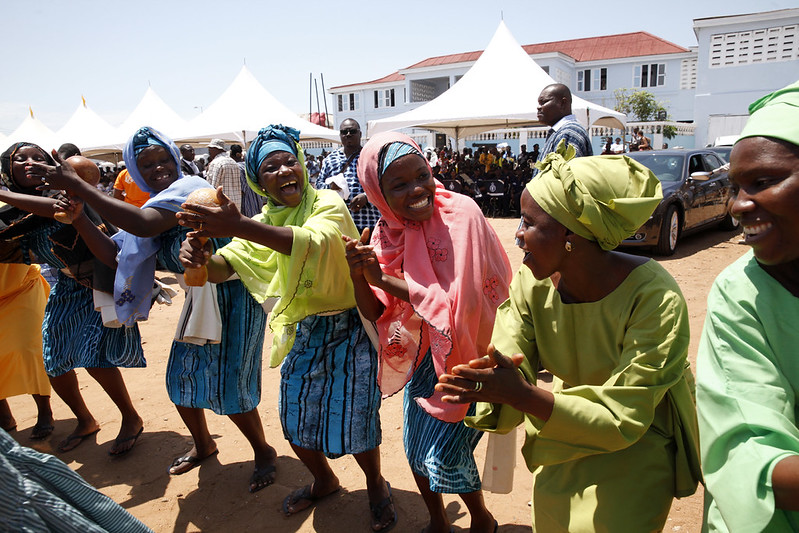 In Ghana, where 24.2% of people live below the poverty line, health issues and the adverse effects of poverty remain heavy burdens on the population. Disproportionate access to health care negatively impacts rural and low-income populations and exacerbates the health burden for these groups. Thus, investments in the development of various medical innovations in Ghana aim to alleviate the health burden and increase access to cost-effective services for rural communities.
The BioInnovation Center
Academic City University College in Ghana partnered with Northeastern University to establish the new BioInnovation Center. The center aims to improve the availability of medical equipment for more than 5,000 rural health clinics nationwide by developing low-cost biomedical devices. This on-campus center supports student-led research, prototype development and medical innovations in Ghana. Engineering medical devices within the country contributes to a more sustainable health care delivery system, given that the country imports more than 95% of its medical devices and supplies.
The BioInnovation Center manages several current projects being tested in Ghanaian clinics, including:
- Neonatal care devices for rural birthing centers
- Diagnostic tools requiring no electricity or consumables
- Medical refrigeration using solar power for vaccine cold chains
- Point-of-care testing platforms for infectious disease diagnosis
- Surgical instruments optimized for resource-limited operating facilities
The Drug Innovation Group
Ghana is leading the formation of a research network in medicinal chemistry to develop treatments for malaria, tuberculosis (TB) and cancer. It is the second country in Africa, after South Africa, to carry out early-stage design of drug candidates. Ghana has a high burden of TB and ranks among the 15 countries with the highest malaria burden. These diseases disproportionately affect low-income countries, where drugs are often unaffordable to a significant portion of the population. As a result, commercial incentives to develop treatments can remain limited.
The Drug Innovation Group (DIG) works in a laboratory officially opened in May 2024 at the University of Ghana. The lab includes more than U.S. $100,000 worth of advanced technology funded by the Bill & Melinda Gates Foundation. DIG aims to train the next generation of scientists in Ghana, starting with undergraduate students, to combat malaria and TB in Africa.
Mental Health
Ghana faces challenges in its mental health care system due to inadequate clinical resources, infrastructure, stigma and personnel shortages. The country has only one psychiatrist for every 1.5 million people, far below the World Health Organization’s recommended ratio of one psychiatrist per 100,000 people. Shortages of clinical psychologists and psychiatric nurses and disparities in access to care, particularly between urban and rural areas, contribute to limited treatment access. While an estimated 3.8 to 6.6 million Ghanaians live with moderate to severe mental health disorders, approximately only 2% receive formal treatment.
The West African Digital Mental Health Alliance (WADMA) builds collaboration between technologists and clinical researchers to advance mental health services through digital innovations. Digital mental health services help bridge access gaps for rural populations and offer a more discreet option for individuals reluctant to seek treatment due to stigma.
Another digital innovation in mental health care is the M-Healer smartphone toolkit. This mobile app targets traditional healers and provides educational materials and tutorials on mental health management techniques, such as de-escalation, deep breathing and reframing anxious thoughts. The integration of evidence-based treatment techniques promotes practices that prioritize human dignity and safety. M-Healer includes a dark mode interface to reduce battery consumption and offline functionality to serve those with limited internet connectivity and high data costs. Studies report reductions in harmful practices such as chaining and improvements in psychiatric symptoms, psychological distress and stigma among patients.
Mosquito Net Mesh for Hernia Repair
Inguinal hernia repair is one of the most commonly performed procedures in Africa. The standard procedure uses synthetic mesh, but many patients in low-income countries cannot afford this material. A cost-effective alternative has emerged in sub-Saharan Africa in the form of sterilized mosquito net mesh. Trials conducted in multiple hospitals in Ghana found sterilized mosquito net mesh to be an effective alternative to synthetic mesh for hernia repair in resource-limited settings.
Tricycle Ambulances
Due to long distances from clinics and limited affordable transport, people living in rural communities often face barriers to accessing emergency health care services. In response, the Moving Health Foundation deploys tricycle ambulances equipped with GPS tracking technology and designed to remain stable on rough roads. These ambulances are manufactured locally and cost 1% to 2% of the price of a traditional ambulance.
Another initiative repurposes existing motor tricycles into ambulances. These vehicles include a mobile application with tracking features and a communication system between the driver and the health facility. The initiative is projected to assist 1,800 people within the first year, including 300 mothers and caregivers.
Rapid Diagnostic Tool
Point-of-care ultrasonography (POCUS) is a rapid diagnostic tool used to detect blood clots, internal bleeding, gallstones and heart or lung problems in emergency settings. Health care workers trained to use POCUS can make immediate obstetric treatment decisions, improving maternal and neonatal health outcomes for more than 450 people in the Western and Savannah regions of Ghana.
Digital App for Tracking Pregnancy Care
The University of Health and Allied Sciences developed a digital platform and smartphone app to improve early pregnancy detection, optimize the timing and use of prenatal care and reduce referral costs. The system uses artificial intelligence and health system intermediaries to track women’s referral experiences, log postpartum care and assess treatment outcomes. This project is expected to enhance maternal health care for 3,000 people in the Upper West and North East regions of Ghana.
Live Monitoring for Medicine Stocks
A newly designed national digital system facilitates livestock reporting of medicines through SMS and automated ordering based on historical demand data. The system monitors medicine availability, tracks stock-outs and measures replenishment efficiency. Additionally, a national monitoring system can improve emergency response efficiency, prevent essential medicines from running out of stock and support equitable distribution across Ghana.
Looking Ahead
Interventions utilizing medical innovations in Ghana aim to expand health services to rural areas and provide more affordable alternatives for the significant number of Ghanaians living in poverty. The establishment of technology centers and laboratories focused on medical device and drug innovation in local universities is training the next generation of scientists and innovators to develop solutions suited to resource-limited settings. While Ghana has seen general improvement in health outcomes since 2018, locally based solutions remain essential to creating more equitable access to health services, transportation, medical devices and medicines.
– Sarah Merrill
Sarah is based in Matthews, NC, USA and focuses on Good News and Global Health for The Borgen Project.
Photo: Flickr
