• Link to X
  • Link to Facebook
  • Link to Instagram
  • Link to TikTok
  • Link to Youtube
  • About
    • About Us
      • President
      • Board of Directors
      • Board of Advisors
      • Financials
      • Our Methodology
      • Success Tracker
      • Contact
  • Act Now
    • 30 Ways to Help
      • Email Congress
      • Call Congress
      • Volunteer
      • Courses & Certificates
      • Be a Donor
    • Internships
      • In-Office Internships
      • Remote Internships
    • Legislation
      • Politics 101
  • The Blog
  • The Podcast
  • Magazine
  • Donate
  • Click to open the search input field Click to open the search input field Search
  • Menu Menu

Archive for category: Global Poverty

Key articles and information on global poverty.

Developing Countries, Global Poverty, Human Rights, Indigenous Peoples

Fragility and Rule of Law in Peru

Fragility and Rule of Law in PeruFragility and the rule of law in Peru remain closely intertwined with political instability, corruption and low public confidence have weakened the rule of law in Peru, limiting equal enforcement and protection of citizens’ rights.

These challenges limit accountability, restrict access to justice and disproportionately harm low-income and marginalized communities, reinforcing cycles of poverty. Peru has made economic gains over the past two decades, but since 2023, 29% of the population still lives in poverty with rural and indigenous communities facing the highest vulnerability.

Structural Weaknesses in Peru’s Justice System

Public confidence in Peru’s institutions is extremely low. According to the World Justice Project’s 2022 general population poll, only 36% of Peruvians believe high-ranking officials will face accountability for breaking the law, a modest improvement from 2018. Moreover, 84% of respondents believe most or all members of Congress are involved in corrupt practices with 78% stating the same of political parties.

This erosion of trust weakens democratic legitimacy and reduces incentives for people to engage with formal institutions, leaving vulnerable communities exposed to abuse and exclusion. Therefore, fragility and the rule of law in Peru directly shape the country’s ability to reduce poverty and promote inclusive development.

Peru has approximately 10 judges per 100,000 inhabitants, below the OECD European average of 18. Access to justice is uneven; only 27% of Peruvians with recent legal problems received professional assistance, 19% struggled with costs and 47% experienced stress or health hardships. Rural and Indigenous populations are disproportionately affected, reinforcing legal inequality.

For rural and Indigenous populations, geographic isolation and financial barriers make courts nearly inaccessible. Without reliable legal protection, people face higher risks of land dispossession, labor exploitation and environmental harm; all factors that deepen poverty and inequality.

Political Interference and Judicial Independence

Political interference has further undermined judicial independence in Peru. According to America’s director at Human Rights Watch, Juanita Goebertus states that “Peru’s Congress has severely weakened one of the last standing independent bodies that could serve as a check on its abusive practices.” As a result of these weakened oversights, it has reduced institutional autonomy and limits the ability to investigate corruption and organized crime. 

High-profile prosecutions, such as former President Martin Vizcarra’s, illustrate perceived selective enforcement and politicization, limiting public confidence in judicial impartiality.

In August 2022, Peru granted immunity to security forces accused of human rights abuses during the 1980–2000 internal conflict, halting more than 600 cases and overturning 156 convictions, raising concerns over international obligations.

Civil Society and Legal Accountability

Civil society organizations play a critical role in expanding access to justice and monitoring government conduct. However, recent legislation has introduced new restrictions on non-governmental organizations. The Guardian reported that new laws allow fines of up to $500,000 against NGOs that support legal actions against the state, potentially affecting hundreds of organizations involved in legal advocacy and human rights protection. These measures risk reducing legal support for marginalized communities and weakening external oversight, further undermining accountability under the rule of law in Peru.

As funding and advocacy space shrink, poor and marginalized populations lose essential support networks, making it harder to challenge abuses or access public services. This further illustrates how fragility and the rule of law in Peru compounds economic vulnerability.

Consequences and Reform Prospects

The erosion of the rule of law in Peru has measurable governance consequences. According to the World Bank’s Worldwide Governance Indicators, Peru’s rule of law score stood at -0.54 in 2023. These negative scores reflect weak confidence in contract enforcement, judicial independence and legal predictability. 

The OECD Justice Review emphasizes the need for reforms focused on strengthening judicial independence, expanding access to justice in underprivileged regions, improving institutional coordination and safeguarding civil society participation.

Government and NGO Responses To Rule of Law Challenges

Despite persistent challenges, government programs and NGO initiatives are working to strengthen the rule of law in Peru. One major effort is the Justice Sector Support Project (JSSP‑2), led by the American Bar Association’s Rule of Law Initiative (ABA ROLI) in collaboration with Peru’s Ministry of Justice and Human Rights and funded by the U.S. State Department. Launched in 2022, this program operates across all 34 judicial districts and seeks to consolidate judicial reforms, improve Peru’s capacity to combat complex crimes, prevent and detect corruption, and strengthen access to justice, especially for vulnerable and Indigenous communities. It builds on a previous five‑year project and has included nationwide oral litigation workshops with more than 600 participants, as well as practical training for prosecutors and police on environmental law and crime investigation.

Peru’s experience demonstrates the close relationship between state fragility and the erosion of the rule of law. There is empirical evidence that reveals low public confidence in accountability mechanisms, limited judicial capacity, political interference in legal institutions and growing constraints on civil society. Together, these factors undermine the effective functioning of the justice system and weaken democratic governance.

– Madison Brown

Madison is based in Nottingham, UK and focuses on Good News and Celebs for The Borgen Project.

Photo: Unsplash

February 3, 2026
https://borgenproject.org/wp-content/uploads/borgen-project-logo.svg 0 0 Jennifer Philipp https://borgenproject.org/wp-content/uploads/borgen-project-logo.svg Jennifer Philipp2026-02-03 01:30:502026-02-02 00:15:26Fragility and Rule of Law in Peru
Disease, Global Poverty, Health

5 Diseases Impacting Myanmar

Diseases Impacting MyanmarMyanmar is a nation of more than 100 ethnic groups, yet the Rohingya genocide has brought attention to the country’s corrupt military takeover from 2021. Due to the poor living conditions in the country and the current climate crisis, the diseases impacting Myanmar run rampant, but these are not just medical problems. They are symptoms of a broken health care system that conflict, repression, displacement and underfunding have weakened. However, the combined effort of international aid and volunteering has allowed some solutions to this health crisis. Here is information about five diseases that are impacting Myanmar.

5 Diseases Impacting Myanmar

The communicable diseases impacting Myanmar include:

  • Tuberculosis: The incidence rate of TB was 558 per 100,000 population in 2023 and close to 50,000 deaths are as a result of the disease in Myanmar. Treatment interruptions have increased drug-resistant TB, yet NGOs are still using community-based treatment. More than 3.5 million internally displaced people and worsening poverty have increased TB vulnerability. In 2024, Doctors Without Borders helped 480 people start treatment for TB, with 981 staff in Myanmar providing health care services.
  • Malaria: In 2023, there were 229,000 cases of malaria in Myanmar. Cases are resurging in conflict areas, despite proven interventions such as bed-net distribution, rapid testing and cross-border health programs. However, Myanmar aims to eliminate the transmission of malaria cases by 2030, and 126,562 patients received treatment between January and August 2025, according to Deputy Minister for Health, Professor Dr Aye Tun. 
  • HIV/AIDS: Disrupted access to antiretroviral therapy places lives at risk, even though mobile clinics have proven effective. In 2023, 0.9% of people aged between 15 and 49 suffered from HIV, with 5,800 of them dying. These diseases are not just affecting older people, but children and young adults, as well as people in detention.
  • Dengue Fever: Rising infections linked to poor sanitation highlight the need for investment in water, waste management and disease surveillance. Myanmar is a country with frequent and continuous risk of dengue, especially due to seasonal changes. In 2019, dengue fever mostly infects children aged between 5 and 9 years old with 4,473 cases registered. The Ministry of Health tries to combat dengue by killing mosquito larvae, then fogging houses near patients to eliminate mosquitoes.
  • Cholera/Diarrheal Diseases: Cholera is a waterborne disease that has surged in at least nine states in Myanmar since 2024. Around 300 people reported suffering from a cholera outbreak in late 2025, with seven confirmed dead. These people include vulnerable children without safe water or living conditions. Emergency WASH (Water, Sanitation and Hygiene) interventions that international donors support can address conditions.

Chronic Illnesses

Chronic illnesses such as diabetes, hypertension, heart disease and cancer are fatal for these people, because hospitals are underfunded, medicines are unavailable and travel to care is dangerous. Expanding access to health care, essential medicines lists and decentralized treatment is critical. Myanmar remains one of the world’s most underfunded humanitarian operations, receiving less than $136 million in 2025 of the $1.1 billion it needs.

The Relationship Between Poverty and Disease in Myanmar

In developing countries like Myanmar, preventative medicines and measures can be obtained by the wealthy, but this means that often, families without enough money face higher risks of dying from avoidable disease. Whilst in developed countries, the elderly are more likely to face these diseases, in Myanmar, people younger than the age of 70, and even children are suffering from both communicable and non-communicable diseases, due to the disparity between the country’s rich and the poor. Nearly 32% of the country lives in poverty. Poverty and disease in Myanmar share a symbiotic relationship, especially considering that after the 2025 earthquake, many people are living in tents, allowing outbreaks of cholera and other waterborne diseases to occur.

Solutions

There have been developments however. The Republic of Korea made a generous contribution to UNICEF to help families and the vulnerable in Myanmar, especially considering that one-third of more than 3.5 million displaced are children.

Organizations like Doctors Without Borders are trying their best to support Myanmar’s health care. Following the 2025 earthquake, it has restored more than 200 bore holes, supplied hospital beds and been trying to aid victims of serious diseases. Following the 2021 military coup, Doctors Without Borders donated medical supplies to Yangon and other locations. The success of help like this is demonstrated in the case of Ko Tin Maung Shwe, a patient suffering from HIV and hepatitis C. With hospitals being destroyed and the fear of travelling, Doctors Without Borders are helping patients like him with blood tests, consultations and medication. As well as this, it is expanding access to psychosocial support.

All of this help is essential because the ongoing conflict in Myanmar by the military regime has damaged civilian infrastructure and in 2023 alone, more than 418 attacks on health care had occurred. Alongside the violence, the climate crisis that has caused major earthquakes in Myanmar has led to an increase in the number of vulnerable people suffering from disease.

How Is the World Aiding Myanmar?

In 2025, the U.K. announced additional humanitarian funding to provide health care to 1 million people across Myanmar. The then Minister for Development, Anneliese Dodds, underscored this commitment by stressing that the U.K. would not abandon the people enduring a brutal conflict – one that has fueled a humanitarian emergency in a country already exposed to the impacts of changing weather patterns. This assistance has extended beyond the Rohingya community, supporting vulnerable populations nationwide, particularly in the aftermath of the 2025 Myanmar earthquake. Despite this, Donald Trump’s USAID cuts have severely limited the amount of health care support that exists, but countries within the EU, as well as NGOs like UNICEF, are still trying to help the crisis in Myanmar. UN agencies are committed to helping affected populations in Myanmar, proven by the fact that in July 2025, nearly 306,000 people across 59 earthquake-hit townships received health services.

Looking Ahead

People in Myanmar are in desperate need of humanitarian aid. They are not just suffering from war injuries, but they are also dying from illnesses that the international community already knows how to treat. The diseases impacting Myanmar are more than humanitarian crises, they are symbols of injustice, repression and perhaps even hope – hope that once the world understands how much the vulnerable people need help, they will act.

– Anisa Begum

Anisa is based in Birmingham, UK and focuses on Global Health for The Borgen Project.

Photo: Unsplash

February 3, 2026
https://borgenproject.org/wp-content/uploads/borgen-project-logo.svg 0 0 Jennifer Philipp https://borgenproject.org/wp-content/uploads/borgen-project-logo.svg Jennifer Philipp2026-02-03 01:30:162026-02-02 00:20:015 Diseases Impacting Myanmar
Education, Employment, Global Poverty

Poverty Reduction in Kashmir

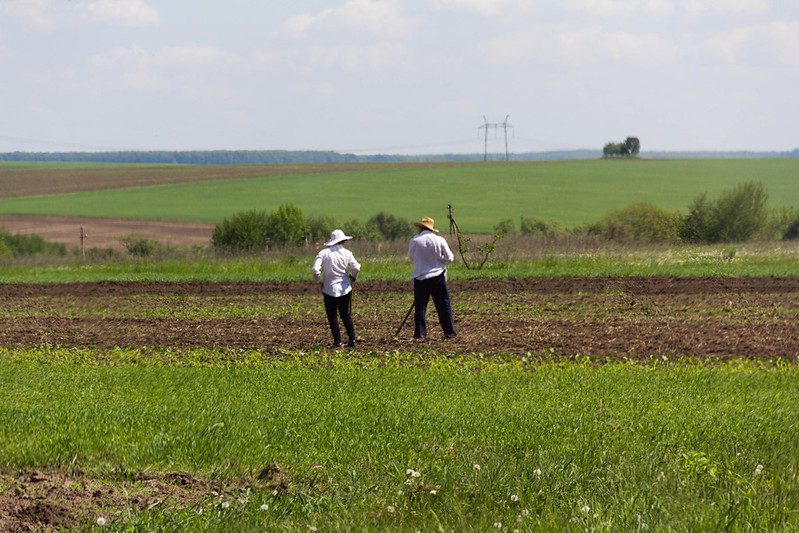
Poverty Reduction in KashmirIn many parts of Kashmir, income does not flow into households monthly. It depends upon tourism seasons, harvests, weather conditions and the access to markets that can disappear without any warning. For decades, this inconsistency and instability drove families through cycles of debt and unemployment. Today, poverty reduction in Kashmir is centered around rebuilding livelihoods that last more than a single season.

India has consistently and significantly reduced extreme poverty nationwide, according to the World Bank, but regions experiencing political tensions and geographical isolation face slower progress. In the state of Jammu and Kashmir, poverty stems from economic vulnerability, limited employment options, weak education systems and even weaker access to financial services. Development programs now focus on strengthening local income sources rather than relying on temporary assistance.

Farming and Handicrafts Anchoring Local Economies

Agriculture and handicrafts remain central to rural life in Kashmir. Small farmers and artisans often rely on narrow profit margins and informal markets. To address this, the International Fund for Agricultural Development (IFAD) supports projects that improve irrigation, better crop diversification and connect producers to more assured markets.

These initiatives help farmers reduce losses due to climate variability while increasing productivity. IFAD reports that similar rural livelihood programs across India have raised household incomes and improved food security, especially among smallholder farmers.

Women’s Self-Help Groups Promote Savings

Women lead self-help groups that have proven to be effective tools in poverty reduction in Kashmir. Through Jammu and Kashmir’s Rural Livelihoods Mission, women gain access to services such as savings accounts, low-interest loans and overall entrepreneurship training. 

Many women pioneer tailoring businesses, food processing units and other local shops. These enterprises guarantee a steady income and therefore, the household does not solely depend upon informal lenders. Government data demonstrates that the households involved in self-help groups experience greater financial stability and better access to social services.

Education and Skills Create Pathways for Youth

For young people in Kashmir, limited employment opportunities often reflect gaps in skills and education rather than a lack of ambition. Education disruptions and unemployment perpetuate the unending cycles of poverty. UNICEF works alongside local partners to reinforce school attendance, making digital learning more accessible and vocational training in underserved districts.

Skills programs target sectors such as information technology, hospitality and renewable energy maintenance. UNICEF reports that education interventions in conflict regions increase long-term earning potential and help to reduce economic vulnerability boosting resilience.

Employment Guarantees Offer Income During Uncertainty

Social protection programs provide critical support during periods of job instability. The Mahatma Gandhi National Rural Employment Guarantee Act (MNREGA) provides wage employment to households while funding community infrastructure projects. 

In Jammu and Kashmir, this program supports families during the agricultural off-seasons and economic and political disruptions. Official data indicate increased participation in recent years, helping households maintain a stable income all the while improving local infrastructure.

Entrepreneurship Expands Local Opportunity

Beyond the traditional rural livelihoods, entrepreneurships play a major role in poverty reduction in Kashmir. The Jammu and Kashmir Entrepreneurship Development Institute promotes small businesses through training, seed funding and mentorship.

These enterprises offer food processing, tourism services and handicraft exports as few of their services. Officials report that small businesses have grown significantly which has created local employment and reduces reliance on public assistance, multiplying the economic impact within said communities.

Building Resilience One Livelihood at a Time

Poverty reduction in Kashmir increasingly depends upon coordinated efforts that link livelihoods, education, financial inclusion and social protection. Challenges remain, but consistent and sustained investment in people and local businesses continue to help the economy build resilience across the state. 

Development experts emphasize that continuous progress requires sustained efforts and market access. As these initiatives expand, they offer a stable and steady path towards greater economic success for such affected families across Kashmir.

– Parthivee Mukherji

Parthivee is based in Edinburgh, Scotland and focuses on Global Health and Celebs for The Borgen Project.

Photo: Flickr
February 2, 2026
https://borgenproject.org/wp-content/uploads/borgen-project-logo.svg 0 0 Jennifer Philipp https://borgenproject.org/wp-content/uploads/borgen-project-logo.svg Jennifer Philipp2026-02-02 07:30:552026-02-02 00:04:52Poverty Reduction in Kashmir
Disease, Global Poverty, Health

Diseases Impacting Libya: Top 3 Factors Affecting Health Care

Diseases Impacting LibyaLocated in the north of Africa between Algeria and Egypt, Libya has a population of about 7.5 million people, most of them concentrated in urban, coastal cities like Tripoli and Benghazi. The World Health Organization (WHO) identified cholera and polio as very high risk diseases to impact Libyans in 2025. Other non-communicable diseases such as cancer are also threatening many individuals because of how expensive and difficult it is to get treatment. Here are the top three factors affecting health and safety, including access to health care and diseases impacting Libya.

1. Climate and Changing Weather Patterns

Libya is one of the world’s most arid countries. It witnesses periods of extreme heat, droughts and violent rain and dust storms. These acute weather conditions compromise health and safety, as access to potable water becomes more scarce and food insecurity spikes.

In September 2023, cyclone Daniel made a bad situation worse in terms of diseases impacting Libya, with flooding and damages to already deteriorating infrastructure including health and care facilities in Derna. Water contamination and lack of sanitation were top reasons for health concerns as storms also destroyed two dams upstream of the city. In the immediate aftermath of the storm, medical professionals were most concerned about potential cholera and acute watery diarrhea (AWD) outbreaks. As of October 3, 2023, the National Center for Disease Control (NCDC) reported 1,905 cases of AWD.

2. Sudanese Migration 

A war-torn Sudan has led many to flee and seek refuge in its neighboring countries. Since April 2023, cities like Al Kufra in Eastern Libya saw an influx of somewhere close to 500 Sudanese migrants passing through each day. Such a high number of refugees has led to issues like overcrowding, especially in settlements, which in turn could lead to an increase in diseases impacting Libya. 

Those arriving from conflict zones are often in ill-health. Be it communicable diseases or in poor mental-health, many have not had access to vaccinations or other preventative treatments that could avoid medical emergencies like outbreaks. Officials like WHO are most concerned about a cholera epidemic, though tracking its spread will prove difficult for lack of testing facilities and resources.

3. The Government

Since the 2011 Revolution, Libyans have witnessed waves of political fragmentation, tension and violence. The persistent conflict caused years of neglect in the health care system, ultimately resulting in inconsistent health care services for Libyans.

Opposing governments and factions fighting for power have divided the country, making it difficult, if not impossible, to coordinate with health care professionals and NGOs on the ground to establish clinical practice guidelines that would prevent outbreaks and efficiently combat diseases impacting Libya. 

Then, in April 2025 the Internal Security Agency (ISA) based in Tripoli announced the shutdown of headquarters of 10 major NGOs, including MSF, for compromising Libya’s social demographic and for promoting values that go against Libyan identity. MSF reported at least six known casualties in the weeks since it had to pull its aid, and expect the order to have more consequences on their patients that they will not be able to track due to loss of contact.  

Who’s Helping?

After Cyclone Daniel, organizations such as UNICEF, the Red Cross, the World Food Programme (WFP) and the International Medical Corps (IMC) sent immediate relief. This included, for example, renovating 25 health facilities, training more than 1,100 health care providers and distributing food to more than 15,000 people. 

Though the 10 humanitarian organizations ordered to leave Libya in April 2025 have not been allowed to return to date, there are still other groups present in the country. The International Medical Corps (IMC), for example, provided more than 27,000 medical consultations and helped countless refugees back on their feet as of July 2025. The European Union (EU) continues to fund aid in correspondence with WHO, Première Urgence Internationale and the IMC. In 2025, the EU funded €3 million in response to mass Sudanese migration. 

Given the inconsistency in health care provisions, NGOs on the ground are doing significant work for Libyans and refugees. There is still much work to do. Providing medical aid and investing in care facilities is just scratching the surface. Without addressing the climate crisis, the lack of accommodation for refugees and government fragmentation, health and safety will remain compromised and diseases impacting Libyans will continue to risk lives. 

– Brittany Buscio

Brittany is based in Montreal, Canada and focuses on Good News and Global Health for The Borgen Project.

Photo: Flickr

February 2, 2026
https://borgenproject.org/wp-content/uploads/borgen-project-logo.svg 0 0 Jennifer Philipp https://borgenproject.org/wp-content/uploads/borgen-project-logo.svg Jennifer Philipp2026-02-02 07:30:382026-02-02 00:09:19Diseases Impacting Libya: Top 3 Factors Affecting Health Care
Gender Equality, Gender Wage Inequality, Global Poverty

Gender Wage Gap in Slovakia

Gender Wage Gap in SlovakiaSlovakia’s modern era of government is relatively new. Slovakia was formerly part of Czechoslovakia and under Soviet control until the “velvet divorce” in 1993. Since then, Slovakia has become a parliamentary democracy and joined NATO and the European Union in 2004. Despite its prosperity, Slovakia is not exempt from common issues that countries face today, such as the gender wage gap. The European Union has voted for the EU Pay Transparency Directive, which means member states, including Slovakia, have until June 2026 to transpose the requirements into their legislation. Here is information about the gender wage gap in Slovakia.

The EU Pay Transparency Directive

The purpose of the directive is to close the 12.7% gender wage gap across the EU. According to the European Council, “The EU wants to strengthen the principle of equal pay for equal work between men and women.” The directive will ensure pay transparency by requiring EU businesses to report salaries and take action if the gender wage gap is higher than 5%. The European Commission monitors and enforces the implementation of the directive in member states. Additional requirements include wage transparency before employment, allowing employees the right to information on average pay levels and increasing the representation of women on supervisory boards. Further details of the EU Pay Transparency Directive are available on the “EU Action for Equal Pay” page of the European Commission’s website.

Research on the Gender Wage Gap

A 2025 research-based article by Paula Gašpercová determined the gender wage gap in Slovakia between men and women as 16.8%. In comparison, the wage gap in Slovakia between mothers and childless women is 9.9%. One reason for this difference is that women often work in parts of the economic sector with lower compensation. Despite women often being more educated than men, their preference for the humanities leads to lower-paid jobs, while, in contrast, men are more likely to work in technical and scientific fields.

Further research shows women fall behind in their careers after becoming mothers. Additionally, mothers seek jobs based on security and flexibility rather than financial benefits. When complemented by the domestic responsibilities that women disproportionately carry out, this results in fewer opportunities for career advancement.

The unpaid care labor that women often perform is vital to the economy, and if one were to assign it a monetary value, it could exceed 40% GDP, according to UN Women. Care work largely does not receive recognition, even though it directly contributes to capital production. Therefore, women who are balancing the majority of unpaid labor with (often low-paying) jobs are less likely to reach economic independence, gather less savings and have lower retirement pensions, which collectively leaves them at risk of poverty. 

Gašpercová refers to Slovakia as a traditional country in which women are more likely to bear familial responsibilities. For example, while parental leave is available to both men and women, women use it more often. Furthermore, women are hindered from returning to work by limited access to child caregiving services. Beyond the current research, there are still unknown factors affecting the gender wage gap that suggest discrimination and other unquantified components.

Slovakia’s New Pay Transparency Laws

Slovakia’s Ministry of Labour, Social Affairs and Family introduced new legislation in September 2025 that fully transposes the EU Pay Transparency Directive to close the gender wage gap in Slovakia. As Trusaic outlined, changes brought on by the new legislation include requiring private employers to report any gender wage gap. Gender wage gap reports must be published and disclosed to internal employees. While Slovakia’s current law prohibits discrimination based on gender and encourages equal pay for equal work, the EU Pay Transparency Directive creates enforceable standards and increases employer scrutiny. Slovakia is expected to enact the new EU Pay Transparency Directive legislation by June 7th, 2026.

Gini Index

The Gini index measures income inequality by calculating how wealth is distributed among members of a household, with the ideal number being 0, as it signifies total equality. In 2023, Slovakia’s Gini index was 23.80. The World Bank gathers information on the Gini index when comparing global economies since data demonstrates a direct correlation between lower poverty rates and a lower Gini index.

The Slovak government is preparing to take appropriate action, informed by the EU Pay Transparency Directive, to close the gender wage gap. Encouraging businesses to provide equal pay for equal work is one step in the process of providing women with the opportunities to overcome systemic barriers. The introduction of pay transparency legislation will contribute to lower rates of income inequality, less poverty and will subsequently lead to further economic growth for Slovakia.

– Thirza List

Thirza is based in the United States and focuses on Politics for The Borgen Project.

Photo: Unsplash

February 2, 2026
https://borgenproject.org/wp-content/uploads/borgen-project-logo.svg 0 0 Jennifer Philipp https://borgenproject.org/wp-content/uploads/borgen-project-logo.svg Jennifer Philipp2026-02-02 07:30:062026-02-01 23:58:49Gender Wage Gap in Slovakia
Global Poverty, Water

Innovations in Poverty Eradication in Benin

Poverty Eradication in BeninInnovations in poverty eradication in Benin are essential, as nearly 40% of the population lives below the national poverty line. Poverty affects rural communities most severely, where the poverty rate rises to 44.2%. Rapid population growth of 2.7% and a high fertility rate of 4.8 children per woman place additional strain on families and public services. Many households struggle to access basic necessities such as food, clean water and electricity, making it difficult to break the cycle of poverty.

Benin has made meaningful progress in reducing poverty by combining environmental planning, entrepreneurship and public investment. While many families still struggle with low incomes and limited opportunities, new approaches focused on sustainability and economic inclusion have begun to improve daily life for vulnerable communities.

Located in West Africa, Benin faces ongoing challenges such as changing weather patterns, job scarcity and income inequality. These pressures fall hardest on rural communities, where agriculture remains the main source of income. In response, the government and development partners have introduced innovative solutions designed not only to reduce poverty but also to create long-term stability.

Building a Green and Sustainable Economy

Over the past decade, Benin has aligned its national development strategy with the United Nations Sustainable Development Goals (SDGs). According to the Sustainable Development Solutions Network, the country has built a strong foundation for a green transition by investing in renewable energy, sustainable agriculture and climate-resilient infrastructure. These investments aim to reduce environmental risk while supporting economic growth.

For farmers across Benin, changing weather patterns have made daily life increasingly uncertain. Unpredictable rainfall, flooding and soil degradation threaten harvests and household incomes. Agriculture employs a large share of the rural population, yet food insecurity remains widespread. More than 547,000 people are classified as severely food insecure, and nearly 83% of households cannot afford a healthy diet, placing farming families at high risk of falling deeper into poverty.

The focus on climate-resilient agriculture has proven especially important for rural households. Unpredictable rainfall and land degradation threaten food production and income stability for farmers.

Since the launch of Benin’s national development plan in 2019, the government has promoted practices that improve soil quality and conserve water. These efforts include agroforestry, crop rotation, conservation agriculture and improved water management techniques. Together, these changes help protect farmland from erosion and allow crops to survive droughts, irregular rainfall and flooding.

Simultaneously, improving water quality has strengthened these efforts to reduce poverty. Access to safe drinking water lowers the risk of waterborne diseases that can keep children out of school and prevent adults from working. Programs that build wells and water systems in rural communities have improved public health and allowed families to spend more time on farming and other income-generating activities.

Improving Clean Water Access

Government and donor-supported water programs have expanded wells and rural water systems, improving access to clean drinking water. One significant initiative is the AQUA‑VIE Rural Water Supply Universal Access Program-for-Results, supported by the World Bank, which provides household connections, standpipes, and sustainable water systems to more than three million rural residents. With less time spent collecting water or dealing with illness, families can focus more on farming, education and income-generating activities.

As food security improves, families face fewer economic disruptions and gain greater financial stability. These changes help prevent households from falling deeper into poverty and allow communities to plan for the future with more confidence.

Supporting Entrepreneurs to Create Jobs

Entrepreneurship has become another key driver of poverty reduction in Benin. Organizations such as TechnoServe support small business owners by providing training, access to markets and financial guidance. These programs focus on entrepreneurs who often lack resources, including women and young people.

In recent years, TechnoServe-supported programs in Benin have helped more than 110,000 entrepreneurs and small businesses increase their revenue and economic outcomes, including through agricultural market access and business development, while generating more than $58 million in financial benefits for local communities.

As small businesses grow, they create jobs and generate income beyond a single household. Entrepreneurs who succeed often hire workers from their communities, strengthening local economies and reducing unemployment. This ripple effect allows economic benefits to reach a wider population.

A focus on long-term business growth allows entrepreneurship programs to move beyond short-term assistance and help communities build self-sustaining economic systems. These efforts play a critical role in innovations in poverty eradication in Benin.

Government Policies That Protect Vulnerable Groups

Government policy has also played a central role in reducing poverty. According to the International Monetary Fund (IMF), Benin has improved how it manages public spending while increasing investment in education, health care and social protection programs. These reforms aim to balance economic growth with social support.

Education remains a major priority, as more than half of Benin’s population is illiterate. While free primary education has increased enrollment to 97%, approximately 30% of children drop out before completing school, with girls disproportionately affected. In response, the government and international partners are expanding vocational training programs to better prepare young people for the workforce.

Health care and social protection play a crucial role in improving life outcomes for vulnerable families. Since under-five mortality remains above 80 deaths per 1,000 children and average life expectancy is just 60 years, access to quality health services is critical. National school feeding programs supported by the World Food Programme (WFP) provide children with proper nutrition and support their education while building resilience that strengthens families and communities over time.

Education and vocational training programs help young people develop skills that match labor market needs. Additionally, social protection initiatives provide support to families facing economic hardship. Collectively, these programs strengthen human capital and improve long-term economic resilience.

By investing in people and public services, Benin has created a more stable foundation for the eradication of poverty. These policies support sustainable growth and reduce vulnerability to future economic shocks.

A Positive Path Forward

Benin’s progress shows how combining environmental sustainability, entrepreneurship and public investment can lead to lasting change. Rather than relying on a single solution, the country has adopted a coordinated approach that addresses poverty from multiple angles.

Economic growth climbed to 7.5% in 2024 while poverty fell to 31%. In light of ongoing reforms in taxation, social protection and climate resilience, thousands of people have the potential to be lifted out of poverty each year. While challenges remain, innovations in poverty eradication in Benin serve as a hopeful model for how developing nations can improve living standards while building a brighter and more promising future.

– Anaisha Kundu

Anaisha is based in Skillman, New Jersey, USA and focuses on Technology and Solutions for The Borgen Project.

Photo: Unsplash

February 2, 2026
https://borgenproject.org/wp-content/uploads/borgen-project-logo.svg 0 0 Jennifer Philipp https://borgenproject.org/wp-content/uploads/borgen-project-logo.svg Jennifer Philipp2026-02-02 03:00:512026-02-01 23:44:58Innovations in Poverty Eradication in Benin
Economy, elderly poverty, Global Poverty, Health

Why Elderly Poverty in Mozambique Is Rising

Elderly Poverty in MozambiqueWidespread poverty continues to erode living conditions across Mozambique, leaving older adults among the country’s most vulnerable populations as economic crises and weak social protection systems drive financial insecurity. Here is some information about elderly poverty in Mozambique and information about what is occurring to address it.

Economic Crisis Deepens Elderly Hardship

Economic shocks deepen elderly poverty in Mozambique, as rising food and fuel prices undermine economic stability, strain household budgets and push vulnerable older adults further into financial insecurity. COVID-19, natural disasters, inflation and social instability have compounded elderly poverty in Mozambique. Many older Mozambicans rely on small-scale agriculture, livestock and informal income sources for survival, yet still fall below the poverty line. The loss of job opportunities and the increase in essential goods and social services reduce older adults’ purchasing power, forcing them to cut back on nutritious foods, health care and other basic needs.

In 2015, nearly half of Mozambique’s population– approximately 46.1%–lived below the poverty line. By 2022, this figure had surged to 65%, and recent estimates suggest that by 2025 nearly 75% of Mozambicans live in poverty, with approximately 1.35 million adults aged 60 and older facing severe economic hardship, highlighting the growing scale of elderly poverty in Mozambique.

Weak Social Protection Aggravates Elderly Poverty

Limited economic capacity, along with weaknesses and inefficiencies in Mozambique’s domestic social protection and administrative systems, drives vulnerability among the elderly population.

Although the Basic Social Subsidy Programme for older adults (PSSB-Elderly) in Mozambique improves food security following economic shock, structural and systemic weaknesses in program implementation cause these gains to diminish over time. Uneven distribution of PSSB payments has led to significant regional disparities among older adults across Mozambique. In Gaza, approximately 73% of poor older adults benefit from the program, while coverage remains far lower in poorer provinces such as Nampula and Zambezia, where the program reaches only 39% of elderly individuals.

Despite existing health inequities, inconsistencies in PSSB payments also reduce the program’s effectiveness, leaving many older Mozambicans vulnerable to food insecurity and health problems.

Irregular PSSB payments and program design that incentivizes households to declare additional members can increase instability and uncertainty, potentially worsening living conditions for beneficiaries.

Addressing Poverty and the Health Crisis in Mozambique

In 2021, GiveDirectly began delivering unconditional monthly cash transfers to rural households in Sofala Province to reduce extreme poverty and strengthen household resilience. The program provides direct cash assistance to individuals and families, allowing recipients to decide how best to meet their own needs.

GiveDirectly also aims to improve food security, expand financial inclusion and support long-term recovery. Since 2021, GiveDirectly has expanded its program across multiple districts, including Mogovolas, Nhamatanda and Memba, and launched initiatives focused on climate-smart agriculture and conflict-resilient livelihood in 2024 and 2025.

By 2025, GiveDirectly had implemented five cash transfer programs, delivering more than $20 million in cash transfers and reaching more than 32,000 people across Mozambique. Individuals and households used the cash to secure food, access health care and economic investment.

At the same time, the World Institute for Development Economic Research of the United Nations University recommends strengthening administrative systems, ensuring more equitable PSSB payment coverage among older adults and improving payment consistency to support elderly well-being in Mozambique.

Looking Ahead

Reducing elderly poverty in Mozambique requires sustained investment and financial support to address long-standing economic hardship due to recurrent natural disasters and domestic conflict, along with strengthening the country’s social protection systems to ensure reliable financial security for older adults.

– Yuhan Rong

Yuhan is based in San Diego, CA, USA and focuses on Global Health and Politics for The Borgen Project.

Photo: Flickr

February 2, 2026
https://borgenproject.org/wp-content/uploads/borgen-project-logo.svg 0 0 Jennifer Philipp https://borgenproject.org/wp-content/uploads/borgen-project-logo.svg Jennifer Philipp2026-02-02 03:00:122026-02-01 23:54:58Why Elderly Poverty in Mozambique Is Rising
Disability, disability and poverty, Global Poverty

Disability and Poverty in Mali: The Facts and the Fixes

Disability and Poverty in MaliMeeting the needs of all includes those with differing struggles, and caring for a country’s people includes those with disabilities. Mali is a large country in West Africa, with an economy that relies heavily on agriculture and physical labor. Many people face barriers due to disability, which hugely exacerbates poverty in Mali. Disability and poverty in Mali are inextricably linked, as many are affected by various conditions that are not necessarily present in other countries.

Mali has a high rate of malnutrition and an unstable government that has few social programs in place. Wasting, diseases and physical deformities from landmine explosions are some examples of disabilities that hugely affect people living in Mali. Ongoing efforts by humanitarian organizations to improve health, living conditions and employment opportunities for disabled individuals foster hope for positive change.

Facts About Disability and Poverty in Mali

Data shows a seven percentage point gap in poverty rates between disabled and non-disabled populations. This means that a person living in Mali is seven percentage points more likely to live in poverty if they are disabled than if they are able-bodied. Many people fall into this category, as disabled people are not only discriminated against but are also unable to reach vital resources that are needed to live a healthy life. Only 36.82% of disabled people are employed or have a paying job of any kind, and only 24.13% of disabled people live in adequate and safe housing. Only 29.9% of disabled people live in households with sanitation and in conditions that are hygienic, causing disease that can worsen disability and create unhealthy conditions for others around them.

UNICEF’s Efforts to Address Disability in Mali

However, measures have been taken, thanks to UNICEF, to decrease both physical trauma and medical disability in children in Mali. About 222,864 children ages six through 59 months with severe wasting and malnutrition were admitted for medical treatment, eliminating future disability for those already living in poverty. Meanwhile, 34,338 children received vaccinations against measles and other potentially disabling diseases this year alone, helping prevent the spread of diseases that could be passed along and cause outbreaks. UNICEF provided 50,432 children with landmine prevention tactics to protect them from harm caused by explosions due to the country’s unstable government and continuing effort to displace its people in the northern half of the country. 

The Humanity Inclusion Group

Since 2016, the Humanity Inclusion Group has launched projects focused on adult health and disability prevention. By enhancing reproductive health services, the project has reduced infant mortality and disability risks for mothers and infants. It has made reproductive health much more accessible in Timbuktu and has partnered with the region’s Ministry of Health. They have also helped reduce the number of new infections among people with disabilities by improving their access to HIV prevention. Prevention and treatment of HIV and AIDS is a huge issue in Mali, and giving more legal opportunities for the people there to seek help is a necessity to fully address disability poverty.

The Humanity Inclusion Group is also helping those impacted by disability poverty through training in sectors such as agriculture. Projects have aimed to improve the living conditions of vulnerable people in Mali. They have been including people with disabilities in the working population and workforce in the Bamako region. This is an important undertaking because the majority of Mali’s workforce and economy is based on agriculture and rural farming.

The Sissako and Bamako regions, especially, are rural, and this project aims to reach those areas and provide valuable learning and tools to help disabled people find employment and receive education about their rights in the workplace. They have also met the basic food and non-food needs of vulnerable households. This initiative is intended for homes classified as in a food crisis. Participants receive coupons for pre-identified shopkeepers, which they can use to purchase goods needed for healthy living in the Timbuktu region. 

Looking Ahead

Understanding Mali’s economy, agricultural roots, and political turmoil paints a picture that is unkind to individuals with disabilities. Much of the work already occurring is to build social structures around the people of Mali and support them in areas where they cannot support themselves. Controlling the spread of disease and physical harm among children is one of the best ways to decrease unnecessary disability in the future. For others, support and social work are the best options for effectively meeting their needs, whether those needs are for food, sanitation, housing or employment. Work still needs to occur, but disability and poverty in Mali are issues that are at the forefront of these organizations’ minds.

– Eddie Hofmann

Eddie is based in Seattle, Washington, USA and focuses on Good News and Global Health for The Borgen Project.

Photo: Unsplash

February 2, 2026
https://borgenproject.org/wp-content/uploads/borgen-project-logo.svg 0 0 Jennifer Philipp https://borgenproject.org/wp-content/uploads/borgen-project-logo.svg Jennifer Philipp2026-02-02 03:00:062026-02-01 23:49:02Disability and Poverty in Mali: The Facts and the Fixes
elderly poverty, Global Poverty, Government

Elderly Poverty in Montenegro

Elderly Poverty in MontenegroIn recent years, the population of Montenegro has been characterized by its growing number of older citizens. During the last 50 years, the population of people aged 60 and older has tripled.

The trend of a fast-aging population is concentrated in the country’s rural northern municipalities, which are home to more than half of Montenegro’s poor population. This rise is due to a stagnating birth count, increased life expectancy and a growing trend in young people moving away from the country – resulting in a reduced population base for reproduction.

The increase in an aging population is predicted to continue: by 2050, the UN estimates that 30% of the nation’s population will consist of older persons (people who are above the age of 65).

This article will identify some of the key causes of elderly poverty in Montenegro, what elderly poverty in Montenegro looks like and what solutions the Montenegrin government is rolling out to try and combat elderly poverty in a country whose population is rapidly aging.

Key Issues That the Elderly in Montenegro Face

Older and elderly people are already among the nation’s vulnerable, and a vast majority of them live in the most rural areas of the country – particularly in the nation’s north, where urbanization has been slower to progress.

The Red Cross of Montenegro has reported that many elderly and older persons are increasingly isolated from younger family members and the youthful population. The youth of Montenegro are more inclined to move away from rural areas towards the cities in the south, or are likely to seek opportunity further afield – through travel, work or study abroad. As a result, elderly and older citizens are increasingly cut-off from opportunity and resources: older persons living in poverty in Montenegro’s rural areas have less access to social transport options, are less likely to access medical services and are less able to rely on assistance from younger people.

The elderly living in poverty are thus at risk of a lack of community, as the physical and social gap widens between this age group and younger generations. As the elderly population’s physical mobility becomes reduced, the logistics of travelling from place to place becomes more restricted, particularly in rural areas where transport options are few and far between.

One can see the roots of elderly poverty in Montenegro in the wider context of poverty within the country. In October 2025, Marina Medojević, President of The Food Bank – one of Montenegro’s many NGOs committed to tackling domestic poverty – stated that one-fifth of the country’s population lives in poverty. Medojević emphasized that the nation’s most vulnerable groups – including ‘‘the unemployed, sick, and elderly” – feel the effects of poverty the sharpest.

Government Efforts

Poverty affects a large percentage of Montenegro’s population, but elderly poverty is particularly an issue, as the population of older persons increases and many of them exist on a very low income. More than half of retirees in Montenegro are surviving on minimum benefits – an income that is less than half the average salary. Moreover, many elderly and older persons rely on the material support (MO) benefit, which UNICEF has reported to be “inadequate for households which rely solely on this program as their source of income to meet their basic needs.”

As the government of Montenegro works towards gaining EU membership, some are calling for it to treat elderly poverty in Montenegro as a priority when it comes to modernizing social systems. The government has already taken steps to address elderly poverty in Montenegro:

In 2024, responding to the pressures to increase social benefits for older and elderly citizens, the government raised minimum monthly pension benefits  to EUR 450 – more than doubling the previous allowance. The Montenegrin government increased social transfers from 11% of total GDP in 2021 to 13.8% in 2024, demonstrating an effort to reform some of the social systems that protect vulnerable citizens, including the elderly. The government has also invested in constructing residential homes for the elderly, in order to meet the increasing demand due to the rate of growth of the elderly population.

The Red Cross’ Work

Other organizations, such as the Red Cross, help target the issue of elderly poverty and elderly isolation in Montenegro, by facilitating home care and social clubs. As part of its social clubs, the Red Cross connects elderly people with experts across many different fields – including doctors, psychologists and lawyers – to provide them with advice and opportunities to keep learning and to benefit their health and wellbeing.

UNDP and Local Programs

The United Nations Development Programme (UNDP) also supports local programs aimed at supporting the elderly population of Montenegro. This includes the Andrijevica Retirees Association, who were able to start the “Veterans” project with funding from the EU. This project promoted social activities in the local community for older persons, focusing on fostering wellbeing and improving quality of life for the elderly. The “Veterans” project further sought to make information about health care facilities more accessible for elderly citizens living in Andrijevica, a small town in the nation’s north. 

Moving Forward

Many organizations are still calling for further action to occur. In its Social Protection Situational Analysis of 2022, UNICEF reported that “the country will need to further improve its poverty-targeted programs,” and that the “financing of social services has been low and a minimum level of services cannot be guaranteed…which will only be exacerbated by an aging population requiring long term care.” This analysis predicts that greater demand will lead to greater strain on Montenegro’s social services, if the government does not implement reforms to prevent this.

– Anna Clare

Anna is based in Chester, UK and focuses on Good News and Politics for The Borgen Project.

Photo: Flickr

February 2, 2026
https://borgenproject.org/wp-content/uploads/borgen-project-logo.svg 0 0 Jennifer Philipp https://borgenproject.org/wp-content/uploads/borgen-project-logo.svg Jennifer Philipp2026-02-02 01:30:582026-02-01 23:34:06Elderly Poverty in Montenegro
Global Poverty, Health, WHO

Surpassing WHO’s Goal To Eliminate Cervical Cancer in Rwanda

Cervical Cancer in RwandaOn February 1, 2025, Rwanda launched a mission entitled Mission 2027, where they are trying to sustain a goal of reducing the number of cases of cervical cancer in women in Rwanda. This goal aims to reach fruition three years ahead of the World Health Organization’s (WHO) mission of 2030.

Rwanda is a country in East Africa with a population of around 14.26 million people. Famous for its scenery, exceptional tea and coffee, rich culture, and wildlife. Despite these positive reinforcements, Rwanda struggled for a long time with its health system and keeping women in Rwanda safe against certain diseases, particularly cervical cancer.

In the late 2000s, cervical cancer became a major health concern for people living in Rwanda because life expectancy for people grew, and non-communicable diseases (NCDs) were more prominent. With this in mind, cervical cancer became a high priority to stop in Rwanda, and it became the first country in Africa to launch free HPV (Human Papillomavirus) vaccination in 2011. The steps that government and health care workers are taking, and have taken, have given Rwanda the ability and steps to stay on track with Mission 2027.

Mission 2027, also known as the Accelerated Plan for Cervical Cancer Elimination 2024-2027, is just how it sounds. It is a national strategy to eliminate cervical cancer three years before the World Health Organization’s goal for the world by 2030. This program includes expanding vaccination, having advanced screening and improving access to treatment.

History of Cervical Cancer in Rwanda

Cervical cancer is the most common cancer that exists in women in Rwanda, followed by breast and stomach cancer. According to the WHO, cervical cancer ranked fourth for the most common cancer in women in 2022. In 2023, the Global Cancer Observatory estimated 866 new cases of cervical cancer, with 609 deaths.

Some of the most difficult steps in eliminating this disease are getting women to screen for the disease, not just getting the vaccination. One of the biggest blockades of this was the 1994 genocide that left the health system of Rwanda in shambles.

The genocide had an estimated 800,000 people murdered, in the span of 100 days, including the majority of health care workers, like doctors and nurses, who either died or fled the country. This incident hurt an already struggling country with its health care, especially during a time where their rates of cervical cancer were growing and are continuing. The use of wartime rape as a method against women did not help the growing numbers of cervical cancer and HIV.

Ever since this incident, the Rwanda government has been working towards rebuilding the health care system and prioritizing health for people. Cancer care for people in Rwanda is continuing to grow with the opening of the Butaro Cancer Center of Excellence that was on July 1, 2012, from the collaboration with Partners in Health (PIH).

This service originated because there were not a lot of available cancer treatments in Rwanda for women to go to, along with a lack of treatment for women who received diagnoses. Taking the steps toward Mission 2027 has the ability to keep Rwandans grounded and help younger women stay healthier and get the treatment and care that they need.

Poverty and Cervical Cancer

Before the Rwandan genocide happened, the health care system of Rwanda was extremely weak. The hospitals that already existed were too expensive for the average citizen and were not located where the majority of people lived, which is the rural regions.

After the Rwandan genocide, the Rwanda health care system became more strained and almost too far gone. The genocide destroyed more than 80% of the health infrastructure along with most doctors fleeing the country or dying in attacks. The genocide interrupted vaccinations and prenatal care, along with many other programs, and had little to no coverage.

Despite the hardships that Rwanda faced after the genocide, health care became pushed to the front for the public and the government. According to an article from Harvard, the use of genocidal rape increased the spread of HIV/AIDS and cervical cancer, which brought to light the lack of clinicians who could address the health issues on the ground.

Rebuilding the Health Care System in Rwanda

The RPF-led government rebuilt the shattered health care system of Rwanda. RPF, which stands for the Rwandan Patriotic Front, prioritized the training and provision of local health care workers in each of Rwanda’s villages. Ever since the RPF pushed their focus for creating a more stable health care system, vaccinations for cervical cancer have increased to more than 90% coverage for girls.

Rwanda has continued to maintain this high number of vaccinations since 2011, along with implementing a system where four health care workers are elected in each of the 15,000 villages in Rwanda. The RPF even prioritized the building of rural health centers, where the majority of people in Rwanda live.

All of these changes and developments occurred with the establishment of Mutuelle. Mutuelle offers insurance at an average U.S. cost of $2 with a guaranteed out of pocket cost of up to 10%. This number changes for the wealthier in the country, but Mutuelle covers 91% of Rwandans, compared to less than 7% of the population in 2003.

Steps To Eliminate Cervical Cancer

According to the International Agency for Research on Cancer (IARC), the World Health Organization launched a plan entitled 90-70-90 as part of Mission 2027 to eliminate cervical cancer by 2030:

  • 90% of girls are fully vaccinated with the HPV vaccine by age 15.
  • 70% of women are screened with a high-performance test by 35, and again by 45 years. 
  • 90% of women identified with cervical precancer or cervical cancer receive adequate treatment and care.

Once a country reaches a certain threshold of cervical cancer cases being below four per 100,000 women to years, that is when a country is considered to have eliminated cervical cancer.

Mission 2027 has already passed many milestones; 93% of girls in Rwanda are vaccinated, 31% of women screened and 81% of women with precancerous lesions and cervical cancer are receiving treatment.

Despite the setbacks that Rwanda has faced over many years, these setbacks are what is keeping Rwanda on the right track to accomplishing Mission 2027. Rwanda continues to showcase its resilience and passion for helping its people and keeping its health system up to date. With the perseverance of the government in Rwanda, and working closely with the WHO and many hospitals, women are at a point where they can get the help that they need and keep their health taken care of.

– Elizabeth Fryer

Elizabeth is based in Philadelphia, PA, USA and focuses on Technology and Global Health for The Borgen Project.

Photo: Unsplash

February 2, 2026
https://borgenproject.org/wp-content/uploads/borgen-project-logo.svg 0 0 Jennifer Philipp https://borgenproject.org/wp-content/uploads/borgen-project-logo.svg Jennifer Philipp2026-02-02 01:30:562026-03-17 02:16:12Surpassing WHO’s Goal To Eliminate Cervical Cancer in Rwanda
Page 56 of 2162«‹5455565758›»

Get Smarter

  • Global Poverty 101
  • Global Poverty… The Good News
  • Global Poverty & U.S. Jobs
  • Global Poverty and National Security
  • Innovative Solutions to Poverty
  • Global Poverty & Aid FAQ’s
Search Search

Take Action

  • Call Congress
  • Email Congress
  • Donate
  • 30 Ways to Help
  • Volunteer Ops
  • Internships
  • Courses & Certificates
  • The Podcast
Borgen Project

“The Borgen Project is an incredible nonprofit organization that is addressing poverty and hunger and working towards ending them.”

-The Huffington Post

Inside The Borgen Project

  • Contact
  • About
  • Financials
  • President
  • Board of Directors
  • Board of Advisors

International Links

  • UK Email Parliament
  • UK Donate
  • Canada Email Parliament

Get Smarter

  • Global Poverty 101
  • Global Poverty… The Good News
  • Global Poverty & U.S. Jobs
  • Global Poverty and National Security
  • Innovative Solutions to Poverty
  • Global Poverty & Aid FAQ’s

Ways to Help

  • Call Congress
  • Email Congress
  • Donate
  • 30 Ways to Help
  • Volunteer Ops
  • Internships
  • Courses & Certificates
  • The Podcast
Scroll to top Scroll to top Scroll to top