Homelessness in Wallis and Futuna: A Hidden Problem
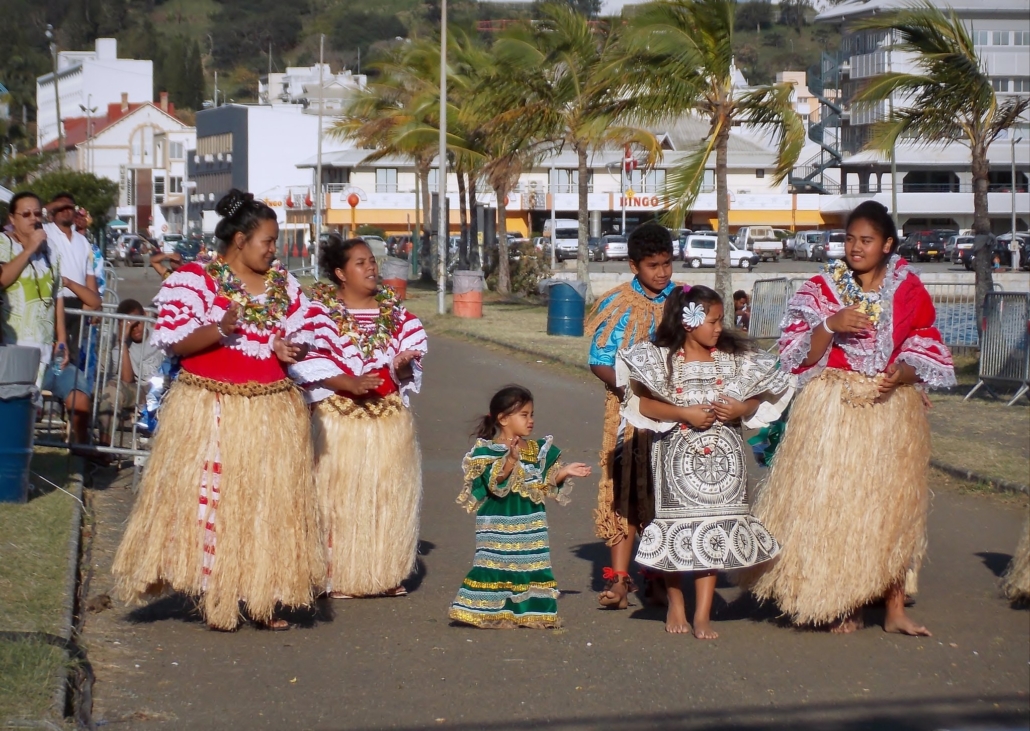 Homelessness in Wallis and Futuna does not fit the typical image of people sleeping on city sidewalks. Instead, it resembles situations in places like Fiji, manifesting through housing insecurity and overcrowding that quietly impact residents’ lives. With rising climate risks and high prices for goods, families increasingly rely on informal support systems and French-backed programs to keep their homes.
Housing and Poverty in a Remote Territory
Wallis and Futuna is a French overseas territory with a population of about 11,140 people spread across the islands of Wallis, Futuna and Alofi. As a French collectivity, it enjoys social protection, free public health care and links to France’s welfare system. Despite this, its geographic isolation and small market limit stable job opportunities.
Authorities conducted its latest population and housing census in Wallis and Futuna in 2023. However, the 2018 census most recently counted every household and community residence, including boarding schools and retirement homes. That census tracked the living conditions of residents and housing stock. While agencies/officials have not widely published detailed figures on homelessness in Wallis and Futuna, the census framework indicated that authorities focused on issues like overcrowding, shared homes and vulnerable residents rather than the percentage of people living on the streets.
When Homelessness Means Inadequate Housing
With about 21% of Wallis and Futuna’s residents living below the housing poverty in 2020, this phenomenon of “hidden” homelessness is characterized by residents living in overcrowded conditions, substandard homes and precarious tenure rather than people sleeping outside. Those from low-income backgrounds live in informal and semi-formal settlements that do not meet basic standards regarding safe water access, sanitation and structural quality.
These issues are not new to Wallis and Futuna. The territory has limited land, is vulnerable to tropical storms, and depends on a small, aid-dependent economy. Consequently, those without stable housing often live with extended families, move frequently between islands, or rely on church and community networks. These circumstances align with larger international definitions of housing insecurity and hidden homelessness.
Support Systems and French Policy Connections
French public systems play a significant role in preventing extreme homelessness in Wallis and Futuna. The French government funds a free public health system that residents can easily access. Doctors and officials can quickly evacuate those with serious cases to partner hospitals in Paris under an agreement with France’s national health insurance, ensuring that residents in Wallis and Futuna receive immediate enrollment in social security.
Moreover, the territory benefits from French-supported programs like the “Housing First” plan. This initiative promotes quick access to stable housing for people living in poor conditions, and aims to reduce reliance on emergency shelters. While France designed this plan primarily for the mainland, its principles provide funding and technical support that can reach French overseas territories, including Wallis and Futuna, where social services are under French law. Between 2017 and 2022, France’s Housing First strategy moved about 440,000 people into (or kept them in) stable housing, showing measurable results behind the model.
Climate, Development Projects and Significant Future Risks
Environmental pressures and limited land accelerates housing insecurity in Wallis and Futuna. Rising sea levels, coastal erosion and intense storms destroy homes and traditional landholdings. This pushes individuals and families into temporary accommodations or the overcrowded homes of relatives when their own dwellings become unsuitable to live in.
The European Union, through cooperation with South Pacific territories, has tried to address these risks. Between 2018 and 2024, the PROTEGE program was implemented by the Pacific Community and the Secretariat of the Pacific Regional Environment Programme (SPREP) supported Wallis and Futuna in protecting drinking water resources, promoting agroecological practices and safeguarded biodiversity through concrete actions such as water-catchment protection, and invasive-species control. These measures help to improve rural livelihoods and lessens the risk of environmental shocks that lead to displacement. Since August 2020, the EU’s “Green Overseas” (GO program) led by Expertise France has helped the territory through the GO facility, which provides technical assistance and funding to develop eco-construction and energy-efficiency solutions.
Solutions and Community-Based Approaches
Pacific housing programs demonstrate that combining basic infrastructure, secure tenure and community involvement effectively addresses inadequate housing. By leveraging village networks, church communities and traditional systems, it can create resilient housing and eco-construction with French and EU support. This helps reduce hidden homelessness in Wallis and Futuna and protects its most vulnerable residents.
– Ashirah Newton
Ashirah is based in Brooklyn, NY, USA and focuses on Global Health for The Borgen Project.
Photo: Flickr
