Innovations in Poverty Eradication in Saint Lucia
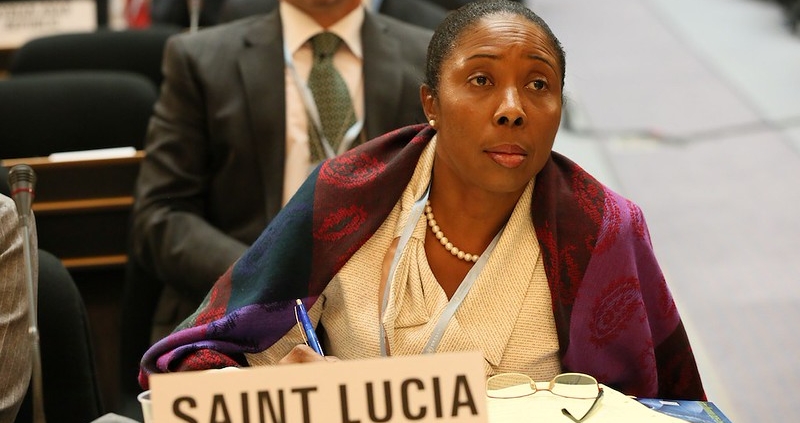 The island of Saint Lucia is one of the most highly coveted holiday destinations in the world. The COVID-19 pandemic, however, revealed the weaknesses of a tourism-based economy already susceptible to changing weather patterns and natural disasters. While the Saint Lucian economy has since recovered, international and grassroots projects continue in their efforts to fortify the tourist industry and develop innovations in poverty eradication in Saint Lucia through advancements in the agricultural sector in a bid to aid the most vulnerable groups in Saint Lucia’s society: women and young people.
Poverty and Gender Gap
While rates of unemployment dropped to a historic low in 2024, and the percentage of households with internet access increased from 26.5% to 89.1% between 2010 and 2022, innovations in poverty eradication remain a necessity in Saint Lucia.
Presently, 13,600 of Saint Lucia’s 183,600 population are living in poverty of less than $8.30 USD a day. Of those, the groups with the highest poverty rates are women and 0-14 years old, 8.5 and 13.5 respectively. Gender inequality exacerbates the issues for women as they receive on average salaries that are three quarters of the salaries that men earn.
Fortifying Tourism and Shifting to Blue Economy
As part of ongoing efforts to drive economic growth, generate innovations in poverty eradication, fortify their tourism industry and secure increased levels of foreign aid and investment, Saint Lucia has been transitioning towards a blue economy. To do so, it has developed and implemented a National Ocean Policy, Strategic Action Plan and Coastal and Marine Spatial Plan, all of which work together across a 15-year timeframe to sustainably develop marine resources, protect ecosystems and manage the use of coastal and marine space. It is hoped that these initiatives will encourage the greater levels of international aid that is required to establish an attractive climate for foreign investments by helping mitigate the impacts of changing weather patterns.
These hopes have not been misplaced. The government of Saint Lucia has secured two major investment projects. These agreements are with the ATLAS Group and the Caribbean Hospitality Management Group, to construct a major luxury development and luxury residential venture respectively. Both projects will prioritize sustainability and integrate agriculture and education, according to local officials.
These projects followed an initiative introduced by the United Nations Development Programme (UNDP) to work closely with the government, private sector, and multilateral development banks to increase access to finance for women and youths in Saint Lucia, Antigua and Barbuda. The Innovative Finance For Underserved Groups Programme ran between January 2024 and December 2025 and signified a total contribution of $584,437 USD.
Water For Resilience (W4R)
International and grassroots efforts have also targeted agricultural innovation and reforms. The UNDP, Canada and United Kingdom have collaborated to establish and fund Water For Resilience (W4R). This initiative supports vulnerable communities in the islands of Saint Lucia, Grenada, Saint Vincent and the Grenadines, helping them access sustainable water supplies and enhance their ecosystem conservation as part of improved water resources management. W4R focuses on supporting woman-led households, rural women farmers and youths, seeking to amplify their voices and limit the gender gap. Members of W4R collaborate with young farmers across the Marquis Watershed in Saint Lucia, an area of considerable importance as it serves as the site of construction for the major luxury development agreed with the Atlas Group.
The EnGenDER Programme
The UNDP, Canada and the U.K. have further tried to lessen the damage created by the gender gap through the establishment of the Enabling Gender Responsive Disaster Recovery, Climate and Environmental Resilience in the Caribbean (EnGenDER) programme. The objective of EnGenDER is to integrate gender equality and human rights based approaches into strategies that focus on disaster risk reduction and adaptation to changing weather patterns. The ultimate goal is to ensure equal access to disaster relief funds and environment solutions to all groups. EnGenDER also supports projects aimed towards aiding differently-abled people, such as the UN Aquaponics Project, which provided employment opportunities for more than 40 Saint Lucians living with disabilities.
Combined, these agricultural reforms and innovations in poverty eradication have strengthened the position of vulnerable groups in Saint Lucia. The increased access to sustainable water supplies, disaster relief and environmental solutions serves to aid poverty alleviation for rural women, as they now have greater economic stability and will be less impacted financially in the event of a natural disaster.
The National Schools’ Science and Technology Fair
There have also been highly promising innovations made at the local level, specifically by the youth of Saint Lucia. At the National Schools’ Science and Technology Fair 2025, students from Vieux Fort Comprehensive unveiled their ‘Pineapple Purification’ system, which sees pineapple waste become a natural water filter for farm pollution. The filtration system could potentially provide local farmers with a low-budget and sustainable solution to prevent the spreading of harmful bacteria, increasing their earning potential. According to Vieux Fort, The Global Environment Facility has expressed interest in expanding the scale of the project.
What Comes Next?
While strong progress has been made to shorten the gender gap, establish sustainable tourism and alleviate poverty levels in Saint Lucia, more is needed. More foreign aid, investment, support and attention are all required to ensure that Saint Lucia becomes a paradise not just for visitors and tourists, but for Saint Lucians themselves.
– Sean Welsh
Sean is based in Haywards Heath, UK and focuses on Technology and Politics for The Borgen Project.
Photo: Flickr
