5 Key Statistics on the Gender Wage Gap in Mali
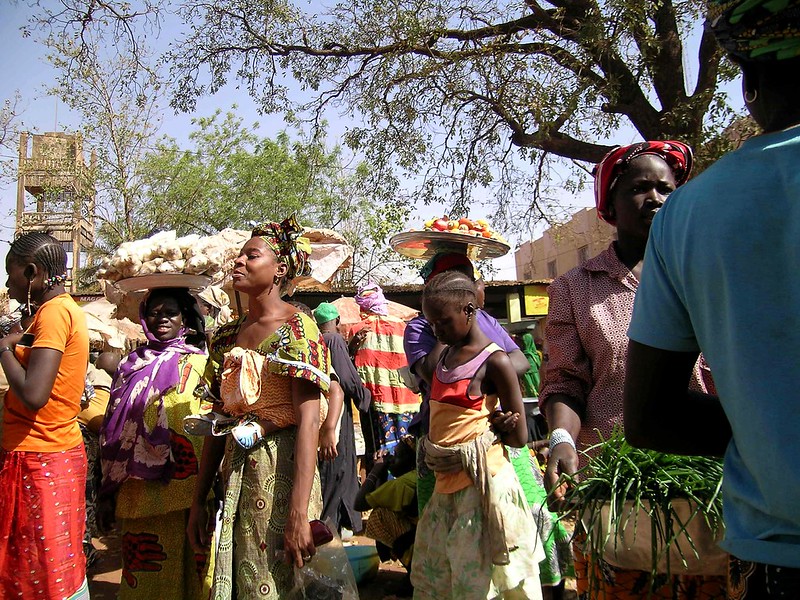 Landlocked in West Africa, Mali has a population of about 25 million people. It is one of the poorest countries in Africa, with 45.5% of the population living below the National poverty line, earning less than $3 a day. Outlined by the United Nations, SDG 8.5.1 measures the average hourly earnings of both men and women, tracking a country’s progress in attaining fair wages and equal pay. Here are five key facts of the gender wage gap in Mali.
The Gap
The gender wage gap in Mali stood at 41.9% in 2023, according to the International Labour Organization. In other words, a woman in Mali earns, on average, 58 cents for every dollar a man earns in the same working context.
In 2025, the World Bank estimated that 52.8% of Mali’s female population over 15 years of age participate in the labour force, compared to 81% of males over fifteen. This percentage dropped significantly from 60.5% of women in 1990, and is expected to keep decreasing.
A 2022 study on unpaid labour by the National Observatory of the Demographic Dividend found that Malian women spend four times as much as men carrying out domestic tasks and unpaid care. This limits the time they could be spending to pursue an education or hold a paid position. The study also estimated that if this unpaid labour was accounted for in 2019, it would have represented 17.6% of Mali’s GDP
Education and Literacy
Roughly one in six girls enroll in secondary school in Mali. Some significant obstacles, apart from gender discrimination, that prevent girls from continuing their education include child marriage, child labour and domestic work.
Adult literacy rates for both women and men in Mali are significantly lower than the average rate of the Sub-Saharan Africa aggregate. The female literacy rate stood at 25.7% in Mali, in contrast to 62.7% in Sub-Sahara Africa, according to the World Bank. In comparison, the male literacy rate stood at 46.2% in Mali and 74.9% in sub-Saharan Africa. There is not only an overall lower literacy rate in Mali, but also a much larger gap between women and men.
Inequality and Social Norms
The United Nations Development Programme (UNDP) measured Mali’s Gender Inequality Index (GII) value at 0.612 in 2023. The world’s average score of the same year stood at 0.455. In this metric scale from 0 to 0.900, the closer the measurement is to 0, the less inequality exists between genders.
Despite numerous initiatives and actions taken by humanitarian aid groups and NGOs, such as U.N. Women and Women for Women International, to raise awareness on the gender wage gap in Mali, as well as overall gender inequalities, deeply rooted patriarchal norms significantly obstruct the path towards progress.
At the end of the day, closing the gender wage gap in Mali could require dismantling social norms that impede women from getting an education and entering the workforce. It could require paying close attention to each statistic outlined above and navigating how to ameliorate them.
Breaking the cycle of girls and women disproportionately handling domestic tasks, for example, could allow them to get an education, enter the work force and occupy positions that will eventually bridge the gender wage gap.
The Future
There are a few organizations working in Mali to break these cycles of inequality. The Forum for African Women Educationalists (FAWE) works in Mali, among many other African countries, to help girls gain access to quality education by eliminating the barriers preventing them from doing so. It offers bursaries, advocate and collaborate with the government, spread community awareness and train educators for their cause.
Journalists for Human Rights (JHR) is another organization operating in Mali to empower women by giving them an outlet to use their voice. They train journalists, mostly women, to report on ethics and women’s rights with a goal to “boost public accountability on human rights issues.”
– Brittany Buscio
Brittany is based in Montreal, Quebec, Canada and focuses on Good News and Global Health for The Borgen Project.
Photo: Flickr
