• Link to X
  • Link to Facebook
  • Link to Instagram
  • Link to TikTok
  • Link to Youtube
  • About
    • About Us
      • President
      • Board of Directors
      • Board of Advisors
      • Financials
      • Our Methodology
      • Success Tracker
      • Contact
  • Act Now
    • 30 Ways to Help
      • Email Congress
      • Call Congress
      • Volunteer
      • Courses & Certificates
      • Be a Donor
    • Internships
      • In-Office Internships
      • Remote Internships
    • Legislation
      • Politics 101
  • The Blog
  • The Podcast
  • Magazine
  • Donate
  • Click to open the search input field Click to open the search input field Search
  • Menu Menu

Archive for category: Global Poverty

Key articles and information on global poverty.

Africa, Global Poverty, Trade

Economic Partnership between the Gulf States and Africa

Economic Partnerships between the Gulf States and AfricaIn the last five years, an economic partnership between the Gulf States and Africa has emerged via the Gulf Cooperation Council (GCC). The GCC is a political and economic alliance between Saudi Arabia, Kuwait, the United Arab Emirates (UAE), Qatar, Bahrain and Oman. It was established in 1981 to promote greater cooperation and achieve shared objectives based on the similar political and cultural identities of Islamic culture.

An example of the growing economic partnership between the Gulf states and Africa is when, in 2023, companies within the GCC announced 73 foreign direct investment projects in various African countries worth more than $53 billion. Businesses and nations in the GCC look to Africa as an economic partnership expected to grow in value, mainly due to the new Africa Continental Free Trade Area signed in 2018.

The African Continental Free Trade Area

The African Continental Free Trade Area (AfCFTA) agreement is one of the largest free trade areas in the world, as measured by the number of participating countries. The pact connects 1.3 billion people across 55 countries, with a combined gross domestic product (GDP) valued at $3.4 trillion.

AfCFTA entices investment from the GCC because its free trade gives greater access to the African market, which has the potential to develop into a more lucrative market. This investment further ties countries in the GCC and Africa to an economic partnership driven by a mutual interest in diversification. For countries in the GCC, diversification is essential as these investments are ways to diversify their economy away from oil and other hydrocarbon exports into something more sustainable.

Examples of Investment Projects

Some of the GCC’s high-profile initiatives involve countries across the continent. One example is ACWA Power, based in Saudi Arabia, which has agreed to develop a green hydrogen project in Egypt’s Suez Canal Economic Zone and committed more than $4 billion. The first phase aims to produce 600,000 tonnes of green ammonia annually.

Similarly, AMEA Power, a different company based in Dubai, is planning to build a hydrogen project in Kenya, along with the Abu Dhabi National Energy Company, which has invested $1.6 billion in renewable energy projects in Morocco. These are not small investments and highlight the importance that companies and countries from the GCC give these projects in Africa.

What Does This Mean for the West?

This increasing investment into Africa from the GCC comes as many countries in the West have fallen behind in their commitment to invest in sustainable projects to help develop the continent. With countries in the West and even China generally decreasing their investment in Africa, countries in the GCC see an opening in the continent to increase their influence in these countries and benefit from any development into a fast-growing economy. An expanding middle class in Africa is desirable for investors and entrepreneurs as it could mean millions of new customers for products and services from the Middle East.

Building economic ties in Africa is easier logistically for countries in the GCC as they can capitalize on their geostrategic location to access Africa through ship and land trade routes. Expanding their economic influence in African states has provided GCC states with an essential source of leverage to advance their regional security and diplomatic goals, increasing their power projection worldwide. This means that countries in the West, especially the U.S. and countries in the GCC will have more significant influence across the continent. They may act more independently in ways that might not align with the interests of the U.S. or other Western countries in the region.

While nothing suggests that countries in the GCC will soon want to adjust the way the U.S. has approached the region or directly challenge U.S. interests, the fact is that the U.S. is currently ceding its influence, positive relations, opportunities for economic investment and diplomatic relationships in Africa to other powers like the countries in the GCC and China.

– Mathieu Pare

Mathieu is based in Toronto, Canada and focuses on Business and New Markets for The Borgen Project.

Photo: Flickr

July 5, 2024
https://borgenproject.org/wp-content/uploads/borgen-project-logo.svg 0 0 Lynsey 2 https://borgenproject.org/wp-content/uploads/borgen-project-logo.svg Lynsey 22024-07-05 07:30:422024-07-04 04:36:04Economic Partnership between the Gulf States and Africa
Development, Global Poverty, Sports

Poverty and Baseball in the Dominican Republic

The Impact of Baseball on Poverty in the Dominican RepublicBaseball is more than just a sport in the Dominican Republic; it’s a pivotal aspect of their culture. As of 2024, the Dominican Republic leads foreign nations in supplying Major League Baseball (MLB) with players, boasting 108 athletes on opening day rosters. Despite this cultural and economic contribution, the country still grapples with economic challenges. Over the past two decades, the Dominican Republic has experienced significant economic growth, yet more than 30% of its population continues to live in poverty.

Historical Context and Global Influence

Cuban visitors introduced baseball to the Dominican Republic at the end of the 19th century, establishing a rich tradition that thrives presently. The Dominican Winter League, renowned as one of the toughest in Latin America, reveals the nation’s deep connection to the sport. The Dominican Republic’s prominence was highlighted globally when it won the 2013 World Baseball Classic, with Yankees second baseman Robinson Cano earning the MVP title. President Luis Abinader has emphasized baseball’s integral role in the Dominican culture and economy, estimating its economic impact at about $400 million annually.

The Role of Baseball Academies

Baseball significantly boosts the Dominican Republic’s economy through academy investments, player salaries and job creation. The Dodgers pioneered this impact by establishing the first MLB academy in the country in 1987, offering children a structured environment to learn the game. Beyond skill development, these academies provide critical basic needs, such as consistent meals—luxuries not guaranteed at home. Players earn a decent living, with first-year players making $600 monthly and second-year players $700, significantly more than the $100 monthly factory job wage. While the academy system greatly aids those who never advance to major leagues, providing them with a sustainable income, it is not without its criticisms and challenges.

Educational Challenges and Opportunities

Only one in 40 players at baseball academies in the Dominican Republic reaches the major leagues. The rigorous training demands often sideline academic pursuits, leading critics to argue that these programs hinder complete educational attainment. Most academies focus on American and English studies, leaving players with limited knowledge about their own country. Among MLB teams, only the Diamondbacks provide opportunities for players to complete their education. It’s crucial to note that many of these youths might not have pursued schooling otherwise, potentially working in local industries like sugar cane fields, hotels or garment manufacturing. Despite these realities, there is a pressing need for MLB to enhance educational and career support for all academy players, ensuring a secure future whether or not they succeed in professional baseball.

Success Stories and Future Prospects

Juan Soto, a baseball superstar, signed a $1.5 million contract with the Nationals at just 16 years old and joined their Dominican Republic camp. There, he not only honed his baseball skills but also learned English, which Soto acknowledged could provide career opportunities beyond MLB. He later revisited this camp after being traded to the Yankees, reflecting on his journey and the impact of such training programs. Baseball has a profound connection to the Dominican Republic’s culture and economy, with its roots traced back to the late 19th century when introduced by Cuban visitors. Currently, the sport is celebrated nationally and supported by MLB academies that offer young players better living conditions and opportunities compared to other local employment, emphasizing baseball’s integral role in the country’s development.

Looking Ahead

Baseball’s role in the Dominican Republic extends beyond the game itself, deeply impacting the nation’s economy and culture. While MLB academies provide valuable opportunities for young athletes, there is a need to enhance educational support to ensure broader career prospects. By focusing on education alongside athletic training, the future of these young players can potentially be more secure, regardless of their success in professional baseball.

– Matthew Mendives

Matthew is based in Colonia, NJ, USA and focuses on World News and Celebs for The Borgen Project.

Photo: Flickr

July 5, 2024
https://borgenproject.org/wp-content/uploads/borgen-project-logo.svg 0 0 Precious Sheidu https://borgenproject.org/wp-content/uploads/borgen-project-logo.svg Precious Sheidu2024-07-05 03:00:462024-07-04 04:05:30Poverty and Baseball in the Dominican Republic
Gender Equality, Global Poverty, Violence

Understanding GBV in Uganda

GBV in UgandaAccording to the European Commission, gender-based violence (GBV) targets individuals based on their gender or disproportionately affects certain genders, often impacting women and children the most. In Uganda, GBV remains a significant issue, with statistics between 2018 and 2020 indicating an average of 5,000 new cases reported annually. This figure likely underrepresents the true extent of the problem. The violence affects not only Uganda’s national population but also the roughly 1.5 million refugees who have sought safety within the country.

GBV Uganda Projects

GBV Uganda Projects, an organization that provides funding in the form of loans, supports projects and small businesses that pay back their loans upon becoming profitable. These ongoing initiatives often focus on sustainability and include practical training for individuals to start their businesses. A key partner, SUP Community Initiatives Africa, began as a Community-Based Organization in 2013, targeting vulnerable individuals and communities in rural and slum areas. It registered as a Nongovernmental Organization (NGO) in 2022, with a mission to empower individuals and communities to address their vulnerabilities effectively.

Empowerment Through Tailoring Projects

GBV Uganda Projects has established a tailoring training initiative that includes building a training center and offering year-long courses in fashion design for 20 women and girls who had to leave school due to abuse. As of June 2024, these participants are taking exams, with a new group set to start in July 2024 and continue until December. This project underscores the organization’s belief that tailoring could be a viable path out of poverty, which often intersects with gender-based violence.

Youth Sport Uganda offers a six-month tailoring program that includes internships, helping 71 participants so far to launch their businesses and support their families. Similarly, The Followings Foundation runs the BEC Tailoring program, equipping individuals with not only tailoring skills but also essential business skills like machine maintenance, record-keeping and financial management, further enhancing their ability to be self-sufficient.

The Importance of Funding

GBV Projects Uganda successfully launched its tailoring initiative, funded by a £14,000 grant from the Welsh Government’s Wales and Africa Grant Scheme/Hub Cymru Africa. This financial support from international donors has enabled 20 participants to acquire crucial life skills, providing opportunities that would have otherwise been inaccessible. Despite these successes, the World Bank notes that prevention programs for gender-based violence in Uganda remain fragmented and limited in scope. This fragmentation often leads to less effective programming, as funding sources like the Wales and Africa Grant Scheme vary by project.

Recommendations and Global Efforts

In 2020, significant strides were made as the United Nations (U.N.), Uganda’s Ministry of Gender, Labour and Social Development and the Office of the Prime Minister collaborated to enhance systems addressing gender-based violence (GBV), focusing particularly on the vulnerabilities of refugee populations. This initiative was informed by findings from the Development Response to Displacement Impacts Project. By 2023, the United Nations Refugee Agency (UNHCR) reported the successful implementation of the “SASA! Together model” and “the Girl Shine approach” in Uganda. These programs are part of a broader international effort to mitigate GBV. Since 2019, the Spotlight Initiative has also been instrumental, training more than 900 individuals to assist GBV victims, marking a significant advancement in local and global efforts against gender-based violence.

Looking Ahead

Efforts to address gender-based violence in Uganda are making strides through targeted initiatives and international collaboration. Programs like those run by GBV Uganda Projects provide essential training and support, empowering individuals to achieve financial independence and stability. Support and funding could be essential in expanding these ongoing initiatives and enhancing their effectiveness. This can potentially ensure progress in combating gender-based violence in the region.

– Rachael Denton-Snape

Rachael is based in High Wycombe, UK and focuses on Global Health for The Borgen Project.

Photo: Flickr

July 5, 2024
https://borgenproject.org/wp-content/uploads/borgen-project-logo.svg 0 0 Precious Sheidu https://borgenproject.org/wp-content/uploads/borgen-project-logo.svg Precious Sheidu2024-07-05 03:00:222024-12-13 18:03:13Understanding GBV in Uganda
Aid, Child Malnutrition, Global Poverty

4 Countries Improving Malnutrition with RUTF

4 Countries Improving Malnutrition with RUTFThe global malnutrition crisis significantly impacts millions in underdeveloped nations. According to the World Food Programme, severe food insecurity affects more than 309 million people across 72 countries. This crisis stems from factors beyond poverty, including inadequate dietary intake, limited healthcare services and a lack of access to safe drinking water and resources. Ready-to-use therapeutic Food (RUTF) has become a key intervention in combating global malnutrition effectively.

Improving Malnutrition with RUTF

André Briend and Michel Lescanne developed RUTF more than 25 years ago to offer effective nutritional treatment for malnourished children. This high-energy paste includes ingredients like powdered milk and peanuts, along with essential vitamins, providing substantial nutritional value without the need for water or concerns about rapid spoilage. UNICEF reports that consuming three packets of RUTF daily for six to eight weeks can significantly address acute malnutrition in children and the agency currently distributes approximately 80% of the global supply. Additionally, numerous nongovernmental organizations are involved in distributing RUTF. Several countries have revealed notable improvements in the nutritional status of children and adults facing chronic malnutrition through the use of RUTF.

Yemen

Yemen faces a severe food security crisis, with 56% of its population lacking proper nutrition and nearly 500,000 children suffering from acute malnutrition. In response, UNICEF has partnered with USAID’s Office of Food for Peace and the Bureau for Humanitarian Assistance to combat starvation among children using RUTF. In the Tur Al Bahah district’s Al-Khatabiah area, 20% of children are acutely malnourished. Local health centers, supported by UNICEF, screen for malnutrition, provide RUTF treatment and conduct follow-up check-ups. The treatment has significantly aided recovery, improving conditions for affected families. USAID/BHA has supplied RUTF to address more than 144,000 cases of malnutrition in Yemen, underscoring the critical role of RUTF in combating the nation’s food insecurity.

Haiti

In Haiti, the struggle against malnutrition intensifies amid natural disasters, poor sanitation and economic challenges. With a population of 11.7 million, nearly 4.3 million face acute malnutrition and more than 22% of children under age 5 experience chronic hunger. The country’s escalating violence often hampers access to healthcare centers. To combat this, nongovernmental organizations, like Meds and Food for Kids, deliver nutritional support with their RUTF known locally as “Medika Mamba” or “Peanut Butter Medicine.” This product effectively restores essential micronutrients and is produced following standards set by PlumpyField and Nutriset, global leaders in nutritional solutions. Annually, Meds and Food for Kids produces more than 1000 metric tons of RUTF, achieving a 92% treatment success rate for malnourished children within 8 to 12 weeks.

Ethiopia

In Ethiopia, environmental challenges such as droughts and declining livestock productivity exacerbate food insecurity. The COVID-19 pandemic’s lockdown measures further worsened the situation as nearly one million children lost access to school feeding programs. This has led to acute malnutrition and a rise in micronutrient deficiencies, including iron deficiency anemia and Vitamin A deficiency. To combat this, Ethiopia’s government and UNICEF have committed to protecting vulnerable populations, such as children and pregnant women. Since 2007, Hilina Enriched Foods has collaborated with UNICEF to distribute RUTF to communities in urgent need. This partnership leverages ‘last-mile distribution’ strategies to deliver RUTF directly to health facilities, ensuring timely supply across 240 districts and improving malnutrition management in hard-to-reach areas.

Democratic Republic of Congo

In the Democratic Republic of Congo (DRC), malnutrition affects 40% of children. From June 2023 to June 2024, about 1.1 million children ages 6 to 59 months and 605,000 pregnant women experienced high rates of acute malnutrition. The World Health Organization (WHO) defines child wasting as rapid weight and muscle loss due to insufficient nutrient intake, often exacerbated by inadequate feeding practices and scarce resources. To combat this, the DRC has integrated RUTF into its national healthcare strategy, including listing it on the Essential Medicines List. UNICEF, the Bureau for Humanitarian Assistance (BHA), the World Bank and various NGOs with private funding have supplied RUTF.

Moving Forward

UNICEF has acknowledged the integration of RUTF in national clinical guidelines for malnutrition management across 71 countries. This adoption underscores a growing reliance on RUTF to combat global malnutrition effectively. Nations such as Yemen, Haiti, Ethiopia and the Democratic Republic of Congo have made significant strides by incorporating RUTF into their health strategies, revealing marked improvements in severe malnutrition cases. The support from UNICEF, USAID and various nongovernmental organizations has been instrumental in these ongoing efforts. Continued investment and focus on the programs could be essential for reducing malnutrition and improving health outcomes globally.

– Abigail Lobo

Abigail is based in Mississauga, Ontario, Canada and focuses on Good News and Global Health for The Borgen Project.

Photo: Unsplash

July 5, 2024
https://borgenproject.org/wp-content/uploads/borgen-project-logo.svg 0 0 Precious Sheidu https://borgenproject.org/wp-content/uploads/borgen-project-logo.svg Precious Sheidu2024-07-05 01:30:482024-07-04 03:43:114 Countries Improving Malnutrition with RUTF
Global Health, Global Poverty, Innovations

Technological Innovations in Maternal Health

Innovations in Maternal HealthThe United Nations Children’s Fund (UNICEF) reports that more than 25% of the estimated 300,000 maternal deaths each year stem from postpartum hemorrhage, which is severe blood loss following childbirth. Most of these deaths occur in developing countries where access to quality medical facilities is limited. The United Nations (U.N.) states that postpartum hemorrhage is the leading cause of maternal mortality, claiming the lives of 130,000 new mothers each year. Technological advancements and innovations have introduced two significant medical devices to combat this issue and improve maternal health: the Non-pneumatic Anti-Shock Garment (NASG) and the Uterine Balloon Tamponade (UBT).

The Non-Pneumatic Anti-Shock Garment

NASGs resemble trousers and are divided into five to six segments. Each segment features Velcro straps that apply targeted pressure from the ankles to the abdomen, allowing for simultaneous vaginal treatments. Developed using technology similar to NASA’s anti-gravity suits, NASGs prevent unconsciousness by promoting blood circulation toward the head. They also reduce blood loss and increase survival chances in cases of postpartum hemorrhage by compressing the lower extremities to drive blood toward vital organs. This effective management ensures prolonged survival until medical help is available.

NASGs provide up to 48 hours of crucial support in emergencies and can be reused up to 144 times. Costing approximately $0.50 per use, NASGs are cost-effective and vital for maternal health. The World Health Organization (WHO), UNICEF and the United Nations Population Fund (UNFPA) recognize these garments as essential tools for reproductive, maternal, newborn and child health. Research indicates that NASGs can potentially reduce maternal deaths from postpartum hemorrhage by half in specialized care settings, highlighting their critical role in improving reproductive health outcomes.

The Uterine Balloon Tamponade

The UBT is a medical device used to manage postpartum hemorrhage. It works by inserting a balloon into the uterus and inflating it with saline or sterile water using a syringe or gravity bag. This inflation applies pressure to the uterine walls, effectively controlling excessive bleeding. Although UBTs are effective, they are expensive, with costs ranging from $125 to $350 per use, limiting their use primarily to high-income countries as a surgical intervention for severe postpartum hemorrhage.

In areas without adequate medical facilities, health practitioners have improvised with makeshift versions of the UBT. UNICEF reports the use of condoms, inserted into the uterus and inflated with saline through a catheter, as an emergency alternative to UBTs. These ad-hoc solutions can mitigate blood loss but pose significant safety risks. A 2019 study in Ivory Coast confirmed the effectiveness of UBTs, successfully managing postpartum hemorrhage in nearly all treated cases, highlighting the need for both proper medical oversight when using such devices and further innovations in Maternal Health.

The Adoption of NASG and UBT Devices

Despite the clinical proof of its effectiveness, the NASG faces several challenges that limit its wider use. A general lack of awareness about the importance of NASG exists. Additionally, many health facilities report shortages due to the device’s high initial cost. Additionally, gaps in knowledge about the proper use and maintenance of NASGs further complicate efforts to implement them effectively.

Similar to the NASG, despite its effectiveness in controlling postpartum hemorrhage, UBT is expensive, challenging its widespread use in low- and middle-income countries. The WHO restricts UBT approval to environments where advanced treatments like blood transfusions and surgeries are available. Clinical trials reported in Obstetrics and Gynecology journals have highlighted potential risks of using UBT-like devices in remote settings, including instances where the intervention might have worsened blood loss. Trained medical personnel are advised to use such devices with caution, particularly in less-equipped environments.

Moving Forward

The U.N. agency is collaborating with governments and hosting online seminars. The aim is to promote the effectiveness of the NASG in reducing postpartum hemorrhage. Since 2019, UNICEF has included the NASG in its Supply Catalogue for global accessibility. Additionally, UNICEF is searching for cost-effective alternatives to the UBT. UNICEF has identified a manufacturer that offers the device at $5-15 per usage. More than 10 countries now recognize this affordable UBT as an essential medical product, with at least 16,000 units purchased. Concurrently, WHO is launching a study in Vietnam to test procedures, including a UBT-like device, to mitigate postpartum hemorrhage and improve maternal health. This research aims to address previous concerns about the UBT’s risks and develop more innovations to reduce maternal deaths and improve maternal health.

– Naomi Finapiri

Naomi is based in London, UK and focuses on Technology and Solutions, Global Health and Celebs for The Borgen Project.

Photo: Flickr

July 5, 2024
https://borgenproject.org/wp-content/uploads/borgen-project-logo.svg 0 0 Precious Sheidu https://borgenproject.org/wp-content/uploads/borgen-project-logo.svg Precious Sheidu2024-07-05 01:30:182026-04-16 09:59:53Technological Innovations in Maternal Health
Business, Economy, Global Poverty

BPO Industry Lifts Philippine Population from Poverty

BPO Industry Lifts Philippine Population from PovertyIn recent years, the Philippines has experienced an economic resurgence, a significant shift from its prolonged economic struggles post-World War II. Historically, since the 1960s, a series of political regimes contributed to bleak economic prospects. Economic disparity widened significantly, with the rich getting richer and the poor facing increasing desperation. This disparity stemmed largely from an agrarian economy in which farmers, who did not own their lands, had to pay exorbitant rents to landowners. The introduction of the Business Process Outsourcing (BPO) industry has played a crucial role in altering this economic landscape.

The Feudal Legacy

The Philippines, often labeled a democracy, functioned more like a feudalistic society where the landed gentry controlled the economy and its tenants. This structure left the majority of the population either farming or working menial jobs, with minimal economic prospects and limited to earning only minimum wage. However, the early 2000s marked a significant shift when the Philippines opened its borders to international companies seeking a more affordable workforce.

The BPO Industry’s Impact

A significant challenge in the Philippines has been the scarcity of stable jobs, with many Filipinos reporting unstable job statuses or complete unemployment. However, the advent of the BPO industry has markedly reduced the unemployment rate. This industry has not only provided jobless individuals with new employment opportunities but also enhanced the purchasing power of the overall population.

International Career Opportunities

Before the proliferation of BPO companies in the Philippines, opportunities for Filipinos to work for international firms were limited, often requiring them to become overseas foreign workers to earn higher wages. BPO companies have changed this dynamic by providing Filipinos the opportunity to earn international wages without leaving the country. Additionally, these companies offer career paths with global firms, allowing employees to advance professionally within their home country.

Economic Revitalization

According to the World Bank, traditionally, only the upper and middle classes could afford a college education, limiting access to more lucrative jobs to a small segment of society. However, the emergence of BPO companies has transformed employment opportunities. The Philippines, known for its high percentage of English speakers, has become an ideal location for BPO operations. These companies typically do not require college degrees, instead prioritizing proficiency in English and basic computer skills. This shift has allowed a broader segment of the population, already literate and motivated, to secure employment, support their families and contribute effectively to their employers, thus expanding economic opportunities beyond the traditionally educated elite.

Before the BPO boom, a substantial portion of the population possessed minimal buying power, with many families reliant on a single source of low income. The introduction of BPO jobs provided higher wages, enhancing the economic strength of individual households. This increase in income allowed families to spend, invest and save more, stimulating demand for products and services and invigorating the national economy.

Looking Ahead

The rise of the BPO industry looks set to alter the economic landscape in the Philippines, providing stable employment opportunities and lifting many out of poverty. This shift could not only improve wages but also facilitate broader access to international careers without requiring emigration. The continued growth of the BPO sector offers a path toward sustained economic development, enhancing the quality of life for countless Filipinos and strengthening the nation’s overall economic resilience.

– Neil Misola

Neil is based in Kitchener, Ontario, Canada and focuses on Global Health and Politics for The Borgen Project.

Photo: Pexels

July 4, 2024
https://borgenproject.org/wp-content/uploads/borgen-project-logo.svg 0 0 Precious Sheidu https://borgenproject.org/wp-content/uploads/borgen-project-logo.svg Precious Sheidu2024-07-04 07:30:352024-07-03 05:45:40BPO Industry Lifts Philippine Population from Poverty
Global Poverty, Health, Refugees

Access to Sanitary Products for the Rohingya

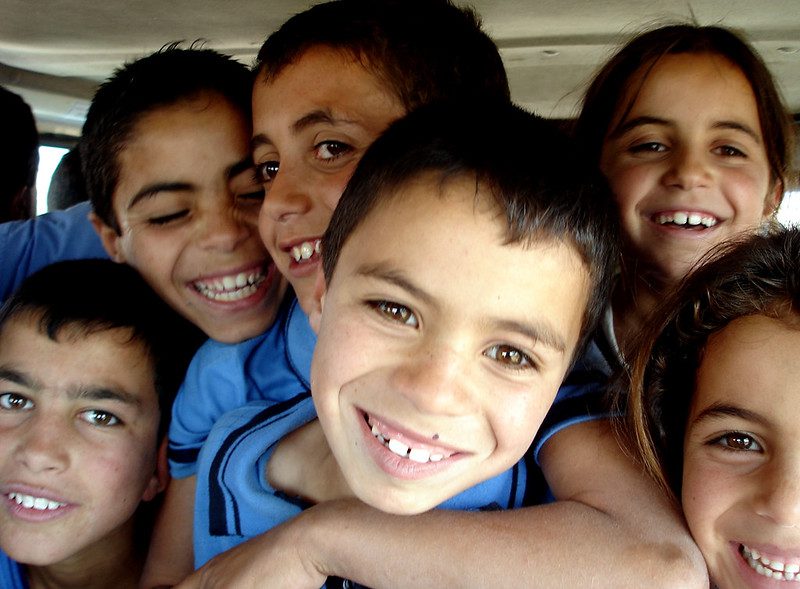
Sanitary Products for the RohingyaSanitary products for the Rohingya are among the many depleted resources reaching Cox’s Bazar. In 2023, roughly 67% of girls in these refugee camps did not have access to proper menstrual healthcare. Additionally, as a result of limited resources, many of these girls have poor menstrual hygiene, which can result in significant health issues.

This primary health concern has not gone unnoticed. As early as 2017, the peak of the Rohingya exodus, the United Nations (U.N.) Migration Agency began distributing hygiene and dignity kits. The agency has distributed more than 6,600 hygiene kits to the most vulnerable households, reaching more than 33,000 individuals. These kits include toothbrushes, soap, water containers, menstrual hygiene products and more.

The U.N. Population Fund (UNFPA) has also been running women-led community centers, which aid in producing sanitary products for the community’s women and girls.

Health Concerns

When speaking with the European Civil Protection and Humanitarian Aid Operations, Minara, a woman in one of the camps, said, “We have no money to buy sanitary pads, so we used to use old clothes, which cause a lot of itching and infections.”  According to the World Bank, poor menstrual hygiene can result in complicated health issues like reproductive and urinary tract infections, which have the potential to cause infertility or birth complications.

Innovative Solutions

Following discussions within these community centers, it became apparent that the previous dignity kits were not sufficiently solving the issue and the Rohingya women required easier access to sanitary products. Therefore, the European Union Humanitarian Fund and the Danish Refugee Council (DRC) formed an initiative to teach Rohingya women how to tailor their reusable sanitary pads.

The initiative entailed training community members to sew their reusable sanitary pads. The women were also provided with “cloth, scissors, needles, underwear and other materials” and “instructions on the safe use and hygiene maintenance of the pads,” as reported by the Danish Refugee Council.

The original group of 14 Rohingya girls who received the training produced more than 3,000 pads for women in their community by 2022. Several women and girls in the camps also benefited from the program. Ultimately, this initiative allows women and girls to empower their neighbors with the skills they have learned.

Final Remark

Despite the ongoing challenges faced by the Rohingya, it is crucial to empower the community to address these issues from within. Continued support and innovative solutions are essential to tackle this and the many health care challenges the community encounters.

– Lydia Young

Lydia is based in Glasgow, Scotland and focuses on Good News and Global Health for The Borgen Project.

Photo: Wikimedia Commons
July 4, 2024
https://borgenproject.org/wp-content/uploads/borgen-project-logo.svg 0 0 Lynsey 2 https://borgenproject.org/wp-content/uploads/borgen-project-logo.svg Lynsey 22024-07-04 07:30:292024-07-03 05:53:50Access to Sanitary Products for the Rohingya
Education, Global Poverty, Nonprofit Organizations and NGOs, Youth Unemployment

Enhancing Youth Employment in Botswana

Youth Employment in BotswanaOver the last decade, Botswana has seen modest economic growth. From 2003 to 2010, the poverty rate dropped from 17.7% to 15.4%. However, compared to nations with similar population densities, Botswana’s poverty rate remains notably high. The 2015 drought exacerbated poverty management challenges, especially affecting vulnerable populations. Rural areas, in particular, struggled due to limited employment opportunities and the drought’s impact, pushing more citizens below the poverty line.

Employment Challenges in Rural Villages

In Botswana’s rural villages, employment options are limited, particularly due to scarce internet access. Most jobs are in farming and agriculture. In smaller villages, limited educational resources often result in low literacy levels, which poses another significant barrier to securing employment.

Botswana Social Protection Program

High poverty rates in rural areas significantly impact Botswana’s overall poverty level. From 2010 to 2016, Botswana saw a significant decrease in the percentage of children under 18 experiencing poverty-related conditions, reduced from 63% to 49%. The decline reflects improvements in nutrition, housing, access to clean water and education. Children in rural areas, however, remain highly vulnerable to poverty. Botswana stands out in Africa for prioritizing public spending on education, notably through the National Development Plan 11. This plan focuses on enhancing social protection for children and raising awareness about the importance of adequate housing to prevent destitution and improve living conditions.

In Botswana, educational disparities become more pronounced as children age, with fewer progressing to secondary education. This limited educational attainment restricts youth employment in Botswana, confining many to low-wage labor jobs. Specifically, those who do not complete the Junior Certificate Examinations find little support in transitioning to the workforce, contributing to high unemployment rates among the youth.

Government Initiatives in Botswana

In 2023, Botswana’s unemployment rate reached approximately 26%, with youth unemployment also on the rise. President Mokgweetsi Masisi, in his second term, is actively targeting this issue by engaging with the country’s youth. The government has rolled out several initiatives, including the Chema-Chema Fund, aimed at supporting both existing and aspiring entrepreneurs. This fund is designed to foster financial inclusion and boost employment by providing necessary resources to young business owners and entrepreneurs.

Youth Development Fund

Like the Chema-Chema Fund, Botswana’s Youth Development Fund (YDF) is another socioeconomic initiative designed to boost startups and expand businesses. Launched in 2010, the YDF encourages young people to contribute actively to the economy. Its primary goal is to foster active involvement and representation of youth in Botswana’s socioeconomic progress, aiming specifically to create sustainable employment opportunities for them.

Supporting Youth through NGOs

The Jacobs Foundation, operating in Botswana, actively engages the youth through its Youth Impact outreach group, which is based in Gaborone. This initiative, led by young people, focuses on enhancing health and education programs for their peers. So far, it has supported more than 100,000 individuals. A notable program, Zones, involves 90-minute classes conducted in government schools aimed at promoting health awareness among children and young adults. These classes have significantly improved knowledge about HIV and reduced risk-related behavior by 50%.

Potential and Youth Employment in Botswana

According to the World Bank’s Human Capital Index, a child born in Botswana today will be 41% as productive when they grow up, if they can enjoy a complete education and proper health. Botswana’s efforts to reduce poverty and unemployment continue to focus on enhancing opportunities for its youth and addressing ongoing challenges in rural areas. Government programs like the Chema-Chema Fund and the Youth Development Fund aim to foster entrepreneurship and create sustainable jobs. Additionally, NGO initiatives aimed at improving health and education among young people could play a crucial role. Continued commitment to these ongoing strategies could be essential for achieving long-term economic growth and social development in Botswana.

– Brogan Dickson

Brogan is based in Edinburgh, Scotland and focuses on Good News and Global Health for The Borgen Project.

Photo: Flickr

July 4, 2024
https://borgenproject.org/wp-content/uploads/borgen-project-logo.svg 0 0 Precious Sheidu https://borgenproject.org/wp-content/uploads/borgen-project-logo.svg Precious Sheidu2024-07-04 07:30:122024-07-03 06:07:19Enhancing Youth Employment in Botswana
Gender Equality, Global Poverty, Women's Empowerment

Strides for Gender Equality in Sierra Leone

Strides for Gender Equality in Sierra LeoneSierra Leone, located along the West African Atlantic coast, boasts fertile landscapes that support prosperous agricultural systems. Despite this, the nation has grappled with severe women’s rights issues. A significant change occurred in January 2023 when President Julius Maada Bio enacted the Gender Equality and Women’s Empowerment Act (GEWE). This law marks a transformative moment for women in the country, heralding a new era of enhanced equality and rights.

Historic Legislation for Gender Equality

The Gender Equality and Women’s Empowerment Act (GEWE) mandates that public and private sector employers allocate 30% of job openings to women, including leadership roles. It also requires political parties to ensure that 30% of their candidates for parliamentary and local elections are women. Additionally, the act provides for 14-week maternity leave, mandates equal pay for equal work and grants women equal access to financial support and training. Noncompliance with GEWE carries significant penalties. This legislation represents a significant advancement toward gender equality in Sierra Leone, where women make up 52% of the population but hold fewer than 20% of elected positions. The implementation of GEWE aims to correct this imbalance, empowering more women to assume leadership roles.

Educational Challenges for Women

In Sierra Leone, literacy among women remains a significant issue, with educational opportunities limited from an early age. Among girls aged 15 to 24, 41% have not finished primary education and girls are more likely to drop out of secondary school than boys. A major factor contributing to this educational gap is the high rate of early marriage; nearly 30% of girls marry before the age of 18, severely curtailing their educational pursuits. Consequently, only 2% of girls between the ages of 15 and 19 are both married and attending school, leading to a female illiteracy rate of 57.65%.

Legislative Advances in Education

In April 2023, Sierra Leone’s parliament enacted the Basic and Senior Secondary Education Act, significantly advancing educational access for married women and young mothers. Previously, until 2020, the government prohibited pregnant women and mothers from attending school. This new legislation guarantees their right to continue education, a vital step toward keeping young women and their families out of poverty by ensuring they can pursue schooling regardless of marital or parental status.

Sierra Leone’s Commitment to Educational Reform

The enactment of Sierra Leone’s Basic and Senior Secondary Education Act marks significant progress in educational equality for women. Starting in 2018, the government prioritized education, implementing several key legislations such as the Free Quality Education Programme and laws supporting the Convention on the Rights of the Child and the Rights and Welfare of the Child. These ongoing measures have made education more accessible by reducing financial barriers and guaranteeing free, compulsory education for all children. Recently, the focus has expanded to include specific protections for women’s education, a major advancement for women’s rights in Sierra Leone.

Hope for the Future

The Gender Equality and Empowerment Act, along with the Basic and Senior Secondary Education Act, signify a pivotal shift in women’s rights in Sierra Leone. Before the enactment of these laws, no legislation explicitly protected the educational, political and civil rights of women in the country. These legislative measures, aiming to secure women’s job security and educational opportunities, offer a hopeful outlook for the future of women in the country, providing them with new opportunities to succeed.

– Ellie Buss

Ellie is based in Vancouver, WA, USA and focuses on Good News and Global Health for The Borgen Project.

Photo: Flickr

July 4, 2024
https://borgenproject.org/wp-content/uploads/borgen-project-logo.svg 0 0 Precious Sheidu https://borgenproject.org/wp-content/uploads/borgen-project-logo.svg Precious Sheidu2024-07-04 03:00:572024-07-03 05:22:58Strides for Gender Equality in Sierra Leone
Global Poverty, Nonprofit Organizations and NGOs, Youth Empowerment

The Dream Factory Foundation: Lifting Up the Youth of Africa

The Dream Factory Foundation: Lifting Up the Youth of Africa Since its inception in 2008, the Dream Factory Foundation has actively supported children from low-income and rural areas across Africa, aiming to bridge economic disparities. The foundation focuses on empowering these youths through educational and self-improvement programs to foster sustainable futures. Founded by Lusanda Magwape, the organization operates on the principle that young people can achieve their dreams with appropriate knowledge, leadership and access to significant opportunities. Its initiatives, which emphasize digital and vocational skills training, have garnered recognition for their impact, notably from the South African Women Entrepreneurs Climate Change Awards (SiAWECCA). These programs equip African youth with the professional and life skills necessary to lead purpose-driven lives as proactive community members.

The Dream Factory Foundation

The Dream Factory Foundation focuses on skills training for children and women in underserved communities through various impactful programs. A key initiative is the Be The Dream program, which equips students in schools with self-development tools to help them achieve their personal goals. This program has gained recognition as an approved after-school activity by the Western Cape Department of Education in South Africa and currently benefits more than 150 learners weekly. It operates across several countries, including Cameroon, Namibia, South Africa, Zimbabwe and Botswana, expanding its reach and impact on young lives.

The Emergent Academy

The Emergent Academy, another key program by the Dream Factory Foundation, offers a six-month training course aimed at equipping young women with professional and vocational skills across several sectors. Participants can learn everything from computer skills, including coding and online safety, to agricultural techniques. Additionally, the program facilitates opportunities for internships to help solidify the practical application of their new skills. Active in Zambia, South Africa, Malawi, Zimbabwe and Botswana, the Emergent Academy has broadened its impact significantly.

During the COVID-19 pandemic, the organization also supported more than 100 schools by providing Google G-switch software to enhance teachers’ capabilities in online instruction. In addition, the foundation assists with country-specific initiatives like 50-50 Farmers Africa in Botswana and various digital skills training programs that develop technical and professional tools for its participants.

Impact

The Dream Factory Foundation significantly impacted nearly 2,000 students in 2023 through its educational initiatives such as the Be The Dream program. Moreover, the foundation supported 44 youth-led businesses and helped numerous young individuals secure employment or further educational opportunities. Expanding its reach, the organization now operates in seven African countries, collaborating with partners like the Jacaranda Hub and Pillar of Hope Africa to advance its mission. The Dream Factory Foundation is committed to continuing its efforts to empower disadvantaged communities across Africa.

Looking Ahead

The Dream Factory Foundation continues to expand its impact across Africa, providing essential skills training and educational opportunities to youth and women in underserved communities. By equipping approximately 2,000 students and supporting youth-led businesses annually, the foundation can potentially foster sustainable futures. As it grows its presence in multiple countries, the foundation remains dedicated to empowering disadvantaged populations and bridging economic disparities.

– Hannah Hipolito

Hannah is based in Tampa, FL, ISA and focuses on Good News for The Borgen Project.

Photo: Unsplash

July 4, 2024
https://borgenproject.org/wp-content/uploads/borgen-project-logo.svg 0 0 Precious Sheidu https://borgenproject.org/wp-content/uploads/borgen-project-logo.svg Precious Sheidu2024-07-04 03:00:462024-12-13 18:03:12The Dream Factory Foundation: Lifting Up the Youth of Africa
Page 288 of 2162«‹286287288289290›»

Get Smarter

  • Global Poverty 101
  • Global Poverty… The Good News
  • Global Poverty & U.S. Jobs
  • Global Poverty and National Security
  • Innovative Solutions to Poverty
  • Global Poverty & Aid FAQ’s
Search Search

Take Action

  • Call Congress
  • Email Congress
  • Donate
  • 30 Ways to Help
  • Volunteer Ops
  • Internships
  • Courses & Certificates
  • The Podcast
Borgen Project

“The Borgen Project is an incredible nonprofit organization that is addressing poverty and hunger and working towards ending them.”

-The Huffington Post

Inside The Borgen Project

  • Contact
  • About
  • Financials
  • President
  • Board of Directors
  • Board of Advisors

International Links

  • UK Email Parliament
  • UK Donate
  • Canada Email Parliament

Get Smarter

  • Global Poverty 101
  • Global Poverty… The Good News
  • Global Poverty & U.S. Jobs
  • Global Poverty and National Security
  • Innovative Solutions to Poverty
  • Global Poverty & Aid FAQ’s

Ways to Help

  • Call Congress
  • Email Congress
  • Donate
  • 30 Ways to Help
  • Volunteer Ops
  • Internships
  • Courses & Certificates
  • The Podcast
Scroll to top Scroll to top Scroll to top
