Elderly Poverty in Botswana
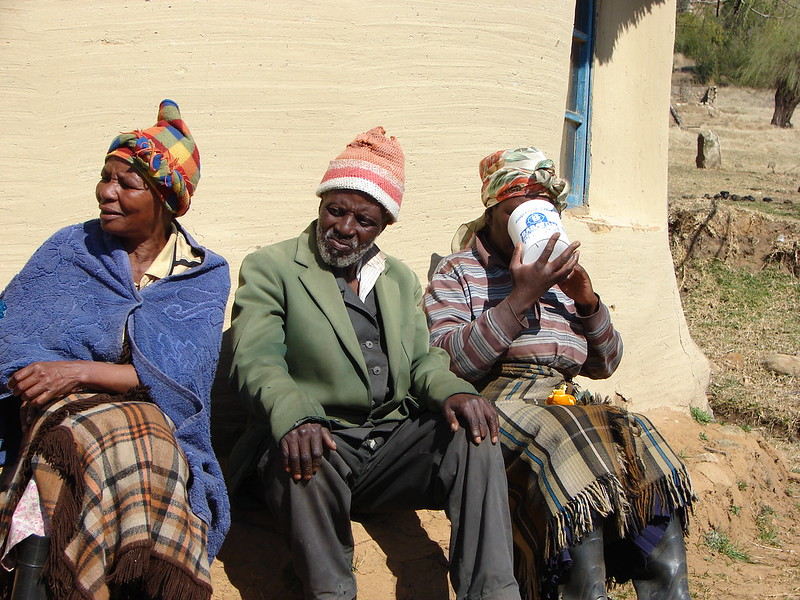 With Botswana’s extended family system, different generations keep closely in touch and often live under the same roof. It is refreshingly different from the isolating nuclear family set-ups common in other parts of the world. However, it also means that the responsibility of the young orphans of HIV and AIDS victims falls disproportionately on older generations, who bear the brunt of the financial obligations that come with caregiving. Thus, elderly poverty in Botswana is a considerable challenge.
Elderly Poverty in Botswana
Many elderly are impoverished but unable to take part in productive economic activity comfortably. Some force themselves to partake in hard labor like land tilling and alcohol brewing to keep afloat. Caregiving further strains those who suffer from non-communicable age-related health problems, like arthritis, according to the Journal of Nursing Scholarships. These issues, however, are not restricted to caregivers. They are symptomatic of the wider condition of the Botswanan elderly.
More and more people are reaching old age in Botswana, with the number of older people (60+) as a proportion of the population reaching 7% in 2020. Yet, socio-economic development has not kept pace with this increase. Elderly poverty in Botswana is a salient issue, with 91% of the older population living below the poverty datum line, or the level of income needed by a household to achieve minimal levels of well-being across different parameters.
Vulnerability to Poverty
One answer is that many Botswanans tend to leave the labor force relatively earlier, beginning at age 50. This is often because of ill health, participation in lower-productivity activities like subsistence farming, and obligations to undertake unpaid care work, as outlined above. This significantly reduces the period over which their retirement savings can build up. It also increases the number of years that such savings must provide for, according to the 2022 UNFPA report.
For those who do not exit the workforce so early, the legal retirement age is 60, according to the Journal of Nursing Scholarships. The five-year gap between this and the state pension age – 65 – leaves many in financial insecurity.
Households headed by older persons in Botswana tend to have relatively lower per capita income and more dependents than wage-earners, UNFPA reports. A more detailed individual-level analysis finds that the elderly show higher levels of multidimensional poverty than any other age group.
Although the old-age public pension scheme mentioned above is a step in the right direction, many have trouble accessing benefits. This is because of lengthy commutes to pay points and delays in processing life certificates.
Inadequacies in Public Health Care
Botswana has an effective public health care system, with minimal out-of-pocket expenses for citizens. Recent advances have reduced the incidence of communicable diseases. But it is yet to adapt to the increasing burden of non-communicable diseases: for example, 36% of 50 to 59-year-olds now self-report hypertension. Close to 34.5% of older men and 65.8% of older women are overweight or obese.
BMC Proceedings reports that there is a lack of expertise in treating such diseases across health care providers, especially in rural areas. National health care guidelines are not adhered to strictly. It follows that those who already suffer because of elderly poverty in Botswana are hit even harder by the uneven access to high-quality health care.
Additionally, studies estimate that only 3% of older adults have a good diet. Assessment scores show poor intake of dairy, fruits and vegetables. Many older people also report irregular access to drinking water, according to the 2022 UNFPA report.
Support and Empowerment
The government has responded to these difficulties by developing a National Healthy Ageing strategic programme, in collaboration with the World Health Organization (WHO). This includes a more thorough public health response to the needs of the elderly population. According to WHO, it also adopted the WHO’s Integrated Care for Older People guidelines to roll out a comprehensive health monitoring tool in 2022.
Masego Leepile’s Beno Society, founded in 2004, focuses on empowering the elderly to be self-reliant. Along with providing palliative care, it also encourages their social well-being by organizing “community wellness days, festivals and campaigns.”
The Sisters of the Charity of Nazareth administer the Pabalelong Hospice close to the capital city of Gaborone. Its experienced team provides home care to more than 90 patients nearby, and accessible palliative care services to people throughout the country.
Botswana has witnessed remarkable economic growth since its independence and has successfully lifted thousands of citizens out of poverty.
– Shiveka Bakshi
Shiveka is based in London, UK and focuses on Good News and Global Health for The Borgen Project.
Photo: Flickr
