• Link to X
  • Link to Facebook
  • Link to Instagram
  • Link to TikTok
  • Link to Youtube
  • About
    • About Us
      • President
      • Board of Directors
      • Board of Advisors
      • Financials
      • Our Methodology
      • Success Tracker
      • Contact
  • Act Now
    • 30 Ways to Help
      • Email Congress
      • Call Congress
      • Volunteer
      • Courses & Certificates
      • Be a Donor
    • Internships
      • In-Office Internships
      • Remote Internships
    • Legislation
      • Politics 101
  • The Blog
  • The Podcast
  • Magazine
  • Donate
  • Click to open the search input field Click to open the search input field Search
  • Menu Menu

Archive for category: Global Poverty

Key articles and information on global poverty.

Education, Global Poverty

Seoul Learn: Education Reducing Poverty in South Korea

Poverty in South KoreaSouth Korea values its educational system. A big reason for their financial success lies in the country’s devotion to education. Many celebrate their accomplishments as highly educated South Korean students attend international universities and excel.

However, education in South Korea is very competitive. Additionally, economic differences among students exacerbate the situation. Students from low-income households do not have access to higher education. This leads to an educational gap between them and students who are financially better off. Hence, the difference in the opportunities available in the job market. Therefore, education intertwines with poverty in South Korea. In other words, it leads to generational poverty. This is where the technological education program named “Seoul Learn” enters the equation.

What is the “Seoul Learn?”

Launched in August 2021, “Seoul Learn” is a project that aims to address and improve the issue of educational inequality. This program recognizes the distinction in educational opportunities, as lower-class students come at a disadvantage.

Due to their socio-economic situation, these students experience difficulties in acquiring access to educational resources. “Seoul Learn” highlights that this results in generational poverty. This program emerged from the COVID-19 pandemic as the educational inequalities broadened. It intends to prevent inequality between students and make education equal for all.

The Seoul Metropolitan Government (SMG) aspires to complete three distinct goals:

  • “A fair city of education”: Putting their focus on providing the necessary support to households with low earnings.
  • “A sustainable city of education”: Allowing students who are members of “Seoul Learn” to customize their educational content to benefit them in their lives.
  • “An innovative city of education”: Making the educational platforms more advanced by incorporating other educational technologies, such as Artificial Intelligence (AI).

A Fair City of Education

The first step that SMG completed was ensuring that the underprivileged students obtain devices to use for their studies. For example, tablets or computers to work on. Additionally, the government and the administration of education provided reliable internet services.

Interestingly, in recent years, the mayor of Seoul Oh Sehoon announced the “Seoul Run 3.0 Promotion Plan.” The project then made some changes in order to expand the eligibility of the recipients. The eligibility criteria were upgraded from households with nearly 60% of the median income to 80%. And thus, expanding the circle of targeted people, like the youth from the local children’s centers.

Research states that the number of students who can benefit from this upgrade increases from nearly 120,000 to 170,000.

In addition, entering this program begins with a qualification test conducted online. Following the completion of this quiz, students from vulnerable groups can thus join the community of “Seoul Learn.”

Within the project, there are significant objectives, such as eliminating the burden of private school expenses. The issue is that only private schools offer private content. However, with “Seoul Learn”, students from vulnerable groups then have the opportunity to acquire access to more advanced education.

A Sustainable City of Education

In 2025, an article reported how the project turned into a student-customized educational platform. New learning services were included in the program that have strengthened it. They are designed to better accommodate the students’ needs. Such learning services include:

  • “Real-time AI tutor”: a support that is targeted for young students who are a bit slower.
  • “1-on-1 essay monitoring”: customized support that focuses on high school students who are drafting their college essay. As students work, their questions would be immediately answered and their issues tackled.

An Innovative City of Education

The reorganization called “Seoul Run 3.0 Promotion Plan” focused on strengthening career dedication as well as the incorporation of AI in this platform. With the 2026 academic year, “Seoul Learn” planned to implement an AI system through the program. It will focus on how the members respond to the platform, and thus offer “customized counseling and career exploration.” The services incorporated, like ChatGPT and Gemini, allow the use of features that assist the students’ learning. For example, creating practice tests, image/video generation, lists of English vocabulary, and AI Q&A. Moreover, “Seoul Learn” doesn’t only concentrate on helping students improve their grades, but it also encourages them to plan their lives based on their developing abilities, invoking hope in students.

To Conclude

“Seoul Learn” aims to improve the situation of education and poverty at once in South Korea. This further demonstrates how “Seoul Learn” works towards helping students from low-income households to evaluate their potential fairly, just like any other student. This gives them a better chance of acquiring valuable employment in the competitive job market. And thus, poverty in South Korea is reduced through the mission of technological education.

– Lara Ibrahim

Lara is based in Créteil, France and focuses on Technology and Global Health for The Borgen Project.

Photo: Flickr

April 26, 2026
https://borgenproject.org/wp-content/uploads/borgen-project-logo.svg 0 0 Naida Jahic https://borgenproject.org/wp-content/uploads/borgen-project-logo.svg Naida Jahic2026-04-26 03:00:592026-04-25 09:24:50Seoul Learn: Education Reducing Poverty in South Korea
Employment, Global Poverty, Migration

The Reality of Immigrant Credential Recognition in Canada

Immigrant Credential RecognitionAhmad Salem and his family arrived in Winnipeg in December 2016. He was less than a year away from earning a degree in English-to-Arabic translation when war forced them to leave. They escaped to begin a new life in Canada.

Many highly trained immigrants arrive in Canada expecting to continue the same jobs they were trained for in their home country. However, upon arrival, they face unexpected challenges. Immigrant credential recognition is not assured in Canada. This is what happened to Salem. 

Barriers in Canada’s current credential recognition system mean many immigrants cannot work in the fields for which they were trained before coming to the country. This system failure has adverse effects on individuals, the workforce and the broader economy. Salem’s story is not unique.

Data from Statistics Canada shows that only 44% of people who immigrated to Canada in the last decade work in jobs that match their training.

How Immigrant Recognition Works in Canada

In Canada, immigrant credential recognition is the process of evaluating education and professional qualifications received outside Canada. A British Columbia-based website describes it as a program “funded by the Federal Government of Canada to help Skilled Newcomers get back into their professional fields or alternative related career fields.”

The immigrant credential recognition system is complex and decentralized. Although the federal government supports the integration of newcomers into the workforce, provincial regulatory bodies control licensing. This creates an inconsistent, fragmented system. Depending on provincial regulations, immigrants may need additional exams, Canadian work experience, bridging programs or further education before they can practice in their fields, particularly in health care, engineering and teaching.

Salem’s goal was to become an English teacher. He had nearly finished his university education in Syria and assumed he could complete it in Canada. This didn’t happen. He was told he needed to complete four years of high school to be eligible to apply to a university education program. None of his courses at a Syrian university was recognized. 

“That’s too much! It’s going to take me forever to do that. So, I decided, no, I’m going to start something new and related to helping youth and young kids at the same time,” he told The Borgen Project in an interview.

Barriers Affecting Immigrants in Canada

Systemic barriers, as those Salem faced, delay and even prevent the recognition of immigrants’ credentials. As in Salem’s situation, it can take years for an immigrant to pass the required regulatory exams or meet provincial licensing requirements. Immigrants must also compete with local candidates for jobs regardless of their work experience from their countries of origin.

These barriers result in social and economic consequences: first and foremost, underemployment. Data from the 2021 census shows that more than 25% of immigrants with foreign degrees worked in jobs that required only a high school diploma or less, compared with 10.6% among Canadian-educated workers. Financial consequences for underemployed immigrants include frustration, loss of professional identity and lack of career advancement. 

Canada recruits skilled immigrant workers but cannot fully utilize their experience. This means that, despite the many talented immigrants entering the country, sectors such as health care, skilled trades and engineering still face shortages. These shortages ultimately affect the entire Canadian population in the long term.

Salem chose not to pursue the eight years of training required to obtain his education degree. Instead, he found a related job working with children and youth through Child and Family Services. He plans to pursue a degree in social work through an online program at the University of Victoria. 

“I think I was just lucky that I had the chance to find a path that was connected to what I know back home. I… was supported by the Manitoba Jobs and Employment Organization… I was open to anything I could find here. So that helped me, but at the same time, I didn’t do what I wanted to do before, teaching,” he said.

The Cost of Overqualification for Immigrants in Canada

Overqualified workers in the workplace often have lower productivity and less job satisfaction. Highly educated immigrants are more likely to be overqualified than Canadian-born workers. A study by the C.D. Howe Institute found that 22% of family-class immigrants and 19% of refugees are overqualified, compared to 16% of economic immigrants.

Because of barriers in the immigrant credential recognition system and language difficulties, immigrants tend to enter the workforce and advance more slowly in their careers than Canadian-born workers. In fact, 40%–44% of immigrants say these challenges are the main reasons for their slower career progress. 

Underutilizing immigrants’ skills carries significant economic consequences for Canada. According to Generation1.ca, underemployment of immigrants results in a minimum annual loss of $12.7 billion in earnings for employers. In addition, the Government of Canada has calculated that immigrant underemployment results in a $50 billion loss in GDP, equivalent to 2.5% of the economy.

Closing Remarks

Canada’s immigration policy is contradictory: it selects skilled immigrants but limits their ability to use those skills. Despite efforts to improve foreign credential recognition, structural and interprovincial challenges remain. Immigrants need better pre-arrival guidance on licensing and streamlined regulatory systems. When successful, skilled immigrants make valuable contributions to research, entrepreneurship and technology.

Salem came to Canada hoping to become a teacher. However, like many skilled newcomers, he was forced to change course when his credentials weren’t recognized. His story reflects a broader systemic problem: a complex, fragmented process that prevents immigrants from working at their full potential, despite recent efforts to improve coordination and prearrival information.

The impact goes beyond individual setbacks. When skilled immigrants can’t work in their fields, Canada loses talent, productivity and innovation. A more streamlined credential recognition system could help newcomers integrate faster. Furthermore, this would strengthen key sectors and build stable careers—reducing the gap between the promise of immigration and its reality.

– Caleb Dueck

Caleb is based in Winnipeg, Manitoba, Canada and focuses on Good News and Politics for The Borgen Project.

Photo: Freepik

April 26, 2026
https://borgenproject.org/wp-content/uploads/borgen-project-logo.svg 0 0 Lynsey 2 https://borgenproject.org/wp-content/uploads/borgen-project-logo.svg Lynsey 22026-04-26 01:30:452026-04-25 09:10:25The Reality of Immigrant Credential Recognition in Canada
Foreign Aid, Global Poverty, Government

3 MPs Against ODA Cuts

MPs Against ODA CutsFollowing the U.K.’s decision in 2025 to cut the Official Development Assistance (ODA) budget from 0.5% to 0.3% of gross national income, debates around U.K. overseas aid have intensified. Many Members of Parliament (MPs) against ODA cuts argue that this decision will harm the world’s most impoverished communities and undermine long-term poverty reduction. Here are three prominent voices challenging the ODA budget cuts and emphasizing the critical role of aid. 

Sarah Champion

Sarah Champion has emerged as one of the strongest voices among MPs opposing ODA cuts. Champion is using her role as chair of the International Development Committee (IDC) to push back against reductions and show development as the first line of defense. Champion argues that cutting aid weakens global stability and increases poverty. 

She has consistently framed development as a preventative tool, not a luxury. Champion warned that reducing aid to fund defense represents a “false economy” that will make the world less safe. She also highlighted the direct human cost of the ODA budget cuts. 

In parliamentary discussions, she pointed out that millions of children risk losing access to education, especially in low-income countries where U.K. support has historically played a major role. Champion has revealed that certain health-focused ODA programs in countries such as Sierra Leone and Malawi are at risk of being cut altogether. The expected result is that 250,000 people will lose access to modern health services.

Champion’s position centers on a clear principle: investment in education, health and stability reduces poverty at its roots. Without sustaining the ODA, fragile communities face worsening inequality, which ultimately fuels conflict and displacement. Beyond her public statements, Champion has shaped the broader parliamentary critique of aid cuts. 

Reports from the IDC have warned that reducing funding risks worsening outcomes for the world’s most vulnerable and shifting focus away from poverty reduction. Champion has explained that value for money has driven the ODA to lose sight of poverty reduction as its foremost concern, placing millions of lives at risk of losing aid. She has also challenged the government’s definition of value for money, arguing that aid should prioritize improving lives rather than focusing on domestic returns. 

Through her work, Champion reinforces a central message shared by many MPs against ODA cuts: effective aid directly reduces poverty, strengthens institutions and prevents crises before they escalate.

Harriet Baldwin

Harriet Baldwin is among the MPs against ODA cuts. She has also spoken out strongly against the reductions, particularly highlighting their impact on education. Baldwin and others within the Parliamentary Network for Education have called for the government to reverse cuts, arguing that they disproportionately affect schooling in impoverished countries. 

She has drawn attention to several alarming global realities. Hundreds of millions of children remain out of school, while literacy rates in low-income countries remain critically low. Furthermore, drawing on her experience as a former development minister, Baldwin has highlighted U.K.-funded programs that support education and health care in fragile states. 

She argues that these interventions play a vital role in helping communities out of poverty. Baldwin’s arguments focus on long-term poverty reduction through education, helping pave the way for a better life for future generations. She emphasizes education’s role in driving economic growth. Like other MPs opposing the ODA cuts, she warns that these reductions risk trapping future generations in poverty.

Monica Harding

Monica Harding has positioned herself among MPs opposing ODA cuts, arguing that aid cuts threaten both poverty reduction and global stability. She has spoken out against the reductions, calling the government’s approach “strategically illiterate” and an opportunity for other developed countries to step up and replace the U.K. as an aid supplier. 

In parliament, Harding has criticized the scale of the cuts, describing them as a “moral catastrophe.” Furthermore, she warned that they would damage the U.K.’s ability to influence global development and support vulnerable countries. She has consistently linked aid spending to poverty prevention. 

Harding argues that development funding plays a crucial role in preventing conflict and instability. Cutting aid weakens security and creates greater long-term risks. Harding’s contributions to committee discussions have also highlighted the real-world consequences of reducing the ODA budget. 

She has raised concerns that a falling aid budget will limit programs that keep vulnerable countries stable and livable and increase the likelihood of displacement and deepening poverty. Indeed, Harding’s argument has remained clear: sustained investment in development helps communities build resilience and avoid crises. Without that support from the ODA, poverty intensifies and instability spreads, making recovery far more difficult. 

Final Remarks

These three MPs represent a growing and prominent group opposing ODA cuts, arguing that overseas aid remains essential. They do not see the ODA as a charity but as a strategic investment in global stability and poverty reduction. Their message remains that cutting aid may deliver short-term fiscal savings. However, it risks long-term human and economic costs that the U.K. and the world cannot afford. 

– Leah Denning

Leah is based in Bristol, UK and focuses on Good News and Politics for The Borgen Project.

Photo: Pixabay

April 25, 2026
https://borgenproject.org/wp-content/uploads/borgen-project-logo.svg 0 0 Lynsey 2 https://borgenproject.org/wp-content/uploads/borgen-project-logo.svg Lynsey 22026-04-25 03:00:182026-04-24 13:14:153 MPs Against ODA Cuts
Developing Countries, Economy, Global Poverty

Strait of Hormuz Conflict Could Hinder Poverty Reduction in Iraq

Poverty Reduction in IraqRecent tensions around the Strait of Hormuz –  a channel for an estimated 20% of the world’s oil and liquified natural gas supplies that the Iranian government shut down after U.S.-Israeli airstrikes – has put a strain on Iraq’s already fragile economy, threatening recent progress towards poverty reduction in Iraq. Fortunately, there may be a solution to prevent future threats to Iraq’s economic prosperity.

Recent Progress Towards Poverty Reduction in Iraq

In 2003, the United Nations established its Assistance Mission for Iraq (UNAMI) to assist in rebuilding the country following the fall of Saddam Hussein’s regime. Since then, the people of Iraq have seen their fair share of struggle; they faced years of war, political corruption and economic struggle. However, in more recent years, the government of Iraq has made strong efforts to understand and reduce poverty for its people; in 2025, the Iraqi government officially announced the launch of its Multidimensional Poverty Index analytical report, and in the last three years, Iraq’s poverty rate has dropped from 23% to 17.5%.

On top of that, in 2024, Iraq reached a score of 0.712 on the Human Development Index (HDI), which measures life expectancy, education and quality of living for its citizens. By achieving this number, they surpassed the average HDI for Arab nations, a significant sign of progress for the country. After the UN declared its mission successful in 2025, the UNAMI mandate came to an end. Despite recent progress, many of Iraq’s citizens, including children, still face deprivation across education, health care and living standards.

Now, with the closure of the Strait of Hormuz and the halt of oil production, the challenge Iraq now faces is “the most serious operational threat” it has faced in more than 20 years, according to a senior Iraqi oil ministry official.

The Effects of the Strait’s Closure 

Since the war began in late February, the Iranian government has controlled, restricted and blocked access to the Strait of Hormuz. “Tehran is leveraging the global economy’s inability to tolerate a sustained closure of the waterway,” said Landon Derentz of the Atlantic Council.

The problem for Iraq, a strategic trading partner of the United States, is that it relies on crude oil for nearly 90% of its total income, which they export via the Strait of Hormuz. Following the closure of the checkpoint, Iraq was forced to shut down oil production from its southern fields, halting nearly all of its oil exports.

Now, nearly two months since Iran closed the strait, after much negotiating, several U.S. threats, ultimatums and even a naval blockade, despite a couple of false alarms, the strait remains closed. The difficulty in reopening the waterway proves to be a problem within itself, but even when ship traffic does continue, Iraq’s economy will remain vulnerable to future threats made on the Strait of Hormuz.

‘Build Around it,’ He Says 

While reopening the waterway by force may offer a quick fix to the problem, it has proved to be a difficult and costly task. Derentz, who served as director of energy at the White House during the Trump administration’s first term, suggests that building infrastructures around the channel to bypass it would offer a more long-term solution, ending Iran’s ability to leverage the Strait of Hormuz entirely. 

“Saudi Arabia’s East-West pipeline…has already proven that bypass infrastructure can relieve part of the bottleneck created by the closure of the Strait of Hormuz. That model should now be scaled dramatically,” says Derentz. If the government were to ever consider it, this suggestion could very well prove to be effective: the maneuver would permanently weaken Iranian leverage against the global economy, foster economic resilience for Iraq and only cost a fraction of the $200 billion the United States was willing to spend on military operations against Iran.

Final Thoughts 

Lately, Iraq has shown significant progress toward poverty reduction. However, if the country ever wishes to climb out of destitution completely, sustainable economic growth remains crucial. The United States government has recently stated that it is “dedicated to our enduring strategic partnership with the Government of Iraq and the Iraqi people,” with several U.S. companies currently active in Iraq. U.S. resolution to the Strait of Hormuz will not only be a service to its enduring trading partner, but to the entire global economy as well. The Strait of Hormuz conflict may be a speed bump for poverty reduction in Iraq, but it is surely not the end of the road.

– Tommy Bass

Tommy is based in Philadelphia, PA, USA and focuses on Good News and Global Health for The Borgen Project.

Photo: Pixabay

April 25, 2026
https://borgenproject.org/wp-content/uploads/borgen-project-logo.svg 0 0 Jennifer Philipp https://borgenproject.org/wp-content/uploads/borgen-project-logo.svg Jennifer Philipp2026-04-25 03:00:112026-04-24 13:18:52Strait of Hormuz Conflict Could Hinder Poverty Reduction in Iraq
Agriculture, Global Poverty, Technology

AI Reducing Poverty and Inequality in South Africa

Poverty and Inequality in South AfricAround the world, governments are developing strategies to harness the transformative potential of artificial intelligence (AI). Countries such as the U.K. and India have introduced national plans to strengthen innovation, improve public services and boost economic growth. These strategies highlight the growing importance of AI in South Africa and other developing nations, where governments increasingly recognize AI’s role in shaping future economies and reducing inequality.

South Africa has positioned itself within this global shift through its National Artificial Intelligence Policy Framework. This framework guides how industries and institutions should use AI technologies while managing risks such as inequality, unemployment and ethical concerns. It aligns AI development with national priorities, including economic growth and social inclusion. As a result, AI in South Africa has become a central tool for addressing long-standing development challenges.

South Africa continues to face significant poverty and inequality. Many communities struggle with unemployment, limited access to services and food insecurity. AI presents an opportunity to address these issues by improving productivity, expanding access to resources and creating new job opportunities. By strengthening digital skills and supporting innovation, AI in South Africa can help reduce poverty and promote long-term economic stability.

Driving Economic Growth Through AI in Agriculture

Agriculture remains a critical sector in South Africa, yet farmers face serious challenges such as changing weather patterns, droughts and rising food insecurity. In 2023, nearly 20% of households experienced food insecurity, highlighting the urgent need for innovation. AI-powered tools can help farmers respond to these challenges by improving efficiency and reducing risk.

AI technologies allow farmers to analyze weather patterns, soil conditions and crop performance. These tools provide predictive insights that help farmers make better decisions about irrigation, planting and pest control. For example, Aerobotics uses drones and satellite data to detect crop diseases early, helping farmers protect yields and reduce losses. Such innovations demonstrate how AI in South Africa can directly support rural livelihoods.

AI also contributes to broader economic growth by improving agricultural productivity and market access. Digital tools help farmers allocate resources efficiently, reduce waste and increase output. This strengthens food systems white supporting export growth and economic diversification. As agriculture becomes more technology-driven, AI in South Africa plays a key role in building a more resilient and competitive economy.

Transforming Healthcare and Education Through AI

South Africa’s healthcare system faces major challenges, including staff shortages and unequal access to care, particularly in rural areas. AI technologies help address the gaps by improving diagnostics and supporting medical professionals. AI-powered systems can analyze large datasets to detect diseases earlier and recommend treatments, improving patient outcomes and reducing pressure on healthcare systems.

Education also requires significant improvement, especially in underserved communities where schools often lack resources and qualified teachers. AI-powered learning platforms provide personalized education tailored to individual student needs. These tools help bridge the educational gaps by making high-quality learning accessible regardless of location. This highlights how AI in South Africa can expand opportunities and promote equality in education.

Private Sector and Global Support for AI Development

Private sector investment plays a crucial role in advancing AI in South Africa. Companies like Google and Microsoft are funding training programs to build digital skills across the continent. Google has committed millions of dollars to AI education and infrastructure, while Microsoft plans to train one million South Africans in AI and cybersecurity skills by 2026. These initiatives aim to prepare the workforce for the digital economy.

International partnerships also support AI development. For example, the U.K. has launched initiatives such as the AI Evidence Alliance for Social Impact to evaluate how AI can reduce poverty and improve development outcomes in Africa. These collaborations ensure that AI solutions remain inclusive, effective and aligned with local needs.

What This Means for the Future

As artificial intelligence continues to reshape global economies, AI in South Africa offers a powerful opportunity to address poverty, inequality and unemployment. By integrating AI into agriculture, healthcare and education, the country can improve essential services while driving economic growth. 

Through strong policies, investment in skills development and partnerships with global organizations, South Africa is building a more inclusive and sustainable future. If implemented effectively, AI will not only transform industries but also improve the lives of millions of people across the country.

– Annie Hodgkinson

Annie is based in Liverpool, UK and focuses on Good News for The Borgen Project.

Photo: Flickr

April 25, 2026
https://borgenproject.org/wp-content/uploads/borgen-project-logo.svg 0 0 Jennifer Philipp https://borgenproject.org/wp-content/uploads/borgen-project-logo.svg Jennifer Philipp2026-04-25 01:30:572026-04-24 13:06:20AI Reducing Poverty and Inequality in South Africa
Disability, Global Poverty, Health

Amparo Confidence Sockets and Kenyan Amputees

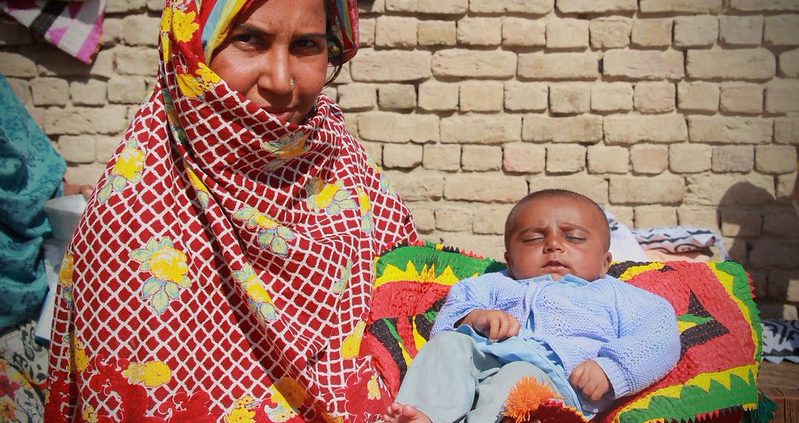
Kenyan AmputeesIn Kenya, as of 2025, approximately 0.9% of the population is living with disabilities. Of that population, 42% experience disabilities related to motor function and 80% live in more rural parts of Kenya. Due to the nature of Kenya’s public health facilities, which often lack adequate equipment to provide more adapted amenities for Kenyans with mobility-related disabilities, a large number of Kenyans live with only the most basic levels of aid. 

Despite this, technology being deployed in the form of the Amparo Confidence Socket in Kenya has the capacity to modernize and revolutionize the lives of Kenyan amputees.

Causes of Amputations in Kenya

Around the world, amputations happen often for a plethora of reasons. In Kenya, a disproportionate number of amputations occur due to many different factors. For instance, in Kenya, around 550,000 people are living with diabetes, with more than one in three undiagnosed.

When diabetes is not managed, which can be the case when someone is living with undiagnosed diabetes, amputations may end up being the only form of treatment. Another factor is amputations related to trauma. In Kenya, 35.7% of amputations are a result of trauma-related incidents. 

Part of the high number of trauma-related incidents includes poor road infrastructure, which has the capacity to cause accidents weekly. Even with the different reasons as to how Kenya, as a country, ended up with a high portion of its population requiring aid in relation to their motor-related disabilities, there are still many barriers to achieving access to technology that could help. These barriers limit the availability and use of such technology.

The Amparo Confidence Socket

Designed for individuals with amputations in areas that often lack resources, the Amparo Confidence Socket was created as an “off-the-shelf prosthetic socket technology.” This allows for a more streamlined fitting process and increased portability. It makes the technology accessible to more rural communities.

The company Amparo, in partnership with the Global Disability Innovation Hub at University College London, deployed the Confidence Socket in Kenya as part of a clinical trial. The aim was to evaluate its effectiveness. It was later found that participants in the study had improved mobility after being fitted with the Confidence Socket. 

Despite some later complaints about decreased comfort, the Amparo Confidence Socket notably increased users’ access to prosthetic services. It also supported improved mobility outcomes.

Going Forward

The Amparo Confidence Socket has the capacity to truly revolutionize the experience of amputees in Kenya. There is still room for improvement in the comfort and long-term use of the Amparo Confidence Socket in Kenya. However, its introduction, along with its flexibility in transportation and fit, has the potential to revolutionize the lives of Kenyan amputees.

– Bernice Attawia 

Bernice is based in London, UK and focuses on Global Health and Politics for The Borgen Project.

Photo: Unsplash
April 24, 2026
https://borgenproject.org/wp-content/uploads/borgen-project-logo.svg 0 0 Lynsey 2 https://borgenproject.org/wp-content/uploads/borgen-project-logo.svg Lynsey 22026-04-24 07:30:372026-04-23 09:24:25Amparo Confidence Sockets and Kenyan Amputees
Global Poverty, NGOs, Refugees and Displaced Persons

Global Link Teaching Refugees

Global LinkWhen a refugee arrives in the U.K., the first barrier is not just language. It is isolation. Since 1993, Lancashire-based NGO Global Link has built a bridge across that gap, evolving from a local development center into a national resettlement force.

Global Link operates on a simple belief: an inclusive Britain requires more than teaching refugees English. It requires social justice and conflict resolution, not just within refugee communities but across the U.K. as a whole.

Mission and Challenges

Global Link’s mission rests on three core strands: educating the general public on refugee matters, building cohesion between resettled and local populations in Lancashire and providing financial and advisory support to asylum seekers. Doing all of this comes with challenges. Asylum seekers may arrive from traumatic backgrounds or with no formal education, all while facing the constant threat of citizenship denial. Global Link then has roughly six months to begin teaching refugees English as a second language (ESL) before funded college classes become available.

Bridging the Language Gap

For newly arrived asylum seekers in Lancaster, access to English lessons is limited. Colleges often provide English classes through government-funded ESOL programs. However, many require asylum seekers to have lived in the U.K. for at least six months before becoming eligible. As a result, newly arrived asylum seekers frequently rely on charities and informal classes to learn English during that period.

Ryan Cove, a volunteer ESL teacher at Global Link, stated: “Global Link is one of the only places to offer ESL lessons to asylum seekers who have newly arrived.” With U.K. asylum policies becoming harsher and the required English level rising from B1 to B2, learning English quickly is more important than ever.

The curriculum prioritizes survival. Teachers run lessons on filling in asylum claims, registering with a GP, booking appointments by phone and reading prescription labels. The system aims to cover as many topics as possible and tailor them to specific needs; for instance, the process of getting medication from a pharmacy is broken down step by step.

For filling out asylum claims, Global Link works alongside another Lancaster charity, Refugee Advocacy, Information and Support (RAIS), which provides translation and advice. For more advanced students, lessons move on to job applications and business conversation skills. Cultural references create another layer of difficulty. Idioms, jokes and sayings can be difficult even for advanced ESL students. 

Learning Methods

While some refugees pick up English quickly through social media, others need graded language and visual support. Successful lessons are not always planned. As Cove noted about his students, Ukrainian refugees—mostly older women and mothers—responded best to cooking videos and discussions of travel. At the same time, local classes attended mainly by men from a range of nationalities engaged more with sport and food, allowing students to discuss their own cultures alongside their experiences in the U.K. Games also help.

There is no final exam for asylum seekers. When people arrive, their English levels vary widely depending on their home country and previous education. After six months, those with sufficient English proficiency become eligible for college classes. But success is measured individually: can the person use English in daily life? Can they see a doctor or get a job? 

This is why Global Link is such a valuable NGO: it does not judge success by a single exam but by meaningful progress that helps refugees move beyond mere survival.

National Integration Effort and Impact

Across the U.K., Global Link works to educate the wider public. These efforts take multiple forms, such as visits to institutions and open forums for refugee and local discussion. They also include simulations designed to give people in the U.K. a real understanding of the experiences of asylum seekers, such as Global Link’s “Escape to Safety” (E2S) exhibition.

This project is a tight labyrinth of rooms representing the difficulties and challenges that Iranian, Eritrean and Sudanese refugees—among others—face during the asylum-seeking process. Through its broad outreach, Global Link reached 64,000 people in 2025. Participants emerge from the labyrinth with a visceral understanding of what it means to flee home, wait months for decisions and navigate an unfamiliar system alone.

Nationally, the NGO offers a wide range of activities to bring communities together. These include sports tournaments, cooking classes where refugees and locals share family recipes, community agriculture projects and art workshops. Beyond this, it also offers workshops on critical skills such as driving and job-seeking. 

In 2025 alone, Global Link supported 410 refugees in their integration. In doing so, it creates more than just a development center; it creates a second home for refugees who would otherwise enter the U.K. completely isolated.

Conclusion

Global Link occupies a unique place in the U.K. that goes far beyond teaching refugees. It provides advanced, multi-layered ESL that addresses the challenges refugees face, supported by ongoing community-building for both locals and newcomers. As Cove puts it when describing why he decided to join Global Link, the work “lets you understand what they are going through on a personal basis… building a strong bond with an often neglected area of the community.” 

– Eli Thomson

Eli is based in Preston, UK and focuses on Good News and Politics for The Borgen Project. 

Photo: Flickr

April 24, 2026
https://borgenproject.org/wp-content/uploads/borgen-project-logo.svg 0 0 Lynsey 2 https://borgenproject.org/wp-content/uploads/borgen-project-logo.svg Lynsey 22026-04-24 03:00:542026-04-23 04:23:38Global Link Teaching Refugees
Financial Instruments, Foreign Relations, Global Poverty

Foreign Investment in Rwanda is Reshaping Kigali

Foreign Investment in RwandaKigali is becoming one of Africa’s leading locations for international investors, development organizations, nonprofits and foreign investment in Rwanda. Rwanda’s economy grew at 7.8% in the first half of 2025, and the country ranks among Africa’s four least corrupt nations. These numbers and the government-driven strategy show how Kigali is becoming not only a business hub but a model for development and growth across the country and internationally.

Why Foreign Investment in Rwanda Is on the Rise

Rwanda’s appeal to foreign investors has a lot to do with the stable environment. The Rwanda Development Board operates a One Stop Centre where businesses can register in a few hours, and the country allows 100% foreign ownership across the most important sectors. Rwanda is the only nation in East Africa to have concluded a Bilateral Investment Treaty with the United States, which entered into force in 2025. Meanwhile, the government’s Vision 2050 plan targets upper-middle-income status by 2035 and high-income status by 2050, goals that require sustained annual GDP growth.

Rwanda’s membership in the East African Community, the African Continental Free Trade Area and the Common Market for Eastern and Southern Africa (COMESA) gives businesses operating in Kigali access to a combined market of more than 1.4 billion consumers.

Development Organizations on the Ground

Kigali’s stability and infrastructure have drawn major international bodies beyond the private sector. The United Nations Development Programme’s (UNDP) current country program for Rwanda, running from 2025 to 2029, positions Kigali as a central node for innovation-driven development work. Key platforms and organizations include Timbuktoo, Youth Connekt and the Accelerator Lab, all of which focus on digital entrepreneurship, green jobs and youth economic empowerment.

The scale of ambition is significant. The UNDP’s program targets equipping 20,000 young Rwandans with employability skills by 2029. These programs operate against a backdrop of real need: youth unemployment stands at 20.5% for Rwandans aged 16 to 30, and approximately 78% of the population is under 35. The government’s National Strategy for Transformation 2025-2029 explicitly targets the creation of 1.25 million productive jobs with a focus on women, youth and climate-resilient sectors.

Growth That Must Reach the Poorest

The most important question surrounding Kigali’s rise is whether its economic momentum is reaching those who need it most. Rwanda’s Human Development Index grew by 119% between 1990 and 2018, the highest rate globally over that period. But as of 2017, 38.2% of Rwandans still lived below the poverty line, with 16% in extreme poverty, and 54.8% of the rural population experiencing multidimensional poverty.

The World Bank’s Country Economic Memorandum on Rwanda directly addresses this tension, emphasizing that pathways to sustainable growth must be inclusive, particularly for agriculture-dependent rural communities and women, who remain disproportionately excluded from the formal economy. Rwanda’s national frameworks acknowledge this gap: the National Strategy for Transformation 2025-2029 explicitly targets pro-poor growth, gender equality and equitable access to services as core pillars alongside economic transformation.

Looking Ahead

What makes Kigali distinctive is the combination of elements it has assembled: political stability, low corruption, investment reform and a government that has embedded poverty reduction targets directly into its long-term economic vision. Whether this model delivers for Rwanda’s poorest communities over the next decade will depend on execution, particularly whether programs like the UNDP’s youth employment initiatives translate into lasting livelihoods beyond Kigali’s city limits. As a framework for what development-oriented economic growth can look like, Kigali continues to draw international attention.

– Gia Sen

Gia is based in Mansfield, MA, USA and focuses on Business and Politics for The Borgen Project.

Photo: Flickr

April 24, 2026
https://borgenproject.org/wp-content/uploads/borgen-project-logo.svg 0 0 Precious Sheidu https://borgenproject.org/wp-content/uploads/borgen-project-logo.svg Precious Sheidu2026-04-24 03:00:452026-04-23 09:20:16Foreign Investment in Rwanda is Reshaping Kigali
Agriculture, Global Poverty

Digital Grain Storage and Reducing Poverty in India

Reducing Poverty in IndiaDevelopments in the agri-tech sphere have been fundamental to the improved economic welfare of farmers in India. Founded in 2012 and working primarily in Bihar, Ergos has transformed the lives of 150,000 farmers by reducing their dependence on seasonal income. By freeing farmers from the demands of the physical market, its digital grain bank model has significant potential for reducing poverty in India.

Rural Poverty in India

As of 2022, India’s poverty rate, measured at $3 a day, stood at 5.25%. The country has experienced steadily improved poverty conditions in recent years, particularly in rural areas, which saw a decline in poverty from 32.59% to 19.28% in 2021. NDTV reports suggest that these figures have now declined to just 4.86%. Bihar is one of the regions that has witnessed the most progress in closing the gap between poverty rates in urban and rural areas.

However, despite this progress, the day-to-day experiences of those living in the remote countryside reflect ongoing hardship. For families who rely on agriculture, the goal is simply to earn enough to survive. The unpredictable nature of monsoons and seasonal changes contributes to economic instability. It is within this context that Ergos has helped reduce poverty in India by providing an innovative solution to seasonal dependence.

Ergos the GrainBank Model

Founded by Kishor Jha and Praveen Kumar, Ergos’ grain bank model allows farmers to store harvested crops at local warehouses in order to sell their product later at a more favorable cost. According to Ergos, almost 86% of farmers in India are smallholders without the ability to store their produce. As a result, around 80% to 90% of farmers try to sell the entirety of their grain in under 40 days. This is compounded by widespread debt among workers in the agricultural sector, where high interest rates affect farmers who had initially relied on moneylenders to fund their business, creating a cycle that limits the ability of rural households to raise their incomes.

By providing storage for grain, Ergos enables farmers to access immediate liquidity through a credit system and regain control over commodity prices. Technological innovation underpins the model’s effectiveness, with Ergos collecting and sharing agricultural data to support farmers’ decision-making. This approach benefits both farmers and buyers, returning financial control to rural producers who would otherwise remain vulnerable to seasonal fluctuations.

Looking Ahead

Given that an estimated 60% of rural households rely on agriculture, based on a 2021-22 national survey, innovations in agri-tech have a role to play in reducing poverty in India. Ergos’ digital grain bank model demonstrates how modern technology applied to an age-old livelihood can reduce seasonal income dependence and support rural communities.

– Polly Laws

Polly is based in Cardiff, UK and focuses on Good News and Global Health for The Borgen Project.

Photo: Flickr

April 24, 2026
https://borgenproject.org/wp-content/uploads/borgen-project-logo.svg 0 0 Precious Sheidu https://borgenproject.org/wp-content/uploads/borgen-project-logo.svg Precious Sheidu2026-04-24 01:30:012026-04-23 04:15:23Digital Grain Storage and Reducing Poverty in India
Global Poverty, Period Poverty

Reenpad: Reducing Period Poverty in Tanzania

Period Poverty in TanzaniaReenpad, founded in 2021, is a female-founded social enterprise that is seeking to tackle period poverty by providing sustainable menstrual products in Tanzania. Tanzania is home to more than 68 million people in East Africa. An estimated 2 billion people menstruate each month across the planet. However, around 500 million of these people struggle to afford and access appropriate menstrual hygiene products or clean and safe sanitation facilities to manage their periods with dignity. With more than half the population of Tanzania living on less than $3 a day, Reenpad provides women and girls with cost-effective and sustainable menstrual products in Tanzania to empower them and conserve the climate.

Periods and Poverty

Periods and poverty are deeply intertwined, so much so that the phrase “period poverty” has been coined. Millions of people are still unable to afford menstrual hygiene products or do not have access to clean and safe water and sanitation facilities, such as private toilets. Instead, many women and girls across the planet are forced to use toilet paper, cloth or a sponge to maintain some menstrual hygiene. Others have no access to anything at all. As a result, many women and girls miss out on days of education or work every month, which only worsens their economic situation, putting their health, freedom and rights at risk.

Stigma and discrimination are major factors in perpetuating period poverty. Many countries do not educate young people on periods, and therefore, many people are completely unaware and unprepared for their first period. Those in policymaking positions are also affected by the stigma around menstruation, where a lack of consideration for clean and private sanitation facilities in places of education or employment means people do not feel comfortable going to school or work while menstruating.

Reenpad

Doreen Urio is a social innovator and is the founder of Reenpad, a social enterprise committed to making menstrual health products both accessible and affordable in Tanzania. With 51% of the Tanzanian population living on less than $3 a day, the monthly cost of and access to traditional menstrual products is a burden to many women and girls. To achieve its mission of reducing period poverty and empowering women and girls, Reenpad began producing and distributing sustainable menstrual products in Tanzania, such as reusable pads.

Reusable pads help women and girls reduce their monthly expenses as they are far more cost-effective than traditional disposable menstrual products. Their durable quality allows them to be washed and reused for several years. As well as being cost-effective, they are also a more sustainable, eco-friendly option for the environment, reducing the waste that comes from traditional menstrual hygiene products in Tanzania and across the globe. Traditional single-use sanitary pads typically end up in landfill and can take between 500 and 800 years to break down, and some materials used in production will never decompose.

Urio was inspired to begin this mission after losing a close friend to uterine cancer, after dealing with the pain of endometriosis. Reenpad understands that menstrual health is a key factor and signifier of an individual’s overall health. As such, as well as providing sustainable menstrual products in Tanzania, Reenpad also offers products that help with hormonal skin outbreaks and menstrual cramps. The organization educates women and girls on how to understand their menstrual cycle, helping to break down stigma and taboos.

Reenpad offers more than providing knowledge and sustainable products for menstrual cycles. Many employment opportunities for local low-income women and girls have been created thanks to Reenpad, broadening its social impact by helping to further tackle poverty in Tanzania.

Looking Ahead

The work done by Urio and Reenpad in providing education, jobs and sustainable menstrual products in Tanzania supports women living in period poverty. Providing these accessible and affordable products offers women and girls years of dignity and empowers them by removing one barrier to education and employment. The environmental benefit of these products supports the case for sustainable menstrual products as a model going forward.

– Stephanie Gable

Stephanie is based in Wales, UK and focuses on Global Health and Politics for The Borgen Project.

Photo: Pexels

April 23, 2026
https://borgenproject.org/wp-content/uploads/borgen-project-logo.svg 0 0 Precious Sheidu https://borgenproject.org/wp-content/uploads/borgen-project-logo.svg Precious Sheidu2026-04-23 07:30:522026-04-23 02:00:18Reenpad: Reducing Period Poverty in Tanzania
Page 20 of 2162«‹1819202122›»

Get Smarter

  • Global Poverty 101
  • Global Poverty… The Good News
  • Global Poverty & U.S. Jobs
  • Global Poverty and National Security
  • Innovative Solutions to Poverty
  • Global Poverty & Aid FAQ’s
Search Search

Take Action

  • Call Congress
  • Email Congress
  • Donate
  • 30 Ways to Help
  • Volunteer Ops
  • Internships
  • Courses & Certificates
  • The Podcast
Borgen Project

“The Borgen Project is an incredible nonprofit organization that is addressing poverty and hunger and working towards ending them.”

-The Huffington Post

Inside The Borgen Project

  • Contact
  • About
  • Financials
  • President
  • Board of Directors
  • Board of Advisors

International Links

  • UK Email Parliament
  • UK Donate
  • Canada Email Parliament

Get Smarter

  • Global Poverty 101
  • Global Poverty… The Good News
  • Global Poverty & U.S. Jobs
  • Global Poverty and National Security
  • Innovative Solutions to Poverty
  • Global Poverty & Aid FAQ’s

Ways to Help

  • Call Congress
  • Email Congress
  • Donate
  • 30 Ways to Help
  • Volunteer Ops
  • Internships
  • Courses & Certificates
  • The Podcast
Scroll to top Scroll to top Scroll to top