Health Improvements and Reducing Poverty in Uganda
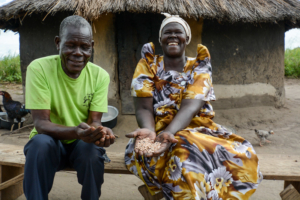 Uganda has experienced notable economic growth over the past two decades. Yet, poverty, food insecurity and limited access to health care remain persistent challenges, particularly in rural and refugee-hosting regions of Uganda. According to World Bank estimates, Uganda’s national poverty rate stood at approximately 21.4% in 2016, with significantly higher rates in rural areas.
Food insecurity and undernutrition reinforced these vulnerabilities, contributing to poor health outcomes and limiting educational attainment among children. In response, the World Food Program (WFP) and the United Nations Development Program (UNDP) implemented a range of initiatives to address both the immediate and structural drivers of poverty and poor health in Uganda.
WFP Initiatives: School Feeding, Nutrition and Food Security
Between 2016 and 2020, WFP implemented its Uganda Country Program, which prioritized food security as a foundation for long-term development. A central pillar of this strategy was the Home-Grown School Feeding (HGSF) program, which provides daily meals to schoolchildren while sourcing food directly from local smallholder farmers. This approach was designed to address child hunger and education outcomes while simultaneously strengthening rural livelihoods.
According to a WFP interview with a WFP Uganda program officer, the HGSF initiative has reduced hunger-related absenteeism among schoolchildren while improving household income stability for farmers through predictable local procurement. The interview emphasizes that by linking schools to nearby agricultural producers, the program treats food assistance as both a nutritional and economic intervention rather than short-term relief. WFP reports indicate that school feeding programs reached hundreds of thousands of children annually, particularly in food-insecure regions such as Karamoja, where chronic hunger has historically undermined educational outcomes.
In addition to school meals, WFP expanded maternal and child nutrition programs, targeting pregnant women and young children during critical stages of development. Evaluations of WFP’s Uganda Country Strategic Plan found improvements in household food consumption scores and dietary diversity among participating communities.
UNDP Initiatives: Inclusive Growth and Health Infrastructure
While WFP’s interventions focused on food systems and nutrition, UNDP addressed the broader economic and infrastructural determinants of poverty and health. Through its Inclusive Growth and Resilience programs, UNDP supported job creation, micro-entrepreneurship and access to renewable energy, factors closely linked to long-term poverty reduction.
One of UNDP’s most impactful interventions has been the solarization of rural health facilities. The organization supported the installation of solar power systems in 26 rural health facilities, improving health care access for more than 700,000 people. Before electrification, many facilities relied on unreliable grid power or diesel generators, limiting their ability to provide consistent care.
UNDP reports that solar-powered facilities improved vaccine storage, expanded nighttime emergency services and strengthened maternal health care. By strengthening health infrastructure, these initiatives reduced the economic burden of illness on households. They enhanced the overall resilience of rural health systems.
Measurable Impact: Poverty Reduction and Health Improvements
The combined effects of WFP and UNDP initiatives are reflected in national development indicators. Between 2016 and 2020, poverty in Uganda declined to 20.3%. While multiple factors contributed to this trend, UNDP and WFP reports identify improved food security, social protection and service delivery as key contributors.
Nutrition and health indicators also improved over the same period. National stunting rates among children under 5 declined from roughly 29% in 2016 to 26% in 2022, reflecting gains in maternal nutrition, child feeding practices and health care access. In refugee-hosting districts, WFP-supported cash transfers linked to nutrition and health services improved dietary diversity.
They reduced reliance on negative coping strategies. The WFP interview-based video evidence further reinforces these findings by illustrating how school feeding programs improved attendance and learning outcomes, thereby demonstrating the long-term poverty-reduction potential of investing in child nutrition and education.
Challenges and Ongoing Constraints
Despite measurable progress, significant challenges persist. Funding volatility poses a major threat to program sustainability, particularly in refugee-hosting areas. WFP evaluations warn that reductions in donor funding have led to ration cuts in some regions, reversing gains in food security and nutrition.
Climate shocks, including droughts and floods, further undermine agricultural productivity and rural livelihoods, placing additional strain on food systems. UNDP reporting also notes capacity constraints at the local government level, which can limit the scaling and institutionalization of successful initiatives. These challenges highlight the need for sustained investment and stronger national ownership of development programs.
Conclusion
UNDP and WFP initiatives in Uganda demonstrate that poverty reduction and health improvement are most effective when addressed through integrated, multi-sectoral strategies. These programs linked school feeding to local agriculture. They expanded nutrition-linked social protection and also strengthened the health care infrastructure through renewable energy.
Together, these efforts addressed both immediate vulnerabilities and long-term development needs. The measurable declines in poverty and child malnutrition between 2016 and 2022 suggest that coordinated development interventions can deliver tangible results even in complex and resource-constrained contexts. As Uganda continues to confront climate risks, demographic pressures and funding uncertainty.
However, the UNDP–WFP model offers a compelling example of how development and humanitarian action can work together to deliver sustainable, inclusive outcomes.
– Akash Ramaswamy
Akash is based in Mississauga, Canada and focuses on Global Health and Politics for The Borgen Project.
Photo: Flickr
