• Link to X
  • Link to Facebook
  • Link to Instagram
  • Link to TikTok
  • Link to Youtube
  • About
    • About Us
      • President
      • Board of Directors
      • Board of Advisors
      • Financials
      • Our Methodology
      • Success Tracker
      • Contact
  • Act Now
    • 30 Ways to Help
      • Email Congress
      • Call Congress
      • Volunteer
      • Courses & Certificates
      • Be a Donor
    • Internships
      • In-Office Internships
      • Remote Internships
    • Legislation
      • Politics 101
  • The Blog
  • The Podcast
  • Magazine
  • Donate
  • Click to open the search input field Click to open the search input field Search
  • Menu Menu

Archive for category: Global Poverty

Key articles and information on global poverty.

Development, Global Poverty, Health

Caribbean Health Systems: Lab Training and AMR in Barbados

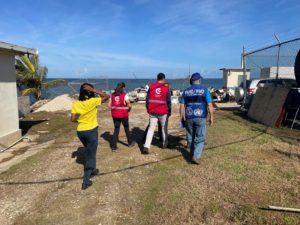
AMR in BarbadosIn Barbados, laboratory professionals are helping lead one of the Caribbean’s most important public health efforts: strengthening the fight against antimicrobial resistance (AMR). Through regional training workshops focused on advanced diagnostic technologies, laboratory information systems and shared surveillance strategies, Barbados is emerging as a key hub for Caribbean cooperation against drug-resistant infections. As AMR continues to threaten health systems worldwide, Barbados offers a model for how regional investment in public health infrastructure can improve long-term development outcomes.

Why AMR Matters

AMR happens when bacteria and other microorganisms evolve, making antibiotics and other medicines less effective. The result is infections that are harder to treat, longer hospital stays and a higher risk of severe illness or death. For smaller island nations, the challenge extends beyond medicine into development itself. 

Limited diagnostic infrastructure can delay treatment decisions, raise health care costs and place greater strain on already stretched public health systems. For Caribbean countries with limited standard laboratories and uneven access to advanced testing equipment, these delays can weaken infection control efforts and reduce the quality of data needed for policy decisions. This is especially significant in lower-resource settings, where preventable illness can deepen poverty by increasing medical expenses and reducing workforce productivity.

How Barbados Is Strengthening Regional Laboratory Capacity

At the center of this effort is the Best-dos-Santos Public Health Laboratory in Bridgetown, where regional training sessions have brought together laboratory professionals from across the Caribbean. Recent workshops organized by the Pan American Health Organization (PAHO) focused on Laboratory Information Management Systems (LIMS), AMR characterization and new diagnostic technologies, including Matrix-Assisted Laser Desorption/Ionization Time-of-Flight (MALDI-TOF) mass spectrometry and infrared spectrometry. These tools allow laboratories to move more quickly from identifying pathogens to determining which antibiotics will work. 

Just as importantly, digital systems such as WHONET and SEDRI-LIMS help countries standardize data collection and share reliable surveillance information across borders. This regional interoperability strengthens the Caribbean’s ability to track resistant infections and coordinate public health responses more efficiently. Barbados’ growing leadership in this space reflects years of capacity-building support through PAHO and the U.K. Fleming Fund. 

According to PAHO, the Best-dos-Santos laboratory has improved microbiology workflows, reporting systems and regional coordination. This positions the country as an emerging reference center for AMR surveillance in the Eastern Caribbean.

The Link Between Stronger Labs and Global Development

Stronger laboratories do more than improve diagnostics. Faster, more accurate testing reduces unnecessary antibiotic use, supports better patient recovery and lowers the long-term costs associated with resistant infections. In practical terms, this means fewer preventable deaths, shorter disruptions to employment and less financial pressure on households already vulnerable to health-related poverty.

For the Caribbean, this also represents a broader investment in resilience. Over the past year, PAHO-supported initiatives delivered 34 critical pieces of laboratory equipment to 14 laboratories in nine Caribbean countries, helping expand the region’s diagnostic capacity and data quality. These improvements strengthen not only clinical care but also national action plans and regional health security.

A Model for Regional Public Health Cooperation

Barbados’ leadership points to a larger shift toward regional self-sufficiency in health infrastructure. As AMR grows into one of the century’s most serious public health threats, Barbados is showing how regional cooperation can turn limited resources into collective strength. By sharing technology, expertise and surveillance systems, Caribbean countries are building a collective response to a problem that no single nation can solve alone. 

Investments in laboratory systems today are helping the region build healthier, more resilient futures tomorrow.

– Angela “Phoenix” Garrett

Angela is based in Chicago, IL, USA and focuses on Good News and Global Health for The Borgen Project.

Photo: Flickr

April 28, 2026
https://borgenproject.org/wp-content/uploads/borgen-project-logo.svg 0 0 Lynsey 2 https://borgenproject.org/wp-content/uploads/borgen-project-logo.svg Lynsey 22026-04-28 07:30:472026-04-27 12:10:46Caribbean Health Systems: Lab Training and AMR in Barbados
environment, Global Poverty

Fiji’s Beqa Lagoon Turned Shark Predators into Prosperity

Fiji's Beqa LagoonFiji’s Beqa Lagoon was once a hotspot for shark fishing, as shark fins and oil provided profitable returns for local fishermen. An abundance of bull sharks feeding in the nearby river mouths made Fiji’s Beqa Lagoon a reliable target in the region, with heavy fishing efforts leaving the reef system in a decimated state.

Once depleted of marine life, the lagoon now hosts one of the world’s leading shark diving experiences, with a vibrant and healthy reef ecosystem. The marine reserve is not only an environmental success story — it is also a model for community development.

Local communities are thriving beyond the shark fishing economy, using eco-tourism and marine conservation strategies to rebuild the economy, infrastructure and spiritual connection alongside Beqa Lagoon.

Shark Reef Marine Reserve

Fiji waters support a known 75 species of sharks and rays, with 66% of these species globally threatened or near threatened according to the IUCN Red List. Established in 2004, the Shark Reef Marine Reserve uses a community-compensation model where local villages, including Galoa and Wainiyabia, legally yielded their fishing rights to the reef, also known as Qoliqoli, in exchange for monthly funds deposited directly into village bank accounts to support local infrastructure and education. As a result, every diver pays a mandatory marine park shark levy of approximately FJD 20. This provides a steady income compared to the fluctuating returns of overfishing. The marine reserve also creates a spillover effect, with fish populations spilling into neighboring unprotected reefs and increasing fishing yields in those areas.

As part of the agreement, the community receives 100% of the marine park levy with full autonomy over how the funds are allocated. Development projects have included:

  • Infrastructure and facilities maintenance, with funds providing critical income to more than 6,000 fishermen during the COVID-19 pandemic when tourism stopped.
  • Education support for local schools, with specific allocations including school fees, supplies and maintenance of educational buildings in Galoa.
  • Health and welfare, with the steady cash flow providing a social safety net, especially during fluctuations and declines in fish yields in unprotected areas.

In the past 20 years, the shark diving industry generated more than $42.2 million annually, with $3.9 million in salaries, contributing to funding schools, health care and infrastructure while providing a stable income. The partnership with Beqa Adventure Divers and the United Nations Development Programme (UNDP) Pacific Office has trained 10 official community members as fish wardens. Under the Fisheries Act, these wardens have the authority to protect the reserve from poaching and illegal activity. The organization has also trained qualified divers in the eco-tourism industry, providing long-term employment.

The reserve has attracted international partnerships, including the Global Fund for Coral Reefs and the UNDP. Through these partnerships, the community founded the first nonprofit elasmobranch research project, Fiji Shark Lab, developed coral nursery programs and restored more than 50 hectares of mangrove forests. These institutions provide employment and educational resources to local communities and continue to engage with community members in climate resilience projects.

Cultural Significance

Beyond the local economy, the Shark Reef Marine Reserve is tied to a long-standing spiritual connection between Beqa divers and sharks. According to oral tradition, Cakaubalavu, a chief fisherman, transformed into a shark after returning from a fishing trip to find his food eaten. He left Beqa with other traditional fishermen, traveling across several islands and eventually assisting another group in a reef battle, forever tying him to the island of Benau. Through this story, he became known as Dakuwaqa, the protector of divers and a shark deity for the Rukua people. Currently, the legend extends beyond Benau, with Dakuwaqa spoken of as the protector of divers in the Beqa Lagoon, providing a sense of safety and spiritual connection to many divers and visitors.

Looking Ahead

This approach, tying marine conservation to economic and community prosperity, highlights how conservation can become a pathway to reducing global poverty. With low-elevation coastal zones (LECZ) harboring a significant portion of the world’s poverty, coastal communities are becoming increasingly vulnerable to environmental hazards and climate change. The success of Fiji’s Beqa Lagoon continues to serve as a model as community ties to marine health support a growing movement toward sustainable development.

– Alyssa Forget

Alyssa is based in Dundas, Ontario, Canada and focuses on Good News for The Borgen Project.

Photo: Unsplash

April 28, 2026
https://borgenproject.org/wp-content/uploads/borgen-project-logo.svg 0 0 Precious Sheidu https://borgenproject.org/wp-content/uploads/borgen-project-logo.svg Precious Sheidu2026-04-28 07:30:322026-04-27 09:57:48Fiji’s Beqa Lagoon Turned Shark Predators into Prosperity
Agriculture, Global Poverty, Women's Empowerment

Women Farmers in Guyana and Food Security

Women Farmers in GuyanaWomen farmers in Guyana and food security begin at the market level, where women dominate food distribution in areas such as Anna Regina, Corriverton and Georgetown. Vendors such as Jasmin Ramsammy at Skeldon Market in Berbice adjust supply based on demand during holidays like Diwali, while Nina Sarju at Port Mourant Market manages unsold goods by reselling or sharing them to reduce waste. These daily decisions directly affect food availability. In 2020, fruits and vegetables generated $3.3 million in exports, much of it supported by women’s labor.

Regional Production Shows Women’s Impact

Women farmers in Guyana and food security extend into farming communities such as Pomeroon in Essequibo and Belle West. Women grow crops such as bora, pumpkin, tomatoes and peppers, supplying both households and urban markets. Traders, often women, transport produce weekly from Pomeroon to Georgetown, linking rural farms to cities. Malika Deokarran, who leads a 75-member farming group, plays a key role in organizing pricing and distribution, showing how women sustain the supply chain.

Women farmers in Guyana and food security face the greatest challenges in the hinterland regions of Regions 1, 7, 8, and 9. Poverty in these areas reaches up to 55%, limiting access to infrastructure and markets. Many women rely on small kitchen gardens to support their families rather than operate large-scale farms, which reduces overall productivity and income potential.

Food Loss in Berbice and Coastal Regions

Food loss significantly affects women farmers in Guyana and food security, especially in coastal regions such as Berbice. Nearly 30% of fruits and vegetables are lost annually due to flooding, poor storage and transportation issues. Vendors in Berbice markets often face spoilage if goods are not sold quickly, leading to financial loss and reduced food supply.

Programs Supporting Women Farmers

Current programs are improving conditions for women farmers in Guyana and food security, particularly in rural communities. Government initiatives have provided tools and inputs to farmers in areas such as the Corentyne Coast, helping boost production. Food and Agriculture Organization (FAO) training programs focus on reducing post-harvest losses and improving climate resilience. Women-led groups are also expanding agro-processing, producing goods such as cassava products and coconut oil to increase income and reduce waste.

Looking Ahead

Women farmers in Guyana are essential to the country’s food system. From Berbice vendors managing daily sales to Pomeroon farmers supplying urban markets, women support every stage of production and distribution. Expanding access to land, credit and training, especially in the most affected regions, could increase productivity and strengthen national food security.

– Kianna Hines

Kianna is based in Brooklyn, NY, USA and focuses on Global Health for The Borgen Project.

Photo: Flickr

April 28, 2026
https://borgenproject.org/wp-content/uploads/borgen-project-logo.svg 0 0 Precious Sheidu https://borgenproject.org/wp-content/uploads/borgen-project-logo.svg Precious Sheidu2026-04-28 03:00:452026-04-26 11:43:09Women Farmers in Guyana and Food Security
Disease, Global Poverty, Sanitation

Poor Sanitation and Infectious Diseases in Indonesia

Infectious Diseases in IndonesiaAccording to the World Health Organization (WHO), communicable diseases and nutritional conditions are responsible for 34.7% of deaths in Indonesia. With tuberculosis (TB) ranked first, a ratio of 48.9 deaths per 100,000 people creates a major social and economic burden. Poverty, overcrowding and the lack of rural health infrastructure in Indonesia act as catalysts for infectious diseases like TB, due to poor sanitation and hygiene. 

Diseases such as TB and worm infections affect low-income communities by placing a heavy financial burden on families, especially those living in rural areas, due to a lack of safe shelter, clean drinking water, nutrition and sanitation. These challenges increase disease risk and push families deeper into poverty. As a result, initiatives addressing infectious diseases in low-income communities are needed. 

Organizations such as Palang Merah Indonesia (PMI), Siklus Indonesia and doctorSHARE help reduce the spread of infectious diseases and promote sanitation in rural areas. They do this by improving public health, expanding health care access and supporting health care in low-income communities.

Palang Merah Indonesia

On September 17, 1945, Indonesia’s year of independence, Mohammad Hatta ordered the creation of PMI, also known as the Indonesian Red Cross Society. The goal was to help support the injured and provide medical assistance to communities during the Indonesian National Revolution. Through this effort, PMI received international recognition and became a member of the International Red Cross.

The Indonesian government officially recognized PMI as a humanitarian organization in 2018. From then on, PMI has set a long-term mission to expand its inclusive services, prevent disease, strengthen social trust and increase collaborations with partners, including the government. It does this by implementing several strategies, including strengthening communities, improving blood donation services and increasing transparency. 

In 2022, PMI collected a total of 368,557 bags of blood, helping ensure a steady, reliable blood supply for communities. To maximize its impact on sanitation and hygiene, PMI also runs a health program called Water, Sanitation and Hygiene (WASH). WASH plays a key role in preventing disease and improving quality of life. 

By building clean water supply systems, improving sanitation facilities and raising awareness through hygiene education campaigns, PMI prevents infectious diseases often caused by poor sanitation. Programs like WASH play a major role in preventing infectious diseases in low-income communities.

Siklus Indonesia

Siklus Indonesia is a nonprofit organization founded in 2010, focused on health care access and social development. Its mission is to strengthen and empower communities, particularly the underserved, through its services, research, partnerships and educational programs. To better achieve this goal, Siklus Indonesia proposed creating the AIDS, TB and Malaria Regional Action Plan (RAD) to reduce HIV, TB and malaria rates in Yogyakarta from 2026 to 2030. 

During a preparatory meeting for the program, the regional government and secretariat held a workshop in November 2025 to review strategies, including the National AIDS, TB and Malaria (ATM) strategy. The workshop discussed progress in fighting infectious diseases through the ATM program. About 87% of Indonesians with HIV/AIDS are aware of their diagnosis. Moreover, 58% have received antiretroviral therapy (ARV). 

As a result, 64% of individuals with HIV/AIDS achieved viral load suppression. As for TB, screening reached 63% of estimated cases among the total 90%, while treatment success is 83.4%. Consequently, Siklus Indonesia has implemented outreach focused on vulnerable communities to increase TB case discovery through education, screening and encouraging high-risk individuals to get tested. 

Most of the outreach focuses on the elderly, youth, pregnant women, people with infectious diseases and congregate settings. Heavily populated areas, such as Islamic boarding schools and correctional facilities, often have higher transmission rates. This is due to limited space and inadequate infrastructure, which underlines the need for action and attention. 

While direct initiatives, such as medical and therapeutic efforts, are important, Siklus Indonesia shows that education and outreach remain essential for addressing infectious diseases in low-income communities.

DoctorSHARE

DoctorSHARE was founded in 2009 by Lie A. Dharmawan, with the mission to alleviate suffering and expand health care access for vulnerable and underserved communities in Indonesia. In 2013, he created the first floating hospital in Indonesia to better reach and support marginalized communities that live far away. Dharmawan was inspired during his time in Maluku, when a young mother and her severely ill daughter had to travel three days by boat and approached him for help. 

She was diagnosed with a hernia and interstitial clamping, which required immediate surgery. Fortunately, Dharmawan was able to operate in time. The surgery was successful and the child survived. On his way back to Jakarta, he began thinking about how many others face the same challenge. As a solution, he created the first floating hospital, named RSA Nusa Waluya I.

DoctorSHARE also offers a range of health programs, including outreach and disaster response. Outreach includes the floating hospital, flying doctor (five to seven doctors supporting highlanders via aircraft), health promotion and advocacy and capacity building. DoctorSHARE also runs TB rehabilitation programs, with more than 394 patient care and consultation sessions and 612 walking clinics. 

This initiative partners with communities, individuals and the government. It also improves health care access through infrastructure upgrades. One example is the TB clinic in Sentani, which treats infectious diseases to help contain them and prevent outbreaks. Medical outreach like this directly reduces infectious diseases in low-income communities.

As of 2024, doctorSHARE has completed more than 5,350 major surgeries, 7,959 minor surgeries and 294,028 outpatient treatments, including 6,299 ultrasound consultations and 68,371 health education programs. By providing surgeries and TB rehabilitation, these programs restore productivity and help break the cycle of poverty caused by financial burden. This creates a sustainable culture of wellness, where improving health care protects communities’ future.

Conclusion

In an archipelago of more than 17,000 islands, the geography of Indonesia makes addressing infectious diseases in low-income communities especially challenging. This highlights the need for continued action. If these issues matter in Indonesia, then they matter globally.

Thus, initiatives from PMI, Siklus Indonesia and doctorSHARE highlight nonprofit regional support through health care access, education and promotion. By implementing these strategies, organizations empower the next generation with quality health care and support that helps address broader global challenges. Through intervention, accessibility and sustainability, these efforts improve health care access and help communities break the cycle of poverty.

Bianca P. Gunawan

Bianca is based in Jakarta, Indonesia and focuses on Good News and Global Health for The Borgen Project.

Photo: Flickr

April 28, 2026
https://borgenproject.org/wp-content/uploads/borgen-project-logo.svg 0 0 Lynsey 2 https://borgenproject.org/wp-content/uploads/borgen-project-logo.svg Lynsey 22026-04-28 01:30:092026-04-26 11:36:59Poor Sanitation and Infectious Diseases in Indonesia
Conflict, Global Poverty

Women Join Syria’s Demining Effort

Syria’s DeminingWhen Abeer Ghonimi walks into a field in northwest Syria, she takes her life into her own hands. A mother, researcher and Arabic literature graduate, Ghonimi is one of a small but growing number of women joining Syria’s demining effort, work that is not just dangerous but essential for millions of people who cannot yet safely return home.

More than a decade of civil war has left Syria among the most heavily contaminated countries on earth. Clearing that contamination has become one of the most urgent tasks of post-conflict recovery, and women like Ghonimi are increasingly part of the workforce doing it.

A Country Riddled With Hidden Dangers

Syria has recorded the highest or second-highest number of landmine casualties in the world for several years running. In 2023, the country recorded 933 casualties from mines and explosive remnants of war, more than any other country. In 2022, the figure was 834, also a global high. Casualties surged sharply after the fall of Bashar al-Assad’s government in December 2024, as millions of displaced Syrians began moving back to areas that had been closed off for years. Between Dec. 8, 2024 and March 25, 2025, the International Committee of the Red Cross recorded 748 casualties from mines and explosive remnants. Of those, 500 came in the first three months of 2025 alone, more than half the total recorded in all of 2024.

The scale of contamination is significant. According to the United Nations Mine Action Service (UNMAS), approximately 15.4 million people in Syria, more than 65% of the population, live at risk from unexploded ordnance, including landmines, improvised explosive devices and the remnants of years of aerial and artillery bombardment.

The human cost is matched by an economic one. Contaminated farmland cannot be planted. Roads cannot be repaired. Schools and water infrastructure sit idle because clearing them first requires funding and personnel that remain in short supply. One estimate put the cost of clearing northeast Syria alone at more than $190 million. Experts have warned that at current resource levels, it could take 25 to 40 years to address Syria’s contamination fully.

Training Local Deminers and the Inclusion of Women

Humanitarian organizations are expanding training programs to build local capacity. France-based Humanity and Inclusion, formerly Handicap International, concluded a three-week intensive course in early February 2025, based out of its Hama office and focused on northwestern Syria. The training team included two instructors, 12 trainees, 10 working deminers, a deputy team leader and a team leader. Participants learned to identify landmines and unexploded ordnance, follow safety protocols and respond to threats in their own communities, with classroom instruction combined with practical fieldwork in affected areas, including Idlib and Aleppo.

Those efforts are beginning to show results. According to UNMAS, cross-border mine action partners such as Humanity & Inclusion conducted 1,500 clearance operations between the fall of Assad and December 2025, disposing of more than 2,000 items of unexploded ordnance. During the same period, 141 minefields and 450 confirmed hazardous areas were identified across Idlib, Aleppo, Hama, Deir Ezzor and Latakia. Risk education has also expanded: 930 sessions were delivered to around 17,000 people in northwest Syria during the same period.

Separately, MAG International’s teams in northeast Syria have helped restore water supplies, roads, agricultural land and schools that had been blocked by contamination, enabling displaced communities to return.

HALO Trust deminers, including women such as 32-year-old Lama Haj Kaddour, are now working across the country following the end of the Assad era, which opened up regions that were previously inaccessible to civilian demining organizations.

Why Women’s Involvement Matters

Women remain underrepresented in Syria’s demining workforce, but their participation is growing. The recent Humanity and Inclusion cohort included two female trainees drawn directly from local communities. Among them was Ghonimi, who had worked for humanitarian causes since 2017 and trained community members to recognize the risks of explosive remnants before joining a clearance team herself.

Her motivation is personal as much as professional. “At any moment, I may encounter unexploded ordnance,” she told Arab News from Idlib. “Or my son could be exposed to remnants of war.” That fear, she said, drove her to learn how to respond and to pass that knowledge on. While working in Taftanaz, northeast of Idlib, a participant in one of her awareness sessions used what he had learned to stop a neighbor from picking up a suspicious object, a potentially life-saving intervention that illustrates how local knowledge, once shared, multiplies.

The practical case for including women is well established. In communities across Syria where conservative social norms restrict interaction between unrelated men and women, female deminers and risk education officers can access households and speak with women and children in ways that male colleagues often cannot. Those groups are among the most vulnerable to accidents, particularly children who may encounter or handle unfamiliar objects. UNICEF has estimated that at least 422,000 incidents involving unexploded ordnance have been reported across Syria since 2011 and that roughly half involved child casualties.

A Broader Push for Women’s Inclusion

The growing presence of women in demining is part of a wider effort to ensure Syria’s recovery is not rebuilt along the same exclusionary lines as before. Women have been largely sidelined in the country’s political transition: when elections were held in October 2025, just six women won seats in the 119-member transitional parliament. Women’s groups have described their roles in many institutions as symbolic rather than substantive.

In that context, technical roles like demining carry significance beyond the immediate task. Humanitarian frameworks increasingly recognize that gender inclusion improves outcomes in post-conflict recovery, not as an add-on, but because diverse teams reach more of the affected population and build stronger local ownership of the recovery process. The United Nations Development Programme (UNDP) Syria’s Gender Equality Strategy for 2026 reflects this thinking, aiming to embed women’s agency across economic, social and institutional recovery programs.

For Ghonimi, the logic is straightforward. “There is no difference between men and women in their ability to contribute,” she said. “The war in Syria has shown that women play an essential role in supporting their communities.”

Looking Ahead

Syria’s demining problem is vast, and the resources dedicated to solving it remain far short of what is needed. Germany, one of the key funders of humanitarian demining, cut its relevant budget by more than half in 2025. U.S. support through USAID, which had funded clearance work in northeast Syria, was also cut back. Organisations like HALO Trust and MAG International are working to expand capacity now that the fall of Assad has opened access to previously restricted areas, but experts warn that without sustained international funding, progress will remain painfully slow.

Every cleared field, road or neighborhood returned to safe use represents families able to come home, crops that can be planted and schools that can reopen. As the country’s recovery gathers pace, the women joining Syria’s demining teams are not just clearing land — they are helping to make that recovery possible.

– Andrew Geddes

Andrew is based in Edinburgh, UK and focuses on Global Health and Politics for The Borgen Project.

Photo: Flickr
April 28, 2026
https://borgenproject.org/wp-content/uploads/borgen-project-logo.svg 0 0 Precious Sheidu https://borgenproject.org/wp-content/uploads/borgen-project-logo.svg Precious Sheidu2026-04-28 01:30:002026-04-27 11:58:38Women Join Syria’s Demining Effort
Agriculture, Electricity and Power, Global Poverty

How Solar-Powered Irrigation Supports Farmers in Northern Ghana

Solar-Powered IrrigationSolar-powered irrigation is supporting farmers in northern Ghana, highlighting an innovative solution to agricultural challenges in rural areas. In regions where inconsistent rainfall and limited infrastructure restrict farming, solar-powered irrigation systems are helping smallholder farmers improve crop production and increase income.

Challenges Facing Agriculture in Northern Ghana

In northern Ghana, agriculture is a primary source of income for many households. However, farming is often heavily dependent on seasonal rainfall, making it difficult for farmers to maintain consistent crop yields. Periods of drought or irregular rainfall can significantly reduce production, leading to food insecurity and financial instability. 

Without reliable irrigation, many farmers are limited to a single growing season each year, thereby restricting both productivity and income opportunities. For many farmers, the lack of irrigation also creates financial barriers, as fuel-powered pumps are often too expensive to operate. This forces smallholder farmers to rely on rain-fed agriculture, limiting their ability to farm year-round. 

Solar-Powered Irrigation as a Solution

To address these challenges, solar-powered irrigation systems are being introduced as sustainable, cost-effective solutions in Ghana. These systems use solar panels to power water pumps, allowing farmers to access water without relying on expensive fuel. Evidence from Ghana shows that these systems have “led to greater yields, increased income for farmers and a generally improved food security situation.”

By reducing dependence on diesel pumps, these systems also lower operational costs and provide a more sustainable alternative for smallholder farmers. As a result, they provide a reliable and long-term solution to the challenges facing agriculture in northern Ghana. According to the United Nations Development Programme (UNDP), “the intervention is not only providing them more income, but it is also helping to improve the nutrition of their households because of the increased yields and the ability to produce food crops throughout the year.” 

It emphasizes the contrast between traditional challenges and the benefits of improved irrigation systems.

Increasing Productivity and Income

Access to reliable irrigation has significantly improved agricultural productivity in northern Ghana. In one example, a farmer supported by a UNDP initiative expanded production from one harvest per year to multiple growing cycles, increasing both yields and income. The impact of solar-powered irrigation on farmers in northern Ghana is also reflected in broader academic findings. 

As stated in the study “Economic and Food Security Effects of Small-Scale Irrigation Technologies in Northern Ghana,” “Small-scale irrigation (SSI) technologies can be useful not only to increase crop productivity and income but also as a viable adaptation practice to climate variability.” The same study further explains that adoption of SSI technologies can lead to substantial economic gains. Results show that “adoption of the SSI technologies could increase the net farm profit by 154%–608% against the baseline depending on the ‘crop type – SSI technology’ combination.”

Building Resilient Communities

Beyond individual farms, solar-powered irrigation contributes to broader social resilience. By stabilizing food production, these systems reduce vulnerability to economic shocks and seasonal shortages. They also create employment opportunities and support local economies.

Programs supporting solar irrigation in Ghana often include training and technical assistance to help farmers effectively use and maintain the systems. As these initiatives expand, they have the potential to reach more communities and further reduce poverty.

Conclusion

Solar-powered irrigation offers a practical and sustainable solution to agricultural challenges in northern Ghana. By increasing crop yields, improving food security and reducing costs, these systems play a key role in supporting farmers and strengthening rural economies. Continued investment in solar irrigation technology could further expand its impact and help reduce poverty across vulnerable communities. 

– Grelby Santos

Grelby is based in Boston, MA, USA and focuses on Technology and Solutions for The Borgen Project.

Photo: Unsplash

April 27, 2026
https://borgenproject.org/wp-content/uploads/borgen-project-logo.svg 0 0 Lynsey 2 https://borgenproject.org/wp-content/uploads/borgen-project-logo.svg Lynsey 22026-04-27 07:30:132026-04-26 11:22:54How Solar-Powered Irrigation Supports Farmers in Northern Ghana
Aid, Electricity and Power, Global Poverty

How Aid Helped To End Poverty in Niue

Poverty in NiueNiue, a small island in the South Pacific, stands as a rare beacon of success in the global fight against extreme poverty. While many developing countries grapple with systemic inequality, this small self-governing territory has effectively eliminated absolute poverty. This achievement reflects the impact of humanitarian aid and local programs that have helped thousands of people. It also shows that geographic isolation does not have to determine economic hardship.

Free Association Agreement With New Zealand

The backbone of Niue’s economic stability lies in its unique Free Association agreement with New Zealand, which provides up to 90% of Niue’s Official Development Finance. This relationship gives the island significant financial aid and administrative support, which the local government channels into essential social infrastructure. Rather than allowing volatile market forces to dictate economic outcomes, Niue uses this funding to provide universal health care, free education and strong social security for the elderly and vulnerable. 

By investing in these programs at the source, the island helps prevent the cycles of debt and health-related crises that often trap families in poverty.

The Niue Renewable Energy Project

New Zealand’s involvement extends beyond critical infrastructure projects that lower living costs and improve self-sufficiency. A key example is the Niue Renewable Energy project, a $20.5 million investment by the New Zealand government scheduled for completion in mid-2026. Featuring a large solar array and battery storage system, the project aims to meet 80% of Niue’s energy needs.

By reducing Niue’s reliance on expensive imported diesel, the investment can lower household utility costs and free government funds for additional social welfare programs. This aid-for-trade and infrastructure model helps create long-term stability rather than short-term relief, demonstrating the effectiveness of international aid. As of 2025, aid remained a dominant force in Niue’s economy, at 70%.

The country continues to rely heavily on grants, particularly from New Zealand, which has constitutional obligations to provide necessary economic and administrative assistance.

Community Support Systems

While New Zealand provides most of the aid, Niue’s strong culture of mutual support serves as a critical safety net. The island’s social framework emphasizes well-being and community prosperity, while its extended family system plays a central protective role. On the ground, Niue functions through a culture of collective responsibility in which family units help ensure that no one lacks food or shelter.

Ultimately, Niue demonstrates that eliminating poverty requires both a top-down approach from a committed partner like New Zealand and the bottom-up resilience of a united community. The island’s success shows that proactive governance and a commitment to mutual support can turn a global crisis into a solvable challenge. Niue stands as a powerful example of what is possible when foreign aid is directed toward people-centered social development. 

It demonstrates that aid can have a positive, productive impact on communities isolated thousands of miles from others.

– Haydn Goodboy

Haydn is based in Massachusetts, USA and focuses on Good News for The Borgen Project.

Photo: Wikimedia Commons

April 27, 2026
https://borgenproject.org/wp-content/uploads/borgen-project-logo.svg 0 0 Lynsey 2 https://borgenproject.org/wp-content/uploads/borgen-project-logo.svg Lynsey 22026-04-27 03:00:322026-04-26 11:26:23How Aid Helped To End Poverty in Niue
Development, Global Poverty

4 Ways Kuwait Vision 2035 Supports Global Poverty Reduction

Kuwait Vision 2035While Kuwait is known for its vast oil wealth, the country is diversifying its economy and shaping global poverty reduction through its national development plan. Kuwait’s Vision 2035 reflects a broader shift among Gulf states to expand their economic role and reduce poverty in developing countries, particularly in the Middle East and North Africa (MENA) region, where poverty remains a persistent challenge. While extreme poverty rates in the region are lower than in sub-Saharan Africa, millions still face unemployment, displacement and limited access to basic human services. These are issues that Kuwait’s Vision 2035 addresses directly in four ways.

Development Financing Through the Kuwait Fund

Infrastructure in developing countries is sorely lacking, restricting economies and increasing health risks across regions. In many parts of the developing world, hundreds of millions of people still lack reliable electricity, while billions remain without consistent access to transportation networks or digital connectivity, limiting access to jobs, health care and education. Infrastructure planning in the MENA region often stalls due to insufficient funding.

Kuwait addresses this gap through the Kuwait Fund for Arab Economic Development (KFAED). The KFAED provides concessional loans and grants to finance infrastructure projects in developing countries, including transportation, water systems and energy access. Further, the Kuwait Vision 2035 initiative builds on Kuwait’s use of the Arab Economic Development Fund. 

Domestic Infrastructure and Regional Trade Expansion

Roughly 90% of Kuwait’s government revenue and 95% of its exports are due to its heavy dependence on oil. This puts the country in a vulnerable position, as it must continuously adjust to the volatile shifts in global energy demand. To diversify the economy and position the country as a regional commercial hub, part of Kuwait Vision 2035 focuses on expanding domestic funding for more than 90 projects.

This includes expanding ports such as Mubarak al Kabeer and national rail and projects such as Silk City, a massive mixed-use area serving as a global hub for trade and finance. By expanding infrastructure and funding for these projects, Kuwait increases economic opportunity for neighboring countries, many of which are still developing. 

Economic Diversification and Foreign Investment Growth 

While Kuwait has made progress in improving its living standards, overdependence on oil revenue has limited economic diversification. Home to the seventh-largest oil reserves in the world, oil allows the state to fund a large public sector in which a staggering 80% to 90% of Kuwaiti nationals are employed.

To address overdependence on oil, Kuwait Vision 2035 promotes private-sector involvement by encouraging public-private partnerships to fund large projects. These partnerships support private-sector industrial development and bring additional funding to public projects, reducing reliance on oil revenues. By expanding its private sector, Kuwait attracts foreign investment and regional economic activity.

Humanitarian Aid and Crisis Response 

As of 2026, the MENA region is home to more than 24 million people affected by conflict-driven displacement, including millions of refugees. To address the humanitarian crisis, Kuwait has strengthened its global role through the “Global Positioning” pillar of Kuwait Vision 2035, which emphasizes international cooperation and humanitarian leadership. This includes continued financial support for refugee assistance, food security and emergency relief efforts in conflict-affected regions, often in coordination with the United Nations.

Final Remarks

As Kuwait continues to implement Kuwait Vision 2035, the initiative demonstrates how economic strategy can extend beyond a country’s domestic growth to influence global poverty reduction. Through development financing, infrastructure investment, economic diversification and humanitarian aid, Kuwait is expanding its role in addressing the conditions that drive poverty in developing regions.

– Kale Overton

Kale is based in Ames, IA, USA and focuses on Good News and Politics for The Borgen Project.

Photo: Unsplash

April 27, 2026
https://borgenproject.org/wp-content/uploads/borgen-project-logo.svg 0 0 Lynsey 2 https://borgenproject.org/wp-content/uploads/borgen-project-logo.svg Lynsey 22026-04-27 03:00:242026-04-26 11:10:434 Ways Kuwait Vision 2035 Supports Global Poverty Reduction
Development, Global Poverty, Sustainable Development Goals

SDG 6 in Iran Faces Rising Pressure as Water Crisis Deepens

SDG 6 in IranIran’s progress on Sustainable Development Goal 6 (SDG 6) is facing more challenges as water scarcity, drought and unequal access to sanitation threaten long-term development. The United Nations’ goal is to provide safe drinking water and better hygiene for everyone, but Iran’s water systems are struggling with higher demand, less supply and years of overuse.

Recent SDG 6 data show Iran has improved access to drinking water, but this does not capture the whole situation. The country still faces challenges such as water stress, high agricultural demand and limited freshwater resources.

Water Stress Builds

The challenges for SDG 6 in Iran have grown over the years because of drought, groundwater loss, inefficient irrigation and more demand from cities and industry. Recent reports highlight growing concerns about lower rainfall and declining reservoir levels, especially near Tehran and other populated areas.

Much of Iran is naturally arid or semi-arid, which makes the problem harder to solve. When dry conditions persist, aquifers and reservoirs recover slowly, and the effects are felt across homes, farms and local economies.

Agriculture remains the biggest pressure point. It accounts for the majority of water use in Iran, meaning that SDG 6 in Iran is not only about household access to clean water but also about irrigation, food production and long-term water sustainability.

Unequal Impacts

The effects of water stress are not felt evenly. Rural communities, low-income households and people living in marginalized provinces often face the greatest hardship when supplies tighten. In practice, that can mean inconsistent access to water, more time spent securing basic needs and weaker sanitation conditions.

A 2023 statement on SDG 6 in Iran warned that water policymaking has often lacked inclusion, leaving some communities with less influence over the decisions that shape access to water. Water policy is not only a technical issue but also a question of who benefits when scarce resources are divided.

For vulnerable families, water shortages make it harder to stay clean, raise health risks and add stress to households already facing financial difficulties. This shows how SDG 6 in Iran is linked to reducing poverty, improving health and maintaining social stability.

Signs of Progress

Despite the scale of the challenge, there are signs that progress is possible. UNICEF reported in 2024 that it improved access to safe water in flood-affected areas of Iran, showing that emergency and recovery efforts can help restore essential services when support is available.

UNICEF’s global annual results for 2024 also point to the kind of impact water and sanitation programs can have. Worldwide, 33.3 million people gained access to safe water, 18 million gained access to basic sanitation and 21 million gained access to basic hand hygiene. Those are global figures, but they demonstrate that progress on water access is achievable when governments and aid agencies invest in the right systems.

Lasting progress for SDG 6 in Iran will require better water management, more efficient farming and improved wastewater planning to protect future supplies.

Looking Ahead

The most realistic path forward for SDG 6 in Iran is to use existing water more efficiently. Smarter irrigation, groundwater protection and wider wastewater reuse could reduce pressure on drinking water systems while helping communities stay resilient during dry periods.

Iran also needs better coordination between different sectors. Water policy is connected to food production, urban growth and environmental management, since all of these affect how much water is available and who receives it. The U.N.’s SDG 6 plan highlights the need for this kind of coordinated planning, because single solutions rarely address water insecurity on their own.

For families living with shortages, SDG 6 in Iran is not an abstract development target. It is about whether children can drink safely, whether households can maintain basic hygiene and whether communities can build a more stable future. Progress on SDG 6 in Iran remains a priority, and even modest reforms could have a meaningful impact on daily life.

– Niaz Youssefian

Niaz is based in Cardiff, UK and focuses on Global Health and Celebs for The Borgen Project.

Photo: Flickr

April 27, 2026
https://borgenproject.org/wp-content/uploads/borgen-project-logo.svg 0 0 Precious Sheidu https://borgenproject.org/wp-content/uploads/borgen-project-logo.svg Precious Sheidu2026-04-27 01:30:312026-04-26 11:06:07SDG 6 in Iran Faces Rising Pressure as Water Crisis Deepens
Agriculture, Food Insecurity, Global Poverty

Food Insecurity in Nigeria and Okra’s Value

Food Insecurity in NigeriaFood insecurity in Nigeria affects an estimated 35 million people, including 17 million children facing malnutrition. This marks one of the most severe hunger crises in Africa and places Nigeria among the countries with the highest global burden of hunger. Political conflict and climate-related shocks, including drought, have only exacerbated the crisis, making it difficult to cultivate certain foods.

Okra

One food that is heavily relied on in Nigeria is okra. Sometimes called “lady’s finger,” it is native to Africa and is used in many Nigerian cultural dishes. “Of what I have seen in West Africa, okra is most commonly found in the home garden or closer horticultural patches that are managed rather than large-scale cereal production systems, though it can be intercropped,” says Laurajean Lewis, the global director of genetic resources at the International Maize and Wheat Improvement Center in Mexico, in an interview with The Borgen Project.

“Okra is not a cereal. It is typically eaten green and you are generally harvesting the seed pods. Sometimes they are cut up and dried, then reconstituted later. They’re from the same plant family as hibiscus, just different species. The flowers of okra are harvested for tea,” Lewis shared.

How Better Okra Breeding Could Boost Nigerian Farmers

The African Vegetable Breeding Consortium (AVBC) is working with farmers in West Africa to explore how okra can be better positioned for the market. Okra is already highly valued in West African markets for its role in regional cuisine, but expanding its potential could increase its global appeal. The AVBC also supports vegetable breeding and crossbreeding different okra varieties could further strengthen the crop’s market potential.

Despite serving as an important source of nutrition for many people, okra has far less monetary value than traditional cash crops such as corn, rice and wheat. However, some scientists are working to improve okra’s marketability by focusing on one of its most distinctive traits: its sliminess. When cooked, okra produces mucilage, which is made primarily of pectin, a substance found in the cell walls of fruits and vegetables. 

Pectin is commonly used as a thickener and stabilizer in food processing, as well as a dissolvable additive in pharmaceuticals that target the colon. Globally, pectin is highly valuable and is typically extracted from citrus peels such as oranges and lemons. Researchers suggest that okra could serve as an alternative source of pectin, particularly in West Africa, where it is widely grown and used. 

This could be especially relevant for regional chocolate production, as Ghana and Côte d’Ivoire produce more than half of the world’s cocoa. Reducing reliance on imported pectin could help lower costs and improve supply efficiency for manufacturers in the region.

Final Remarks

Food insecurity in Nigeria remains a persistent challenge. However, with support from AVBC, okra has the potential to evolve from a subsistence crop into a viable cash crop that can support local farmers.

– Eddie Hofmann

Eddie is based in Seattle, WA, USA and focuses on Good News and Global Health for The Borgen Project.

Photo: Pexels

April 26, 2026
https://borgenproject.org/wp-content/uploads/borgen-project-logo.svg 0 0 Lynsey 2 https://borgenproject.org/wp-content/uploads/borgen-project-logo.svg Lynsey 22026-04-26 07:30:272026-04-25 09:30:04Food Insecurity in Nigeria and Okra’s Value
Page 19 of 2162«‹1718192021›»

Get Smarter

  • Global Poverty 101
  • Global Poverty… The Good News
  • Global Poverty & U.S. Jobs
  • Global Poverty and National Security
  • Innovative Solutions to Poverty
  • Global Poverty & Aid FAQ’s
Search Search

Take Action

  • Call Congress
  • Email Congress
  • Donate
  • 30 Ways to Help
  • Volunteer Ops
  • Internships
  • Courses & Certificates
  • The Podcast
Borgen Project

“The Borgen Project is an incredible nonprofit organization that is addressing poverty and hunger and working towards ending them.”

-The Huffington Post

Inside The Borgen Project

  • Contact
  • About
  • Financials
  • President
  • Board of Directors
  • Board of Advisors

International Links

  • UK Email Parliament
  • UK Donate
  • Canada Email Parliament

Get Smarter

  • Global Poverty 101
  • Global Poverty… The Good News
  • Global Poverty & U.S. Jobs
  • Global Poverty and National Security
  • Innovative Solutions to Poverty
  • Global Poverty & Aid FAQ’s

Ways to Help

  • Call Congress
  • Email Congress
  • Donate
  • 30 Ways to Help
  • Volunteer Ops
  • Internships
  • Courses & Certificates
  • The Podcast
Scroll to top Scroll to top Scroll to top