Friendship’s 3-Tier System and Health Care in Bangladesh
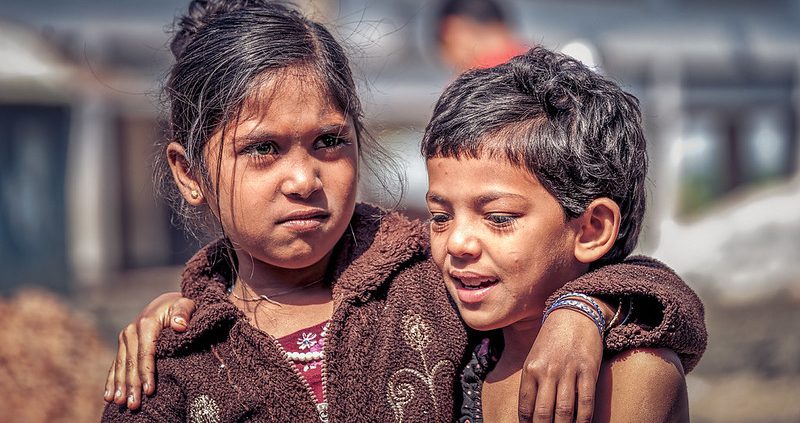 Bangladesh is at the heart of the battle against the changing climate. According to the World Bank, around 21% of the country is prone to annual flooding. This leaves many inhabitants isolated without access to health care and makes it difficult to build permanent hospitals. Approximately 12 million people live on the chars, which are river islands formed by sediment deposits due to flooding. Accessing hospitals can be difficult for these people due to damaged infrastructure.
In 2002, Bangladeshi entrepreneur Runa Khan began Friendship, a social purpose organization. The organization aims to address the challenges faced by the inhabitants of the chars with floating medical boats and other community initiatives using a three-tier system.
Friendship’s Three-Tier System
- Tier 1: Floating Medical Boats Expand Health Care Access in Bangladesh: On the frontline of the system are three floating medical boats that serve the chars, as well as the land hospital located in Shyamnagar. The purpose of the boats is to expand medical care to those in rural areas who cannot access hospitals due to seasonal flooding, which damages roads and infrastructure. The floating medical boats offer free surgeries, check-ups, and medicine, along with pediatric, gynecological, dental and eye care. The boats help up to 175 people per day.
- Tier 2: Satellite Clinics Focus on Prevention and Women’s Health: Satellite clinics carry out frequent visits to rural and isolated zones to educate communities on hygiene and nutrition, as well as providing basic treatments and free medicine. The main focus of these clinics is prevention and follow-ups. For instance, Friendship screens more than 18,000 women per year for cervical cancer and treats around 150 women for precancerous lesions.
- Tier 3: Community Medic-Aids Support Health Care: The Friendship Community Medic-Aids (FCMs) are women trained by the organization to give primary health care to the communities. Some of these women are also trained as Community Skilled Birth Assistants (CSBAs) to give ante- and post-natal care, deliver children and provide basic childcare. In 2022-23, a study showed that over 90% of people asked had taken health care services from FCMs, demonstrating the impact they have on the communities.
Combining Health Care and Climate Adaptation
Friendship not only provides health care services but also addresses other issues like climate resilience. To prepare the communities for natural disasters, Friendship has carried out preventative measures such as restoring forests to protect villages from cyclones. More than 650,000 trees have been planted on the southern coast of the country, protecting at least 125,000 people.
Actions like these help combat many issues suffered due to storms. The destruction of villages and infrastructure can lead to malnutrition from a shortage of resources, a lack of health care due to isolation and an increased risk of waterborne diseases from living in flooded areas. Friendship’s three-tier system with floating medical boats, satellite clinics, and FCMs allows medical staff to reach vulnerable communities in times of need, while also implementing preventative measures to save more lives.
In 2025, Friendship was a finalist for the Earthshot Prize for its incredible work protecting the communities in Bangladesh. The organization’s holistic three-tier system demonstrates how health care and climate adaptation can work together to support the vulnerable communities in Bangladesh.
– Emma Wheeler
Emma is based in Valencia, Spain and focuses on Good News and Global Health for The Borgen Project.
Photo: Flickr
