• Link to X
  • Link to Facebook
  • Link to Instagram
  • Link to TikTok
  • Link to Youtube
  • About
    • About Us
      • President
      • Board of Directors
      • Board of Advisors
      • Financials
      • Our Methodology
      • Success Tracker
      • Contact
  • Act Now
    • 30 Ways to Help
      • Email Congress
      • Call Congress
      • Volunteer
      • Courses & Certificates
      • Be a Donor
    • Internships
      • In-Office Internships
      • Remote Internships
    • Legislation
      • Politics 101
  • The Blog
  • The Podcast
  • Magazine
  • Donate
  • Click to open the search input field Click to open the search input field Search
  • Menu Menu

Archive for category: Global Poverty

Key articles and information on global poverty.

Global Health, Global Poverty

Mental Health Support in Bangladesh After Natural Disasters Strike

Mental Health Support in BangladeshBangladesh ranks among the top countries in the world in terms of deaths and home displacements due to natural disasters. Between 1970 and 2005, half a million people died from natural disasters, primarily cyclones, floods, riverbank erosion and droughts. While the main responses to such devastation have been to the physical well-being of citizens and to rebuild infrastructure, another key issue is addressing the mental health concerns of those impacted.

Eastern Floods

In August 2024, more than 500,000 were forced from their homes and 71 were killed by devastating floods. The rivers and overall water levels in cities like Feni threatened to cover the rooftops of many buildings as the water levels reached up to 30 feet in some places. Citizens directed traffic to allow emergency vehicles to arrive faster. Acts of kindness included giving out hot meals and helping evacuate stranded individuals by boat.

Besides being impacted by the flood, people in such an altered environment are at greater risk of experiencing different forms of violence. To help mitigate this problem, the government provided women experiencing gender-based violence with safe shelters. Many of these women also received psychological first aid to help manage their trauma.

Psychological first aid is not a formalized therapy session. It provides a safe space for affected individuals to process trauma and helps connect people with additional disaster relief resources. The Bangladesh Red Crescent Society (BDRCS) provided medical support for more than 83,000 individuals. Thousands also received psychological aid in the same place where medical support was provided.

People living in poverty can have their situations exacerbated by various circumstances, with extreme floods being one of the worst. About three-quarters of impoverished households see their economic situations worsen after a flood. Bangladesh lost over a million metric tons of food due to the 2024 floods, primarily rice and vegetables. This caused food prices to rise and led to increased inflation. Sixty-two percent of households regularly had scarce meals as a result.

Cyclone Sidr

A devastating Category 4 storm hit Bangladesh in November 2007, killing over 3,400 people, injuring 55,000 and displacing 500,000 from their homes. Beyond the physical damage, a quarter of those impacted by the storm suffered from post-traumatic stress disorder (PTSD).

The BDRCS organized a psychological first aid program to provide mental health support in Bangladesh after the storm. It included staff members as well as community volunteers, including 20 psychology students from Dhaka University. Over 400 additional volunteers were trained to help in highly affected areas. As part of the immediate recovery goals after the cyclone, the BDRCS aimed to help 20,000 people with psychosocial support.

The BDRCS also provided funding for individuals impacted by the storm to help them improve their situations. A woman named Misti built her own boat for a ferry service thanks to a grant from the BDRCS. She uses this boat to have a self-sustaining career and to help people escape dangerous situations when another major storm is on the horizon. There are many more success stories of people achieving financial independence thanks to BDRCS funding.

A Preemptive Plan of Action

In 2024, the World Health Organization (WHO) in Bangladesh developed a preemptive plan to mitigate the effects of future natural disasters. The WHO will increase mental health support in Bangladesh before, during and after disasters and will also seek feedback from people in refugee camps to determine how they can be better supported.

At least 16% of people in Bangladesh experience a mental health challenge due to various circumstances beyond natural disasters. However, the actual number is estimated to be much higher due to many remaining undiagnosed or untreated. Since there is a predisposition toward worsening mental health after a natural disaster, it is helpful for care in some form to be set in place every step of the way.

– Logan Hessek

Logan is based in Northglenn, CO, US and focuses on Good News and Global Health for The Borgen Project.

Photo: Flickr

June 22, 2026
https://borgenproject.org/wp-content/uploads/borgen-project-logo.svg 0 0 Lynsey Alexander https://borgenproject.org/wp-content/uploads/borgen-project-logo.svg Lynsey Alexander2026-06-22 07:30:032026-06-20 11:04:00Mental Health Support in Bangladesh After Natural Disasters Strike
Charity, Global Poverty, Indigenous Peoples

5 Charities in the Republic of Congo

Charities Operating in the Republic of CongoThe Republic of Congo, sometimes referred to as Congo-Brazzaville, is a nation located in central Africa. Not to be confused with the Democratic Republic of the Congo, this nation is roughly seven times smaller than its resource-rich neighbor. While its economy benefits from being the third-largest oil producer in Sub-Saharan Africa, according to the World Bank, the nation also faces critical humanitarian and environmental concerns. The most recent data available indicates the poverty rate is approximately 51.7% in 2025.

The Republic of Congo faces vast challenges, including the threats of disease and climate change, despite possessing ancestral forests that hold the history of indigenous peoples and biodiversity that enriches the planet. In 2011, roughly 50 million people didn’t have access to clean drinking water. Fortunately, dedicated organizations strive to protect and empower local communities in the Republic of Congo. This article highlights five charities operating in the Republic of Congo that are making a significant impact.

1. Survival International 

Survival International works to protect Indigenous populations who have livelihoods that industries like logging, mining and oil extraction are threatening. The organization recognizes that land holds profound meaning beyond its economic value for many indigenous peoples. Survival International maintains a presence in 90 countries, including work focused on communities within the Republic of Congo. 

It is a strong advocate for the Baka People, an indigenous community residing in the Congo Basin rainforest, which runs primarily through the Democratic Republic of the Congo (DRC), the Republic of Congo and Gabon. Survival International highlights that, under the guise of international conservation efforts, the Baka people have suffered severe human rights abuses, including a loss of ancestral lands. The group uses the term “Green Genocide” to describe the events. 

Survival International strives to maintain its independence by refusing funding from national governments and corporations that infringe on indigenous rights. As of 2023, individual donors provided more than 65% of their annual budget. In the Republic of Congo, their primary methods for change involve lobbying and advocacy campaigns. Its work includes hands-on support for indigenous groups facing land disputes, as well as communicating these hardships to actors championing conservation efforts.

2. Sightsavers

Sightsavers is best known for its efforts to fight avoidable blindness. It also works to fight diseases that can lead to blindness and disability. Additionally, the group advocates for disability rights and inclusion. Founded in 1950, Sightsavers operates in more than 30 countries globally, working with both international and local organizations to provide accessible medical care. Eye health, eradicating neglected tropical diseases (NTDs), education and social inclusion are among their highest priorities.

In the Republic of Congo, Sightsavers plays an important role in tackling lymphatic filariasis, which is a neglected tropical disease transmitted through mosquito bites that affects almost 120 million people worldwide. Most recognizable by the inflamed body parts of the afflicted, this disease can lead to permanent disability, including blindness, if not treated correctly. Currently, more than 1.1 million people in the Republic of Congo require medication to protect them from lymphatic filariasis. Sightsavers works in collaboration with the Congo’s Ministry of Health to facilitate the distribution of life-saving medicine, in addition to improving the overall healthcare systems and quality.

3. Salvation Army

While widely recognized for its holiday fundraising efforts, The Salvation Army provides invaluable disaster relief services for numerous developing countries, including the Republic of Congo. Its long-standing presence in the Congo since 1937 grew from small-scale community aid, like building health clinics and improving access to education, to more comprehensive disaster response. This makes them one of the vital five charities operating in the Republic of Congo during times of crisis.

In 2020, the Republic of Congo declared a state of emergency after ongoing floods decimated homes and communities in the Northern region. The floods affected an estimated 170,000 people, and destroyed more than 15,000 acres of agricultural fields. In response to this devastating event, the Salvation Army collaborated with the local government and the United Nations World Food Programme (WFP). Through this partnership, they provided life-saving emergency food supplies, blankets, clothing and hygiene products to thousands of people fleeing their homes.

4. Acted 

Acted is another of the many charities operating in the Republic of Congo. The organization is a nonprofit humanitarian group headquartered in Paris, France, that adopts a multi-sectoral approach to aid. It operates within the crucial intersection between emergency relief services, sustainable development assistance and environmental protection.

In the Republic of Congo, its work most commonly involves strengthening community-based organizations, which are an essential part of the country’s developing civil society. Since 2012, Acted has maintained the Grassroots Organization Capacity Assessment (GOCA), which can help increase the capacity of civil society groups to receive funding. In 2024 alone, Acted has made significant contributions:

  • Supported 30 civil society organizations.
  • Following another devastating flood in March 2024, Acted distributed WASH (water, sanitation and hygiene) and non-food item kits to 1,050 households in the Bétou and Impfondo districts.
  • Supplied personal hygiene kits to 766 women and girls.

5. Aspinall Foundation 

The Aspinall Foundation, an animal conservation charity founded in 1984, protects endangered wildlife by returning captive-bred animals to secure wilderness areas. This innovative approach has led to the successful reintroduction of species such as Western lowland gorillas, black rhinos, Javan langurs and gibbons in the wild.

Its work reaches the Republic of Congo, where the dense northern rainforests are home to western lowland gorillas. Due to disease and poaching, these gorillas are critically endangered. Estimates have determined that one-third of the wild gorilla population died from Ebola in the early 2000s. The Aspinall Foundation actively works to secure a one-million-acre area in the savannah and forests of the Batéké Plateau, a region located between the Congo and its neighboring country, Gabon. It protects this crucial land for the gorillas, and simultaneously combat poaching through direct arrests and collaboration with law enforcement.

This protection does more than keep these powerful gorillas alive: conservation can drive economic growth through ecotourism, which is a budding industry for the nation. Healthy wildlife populations indicate a balanced ecosystem, which is crucial for providing clean water and air for human populations.

Looking Ahead

Among other things, the nation continues to face extreme natural disasters and infectious disease outbreaks; however, for every flood or case of lymphatic filariasis, countless groups put in tremendous amounts of effort. While there is much work to be done, these five charities operating in the Republic of Congo combine international aid resources, advocacy efforts, and the bright minds within Congolese communities, providing an outstanding recipe for future success. 

– Julia Sanders

Julia is based in Fitchburg, WI, USA and focuses on Good News and Global Health for The Borgen Project.

Photo: Unsplash

June 22, 2026
https://borgenproject.org/wp-content/uploads/borgen-project-logo.svg 0 0 Jennifer Philipp https://borgenproject.org/wp-content/uploads/borgen-project-logo.svg Jennifer Philipp2026-06-22 01:30:412026-06-22 03:09:405 Charities in the Republic of Congo
Business, Entrepreneurship and Business, Global Poverty

Turning the Cassava Industry in Nigeria into a Thriving Business

Casava industry in nigeriaCassava is one of Nigeria’s most ubiquitous crops, a staple food eaten daily as garri or fufu. But for Yemisi Iranloye, cassava became much more than just a dependable source of sustenance. She transformed it into an industrial powerhouse. This is the story of how the cassava industry in Nigeria was revitalized through science-driven entrepreneurship and rural value-chain investment.

From Weekend Hobby to Industrial Vision

Iranloye first experimented with cassava as a weekend hobby; buying a small plot in Oyo State, multiplying superior cassava stems and sharing them with neighboring farmers to raise yields. Her formal scientific training informed her vision: a degree in food biochemistry and nutrition and years of work at a Lagos glucose syrup plant gave her deep insight into root crop chemistry. This blend of academic knowledge and grassroots practice laid the foundation for Psaltry International, the company she built by placing industrial processing where cassava is grown.

In 2011, at age 40, Iranloye left her salaried work, moved onto her farm and used a loan to build a 20-tonne-per-day cassava starch mill with equipment imported from China. Her decisive innovation was logistical: cassava spoils quickly after harvest, so building processing adjacent to smallholder production cut spoilage, improved quality and shortened the supply chain. That locational advantage helped Psaltry pass demanding quality tests and secure Nestlé as its first major customer; multinational buyers such as Unilever, Nigerian Breweries and Promasidor followed as Psaltry expanded its product range.

Growing the Cassava Industry in Nigeria

Across Nigeria, cassava is better used for garri or fufu, essential starchy accompaniments for soups and stews. But its industrial potential is broad: cassava roots can be refined into starch, ethanol, glucose syrup, flour and sweeteners. Food manufacturers use cassava starch as a binder and thickener. Packaging companies use it in corrugation. Rising demand for gluten-free products has given cassava flour new markets. By treating cassava as an industrial feedstock rather than merely a subsistence crop, Iranloye helped displace some imports and created higher-value market channels for farmers who previously sold raw roots into low-margin chains.

The company’s success shows how value addition can transform national supply chains. By embedding processing in the zones where cassava is grown, Psaltry boosted efficiency, raised quality standards and helped build the cassava industry in Nigeria into a more resilient and globally competitive sector.

Turning Infrastructure Challenges Into Competitive Advantage

When Psaltry set up its first mill, it was “in the middle of nowhere,” without an access road, unreliable power and a seasonal stream that ran dry. The company built its own road, installed generators until grid connections arrived and drilled boreholes for community and factory use. Financially, Iranloye blended loans and public credit schemes to buy equipment and scale operations; operationally, Psaltry invested in farmer training, traceability and stem multiplication so suppliers could meet industrial quality standards. Those investments turned logistical constraints into competitive advantages, delivering higher quality, faster processing and a dependable supply chain that appealed to major buyers.

Scaling Farmer Partnerships and Cassava Products

What began with 17 smallholders grew into a network of roughly 16,000 farmers supplying Psaltry. Expansion came in phases: after the initial starch mill, Psaltry opened a second factory in 2015 to produce cassava flour; in 2022 it added a sorbitol plant after Unilever sought a reliable local supplier. Producing sorbitol domestically helped reduce dependence on imports from Asia and showcased how downstream processing can capture more value within national borders. At each stage, Psaltry emphasized quality control, traceability and predictable procurement, lifting suppliers into market-grade production rather than subsistence selling.

The expansion of the cassava industry in Nigeria not only boosted local manufacturing, it helped reinforce Nigeria’s agricultural economy by creating jobs, reducing import reliance and solidifying new export pathways.

Competition, Economic Shocks and New Crop Frontiers

As Psaltry’s success became visible, competitors proliferated: Nigeria now hosts dozens of cassava processors. But local demand rose too, particularly after naira volatility made imports costlier and import substitution more attractive. Iranloye views this as an opening for broader agricultural industrialization: sweet potatoes (high starch and naturally gluten-free) and coconuts (where nearly every part has commercial value) are promising next wave crops for similar processing approaches. Her perspective mirrors broader development prescriptions: diversify local value chains, encourage agro processing and link smallholders to paying markets to create jobs and build resilience.

Entrepreneurship Lessons From the Farm

Iranloye’s reflections are practical and pointed. Passion for agriculture is nonnegotiable: the sector rewards persistence when markets and infrastructure lag. Deferred gratification matters. She counsels entrepreneurs to reinvest earnings rather than treat early revenues as personal paychecks, separating personal finances from business growth. Finally, iterative learning and persistence were crucial; Iranloye admits she did not have a perfect plan at the start, but steady experimentation revealed viable products and markets.

Why This Story Matters

Psaltry’s rise from experimental stems and a makeshift rural mill to multi-product processing supplying multinational companies shows how applied science, strategic location and farmer partnerships convert staple crops into industry. For policymakers and development practitioners, the lessons are concrete: invest in rural infrastructure, de-risk finance for processors and farmers and scale extension services so smallholders can meet industrial quality. For entrepreneurs, the takeaway is equally clear: patient mission-driven reinvestment and proximity to raw materials can turn agribusiness into a durable engine of local jobs and import substitution.

– Josephine Dokpesi

Josephine is based in the United Kingdom and focuses on Business and New Markets for The Borgen Project.

Photo: Flickr


June 21, 2026
https://borgenproject.org/wp-content/uploads/borgen-project-logo.svg 0 0 Lynsey Alexander https://borgenproject.org/wp-content/uploads/borgen-project-logo.svg Lynsey Alexander2026-06-21 07:30:452026-06-19 11:50:54Turning the Cassava Industry in Nigeria into a Thriving Business
Education, Global Health, Global Poverty

Behind the Statistics: Poverty in the Dominican Republic

A street vendor sells fruits from a cart in the Dominican Republic.Poverty in the Dominican Republic continues to affect many families despite economic growth in recent years. The World Bank states that although the Dominican Republic has experienced rapid economic growth over the past two decades, inequalities and limited access to quality jobs and public services continue to affect underserved populations. Limited access to stable employment, reliable infrastructure, affordable health care and higher education creates ongoing challenges for low-income families.

A former resident of a low-income community in the Dominican Republic, who requested anonymity for privacy reasons, described growing up in a household where survival depended on constant work. According to the source, every member of the family began working at a young age to help cover necessities such as food, clothing and utility bills.

“Every day was spent working to pay for clothes and food and keep the bills up to date,” the source said. They also stated that in a household of five children and two parents, financial pressure shaped nearly every aspect of daily life.

Economic hardship also affected social relationships and community life. Long work hours left little time for friendships, recreation or personal development. “It was just to focus on work and get money to pay bills and get food to continue living,” the source explained.

Education and School Dropout Rates

Financial hardship often creates long-term educational barriers for children living in poverty in the Dominican Republic. Families struggling to meet daily needs frequently depend on children and adolescents to contribute financially, increasing the likelihood of school absenteeism and dropout rates.

UNICEF reported that many children in the Dominican Republic continue to face educational exclusion due to poverty and limited resources. The organization found that 60% of Dominicans ages 18 to 40 had not completed school during the 2014-2015 academic period.

According to a UNICEF report, 9.9% of adolescents aged 15 to 17 were not attending school during the 2014-2015 academic period. The report also found that 24.1% of secondary students were enrolled with an overage of two or more years, increasing the risk of school abandonment and educational exclusion.

The report additionally noted that students living in rural and underserved communities face greater barriers to completing secondary education and accessing equal educational opportunities. Researchers also found that many adolescents who left school would have needed to return to primary education if they reentered the school system.

The anonymous source explained that balancing work and education created constant stress and exhaustion during childhood. Although education was valued within the household, financial hardship often took priority over long-term academic opportunities.

“In the Dominican Republic, the school systems were not the best, but it is what we had,” the source said. Financial limitations eventually prevented the individual from attending university after graduating from high school, forcing full-time entry into the workforce instead.

Education Quality and Access

Educational inequality in the Dominican Republic extends beyond school attendance to learning quality and student achievement.

According to UNICEF, education challenges in the Dominican Republic include low learning outcomes, school exclusion and unequal access to quality education, particularly among vulnerable communities. Despite increased investment in education, many students continue struggling to complete school due to poverty and limited educational resources.

UNICEF reported that only 12% of third-grade students achieved satisfactory results in Spanish language studies, while only 27% achieved satisfactory results in mathematics during the 2017 National Diagnostic Assessment. The organizations also identify school violence and unequal educational opportunities as major barriers affecting learning outcomes throughout the country.

According to UNICEF’s All Children Learn in the Dominican Republic initiative, educational programs currently focus on improving literacy and mathematics instruction, supporting vulnerable students and increasing inclusive learning opportunities for children and adolescents with disabilities. UNICEF has also worked with schools and communities to strengthen programs for peaceful conflict resolution and improve inclusive classroom practices.

These educational challenges are often closely connected to broader housing and infrastructure issues that affect low-income communities daily.

Housing and Infrastructure Challenges

The effects of poverty in the Dominican Republic also extend to housing and infrastructure. According to the source, the family lived in a crowded home where multiple people shared rooms and privacy was limited. Daily routines were often disrupted by unreliable electricity and inconsistent access to water.

“The light would always go out and there was not much access to water,” the source explained. They also described poor infrastructure in the community, including constant construction and difficult road access, which disrupted daily life.

The World Bank states that inequalities in infrastructure and access to public services continue to affect underserved populations throughout the Dominican Republic, particularly low-income communities. Limited infrastructure can also contribute to educational and health-related challenges, especially for families already struggling financially.

Health Care and Community Support

Health care expenses created major financial burdens for families living paycheck to paycheck. Instead of relying on larger pharmacies, many residents turned to smaller local “boticas,” which offered more affordable medicine options.

“When it came to someone who was ill, we would have to skip out on work or school to take them to the hospital,” the source said. Missing work to care for a sick family member often meant losing income needed for food, rent or utility bills.

In many underserved communities, churches remain one of the only reliable forms of local support. The source explained that families often depended on churches for food, clothing or emergency assistance because few organizations or social programs were available in the area.

“There were only churches; there were no types of support or organizations that would help,” the source explained.

Looking Beyond the Statistics

UNICEF continues to support educational initiatives in the Dominican Republic to improve learning opportunities and school accessibility for vulnerable children and adolescents. The organization’s programs focus on strengthening early education, improving inclusive learning opportunities and helping students remain in school. UNICEF has also supported programs designed to reduce school violence and improve educational accessibility for children with disabilities.

Although poverty in the Dominican Republic continues to limit opportunities for many families, educational initiatives and community-based support programs may help reduce long-term inequalities. Personal accounts from individuals directly affected by poverty highlight the realities behind economic statistics and underscore the importance of continued efforts to improve living conditions across the country.

– Grelby Santos

Grelby is based in Boston, MA, USA and focuses on Good News and Global Health for The Borgen Project.

Photo: Unsplash

June 21, 2026
https://borgenproject.org/wp-content/uploads/borgen-project-logo.svg 0 0 Lynsey Alexander https://borgenproject.org/wp-content/uploads/borgen-project-logo.svg Lynsey Alexander2026-06-21 01:30:572026-06-22 10:57:18Behind the Statistics: Poverty in the Dominican Republic
Global Poverty, Philanthropy

Misha Collins’ Philanthropic Work: The Work of Real-Life Angel

Misha Collins' Philanthropic WorkMisha Collins is an American actor known for his role as the angel Castiel in the CW’s “Supernatural.” During and after working on the television show, Collins has advocated for numerous issues. He participates in grassroots activism and charity, mental health initiatives and supports human rights and disability awareness. Additionally, Collins founded the Random Acts organization, helped launch the SPNFamily Crisis Support Network, co-created The AnteSocial project and is an official ambassador for UNITED24.

Overall, Collins is widely known for his advocacy endeavors. Below is an exploration of Collins’ philanthropic work and his organizations in their fight against global poverty and their assistance for nations that have faced various crises. This focuses on three of his projects (work for UNITED24, Random Acts and The AnteSocial) with regard to Ukraine and minorities in the U.S. concerning poverty, living conditions, community building and food equity.

UNITED24

“Know that your courage, tenacity, strength and dignity in your fight with evil is an inspiration for the whole world,” Collins said this in Ukrainian in a video address for UNITED24. Since the beginning of the Russian invasion of Ukraine, Collins has shown support for Ukraine. During one of his visits to Kyiv, President Volodymyr Zelenskyy invited Collins to join the UNITED24 team, becoming an ambassador for the Humanitarian Demining program.

Humanitarian Demining involves removing landmines to decontaminate land for civilians. Collins has made multiple trips to Ukraine, specifically impoverished areas, to assist with this program. After his visit in 2024, he started a fundraiser to raise money for a demining vehicle, raising $450,000. Since 2023, Collins’ philanthropic work has focused on Ukraine and UNITED24, stating, “Even if the war in Ukraine ends tomorrow, the legacy of the war will remain until the entire land is cleared of mines.”

The AnteSocial

The AnteSocial was founded by Misha Collins and his partner, Emily Farallon. The two met and laid the groundwork for this organization while trying to convince local landlords to donate vacant units to families experiencing homelessness. From there, they began projects to help their local community in hopes of having a positive impact on global communities. They now use this platform to bring communities together, allowing for fundraising opportunities to address issues such as homelessness, poverty and assisting children.

Random Acts

Random Acts is a nonprofit organization that showcases Misha Collins’ philanthropic work. Almost 600 “acts of kindness” were funded within the year. Collins founded this organization in 2010 and its activities include toy drives, food equity efforts, community service and building schools in Nicaragua. Random Acts was created after Collins raised more than $30,000 for the UNICEF disaster relief program following a devastating earthquake in Haiti.

He and the organization then shifted their attention to building a children’s orphanage in Haiti, completed in 2013. Since then, Random Acts has worked on causes such as animal welfare, childhood hunger, clothing donations, community improvement, food equity, holiday acts for underprivileged individuals, homelessness, natural disasters, youth, social justice and more.

Conclusion

Misha Collins’ philanthropic work knows no end. As mentioned, Collins is primarily recognized as an actor for his portrayal of the angel Castiel on “Supernatural.” Yet, he holds more similarities to the character than one may realize, including his pure intentions in helping the community. Collins has founded and supported four charities: Mercy Corps, Operation Smile, Represent.US and Random Acts.

He has also written numerous articles about advocacy and fighting global poverty, in addition to using his social media platforms to mobilize followers to do the same. Overall, Collins’ philanthropic work has proven his parallels to his angelic counterpart, which will only increase with his support of disaster relief, health care, human rights, politics, education and combating global poverty.

– Veronica Cham

Veronica is based in Dearborn, MI, USA and focuses on Celebs for The Borgen Project.

Photo: Flickr

June 20, 2026
https://borgenproject.org/wp-content/uploads/borgen-project-logo.svg 0 0 Lynsey Alexander https://borgenproject.org/wp-content/uploads/borgen-project-logo.svg Lynsey Alexander2026-06-20 07:30:432026-06-18 12:40:32Misha Collins’ Philanthropic Work: The Work of Real-Life Angel
Global Poverty, Nonprofit Organizations and NGOs

Cuerpxs En Resistencia: Reducing Poverty in Colombia

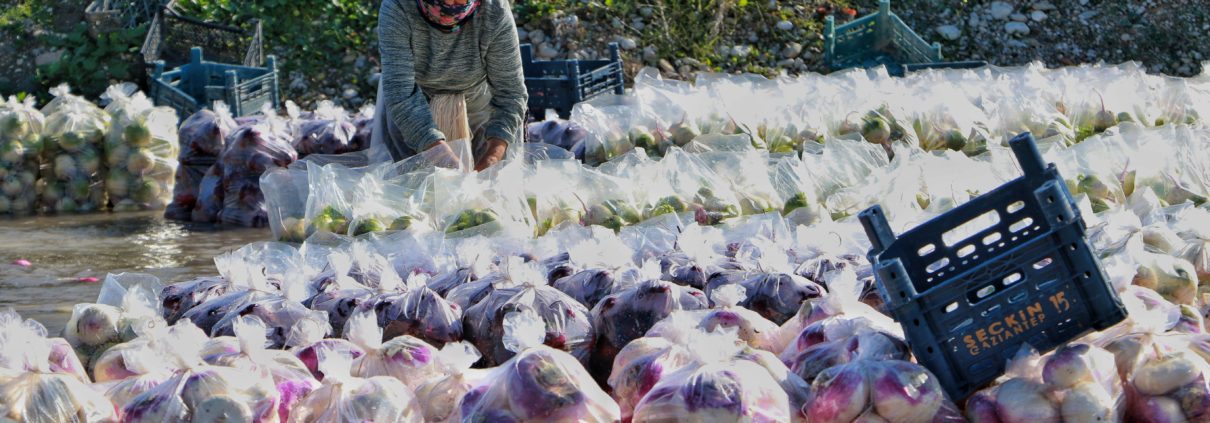
Cuerpxs En Resistencia: Community Meals in ColombiaCuerpxs En Resistencia helps provide warm and dignified community meals in Colombia’s poorest and most dangerous neighborhoods to those in precarious and exploitative positions. Colombia’s first left-wing president, Gustavo Petro, has lifted almost 4 million people out of poverty since his inauguration in 2022. However, with criticisms of an unequal urban-rural welfare distribution and an upcoming election in May, poverty in Colombia is in the spotlight. The Borgen Project spoke with a previous volunteer of Cuerpxs En Resistencia, who helps explain the necessity of social enterprises to provide both physical resources and a sense of community and dignity in an attempt to tackle poverty in Colombia.

Poverty in Colombia

Much of the current poor economic situation in Colombia can be traced back to the U.S.-led war on drugs, where policies led to increased militarization of several key areas and increased rates of criminalization and incarceration. The consequences of these policies led to land dispossession, a decrease in rural autonomy and food sovereignty and an increase in violence and precarious employment.

Although numbers are still relatively high, since the COVID-19 pandemic and President Petro took office, poverty rates in Colombia have been on a steady decline. The most recent statistics from 2024 indicate that 31.8% of the population is below the national poverty line, while 4.5 million people (8.5%) are below the international poverty rate, calculated at living on less than $3.00 a day. Compared to figures in 2020 and 2021, at the height of the pandemic, where 39.7% of the population lived below the poverty line and 15.76% (almost 8 million people) lived on less than $3.00 a day, these figures suggest major improvements to the welfare state in Colombia under President Petro.

Rural Poverty

There does, however, remain an uneven distribution of this poverty. Around 61.5% of people living in rural Colombia are identified as poor, likely as a result of the historically disproportionate delivery of quality public services across departments and municipalities. Poverty and inequality are a particular concern in certain Colombian departments such as Nariño and La Guajira, where vulnerable groups such as Indigenous peoples are disproportionately affected.

An absence of money is not the only aspect of poverty. Multidimensional poverty takes into consideration other factors of deprivation that individuals experience. In Colombia, multidimensional poverty is assessed across five dimensions:

  • Employment
  • Housing conditions
  • Health
  • Household education
  • Children’s or youth’s conditions

The National Administrative Department of Statistics published the most recent report on multidimensional poverty in Colombia in 2024 and found that in 2023, around 12% of the population was identified as multidimensionally poor. This means that in addition to receiving less than $3.00 a day, they and their households have little to no basic education and poor access to safe drinking water, sanitation facilities and electricity. The World Bank reported that by 2024, this percentage had reduced to 8.76%.

Cuerpxs En Resistencia: Bodies in Resistance

The Borgen Project spoke with Sofia, who has previously volunteered with Cuerpxs En Resistencia, a social enterprise helping to fight poverty in Colombia. Cuerpxs En Resistencia translates to “Bodies in Resistance,” with the “x” in “cuerpxs” indicating inclusivity to all types of bodies. The organization describes itself as a grassroots nonprofit social, community, political, artistic and academic organization that fights for sexual and bodily emancipation. It focuses on the intersections of class, gender and disability to advocate for the ways in which oppressive systems and policy changes do not affect everyone equally. Its work ranges from raising awareness about the lived experience of intersecting forms of oppression to community projects such as providing safe spaces and community meals in Colombia.

Sofia volunteered with Cuerpxs En Resistencia in one of the particularly poor neighborhoods of Colombia’s capital city, Bogota, called Santa Fe. She emphasizes how poverty in Colombia is not simply the lack of money but also leads to an increased sense of dehumanization due to limited access to other human rights, such as access to water and a lack of resources and organizations to turn to in times of need. She also recalls how common gun violence and the use of serious drugs were in Santa Fe as a result of decades of conflict.

Due to these local conditions, many individuals in Santa Fe are forced into exploitative and precarious job situations. Recognizing the need for help, Cuerpxs En Resistencia helped create a community-funded project to form a safe and welcoming community, providing the people of Santa Fe a safe space to receive a free, warm community meal, as well as entertainment, with the goal of improving the lives, health and dignity of those facing multidimensional poverty in Colombia. A diverse group of people attended these community meals — from young children to people in their 70s facing homelessness.

Looking Ahead

Sofia stressed that President Petro has given her and many people in Colombia hope for reducing poverty across the country. Petro has focused on the concept of dignity alongside tangible measures to help those facing poverty. While the work of grassroots projects such as the community meals provided by Cuerpxs En Resistencia is an important lifeline, systemic changes such as those implemented by President Petro are also necessary to drive broader change.

– Stephanie Gable

Stephanie is based in Wales, UK and focuses on Global Health and Politics for The Borgen Project.

Photo: Pexels
June 20, 2026
https://borgenproject.org/wp-content/uploads/borgen-project-logo.svg 0 0 Precious Sheidu https://borgenproject.org/wp-content/uploads/borgen-project-logo.svg Precious Sheidu2026-06-20 01:30:512026-06-18 12:26:23Cuerpxs En Resistencia: Reducing Poverty in Colombia
Gender Equality, Gender Wage Inequality, Global Poverty

Efforts To Reduce the Gender Wage Gap in Togo

Gender Wage Gap in TogoWomen contribute significantly to Togo’s economy as farmers, traders, business owners and employees. However, many women continue to earn less than men and face barriers that limit their economic opportunities. The gender wage gap in Togo reflects challenges related to employment opportunities, access to financial services and participation in higher-paying sectors of the economy.

Why the Wage Gap Exists

Several factors contribute to the wage gap between men and women in Togo. According to the World Bank Gender Data Portal, women are more likely than men to be employed in vulnerable forms of work. These jobs often provide lower and less stable incomes than formal employment and may offer fewer opportunities for career advancement and higher earnings.

Access to financial services is another challenge. Data from the World Bank Gender Data Portal shows that 45.3% of women in Togo had an account with a financial institution or mobile-money provider in 2024, compared with 70% of men. This gap in financial access can limit women’s ability to save money, obtain credit and invest in income-generating activities.

The Impact on Women and Families

The gender wage gap in Togo affects more than individual workers. Data that World Salaries compiled estimates that women in Togo earn an average annual salary of 5.81 million West African CFA francs compared to 6.84 million CFA francs for men. While earnings vary by occupation and region, the figures highlight a significant income gap between men and women.

Research published in the Journal of Economics and Development Studies found that women in rural Togo often earn less than men because they have less access to resources such as credit, technology and agricultural support. The study noted that improving access to these resources could help reduce income differences and strengthen local economies.

Efforts To Improve Equality

The Togolese government and development organizations have introduced programs to support women’s economic participation. According to Togo First, government spending dedicated to gender-related initiatives reached CFA32.02 billion in 2024. These initiatives aim to improve women’s access to economic opportunities, financial services and public support programs.

One of the country’s largest financial inclusion initiatives is the National Fund for Inclusive Finance (FNFI), which was created in 2013 and launched in 2014 to expand access to financial services for low-income Togolese citizens. The Republic of Togo reports that the fund works through banks and microfinance institutions to provide small loans to entrepreneurs, farmers and young people who may otherwise struggle to access credit.

As Togo First reported, the FNFI operates several programs, including APSEF for low-income entrepreneurs, AGRISEF for agricultural producers and AJSEF for young entrepreneurs. It further notes that the fund had distributed more than 113.6 billion CFA francs through 1.9 million loans by early 2025.

Final Thoughts

Reducing the gender wage gap in Togo remains an important challenge. As the World Bank noted, improving women’s access to education, financial services and economic opportunities can support broader development goals. Expanding opportunities for female entrepreneurs and workers may also help increase household incomes and strengthen economic growth.

While barriers remain, recent government initiatives and financial inclusion programs demonstrate ongoing efforts to support women’s economic participation. Continued investment in these areas could help create greater economic opportunities for women across Togo.

– Abisola Oladipupo

Abisola is based in Hatfield, UK and focuses on Good News for The Borgen Project.

Photo: Flickr

June 19, 2026
https://borgenproject.org/wp-content/uploads/borgen-project-logo.svg 0 0 Jennifer Philipp https://borgenproject.org/wp-content/uploads/borgen-project-logo.svg Jennifer Philipp2026-06-19 07:30:212026-06-18 12:15:17Efforts To Reduce the Gender Wage Gap in Togo
Global Poverty, Health, HIV/AIDS

HIV/AIDS in Uzbekistan

HIV/AIDS in UzbekistanHIV/AIDS in Uzbekistan remains a growing concern, despite the government’s having made notable progress in upgrading its public health system. According to UNAIDS, 60,000 people are living with HIV in Uzbekistan, with new infections continuing to emerge each year. Expanded testing has helped improve detection rates, but structural problems like stigma and unequal access to healthcare still affect the country’s response. Nevertheless, increased funding for treatment and prevention is driving steady progress.

Overview of HIV/AIDS in Uzbekistan

​HIV/AIDS in Uzbekistan transitioned from an illness with a relatively limited prevalence to a more visible public health issue. Data from UNAIDS indicate that 4,000 people are infected annually. At the same time, improved screening has led to more diagnosed cases, mainly due to better surveillance rather than a rise in transmission. Most cases are transmitted through unprotected sexual contact (79%), with parental transmission as the next most common route (12.7%). Urban areas report more cases, whereas rural regions have greater barriers to testing and treatment. According to the IOM, the epidemic mainly affects vulnerable groups, including migrant workers, which consist 13% of all HIV infected people in Uzbekistan.

Key Challenges

One of the main challenges in addressing HIV/AIDS in Uzbekistan is stigma. Reports from UNAIDS suggest that a significant proportion of the population living with HIV experience social discrimination, which discourages them from seeking help and treatment. Around 80% of surveyed women reported that they experienced discriminatory attitudes. As a result, many cases are diagnosed at later stages, reducing the effectiveness of treatment and prevention measures.

Additionally, awareness is not uniform among different parts of the population. Young people and migrant workers often lack the necessary sexual education, increasing their vulnerability. People between 30-39 years are the largest group among the HIV-positive population, with a 28% proportion. Children are also in a vulnerable situation. According to UNICEF, antiretroviral therapy (ART) coverage among children and adolescents has fallen from 89% in 2018 to 73% in 2023. This gap indicates the need for more targeted and inclusive testing and treating strategies.

HIV/AIDS and Poverty in Uzbekistan

HIV/AIDS and poverty in Uzbekistan are strongly intertwined. Despite progress in reducing poverty, low-income families continue to face barriers in accessing healthcare. According to UNAIDS, out-of-pocket healthcare costs can hinder access to HIV testing, treatment and follow-up care. Even with the availability of antiretroviral medications, transportation costs, diagnostic tests and other medical expenses can create additional burdens for people with limited financial resources. Poverty can also increase vulnerability to HIV by limiting access to health information and preventive services. 

Access to healthcare also remains uneven. While antiretroviral therapy is mainly available in major cities, the rural population may face logistical and financial barriers. According to UNAIDS, disparities in healthcare infrastructure continue to affect service quality in remote regions.

As a result, economically disadvantaged individuals are more likely to experience delays in diagnosis and interruptions in treatment, leading to deteriorating health outcomes. Therefore, addressing poverty and access to healthcare is an important part of Uzbekistan’s response to HIV/AIDS.

Efforts and Solutions

​Uzbekistan has expanded its HIV response by adopting national strategies and collaborating with organizations such as UNAIDS and the World Health Organization (WHO). These efforts have improved testing systems and enhanced epidemiological monitoring.

Access to ART has increased in recent years. More than 41,000 people in Uzbekistan were receiving ART in 2024, which is 84.4% of the HIV-positive population, a significant increase from the past few years. ART helps people live longer and reduces the risk of HIV transmission by lowering viral load.

Prevention programs have improved as well. Public campaigns encourage voluntary testing and work to reduce HIV-related stigma. Mobile clinics and community testing now reach more people in rural and underserved areas. Annually, 500,000 people get tested for HIV in Uzbekistan. In 2022, the total number of people tested reached 4 million. 

International funding and technical support have helped expand these programs. Targeted efforts for high-risk groups, such as harm reduction for people who inject drugs, have helped stabilize HIV infection rates.

Conclusion

Although HIV/AIDS remains a serious public health problem in Uzbekistan, the country has made significant progress in expanding testing and treatment services. Partnerships between the government, international organizations and local communities have improved access to healthcare for thousands of people. However, further efforts are needed to combat stigma and healthcare inequities, particularly among low-income populations. By strengthening these initiatives, Uzbekistan can continue to reduce the number of new infections and improve the quality of life of people living with HIV.

– Dias Assan

Dias is based in Rome, Italy and focuses on Global Health for The Borgen Project.

Photo: Unsplash

June 19, 2026
https://borgenproject.org/wp-content/uploads/borgen-project-logo.svg 0 0 Jennifer Philipp https://borgenproject.org/wp-content/uploads/borgen-project-logo.svg Jennifer Philipp2026-06-19 03:00:442026-06-18 12:12:39HIV/AIDS in Uzbekistan
Child Marriage, Global Poverty

Child Marriage in Honduras

Child Marriage in HondurasHonduras, a country in Central America, has a legacy of child marriage, especially the marriage of young girls. Historically, some rural communities normalized child marriage in Honduras and framed it as a ‘protective practice’ despite the harm it caused. The key factors that contribute to the persistence of child marriage among girls include adolescent pregnancy, gender-based violence, ethnicity and gang related violence. 

A report in 2019 found that 34% of girls in Honduras marry before the age of 18 compared to 10% of boys. Within the 34%, 9% of girls marry before 15. Child marriage is more prevalent in ethnic groups such as the Miskito people as well as afro-descendant and Lenca-speaking communities. The rate in rural areas rises to 42.4%, pointing to the fact that geography and poverty can exacerbate the risk for young girls.

The Forces Behind Child Marriage

Gender-based violence in Honduras is both widespread and ingrained. According to The World Bank, “Honduras has one of the highest rates of violent deaths of women in the world.” This fuels the practice of child marriage in Honduras, as young girls often enter CEFMU to escape violence, yet the majority of these girls will end up facing further abuse from their partners. 

The prevalence of violence in Honduras is even more concerning for cases of femicide, as a woman is murdered every 36 hours, mostly by an intimate partner. Entrenched misogynistic attitudes are part of the driving force in Honduras that encourages CEFMU, and one informant summed up these issues saying that men often see their wives as their property and slaves.

Poverty is a major factor driving child marriage. In the Latin American and Caribbean region, more than 60% of girls married before 18 are from the lowest income bracket. Many young girls in poverty are less likely to receive an education because gender norms prioritize boys education and future employment. This pushes girls into domestic roles, reinforcing gender stereotypes that ultimately lead them into CEFMU.  

Fighting CEFMU With Education

Emerging in 2006, the UDIMUF is the first feminist organization on the Atlantic coast of Honduras. It helps improve the quality of life for girls, adolescents and women alike. It works to empower women by providing spaces for political participation and advocacy. This helps ensure that women and girls can fully exercise their rights, significantly reducing the likelihood of young girls entering into child marriage in Honduras. The work behind the UDIMUF’s mission includes:

  • Forming training schools for community leaders focusing on gender sexual diversity.
  • Creative, feminist training with girls in schools focusing on the prevention of violence.
  • Provides free legal and psychological care to female victims of gender-based violence.
  • Established a case validation committee for the violent deaths of women at the Regional Violence Observatory. 
  • Designing municipal public policies for gender equality and equity.
  • Research on gender, sexual diversity and human rights related to violence prevention.

In 2024, UDIMUF launched a positive masculinities school in Honduras, to help prevent gender based violence. Through this single initiative, it has reached more than 70 participants and are looking to reach out and positively affect an increasing number of communities.

The efforts of the UDIMUF have had a lasting impact on the communities in the La Ceiba area. As a civil society partner of the spotlight initiative the UDIMUF contributes to a national effort that has directly reached 119,428 women and girls. This has helped create supportive and inclusive environments that promote gender equality and further contribute towards efforts to ending child marriage in Honduras.

Honduras’ Progress Towards Ending Child Marriage

Honduras has taken multiple steps to address the forces behind CEFMU. In July 2017, the Honduran government increased the minimum age of marriage from 16 to 18 and removed all exemptions. Former President Castro helped promote the long-term prevention of child marriage via legislative reforms. In addition, the public prosecutors office oversaw the training of more than 4,000 civil servants, on preventing violence against children.

In November 2021, Honduras launched a national action plan to end violence against women and children. The plan focuses on providing roadmaps for the implementation of violence-prevention policy, with partners like UNICEF Honduras ensuring these policies are enforced at the municipal level.

Honduras still has a long way to go before child marriage is fully eliminated, but the country is certainly making encouraging progress. Whether it be through government initiatives or the work of NGOs, the issue is now at the forefront of the country’s concerns and it isn’t going anywhere until Honduras achieves real change.

– Jacob Anderson

Jacob is based in Milton Keynes, UK and focuses on Celebs and Politics for The Borgen Project.

Photo: Wikimedia Commons

June 19, 2026
https://borgenproject.org/wp-content/uploads/borgen-project-logo.svg 0 0 Jennifer Philipp https://borgenproject.org/wp-content/uploads/borgen-project-logo.svg Jennifer Philipp2026-06-19 01:30:382026-06-18 12:08:52Child Marriage in Honduras
Global Poverty, Refugees

Hope for Refugees in Iran

Refugees in IranSince early 2026, essential infrastructure in Iran has been disrupted, including health care systems, transportation networks and water services. These disruptions have made it increasingly difficult for humanitarian aid to reach vulnerable populations. Strained supply chains and limited access to basic provisions have further complicated the situation for uprooted communities.

The United Nations (U.N.) estimates suggest that up to 3.2 million people have been displaced within Iran since the beginning of 2026, highlighting the scale of the humanitarian crisis.

As displacement increases, the need for emergency assistance continues to escalate. Forced from their residences, families must contend with shortages of food, shelter and clean water. Many face temporary camps or overcrowded living conditions where access to basic needs is limited. Iran already hosts millions of refugees, and the current unrest is further complicating the situation. Millions of displaced people rely on Iran’s resources.

Hope for Refugees in Iran

Despite these challenges, international organizations have mobilized life-saving support. The United Nations High Commissioner for Refugees (UNHCR) continues to support one of the largest refugee populations in the world. As of 2026, approximately 1.65 million forcibly displaced people reside in Iran, including about 770,000 registered refugees, the majority of whom live in urban areas.

For the past 40 years, the World Food Programme (WFP) has been providing food assistance to refugees in Iran. In addition to supporting refugees, WFP has the capacity to assist the government in crisis situations. In Iran, WFP supports more than 32,500 refugees through a combination of cash transfers, food distributions and school-based nutrition programs.

The International Federation of Red Cross and Red Crescent Societies (IFRC) continues to provide medical care, disaster relief and community-based support services in affected areas. The IFRC launched a CHF 40 million emergency appeal to support humanitarian operations, aiming to assist up to 5 million people across 30 provinces in Iran. Relief efforts include emergency medical services, shelter, water and sanitation support and mental health services delivered by thousands of staff and volunteers.

Additional Organizations Supporting Refugees in Iran

The Norwegian Refugee Council (NRC) provides legal assistance, shelter and education support to displaced populations. In Iran, NRC has supported more than 40,000 refugees and vulnerable host community members annually through education programs, legal aid and livelihood assistance.

The International Rescue Committee (IRC) delivers health care and protection services in crisis-affected settings worldwide. Globally, the IRC reached more than 31.5 million people in 2023, including displaced and refugee populations in countries such as Iran through partner-supported programs.

Relief International works to expand access to education, health care and clean water for vulnerable communities. In Iran, the organization supports a population of nearly 3 million Afghan refugees, providing health care, education, vocational training and small business support. In 2023, its programs in Iran included supporting 18 schools, assisting more than 3,000 children with education and providing cash assistance to approximately 3,000 individuals.

Looking Ahead

As the situation continues to unfold in Iran, international awareness and sustained support will be essential. Humanitarian organizations working across the country continue to demonstrate that coordinated, targeted assistance can reach displaced populations even in complex and fast-moving crises.

– Erin Sian Mongillo

Erin is based in North Haven, CT, USA and focuses on Good News for The Borgen Project.

Photo: Pexels

June 18, 2026
https://borgenproject.org/wp-content/uploads/borgen-project-logo.svg 0 0 Precious Sheidu https://borgenproject.org/wp-content/uploads/borgen-project-logo.svg Precious Sheidu2026-06-18 03:00:282026-06-17 12:36:59Hope for Refugees in Iran
Page 2 of 2162‹1234›»

Get Smarter

  • Global Poverty 101
  • Global Poverty… The Good News
  • Global Poverty & U.S. Jobs
  • Global Poverty and National Security
  • Innovative Solutions to Poverty
  • Global Poverty & Aid FAQ’s
Search Search

Take Action

  • Call Congress
  • Email Congress
  • Donate
  • 30 Ways to Help
  • Volunteer Ops
  • Internships
  • Courses & Certificates
  • The Podcast
Borgen Project

“The Borgen Project is an incredible nonprofit organization that is addressing poverty and hunger and working towards ending them.”

-The Huffington Post

Inside The Borgen Project

  • Contact
  • About
  • Financials
  • President
  • Board of Directors
  • Board of Advisors

International Links

  • UK Email Parliament
  • UK Donate
  • Canada Email Parliament

Get Smarter

  • Global Poverty 101
  • Global Poverty… The Good News
  • Global Poverty & U.S. Jobs
  • Global Poverty and National Security
  • Innovative Solutions to Poverty
  • Global Poverty & Aid FAQ’s

Ways to Help

  • Call Congress
  • Email Congress
  • Donate
  • 30 Ways to Help
  • Volunteer Ops
  • Internships
  • Courses & Certificates
  • The Podcast
Scroll to top Scroll to top Scroll to top