Access to Higher Education in Ecuador Trends Upwards
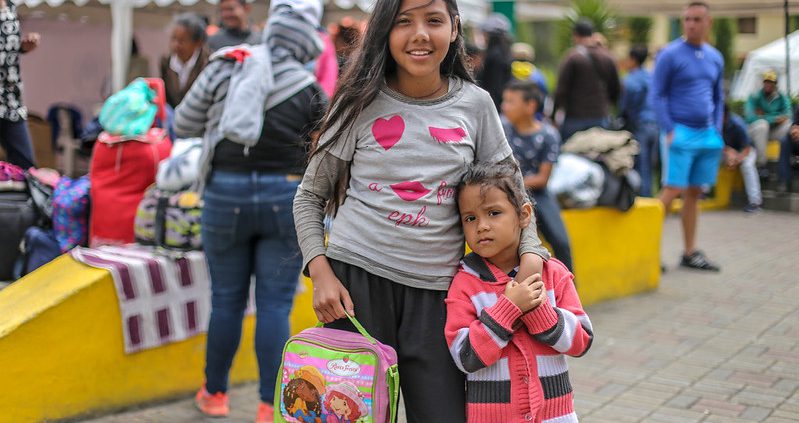 Ecuador is an environmentally diverse and historically rich country in northwestern South America. Ecuador hosts the magnificent Andes Mountains and the Indigenous cultures that call them home, the UNESCO World Heritage site of the Galapagos Islands, where English naturalist Charles Darwin shaped his theory of natural evolution and the dense rainforests of the Amazon. Yet, despite its cultural and environmental richness, many face roadblocks to higher education in Ecuador.
Poverty and Access to Higher Education in Ecuador
About 21.4% of the population of Ecuador lives below the poverty line. Poverty in Ecuador is higher in rural areas, 46% of Ecuadorians living in rural areas and Indigenous communities live in poverty. Those in poverty in rural and Indigenous communities face unreliable access to water and electricity, limited infrastructure, insufficient healthcare and education and poor sanitation. Young adults in poverty in Ecuador sometimes turn to joining organized crime groups or migration as there are limited options.
Students pursuing higher education in Ecuador from disadvantaged groups (women, ethnic minorities such as Indigenous peoples from the Pacific coast region and disabled people) are less likely to have access to the best public universities. Among black and Indigenous populations, completed years of education are three to four years lower than the national average and the drop out rates for higher education among these communities are high.
Poverty is a huge factor in student success and a significant cause in lower quality of education for students pursuing higher education in Ecuador. It affects factors in student’s lives such as their health and wellbeing, literacy, language development, access to physical resources and mobility. Preparation for higher education starts in secondary school, yet a lot of students in Ecuador have to worry about other things besides preparing themselves for higher education.
According to a study that Magali Ramos Jarrin PhD did at the University of Cambridge, “Secondary school conditions are a key element to accessing higher education. Infrastructure, teacher knowledge and student outcomes can hinder or enhance opportunities for students seeking a place at a public university.”
Though there are still challenges, things are starting to look better for access to higher education for Ecuadorian students.
Government Efforts
In 2010, President Rafael Correa pushed for education to be a right in Ecuador. Between 2012 and 2014, President Correa’s government closed 14 low quality private universities and replaced them with four new public universities, improving access to higher education for more students.
The Ecuadorian government increased public investment into higher education during the 2010s, making it the country with the second largest increase in higher education funding in the world. Investment into higher education was increased to 1.86% of the national GDP. These investments created scholarships, financial programs and made it so that Ecuadorian colleges under international agreements must allocate at least 25% of state funding towards scholarships and financial aid. In 2025, the “Academic Support 2025” scholarship was implemented that offered a one time grant to cover living expenses for students enrollment period at a public higher education institution.
The government also implemented laws stating that “higher education institutions must implement mandatory quotas to promote access for historically excluded groups.”
Looking Ahead
Higher education can provide students with skills and knowledge to enter the workforce and increase their future earnings. Higher education can be a key way to help underrepresented groups out of poverty. With access to higher education in Ecuador moving in a positive direction, this trend is like a light at the end of the tunnel for thousands of students suffering from poverty.
– Danica Carmack
Danica is based in Stockton, CA, USA and focuses on Celebs and Politics for The Borgen Project.
Photo: Flickr
