Telehealth in Uganda: Redefining Health Services
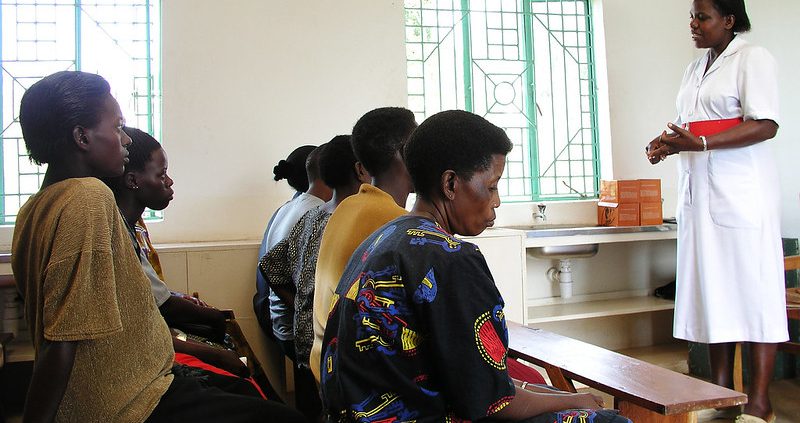 Rural Uganda is home to nearly 68% of the country’s population, leaving many communities without nearby health care facilities. Although Uganda’s Ministry of Health has expanded the number of centers, a significant divide between the amount of care in urban and rural settings remains. Rural Uganda is home to communities where telehealth is driving improvements in medical services for people living in the country’s more vulnerable environments.
About 20% of the country’s citizens live in poverty. Children make up roughly half of Uganda’s population, meaning many of those living in poverty are minors. Seven out of 10 households rely on agriculture for income, while one in three depend on their own production for food. With rising inflation, food insecurity has increased, while the affordability of health care has not changed. As many villages are far from facilities, many communities opt for more holistic medicinal approaches.
The Rise of Telehealth
Telehealth is the use of technology in health care that allows for care delivery, information and education to be completed remotely. Advances in telecommunication health applications have expanded access to health care for people living in rural and underserved areas, creating better quality and reach of care.
Like many other countries, Uganda adopted telehealth during COVID-19 to educate health care workers and communities on prevention, symptom identification and treatment. These digital platforms provided Community Health Workers (CHW) support in diagnosing patients, while also supplying medicine and other necessary materials needed during the pandemic.
The Importance of Kaaro Health
As telehealth reaches more parts of Uganda, Kaaro Health has been financing health care groups by providing infrastructure changes and medical equipment. According to Kaaro Health, “[They] are committed to ensuring that regardless of whether people live in rural or urban areas, they should be able to access high-quality secondary and tertiary medical care.”
Kaaro Health uses “simple mobile technologies” to combat the challenges of limited access to electricity. The organization has funded and engineered renewable energy solutions like solar-powered lights, generators and incinerators. These resources have allowed Kaaro Health to deploy telehealth clinics to rural and peri-urban villages. Many of these communities are located more than 25 kilometers from medical sites.
To continue its support for sustainable medical care, Kaaro Health has collaborated with local groups to identify those most in need of services, while also working with international partners like GIZ (Deutsche Gesellschaft für Internationale Zusammenarbeit) to improve quality within the country. Although the organization has driven expansion, it attributes much of its success to the communities and workers who have started and operated Kaaro’s services.
By 2020, Kaaro Health had trained 200 rural nurses and health care workers in mental health services to address challenges created by the COVID-19 pandemic. The company has established 71 clinics, decreasing the distance these communities have to travel to their nearest medical center.
The Future of Telehealth in Uganda
The World Health Organization (WHO) identifies three objectives for advancing online health: providing digital solutions and standards, enhancing medical knowledge, and supplying countries with solutions specific to their needs. WHO has said, “Digital health can help make health systems more efficient and sustainable, enabling them to deliver good quality, affordable and equitable care.”
As Uganda continues to expand online health care, telehealth providers are funding new technologies that will improve health care and create better efficiency to serve larger numbers of patients. Telehealth in Uganda is an emerging field, and with continued investments, expansion throughout the country will increase affordability and availability of online consultations.
– Jacquelyn Orr
Jacquelyn is based in Philadelphia, PA, USA and focuses on Technology and Global Health for The Borgen Project.
Photo: Flickr
