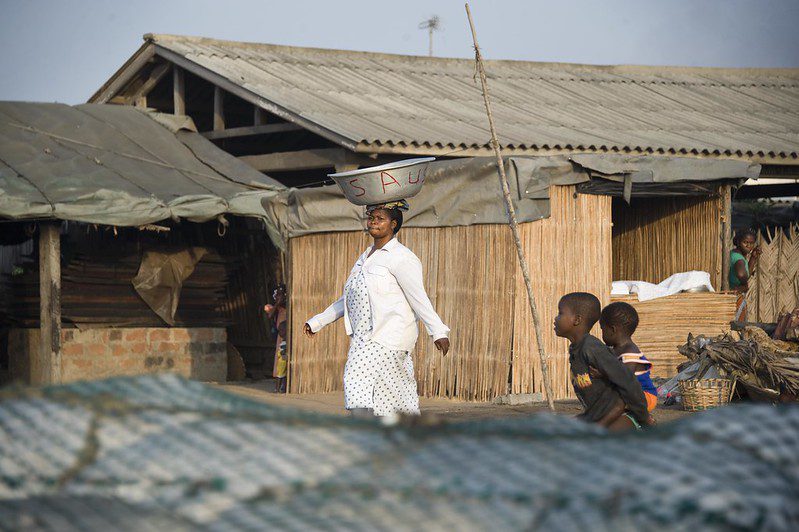
 Out in West Africa, Togo’s beating heart lies in its bright Palm Beaches and North Mountains. It is a country with a fine culinary scene and fervent voodoo traditions. As of 2025, Togo is home to about 8.5 million citizens. Despite its rich history, the nation grapples with widespread poverty, particularly in rural areas where the rate stands at a staggering 58.5%. In urban regions, 26.5% of the population lives at or below the poverty line. Yet, some significant changes are being made to help elevate Togo’s unfaltering rates. This includes major renewable energy projects that help provide clean resources and strengthen the lives of those disadvantaged.
Renewable Energy in Togo
Togo commenced its largest solar PV Plant in the country, a 50 megawatt facility, aiming to help around 158,000 families by helping them overcome poverty. This special landmark initiative was developed under the support of AMEA Togo Solar, with crucial financial backing from both the African Development Bank and the Abu Dhabi Fund for Development. The Solar PV tracks solar energy, boosting the flow of solar panels aimed at tracking the sun’s course. The plant receives most of its energy from Togo’s neighboring countries, Ghana and Nigeria. Their goal was to expand renewable energy to about 8 million people in the country.
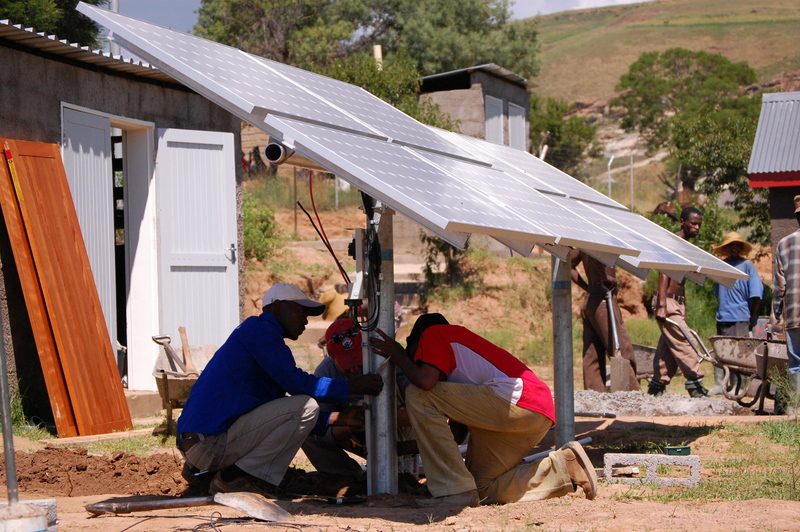
A joint partnership between the African Development Bank and the European Union funded Solar Irrigation Systems, aiming to improve the quality of life in 500 impoverished rural regions. Together, both raised a considerable amount of $11.68 million for this vital project. Because of this, in September 2023, the companies implemented 122 solar water heaters and 153 surface pumps for farmers.
The irrigation pumps progress agricultural sustenance with the accessibility of water to grow plants and maintain harvest fields. Irrigation pumps advance agricultural sustenance by providing essential water for plant growth and crop maintenance. These are vital tools which allow farmers to produce food for communities in Togo. Their role highlights the link through technological innovation and global food scarcity.
Cultivating Change
Communaute Electrique du Benin created the Nangbeto Hydropower Plant Project in Plateaux, Togo. The 65.5 million watt hydraulic plant was inaugurated in 1984. Its main purpose was to keep track of 170,000 or more global power plants. It still performs an active role today and is undergoing modernized improvements, like refurbished turbines and upgraded cooling systems. This is to help continue its progress for another 30 years. This will primarily distribute electricity throughout the region and expand its power supply.
Togo is carefully working to advance its strategic investments in renewable energy. Projects like the Solar PV, solar irrigation systems, and the Nangbeto Hydropower Plant scores Togo’s commitment to expanding its electricity access. These initiatives highlight Togo’s steady approach to renewable energy development. Togo appears to be moving in a positive direction for its future.
– Janae Bayford
Janae is based in Centennial, CO, USA and focuses on Technology and Solutions for The Borgen Project.
Photo: Flickr
 Khartoum, the capital of Sudan, was once engulfed in civil war. After a hard-fought battle, the Sudanese Armed Forces reclaimed the city from the Rapid Support Forces on March 26. With the conflict subsiding, efforts are now turning toward rebuilding Khartoum and restoring hope for its future.
 With
With 
 The Beggars Corporation (
 In many rural areas of
 As of 2022,