The Beggars Corporation: Empowering Entrepreneurs in India
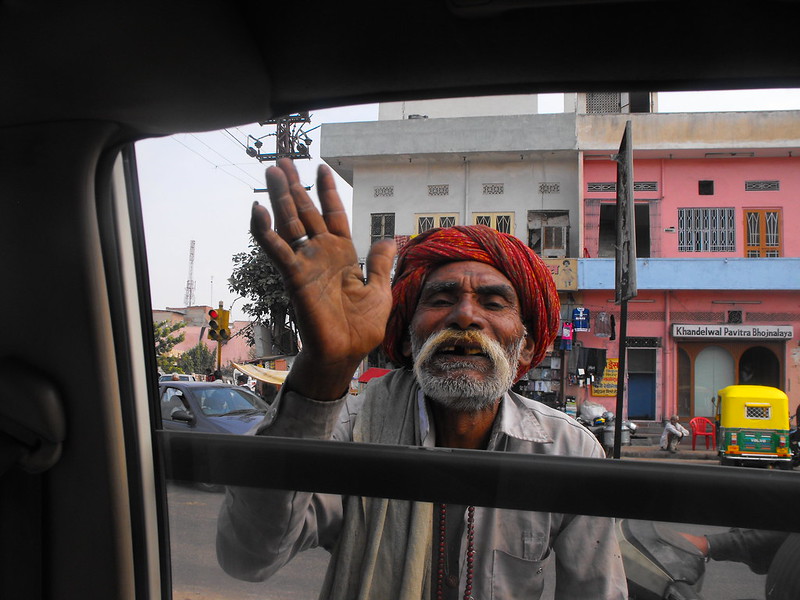 The Beggars Corporation (BC), incorporated in August 2022, offers a different approach to poverty alleviation in India. Instead of offering food or donations, BC invests directly in beggars through its Beggars-Turned-Entrepreneurs (BTE) program. The initiative aims to help people transition from street begging to owning and managing small businesses. Founded by Chandra Mishra, BC’s mission is to make India “begging-free” by helping the country’s estimated 413,670 beggars build sustainable livelihoods. Mishra’s concept, which he terms “Employonomics,” challenges traditional aid models. He argues that a small percentage of the $12 million donated annually to India’s poor can instead fuel long-term change through social investment.
The Beggars Corporation
BC operates under a “One Beggar, One Mentor” system. Rather than seeking support from the government or major NGOs, the company engages wealthier Indian citizens as mentors and investors. Selected participants receive training in vocational skills, such as tailoring or business management. For example, Rajni, BC’s first BTE, learned embroidery and went on to create two brands: Bagful of Dreams and Enchanted Shirts. Once trained, each BTE partner works with their mentor and BC to form a legal business entity called a Special Purpose Vehicle (SPV). Each SPV allocates 24% ownership to the BTE, 24% to the mentor and 52% to BC. During training, participants also receive a monthly stipend of 10,000 INR.
Investment With Social Returns
In BC’s first investment round, 57 individuals each contributed and earned a 33.5% annual return on investment. Currently, mentors invest 200,000 INR over three years. The “handholding” phase follows training, where mentors help BTEs manage finances, navigate regulatory compliance and market their products. After three years, mentors recover their investment with returns and BTEs can choose to continue their business or pursue other employment.
Expanding Impact
To help create entrepreneurs in India, BC has expanded operations beyond the One Beggar, One Mentor scheme. Although BC began in Varanasi, it recently expanded to Dehradun, the capital of Uttarakhand, by signing a Memorandum of Understanding (MoU) to eliminate begging in the city. There, BC will open another School of Life, an education program for child beggars. The program offers academic instruction up to the equivalent of the 10th grade, along with vocational training through a “Learn and Earn” model. BC also supports job creation beyond entrepreneurship. The Karma Cafe in Varanasi, launched under an SPV, has already created 12 jobs for former beggars. Other businesses, such as Helping Hands, a home cleaning service, have reportedly employed up to 100 former beggars.
Results and Real Stories
According to Mishra, 17 beggars became entrepreneurs in the program’s first two years. Including jobs created by BTE-owned businesses, the total number of beggars helped reaches about 1,000. In 2024 alone, 21 active BTE businesses generated more than $418,000 in revenue. Individual stories highlight the human impact. Rajni, once a street beggar, now works in a hospital and supports her son. Vishal, a 12-year-old formerly known as India’s “Mascot of Poverty,” now works as a tour guide and earns between $175 to $350 a month after graduating from the School of Life.
The Future
In less than three years, the Beggars Corporation has shown that sustainable business models can empower India’s poorest citizens. By altering the traditional model of charitable giving into a business venture, BC creates lasting, meaningful employment opportunities for India’s poor. By giving investors an interest in their donation in the form of a share in the SPV and by developing key business skills in their BTEs, the Beggars Corporation could help many individuals escape the cycle of poverty and may one day make India begging-free.
– Charles Citron
Charles is based in Boston, MA, USA and focuses on Business and Politics for The Borgen Project.
Photo: Flickr
