Addressing HIV/AIDS in Morocco
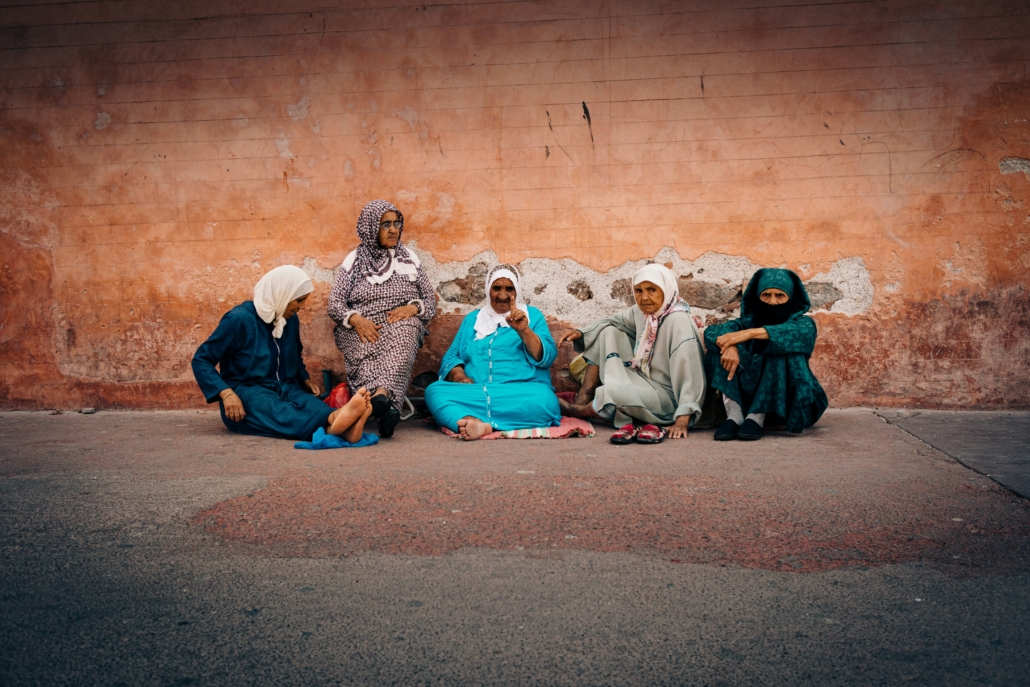 The HIV/AIDS epidemic in Morocco has had life-changing consequences for communities all over the world. International leaders have made significant progress over the past 30 years in improving awareness of the disease and accessibility to treatment, but countries must still take substantial action to fully eradicate it. Morocco has taken large strides towards this, launching various campaigns to do so. However, the extreme levels of poverty that the country is facing are forcing its residents into lifestyles that intensify their risk of contracting the disease, while the government’s lack of economic stability means prevention and treatment schemes are difficult to enact. Without U.S. support, the country lacks many resources which would be indispensable to its fight against HIV/AIDS in Morocco.
The Prevalence of HIV/AIDS in Morocco
As of 2024, the number of people living with HIV in Morocco stands at 23,000. About 5.9% of HIV/AIDS cases are men who engage in sexual relationships with other men (MSM), 7.1% are drug users and 2.3% are sex workers. The socio-political climate of Morocco still subjects these populations to extreme levels of discrimination, which often prevents them from seeking treatment. Additionally, 9% of Morocco’s population live currently in poverty. These difficult conditions, alongside the prevalence of sex tourism and human trafficking, mean there are an estimated 4.3 million sex workers living in Morocco, 2.3% of whom (knowingly) suffer from HIV.
The prevalence of drug users is also intertwined with national poverty, with economic stress forcing many to turn to substance abuse as a form of relief. The country’s lack of free health care also stands as a barrier to impoverished individuals accessing diagnoses and treatment, further increasing the risk of infection for those affected. Offering schemes to help alleviate the pressure of national poverty may prevent those it affects from turning to high-risk modes of employment and dangerous drug use, while making treatment accessible to those unable to afford healthcare bills.
Breaking Down the Stigma
In comparison to other Middle Eastern and North African countries, the rate of HIV/AIDS among the population is relatively low. This is due to Morocco’s unmatched ability in implementing testing, diagnoses and treatment programs within its vulnerable communities.
Thanks to the introduction of self-testing methods, the population now have access to a more discreet method of diagnosis. However, hospitals must still confirm tests offering positive results, limiting their anonymity and leading to a relatively low use rate.
Morocco’s ban on homosexuality, sex work and injection drugs, alongside general societal disapproval, means that many people who engage in these activities do not attempt to seek treatment for HIV/AIDS.
In 2024 at the Taragalte Festival, Moroccan artist OUM announced that she would be ascending to the role of National Goodwill Ambassador in Morocco for UNAIDS. As a popular artist and social influencer, OUM’s work in spreading awareness and encouraging education about HIV prevention will be vital in breaking down the intense stigma surrounding the illness. UNAIDS foresaw that OUM’s efforts in erasing negative narratives via her public influence would improve access to HIV/AIDS preventative knowledge, diagnoses and treatment, particularly among high-risk communities in Morocco.
The US’s Impact
The U.S. President’s Emergency Plan for AIDS Relief (PEPFAR), a campaign aimed at controlling the international HIV/AIDS epidemic, does not currently practice in Morocco. This means the country does not have access to U.S. funded resources that could have a significant impact on HIV/AIDS prevention and treatment and, due to the nation’s lower economic status, could not be financed by only their government. PEPFAR supports communities most vulnerable to the illness and with high-risk populations making up the majority of diagnoses in Morocco, the U.S. Department of State’s assistance could offer profound assistance in curbing the epidemic where it is most rife.
HIV/AIDS in Morocco is preventable. Governmental strategies to combat the disease and its often poverty-rooted causes are already having a profound impact on decreasing its prevalence in the country. However, the epidemic requires further action to achieve total eradication. Reducing societal stigma is an important aspect of making treatment more accessible, but assisting those in poverty, through Moroccan and U.S. funded support, to obtain affordable healthcare schemes and engage in lower-risk lifestyles is by far the most crucial method of ending HIV/AIDS in Morocco for good.
– Amabel Smith
Amabel is based in London, UK and focuses on Global Health for The Borgen Project.
Photo: Unsplash
