Rebuilding Khartoum
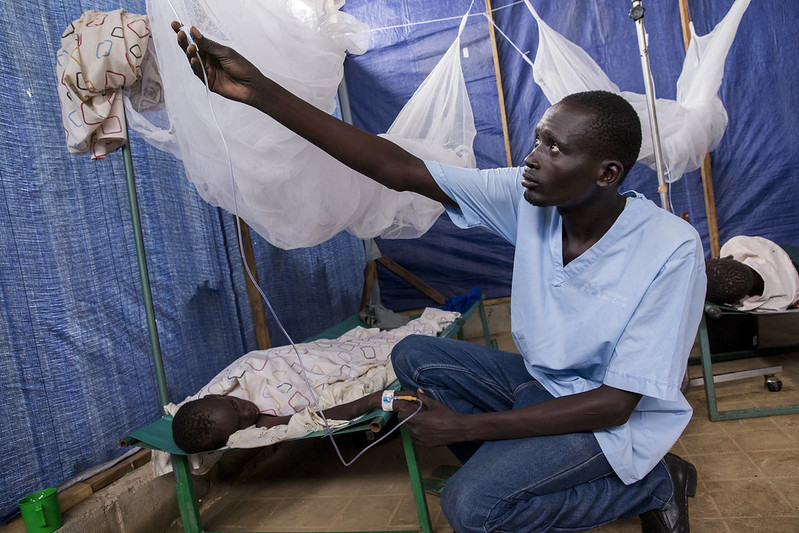 Khartoum, the capital of Sudan, was once engulfed in civil war. After a hard-fought battle, the Sudanese Armed Forces reclaimed the city from the Rapid Support Forces on March 26. With the conflict subsiding, efforts are now turning toward rebuilding Khartoum and restoring hope for its future.
The Civil War
On April 15, 2023, the Rapid Support Forces (RSF) launched an attack on the Sudanese Armed Forces (SAF) in Khartoum. The RSF maintained control of the city until March 2025, displacing more than 13 million people in the process. While the current conflict is devastating, it is not unprecedented—Sudan has a long and painful history of violence. The Second Sudanese Civil War, which began in 1983, resulted in the deaths of more than 2 million people. The Darfur conflict, which started in 2003, claimed 300,000 lives and displaced approximately 2.7 million.
The ongoing civil war has caused more than 61,000 direct deaths, but the true toll is far higher. More than 150,000 people have died due to war-related effects such as famine and disease. The RSF has been accused of committing acts that may amount to genocide, echoing the violence seen in Darfur during the early 2000s. Reports of ethnically targeted attacks and mass displacement have raised serious concerns among human rights groups and international observers. This humanitarian crisis underscores the urgent need for both national reconciliation and sustained international support.
Khartoum in Ruin
The effects of the war and genocide have been catastrophic. Rebuilding Khartoum will undoubtedly pose a significant challenge, with Sudanese authorities estimating the process will cost around $300 billion. Natural disasters have only worsened the crisis, as rains and flooding have displaced thousands and contributed to a resurgence of cholera. Amid ongoing conflict, the Sudanese government is unable to adequately support displaced or sick individuals. Even before the war, Sudan faced a humanitarian crisis, with 15.8 million people in need of assistance; today, that number has more than doubled.
The famine in Sudan is now the worst the country has experienced in decades, and one of the most severe globally, according to Science. More Sudanese people are suffering from extreme hunger than in any other country in the world combined, marking a staggering humanitarian crisis. While food insecurity was already a major concern before the current conflict, the war has intensified the situation dramatically. Continuous bombing, indiscriminate shelling and the looting of markets and supply chains have devastated both rural and urban food systems.
The conflict has disrupted agricultural activity on a massive scale, as farmers have to flee their land. As a result, the production of staple crops has plummeted. Sorghum and millet have declined by 42% and 64% since 2023. In many regions, food is either unavailable or unaffordable, pushing millions closer to starvation. The crisis has reached a tipping point, with aid agencies warning that immediate intervention is necessary to prevent further mass loss of life.
The Road to Recovery
The process of rebuilding Khartoum could take an extensive amount of time. Recovery efforts will involve clearing unexploded ordnance, reconstructing critical infrastructure and restoring essential services such as health care, water and electricity.
The International Rescue Committee (IRC) has emphasized the importance of placing civilian well-being at the center of all recovery and peacebuilding efforts. The organization advocates for a unified diplomatic approach to ensure coordinated and effective action. Recognizing the many challenges ahead, the IRC continues to push for policies that address both immediate humanitarian needs and long-term stability.
IRC has been providing aid to Sudan since 1981 through fundraising efforts and humanitarian initiatives. Its work spans several critical areas, including clean water programs, health services, and support for survivors of gender-based violence. Through these efforts, the IRC remains committed to improving the lives of Sudanese people amid the ongoing crisis.
Mercy Corps, another organization actively working to support Sudan, provides cash assistance to displaced individuals and those in urgent need. The organization has distributed financial aid to over 12,000 families, enabling them to purchase essential items such as food, water, and medicine. In addition to emergency relief, Mercy Corps supports long-term recovery by supplying seeds and farming tools to smallholder farmers; an especially vital effort, as the majority of Sudan’s population relies on agriculture for their livelihood. Like the IRC, Mercy Corps has been delivering critical aid in Sudan for more than two decades.
The Future
Rebuilding Khartoum marks the start of a long road to recovery. With widespread destruction, famine, and displacement, Sudan’s future depends on sustained humanitarian support, coordinated diplomacy, and a lasting commitment to peace.
– Abegail Buchan
Abegail is based in Johnstown, PA, USA and focuses on Global Health for The Borgen Project.
Photo: Flickr
