• Link to X
  • Link to Facebook
  • Link to Instagram
  • Link to TikTok
  • Link to Youtube
  • About
    • About Us
      • President
      • Board of Directors
      • Board of Advisors
      • Financials
      • Our Methodology
      • Success Tracker
      • Contact
  • Act Now
    • 30 Ways to Help
      • Email Congress
      • Call Congress
      • Volunteer
      • Courses & Certificates
      • Be a Donor
    • Internships
      • In-Office Internships
      • Remote Internships
    • Legislation
      • Politics 101
  • The Blog
  • The Podcast
  • Magazine
  • Donate
  • Click to open the search input field Click to open the search input field Search
  • Menu Menu

Archive for category: Global Poverty

Key articles and information on global poverty.

Education, Global Poverty, Hunger

Being Poor in Sudan

Being Poor in SudanBeing poor in Sudan is a reality shaped by a deep-rooted, complex issue that internal conflict and political instability have worsened. According to the World Bank, 46.5% of the population lives below the national poverty line.

Historical Context and Conflict

Sudan has struggled with internal conflicts for a substantial portion of its history, from the Mahdist Revolution (1881-1898) to the Sudanese Civil War (2023-present). These conflicts have driven many innocent bystanders into extreme poverty and deprivation. The current Civil War officially broke out on April 15, 2023, when a power struggle between two rival factions of the military triggered the conflict. The Sudanese Armed Forces (SAF), led by General Abdel Fattah al-Burhan, and the Rapid Support Forces (RSF), led by Mohamed Hamdan Dagalo, were at the center of this struggle. This conflict has rapidly escalated into one of the worst humanitarian crises in the world.

The Hunger Crisis

The effects of these long-standing conflicts have led to lasting damage to the country’s stability, devastating Sudanese infrastructure and agricultural lands. According to the nonprofit organization Action Against Hunger, 24.8 million people are living in food poverty and need aid, alongside hundreds of thousands living in famine-like conditions. This is nearly half of the population.

Hyperinflation has further exacerbated the hunger crisis. According to the International Monetary Fund (IMF), the annual inflation rate reached an astonishing 359% in 2021. Additionally, IMF data shows that businesses and traders raised prices by 200% last year. Sudanese citizens now struggle to find basic food staples like sorghum, rice, beans and sugar due to scarcity and high prices.

Unemployment and Economic Collapse

Being poor in Sudan means facing a daily reality of unemployment as ongoing conflict has led to the job market and economy crashing down. Before the war, unemployment rates in Sudan were already high. Since 2023, these rates have only increased. According to the International Food Policy Research Institute (IFPRI), the Civil War contributed to the estimated loss of more than 5 million jobs and $5 billion in Sudan’s economy in the first year of the war.

Education Crisis

The conflict has severely disrupted access to education. The conflict has destroyed or repurposed schools and has forced millions of children out of education. International organizations have made significant efforts to solve this problem. UNICEF has launched a ‘learning passport,’ delivering education through digital platforms. This initiative has reached more than 12,000 children around Sudan.

The Global Partnership for Education (GPE) has also launched multi-million dollar packages to assist with education, ensuring that all children can access education even during crises, by helping train teachers and distributing various materials. These packages have helped more than 285,000 children in Sudan.

International Developments, Positive Progress and Aid

Amidst all this seemingly negative news, there have been substantial efforts to progress, alongside these education initiatives to help fight being poor in Sudan. Many major international organizations have committed to helping in relief efforts:

  • The United Nations and UNHCR are both working to provide refugees and internationally displaced people with crucial protection services and emergency supplies.
  • Action Against Hunger works in regions that are facing extreme poverty. While it faces many security issues, the team tries their best to assist with food, water, hygiene and sanitation. According to this organization, it managed to provide 180,000 people with essential aid in a single year.

Looking Ahead

Being poor in Sudan today means struggling with hunger, unemployment, lack of education and ongoing displacement. The compounded effects of war, economic instability and food scarcity have fabricated a humanitarian emergency. However, the work of international aid agencies and education initiatives brings a glimmer of hope for millions of these vulnerable Sudanese citizens.

– Emma Dornan

Emma is based in Fife, Scotland and focuses on Good News for The Borgen Project.

Photo: Flickr

July 16, 2025
https://borgenproject.org/wp-content/uploads/borgen-project-logo.svg 0 0 Jennifer Philipp https://borgenproject.org/wp-content/uploads/borgen-project-logo.svg Jennifer Philipp2025-07-16 01:30:102025-07-15 13:11:49Being Poor in Sudan
Disability, Global Poverty, Human Rights

COPHCI: Addressing Disability and Poverty in Côte d’Ivoire 

Disability and Poverty in Côte d’IvoireSince its founding in 2012, Confédération des Organisations des Personnes Handicapées de Côte d’Ivoire (COPHCI) has been on the frontlines of the fight for people with disabilities (PWDs) for over a decade. It has made their mark as a bastion of support for the disabled and a pillar of social and political progress, particularly when it comes to addressing the often-intertwined challenges of disability and poverty in Côte d’Ivoire. 

A Closer Look at Disability and Poverty in Côte d’Ivoire

Côte d’Ivoire has seen a rapid rise in the Human Development Index (HDI) since the turn of the 21st century, surpassing the threshold of a country with medium development in 2017. This has resulted in a windfall of social progress in the country, with life expectancy at birth increasing by over 10 years by 2023-24, and the average GNP nearly doubling in the same time frame.

Nevertheless, people with disabilities (PWDs) in Côte d’Ivoire still face a litany of impediments which keep them from reaping the rewards of such progress and from proper inclusion in their communities. For instance, an observational study by COPHCI found that 83.56% of polling stations lacked accessibility for PWDs during the presidential elections in 2020, and the legislative elections in 2021. Additionally, UNICEF found that only 26% of children with disabilities had access to education. Such glaring inadequacies in the treatment of children and adults with disabilities have created a dire need for a reimagined approach to inclusivity in Côte d’Ivoire.

The burden to change the status quo has thus fallen on local organizations – often working in collaboration with one another – to support those whom the country’s hastening development has neglected. Many also work on building ties with various government ministries in an effort to highlight the often-ignored ails which the country faces. 

COPHCI’s Fight

COPHCI is an umbrella organization, heading more than a dozen Federations which are separated by type of disability or by the specific needs of disabled individuals. It acts as a central unifier for all of these groups, working as, in their own words, a liaison between them. 

COPHCI seeks to give a voice to the usually voiceless and bring awareness to problems which are otherwise completely overlooked by authorities. As an umbrella organization, COPHCI focuses primarily on awareness-raising, and it has acted as a crucial part of many social inclusion and aid initiatives undertaken in Côte d’Ivoire.

For this reason, workshops and community events form the backbone of much of the work which COPHCI does. Not only do they meet with and educate disadvantaged communities, they also act as a link between them and Côte d’Ivoire’s governing bodies. In 2024, the organization undertook a number of initiatives, one of which was a two-day November workshop with fellow advocacy groups to push for the involvement of PWDs in the burgeoning economic development of the country. As the economy continues to expand, COPHCI has worked tirelessly to ensure that space is made for people who have historically been left out of the job market.

Key to the country’s development is the Youth Employment Agency, an agency which has worked to improve employment opportunities for youth in Côte d’Ivoire since its establishment in 2015. COPHCI has worked tirelessly to lobby this agency, especially in 2024, and successfully pushed for a special desk for people with disabilities. This was a major victory for PWDs in the labor market, finally giving them a voice and place in the economic expansion of their country.

Continuing the Fight in 2025

COPHCI has so far stayed out of any headlines in 2025, however, the group’s website shows its continued efforts to train caregivers and educate local communities. As Côte d’Ivoire continues to blossom on the world stage, it is organizations like COPHCI which will ensure that disabled and disadvantaged people can finally take part in their country’s progress, and that disability and poverty in Côte d’Ivoire cease to be a barrier of entry to participation.

– Alex Degterev

Alex is based in Brookline, MA, USA and focuses on Global Health and Politics for The Borgen Project.

Photo: Unsplash

July 15, 2025
https://borgenproject.org/wp-content/uploads/borgen-project-logo.svg 0 0 Jennifer Philipp https://borgenproject.org/wp-content/uploads/borgen-project-logo.svg Jennifer Philipp2025-07-15 07:30:472025-07-15 02:39:17COPHCI: Addressing Disability and Poverty in Côte d’Ivoire 
Education, Global Poverty, Inequality

Fighting Poverty With Higher Education in Spain

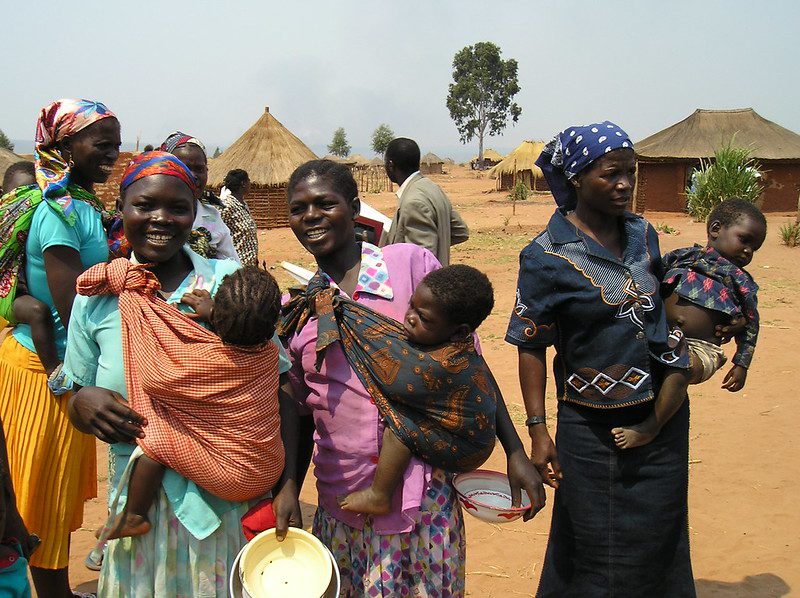
Higher Education in SpainIn Spain, about 25.8% of its people are at risk of relative poverty as of 2024, which is among the highest in Europe. Government efforts to reduce poverty are keeping 10.8 million people out of poverty, a problem especially prevalent for children, women, minorities and those with disabilities. The situation is further exacerbated for those who have not pursued a higher education in Spain; 12.6% of those with a higher education were at risk of poverty compared to 33.7% of those with only a primary education. Plus, those who were raised by more educated parents are significantly less at-risk for poverty.

Higher Education Institutions in Spain

After compulsory education for those who are 3 to 16 years old, various educational options exist for students considering higher education in Spain:

  • Vocational Training. The purpose of vocational training is learning practical skills immediately applicable to a diverse selection of future careers.
  • A University Education. After high school, students pursuing a university degree are required to earn a Bachillerato certificate to be able to apply to universities. Spain offers 45 public and 31 private universities with programs for bachelor’s, master’s and post-graduate degrees. Public universities tend to have lower costs due to government funding.
  • A Higher Arts Education. Another option for those who are more creative is attending a school for the arts.

Challenges of Higher Education in Spain

On paper, higher education in Spain is completely free. However, this fails to include necessary costs, like textbooks and other crucial supplies. As a result, many families still face challenges in paying these costs, which has been on the rise. It then makes sense that unfortunately, many Spanish students fail to finish their education–Spain has the highest rate in the EU of 13.9% of students leaving school. This sparks a brutal cycle; higher education is the key to escaping poverty yet financial barriers come in the way of its accessibility to many Spaniards.

The Good News

The good news is that higher education in Spain is improving. Recent years have demonstrated reforms including supporting student mental health, digitalizing education, adding an emphasis on the environment to the curriculum and reducing antisemitism in schools. 

The Spanish government has outlined several goals that hope to reduce inequalities in its education system, including the high dropout rate. It is also intending to rewrite its curriculum to reflect more modern values, including civics. Additionally, it is allocating a greater budget toward scholarships, especially aimed at expanding the threshold of need-base eligibility, which is predicted to help out 1 million students across the country. It has also recently passed legislature expanding vocational education opportunities. As a result, gradually, more and more people are gradually getting a higher education. Hopefully, these efforts will contribute to reducing poverty, too.

Ayuda en Acción’s Efforts

Nonprofit organizations like Ayuda en Acción are fighting to reduce inequalities among higher education in Spain. Since it originated in 1981, Ayuda en Acción is a global nonprofit organization that has focused on advocating for a Spanish education system that reflects the diversity of its students and the variety of equally valid paths to an education. In particular, the nonprofit has created the Impulsa program, which works to provide more vocational training opportunities for students of lower socioeconomic backgrounds. Its efforts have helped 760,866 people globally.

Looking Ahead

Higher education institutions can also be agents of good that can contribute to a more just society. Rewriting the curriculum to include more topics like civics and social justice can create more global citizens and responsible leaders who contribute not only to the economy but also to the social well-being of those in poverty, thus helping them escape poverty. Ultimately, higher education is an opportunity and with reforms, can be a tool for breaking the cycle of poverty.

– Klara Jones

Klara is based in Los Angeles, CA, USA and focuses on Good News and Technology for The Borgen Project.

Photo: Flickr
July 15, 2025
https://borgenproject.org/wp-content/uploads/borgen-project-logo.svg 0 0 Jennifer Philipp https://borgenproject.org/wp-content/uploads/borgen-project-logo.svg Jennifer Philipp2025-07-15 07:30:252025-07-15 02:43:35Fighting Poverty With Higher Education in Spain
Gender Equality, Gender Wage Inequality, Global Poverty, Women's Empowerment

The Gender Wage Gap in Syria and the Fight for Empowerment

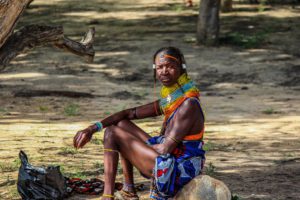
Gender Wage Gap in SyriaIn Syria, where years of brutal violence and extreme poverty have devastated the nation, women are emerging not only as survivors of conflict, but as architects of their country’s future. Yet, despite the crucial role they now play in the rebuilding process, the gender wage gap in Syria remains a barrier to progress. Syrian women are largely undervalued and underpaid compared to their male counterparts, a reality that only perpetuates the nation’s dire economic situation. 

A Country in Crisis

Many widely regard the Syrian civil war, which began in March 2011, as one of the worst humanitarian crises of the 21st century. Over a decade of fighting led to the displacement of more than 14 million civilians, social and political instability and the collapse of the economy. As of December 2024, an estimated 90% of Syrians lived below the poverty line, and 16.7 million people were in need of humanitarian assistance.

Only on December 8, 2024, after 24 years of oppressive totalitarian rule, did the Assad regime fall at the hands of opposition forces. The conflict claimed the lives of more than 600,000 people, many of them men. Now, with so many killed or displaced, Syrian women are increasingly taking on roles in shaping their families, communities and the future of their country.

A Disproportionate Impact on Women

At the same time, women are facing significant struggles. While the civil war had a negative impact on all Syrians, it disproportionately impacted women in many ways. Increases in sexual and gender-based violence, alongside the destruction of hospitals and clinics, deprived countless women of basic and reproductive health care. In 2023, 3.9% of Syrian girls ages 15-19 gave birth, a statistic that reflects both this limited access to health care and rising rates of early and forced marriage.

Syrian women also face a lack of employment opportunities, and when they do secure jobs, they are often receive less pay than men. Globally, women earn around 77 cents for every dollar that their male counterparts earn. Although comprehensive data on the gender wage gap in Syria is yet to exist, labor force participation rates illustrate the economic disparity: in 2024, it was 62.8% among males compared to only 13.3% among females. These numbers are representative of a wider trend in the Arab world, where women’s access to employment is up to 44% lower than men’s.

Beyond being concerning from a gender equality standpoint, the wage disparity in Syria also has serious, even life-threatening implications for women and their families. 92% of female-headed households report either an insufficient or complete inability to meet their basic needs. Additionally, 74% of the almost 6 million Syrians experiencing food insecurity or malnutrition are women and girls.

The Civil War as a Turning Point

However, suffering does not solely define the story of Syrian women. Amidst violence and desolation, many women stepped out of the home and into new roles, defying long held gender norms and stereotypes. Women found numerous ways to transform their challenges into opportunities by protesting against the Assad regime, finding work to support their families and empowering their daughters to learn to take care of themselves.

One particularly noteworthy individual is Ghalia Rahhal, founder of the Mazaya Center for Women’s Empowerment. Despite an assassination attempt, the murder of her son and sexist opposition, she has never stopped her fight to integrate feminist principles into Syrian laws and practices. By training women in refugee camps on politics and equality, Rahhal is preparing them to become active participants in the transitional and future government of their country. 

Inspired to achieve similar goals, the nonprofit Uplifting Syrian Women seeks to help women and girls obtain better jobs by providing them with free online courses and trainings. The organization aims to close the gender wage gap in Syria by empowering women to enter the workforce and recognize their importance in the country’s rebuilding process.

Why Closing the Gap Matters

Looking forward, there is still much uncertainty surrounding the future of women in Syria. One reality, nevertheless, is that the empowerment of women is economically beneficial for all. As the World Economic Forum reports, increasing women’s workforce participation could boost a country’s economic output by up to 35%. That potential could become a reality as more and more women take an active role in the government and the workforce, helping close the gender wage gap in Syria and lift their country into a better future.

– Caroline Clark

Caroline is based in Needham, MA, USA and focuses on Global Health and Politics for The Borgen Project.

Photo: Flickr
July 15, 2025
https://borgenproject.org/wp-content/uploads/borgen-project-logo.svg 0 0 Jennifer Philipp https://borgenproject.org/wp-content/uploads/borgen-project-logo.svg Jennifer Philipp2025-07-15 07:30:132025-07-15 02:46:24The Gender Wage Gap in Syria and the Fight for Empowerment
Food & Hunger, Food Insecurity, Global Poverty

How Growing Mangoes Helps Reduce Poverty

growing mangoes helps reduce povertySlicing into a mango reveals a decadent treat bursting with flavor. More surprisingly, however, growing mangoes helps reduce poverty, as planting mango trees alleviates financial and food insecurity in developing nations. This innovative solution offers hope for progressing toward achieving the United Nations’ first two Sustainable Development Goals (SDGs) by 2030: No Poverty and Zero Hunger.

Why Mangoes?

Mangoes thrive in hot, humid climates and are relatively easy to cultivate, particularly across regions of Asia, Latin America and parts of Africa. Their global popularity has surged recently, with widespread consumption and high demand in international markets. In addition to being a valuable cash crop, mangoes are highly nutritious and rich in essential vitamins.

A Source of Income in India

Unlike many crops grown on large commercial farms, mangoes are often cultivated on small-scale farms. Growing mangoes can significantly reduce poverty by providing families with an additional income of up to $2,700 per hectare of mango trees, helping to lift entire communities out of poverty.

Recognizing this potential, nonprofit organizations like TechnoServe have developed programs to train farmers in India more efficiently to cultivate their mangoes and resist common diseases afflicting mango trees, like dieback. It has also worked to support water-related infrastructure in the local communities. TechnoServe’s program has helped more than 1,000 thousand smallholder farmers in India.

Fighting Hunger in Uganda

Extreme hunger remains a serious issue in Uganda. Malnutrition directly causes nearly one-third of deaths among children aged below 5. One initiative, The Mango Project, donates mangoes to schools, health care clinics and individuals facing food insecurity. The program also trains Ugandan farmers in improved techniques for cultivating hardier mango trees that can survive the region’s six-month dry season.

While Uganda produces hundreds of thousands of tons of mangoes annually, about 40% spoil due to limited access to refrigeration and preservation methods. The Mango Project addressed this by teaching local farmers jarring, which involves boiling small portions of mango to preserve them without requiring specialized supplies like jars. It also teaches local Ugandans general cooking techniques and other necessary health education.

Boosting Health in Haiti

Haiti suffers from one of the highest poverty rates globally, as well as a weak economy. According to agricultural and economic expert Gergens Polynice, growing mangoes helps reduce poverty by strengthening Haiti’s economy. Haiti is already a major supplier of mangoes to the U.S. However, it exports a relatively small fraction of its production. This means there is a significant economic growth opportunity in the mango industry.

Empowering Communities in the Philippines and Indonesia

The Preda Fair Trade Project, operating in the Philippines, supports mango farmers in several ways. It buys unmarketable mangoes to be sold as other mango products. Also, it encourages growing practices that improve quality to be sold on the market.

The Australian Center for International Agricultural Research sponsored a project that teaches farmers in the Philippines and Indonesia organic farming methods to increase mango profits. By improving their livelihoods, these initiatives empower local communities economically and promote long-term sustainability.

– Klara Jones

Klara is based in Los Angeles, CA, USA and focuses on Good News and Technology for The Borgen Project.

Photo: Pexels

July 15, 2025
https://borgenproject.org/wp-content/uploads/borgen-project-logo.svg 0 0 Lynsey 2 https://borgenproject.org/wp-content/uploads/borgen-project-logo.svg Lynsey 22025-07-15 03:00:512025-07-15 02:21:37How Growing Mangoes Helps Reduce Poverty
Development, Global Poverty, Poverty Reduction

World Bicycle Relief: Upgrading Lives in Communities Worldwide

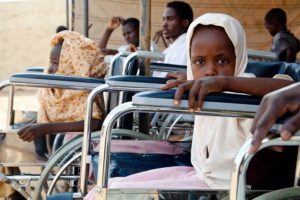
World Bicycle ReliefWorld Bicycle Relief provides Buffalo bicycles to people to help improve the quality of life for those in need of transportation. The 2024 Impact Report states that organizations distributed 868,300 bicycles globally. Households reported a 63% increase in access to health care, a 43% rise in monthly income, shorter travel times and a high rate of children staying in school.

The two-wheeled organization started in 2005 after a tsunami in the Indian Ocean struck Southeast Asia. F.K. Day and Leah Missbach Day wanted to help those in the community. They soon came to realize that bicycles upgrade lives. When they were in Southeast Asia, they looked at local bicycles but realized they needed something more durable.

Mobility in Sub-Saharan Africa

In the article “How bicycles support the SDGs in Malawi,” by World Bicycle Relief, it talks about the harsh realities of Malawi and how bicycles upgrade lives. In sub-Saharan Africa, millions of people rely on walking as their primary mode of transportation. Tim Petrie said in a verywell health article, “People biking outside at a moderate speed may travel between 12 and 13.9 miles in one hour, while people walking at a moderate pace typically cover about three miles in an hour.” The Buffalo Bicycle is lightweight, made for travel, can carry significant weight and is “easy to repair.”

“What I love most about the bicycle is that it’s multifunctional,” Noralba said in the “Scaling Bicycle Ownership” section of World Bicycle Relief’s 2024 Impact Report. “I can carry heavy things on the grill, go wherever I want and do everything so much faster.”

Theory and Model

World Bicycle Relief believes that people in poverty can improve their quality of life through bicycles. In the organization’s “Theory of Change” section, it mentioned how bicycles upgrade lives in different ways.

“We work globally in underserved markets with millions of people who lack reliable transportation, creating access to affordable purpose-designed bicycles, mechanics and spare parts so that individuals and communities have independence, access to health care, education and economic opportunities,” it mentioned in the “Our theory of change” section.

The organization mentioned that their mission is propelled through the community. The community can assess its needs and have mechanics. World Bicycle Relief creates partnerships to help communities.

The work of World Bicycle Relief takes place in Asia, Africa and South America. The organization sells its bicycles to different places and uses the profits to fund initiatives.

“Sales from Buffalo Bicycles Ltd. support World Bicycle Relief’s programs, allowing us to deliver greater efficiencies, distribute more bicycles per donation, position for scale and generate deeper, long-term impact where we work.”

Training Local Mechanics

Mechanics go through a five-day program that equips them with essential bicycle maintenance and repair skills. Many mechanics rely on this job as a steady source of income and a path toward a better livelihood.

Darlington Rafael, a mechanic, said, “By living in my parents’ home, I am able to save money while helping them out,” says Darlington, 20. “After I pay my parents, I am able to save about $37 (U.S.) each month. After working for another 4 or 5 years, I’ll be able to pay for my studies!”

He currently travels two hours by bus to get to work to help people. As of 2024, 3,657 mechanics had undergone training. The goal is to train a new mechanic for every 50 to 100 new bicycles added.

Looking Ahead

World Bicycle Relief now supports programs in Tanzania with a focus on strengthening the health sector and reaching people in rural areas who often travel long distances on foot. The organization also introduced a new feature to its bicycles called the Utility S2, designed to reduce rider effort. “If you change the gears, it can go faster, even if you are climbing the mountain,” said a Utility S2 rider from Kenya.

– Matthew Restrepo

Matthew is based in Milton, GA, USA and focuses on Good News for The Borgen Project.

Photo: Flickr
July 15, 2025
https://borgenproject.org/wp-content/uploads/borgen-project-logo.svg 0 0 Precious Sheidu https://borgenproject.org/wp-content/uploads/borgen-project-logo.svg Precious Sheidu2025-07-15 03:00:252025-07-15 02:33:54World Bicycle Relief: Upgrading Lives in Communities Worldwide
Africa, Disease, Global Health, Global Poverty

Malaria Vaccine in Burundi

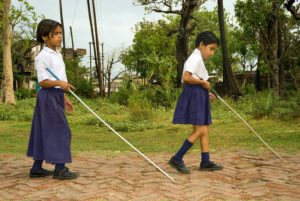
Malaria vaccine in BurundiBurundi boasts of two capital cities, Gitega in Burundi’s center serving as the political capital, with Bujumbura to the southwest as the economic capital. Burundi is the second poorest country in the world as of 2025, with more than 80% of the population facing the risk of contracting malaria.

Background

Malaria is an infection that mosquitoes spread to humans, and is most commonly found in sub-Saharan Africa and other regions such as South America and Southeast Asia. While a healthy person can survive the infection, the people who face the most risk are children, the elderly, people with no prior immunity to the disease, and pregnant women. Malaria can spread from mother to unborn child, causing the child to contract the disease through birth. This can result in premature births, low birth weights, stillbirths, and miscarriages. Malaria is an epidemic disease in Burundi and the leading cause of death throughout the country, but thanks to a recent vaccine initiative, life in Burundi is taking a turn for the better.

Malaria in Burundi

According to a recent study on Burundi people accepting the malaria vaccine, nearly 55% of people surveyed expressed worry about side effects from the vaccine. People being wary of the malaria vaccine in Burundi is not surprising when considering the lack of available information about the vaccine. These fears, together with an unawareness of the vaccine at all, are the reason that the vaccine was not more readily available in Burundi.

The malaria vaccine is becoming much more available in Burundi thanks to the new Vaccine Independence Initiative. Throughout an information and exchange workshop in Bujumbura, Burundimany global health organizations sent representatives to “mobilize national decision-makers around the Vaccine Independence Initiative and to develop concrete recommendations for integrating the initiative into the country’s strategic and operational plans.” With this new initiative, the malaria vaccine will become the standard vaccination for children and adults, ensuring that everyone receives protection against the disease.

The Future

The introduction of the malaria vaccine to Burundi’s standard vaccine regimen could help to lessen malaria hospitalizations and reduce symptoms of infection. The vaccine itself is only the first step, and together with other methods of malaria prevention, it helps lessen rates of infection even more drastically.  For the people of Burundi, coupling the vaccine with mosquito nets can show a much lower rate of infection and severity of symptoms. Using the vaccine with mosquito nets and anti-mosquito spray has shown to lessen rates of infection even more.

Adding the malaria vaccine to the standard regimen that children receive has shown a 13% drop in child deaths. These statistics show that the war on malaria in Burundi is beginning to slow, and the people are on the winning side.

– Zoe Felder

Zoe is based in Charlotte, NC, USA and focuses on Good News and Global Health for The Borgen Project.

Photo: Flickr
July 15, 2025
https://borgenproject.org/wp-content/uploads/borgen-project-logo.svg 0 0 Naida Jahic https://borgenproject.org/wp-content/uploads/borgen-project-logo.svg Naida Jahic2025-07-15 03:00:082025-07-15 02:26:23Malaria Vaccine in Burundi
Charity, Global Poverty, UNICEF

The Effect of Louis Tomlinson’s Participation in Soccer Aid

Louis Tomlinson's participation in Soccer AidThousands of fans come together to watch a charity match called Soccer Aid each year. Professional soccer players and celebrities are on the match’s opposing sides. Amid the competitive spirit, these teams face off to raise both awareness and money for the United Nations Children’s Fund (UNICEF). Old Trafford Stadium hosted the annual Soccer Aid match on June 15, 2025, with several remarkable participants. In particular, the former “One Direction” star Louis Tomlinson’s participation in Soccer Aid rallied impressive support.

What is Soccer Aid?

Soccer Aid is an annual charity event that raises money for UNICEF, a U.N. agency that brings development and stability to children globally. The event represents what UNICEF strives for: “to protect play for every child.”

First, celebrities and athletes alike form two teams. One team’s participants are from England and the other team contains players from across the globe. Then, in the spirit of charity and competition, the two teams – England and World IX – face off. Over the years, notable participants such as Usain Bolt, David Beckham and “One Direction” members have taken to the field.

Thanks to the efforts of these participants, Soccer Aid has raised more than $121 million for UNICEF since 2006. This money, from ticket sales and generous donations, brings children out of poverty globally. Every match played brings more and more children access to health care, nutrition, education and emergency relief.

Louis Tomlinson’s Participation in Soccer Aid

Tomlinson has been a long-term supporter of the Soccer Aid program. This year, he took to the field wearing his lucky number, 28. Even without being a professional soccer player, the 90 minutes he spent playing right back attracted much attention to the cause. The singer’s touches on the ball caused the crowd’s cheers to become especially noticeable to those watching the match live.

Tomlinson’s participation in Soccer Aid doesn’t just exist in his effort on the field. He made great strides as an ambassador off the field as well. He used his significant influence on social media as a means to encourage the public to make donations. In one video, he illustrated the value of giving by comparing what $27 (20 pounds) could buy — either a takeaway pizza for children or 80 exercise books.

Beyond his involvement in Soccer Aid, Tomlinson has taken multiple steps to fight global poverty. He supported the ONE Campaign, which aims to end extreme poverty worldwide, backed a movement to tackle food poverty in U.K. schools and hosted a livestream concert to raise funds for a U.K.-based organization focused on food relief. Tomlinson is a long-time advocate for the impoverished community and his participation in the 2025 Soccer Aid match only reinforced that.

Funds Raised and Purpose

This year, the match raised more than $15 million. According to the nonprofit, the funds will provide “food, health care, safe spaces and crisis support around the world — all helping children grow up safe, healthy and able to play.” By delivering essential resources to thousands of children, Soccer Aid gives them something powerful: freedom. The freedom to play, to enjoy childhood and to grow into whoever they choose to be.

Moving Forward

UNICEF benefited greatly from Tomlinson’s participation in Soccer Aid and it hopes that this level of support from the general public continues. This match brings stability and hope to thousands of children worldwide every year. It helps minors escape from the depths of poverty and creates a brighter version of their future.

Soccer Aid aims to unite people under the shared love of soccer and use it to support impoverished children. Under this mission, thousands of children have lived better and escaped poverty.

– Caroline May

Caroline is based in Denver, CO, USA and focuses on Good News and Technology for The Borgen Project.

Photo: Flickr
July 15, 2025
https://borgenproject.org/wp-content/uploads/borgen-project-logo.svg 0 0 Lynsey 2 https://borgenproject.org/wp-content/uploads/borgen-project-logo.svg Lynsey 22025-07-15 01:30:412025-07-15 02:08:26The Effect of Louis Tomlinson’s Participation in Soccer Aid
Development, Global Poverty, Technology

bKash: Digital Financial Inclusion in Rural Bangladesh

bKashThe inclusion of rural and low-income groups in financial services has been a contentious area of long-term struggle for South Asian economies. However, Bangladesh’s utilization of homegrown fintech company “bKash” is fighting this stigma, revolutionizing digital financial inclusion where typical infrastructure is sparse to lift millions out of poverty.

Changing the System

Launched in 2011, bKash entered a market where most of Bangladesh’s population was unbanked and infrastructure was limited. At the time, cash transactions and informal loans were often the only options available. bKash set out with a clear mission: to expand financial access for the country’s low-income majority. The platform allows users to send and receive money, pay bills and top up mobile credit using their phones. It also provides access to microloans — all without needing a bank account, cash, or informal lenders.

The basic financial tools this system offered millions have impacted the reduction of poverty in the nation. The Bangladesh Bank states that services like bKash have helped boost the country’s financial inclusion rate from less than 50% in 2017 to more than 65% by 2022. The app has increased financial connections between economic centers and the rural majority, leading to a growing trend of urban-to-rural remittance and greater involvement of middle-income investors in agriculture businesses.

Reducing Poverty and Increasing Development

By 2021, the app’s rapid growth had transformed digital finance in Bangladesh. Nearly 45% of people aged 15 and above were making or receiving digital payments. bKash alone had reached 67 million verified users, more than 40% of the country’s population, marking a sharp increase from just 29 million users in 2017. This dramatic growth reflects the platform’s expanding role in national development, particularly providing digital financial inclusion to disconnected rural areas.

The World Bank has especially highlighted bKash’s instrumental role in helping Bangladesh achieve Lower Middle Income Country status in 2015. It also credits bKash with driving progress toward the nation’s 2030 Sustainable Development Goals.

A 2020 report by the Bangladesh Institute of Development Studies (BIDS) further underscores the app’s wide-ranging impact. It highlights that digital financial services like bKash have directly contributed to increased household incomes, improved financial transparency and enhanced access to credit. By creating reliable financial records, bKash has enabled many users to become credit-worthy in the eyes of formal lenders, unlocking pathways to business growth, education and health care and setting the stage for sustainable, long-term poverty alleviation.

During the COVID-19 pandemic, the Bangladeshi government expanded the importance of bKash national infrastructure and relief, leveraging the platform to distribute emergency funds directly to vulnerable and isolated groups. This further highlights the ability of digital financial services to transcend low economic activity and restricted mobility, ensuring that income reaches recipients efficiently and securely.

Looking Ahead

Despite its transformative impact, mobile banking in Bangladesh still faces challenges, chief among them a digital gender gap of women significantly less likely to own phones or access mobile internet. This disparity prevents many women from accessing the full benefits of the growing mobile banking infrastructure. Bridging the gap through targeted education, digital literacy and affordable mobile access is essential to achieving financial inclusion.

As Bangladesh advances, platforms like bKash will remain powerful tools for empowering the impoverished, building financial resilience and driving inclusive, sustainable growth, even in the most remote areas. With the growing use of smartphones nationwide, bKash will remain especially necessary for providing digital financial inclusion to those unable to access traditional services.

– Thomas Finighan

Thomas is based in London, UK and focuses on Business and Technology for The Borgen Project.

Photo: Flickr
July 15, 2025
https://borgenproject.org/wp-content/uploads/borgen-project-logo.svg 0 0 Lynsey 2 https://borgenproject.org/wp-content/uploads/borgen-project-logo.svg Lynsey 22025-07-15 01:30:402025-07-15 02:14:42bKash: Digital Financial Inclusion in Rural Bangladesh
Global Health, Global Poverty, Technology

Radio and Public Health in Africa: Still a Critical Voice

radio and public health in africaInformation is power—especially when it comes to health. The problem is that reliable information is not always easy to come by. For example, as of 2024, internet penetration in Uganda is 27%. The main source of information for Ugandans is radio at 38%, including word of mouth at 21%, phone calls at 15% and television at 14%. When health concerns arise, the internet connects experts with new findings and patients with treatment paths—but it is not the only technology leading to healthy outcomes. As pandemics, stigma and misinformation continue to affect the global population, communities are shaping public health in Africa with the proven power of radio.

Engagement between Health Care Workers and the Public

Research in the medical field is always evolving, bringing new information to light surrounding important issues. Malawi Liverpool Wellcome Trust designed a participatory radio program Umoyo Nkukambirana or “Let’s Talk About Health,” which hosted medical researchers, presenting health topics and current research in Chichewa—the local language.

The radio would advertise the program in advance, encouraging listeners to raise questions via SMS text and local radio listening clubs with the researchers responding. Indeed, topics ranged from diabetes to vaccines, with roughly 500 citizens sending in questions, primarily from rural areas.

By creating a conversation and opening the floor to citizens without alternative access to information, engagement increased, and education followed.

Radio and Public Health in Africa during COVID-19

Throughout the pandemic, community radios played a pivotal role in the spread of life-saving information. Koch FM from Kenya broadcasted public health advice along with songs advising people on preventative measures; Radio Dondo in Mozambique hosted debates, interviews, and reports on the ongoing crisis; and Argoba Community Radio in Ethiopia contributed to the fight against misinformation as it spread from social media channels.

Various global organizations noticed these actions, with UNESCO, the EU and the African Center for Disease Control partnering in 2022 to offer a program to four African regions and their community radio journalists. The program focused on research and presentation processes in journalism, with UNESCO stressing “the unique power of the radio in reaching the grassroot communities with the right information.”

Fighting Ebola Misinformation

Even as technologies improve across developing countries, radio can be seen as a well of historic information. In Uganda, AI is using this information to gain insight into public opinion and misinformation. In 2022, when the country declared an Ebola outbreak, polarizing discourse and misinformation followed. To learn about how public sentiment was being shaped, Jonathan Mukiibi at Makerere University developed a program that transcribed recordings from community radio shows, then analyzed them for data points. He sought to add the voices of those who did not have access to the internet. In a country where political parties are often viewed with distrust, many of the country’s inhabitants believed that the declared Ebola outbreak was just a political move to undermine the recently elected party. With the help of Mukiibi’s new program, policymakers could make better decisions in current and future outbreaks.

In an age increasingly defined by smartphones and the internet, the threads weaved between radio and public health in Africa continue to connect people effectively. This decades-old technology serves as a sturdy platform and a wellspring of data. When it comes to the health of the people, it does not matter how the information is getting out; it just matters that people receive it.

– Levi Ravnsborg

Levi is based in Summerland, BC, Canada and focuses on Technology and Solutions for The Borgen Project.

Photo: Wikimedia Commons

July 15, 2025
https://borgenproject.org/wp-content/uploads/borgen-project-logo.svg 0 0 Naida Jahic https://borgenproject.org/wp-content/uploads/borgen-project-logo.svg Naida Jahic2025-07-15 01:30:012025-07-15 02:03:20Radio and Public Health in Africa: Still a Critical Voice
Page 156 of 2162«‹154155156157158›»

Get Smarter

  • Global Poverty 101
  • Global Poverty… The Good News
  • Global Poverty & U.S. Jobs
  • Global Poverty and National Security
  • Innovative Solutions to Poverty
  • Global Poverty & Aid FAQ’s
Search Search

Take Action

  • Call Congress
  • Email Congress
  • Donate
  • 30 Ways to Help
  • Volunteer Ops
  • Internships
  • Courses & Certificates
  • The Podcast
Borgen Project

“The Borgen Project is an incredible nonprofit organization that is addressing poverty and hunger and working towards ending them.”

-The Huffington Post

Inside The Borgen Project

  • Contact
  • About
  • Financials
  • President
  • Board of Directors
  • Board of Advisors

International Links

  • UK Email Parliament
  • UK Donate
  • Canada Email Parliament

Get Smarter

  • Global Poverty 101
  • Global Poverty… The Good News
  • Global Poverty & U.S. Jobs
  • Global Poverty and National Security
  • Innovative Solutions to Poverty
  • Global Poverty & Aid FAQ’s

Ways to Help

  • Call Congress
  • Email Congress
  • Donate
  • 30 Ways to Help
  • Volunteer Ops
  • Internships
  • Courses & Certificates
  • The Podcast
Scroll to top Scroll to top Scroll to top