• Link to X
  • Link to Facebook
  • Link to Instagram
  • Link to TikTok
  • Link to Youtube
  • About
    • About Us
      • President
      • Board of Directors
      • Board of Advisors
      • Financials
      • Our Methodology
      • Success Tracker
      • Contact
  • Act Now
    • 30 Ways to Help
      • Email Congress
      • Call Congress
      • Volunteer
      • Courses & Certificates
      • Be a Donor
    • Internships
      • In-Office Internships
      • Remote Internships
    • Legislation
      • Politics 101
  • The Blog
  • The Podcast
  • Magazine
  • Donate
  • Click to open the search input field Click to open the search input field Search
  • Menu Menu

Archive for category: Global Poverty

Key articles and information on global poverty.

Education, Global Poverty, Nonprofit Organizations and NGOs

Soap-Making: Hygiene and Economic Empowerment

Hygiene and Economic Empowerment In countries like Uganda and Haiti, soap-making creates financial independence, poverty reduction and community leadership. Through women-made soap businesses, local entrepreneurs are adapting powerful tools for change through basic hygiene. 

Hygiene and Economic Empowerment

Global nonprofits like Clean the World, Care International and Oxfam support many of these businesses, contributing to a ripple effect of positive outcomes. Women are receiving training in entrepreneurship, health services and supply chain management, which allows them to produce soap in areas where hygiene product availability is scarce. This is not only improving health, but also boosting income and helping communities reach self-sufficiency.

The central idea driving these efforts is hygiene and economic power, both working together to equip women with the tools to fight disease and gain enough financial support to lift themselves out of poverty. A prime example appears in refugee camps and urban slums, where waterborne diseases like cholera and diarrhea are widespread. With regular access to personal hygiene products like soap, infection rates can decrease. A World Health Organization (WHO) study states that handwashing with soap can significantly reduce diarrheal disease—an important statistic for communities without access to clean water.

Empowering Women Through Soap-Making

Making soap helps these women earn a living. In Haiti, women involved in Oxfam’s local hygiene initiatives not only make and sell soap but also teach others about the importance of staying clean and healthy. By focusing on both business and health advocacy, the program supports longer-lasting benefits. The use of recycled soap from hotels offers an innovative solution for communities in need. Organizations like Clean the World collect discarded soap from partner hospitality businesses, sanitize it and redistribute it through women-led local cooperatives. The system is both eco-friendly and provides economic opportunities for women.

Looking Ahead

The ongoing programs are helping drive progress against poverty. In Haiti, women participating in these businesses have steadily increased their household income over the past two years. With higher incomes, families can afford school fees, consistent food supplies and health care. Each bar of soap sold contributes to reducing the cycle of poverty. Amid the challenges facing low-income countries, hygiene and economic empowerment play a key role in helping communities develop. Investing in women-led cooperatives supports efforts toward greater equality. Programs like these strengthen public health systems, promote economic stability and support long-term development.

– Kyra Cribbs

Kyra is based in Trenton, NJ, USA and focuses on Good News for The Borgen Project.

Photo: Flickr

July 18, 2025
https://borgenproject.org/wp-content/uploads/borgen-project-logo.svg 0 0 Precious Sheidu https://borgenproject.org/wp-content/uploads/borgen-project-logo.svg Precious Sheidu2025-07-18 07:30:062025-07-18 04:07:38Soap-Making: Hygiene and Economic Empowerment
Global Poverty, Innovations, Malaria

How Dual-Insecticide Nets Strengthen Malaria Control in Africa

How Dual-Insecticide Nets Strengthen Malaria Control in Africa Malaria, a disease that comes from a mosquito bite, is one of Africa’s major health issues. Africa holds an estimated 94% of global malaria cases. According to the World Health Organization (WHO), malaria killed 569,000 Africans in 2023. To fight this disease, researchers developed insecticide-treated nets through research and experiments. These are mosquito nets with insecticides on them to repel mosquitoes. For the past two decades, these insecticide-treated nets have strengthened malaria control, but in recent years, mosquitoes have started developing resistance. This shift led researchers to spend years testing the idea of dual-insecticide nets, which eventually resulted in the creation of the Interceptor G2.

Dual-Insecticide Nets

Dual-insecticide nets are treated with additional chemicals that better target resistant mosquitoes. They combine standard insecticide with another compound that boosts the effects. The Interceptor G2 is the most advanced bed net developed through modern research. According to the WHO, clinical trials found that these new nets improved malaria control by 20–50%. Within three years, researchers estimate that the Interceptor G2 saved 35,000 lives. In addition to saving lives, the nets also helped prevent 13 million malaria cases, further strengthening malaria control.

Corine Ngurfor

Dr. Corine Ngufor is one of the many doctors who made a huge impact on the testing of dual-nets. Ngufor herself contracted malaria many times throughout her childhood and knows the struggles and impact this disease has on people firsthand. After earning her PhD, Ngufor started developing testing methods to reflect real-life conditions for the nets. These methods included ensuring the nets could withstand heavy rain, remain safe for children and stay lethal to mosquitoes. Researchers spent six years field-testing numerous prototypes before identifying the best option: the Interceptor G2. Her findings showed that dual-insecticide nets strengthen malaria control substantially more than previous nets.

Looking Ahead

The Interceptor G2 has made life-changing improvements for malaria prevention in Africa, but even so, researchers are preparing for future resistance. Ngufor is one of those doctors who are already at work trying to stay ahead of resistance. Research shows that dual-insecticide nets significantly strengthen malaria control. Ongoing studies on mosquito resistance and insecticide effectiveness aim to ensure these nets remain a reliable tool. With support from the WHO and other global partners, efforts to reduce and eventually eliminate malaria continue to advance. With help from WHO and other organizations in the fight to eradicate malaria, Ngufor believes there is an end in sight for malaria cases.

– Emily Herlehy

Emily is based in Denton, TX, USA and focuses on Technology and Solutions for The Borgen Project.

Photo: Flickr

July 18, 2025
https://borgenproject.org/wp-content/uploads/borgen-project-logo.svg 0 0 Precious Sheidu https://borgenproject.org/wp-content/uploads/borgen-project-logo.svg Precious Sheidu2025-07-18 03:00:592025-07-18 03:56:17How Dual-Insecticide Nets Strengthen Malaria Control in Africa
Development, Education, Global Poverty

Vocational Education in Russia: A Way Out of Poverty

Vocational Education in RussiaIn the industrial towns of Russia’s Far East and the outskirts of Moscow, vocational training centers are quietly changing lives. For young people who can’t afford university — or who need a faster path to a stable income — these schools appear to serve as launchpads. As Russia grapples with persistent income inequality and rising youth unemployment, vocational education and training (VET) centers are playing a crucial role in helping low-income communities escape poverty. By offering practical skills tied directly to real-world jobs, VET programs are helping thousands find their footing in an unpredictable economy.

A Different Path to Opportunity

In Russia, millions of teenagers finish 9th grade and head straight into secondary vocational colleges, where they study everything from welding and auto repair to IT support and nursing. These programs usually last two to four years and often include apprenticeships with local companies. For many students from rural areas or economically struggling families, VET is the only accessible route to employment. Tuition is often free, funded by the government and students gain practical skills without the burden of long-term debt.

According to the Russian Ministry of Education, more than 3 million students are currently enrolled in vocational training. And the demand is growing — not just among students, but among employers looking for skilled workers.

Vocational Education in Underserved Regions in Russia

The impact of vocational training is especially visible outside of Russia’s major cities — in regions like the North Caucasus, Siberia and the Ural Mountains. In these places, job options are limited and many young people feel left behind. VET centers bridge that gap by preparing students for the jobs that actually exist in their regions — whether it’s agriculture, transportation, construction or mining. These careers give people the ability to support themselves and their families. Some centers also offer tailored programs for vulnerable youth, including orphans, disabled students and ethnic minorities. These offer life skills, confidence and a clear path toward economic independence.

Global Standards and Local Solutions

Russia’s vocational system has also been getting a 21st-century upgrade. Through initiatives like WorldSkills Russia, training centers are adopting international standards, modernizing equipment and partnering with businesses to align coursework with real-world needs. From robotics to renewable energy, students are now learning the kinds of skills that can boost not just their own futures, but the country’s economic resilience. It’s a shift that reflects a broader understanding: vocational education isn’t a fallback — it’s a forward-thinking solution.

Overcoming Stigma and Gaps in Skills Training

Despite recent progress, challenges remain. Some training centers — especially in rural areas — still lack qualified instructors or updated facilities. And there’s still a lingering perception among parents and policymakers that vocational paths are somehow “lesser” than academic ones. But for students who finish school with a job offer in hand, those perceptions don’t hold much weight. What seems to matter to them is getting a skill that pays the bills.

Looking Ahead

In Russia, where economic disparities run deep and social mobility can feel out of reach, the chance to earn a living through skill-based training could be a game-changer. These vocational programs are helping to restore dignity, build communities and create opportunities where few existed before. And as more countries face similar challenges, Russia’s growing investment in vocational education could serve as a model for others.

– Polina Makarova

Polina is based in New York, USA and focuses on Good News and Technology for The Borgen Project.

Photo: Flickr

July 18, 2025
https://borgenproject.org/wp-content/uploads/borgen-project-logo.svg 0 0 Precious Sheidu https://borgenproject.org/wp-content/uploads/borgen-project-logo.svg Precious Sheidu2025-07-18 03:00:042025-07-18 03:51:17Vocational Education in Russia: A Way Out of Poverty
Africa, Conflict, Global Poverty

Challenges and Progress regarding rule of law in South Sudan

rule of law in South SudanWith decades of civil war and the blurred lines between military and political power, corruption has been widespread in South Sudan. This has weakened the rule of law, which has left civilians without protection and led to cycles of violence.

Rule of Law in South Sudan: The Constitution

South Sudan’s Constitution does outline the principle of separation of powers (Article 48) and equality before the law (Article 14). It also calls for an independent judiciary (Article 122) and establishes the Anti-Corruption Commission and Human Rights Commission to help uphold these democratic principles.

However, in practice, these mechanisms are often ineffective. Political and military officials are rarely held accountable as they evade prosecution. The independence of the judiciary is also at risk as officials have the power to influence courts and legal outcomes.

Moreover, the Constitution itself provides immunity to political and military officials. Military officers, for instance, cannot be tried in civil courts. Some provisions also grant excessive power to the president, further contradicting the rule of law and the separation of powers, according to BTI. The enactment of the Local Government Act, which redefined chiefs at courts as national actors, added to the problem since this limited their ability to represent the people’s voice independently.

Implementing the Revitalized Peace Agreement

To strengthen the rule of law, President Salva Kiir Mayardit and former First Vice President Riek Macha signed the Revitalized Peace Agreement in 2018. This included the obligation to establish the Hybrid Court for South Sudan (HCSS) in cooperation with the African Union, according to BTI. With this international involvement and the application of international legal standards, the HCSS was envisioned to be more independent to ensure justice for serious crimes.

Nevertheless, there has been little progress, as the South Sudanese authorities have delayed the establishment of the court. The foreign assistance budget from other countries decreasing in recent years, has also contributed to stalled progress.

Other obligations set out in the Revitalized Peace Agreement include the establishment of the Commission on Truth, Reconciliation and Healing (CTRH) and the Compensation and Reparations Authority (CRA). On a more promising note, the South Sudanese government passed legislation in November 2024 to establish these two bodies. Their main roles are to investigate and report on human rights violations, promote peace and reconciliation, and ensure compensation for victims.

The UN’s assistance

Another notable progress when it comes to the rule of law in South Sudan is the operation of a general court martial with the support of the U.N. In 14 cases, the court was able to prosecute military officials for crimes such as murder and sexual violence. The court sentenced them to prison and ordered them to compensate the victims.

The U.N. Mission in South Sudan (UNMISS) also extended support to victims by providing funding for free legal advice, mental health support, food, and accommodation. Although there are still limitations in this mission, such as the lack of victim protection during trials and a focus mainly on low-ranking officials, it still marks a meaningful step toward holding officials accountable under law.

Moving forward

Given their fragile political environment, there are still challenges to achieving rule of law in South Sudan. Hence, it is crucial for the government to continue its efforts toward transitional justice to break the cycle of conflict and address the root causes of violence. Only with commitment and long-term investment can South Sudan build a future where rule of law is not just a principle on paper, but a reality for its people.

– Lucy Cho

Lucy is based in Edinburgh, Scotland and focuses on Good News and Politics for The Borgen Project.

Photo: Flickr

July 17, 2025
https://borgenproject.org/wp-content/uploads/borgen-project-logo.svg 0 0 Naida Jahic https://borgenproject.org/wp-content/uploads/borgen-project-logo.svg Naida Jahic2025-07-17 07:30:492025-07-17 01:32:54Challenges and Progress regarding rule of law in South Sudan
Development, Global Poverty, Innovations

2025 Budget: Reducing the Digital Divide in India

Reducing the Digital Divide in IndiaIndia continues to make progress toward widespread access to technology. Still, there are significant gaps that disproportionately affect its population. According to a National Family Health survey, 72.5% of males and 51.8% of females in urban areas have internet access. Comparatively, only 48.7% of males and 24.6% of females have access to the internet in rural areas. These numbers expose the fact that a large number of individuals across the country are unable to use the internet. 

Digital Gaps and the Risk of Poverty

Lack of connectivity leads to hindered education opportunities, unemployment and reduced digital literacy. For example, without access to technology, it is more challenging to enroll in online courses and use tools like Zoom and this makes education less accessible. Digital literacy is increasingly a requirement for many jobs. Online communication and media navigation are important for most positions, putting those without internet access at a significant disadvantage. Overall, people without reliable access to technology are less likely to seek further education, get a job and face a greater risk of living in poverty. 

The 2025 Budget and How It Helps

The 2025 budget is making four notable efforts toward reducing the digital divide in India. 

  • Expanding Reach to Digital Education. The new allocation of funds for the postal network is making this goal possible. This well-established system in the country is using additional funding to deliver educational resources to remote areas in need. This is effectively reducing the digital divide in India by providing necessary learning material, creating more equitable opportunities for education.
  • Atal Tinkering Labs and Technology Fellowships. Programs are also reducing the digital divide in India by fostering skill development, creating jobs and sparking long-term innovation. The goal, as established by India’s 2025 budget, is to create 50,000 Atal Tinkering Labs. The plan is to set up these labs in government schools across the nation to promote a future in science. Additionally, the budget provides the funds to create 10,000 fellowships to train youth in tech. Overall, creating these jobs means opening up opportunities for innovation and greater digital access.  
  • Bharatiya Bhasha Pustak Scheme. This scheme is reducing the digital divide in India by bringing educational content to populations that speak regional languages. These populations are at greater risk of living in poverty because their native language provides limitations. However, the 2025 Budget aims to implement long-term educational empowerment. The plan is to do so by providing educational content and making key resources accessible in the native languages. This initiative uses these resources to teach necessary skills. Ultimately, this grants beneficiaries a greater chance of joining the workforce. 
  • Investing in AI and Innovation. The 2025 Budget is also reducing the digital divide in India by investing in research and technology. In 2025, there is an increase in funding for AI research and implementation, which creates the potential for new jobs. Also, the increased funding allows the possibility of using digital solutions. AI can potentially create development and improve the standard of living in the country.

From Access to Opportunity

At first glance, efforts to reduce the digital divide in India may seem modest. However, digital inclusion is more than a tech initiative — it is a pathway to poverty reduction. By bringing tech-based educational resources to more people, ongoing efforts create better job opportunities. By creating programs rooted in job creation, unemployment rates drop and regional income increases. Improving the availability of technology promises better access to digital banking, health care and government services.

Granting more people access to the internet could result in long-term economic development, especially among women and in rural regions. India’s 2025 Budget marks a significant step toward inclusive digital growth. Continued funding for such programs could help reshape the country’s digital landscape, create jobs and improve financial security for the estimated 75 million people living in extreme poverty.

– Caroline May

Caroline is based in Denver, CO, USA and focuses on Good News for The Borgen Project.

Photo: Flickr

July 17, 2025
https://borgenproject.org/wp-content/uploads/borgen-project-logo.svg 0 0 Precious Sheidu https://borgenproject.org/wp-content/uploads/borgen-project-logo.svg Precious Sheidu2025-07-17 07:30:202025-07-17 01:16:252025 Budget: Reducing the Digital Divide in India
Development, Economy, Global Poverty

Economic Conditions in Syria After International Sanction Relief

A Look at Economic Conditions in Syria After Sanction Relief Despite continued instability, reinvestment initiatives increased in Syria after international sanction relief. The Syrian civil war has entangled the country since 2011, causing significant loss of life, mass emigration and destruction of the nation’s security and development. Before the conflict, poverty in Syria was 33%. However, it has almost tripled to 90% in 2025. Furthermore, extreme poverty is six times higher than before the conflict, going from 11% to 60%.

On May 21, 2025, the European Union (EU) announced its decision to lift its economic sanctions on Syria. On May 23, 2025, the U.S. Office of Foreign Assets Control (OFAC) issued the Syria General License (GL) 25, authorising transactions previously prohibited by the Syrian Sanctions Regulations. 

Alongside this, the U.S. State Department issued a 180-day waiver of the Caesar Act, effectively lifting sanctions until a bipartisan bill is passed through Congress repealing the act completely. The sanctions existed as a result of human rights violations from the Syrian Assad regime, which was removed from power six months prior. Since the U.S. and EU lifted sanctions on Syria, the country has experienced increased reinvestment in infrastructure and businesses.

Background: Syria’s Long Conflict and Economic Toll

The Syrian Civil War began in 2011, when Arab Spring protests erupted across the nation against the Assad regime. By September that year, it had developed into a militarised conflict. The Civil War consisted of multiple campaigns, including both violence between the government and opposition forces, in addition to coalition efforts against Islamic state forces. Moreover, Turkish operations against Syrian Kurds introduced further conflict. On 8 Dec. 2024, Hay’at Tahrir al-Sham (HTS) forces, supported by the Turkish-backed Syrian National Army, deposed Bashar al-Assad during a major offensive in Damascus.

The Assad family had been in power for 54 years, with Bashar al-Assad succeeding after his father’s death in 2000. Human rights violations, mass atrocities and war crimes characterised the family’s authoritarian rule. Despite his ousting, war continues to flog the country. In a report from the United Nations Development Programme (UNDP), an estimated that $800 billion in GDP has been lost over 14 years of conflict.

Finance Sector Shows Signs of Recovery

In spite of current conflicts in the country, Syria continues to show small signs of economic rejuvenation. After a six-month closure, the Damascus Securities Exchange reopened on June 2, 2025, as the transitional government attempted to bolster the economy in Syria after international sanction relief. On June 17, 2025, Syria announced that the country had completed its first electronic transfer in 14 years with a European bank. The SWIFT system is a global network for electronic transfers between banks, showing that in the wake of recent sanction reliefs, Syria is taking steps back into the international market and community.

The governor of Syria’s Central Bank, Abdulkader Husrieh, said in a statement: “This step represents gradual progress toward reintegrating the Syrian financial system into global financial channels.” 

New Energy Deal Aims to Revive Power Infrastructure

Syria’s 14-year civil war utterly ravaged its power grid, leaving people in daily bouts of blackouts, which can last upwards of 20 hours. Furthermore, the fighting has damaged 70% of power plants and transmission lines, causing a fall in energy production by 80%. On May 29, 2025, the Syrian transitional government signed a $7 billion energy deal with a consortium of Qatari, Turkish and U.S. companies to reinvest and revive Syria’s war-decimated power sector. The consortium, led by Qatar’s UCC Concession Investments, aims to generate 5,000 megawatts of energy as well as create more than 50,000 direct and 250,000 indirect jobs.

Using U.S. and European technology, developments include four gas-powered plants in central and eastern Syria and a 1,000-megawatt solar farm in the south. The U.S. Special Envoy for Syria, Tom Barrack, said: “This agreement represents a landmark step in Syria’s path to reconstruction and energy security. “This consortium will promote  stability, infrastructure development and economic recovery and deliver tangible results for the Syrian people.”

Oil Exports Resume After Years of Sanctions

Syria’s crude oil is typically ‘heavy’ and has a high sulphur content, requiring alternative refinery methods. This made the Syrian economy more dependent on crude oil and gas exports to foreign markets, typically EU markets, accounting for 25% of government income. According to the European Commission, European countries imported more than $3 billion worth of oil from Syria in 2011. Overall, Syria produced 383,000 barrels of oil and 316 million cubic feet of natural gas every day.

Sanctions placed on Syria by the EU, as well as other countries, limited the number of markets available to export to and process Syrian oil. This resulted in a shrinkage of government revenue and worsening of impoverished conditions. On June 18, 2025, Syria resumed exports of refined petroleum products from its main refinery located in Banias after months of closure.

The restarting of oil exports follows the deposition of Bashar al-Assad, as well as interruptions of crude oil supplies from Iran. The state-owned Syria Trading Oil Company (Sytrol) announced that an initial cargo of 30,000 metric tonnes of petroleum products departed from the Banias refinery for foreign markets. It marks an important development in restoring the petroleum industry in Syria after international sanction reliefs.

World Bank Project to Rebuild Regional Power Links

On June 24, 2025, the World Bank approved the Syria Electricity Emergency Project (SEEP), which will restore Syria’s regional connectivity to Jordan and Türkiye through the revival of high-voltage transmission lines, including two vital high-voltage interconnector transmission lines. Likewise, it will repair damaged high-voltage transformer substations near demand centres in the most impacted areas and provide technical assistance and investment plans to inform policy and regulatory reforms for long-term sustainability.

In a statement about SEEP, H.E. Yisr Barnieh, the Minister of Finance at the World Bank, said. “Electricity is a foundational investment for economic progress, service delivery and livelihoods. “This is the first World Bank project in Syria in almost four decades. We hope it will lay the ground for a comprehensive and structured support program to help Syria on its path to recovery and long-term development.”

Looking Ahead

Overall, recent events in Syria suggest that the country is heading down the right path in certain regards. While the country continues to contend with instability from both its transitional government and forces who are still in combat, it has shown resolve and strides of change in Syria after international sanction relief.

Abdallah Al Dardari, the UNDP Assistant Administrator and Director of the UNDP Regional Bureau for Arab States, said: “Syria’s future hinges on a robust development recovery approach. This demands a comprehensive strategy addressing governance reform, economic stabilisation, sector revitalisation, infrastructure rebuilding and strengthened social services. By implementing these interconnected reforms, we can help Syria regain control over its future, reduce reliance on external aid and pave the way for a resilient and prosperous future for all in Syria.”

– Samuel Devine

Samuel is based in Cardiff, Wales and focuses on Business and Politics for The Borgen Project.

Photo: Flickr

July 17, 2025
https://borgenproject.org/wp-content/uploads/borgen-project-logo.svg 0 0 Precious Sheidu https://borgenproject.org/wp-content/uploads/borgen-project-logo.svg Precious Sheidu2025-07-17 07:30:202025-07-17 01:25:40Economic Conditions in Syria After International Sanction Relief
Advocacy, Global Poverty, Human Rights

Greta Thunberg’s Advocacy: The Fight for Global Equality

Greta Thunberg's AdvocacyGreta Thunberg’s steadfast advocacy at only 22 years old revolutionizes the new generation with her impact, inspiring the youth to speak up. Her influence fosters a sense of shared power while encouraging collective action among individuals with similar political beliefs by highlighting aspects of her identity that resonate with diverse groups and drawing broader public focus to urgent global issues.

The Greta Effect

Thunberg has earned recognition as an environmental activist, but her rise to global prominence through the Fridays for Future movement, sparked by a solitary school strike amplified by social media, has significantly influenced policymaking, public discourse and behavior. This resulted in the tag “Greta effect.” As one of the first political icons shaped entirely by the dynamics of social media, Thunberg engages a younger, digital-savvy audience and communicates across multiple platforms.

Her impact challenges traditional frameworks of environmental communication and digital activism, as she also embodies aspects of celebrity culture, garnering both widespread support and sharp criticism. Thus, this duality has fueled opposition, contributing to broader backlash against climate activism and raising concerns about increasing polarization, misinformation and conspiracy theories.

Political Activism

Thunberg’s outreach through public speeches and protests, including the lack of action on climate change, highlights the effectiveness of reshaping policy agendas.

Her involvement included the United Nations Climate Action Summit in 2019, where she spoke about the climate change crisis with sustainable development goals to transition the world into a healthier, livable ecosystem for all by limiting global warming. She used her public platform and voice to emphasize this vital matter to political leaders by challenging them to speak up regarding global temperatures and emissions rising. 

Thus, Thunberg’s political involvement expanded beyond environmental issues, but also toward human rights activism. In recent events, with the ongoing genocide in Gaza, Thunberg and 11 activists sailed to Gaza with the intent to safely open the humanitarian corridor. As Gaza faces more than three months of Israeli blockade, nearly 2.1 million of the population is facing food shortages, creating one of the world’s worst hunger crises.

The Madleen ship, boarded by the 12 activists carrying aid, was seized by Israel and this led to the deportation of Thunberg. However, by confronting political leaders and leveraging platforms such as social media, television and conferences, Thunberg has compelled global attention to this issue, even prompting criticism from President Donald Trump. Ironically, such criticism has amplified her message, drawing millions to her activism and inspiring others to adopt similar strategies.

What’s Next?

Greta Thunberg’s advocacy, speeches and social media outreach have generated widespread media attention and heightened awareness of global equality overall. Through what many call the Greta effect, her activism has pressured politicians to respond to the growing movement she represents. It has helped shift environmental activism into the digital space, inspired millions to take action through social media and school strikes, making climate change a central issue in global politics and public discourse, especially among the youth.

The extensive coverage of her efforts has helped shape policy agendas, influenced political leaders to take action and demonstrated how individual voices can drive meaningful change in public opinion and political decision-making.

– Hibah Iqbal

Hibah is based in Houston, TX, USA and focuses on Global Health for The Borgen Project.

Photo: Flickr
July 17, 2025
https://borgenproject.org/wp-content/uploads/borgen-project-logo.svg 0 0 Precious Sheidu https://borgenproject.org/wp-content/uploads/borgen-project-logo.svg Precious Sheidu2025-07-17 03:00:362025-07-17 00:58:53Greta Thunberg’s Advocacy: The Fight for Global Equality
Global Poverty, UNICEF, WHO

Facts About Poverty in the Balkans

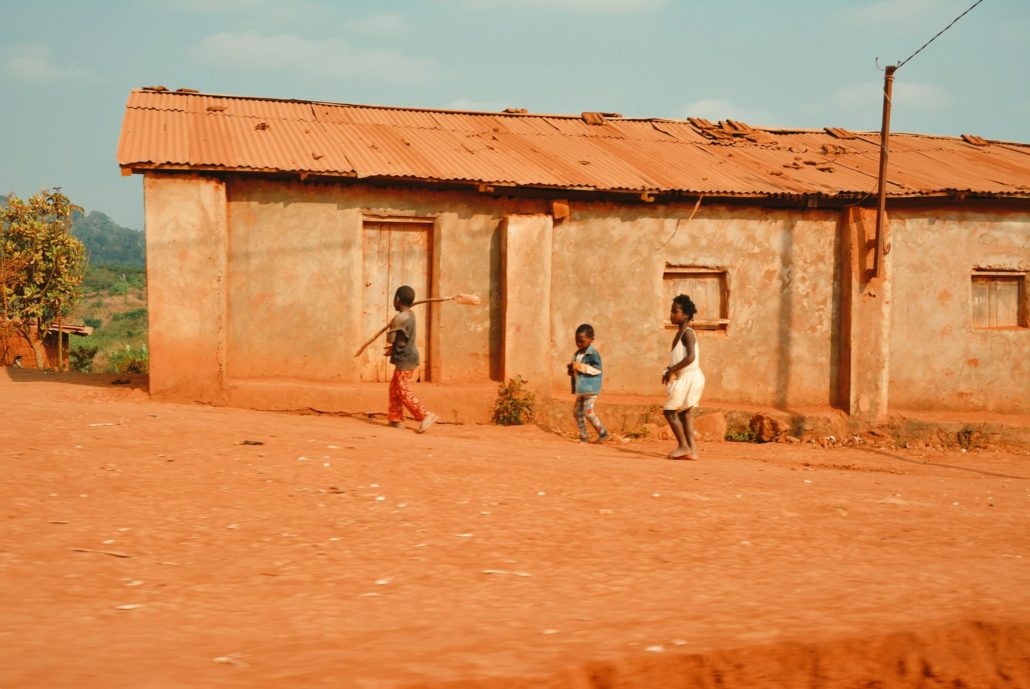
poverty balkansWithin Europe, the Balkans region often ranks the highest in terms of poverty rates and income inequality. Much of the region has only just recently begun to recover from the turmoil and violence that eclipsed the Balkans in the 1990s, and the region as a whole still lags behind the income rates and development of nations across the whole of Europe. With this in mind, to help better understand the poverty of the region, here are a couple of facts about the poverty in the Balkans.

“The Poorest Places in Europe”

When measured, the poverty in the Balkans is in the double digits. Breaking it down by country: 33% of Macedonians live in poverty; 30% of Kosovans live in poverty; and 20% of all Serbians and Croatians, or one in every five, live in poverty. The Balkan nations are some of the poorest nations in Europe. Albania, as an example, had “the lowest standard of living and the lowest per capita income in all of Europe.”

The Yugoslav Wars could be some of the reasons for poverty in the Balkans. Among other things, the war could be a catalyst for the rise in poverty, and the shrinking of the middle class the region has experienced since. The loss of previously established social services following the war’s start further exacerbates these trends.

Interestingly, despite the high poverty rate, there’s very little “youth crime,” or street/gang crime, in the region. There is also very little “common law crimes” that occur: crimes like murder, theft, and so on. However, there is still a large amount of organised crime, owing to the region’s geographic vulnerability, being in-between the markets of Europe and the Middle East.

Government Organizations Working to Combat Poverty

The World Bank provides loans to Balkan municipalities in order to improve infrastructure, and UNICEF has programs designed to support early childhood education. The European Union, meanwhile, works to reduce poverty via its “South Eastern Europe 2020 Strategy,” according to the European Western Balkans.

The Social Dimensions Initiative (SDI) is an international campaign that aims to advance social policy within Western Balkan countries. Founded by the European Fund for the Balkans (EFB), the initiative aims to advocate on behalf of social and employment policies within the Western Balkans, whilst also promoting regional cooperation, both between Balkan entities and the members of the SDI.

CARE Balkan

CARE Balkan is an initiative specific to the Balkans region, focusing on providing humanitarian assistance to the Balkans region since 1993. Its goal is “to ensure that the social, economic and political rights of vulnerable and marginalized groups are recognized and fulfilled, contributing to sustainable peace in the region.” The organization achieves this through several programs focusing on conflict prevention, peacebuilding, gender equality and prevention of gender violence.

Although poverty in the Balkans appears strong and at times overwhelming, initiatives and organizations are working to combat it. Both international organizations, such as the World Bank, UNICEF, and the European Union, work to invest in the Balkans region, whilst advocacy campaigns such as SDI work to promote and strengthen these initiatives. It is through these campaigns that poverty in the Balkans can be truly combated.

– Caelan Caukin

Caelan is based in Los Angeles, CA, USA and focuses on Global Health and Politics for The Borgen Project.

Photo: Flickr
July 17, 2025
https://borgenproject.org/wp-content/uploads/borgen-project-logo.svg 0 0 Naida Jahic https://borgenproject.org/wp-content/uploads/borgen-project-logo.svg Naida Jahic2025-07-17 03:00:222025-07-16 14:08:30Facts About Poverty in the Balkans
Electricity and Power, Global Poverty

Rural Communities and Renewable Energy in Nigeria

Renewable Energy in NigeriaNigeria, Africa’s largest economy and most populous nation faces a deep-rooted energy crisis. More than 85 million Nigerians, nearly 43% of the population, lack access to grid electricity. Rural areas are the worst affected, often relying on kerosene, charcoal and expensive diesel generators. This not only harms health and the environment but also perpetuates poverty and economic stagnation. As the global shift toward cleaner energy accelerates, Nigeria has started implementing innovative off-grid solutions to bring light to its darkest corners.

The Untapped Potential of Renewable Energy in Nigeria

Nigeria possesses vast renewable energy potential, particularly in solar energy. The country receives an average of 5.5 kWh/m²/day of solar irradiation, making it one of the most promising locations for solar energy development on the continent. However, until recently, this potential was largely untapped due to weak infrastructure, limited investment and policy gaps. In response, the Nigerian government and development partners are now leveraging this resource to establish decentralized solar systems, solar home kits and hybrid mini-grids as the backbone of rural electrification.

Overcoming Structural Barriers

Despite progress, Nigeria’s rural electrification efforts face persistent challenges. Many remote areas lack basic infrastructure like roads and telecommunications, complicating the delivery and maintenance of energy solutions. Financing remains a hurdle for both consumers and project developers.

Additionally, Nigeria’s regulatory landscape can be slow and fragmented, delaying project approvals. Weak grid infrastructure in urban areas also poses a barrier to expanding hybrid models that integrate renewables with the national grid. For Nigeria to meet its electrification goals, it has to streamline permitting processes and provide greater access to green finance.

The Power of Public-Private Collaboration

The success of Nigeria’s renewable energy drive lies in the strength of its public-private partnerships. Companies like Rubitec Solar, PowerGen Renewable Energy and Husk Power Systems collaborate with communities to install and operate mini-grids using a pay-as-you-go (PAYG) model. This approach lowers entry costs for rural users while ensuring systems are financially sustainable.

These companies also provide training to local technicians, fostering job creation and community ownership. Donor agencies such as USAID and the U.K.’s Department for International Development (DFID) help de-risk these projects through grants and technical support. PowerGen Renewable Energy, for instance, has been instrumental in expanding access to electricity in rural Nigeria. In partnership with international investors, PowerGen launched a distributed renewable energy platform aimed at deploying 120 MW of renewable power solutions, including battery energy storage, across Africa.

The initial focus is on Nigeria, Sierra Leone and the Democratic Republic of the Congo, with plans to expand further across the region. This initiative is supported by the African Development Bank’s Sustainable Energy Fund for Africa (SEFA), the Private Infrastructure Development Group (PIDG), the Danish Investment Fund for Developing Countries (IFU) and the European Development Finance Institutions (EDFI) Management Company. The platform is expected to serve nearly 70,000 households, enhancing electricity access and stimulating local economies.

Aligning With Nigeria’s Climate Commitments

In addition to its profound social and economic benefits, renewable energy stands as a cornerstone of Nigeria’s climate resilience and low-carbon development strategy. As a signatory to the Paris Agreement, Nigeria reaffirmed its climate commitment by submitting an updated Nationally Determined Contribution (NDC) to the United Nations Framework Convention on Climate Change (UNFCCC) in July 2021. This revised NDC commits the country to a 20% reduction in greenhouse gas (GHG) emissions by 2030, relative to business-as-usual projections and up to a 47% reduction with adequate international financial and technical support.

This ambitious climate pledge places renewable energy at the center of national mitigation strategies. Renewable energy technologies, particularly solar, wind and small hydro, produce virtually zero GHG emissions during operation. Their widespread adoption not only displaces high-emission diesel and petrol generators, which are commonly used for backup and off-grid electricity in Nigeria but also contributes to reducing localized air pollution and related public health risks. The expansion of solar infrastructure is particularly critical. It reduces reliance on fossil fuels, enhances national energy security and shields the economy from the volatility of international oil markets, a significant concern for a country that remains heavily dependent on oil revenues.

To enable this transition, Nigeria has adopted several supportive policies and institutional reforms, including Nigeria’s 2022 Energy Transition Plan (ETP), the first in Africa. ETP sets out a clear roadmap to achieve net-zero emissions by 2060. It outlines targets such as achieving 30% renewable energy in the electricity mix by 2030. These commitments are bolstered by partnerships with international organizations such as the United Nations Development Programme (UNDP) through its Climate Promise initiative, the World Bank and the African Development Bank. Such partnerships are mobilizing investment and technical expertise to scale renewable energy solutions, improve regulatory environments and drive innovation in climate-smart technologies.

A Brighter Path Forward

Access to reliable electricity is not just about powering light bulbs; it’s about unlocking human potential. Electrified communities experience improved health care, enhanced gender equality and increased school retention. Farmers utilize solar-powered irrigation and cold storage to reduce post-harvest losses and boost income. Women can cook safely with electric stoves, reducing hours spent collecting firewood. Microenterprises, from phone charging stations to poultry farms, flourish with a constant power supply.

The Nigerian government’s National Energy Compact aims to accelerate electricity access from 4% to 9% per annum and increase the share of renewable energy in the generation mix from 22% to 50% by 2030. This ambitious plan underscores the critical role of energy access in achieving broader development objectives. Furthermore, the Sustainable Energy for All (SEforALL) initiative’s Rapid Assessment and Gap Analysis highlights the need for coordinated efforts to address energy access disparities in Nigeria.

By investing in decentralized renewable energy solutions, Nigeria could make significant strides toward universal energy access and sustainable development.

– Kenneth Ebhomeye Oko-Oboh

Kenneth is based in Toronto, Ontario, Canada and focuses on Technology and Solutions for The Borgen Project.

Photo: Needpix

July 17, 2025
https://borgenproject.org/wp-content/uploads/borgen-project-logo.svg 0 0 Lynsey 2 https://borgenproject.org/wp-content/uploads/borgen-project-logo.svg Lynsey 22025-07-17 03:00:052025-07-17 01:09:27Rural Communities and Renewable Energy in Nigeria
Global Poverty, Health, HIV/AIDS

HIV/AIDS in Armenia

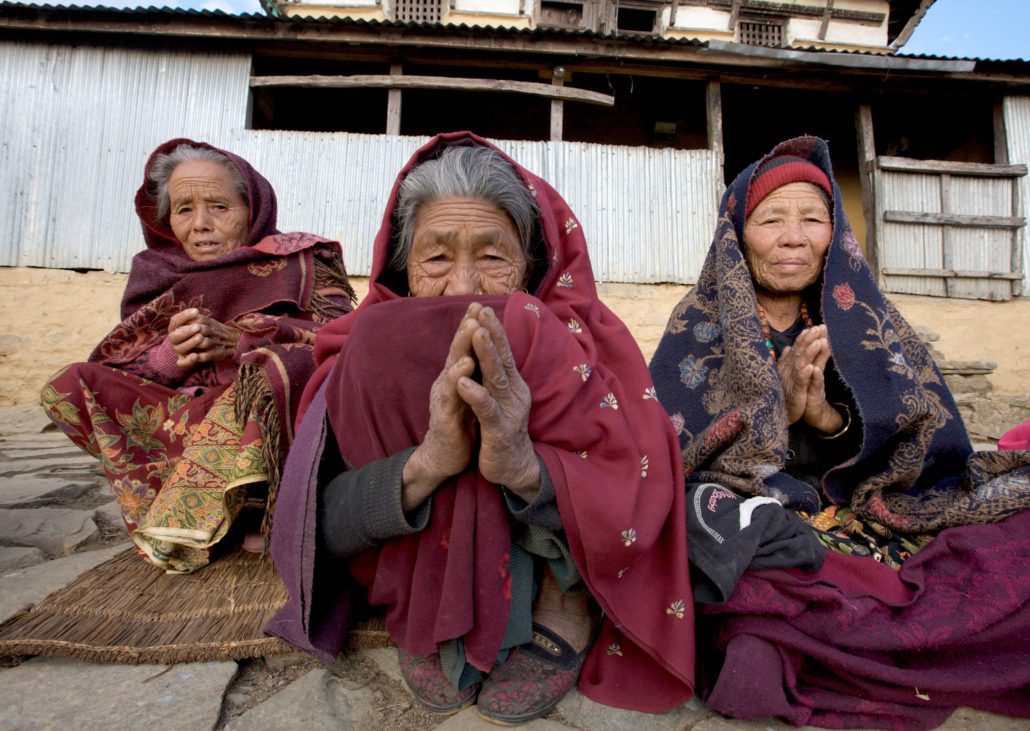
HIVAIDS in ArmeniaAlthough Armenia maintains a low national HIV prevalence—less than 0.2%, the number of new infections has steadily increased in recent years. Between January and October 2024, health authorities recorded 462 new HIV cases, bringing the total number of registered infections since 1988 to approximately 6,076. According to Anna Mergelyan, head of Monitoring and Evaluation at the National Center for Infectious Diseases, the primary transmission route was heterosexual contact (81%), followed by homosexual contact (12%) and injecting drug use (6%).

Rising Infections Among Key Populations

While the national prevalence of HIV remains low, the virus disproportionately affects vulnerable groups. Integrated Bio-Behavioral Surveillance (IBBS) studies and independent reporting indicate that HIV prevalence among men who have sex with men (MSM) increased from 2.7% in 2018 to approximately 5.0% in 2021. Additional risk groups include people who inject drugs (2.6%), transgender individuals (2.5%) and sex workers (0.2%). These trends underscore the need for targeted prevention services, especially in urban areas like Yerevan and regional centers such as Gyumri and Shirak.

HIV/AIDS Stigma and Health Care Barriers in Armenia

Despite the availability of free HIV testing and antiretroviral therapy (ART), stigma in health care settings remains a significant barrier. People living with HIV/AIDS in Armenia frequently report being denied services, especially in nonspecialized clinics. Zhenya Mayilyan, head of the NGO Real World, Real People, stated, “If we compare the situation 10 years ago and now, a lot has changed – both in the public perception and in the level of people’s awareness. However, people living with HIV in Armenia are discriminated against in various spheres of life, in particular, in medical institutions, where a person has to report his or her HIV status when they need some kind of medical intervention.”

She also highlighted specific instances of discrimination, such as a case where an HIV-infected person with a second group of disabilities was refused a spinal tap in two well-known medical centers in Yerevan. The procedure was only carried out after the intervention of a social worker from a public organization.

National Progress and Global Recognition

Armenia became one of the first countries in the World Health Organization (WHO) European Region to eliminate mother-to-child transmission of both HIV and syphilis—a milestone officially recognized by the WHO in 2018. The achievement followed years of investment in maternal health screening, antiretroviral access and prenatal care. Between 1996 and 2010, the country registered 968 HIV cases, with more than 400 progressing to AIDS. A peer-reviewed study in the Journal of AIDS and HIV Research found that most infections occurred among men aged 30 to 39 and more than half had links to heterosexual contact or injecting drug use.

More recently, Armenia has made significant progress toward meeting UNAIDS’ “95-95-95” targets. By late 2022, approximately 77% of people living with HIV were aware of their status, 81% of those diagnosed were receiving ART and 86% of those on treatment had achieved viral suppression.

Community Efforts and Harm Reduction

Local NGOs, such as Real World, Real People, Pink Armenia and Right Side, continue to lead the HIV response at the grassroots level. These organizations provide mobile testing services, legal advocacy, peer support networks, and psychosocial care. Pre-exposure prophylaxis (PrEP) access has also expanded through donor-supported pilot programs.

While government reporting suggested that more than 18,000 individuals from high-risk groups received HIV prevention services in recent years, exact figures are not publicly available in English-language government databases. Independent sources note that outreach efforts remain strong, with HIV testing coverage exceeding 90% for groups such as MSM and people who inject drugs.

Moving Forward

HIV/AIDS in Armenia remains a concentrated but growing public health concern. The country has taken bold steps—from eliminating mother-to-child transmission to reaching strong treatment coverage levels—but stigma, rising infections and inadequate legal protections continue to threaten progress. Continued investment in public education, stigma reduction, legal reform and NGO-led outreach can potentially ensure that all Armenians—regardless of background or identity—have access to lifesaving HIV prevention and care.

– Mamie Hirsh

Mamie is based in Berkeley, CA, USA and focuses on Good News and Celebs for The Borgen Project.

Photo: Flickr
July 17, 2025
https://borgenproject.org/wp-content/uploads/borgen-project-logo.svg 0 0 Precious Sheidu https://borgenproject.org/wp-content/uploads/borgen-project-logo.svg Precious Sheidu2025-07-17 01:30:392025-07-16 14:03:12HIV/AIDS in Armenia
Page 154 of 2162«‹152153154155156›»

Get Smarter

  • Global Poverty 101
  • Global Poverty… The Good News
  • Global Poverty & U.S. Jobs
  • Global Poverty and National Security
  • Innovative Solutions to Poverty
  • Global Poverty & Aid FAQ’s
Search Search

Take Action

  • Call Congress
  • Email Congress
  • Donate
  • 30 Ways to Help
  • Volunteer Ops
  • Internships
  • Courses & Certificates
  • The Podcast
Borgen Project

“The Borgen Project is an incredible nonprofit organization that is addressing poverty and hunger and working towards ending them.”

-The Huffington Post

Inside The Borgen Project

  • Contact
  • About
  • Financials
  • President
  • Board of Directors
  • Board of Advisors

International Links

  • UK Email Parliament
  • UK Donate
  • Canada Email Parliament

Get Smarter

  • Global Poverty 101
  • Global Poverty… The Good News
  • Global Poverty & U.S. Jobs
  • Global Poverty and National Security
  • Innovative Solutions to Poverty
  • Global Poverty & Aid FAQ’s

Ways to Help

  • Call Congress
  • Email Congress
  • Donate
  • 30 Ways to Help
  • Volunteer Ops
  • Internships
  • Courses & Certificates
  • The Podcast
Scroll to top Scroll to top Scroll to top