Addressing Disability and Poverty in Saint Lucia
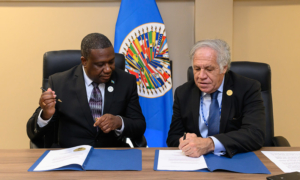 In Saint Lucia, Merphilus James, President of the National Council of and for Persons with Disabilities, has spoken openly about the financial hardships his own family faced when seeking a prosthetic abroad. Like many others, the high cost and lack of local resources made access nearly impossible. His experience reflects the wider challenge the country faces at the intersection of disability and poverty.
Throughout the island, many people with disabilities run into the same problems. In the 2014-15 school year, of students enrolled in special education or mainstreamed into the public system (361 students total), 77% were diagnosed with learning disabilities, intellectual disability or autism; multiple handicaps comprised about 12%. Limited access to medical care, lack of assistive devices and very few job opportunities are some of the barriers they face.
The Link Between Disability and Poverty in Saint Lucia
The 2010 Population Census measured that approximately 12% of Saint Lucia’s population had a disability; physical disability is among the most common types, with accident-related causes rising. Disability often worsens poverty. Data from Saint Lucia’s Central Statistical Office indicates that 4.6% of persons surveyed in 2019-2021 report at least one disability. Females make up 53.1% of that group and those aged 60 and older account for 57%.
According to the World Bank, less than one in 10 Saint Lucians lives below the poverty line and people with disabilities are particularly vulnerable to unemployment and exclusion. Families with a disabled member face higher living costs for care, equipment and health needs as well. This cycle makes targeted policies essential for breaking barriers.
Government Action
Saint Lucia’s government has worked with the World Bank to start projects to improve opportunities for people with disabilities. In 2020, Saint Lucia launched the Human Capital Resistance Project, focusing on strengthening social protection programs and helping the most vulnerable groups to find jobs.
The project focuses on providing training, financial support and community services to improve overall living conditions. By 2021, the project had reached at least 3,000 people and programs linked to it, including skills training for the youth and people with disabilities.
The Role of NGOs
Nonprofit groups also play a central role. The Saint Lucia National Council of and for Persons with Disabilities (NCOPD) has advocated for infrastructure, education and job opportunities to be more available.
NCOPD organized many awareness campaigns and even partnered with schools to promote inclusive learning. In recent years, the group worked with international donors to supply assistive devices such as wheelchairs and hearing aids.
The World Bank reports that investing more into disability-friendly education and/or job training helps minimize dependency and continues to support economic growth in Saint Lucia. Poverty levels will decrease when more people get on board and can work, contribute and act entirely in society.
Future of Disability and Poverty in Saint Lucia
Progress now shows slowly but clearly. With the establishment of the Prosthetic Rehabilitation and Repairs Center, 10 Saint Lucians who urgently needed prosthetic legs received them free of cost in 2022. This development highlights how focused action can ultimately change lives through government policy and grassroots leadership.
While challenges remain, Saint Lucia’s growing mix of local initiatives and international support offers a model of how small nations can tackle disability and poverty together.
– Tiana Hermes
Tiana is based in Boulder, CO, USA and focuses on Global Health for The Borgen Project.
Photo: Flickr
